United States · Utah
Where to Stay in Logan, Utah
Logan is the seat of Cache County in the Wasatch Range, a Utah State University town founded in 1859.
Hotel links are affiliate links: booking through them may earn us a commission, at no extra cost to you. It never affects how places are ranked. How this works


Where to stay in Logan
How the choice of base plays out on the ground.
Rooms near Utah State University put the lecture halls, the Nora Eccles Harrison Museum of Art, and the noise of term time within a few minutes on foot, which is either the point of the trip or the thing to avoid. Term dates matter here. Graduation weekends and the opening of the academic year crowd the town more than any public holiday.
Willow Park suits a different trip. Zootah at Willow Park anchors that side of Logan, and rooms there trade campus proximity for quieter ground and a walk to the animals rather than to a lecture hall. The older streets are the third option.
The Crockett House and the Logan LDS Sixth Ward Church stand among them, and staying there means the town's own fabric rather than the fringe the university has built around itself. Distances stay short either way, since this is not a large city and the whole grid can be crossed in a quarter of an hour by car. Cache County spreads out beyond all three.
Anyone here for the Wasatch Range, the climbing, the fly-fishing, the winter snow, does better on the edge of Logan than in the middle of it, with the high ground closer and the drive shorter at dawn.
Find hotels in Logan
Direct booking searches for these neighbourhoods.
Around Utah State University
Beds beside the Utah State University campus put the Nora Eccles Harrison Museum of Art and the lecture halls within a walk.Find hotels in Around Utah State Universityfamilies using Zootah at Willow ParkThe Willow Park side
Quieter ground by Willow Park, with Zootah at Willow Park a short walk off and the high ground still in view.Find hotels in The Willow Park sideguests who prefer old Logan to the campus fringeOld streets by the Logan LDS Sixth Ward Church
The Crockett House and the Logan LDS Sixth Ward Church stand among these blocks, clear of campus traffic.Find hotels in Old streets by the Logan LDS Sixth Ward ChurchHotel links are affiliate links: booking through them may earn us a commission, at no extra cost to you. It never affects how places are ranked. How this works
Things to do in Logan
Ranked by global recognition; descriptions from Wikidata (CC0).
Museums & Galleries
1- Nora Eccles Harrison Museum of Art
Churches & Religious Sites
1- Logan LDS Sixth Ward Church Heritage
Landmarks & Notable Places
5- Crockett House Heritage
- Erick Lehi and Ingrid Larsen Olson House Heritage
- Ferdinand Zollinger, Jr. House Heritage
- Logan Fish Hatchery Caretaker's Residence Heritage
- William McNeil Smith House Heritage
worth knowingacross 3 categories in Logan
About Logan
Utah State University sets the tone.
What is Logan known for?
The main campus anchors the town, and the academic calendar runs through much of what Logan does, from the pace of the streets to the rhythm of its year. Then there is the range. Hiking, mountain biking, sport climbing, kayaking, fly-fishing, and skiing all begin close to Cache County's edges, and they run less crowded here than in comparable country elsewhere in the United States.
What are the main landmarks in Logan?
The Nora Eccles Harrison Museum of Art holds the town's art collection, on the Utah State University campus rather than downtown. Zootah at Willow Park handles the family afternoon. The rest of the register is domestic: the Crockett House, the William McNeil Smith House, the Erick Lehi and Ingrid Larsen Olson House, and the Logan Fish Hatchery Caretaker's Residence, each named for who lived or worked there.
The Logan LDS Sixth Ward Church stands with them. So does the Ferdinand Zollinger, Jr. House.
What is the history of Logan?
Logan dates from 1859. The settlement took the floor of Cache County and stayed there, and the buildings that survive from its first decades are houses and a ward church rather than anything monumental. Names carry the record.
The Crockett House, the William McNeil Smith House, and the Erick Lehi and Ingrid Larsen Olson House each keep the family that built them in the title, which is how a county of this size wrote its history down. The Logan LDS Sixth Ward Church belongs to the same run of building, and it is the only one of the group meant for a crowd. Utah State University changed the scale.
The main campus went up in Logan, and the town has since organised itself around the academic year as much as around the seasons. Cache County keeps its seat here too. The metropolitan area named for the city reaches past the state line, taking in Cache County and Franklin County, Idaho, which makes Logan the practical centre of a valley two states share.
The Logan Fish Hatchery Caretaker's Residence survives from that older working town, one job's house kept on the register.
Where is Logan?
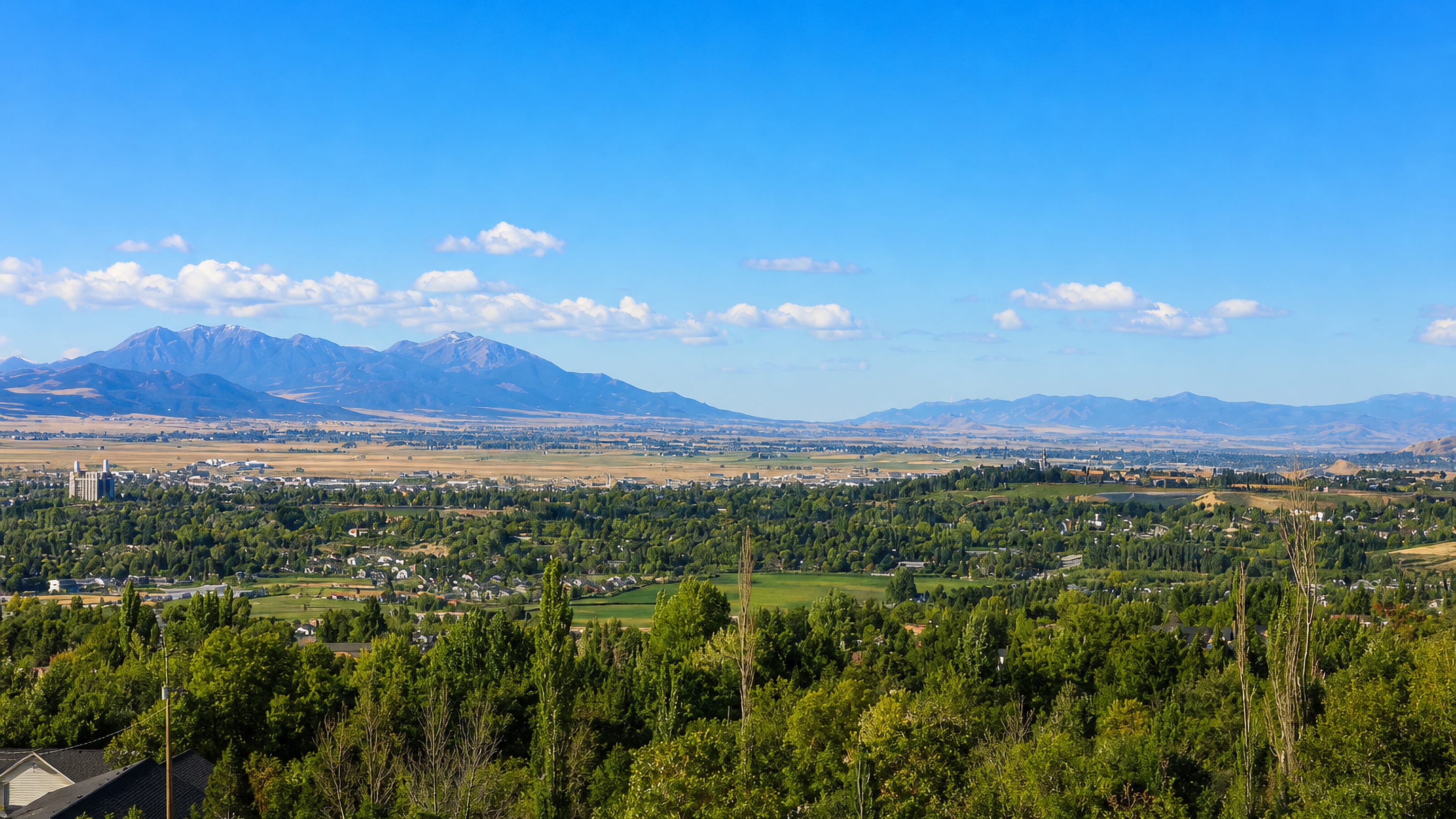
Logan occupies a valley floor in the Wasatch Range region, with Cache County spreading around it. Mountains stand on either hand. They frame the town closely enough that the built-up area stops where the slope begins, which keeps the city compact and makes the whole grid legible from any rise above it.
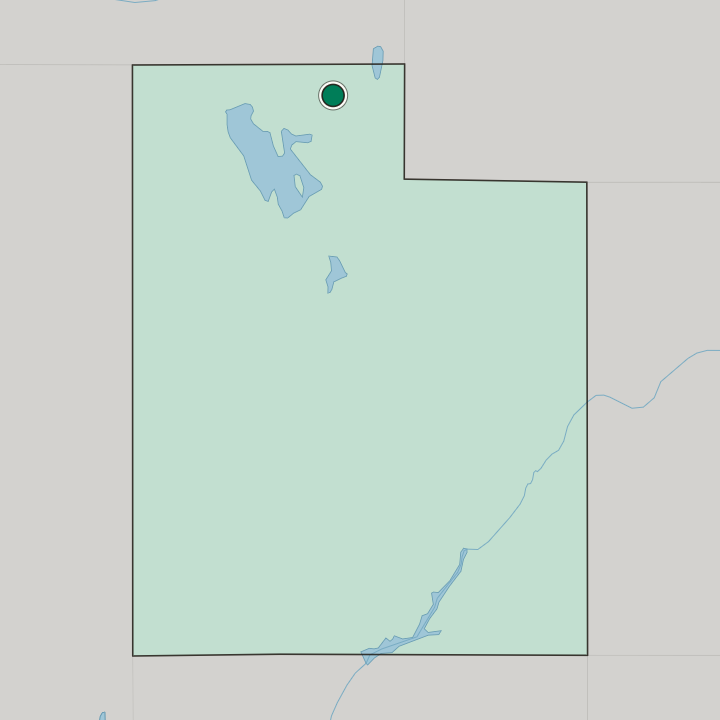
The state line is close, and Franklin County, Idaho falls inside the same valley system that Logan sits in.
What is the climate of Logan?
Snow is the season that matters. Skiing works within reach of the town, which means the cold months are long enough and reliable enough to hold a snowpack on the slopes above Cache County. Spring melt comes off the range.
Summer swings the other way, warm and long enough for kayaking and fly-fishing to run through the middle of the year.
How do you get to Logan?
Most arrivals come up the valley by car. The city anchors its own metropolitan area, so traffic converges here from across Cache County and from Franklin County, Idaho rather than passing through on the way elsewhere. Mountains complicate every approach, since a route into Cache County has to find its way around high ground before it reaches the valley floor.
Allow for the mountain miles.
Common questions
What is the best area to stay in Logan?
Around Utah State University: visits built around campus events and the Nora Eccles Harrison Museum of Art. The Willow Park side: families using Zootah at Willow Park. Old streets by the Logan LDS Sixth Ward Church: guests who prefer old Logan to the campus fringe.
Good for
More cities in Utah
Updated September 2026