United States · Wisconsin
Where to Stay in Milwaukee, Wisconsin
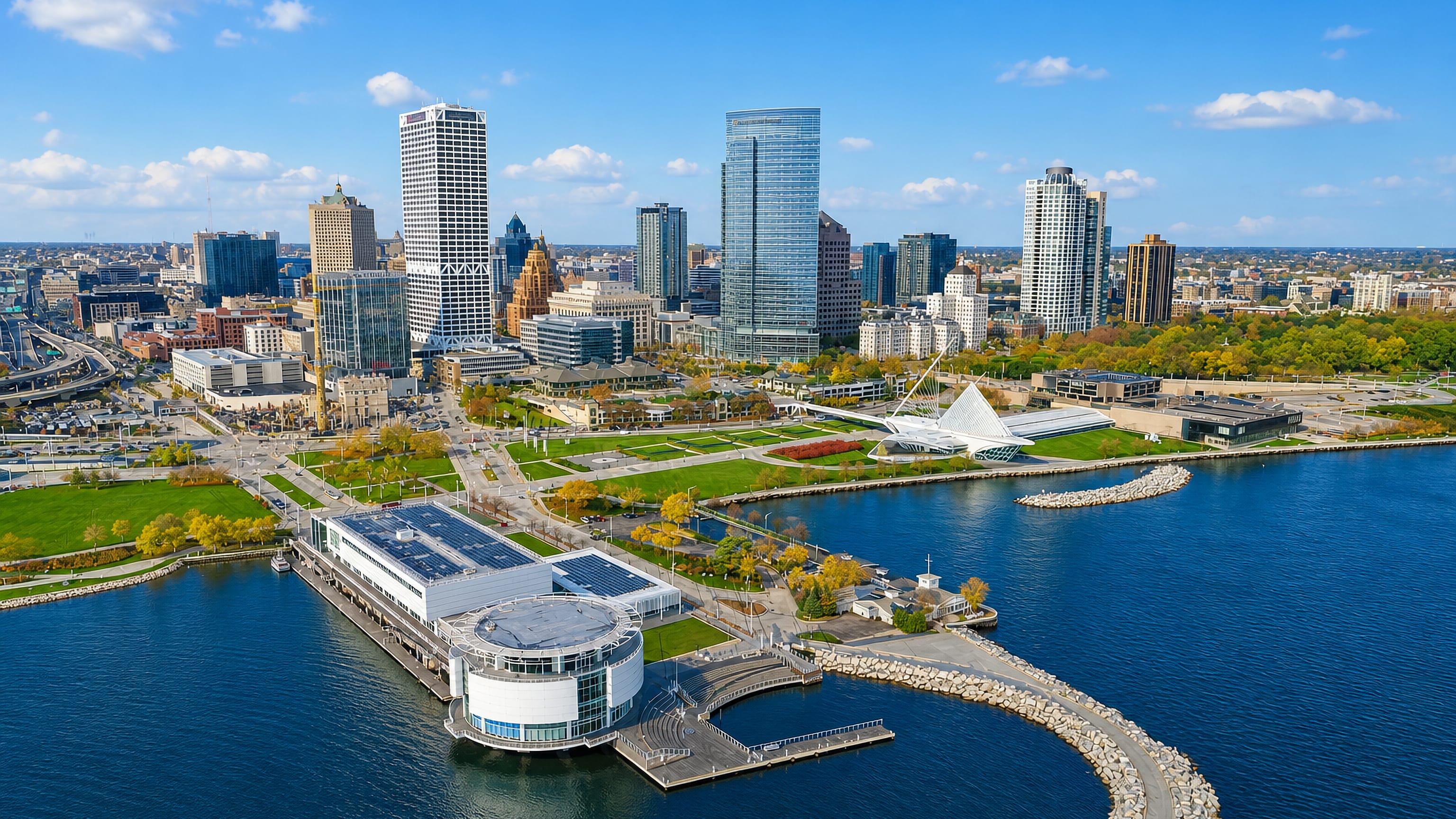
Milwaukee is the largest city in Wisconsin, set on the western shore of Lake Michigan and known for its brewing heritage and the Harley-Davidson Museum.
Hotel links are affiliate links: booking through them may earn us a commission, at no extra cost to you. It never affects how places are ranked. How this works


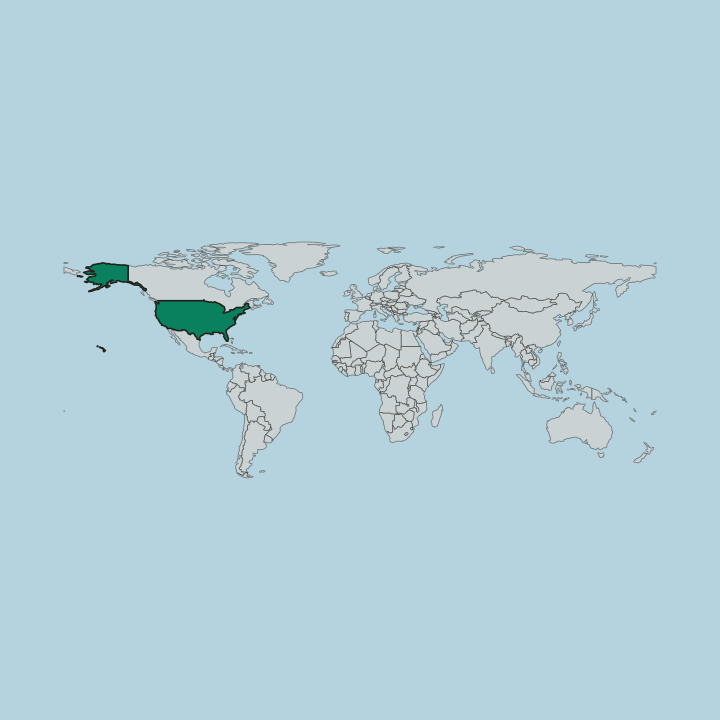
Where to stay in Milwaukee
Each area has its own feel; here's who each one suits.

 MilwaukeeUnited States
Historic Third Ward
The Historic Third Ward is a Milwaukee quarter whose listed sites run from Discovery World to the National Bobblehead Hall of Fame and Museum.Where to stay →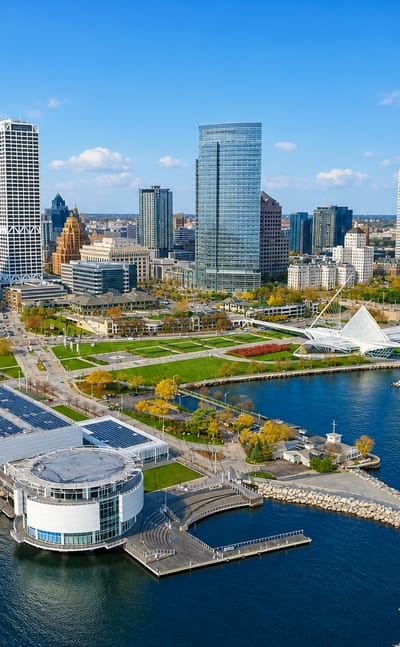 MilwaukeeUnited States
Lincoln Village
Lincoln Village is a Milwaukee neighbourhood built around the Basilica of St. Josaphat, with St. Adalbert's Church on the same short list.Where to stay →Hotel links are affiliate links: booking through them may earn us a commission, at no extra cost to you. It never affects how places are ranked. How this works
Find hotels in Milwaukee
Direct booking searches for these neighbourhoods.
Lakefront downtown
The lakefront downtown sets Old St. Mary's Church and the summer festival grounds within a short walk of the Lake Michigan shore in Wisconsin.Find hotels in Lakefront downtownRiders and brewing-history visitors near the Harley-Davidson Museum and the Grohmann MuseumMenomonee Valley
The valley blocks around the Harley-Davidson Museum and the Grohmann Museum trace the old industrial and brewing heart of Milwaukee.Find hotels in Menomonee ValleyGallery-goers near the Patrick and Beatrice Haggerty Museum of ArtEast Side
The university-side streets keep the Patrick and Beatrice Haggerty Museum of Art and the Chudnow Museum of Yesteryear a short ride from the Lake Michigan bluffs.Find hotels in East SideHotel links are affiliate links: booking through them may earn us a commission, at no extra cost to you. It never affects how places are ranked. How this works
Things to do in Milwaukee
Ranked by global recognition; descriptions from Wikidata (CC0).
Museums & Galleries
3- Milwaukee Art Museum
- Nature & Culture Museum of Wisconsin
- National Bobblehead Hall of Fame and Museum
Churches & Religious Sites
8- Basilica of St. Josaphat Heritage
- Gesu Church Heritage
- Trinity Evangelical Lutheran Church Heritage
- Old St. Mary's Church Heritage
- Saint John's Evangelical Lutheran Church Heritage
Show 3 more →
- St. James Episcopal Church Heritage
- Holy Trinity Roman Catholic Church Heritage
- Calvary Presbyterian Church Heritage
Stadiums & Sports
2- Helfaer Field
- Eclipse Park
Landmarks & Notable Places
4- George Schuster House Heritage
- Thomas Cook House Heritage
- David W. Howie House Heritage
- Edward J. Dahinden House Heritage
worth knowingacross 4 categories in Milwaukee
About Milwaukee
What is Milwaukee known for?
Milwaukee is known first for its brewing past and its German and Polish roots, the largest city on the Wisconsin shore of Lake Michigan. The Harley-Davidson Museum draws riders from across the Midwest. Faith shaped the old neighbourhoods.
Gesu Church and Old St. Mary's Church rise among the immigrant parishes downtown, while the Grohmann Museum and the Patrick and Beatrice Haggerty Museum of Art keep the city's leading collections. Festivals fill the lakefront through the warm months.
What are the main landmarks in Milwaukee?
Milwaukee holds its landmarks between museum halls and immigrant churches. The Harley-Davidson Museum tells the story of the city's most famous export, while the Grohmann Museum and the Patrick and Beatrice Haggerty Museum of Art keep its leading art collections. Faith marks the old streets.
Gesu Church, Old St. Mary's Church, and Trinity Evangelical Lutheran Church stand among the German and Polish parishes downtown, joined by the offbeat Chudnow Museum of Yesteryear. Sport and whimsy close the set. Helfaer Field draws ballplayers near the university, and the National Bobblehead Hall of Fame and Museum offers a lighter stop across Wisconsin.
Milwaukee's sights layer up in this way.
What is the history of Milwaukee?
Milwaukee was founded in 1846 where three rivers meet the western shore of Lake Michigan, growing from rival trading posts into the largest city in Wisconsin. Its harbour and its position on the lake drew shipping, grain, and industry to the young town. The lake made the city.
German and Polish immigrants arrived in great numbers through the nineteenth century, and their breweries, workshops, and parishes shaped the neighbourhoods that still stand. Gesu Church, Old St. Mary's Church, and Trinity Evangelical Lutheran Church rose from that immigrant faith and remain among the oldest sanctuaries downtown. Brewing built lasting wealth.
The city's beer fortunes funded grand houses and civic halls, while a later export, the motorcycle, gave rise to the collection now held at the Harley-Davidson Museum. Industry lined the Menomonee Valley for generations. Only later did the old mills give way to museums, parks, and the reworked riverfront that draws visitors inland from the lakefront across the surrounding ridges.
That harbour on Lake Michigan, more than any single trade, shaped how Milwaukee came to be.
Where is Milwaukee?
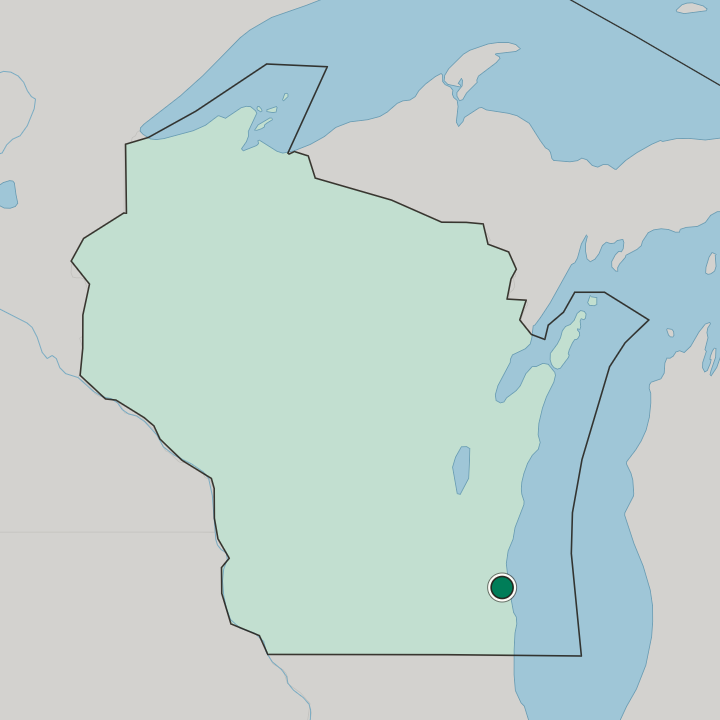
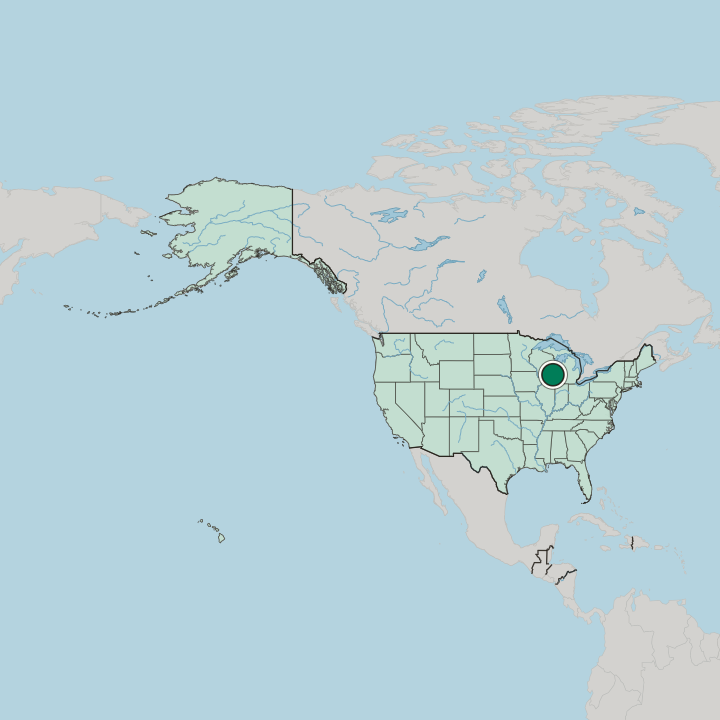
Milwaukee sits on the western shore of Lake Michigan in south-eastern Wisconsin, where three rivers wind through the centre to the harbour. Its streets rise from the lakefront bluffs and spread inland across low ridges and river valleys. The lake fills the whole eastern edge.
That harbour setting, opening wide onto the fresh water of Lake Michigan, gives the city its working waterfront and long green shoreline. Bluffs line the lake north of downtown.
What is the climate of Milwaukee?
Milwaukee has a humid continental climate strongly shaped by Lake Michigan, with cold snowy winters and warm summers. The lake cools the shore in spring and holds the warmth into autumn, so the waterfront runs a little milder than inland Wisconsin. Winds off the water bite hard.
Lake-effect snow can pile up fast. Storms and squalls cross the lake through much of the year, and the open fresh water drives the sharp temperature swings that mark the seasons across the Midwest. Summer draws crowds to the shore.
How do you get to Milwaukee?
Milwaukee sits on the main interstate and rail corridor along the western shore of Lake Michigan, an easy run north of Chicago. Most visitors arrive by road or rail. A lakeside airport south of the centre adds air links, and a car ferry crosses Lake Michigan in the warm season.
The downtown grid is simple to cross on foot. Bus lines reach the wider Wisconsin towns.
Common questions
What is the best area to stay in Milwaukee?
Lakefront downtown: Festival-goers wanting Lake Michigan and Old St. Mary's Church at the door. Menomonee Valley: Riders and brewing-history visitors near the Harley-Davidson Museum and the Grohmann Museum. East Side: Gallery-goers near the Patrick and Beatrice Haggerty Museum of Art.
Good for
More cities in Wisconsin
Updated October 2026