United States · Wisconsin
Where to Stay in Racine, Wisconsin
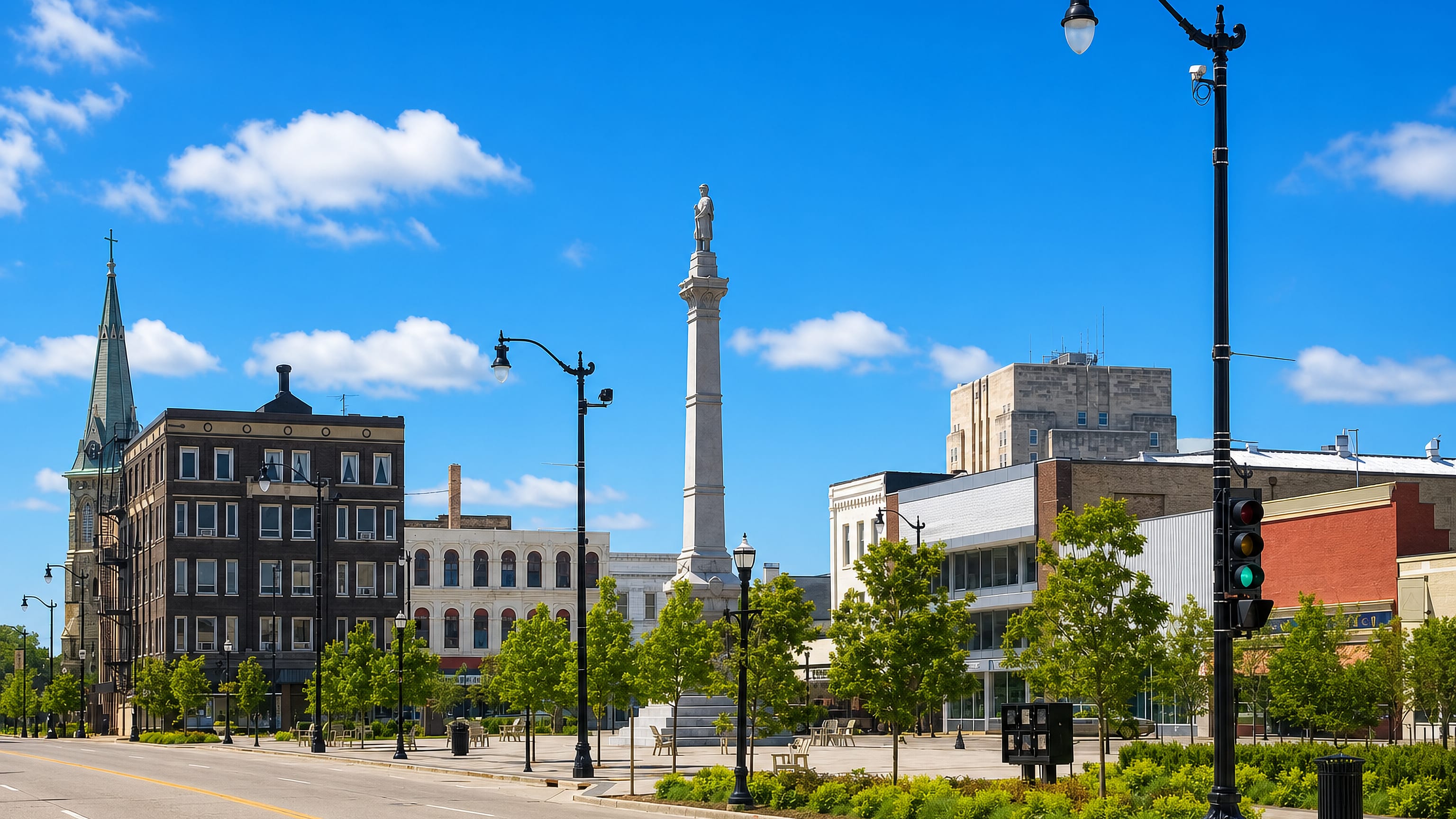
Racine stands at the mouth of the Root River on Lake Michigan, county seat of Racine County in Wisconsin, with a founding dated to 1699.
Hotel links are affiliate links: booking through them may earn us a commission, at no extra cost to you. It never affects how places are ranked. How this works


Where to stay in Racine
The practical side of choosing where to sleep.
The Root River mouth is the address that matters. Rooms on the harbour front look out at Lake Michigan and back up the river at the same time, which is the exact position the settlement was founded on, and they leave the Racine Art Museum within an easy walk of the door. Water on two sides.
Nothing else in the city can offer that. The museum blocks are the alternative. Beds among them sit close to the Racine Art Museum and the Racine Heritage Museum, with First Presbyterian Church and the Karel Jonas House on the surrounding streets, which suits a stay built on collections and older buildings rather than on open water.
The Racine Zoo side is quieter again. Families tend to end up out there, and the run back into the centre is short enough that the choice costs little, though a room out along the road toward Milwaukee or Chicago is worth taking only when the trip is really about one of those two cities. Racine County is small either way, and nothing inside it takes long to reach.
Find hotels in Racine
Direct booking searches for these neighbourhoods.
The Root River mouth
The Root River empties into Lake Michigan at this point, and the front rooms watch both waters at once. Lodging is scarce in this area; reserve in advance.Find hotels in The Root River mouthGallery days shared between the Racine Art Museum and the Racine Heritage MuseumThe Racine Art Museum blocks
The Racine Art Museum and the Racine Heritage Museum stand in the same older core, near First Presbyterian ChurchFind hotels in The Racine Art Museum blocksFamily mornings that start at the Racine ZooThe Racine Zoo side
The Racine Zoo gives a family stay a fixed point of its own, apart from the two museumsFind hotels in The Racine Zoo sideHotel links are affiliate links: booking through them may earn us a commission, at no extra cost to you. It never affects how places are ranked. How this works
Things to do in Racine
Ranked by global recognition; descriptions from Wikidata (CC0).
Museums & Galleries
1- Racine Art Museum
Churches & Religious Sites
3- St. Patrick's Roman Catholic Church Heritage
- St. Luke's Episcopal Church, Chapel, Guildhall, and Rectory Heritage
- First Presbyterian Church Heritage
Landmarks & Notable Places
3- Hansen House Heritage
- Karel Jonas House Heritage
- Eli R. Cooley House Heritage
worth knowingacross 3 categories in Racine
About Racine
Three institutions carry the name.
What is Racine known for?
The Racine Art Museum and the Racine Heritage Museum divide the collections between art and record, and the Racine Zoo adds a third address, which is a lot of institution for a city of this size to keep going. The Root River supplies the rest. Its mouth on Lake Michigan gave the settlement its reason to stand where it does, and the water still governs the front of the built-up area.
What are the main landmarks in Racine?
Museums first. The Racine Art Museum and the Racine Heritage Museum split the city's collections between art and record, while the Racine Zoo answers a different sort of afternoon altogether. Houses and churches fill the rest of the register, among them the Hansen House, the Karel Jonas House, the Eli R. Cooley House, First Presbyterian Church, the St. Luke's Episcopal Church, Chapel, Guildhall, and Rectory group, and St. Patrick's Roman Catholic Church.
What is the history of Racine?
The record dates the founding to 1699. What made the spot worth taking was the Root River meeting Lake Michigan, a sheltered break in a long open shore, and every later decision about where to build in Racine followed from that one piece of geography. Racine County took its seat here.
The seat has stayed in the city ever since, through every later shift in what the place did for a living. The register keeps the names. Hansen, Karel Jonas and Eli R. Cooley do not all come from one language, which is the clearest surviving sign of who settled the river mouth and stayed to build in brick.
Congregations divided along the same lines. First Presbyterian Church, St. Patrick's Roman Catholic Church and the St. Luke's Episcopal Church, Chapel, Guildhall, and Rectory group each held their own ground within a few streets of one another. Later the two big neighbours reshaped the place.
With Milwaukee 22 miles off and Chicago about 60, Racine settled into the role of a city with strong ties in both directions, and the Racine Heritage Museum now holds the version of that story the city tells about itself.
Where is Racine?
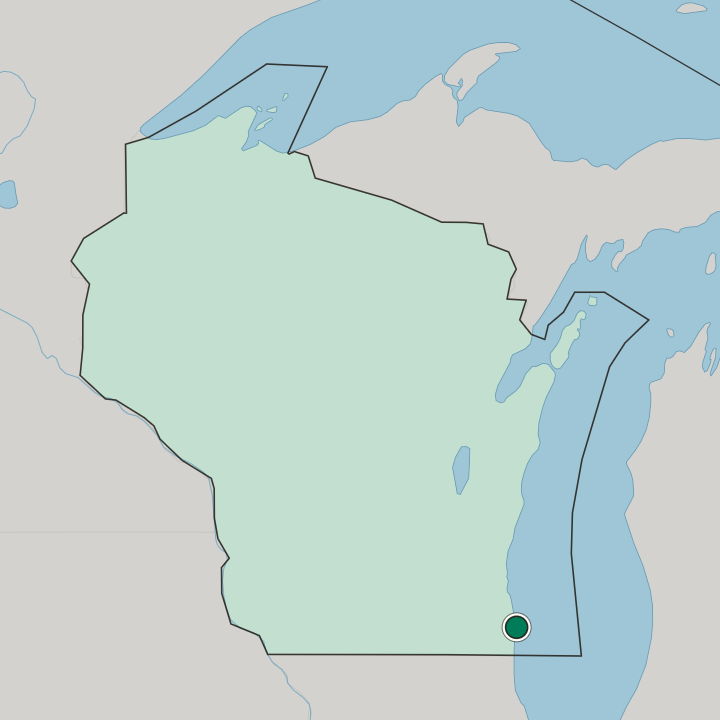
Milwaukee is 22 miles up the shore and Chicago about 60 miles down it, and Racine sits between the two on roughly fifty square kilometres of ground at the Root River mouth. The county is the metropolitan area. Racine County draws one line around the city and the farmland behind it.
Lake Michigan closes the open side.
What is the climate of Racine?
Off the lake, the weather arrives first. Racine faces Lake Michigan across an open front, so a raw morning on the harbour can turn mild three streets inland, and the Root River mouth funnels whatever wind happens to be running that day. Seasons here are four and separate.
A jacket earns its space in the bag in most months.
How do you get to Racine?
Two big cities set the timing. Milwaukee lies 22 miles off and Chicago about 60, so arrival is usually a drive, planned against whatever the road between the three is doing at that hour of the day. Wheels, then.
Inside Racine the Racine Art Museum, the Racine Zoo and the Root River mouth link up on foot without much difficulty.
Common questions
What is the best area to stay in Racine?
The Root River mouth: Harbour rooms where the Root River reaches Lake Michigan. The Racine Art Museum blocks: Gallery days shared between the Racine Art Museum and the Racine Heritage Museum. The Racine Zoo side: Family mornings that start at the Racine Zoo.
Good for
More cities in Wisconsin
Updated September 2026