United States
Wisconsin, United States — Towns & Travel Guide
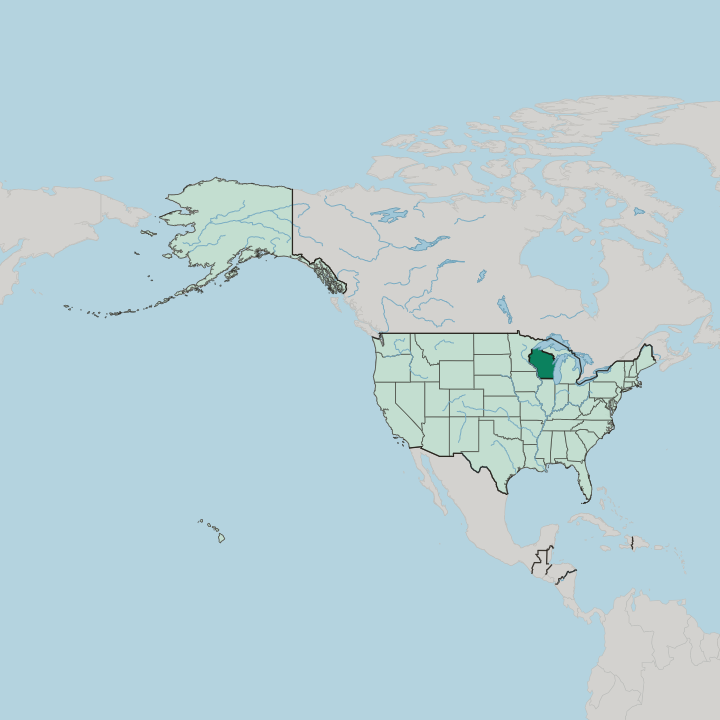
Wisconsin is an Upper Midwest state framed by Lake Michigan, Lake Superior, and the Mississippi River, and known across America as its dairyland.
Hotel links are affiliate links: booking through them may earn us a commission, at no extra cost to you. It never affects how places are ranked. How this works


Towns & cities in Wisconsin
Pick a town or city — each links to where to stay.
 United States
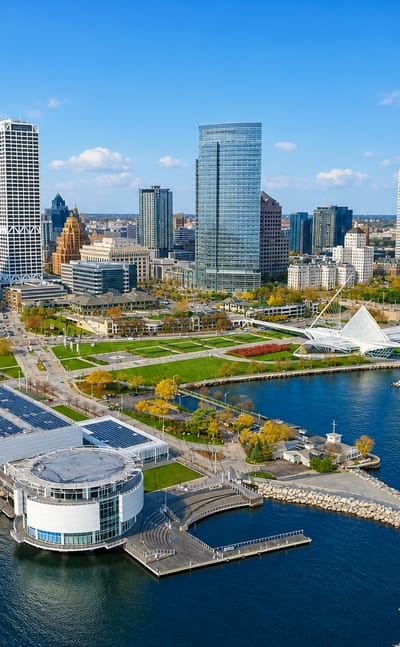
Milwaukee
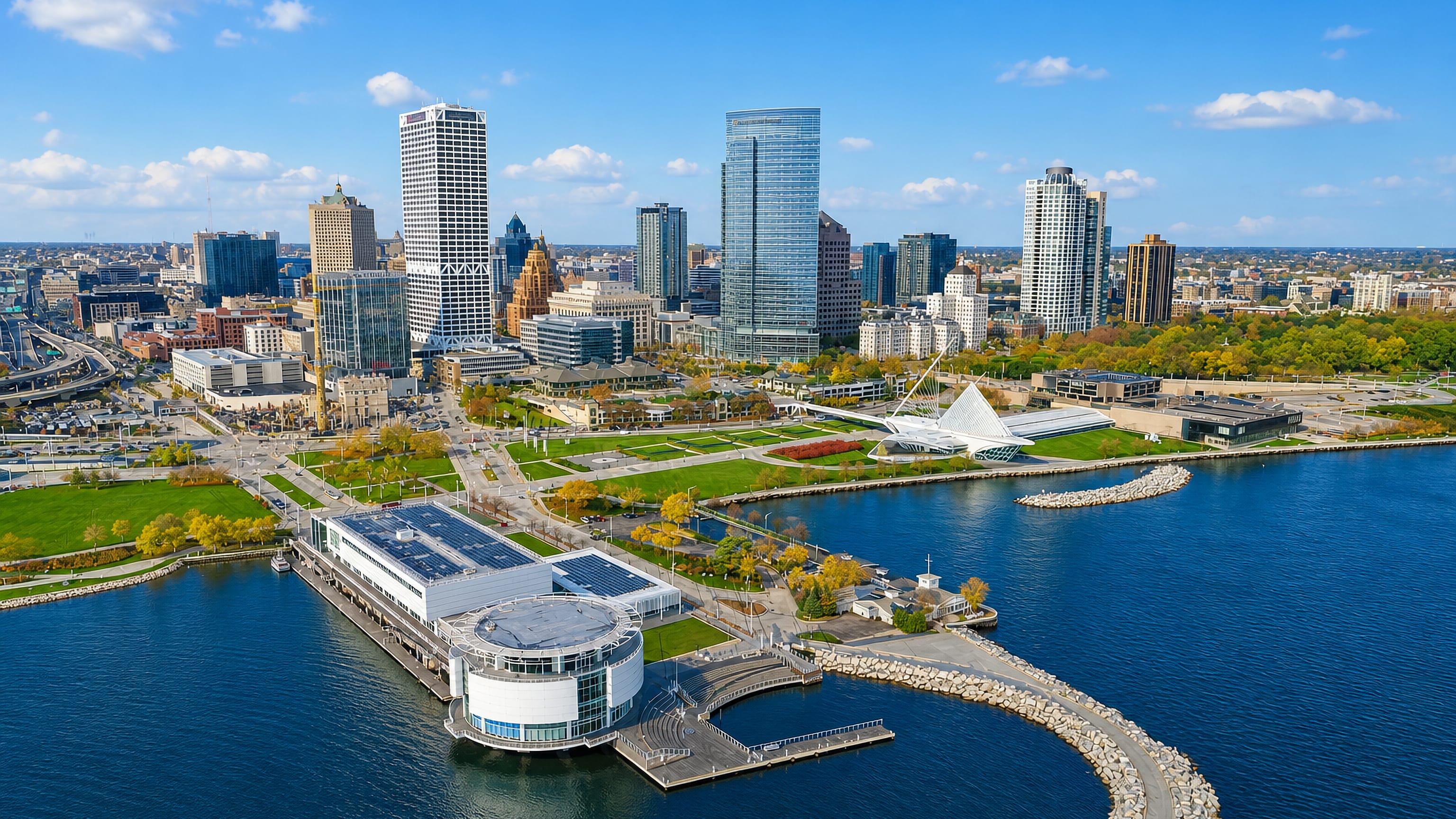
Milwaukee is the largest city in Wisconsin, set on the western shore of Lake Michigan and known for its brewing heritage and the Harley-Davidson Museum.Where to stay →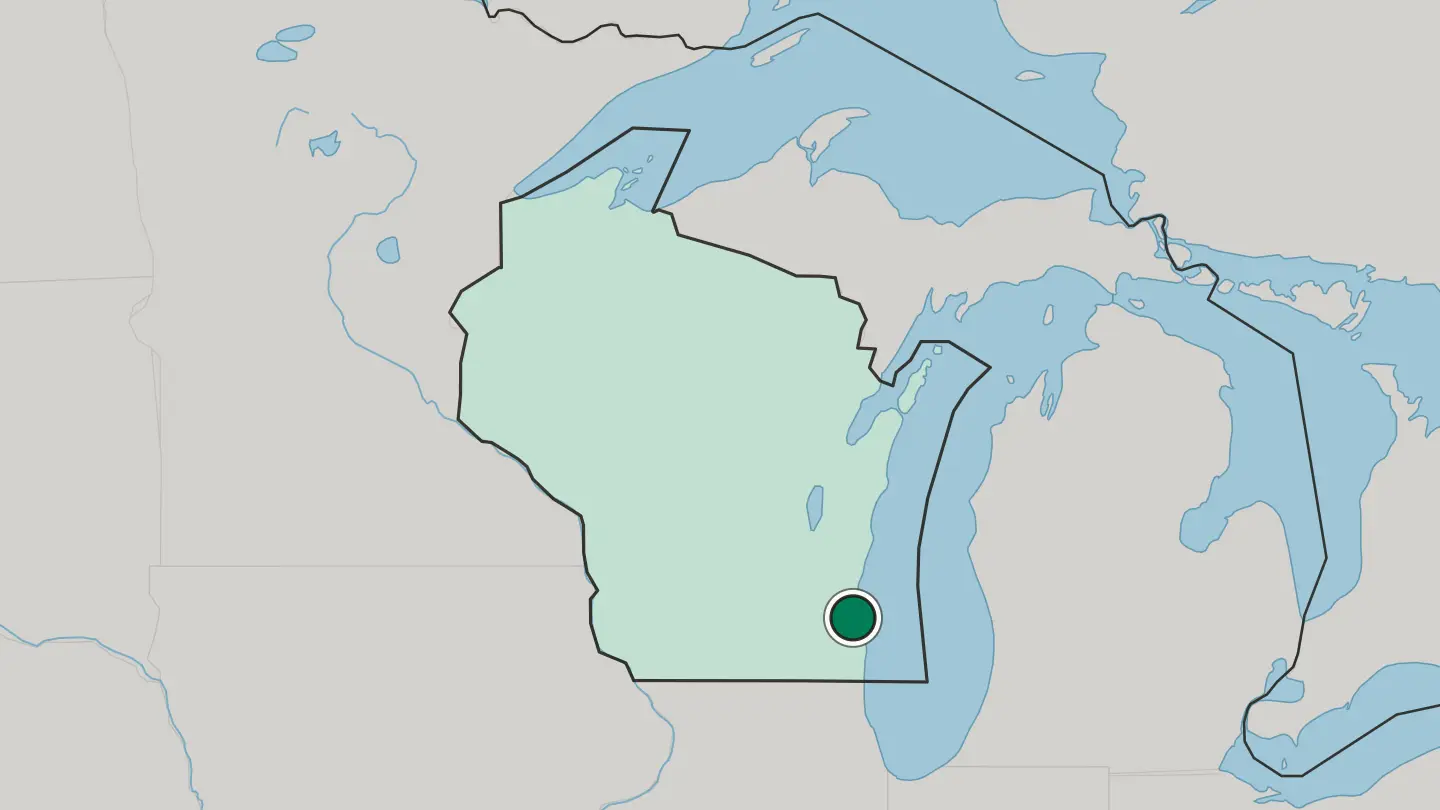
 United States
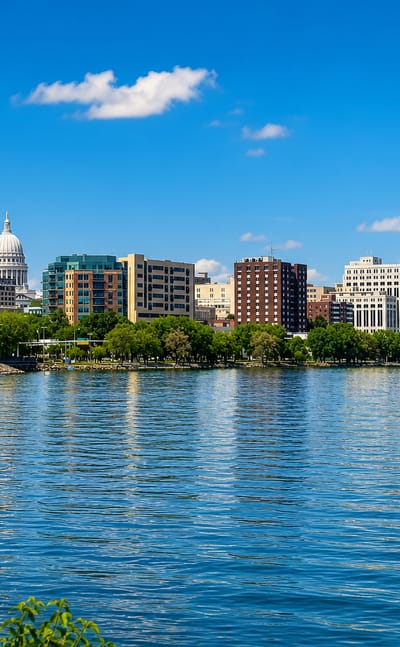
Madison
Capitol domes and campus greens mark Madison, the capital of Wisconsin, known for the Overture Center for the Arts and the Henry Vilas Zoo.Where to stay →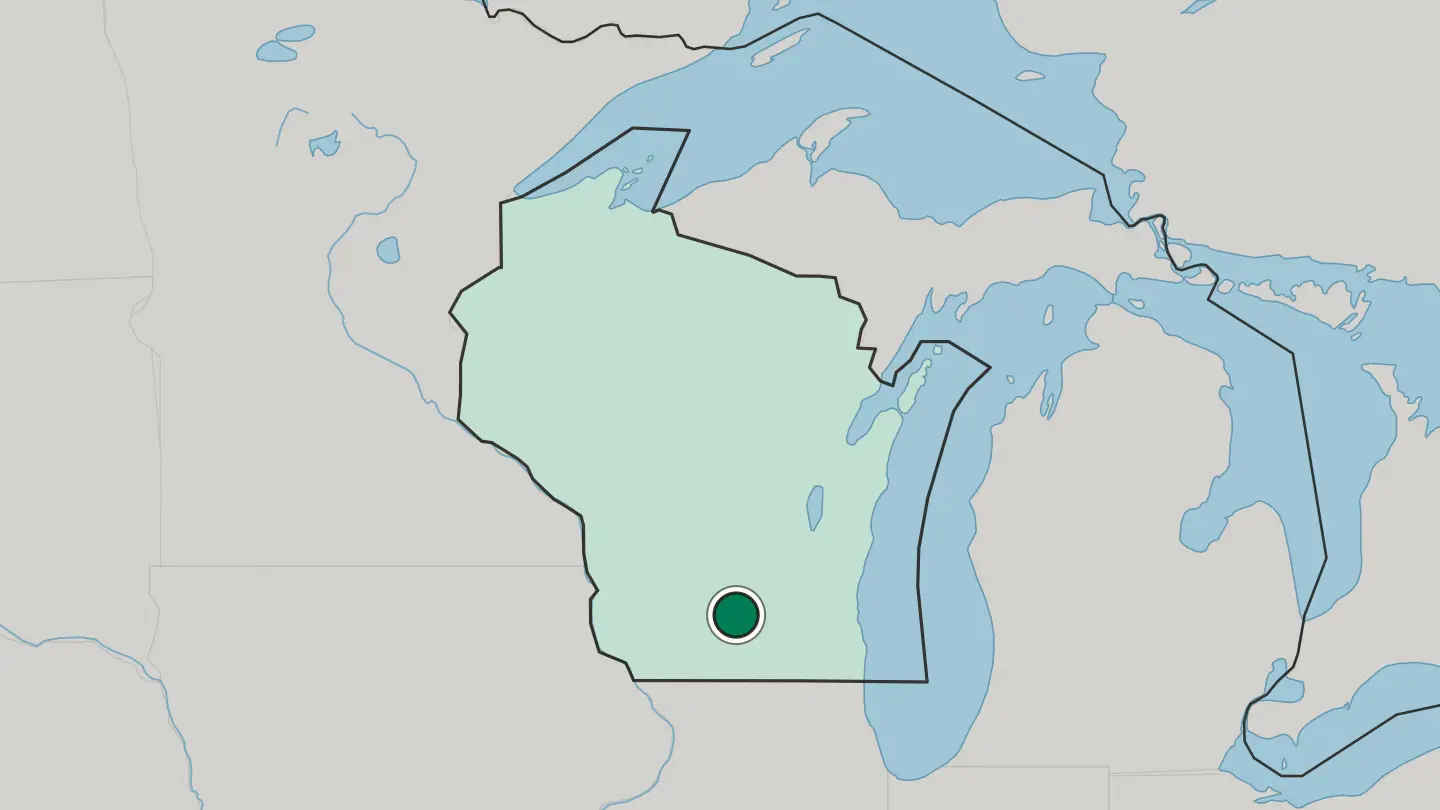 United States
Green Bay
Water and gridiron meet at Green Bay, a city in Wisconsin known for the Packers Heritage Trail and Bay Beach Amusement Park.Where to stay →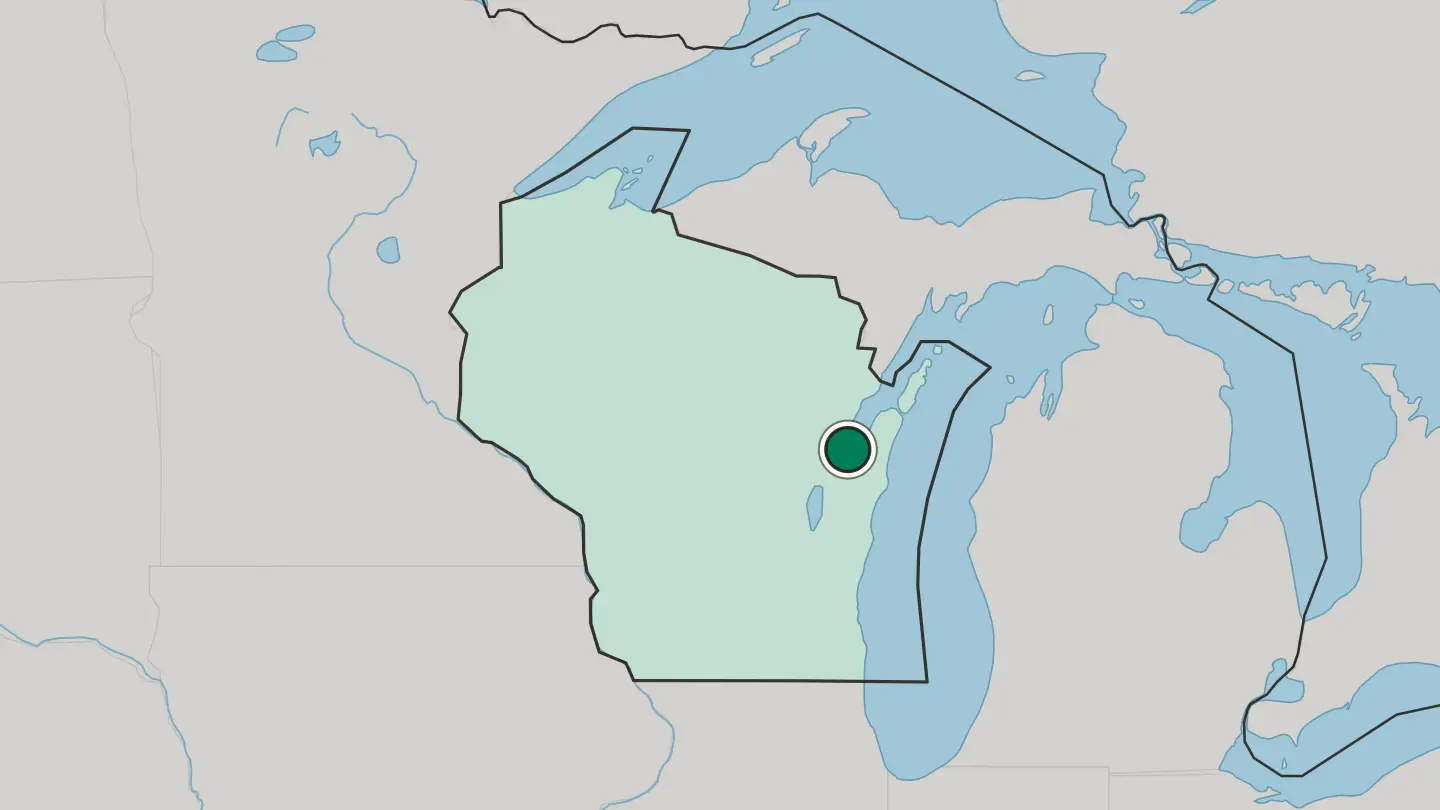
 United States
Kenosha
Kenosha holds the Lake Michigan shore between Milwaukee and Chicago, county seat of Kenosha County in Wisconsin and dated to 1835.Where to stay →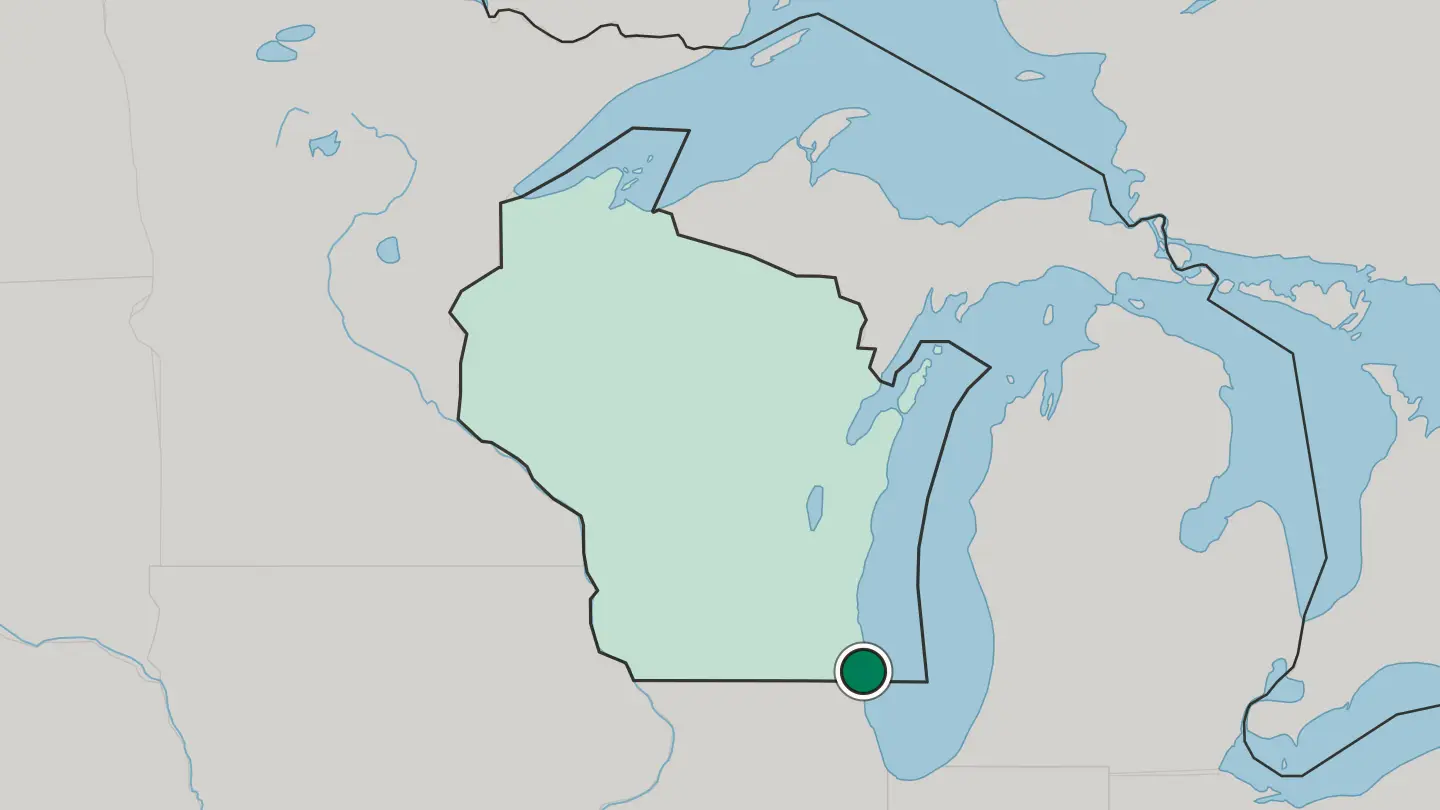
 United States
Racine
Racine stands at the mouth of the Root River on Lake Michigan, county seat of Racine County in Wisconsin, with a founding dated to 1699.Where to stay →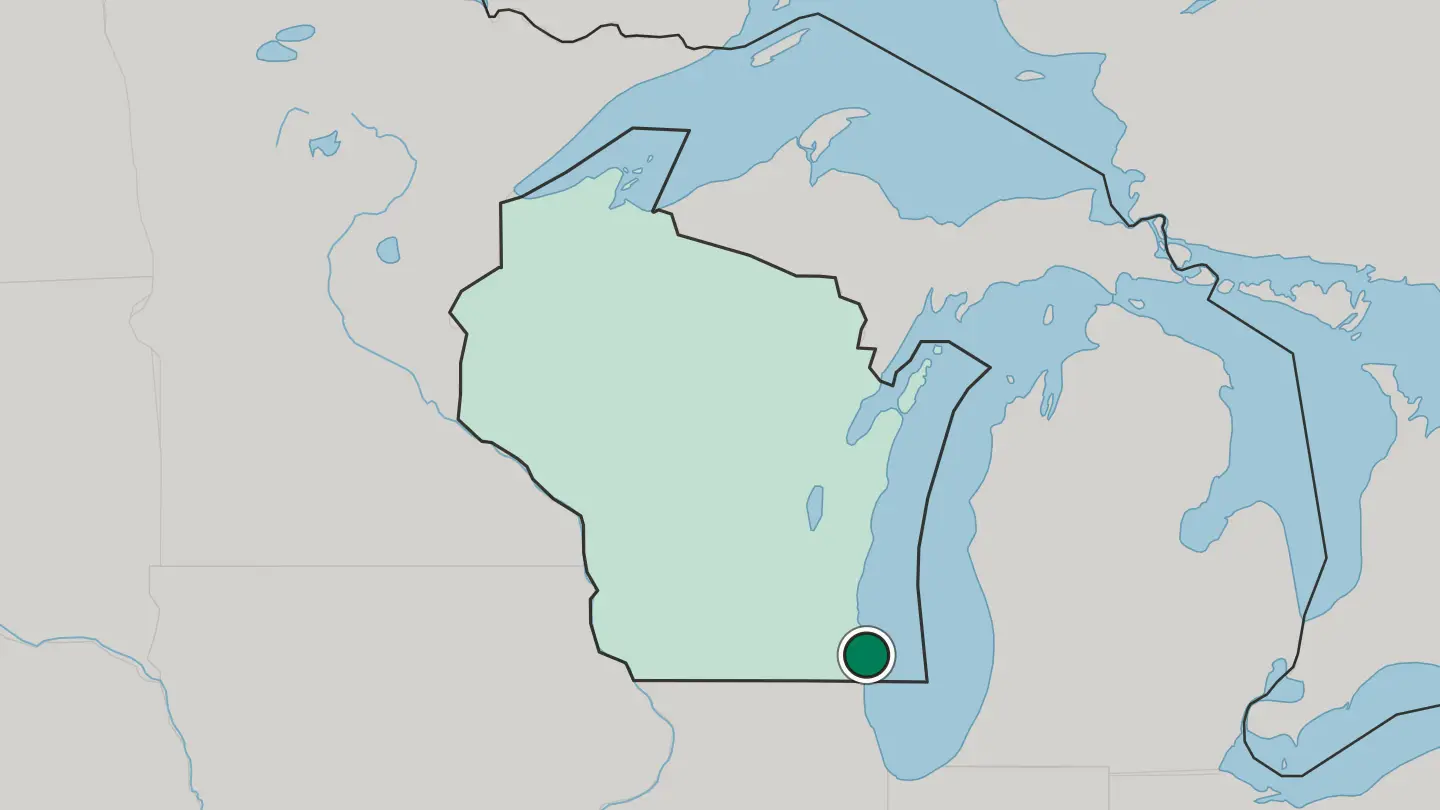
 United States
Appleton
Appleton is the county seat of Outagamie County, Wisconsin, a Fox River city north of Lake Winnebago and the boyhood town of Harry Houdini.Where to stay →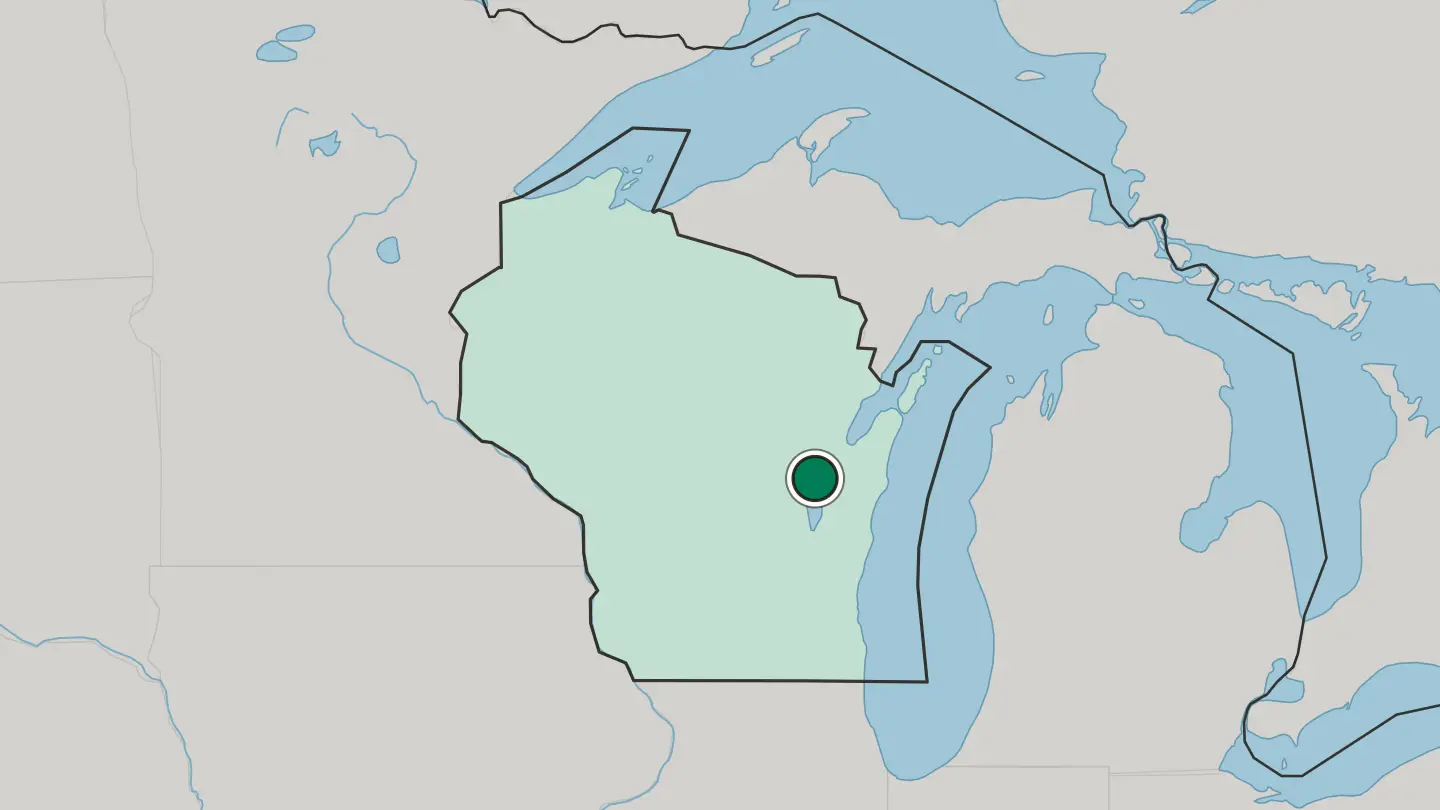
 United States
Waukesha
Waukesha is the county seat of Waukesha County in Wisconsin, a Fox River city about twenty miles west of downtown Milwaukee.Where to stay →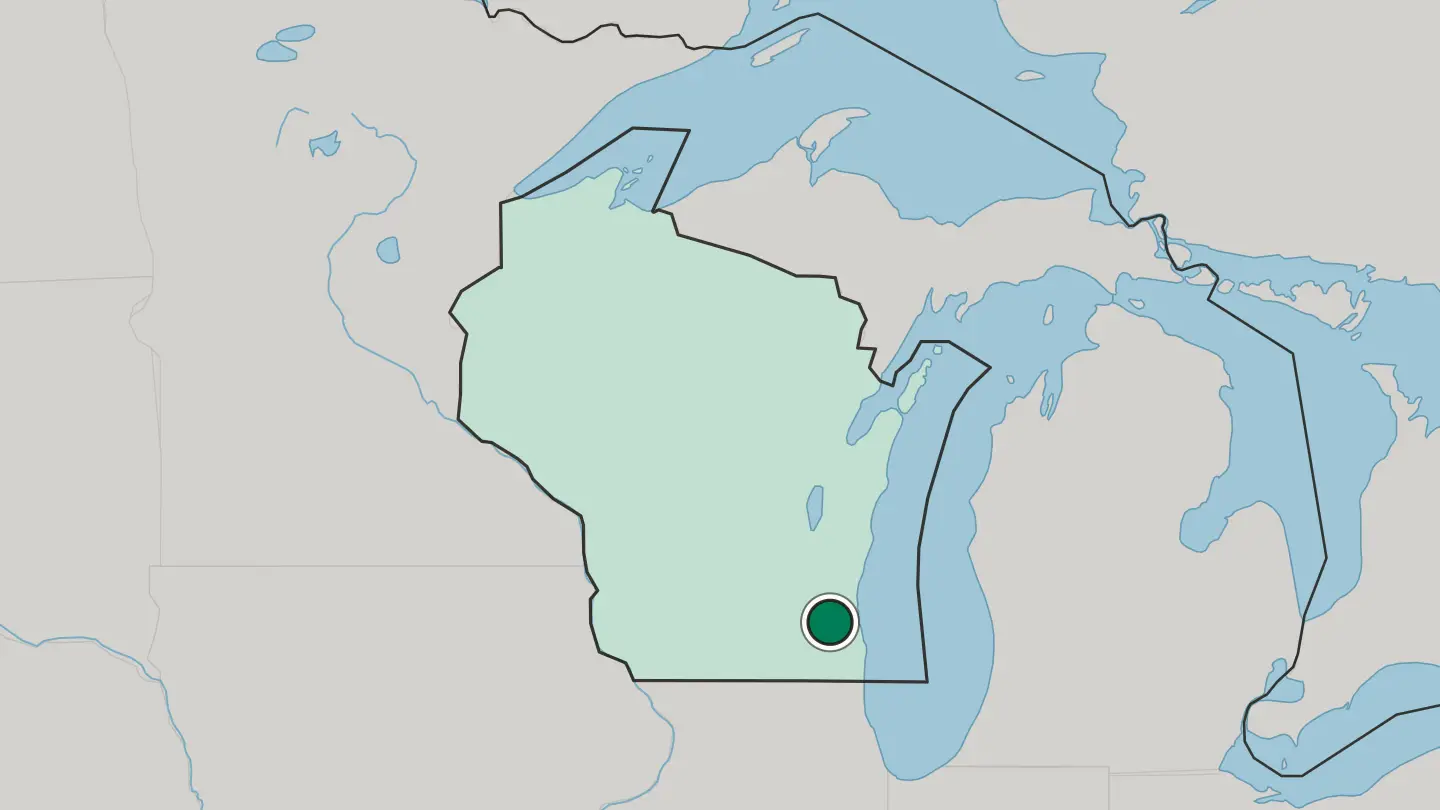
 United States
Eau Claire
Eau Claire is the seat of Eau Claire County in Wisconsin, centre of the metropolitan area known locally as the Chippewa Valley.Where to stay →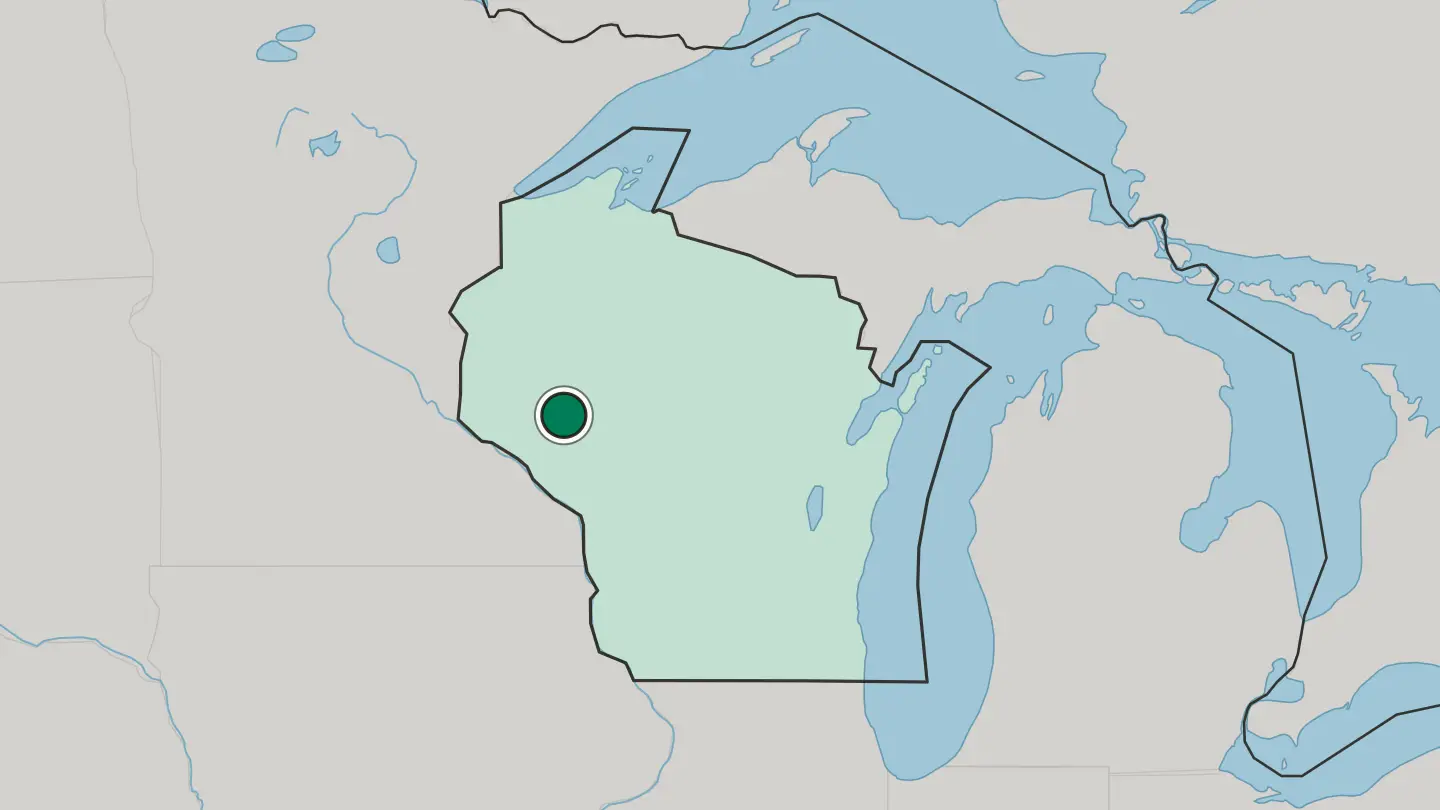
All towns & cities (12)
 United States
Oshkosh
Oshkosh lies on the Fox River between Lake Butte des Morts and Lake Winnebago, county seat of Winnebago County and host of EAA Airventure.Where to stay →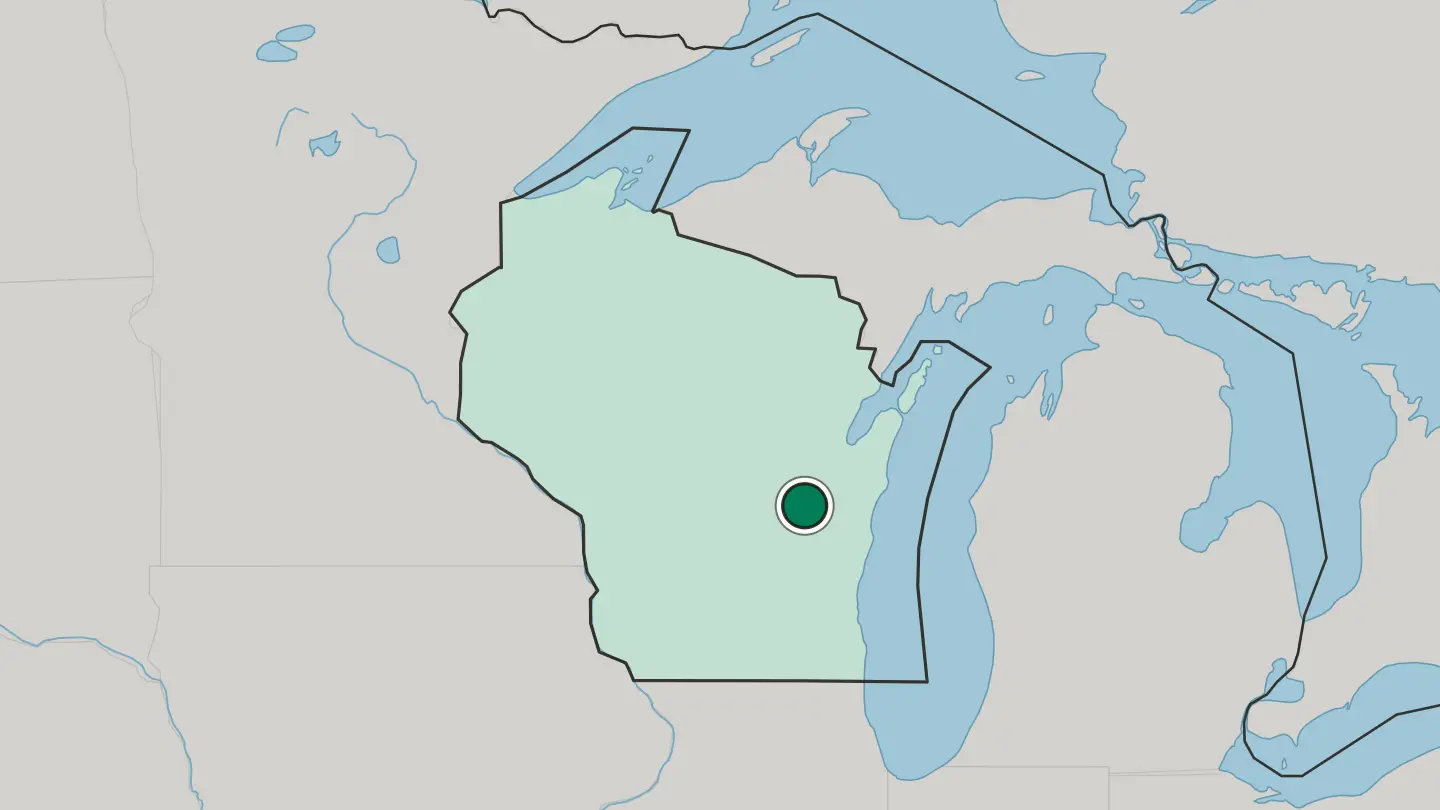
 United States
Janesville
The Rock River cuts through Janesville, the Wisconsin city that keeps the seat of Rock County and more urban parkland per head than any other.Where to stay →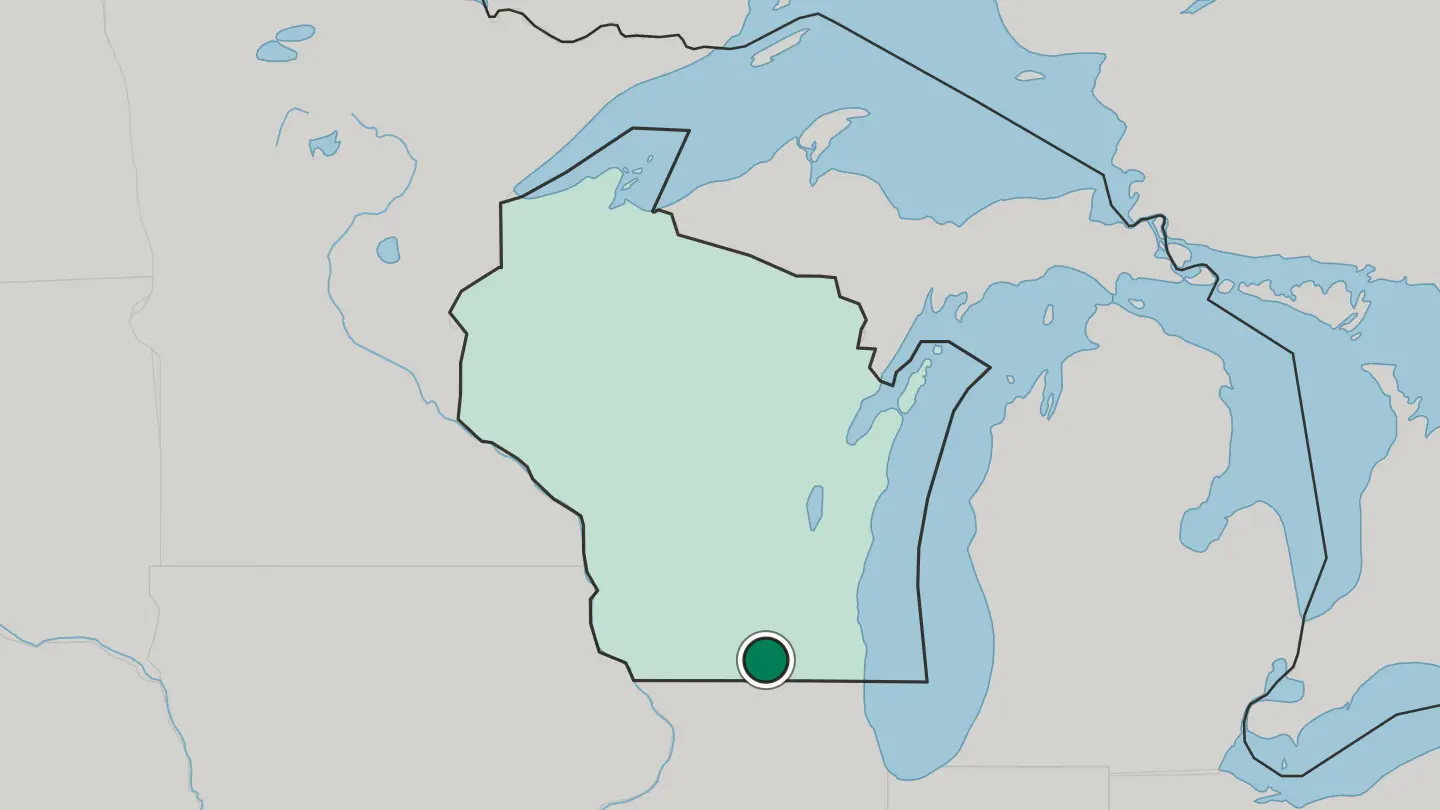
 United States
West Allis
West Allis is a suburb of Milwaukee in Milwaukee County, Wisconsin, holding the Milwaukee County Zoo among its landmarks.Where to stay →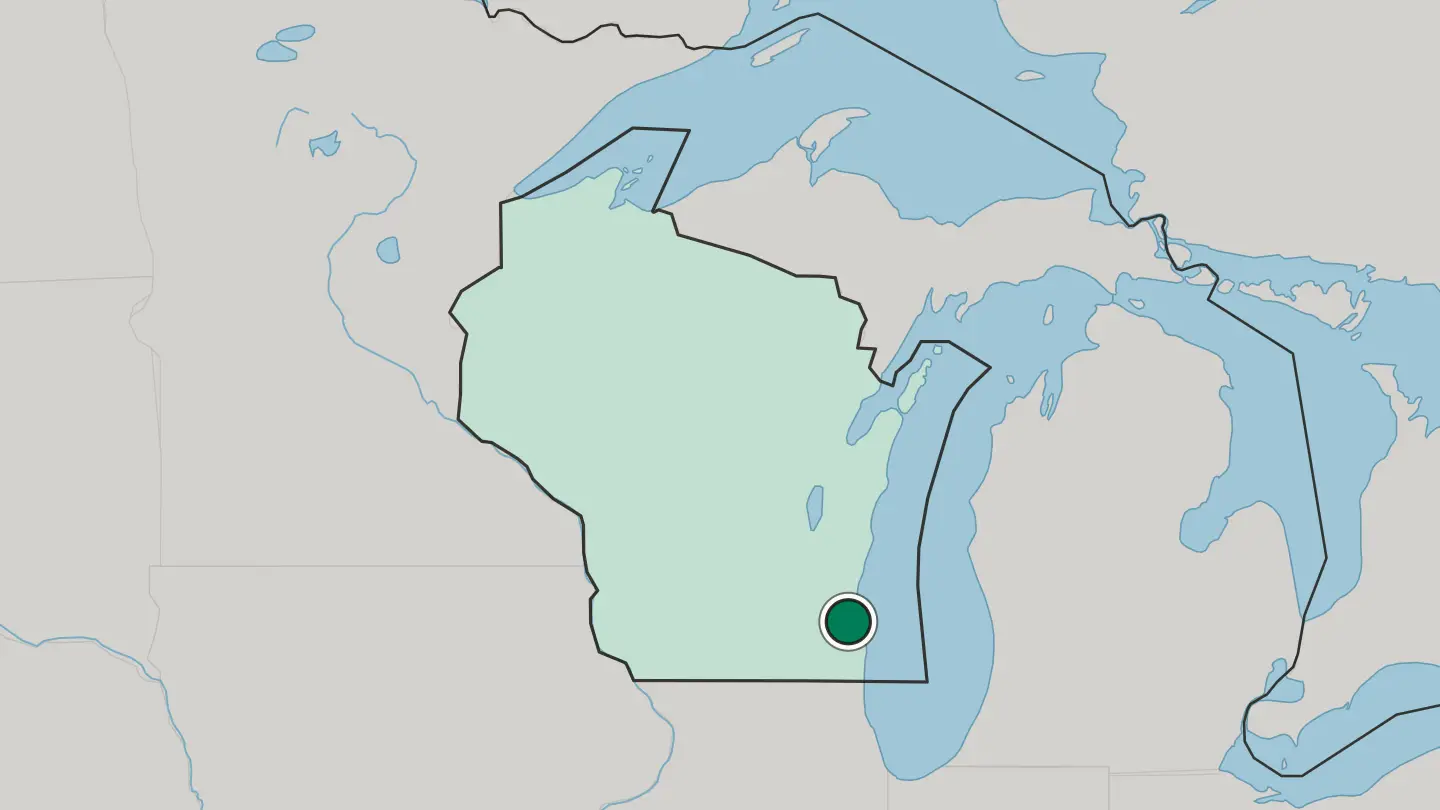
 United States
La Crosse
Bluffs and the Mississippi River frame La Crosse, county seat of La Crosse County and the working centre of the Coulee Region in Wisconsin.Where to stay →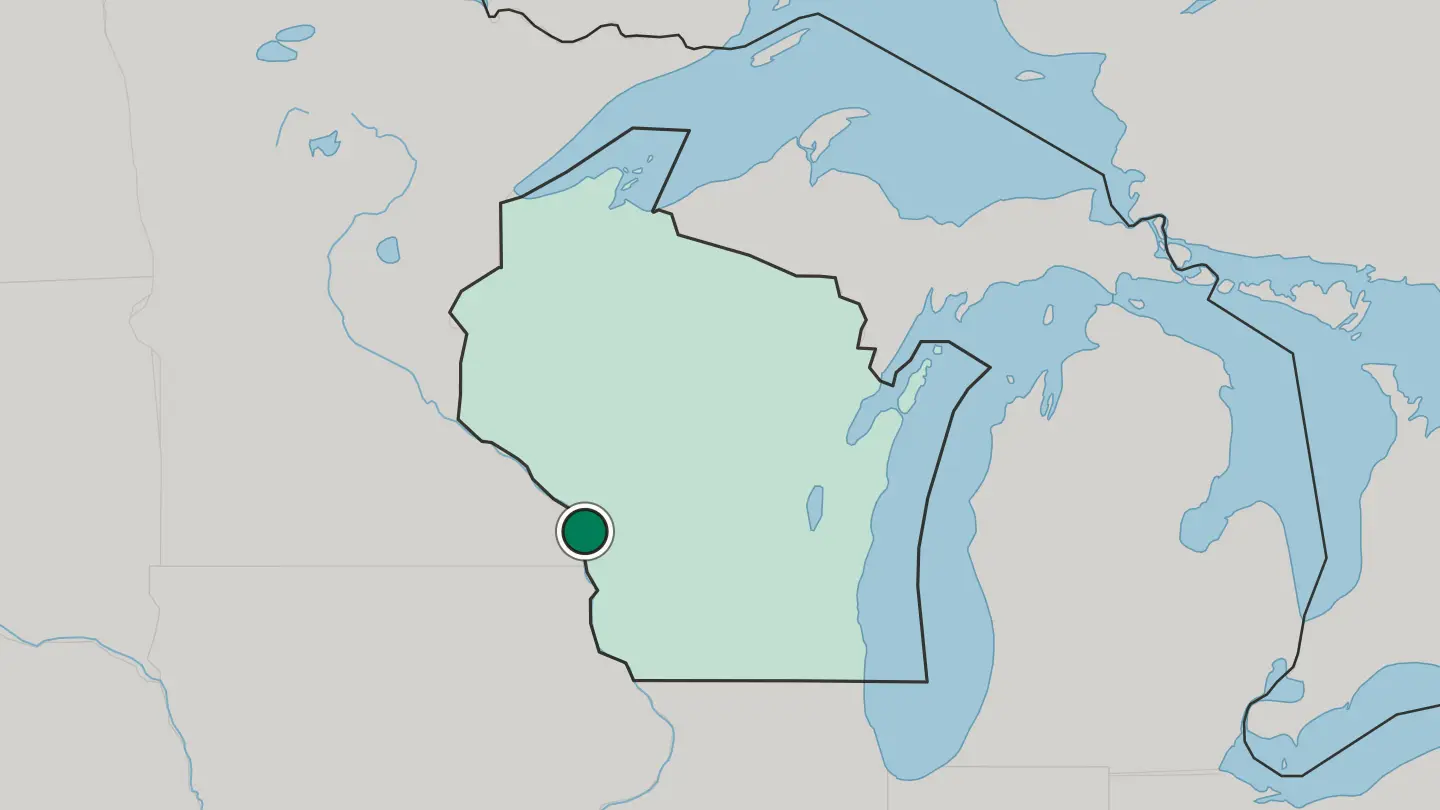
Hotel links are affiliate links: booking through them may earn us a commission, at no extra cost to you. It never affects how places are ranked. How this works
About Wisconsin
What is Wisconsin known for?
Water and dairy define the state's reputation. Two Great Lakes wall its eastern and northern edges, and thousands of inland lakes and rivers fill the land between, which is why it prints America's Dairyland on its license plates. Milwaukee built its name on beer, the old brewing capital of Pabst, Schlitz, and Miller.
Green Bay lives for the Packers at Lambeau Field. Families pour into the Wisconsin Dells for its waterparks and river gorge. Cheese is a religion here.
Where is Wisconsin?
Wisconsin sits in the Upper Midwest, wedged between two of the Great Lakes and the Mississippi River. Lake Superior forms its northern edge and Lake Michigan its eastern one, so water bounds the state on two sides. Minnesota lies to the west, Iowa to the southwest, Illinois along the south. Michigan meets it in the northeast, where the two states share the wild forests around the Upper Peninsula.
The Mississippi River draws much of the western boundary, joined below Prairie du Chien by the Wisconsin River, which crosses the whole state before turning west at Portage. Glaciers shaped nearly all of it. The last ice sheet flattened the north into the lake-strewn Northern Highland, the Northwoods of hunters and paddlers, and left Timms Hill as the modest high point.
It never reached the southwest. That unglaciated corner, the Driftless Area, keeps a rougher grain of steep bluffs and deep river valleys the ice smoothed away everywhere else. In the northeast the Niagara Escarpment lifts the Door Peninsula out of Lake Michigan in a spine of limestone.
Lake Winnebago spreads across the Fox River valley, the largest lake held entirely inside the state. Rivers run everywhere here.
What is Wisconsin like?
Wisconsin wears its dairy and its beer with equal pride. Cheese is the state's signature, made on family farms and by dozens of master cheesemakers, and cheese curds turn up battered and fried at every county fair. Milwaukee grew into the country's lager capital when German brewers arrived with the labor and the recipes together, and the beer halls that followed still set the city's tone.
English is the common language, though the accents carry German, Polish, and Scandinavian roots the immigrants brought to the farms and factories. The Friday fish fry is close to sacred here. Communities gather over fried perch and walleye, a habit rooted in Catholic Fridays and the German love of a sociable table.
Football binds the state like little else. Green Bay owns the Packers outright, the only community-owned team in American professional sports, and Lambeau Field fills even in deep snow. Beyond the stadium, life bends outdoors through every season.
Deer season empties small towns each November, and winter brings ice fishing, snowmobiling, and skiing across the frozen north. Summer flips the mood entirely, as fishing boats, county fairs, and the crowds at Milwaukee's lakefront festivals take over the warm months. The supper club endures too, a Wisconsin institution of relish trays, brandy old-fashioneds, and long dinners out in the country.
Brats sizzle at every tailgate.
What is the history of Wisconsin?
Ho-Chunk, Menominee, and Ojibwe peoples held this country long before Europeans came. Jean Nicolet stepped ashore near Green Bay in 1634, the first Frenchman to reach it, and the fur trade followed his canoes up the rivers. Miners came next.
Lead diggings in the southwest hills earned Wisconsin its Badger State nickname, from men who burrowed dugouts rather than build. Statehood arrived in 1848, the thirtieth star on the flag. German and Scandinavian farmers poured in after, and their herds turned the young state toward the dairy that made its name.
What is the climate of Wisconsin?
Wisconsin runs to cold, snowy winters and warm, green summers, a humid continental climate through and through. The Great Lakes soften the extremes near their shores, holding heat into autumn and cool into spring. Snow is the constant.
The Lake Superior snowbelt in the north can bury the ground under many feet each winter, while the southern counties around Milwaukee and Madison stay milder and shorter of snow. Summer brings thunderstorms, sweet corn, and long evenings on the water. Then the cold returns.
How do you get to Wisconsin?
Most visitors fly into Milwaukee, whose Mitchell airport is the busiest in the state. Many more land at Chicago instead and drive up, less than two hours south of the border. Interstate 94 threads the whole populated corridor of the state, tying Milwaukee to Madison and running on to Minneapolis, with Chicago waiting at the southern end.
Trains run the same Milwaukee-to-Chicago line several times a day. A car ferry even crosses Lake Michigan in summer, linking Manitowoc with the Michigan shore. The north lies farther on.
Common questions
What is the best area to stay in Wisconsin?
Milwaukee: a first base on Lake Michigan. Madison: isthmus life between two lakes. Door County: the peninsula's orchards and harbors. Wisconsin Dells: waterparks and the river gorge.
Good for
More regions in United States
Updated September 2026