Uzbekistan · Fergana Region
Where to Stay in Marg‘ilon, Fergana Region
Margilan is an ancient silk city in the Fergana Valley of Uzbekistan, long the weaving heart of Central Asia.
Hotel links are affiliate links: booking through them may earn us a commission, at no extra cost to you. It never affects how places are ranked. How this works


Where to stay in Marg‘ilon
Where the beds are, and what that means for the visit.
Where you stay in Margilan turns on the old town. The lanes around the bazaar keep the silk workshops, the market, and the shrines within a walk, and staying in the old town suits anyone here for the silk. The workshops hum with the looms.
Rooms sit among the mulberry lanes. Out toward Fergana and the newer town, the streets run wider and greener. A room toward Fergana trades the old lanes for the parks, the shops, and the wide avenues of the valley city.
The green plain opens past the edge. If you want the silk and the bazaar, stay in the old town; if you want the city, take a room toward Fergana. Either way, the workshops are close at hand.
Find hotels in Marg‘ilon
Direct booking searches for these neighbourhoods.
The old town
Around the bazaar within a walk of the silk workshopsFind hotels in The old townStays wanting the parks and the wider cityToward Fergana
Toward the valley city of Fergana with parks and shopsFind hotels in Toward FerganaHotel links are affiliate links: booking through them may earn us a commission, at no extra cost to you. It never affects how places are ranked. How this works
Things to do in Marg‘ilon
Ranked by global recognition; descriptions from Wikidata (CC0).
Churches & Religious Sites
8- Dumba joʻsh masjidi Heritage
- Ettitut masjidi Heritage
- Jahr masjidi Heritage
- Juma masjidi Heritage
- Moʻyi Muborak masjidi Heritage
Show 3 more →
- Qoziyon masjidi Heritage
- Said Jalolxon Toʻra masjidi Heritage
- Shirmonpaz masjidi Heritage
Castles & Historic Sites
1- Jahon Otin Uvaysiy yodgorligi Heritage
worth knowingacross 2 categories in Marg‘ilon
About Marg‘ilon
Margilan is the silk city of the Fergana Valley.
What is Marg‘ilon known for?
For a thousand years its weavers have made the shimmering ikat silks called atlas and adras, dyed and woven by hand, and the town keeps a great silk factory, an old bazaar, and the shrines of Muslim saints, in the green heart of the valley. Mulberry trees line the lanes. Silk and shrines mark the city.
What are the main landmarks in Marg‘ilon?
The silk factory is the pride of Margilan. The Yodgorlik workshops still tie, dye, and weave the ikat silks by hand, the mark of the town, in the old way. An old bazaar fills with cloth.
The Kumtepa market trades in atlas and adras nearby, while old madrasas, mosques, and the shrines of Muslim saints mark the streets of Margilan.
What is the history of Marg‘ilon?
Margilan grew rich on the silk of the road. An old town of the Fergana Valley, it stood on the Silk Road where the caravans crossed between China and the west, and its weavers learned to make fine silks that they sold across the world. Ikat became its art.
The dyers of Margilan tied and dyed the threads before they wove, so the cloth came out in blurred bright patterns, the famous atlas and adras silks of the valley. The town was a seat of faith and learning too. Margilan gave the Muslim world a great scholar, Burhan al-Din al-Marghinani, who wrote a book of law studied for centuries, and the town filled with madrasas, mosques, and the tombs of holy men.
The silk trade lived on through it all. Even in the Soviet years the weavers kept their craft, and a great factory still makes the hand-dyed silks by the old ways. The looms still clack in the workshops.
Margilan keeps its silk and its shrines in the Fergana Valley.
Where is Marg‘ilon?
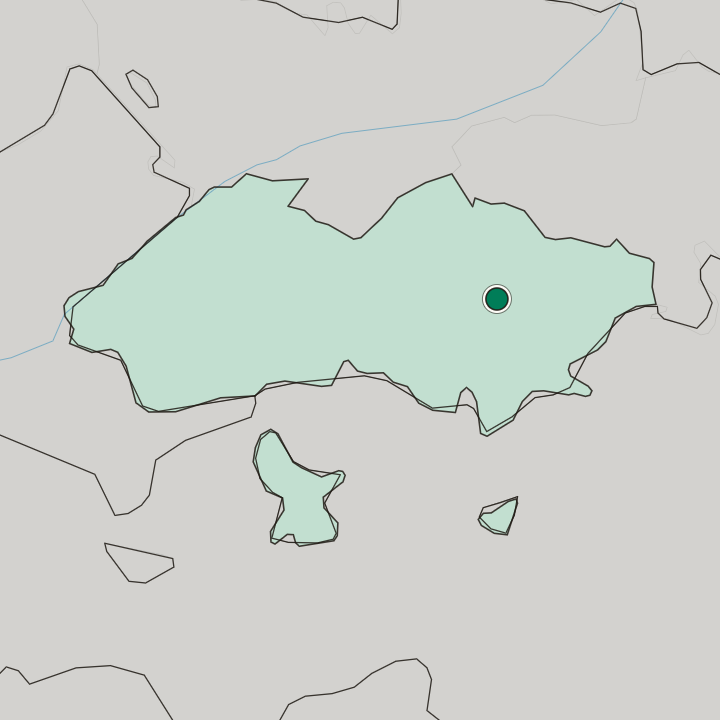
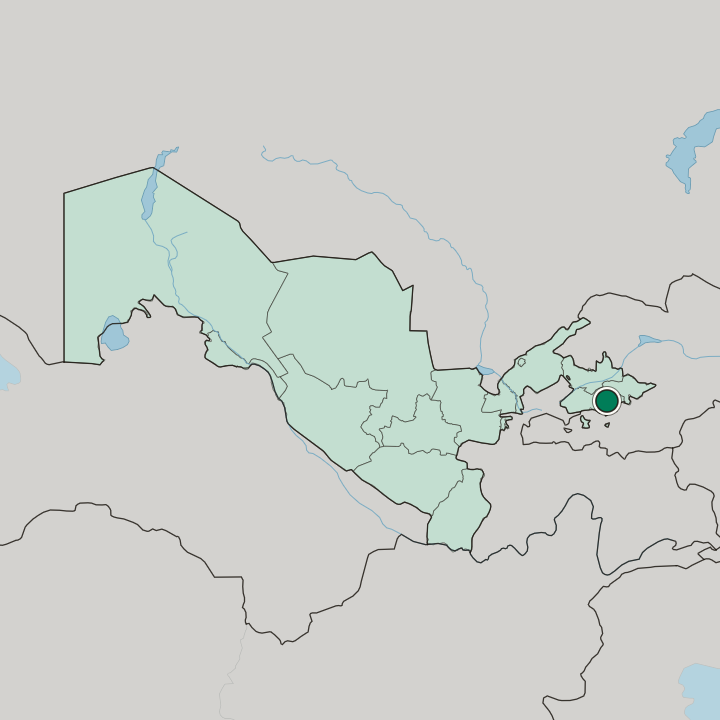
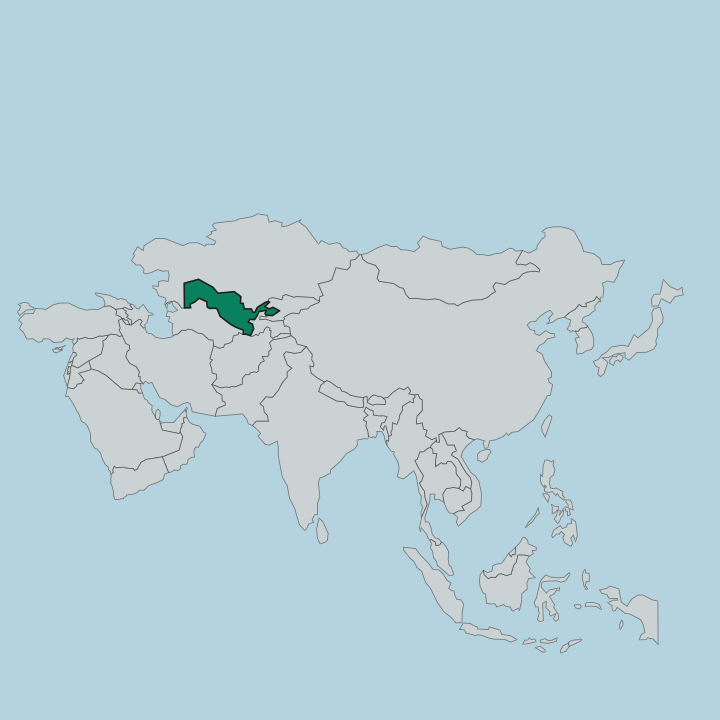
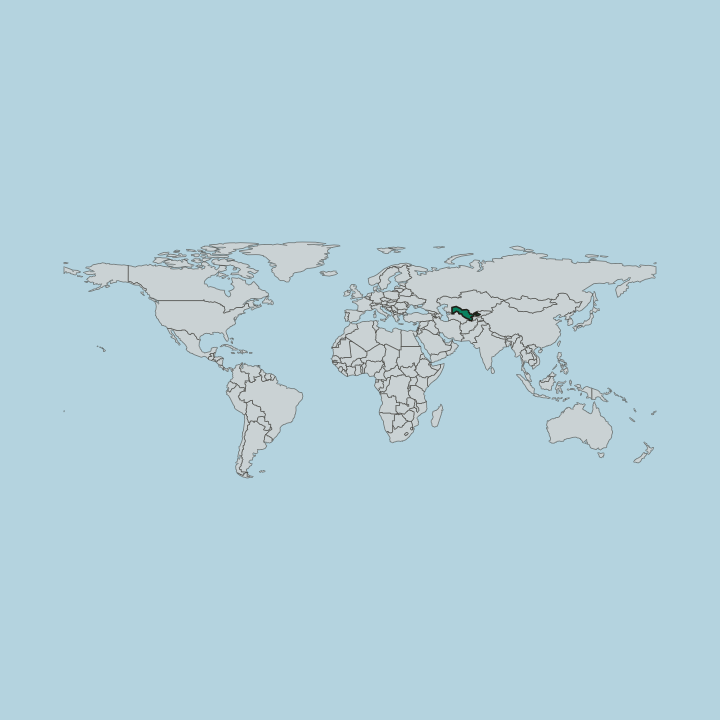
Margilan lies in the Fergana Valley of eastern Uzbekistan, near the city of Fergana. The town sits on the fertile floor of the great valley, watered by streams from the mountains, among fields of mulberry, cotton, and fruit, ringed by high ranges. Snow peaks rise around the valley.
The green plain spreads on to Fergana.
What is the climate of Marg‘ilon?
Margilan has a warm continental climate. Hot, dry summers ripen the mulberries and cotton, and the winters turn cold with frost and a little snow, tempered by the sheltered valley, with clear air much of the year. Dust hazes the valley in high summer.
The valley stays green by the streams.
How do you get to Marg‘ilon?
Margilan lies in the Fergana Valley of eastern Uzbekistan, next to Fergana. Roads and rail run to it through the valley from Fergana and Kokand, and a mountain road crosses the passes to Tashkent. Buses link Margilan with the other towns of the Fergana Valley.
Most arrive by road from Fergana.
Common questions
What is the best area to stay in Marg‘ilon?
The old town: Visitors here for the silk workshops, bazaar, and shrines. Toward Fergana: Stays wanting the parks and the wider city.
Good for
More cities in Fergana Region
Updated September 2026