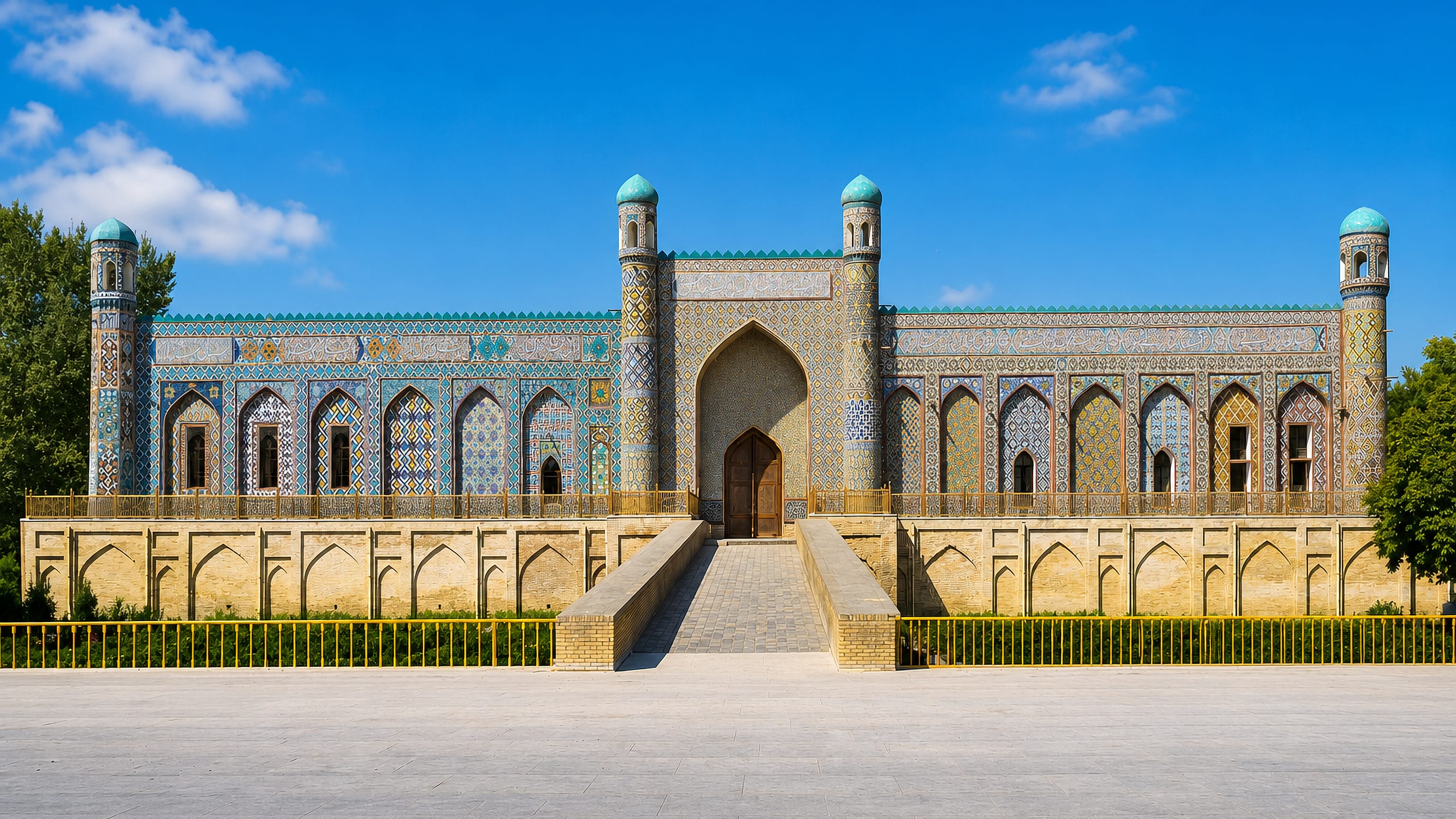
Uzbekistan · Fergana Region
Where to Stay in Qo‘qon, Fergana Region
Kokand is a historic city in the Fergana Valley of eastern Uzbekistan, the old capital of the Kokand Khanate.
Hotel links are affiliate links: booking through them may earn us a commission, at no extra cost to you. It never affects how places are ranked. How this works


Where to stay in Qo‘qon
How the choice of base plays out on the ground.
Where you stay in Kokand turns on the old town. The streets around the Palace of Khudayar Khan keep the madrasas, the mosques, and the bazaar within a walk, and staying in the centre suits anyone here for the old khanate sights. The old quarters hush after dark.
Rooms sit in the guesthouses near the palace. Out toward the newer town and the station, the streets run wider and plainer. A room away from the centre trades the old sights for parking, space, and an easy road on to Fergana.
The valley plain opens flat past the town. If you want the palace and the mosques, stay in the centre; if you want the road, take a room outside. Either way, the old khanate is close at hand.
Find hotels in Qo‘qon
Direct booking searches for these neighbourhoods.
The old town
Around the Palace of Khudayar Khan, within a walk of the madrasas and bazaarFind hotels in The old townStays after space, easy parking, and the road on to FerganaNewer town
Away from the centre near the station, an easy road on to FerganaFind hotels in Newer townHotel links are affiliate links: booking through them may earn us a commission, at no extra cost to you. It never affects how places are ranked. How this works
Things to do in Qo‘qon
Ranked by global recognition; descriptions from Wikidata (CC0).
Museums & Galleries
1- Buyuk allomalar muzeyi
Churches & Religious Sites
2- Birlik mosque Heritage
- Yangi Chorsu mosque Heritage
Castles & Historic Sites
2- Muyi Muborak Heritage
- Tepa qoʻrgʻon Heritage
Landmarks & Notable Places
8- Narbutabia madrasa Heritage
- Miyon Khazrat medrese Heritage
- Dakhma-i-Shakhon mausoleum Heritage
- Kamol-kazi madrasa Heritage
- Madrasah Chalpak Heritage
Show 3 more →
- Shrine of Moi Mubarak (mausoleum, buildings and structures) Heritage
- Vadyayevs house Heritage
- Russo-Asian bank building Heritage
worth knowingacross 4 categories in Qo‘qon
About Qo‘qon
Kokand was the seat of a Silk Road khanate.
What is Qo‘qon known for?
The grand tiled Palace of Khudayar Khan still stands from the days when the city ruled the Fergana Valley, and around it rise the minarets and domes of dozens of old madrasas and mosques. The tombs of the khans lie at the Dakhma-i-Shakhon. Palaces and shrines mark the town.
What are the main landmarks in Qo‘qon?
The Palace of Khudayar Khan is Kokand's glory. Its tiled front and painted courtyards spread across the heart of the town, the great sight of the city, from the days of the khans. Mosques and tombs fill the streets.
The Dakhma-i-Shakhon holds the tombs of the rulers, the Jami Mosque lifts its tall minaret, and old madrasas like the Narbutabi crown the corners of the town.
What is the history of Qo‘qon?
Kokand rose as the capital of a mountain khanate. In the eighteenth century its khans built a powerful state that ruled the Fergana Valley and the trade roads to the east, and they raised a splendid palace and dozens of madrasas in the city. The khans built to overawe.
The tiled Palace of Khudayar Khan spread its painted courts across the town, and the tombs of the rulers rose at the Dakhma-i-Shakhon among the mosques. At a crossroads of trade and faith stood the khanate. Caravans passed through Kokand between China, India, and Russia, and the city became a great centre of Islamic learning, filled with madrasas and shrines.
Then Russia swept in. The armies of the tsar took the city in the nineteenth century and ended the khanate, but the palace and the old madrasas survived the fall. The Jami Mosque still lifts its minaret over the town.
Kokand keeps the memory of its khans in the Fergana Valley.
Where is Qo‘qon?
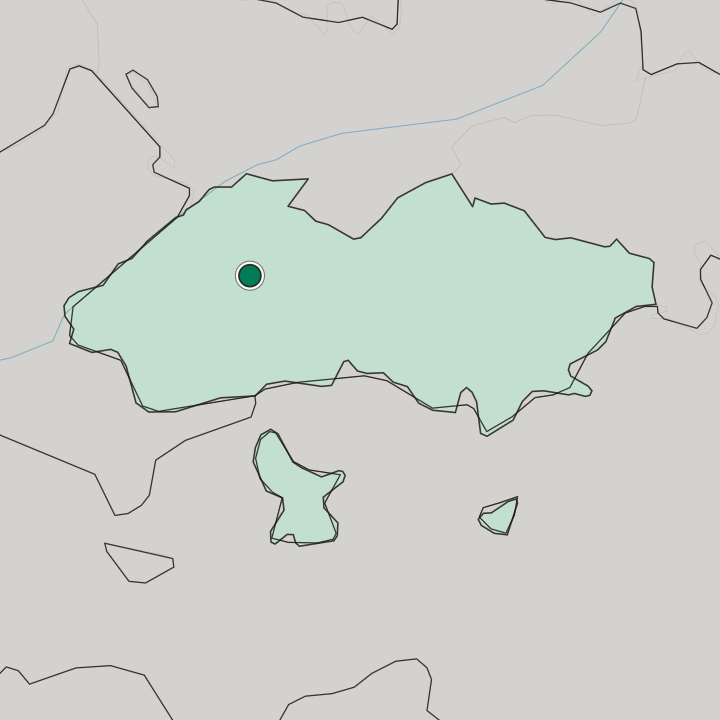
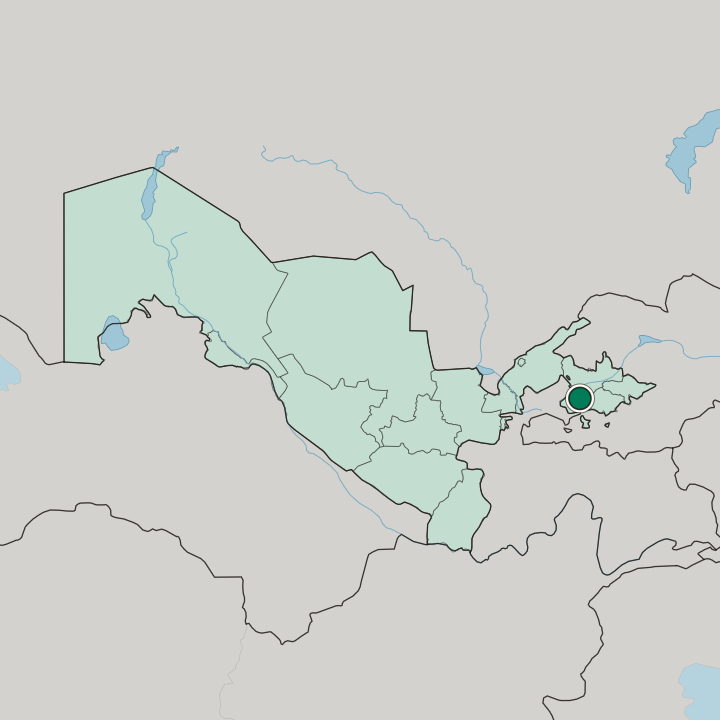
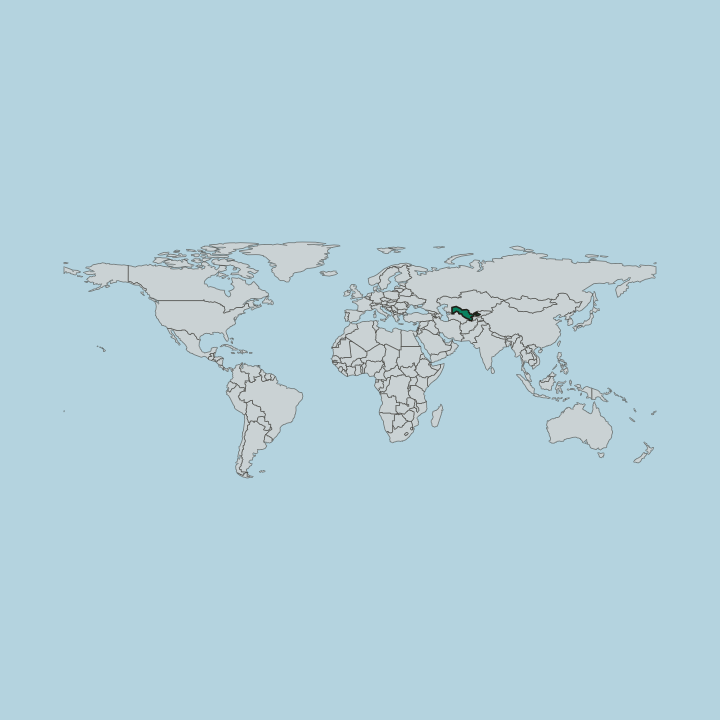
Kokand lies on the plain of the Fergana Valley. The city spreads across the flat, fertile land at the western end of the great valley in eastern Uzbekistan, ringed by mountains that rise on every side. Cotton fields and orchards cover the plain.
The high ranges wall in the valley all around.
What is the climate of Qo‘qon?
Kokand has a warm, dry continental climate. Hot summers bake the valley plain, and the winters turn cold and short, sheltered from the worst by the ring of mountains around. Most of the little rain falls in spring.
The valley stays green on the mountain rivers.
How do you get to Qo‘qon?
Kokand lies at the western gate of the Fergana Valley. Roads and rail run in over the mountain passes from Tashkent, and roads cross the valley on to Fergana and Andijan. Buses reach the towns of the valley around.
Most arrive by road over the passes.
Common questions
What is the best area to stay in Qo‘qon?
The old town: Visitors here for the palace, madrasas, and mosques. Newer town: Stays after space, easy parking, and the road on to Fergana.
Good for
More cities in Fergana Region
Updated September 2026