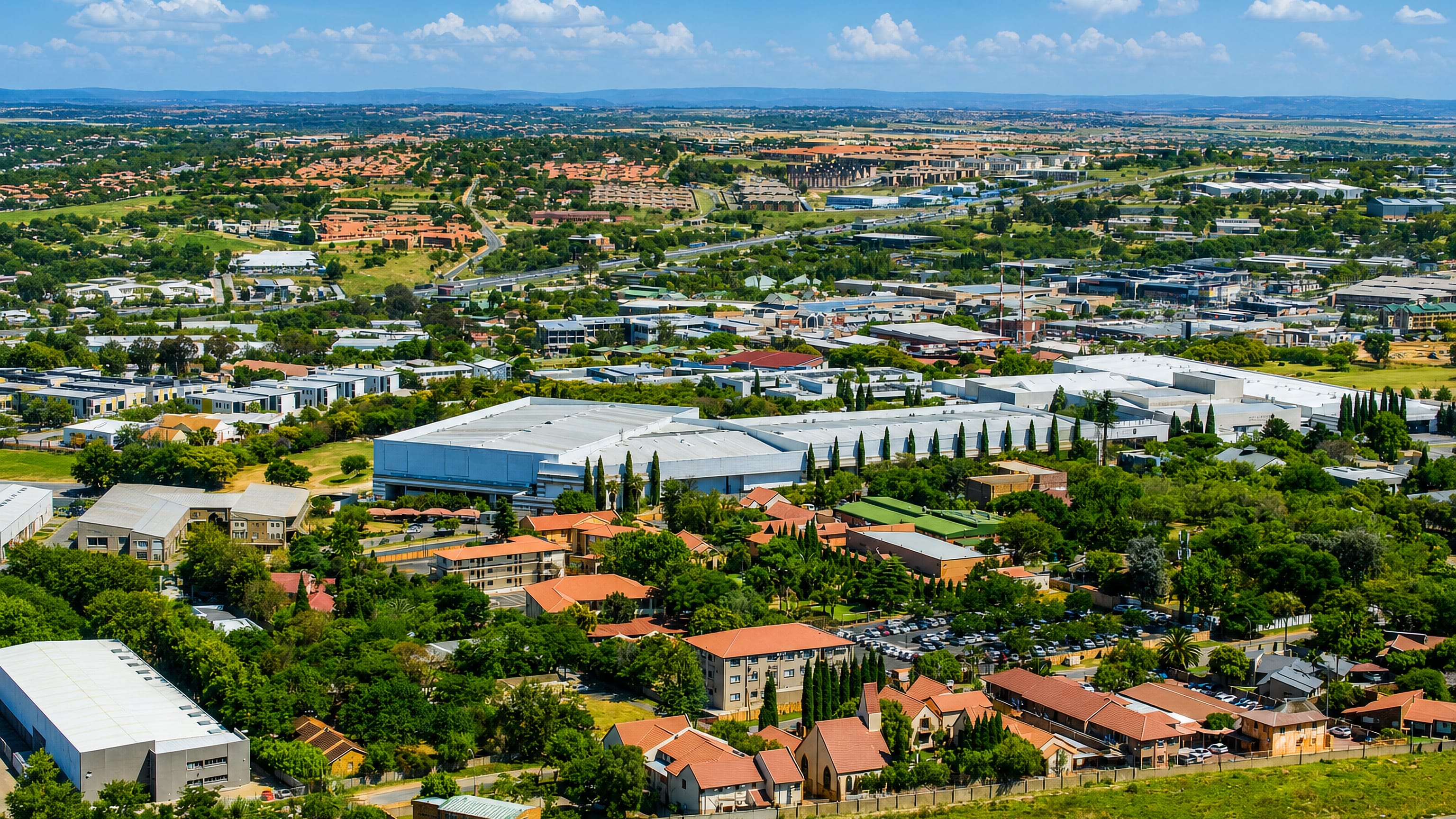
South Africa · Gauteng
Where to Stay in Midrand, Gauteng
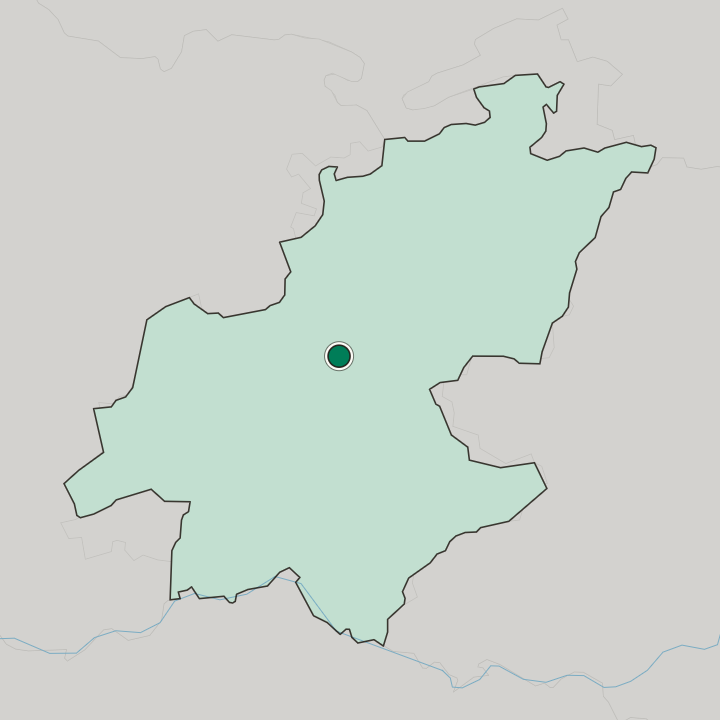
Midrand fills the ground between Centurion and Sandton in central Gauteng, a South African area dating from 1981 within the City of Johannesburg.
Hotel links are affiliate links: booking through them may earn us a commission, at no extra cost to you. It never affects how places are ranked. How this works


Where to stay in Midrand
One neighbourhood here has its own guide — here's what it is best for.

 MidrandSouth Africa
Ivory Park
Ivory Park is a residential suburb of Midrand, within Region A of the City of Johannesburg in Gauteng.Where to stay →Hotel links are affiliate links: booking through them may earn us a commission, at no extra cost to you. It never affects how places are ranked. How this works
Find hotels in Midrand
Direct booking searches for these neighbourhoods.
Built central Midrand
The built middle of Midrand, where the church stands and the corridor's addresses clusterFind hotels in Built central MidrandVisitors whose days run toward the City of Johannesburg sideThe Sandton edge
Where Midrand meets Sandton, the shorter approach into the metropolitan municipalityFind hotels in The Sandton edgeTravellers whose business lies toward Centurion rather than SandtonThe Centurion edge
The Centurion boundary of Midrand, at the far side of its 153 square kilometresFind hotels in The Centurion edgeHotel links are affiliate links: booking through them may earn us a commission, at no extra cost to you. It never affects how places are ranked. How this works
About Midrand
Midrand is the in-between.
What is Midrand known for?
The area sits between Centurion and Sandton in central Gauteng, which makes it less a destination in its own right than the ground everything travelling across the province has to cross. It was its own municipality once. Independence ended when the City of Johannesburg Metropolitan Municipality took Midrand in, and the church of Our Lady of the Cedars remains the named building on this stretch of central Gauteng.
What are the main landmarks in Midrand?
One church holds the list. Our Lady of the Cedars is the named landmark of Midrand, the single built structure the area carries onto the map between Centurion and Sandton. The rest is a working landscape.
Midrand's 153 square kilometres of central Gauteng hold the roads, the addresses and the traffic of the City of Johannesburg Metropolitan Municipality rather than a set of monuments.
What is the history of Midrand?
Midrand begins in 1981. The date marks the founding of an independent municipality on the ground between Centurion and Sandton, in central Gauteng. Independence did not last.
The City of Johannesburg Metropolitan Municipality absorbed Midrand, and what had been a separate local authority became one district of a much larger metropolitan structure covering a good part of central Gauteng. Geography explains the arrangement. Midrand lies between the two, close to Sandton on one hand and Centurion on the other, and its roughly 153 square kilometres fill the gap that separates them.
The church came with the settlement. Our Lady of the Cedars stands as the one named building the area carries, the single marker on ground otherwise described by its position rather than its monuments. Position was the founding fact.
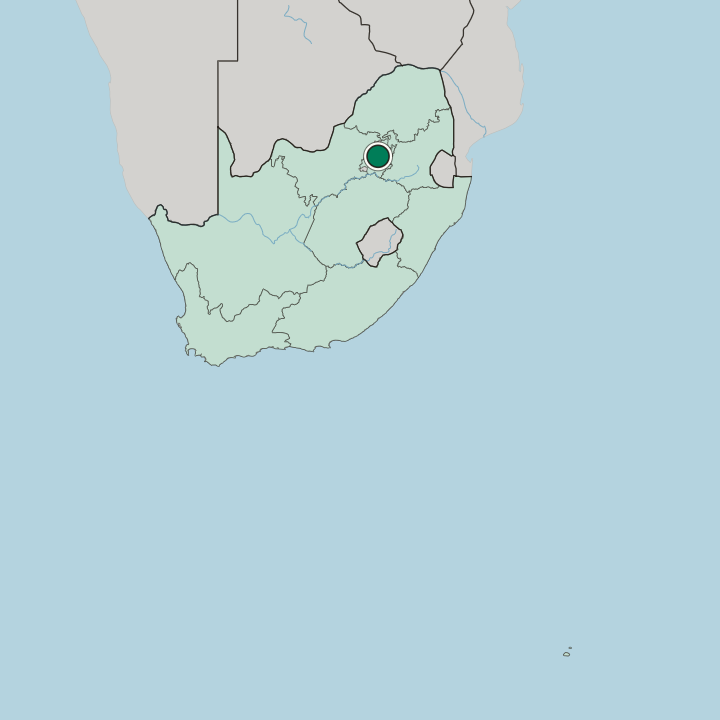
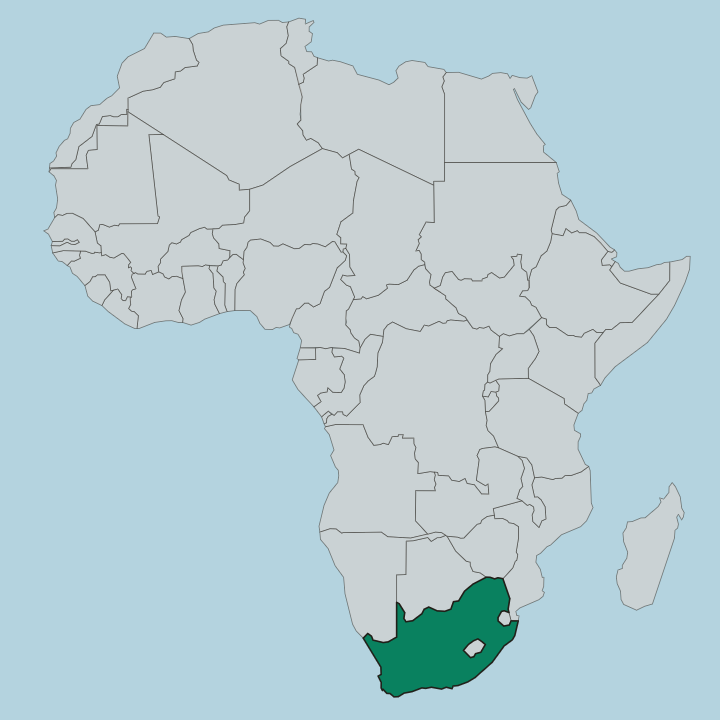
Everything about Midrand follows from lying between Centurion and Sandton in central Gauteng, which is how the area came to exist and how it is still described. The province around it is Gauteng. South Africa places Midrand there, in the central part of the province, and the area's story since 1981 is mostly the story of which administration held it.
Where is Midrand?
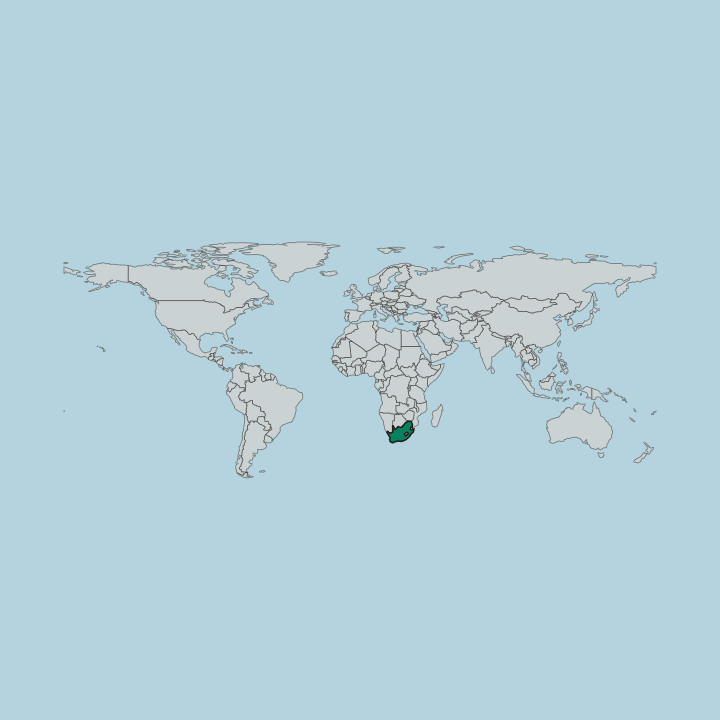
Midrand occupies a gap. Centurion lies on one side and Sandton on the other, with roughly 153 square kilometres of central Gauteng in between, all of it inland and well south of the equator. No coastline comes anywhere near.
The defining edges are administrative, drawn by the City of Johannesburg Metropolitan Municipality and by the wider provincial map of South Africa, not by any river or ridge.
What is the climate of Midrand?
Midrand shares Gauteng's weather exactly. Nothing separates it climatically from Centurion or Sandton, since all three sit on the same inland ground in the subtropical band, far from any moderating sea. Wet months and dry months alternate.
Being south of the equator puts the warm half of the year around December and January, while the cooler, drier stretch falls in the middle months, which reverses the northern calendar entirely.
How do you get to Midrand?
Midrand is passed through more than arrived at. Traffic between Centurion and Sandton crosses it constantly, so reaching the area means taking the same central Gauteng corridor that carries everything else moving across the City of Johannesburg. Movement here belongs to the roads.
An area of roughly 153 square kilometres with no walkable core is reached by car from either end, and Our Lady of the Cedars is about the only fixed address to steer by.
Common questions
What is the best area to stay in Midrand?
Built central Midrand: Stays that want Our Lady of the Cedars and the area's own addresses close by. The Sandton edge: Visitors whose days run toward the City of Johannesburg side. The Centurion edge: Travellers whose business lies toward Centurion rather than Sandton.
More cities in Gauteng
Updated October 2026