South Africa · Gauteng
Where to Stay in Randburg, Gauteng
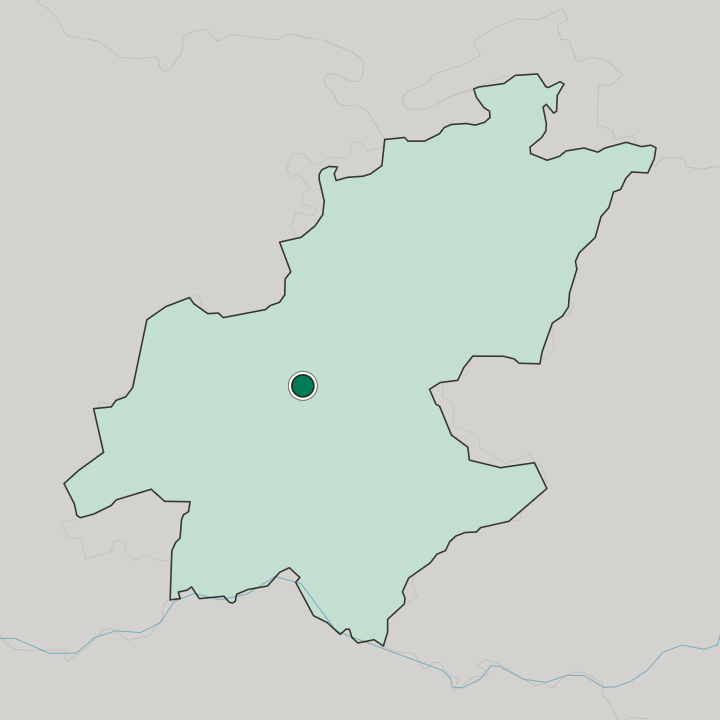
Randburg is an area of Gauteng, South Africa, administered from the City of Johannesburg alongside its neighbours Sandton and Roodepoort.
Hotel links are affiliate links: booking through them may earn us a commission, at no extra cost to you. It never affects how places are ranked. How this works


Where to stay in Randburg
Where visitors usually base themselves, and why.
Randburg is not self-contained. Its administration devolved to the City of Johannesburg Metropolitan Municipality, and the landmark record around it belongs to that wider city as much as to the area itself, which is the single most useful thing to grasp before choosing a room. Sandton sits next door.
Roodepoort is the other neighbour, and the three of them divide ground that separate municipalities once ran, so a booking that says Randburg and a booking that says Sandton describe different parts of one metro rather than different cities. Culture pulls toward the city. The Origins Centre, the Wits Art Museum, Gallery MOMO, the Johannesburg Holocaust and Genocide Centre, the Fietas Museum and Holy Trinity Catholic Church in Braamfontein carry Johannesburg addresses in all but name, so a stay planned around them trades Randburg's own streets for shorter approaches.
Wanderers Stadium changes the pattern. Match days concentrate visitors around it, while the Johannesburg Zoo, the South African National Museum of Military History, Satyagraha House, Friedenskirche, Our Lady of the Cedars, The Flame of Democracy and the Lawson Pinnacle fill out a list dense enough that almost any room across roughly 168 square kilometres of Randburg puts one of them within reach.
Find hotels in Randburg
Direct booking searches for these neighbourhoods.
Randburg
The old separate municipality's own ground inside the City of Johannesburg, set back from the Wanderers Stadium and Braamfontein side of the metro.Find hotels in RandburgRooms one district from Randburg on the Sandton side of the metroSandton
The neighbour that lost its municipality to the City of Johannesburg at the same moment Randburg did, one district over.Find hotels in SandtonMuseum days at the Wits Art Museum, the Origins Centre and Braamfontein's churchesBraamfontein
Where Holy Trinity Catholic Church, the Wits Art Museum and the Origins Centre cluster, a Johannesburg address rather than a Randburg one.Find hotels in BraamfonteinHotel links are affiliate links: booking through them may earn us a commission, at no extra cost to you. It never affects how places are ranked. How this works
Things to do in Randburg
Ranked by global recognition; descriptions from Wikidata (CC0).
Museums & Galleries
3- Fietas Museum
- Gallery MOMO
- Wits Art Museum
Churches & Religious Sites
3- Our Lady of the Cedars
- Holy Trinity Catholic Church, Braamfontein
- Friedenskirche
Castles & Historic Sites
1- Lawson Pinnacle
worth knowingacross 3 categories in Randburg
About Randburg
What is Randburg known for?
The landmark list reads like Johannesburg's. Wanderers Stadium, the Johannesburg Zoo, the Origins Centre, the Wits Art Museum and the South African National Museum of Military History all fall inside the record for Randburg, which is what happens when an area sits within a metropolitan municipality. Sandton and Roodepoort are the neighbours.
All three lost separate municipal administration to the City of Johannesburg, and the three names still mark out distinct parts of one metro for anyone booking or navigating.
What are the main landmarks in Randburg?
Wanderers Stadium and the Johannesburg Zoo are the two that need no explanation. Around them the record gathers museums in quantity, the Origins Centre, the Wits Art Museum, the South African National Museum of Military History, the Fietas Museum, the Johannesburg Holocaust and Genocide Centre and Gallery MOMO. Churches and memorials round it out.
Friedenskirche, Our Lady of the Cedars, Holy Trinity Catholic Church in Braamfontein, Satyagraha House, The Flame of Democracy and the Lawson Pinnacle complete a list whose reach says as much about the City of Johannesburg as about Randburg.
What is the history of Randburg?
No founding year is recorded for Randburg, which puts the datable part of its story in the twentieth century's last decade. The area ran as a separate municipality before that. A redrawing of the map followed.
The City of Johannesburg Metropolitan Municipality was created in the late 1990s, and Randburg's administration devolved to it along with those of Sandton and Roodepoort, ending three municipalities at once. The changeover was not instant. Between 1996 and 2000 Randburg sat inside the Northern Metropolitan Local Council, a transitional body that held the ground while the metropolitan municipality was assembled around it, and that four-year gap is why documents from the period name different authorities for the same streets.
The council left no monument. What the landmark record carries instead is the wider city's inheritance, Satyagraha House, the Origins Centre, Friedenskirche, the Fietas Museum, Holy Trinity Catholic Church in Braamfontein and the Johannesburg Holocaust and Genocide Centre among them, sites whose own histories run back well before any of the municipal reorganisation, and which sit under the City of Johannesburg along with Randburg itself.
Where is Randburg?
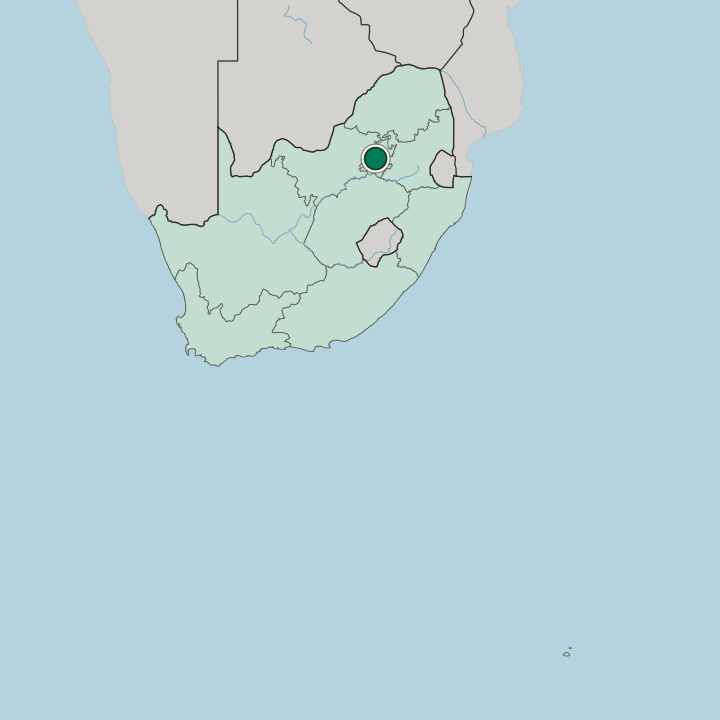
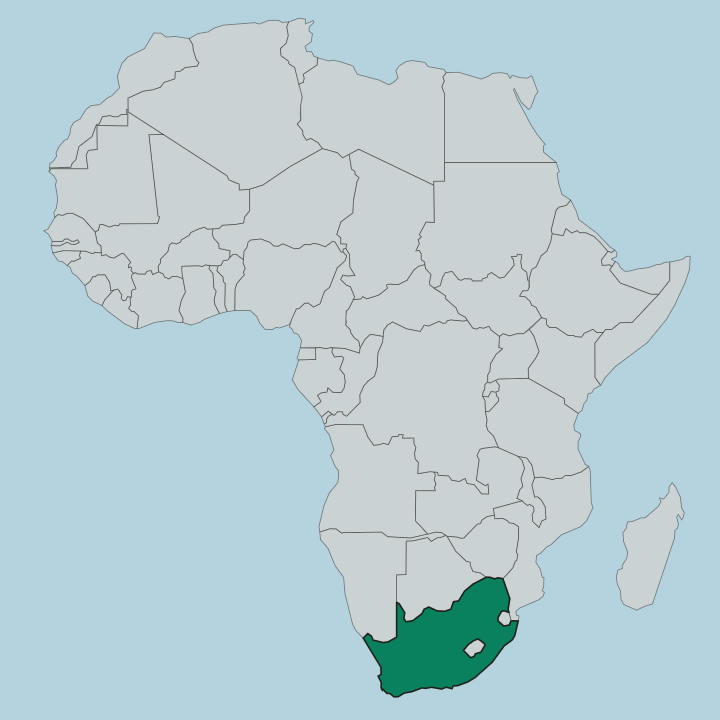
Randburg adjoins Sandton on one side and Roodepoort on another, with the City of Johannesburg Metropolitan Municipality taking in all three. Paperwork draws these edges. Roughly 168 square kilometres carry the name, and what fills them is built fabric rather than landform, so the useful mental map of Randburg is a list of neighbouring names and council areas rather than any line of hills or water.
Gauteng is the province around it.
What is the climate of Randburg?
Sport sets the rhythm as much as the sky does. Randburg lies in the subtropical band of the southern hemisphere, so its warm half runs through the months a northern calendar treats as winter, and a fixture at Wanderers Stadium in that stretch is a hot-weather occasion. The reverse holds mid-year.
Indoor options carry the rest, and the museum list, the Origins Centre, the Wits Art Museum, the South African National Museum of Military History, is long enough that a wet afternoon in Randburg costs a plan nothing.
How do you get to Randburg?
The metro does the routing. Randburg's administration belongs to the City of Johannesburg Metropolitan Municipality, so the practical approach is whatever route serves that city rather than anything addressed to Randburg on its own. Sandton and Roodepoort flank it.
Moving between the three is an internal matter inside one municipality, and the same holds for reaching Wanderers Stadium, the Johannesburg Zoo or the museums at Braamfontein, all of which sit inside the city that absorbed the old councils.
Common questions
What is the best area to stay in Randburg?
Randburg: Base stays inside Randburg itself rather than the Johannesburg museum belt. Sandton: Rooms one district from Randburg on the Sandton side of the metro. Braamfontein: Museum days at the Wits Art Museum, the Origins Centre and Braamfontein's churches.
Good for
More cities in Gauteng
Updated October 2026