South Africa
Gauteng, South Africa — Towns & Travel Guide
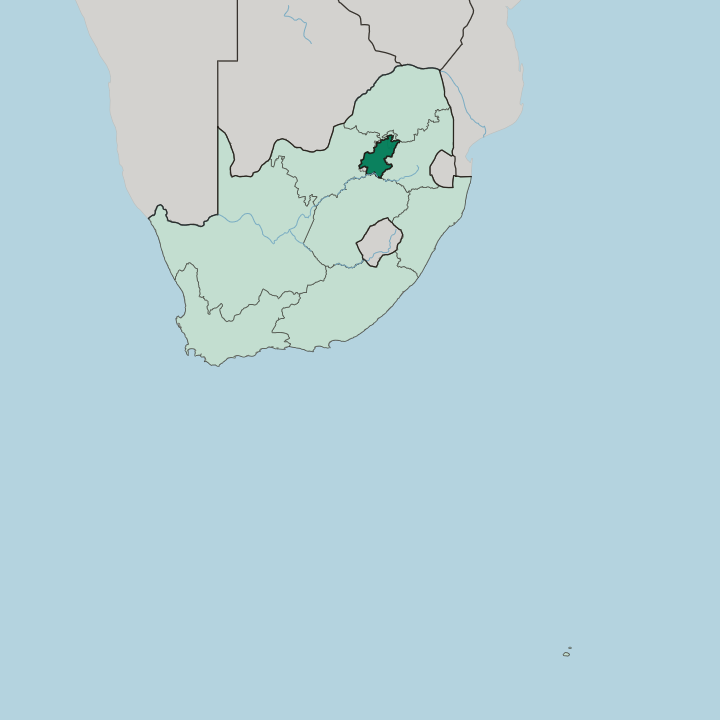
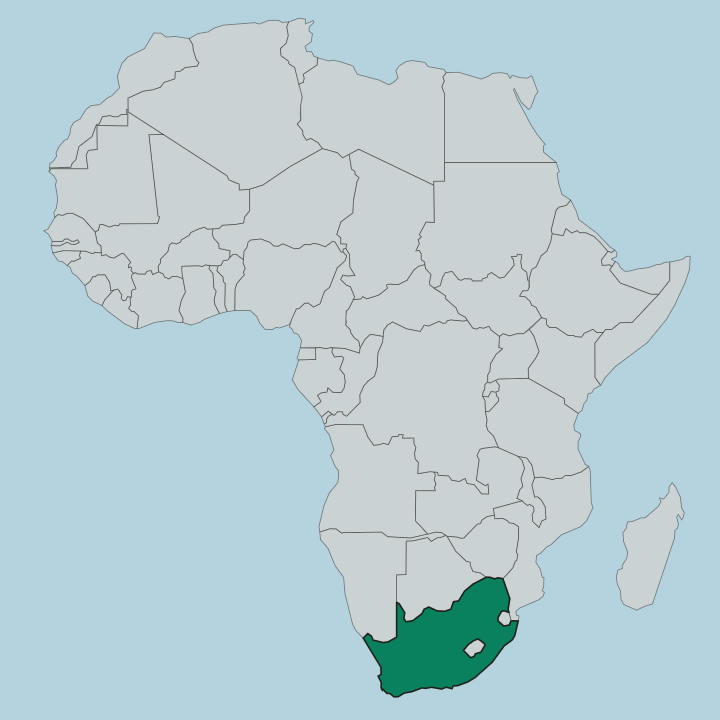
Gauteng is South Africa's commercial heartland, a province built on the 1886 gold discovery and anchored by Johannesburg and Pretoria.
Hotel links are affiliate links: booking through them may earn us a commission, at no extra cost to you. It never affects how places are ranked. How this works


Towns & cities in Gauteng
Pick a town or city — each links to where to stay.
 South Africa
Johannesburg
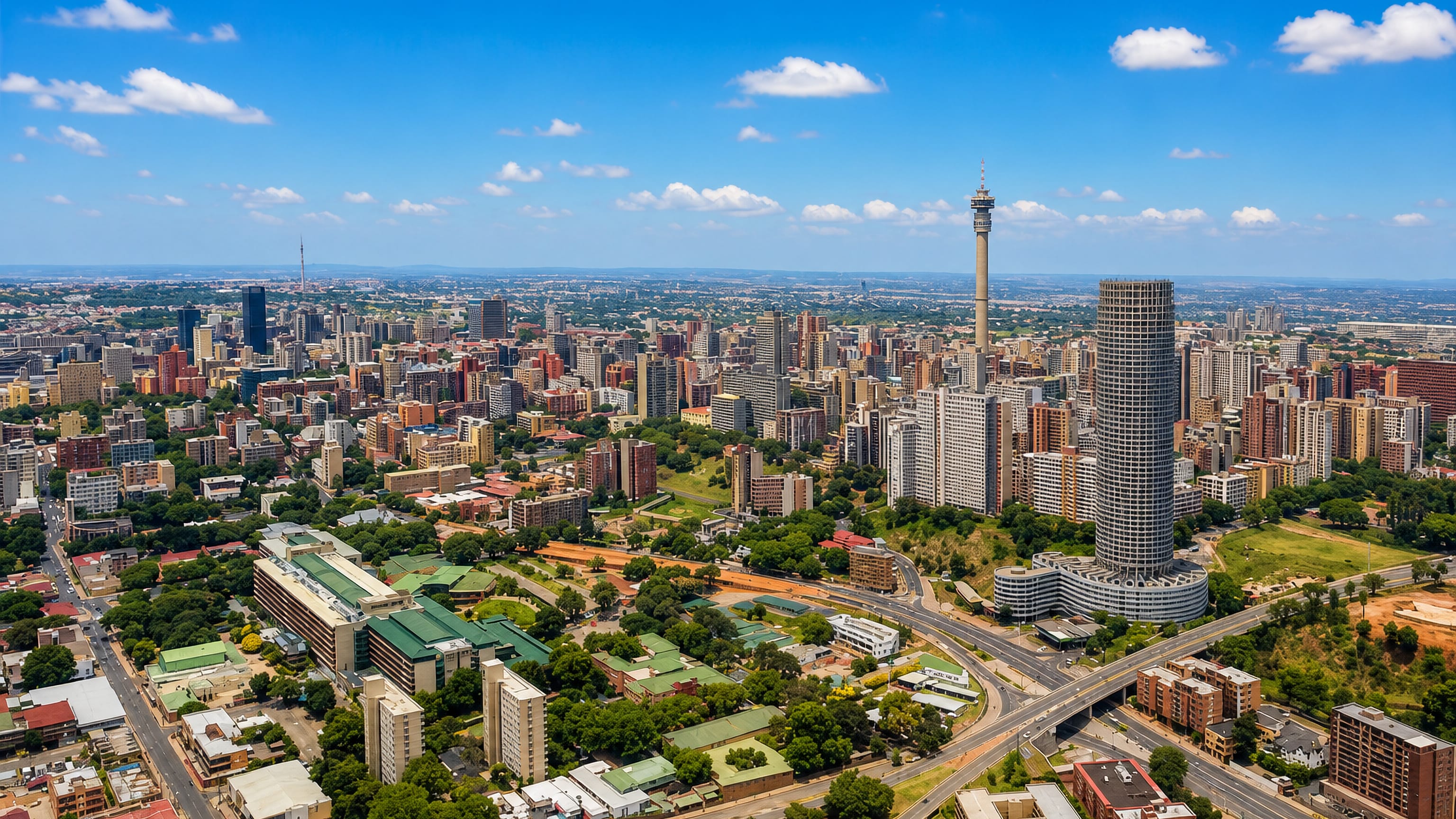
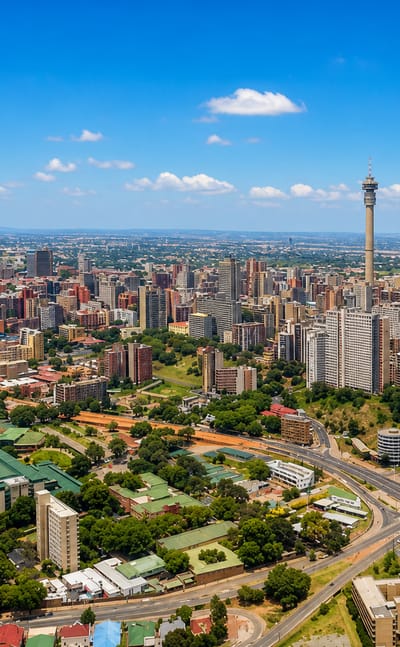
Johannesburg, the City of Gold, grew from the 1886 gold strike on the Witwatersrand and serves as the provincial capital of Gauteng, South Africa.Where to stay →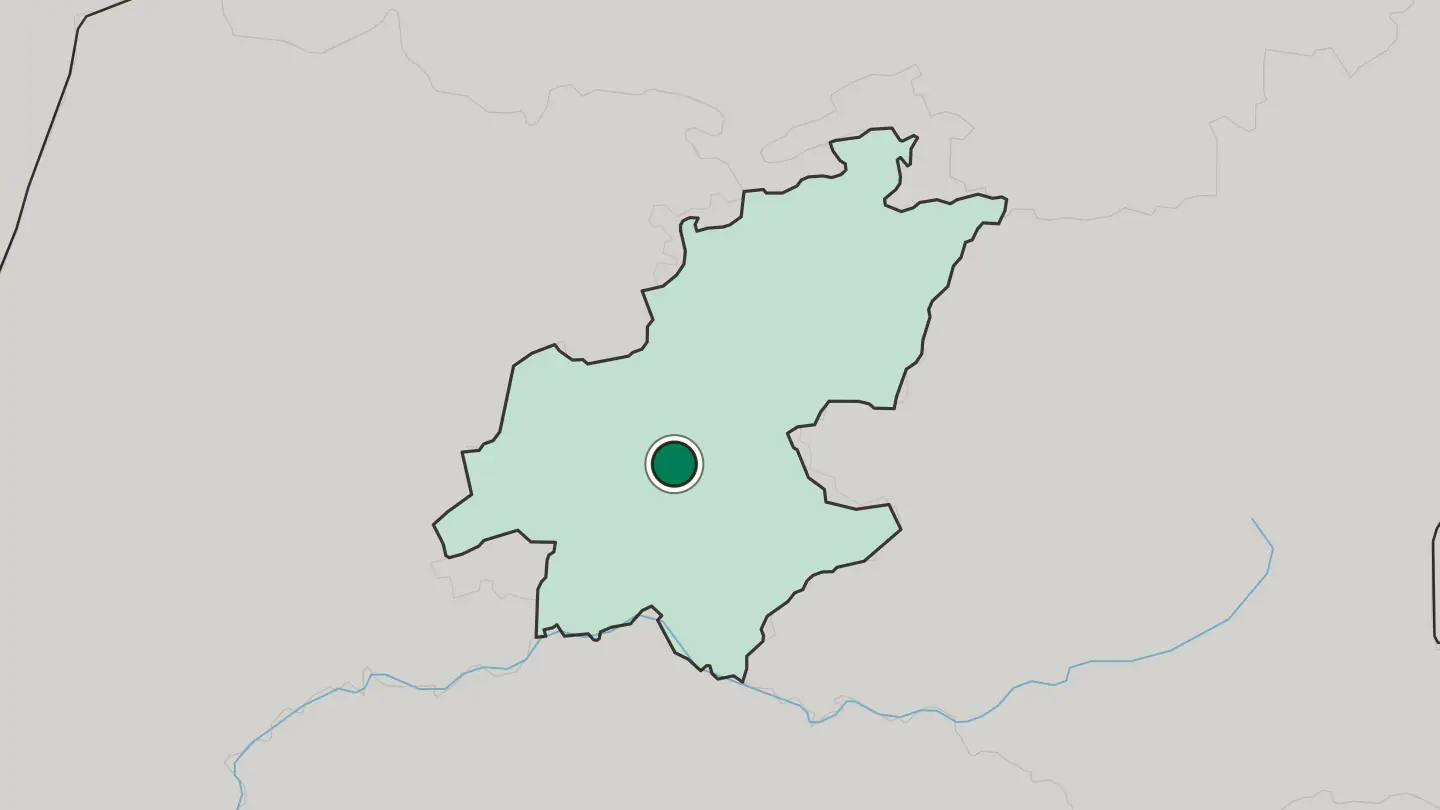
 South Africa
Pretoria
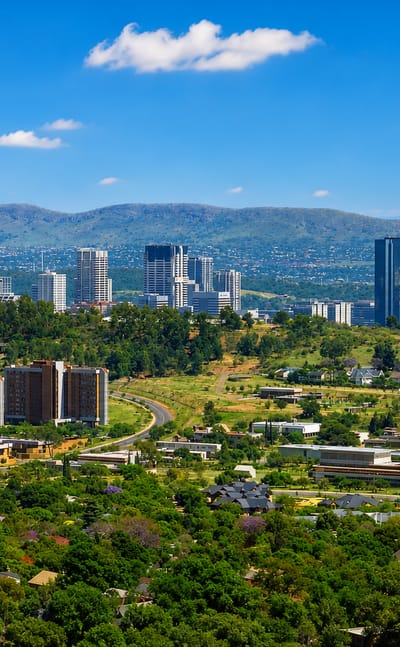
Pretoria is the administrative capital of South Africa, a jacaranda-lined city in Gauteng known for the Voortrekker Monument and its government quarter.Where to stay →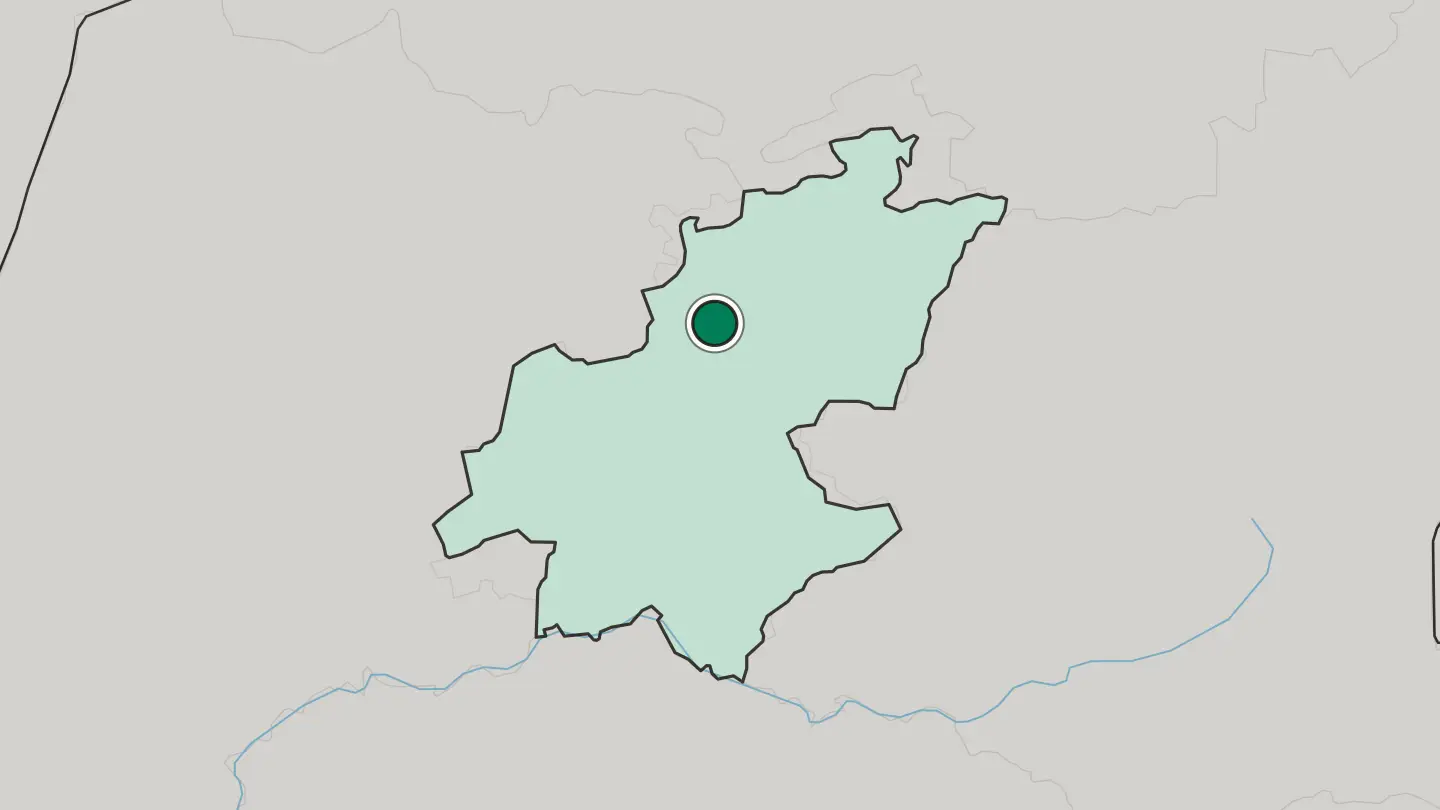
 South Africa
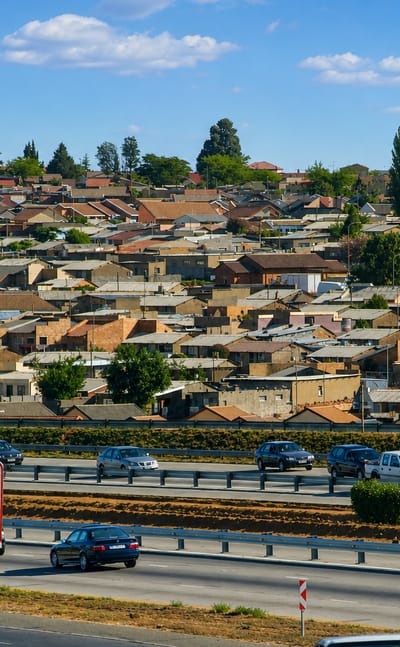
Soweto
Soweto spreads across the mining belt south-west of Johannesburg in Gauteng, South Africa, known for Regina Mundi and the Hector Pieterson Memorial.Where to stay →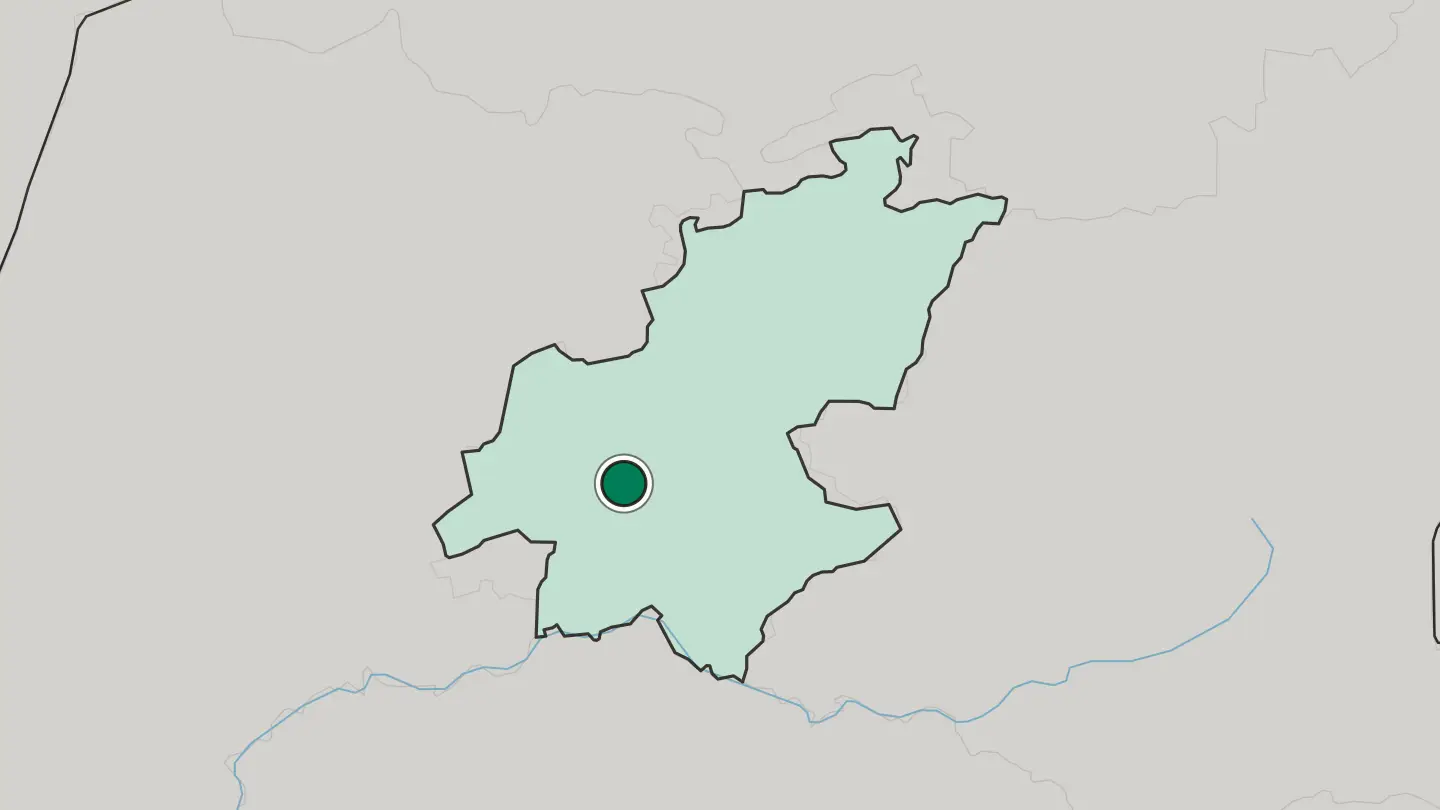
 South Africa
Benoni
Benoni is an East Rand town in Gauteng, South Africa, dating from 1881 and part of the City of Ekurhuleni, some 26 kilometres east of Johannesburg.Where to stay →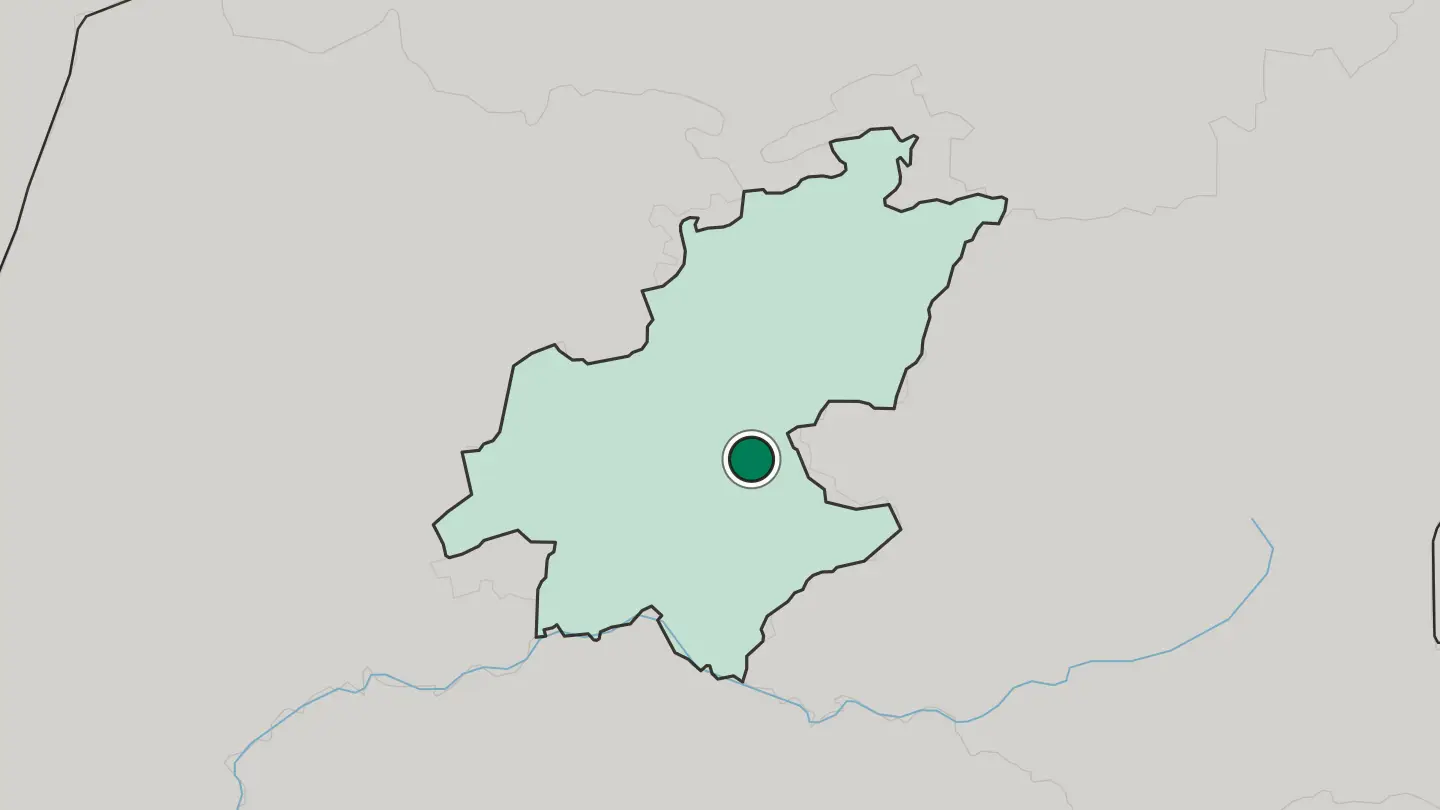
 South Africa
Vereeniging
Vereeniging is a Gauteng manufacturing city where the Klip River empties into the Vaal River, founded in 1892 and part of the Vaal Triangle.Where to stay →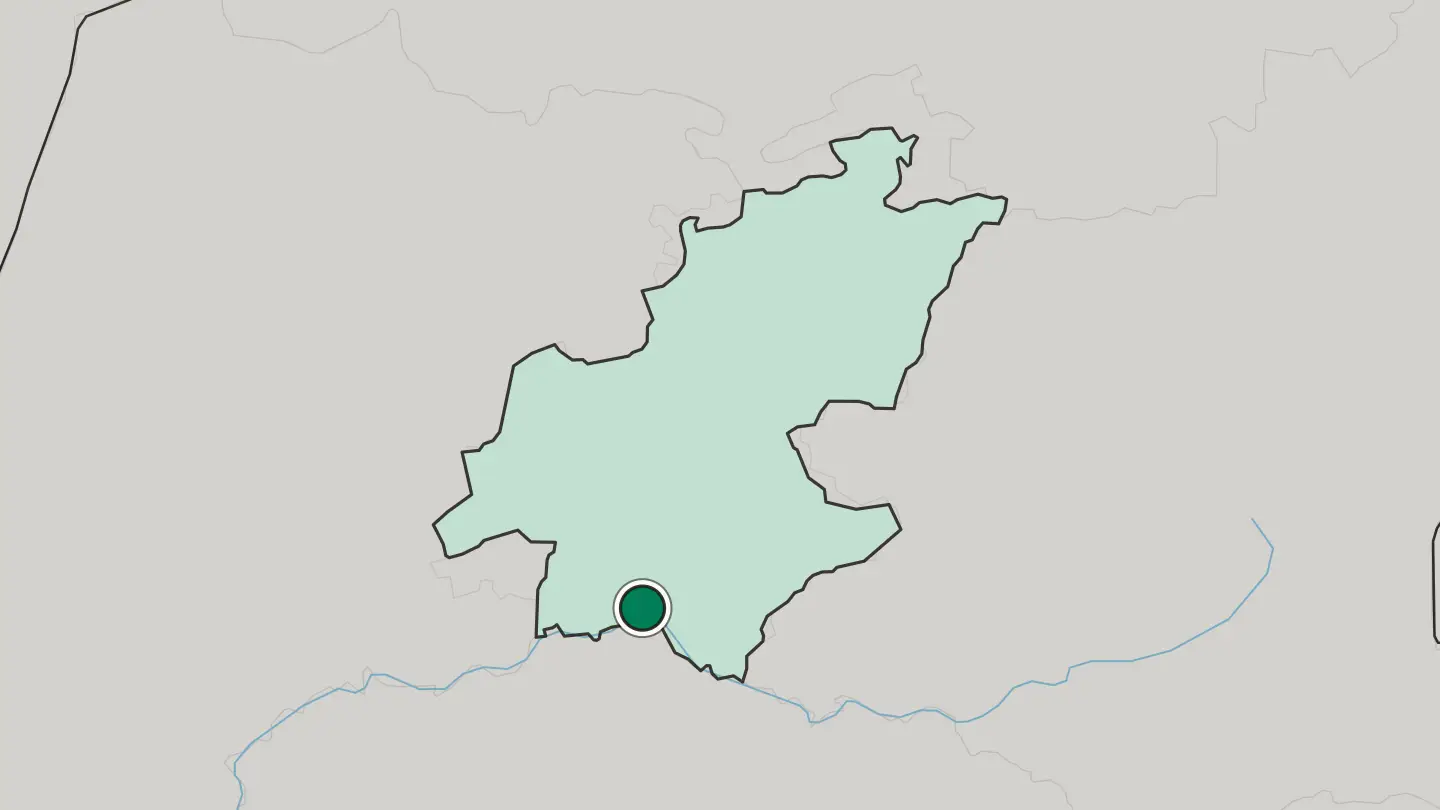
 South Africa
Boksburg
Boksburg is an East Rand city in Gauteng, South Africa, founded on the 1887 gold discovery and named for W. Eduard Bok.Where to stay →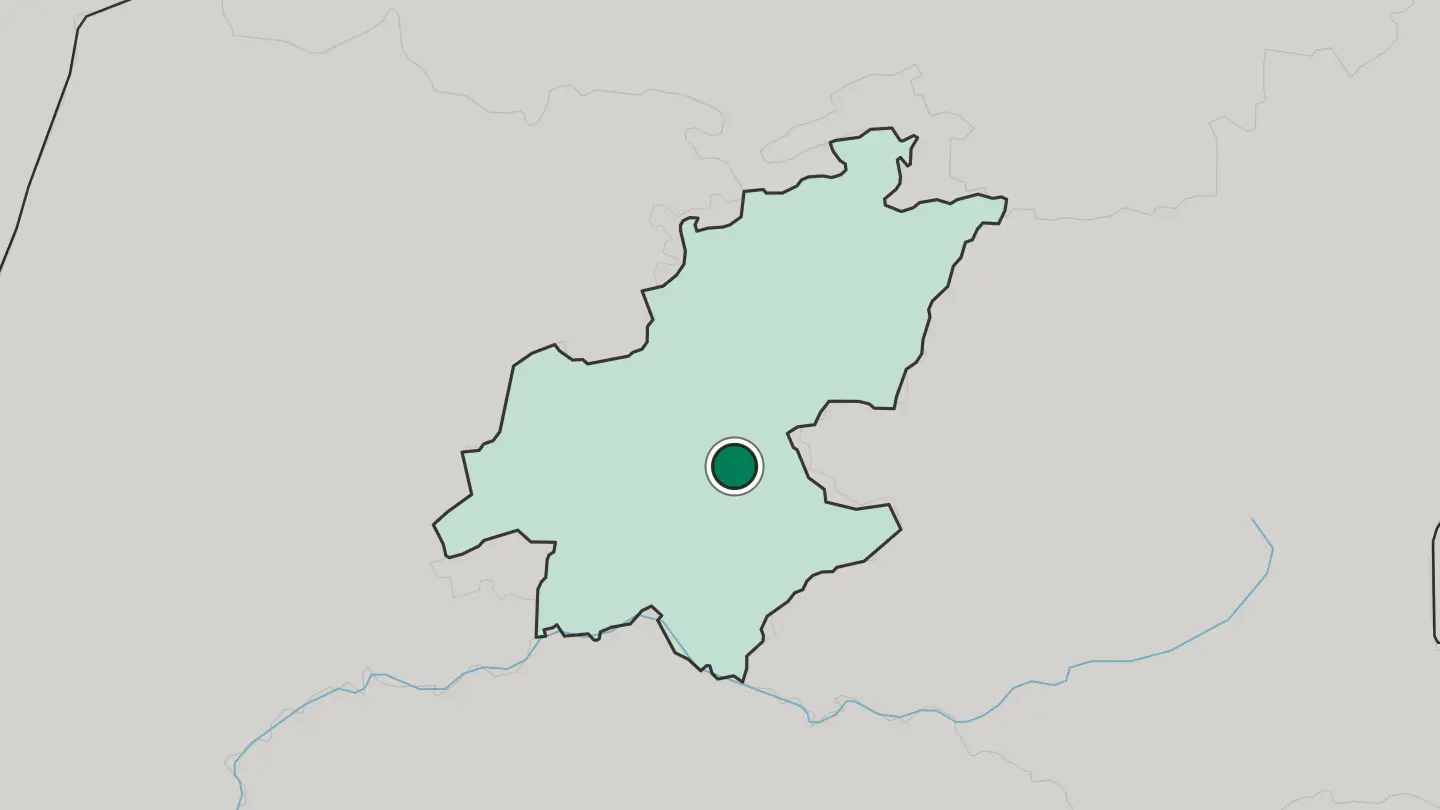
 South Africa
Krugersdorp
Krugersdorp, seat of Mogale City in the West Rand of Gauteng, South Africa, grew from the Paardekraal farm bought for a town in 1887.Where to stay →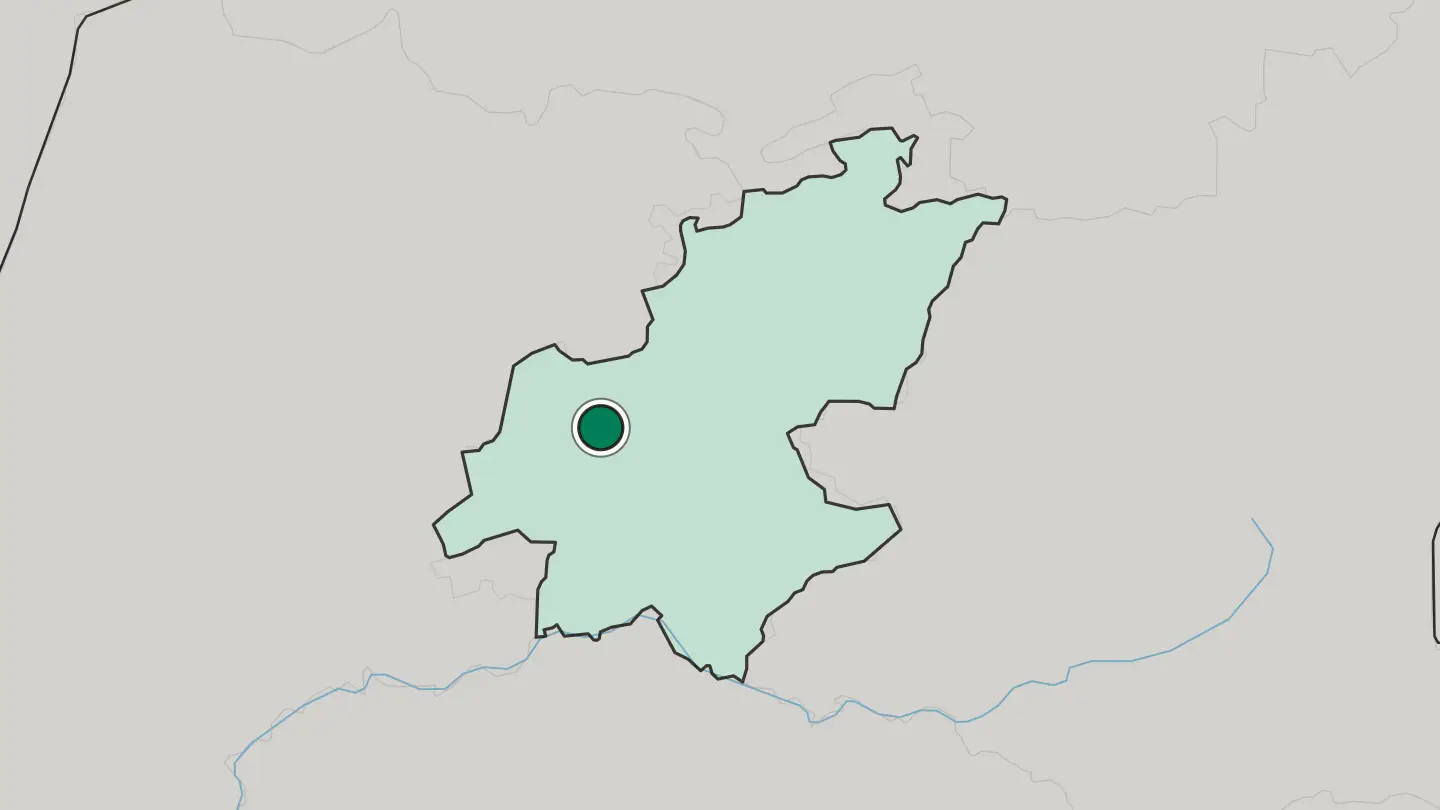 South Africa
Randburg
Randburg is an area of Gauteng, South Africa, administered from the City of Johannesburg alongside its neighbours Sandton and Roodepoort.Where to stay →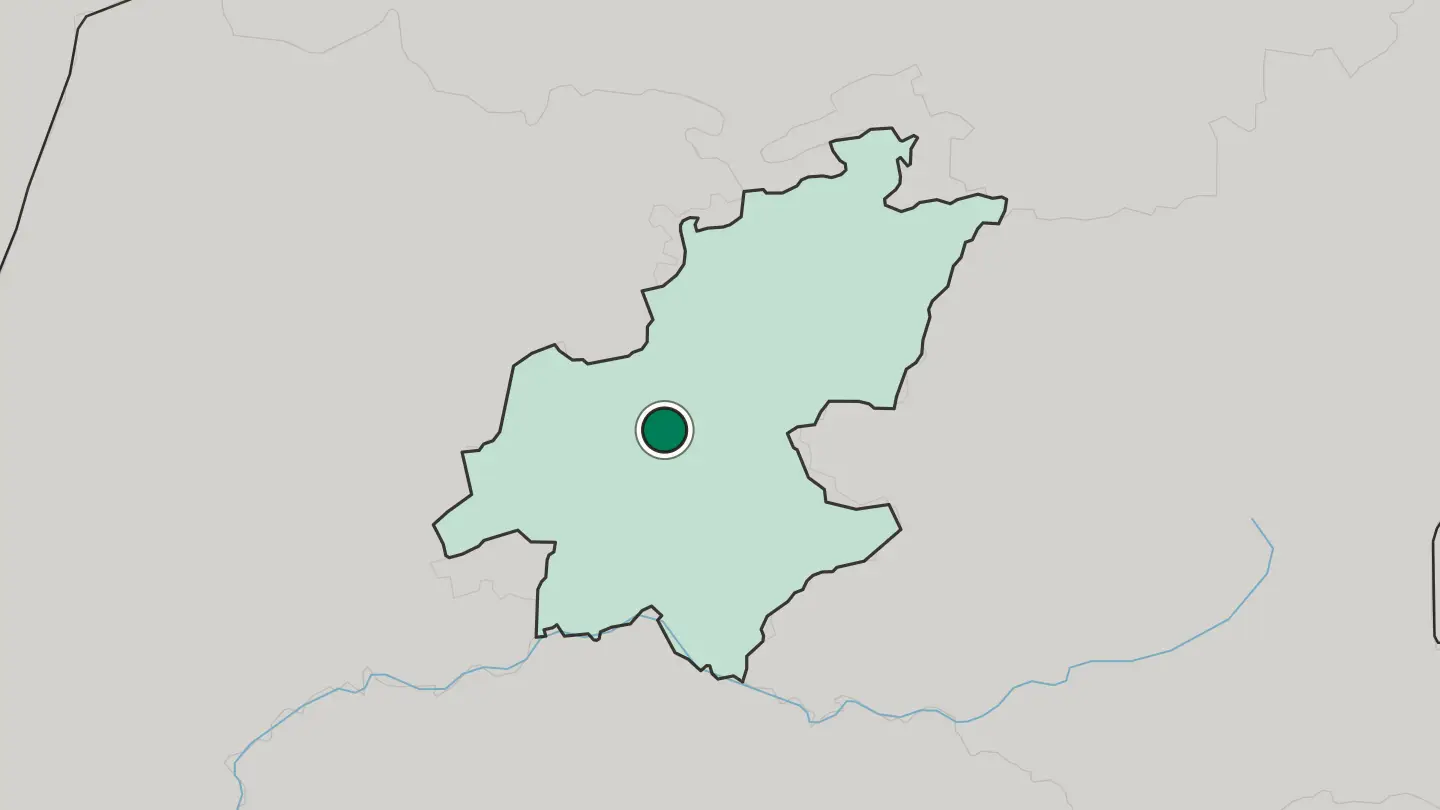
All towns & cities (13)
 South Africa
Germiston
Germiston, also known as kwaDukathole, is the municipal seat of Ekurhuleni in the East Rand of Gauteng, South Africa, founded in 1886.Where to stay →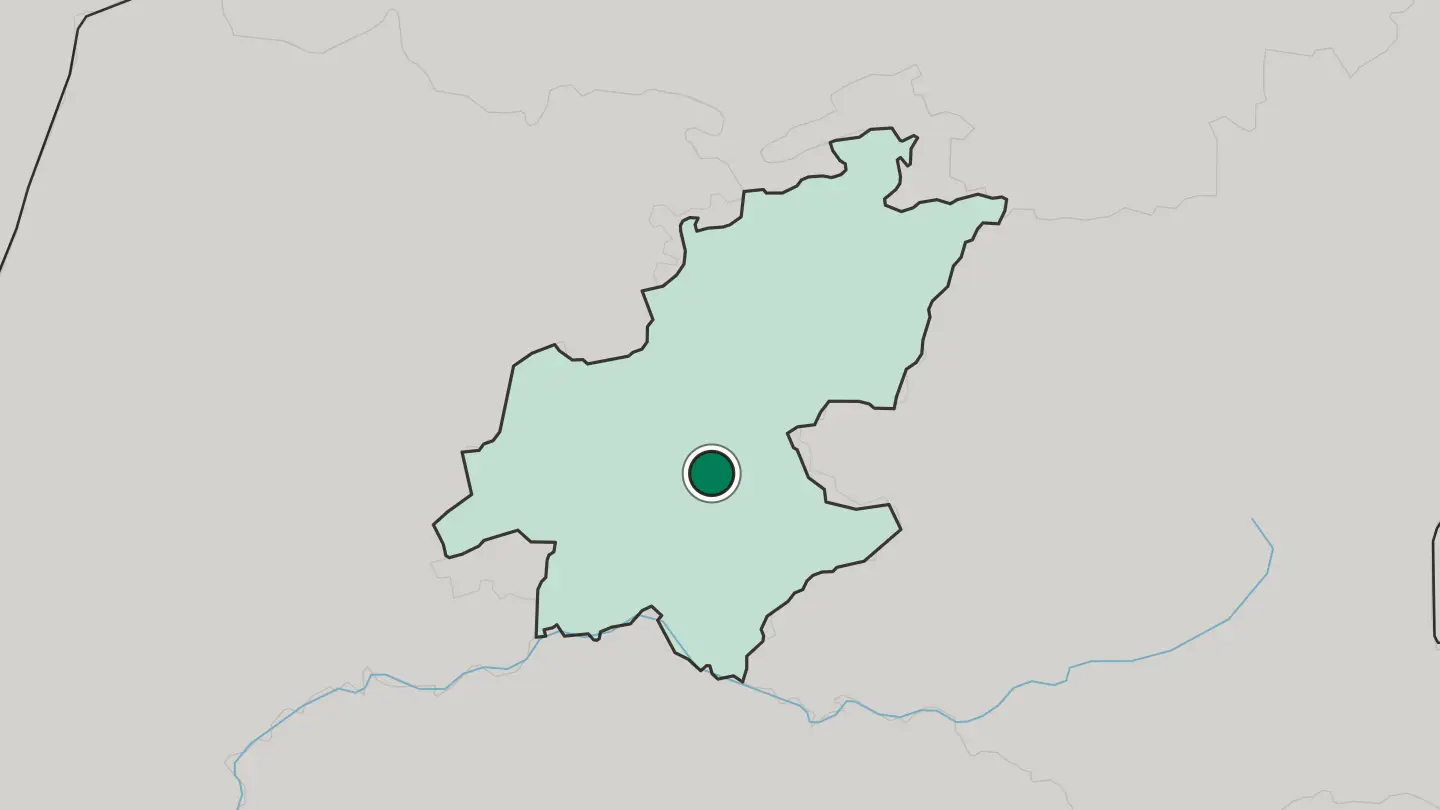 South Africa
Vanderbijlpark
Vanderbijlpark is an industrial city on the Vaal River in the south of Gauteng, South Africa, named for Hendrik van der Bijl and founded in 1949.Where to stay →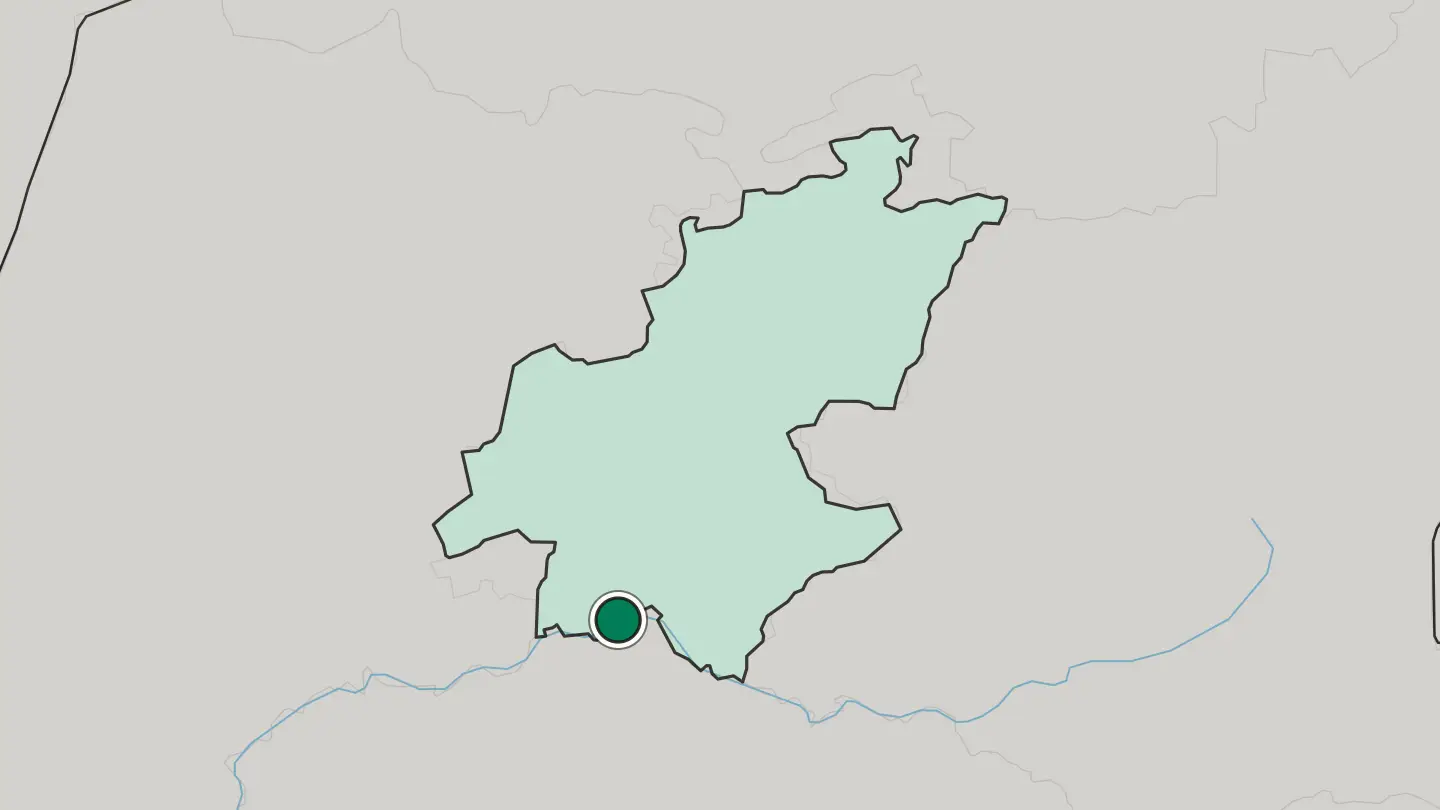 South Africa
Centurion
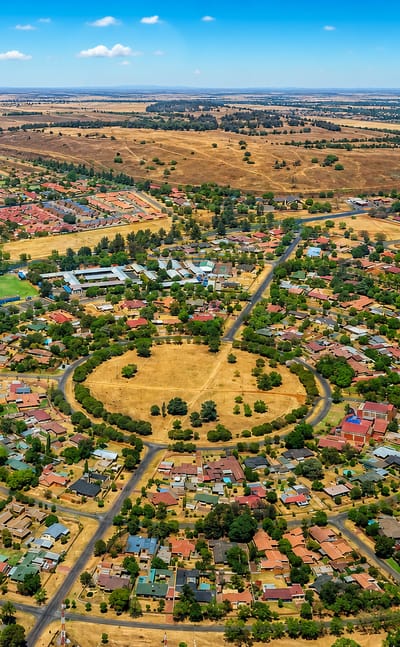
Centurion lies between Pretoria and Midrand in Gauteng, South Africa, a onetime independent municipality folded into the City of Tshwane in 2000.Where to stay →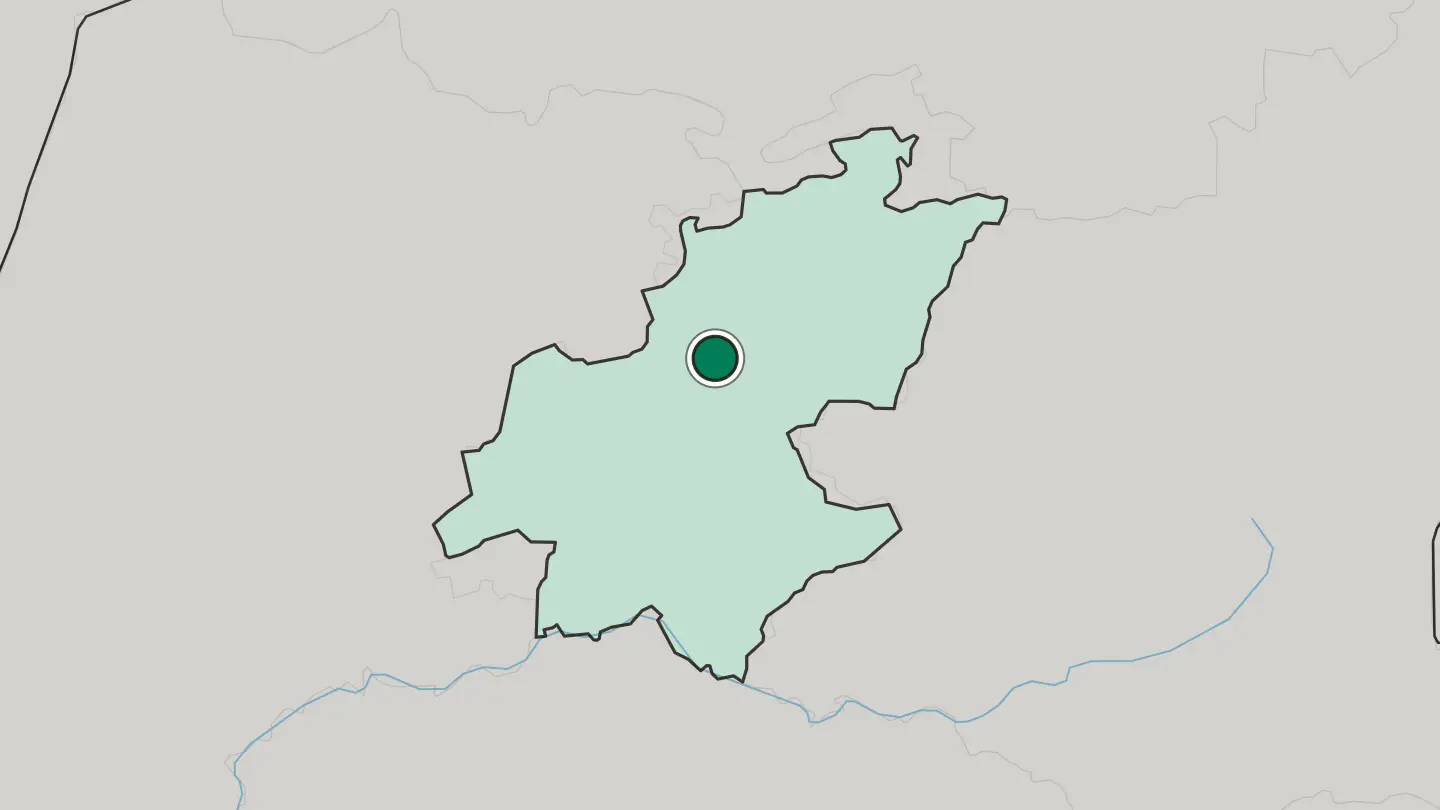
 South Africa
Springs
Springs is an East Rand gold-mining town in Gauteng, now part of Ekurhuleni, with one of the densest clusters of small Art Deco buildings anywhere.Where to stay →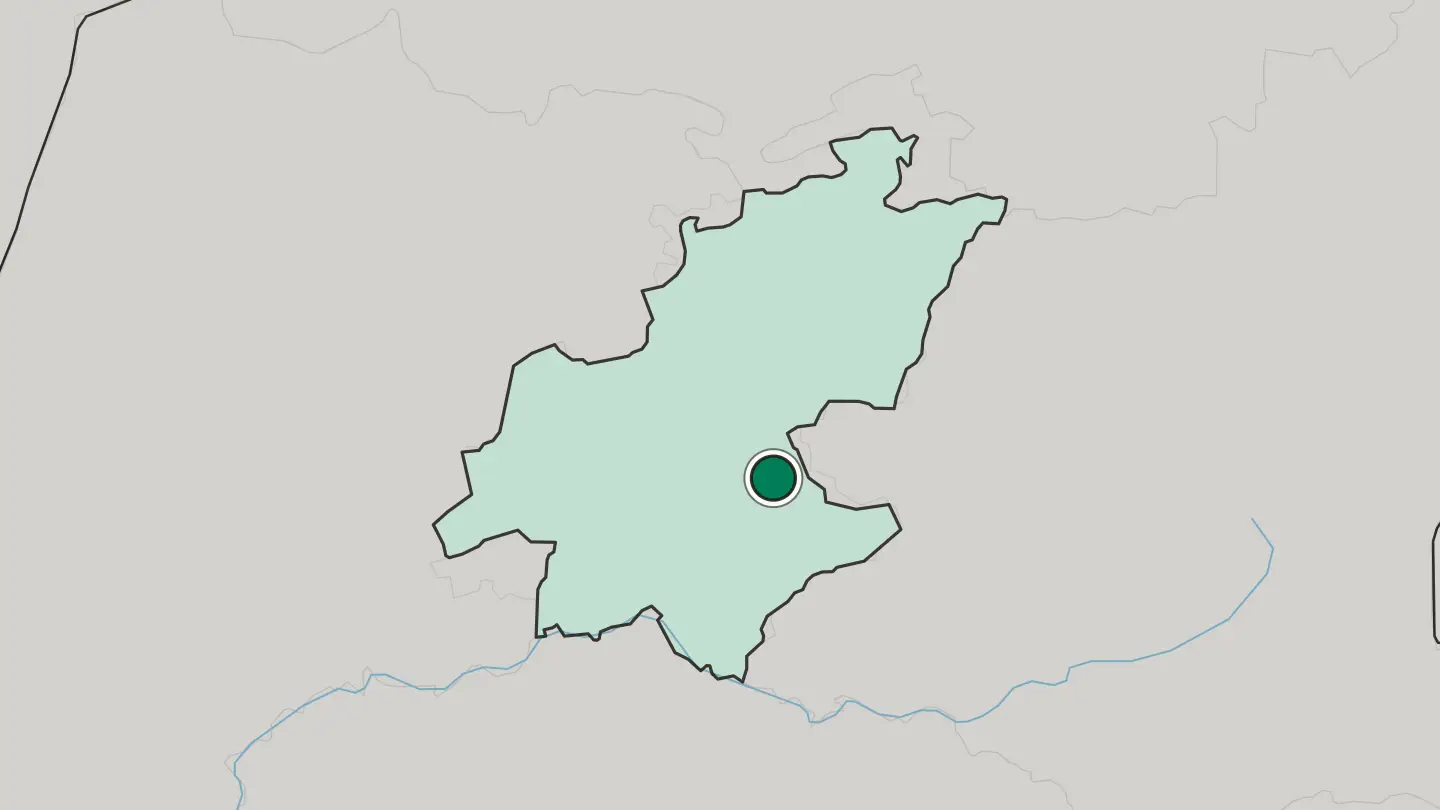
 South Africa
Midrand
Midrand fills the ground between Centurion and Sandton in central Gauteng, a South African area dating from 1981 within the City of Johannesburg.Where to stay →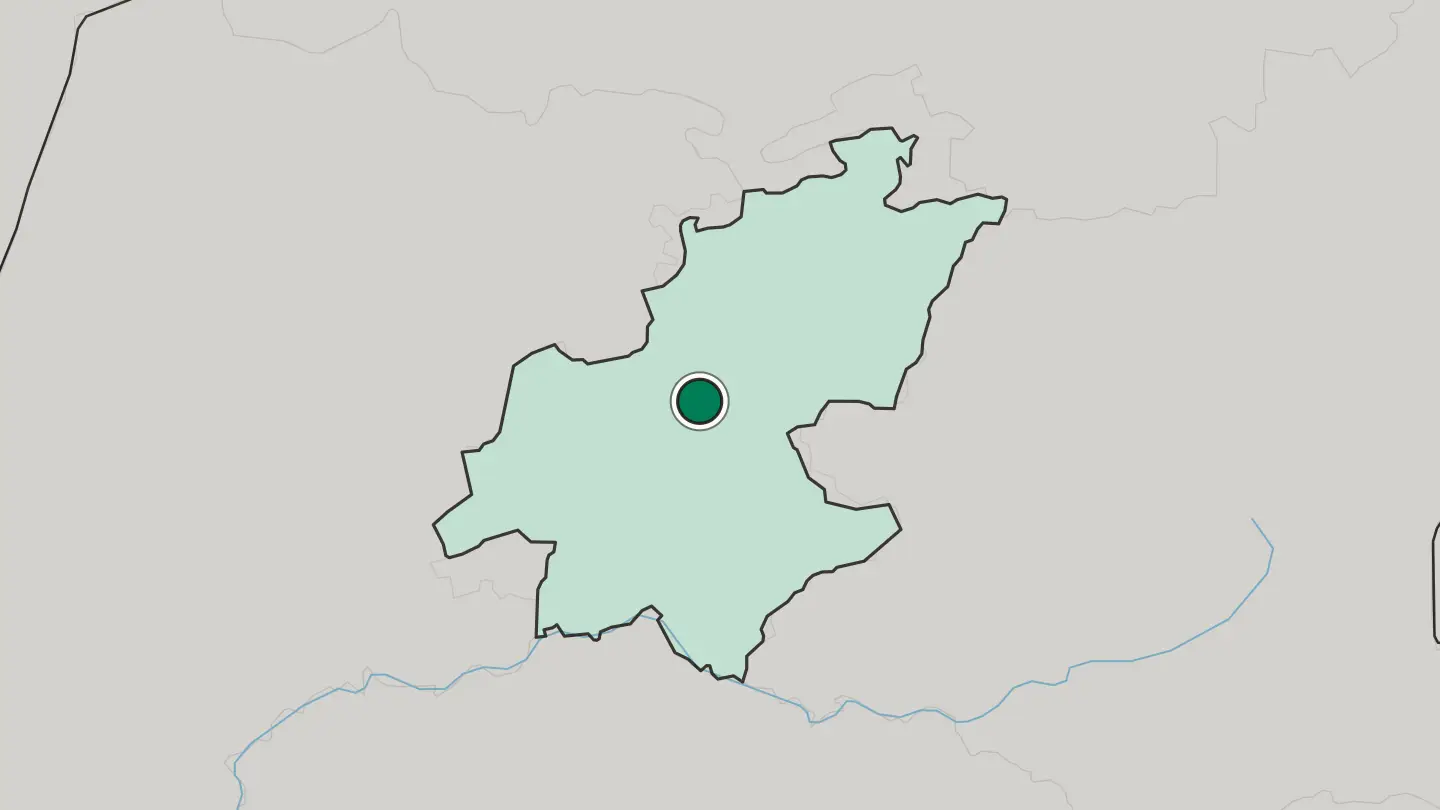
Hotel links are affiliate links: booking through them may earn us a commission, at no extra cost to you. It never affects how places are ranked. How this works
About Gauteng
Gauteng is known for gold.
What is Gauteng known for?
The name comes from a Sesotho phrase meaning Place of gold, a nod to the ore struck near Johannesburg in 1886 that turned open ground into the industrial and commercial core of South Africa. Johannesburg grew into the province's economic engine, while Pretoria carries the machinery of national administration. Mining money built the banks, exchanges, and factories that shaped the province.
Where is Gauteng?
Gauteng is the province at the commercial and industrial centre of South Africa. Its whole story begins with gold. The gold-bearing reef of the Witwatersrand runs beneath Johannesburg, and the ore struck there in 1886 pulled prospectors, engineers, and labourers to the region in their thousands, seeding the mines and settlements that later fused into one continuous urban belt.
Johannesburg grew at the heart of that belt as the provincial capital. Pretoria stands a short distance away. Two cities give the province its shape.
Johannesburg holds its financial and mining institutions, while Pretoria carries the offices of national government, and the corridor between them is filled with linked towns, suburbs, and industrial districts rather than open land. The name Gauteng comes from a Sesotho phrase meaning Place of gold, a plain record of what drew people here and what still underpins the economy. Drawn as a province only in 1994, when South Africa redrew its internal map, Gauteng compresses commerce and administration into a compact, densely settled area unlike provinces such as Western Cape.
Gold made it, and gold still frames how outsiders read it.
What is Gauteng like?
Gauteng is shaped by everyone who came for the gold. The province drew people from across South Africa and beyond to work the mines and the industries that followed, and that constant arrival made it a place of many languages, faiths, and origins layered onto one another. Sesotho gave the province its name, Place of gold, and Zulu is among the many languages spoken across its streets.
Migration is the through-line. Out of the mixing came a restless popular culture, heard most plainly in Johannesburg, where Amapiano and house music set the rhythm of the clubs and taxis alike. Two civic characters sit side by side.
Johannesburg is fast, commercial, and self-invented, a city that measures itself by money and reinvention rather than age. Pretoria is slower and more official, its identity bound to government, universities, and ceremony. Between them the province holds galleries and theatres, live-music venues, and the mining landscape that grew up over the gold reefs.
Gauteng carries both the wealth and the sharp contrasts of modern South Africa, where the gold economy still colours daily life.
What is the history of Gauteng?
Gauteng's history turns on one gold strike. The discovery of gold near Johannesburg in 1886 remade the region, drawing capital and labour from across South Africa and beyond, and throwing up mining camps that hardened into cities within a generation. Pretoria had already been founded as a seat of government before the gold came.
As the mines deepened, the two centres grew toward one another across the reef. The modern province took shape only in 1994, when South Africa reorganised its map and named this one Gauteng, from the Sesotho for Place of gold.
What is the climate of Gauteng?
Gauteng lies in the subtropical band of the southern hemisphere, so its seasons run opposite to those of the north. Rain falls mainly in summer. Around the turn of the year the province is warm and often stormy, with sharp afternoon downpours breaking the heat, while the months around midyear stay dry, bright, and noticeably cooler.
Johannesburg and Pretoria share this rhythm of wet summers and clear winters.
How do you get to Gauteng?
Gauteng is the busiest arrival point in the interior of South Africa. Most long-haul flights bound for the country's heartland land close to Johannesburg, from where roads and rail carry travellers on to Pretoria and the ring of towns around it within an easy drive. The province sits where the main national motorways meet.
Those routes run outward toward the coast and the neighbouring provinces, while long-distance trains and coaches converge on Johannesburg. The two cities lie close together.
Common questions
What is the best area to stay in Gauteng?
Johannesburg: business travel and a first city base. Pretoria: museums and a calmer administrative capital.
Good for
More regions in South Africa
Updated October 2026