Austria · Wien · Vienna
Laimgrube, Vienna — Area Guide & Where to Stay
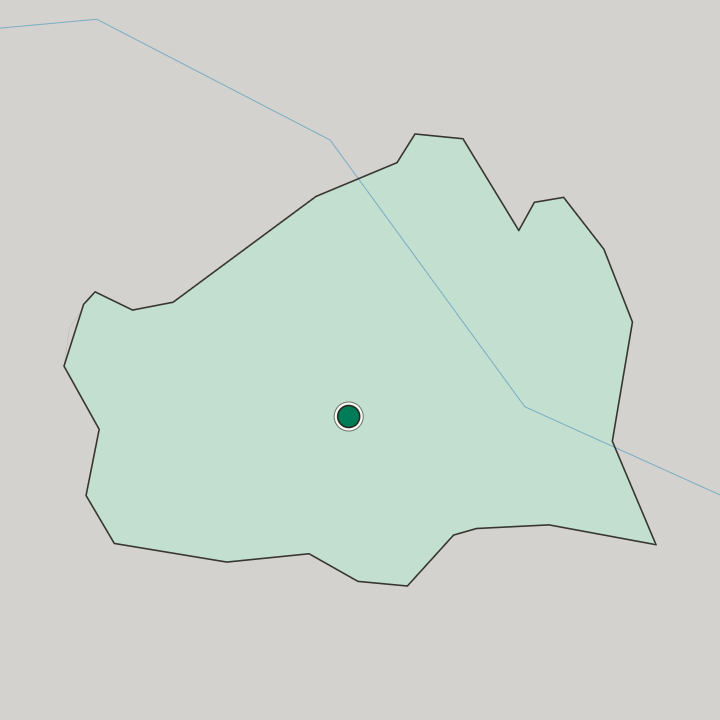
Laimgrube was one of the oldest suburbs of Vienna, incorporated in 1850, and its ground now lies mostly in Mariahilf with a small part in Neubau.
Hotel links are affiliate links: booking through them may earn us a commission, at no extra cost to you. It never affects how places are ranked. How this works


Where to stay in Laimgrube
The practical side of choosing where to sleep.
You can no longer see where it was. Laimgrube is barely recognisable as a separate quarter, running through the east of Mariahilf from the Getreidemarkt on the former Glacis westward along the Wienfluss to about the Eggerthgasse, where the Magdalenengrund suburb once adjoined. The market sits on the covered river.
The Wienfluss was vaulted over here around 1900 and the Naschmarkt built on the vaulting, which is the busiest thing on the ground now. Ground rises sharply northward from the Wiental.
About Laimgrube
What are the main landmarks in Laimgrube?
Clay pits gave it the name. The Laimgrube is named for the pits worked on the slope of the Wiental from the 14th century onward, called Lamgrueben in Bavarian with a long a. Its northern reach was larger than the modern district. In the easternmost part the suburb extended north beyond the present Mariahilfer Straße into the 7th district, taking in the ground of the Stiftskaserne and the houses east of it as far as the MuseumsQuartier, which was the imperial court stables.
Statistics draw it differently now. Laimgrube is a Zählbezirk of the official statistics whose boundary does not match the former suburb.
What is the history of Laimgrube?
Pits came before the suburb. Clay was dug on the slope of the Wiental here from the 14th century, and the Bavarian name for those pits, Lamgrueben, is what the place took its name from. It grew as a suburb outside the Glacis.
Laimgrube counted among the oldest Vorstädte of Vienna, running along the Wienfluss with the Gumpendorfer Straße partly forming its boundary against the Mariahilf and Windmühle suburbs and Spittelberg to the north. Incorporation came in 1850. Vienna took it in that year along with the other suburbs, and the ground now falls mostly in the sixth district with a small part in the seventh.
The river went underground around 1900. The Wienfluss was vaulted over and the Naschmarkt built on top, which removed the last obvious line the suburb had followed. What survives is a statistical name.
A Zählbezirk carries it, on a boundary that is not the old one.
Where is Laimgrube?
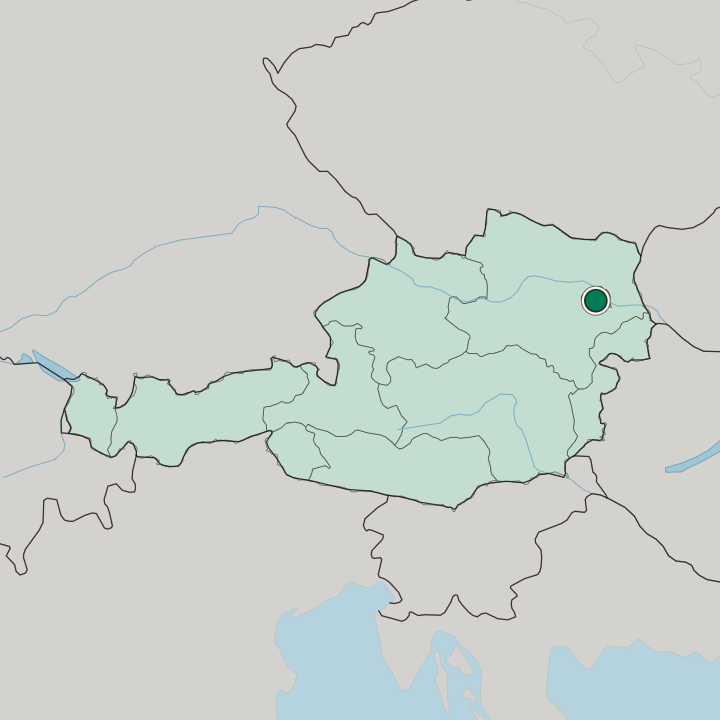
Laimgrube lies in the east of Mariahilf running from the Getreidemarkt on the former Glacis west along the Wienfluss to about the Eggerthgasse, with a small part north of the Mariahilfer Straße in Neubau.
More areas in Vienna
Updated September 2026