Austria · Wien
Where to Stay in Vienna, Wien
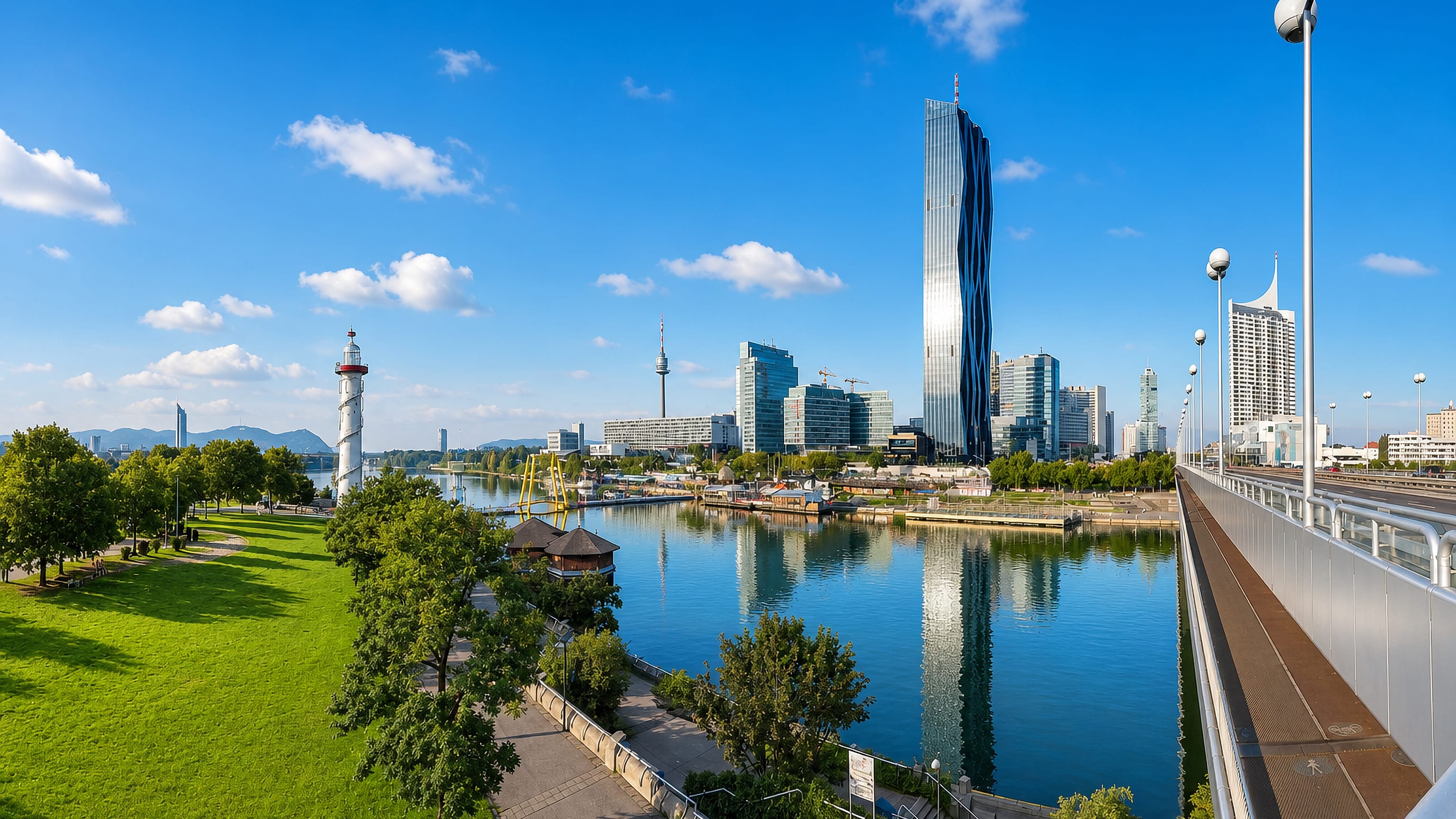
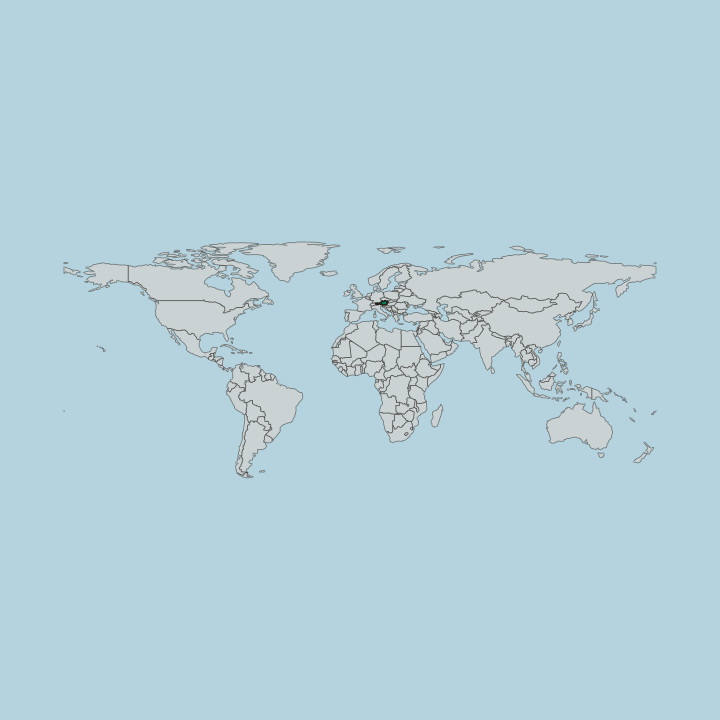
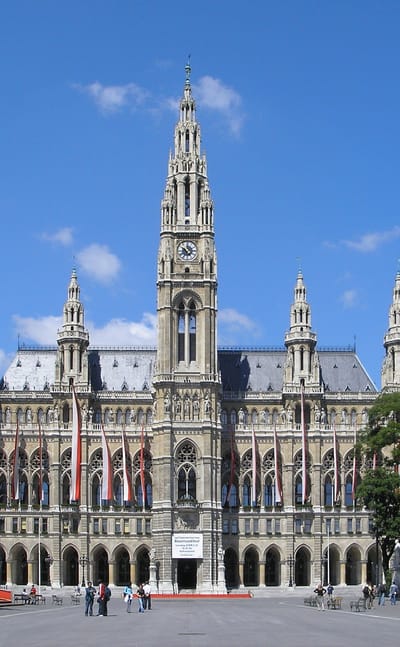
The Hofburg Palace and grand museums line the heart of Vienna, the capital of Austria on the river Danube, a city of music and art.
Hotel links are affiliate links: booking through them may earn us a commission, at no extra cost to you. It never affects how places are ranked. How this works


Where to stay in Vienna
Where you base yourself shapes the visit — here's the character of each area.
 ViennaAustria
Innere Stadt
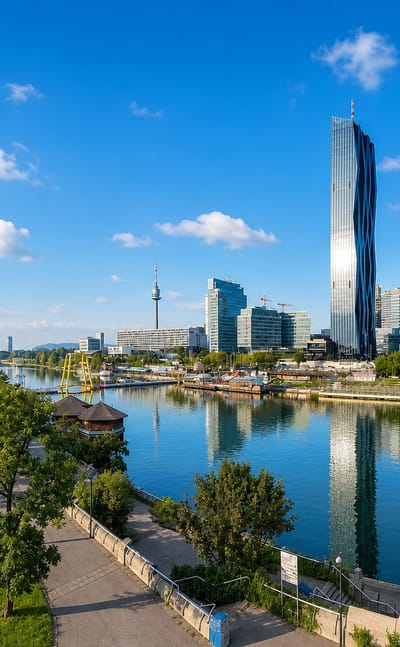
Innere Stadt is the old inner city of Vienna, the central district at the historic heart of the Austrian capital.Innere Stadt →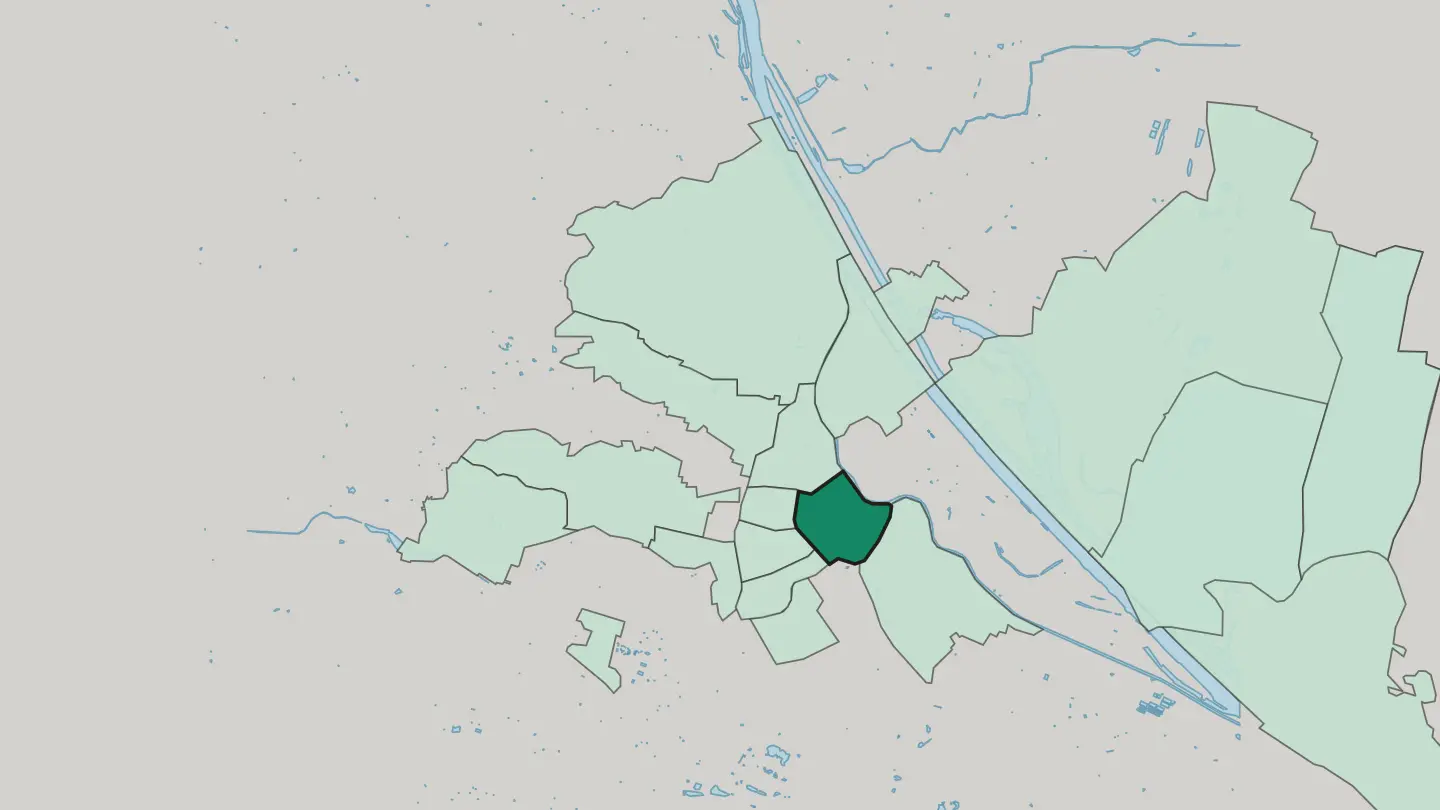
 ViennaAustria
Laimgrube
Laimgrube was one of the oldest suburbs of Vienna, incorporated in 1850, and its ground now lies mostly in Mariahilf with a small part in Neubau.Laimgrube →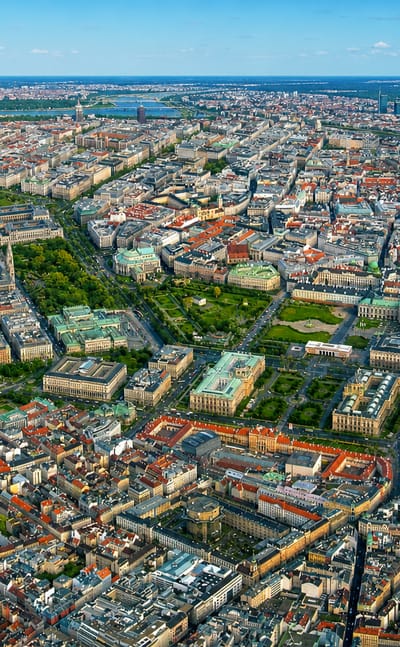 ViennaAustria
Josefstadt
Josefstadt is the smallest district of Vienna, a compact quarter of quiet streets gathered around the Piarist Church.Josefstadt →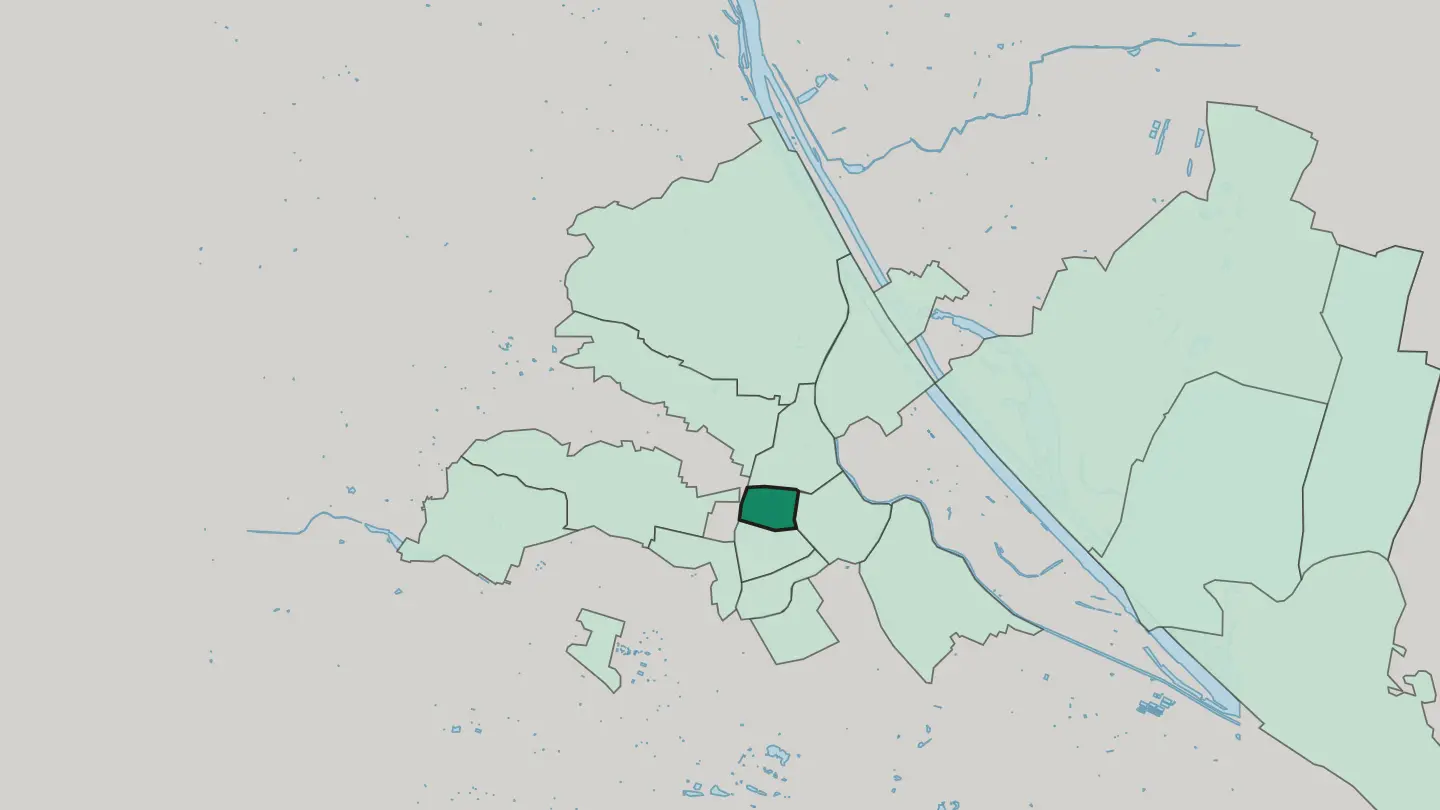 ViennaAustria
Neubau
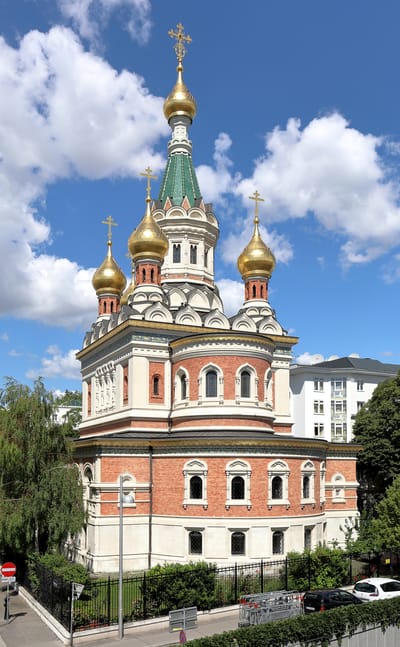
Neubau is a district of Vienna, the compact quarter that holds the MuseumsQuartier and its ring of modern-art museums.Neubau →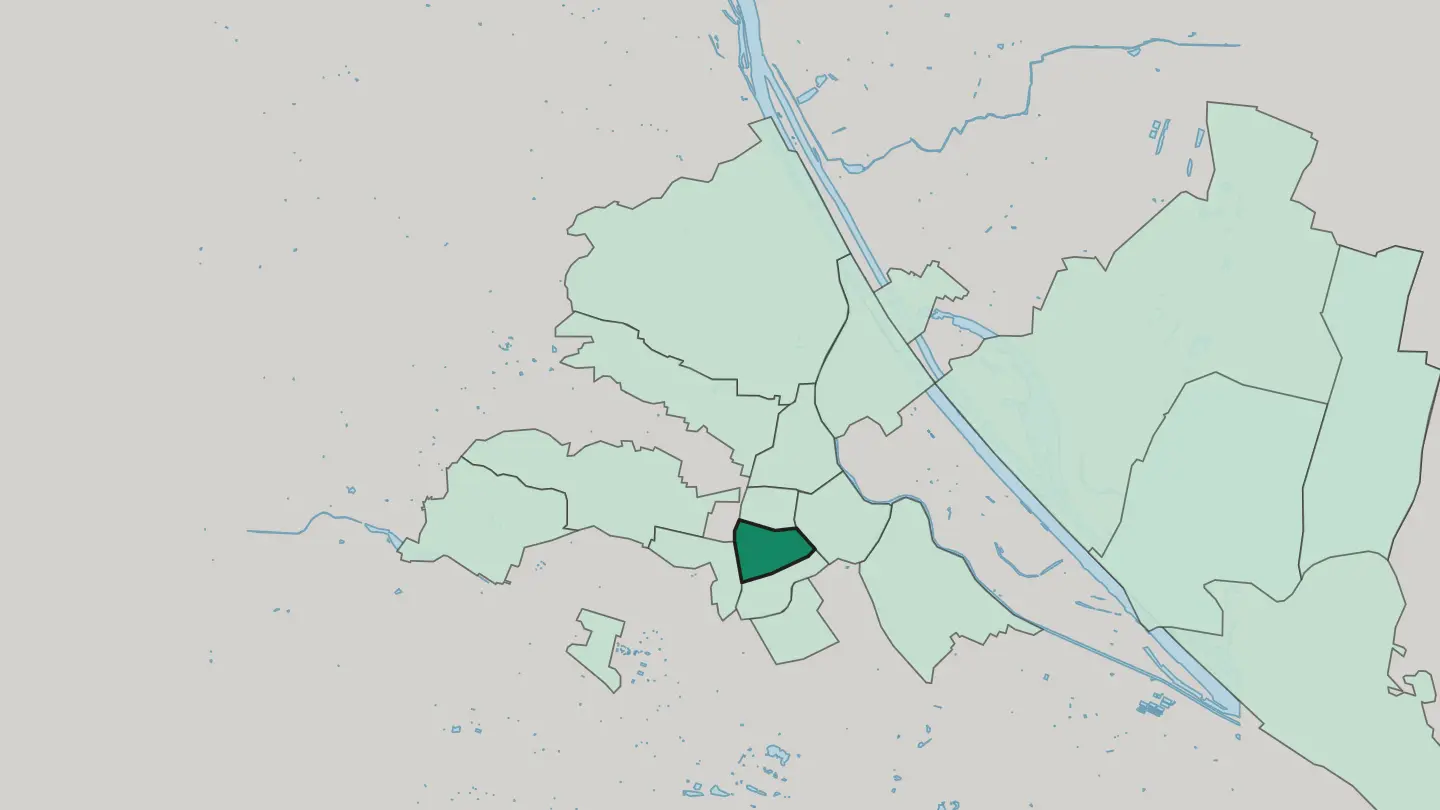
 ViennaAustria
Landstraße
Landstraße is a district of Vienna that runs from the terraces of the Belvedere down to the bright tiled front of the Hundertwasserhaus.Landstraße →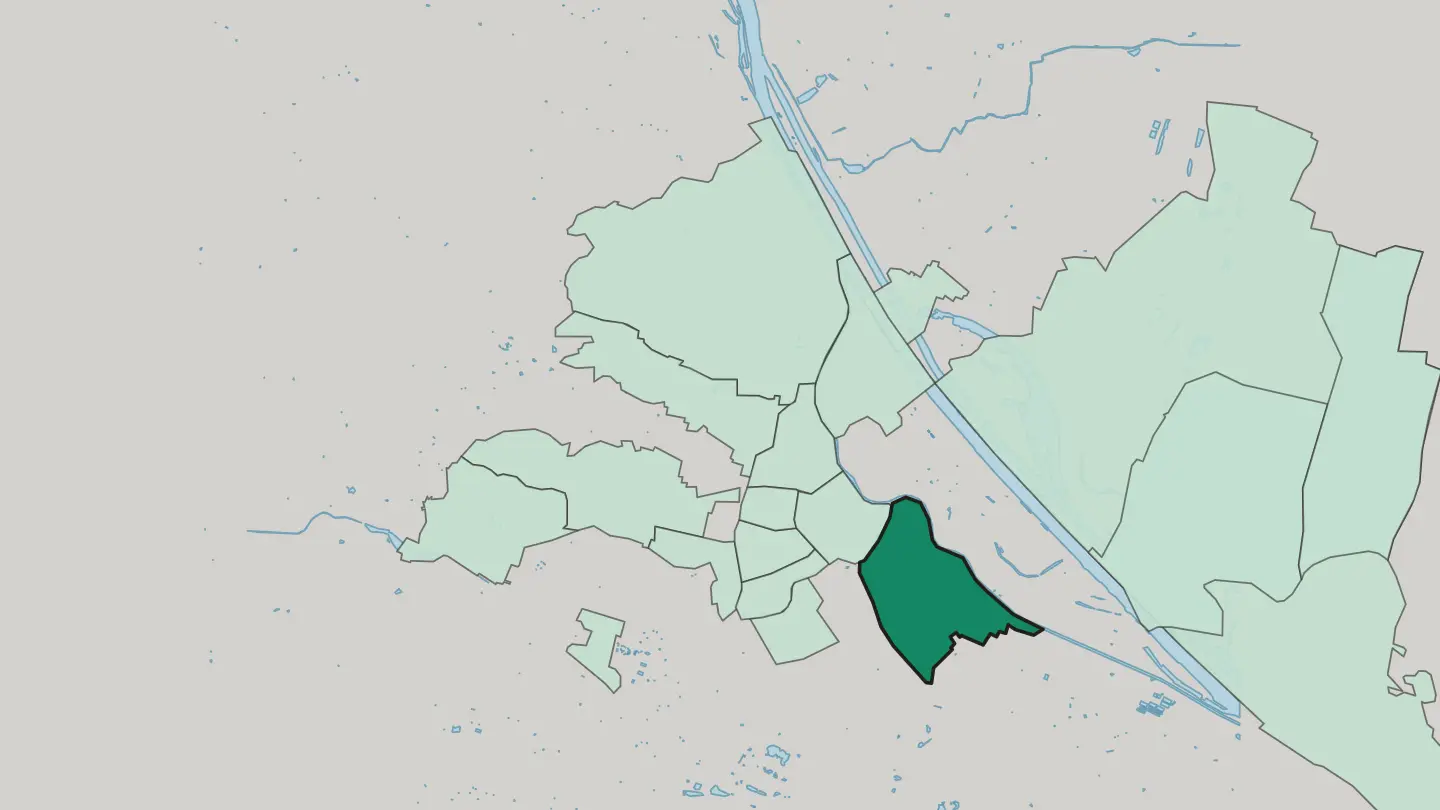
 ViennaAustria
Alsergrund
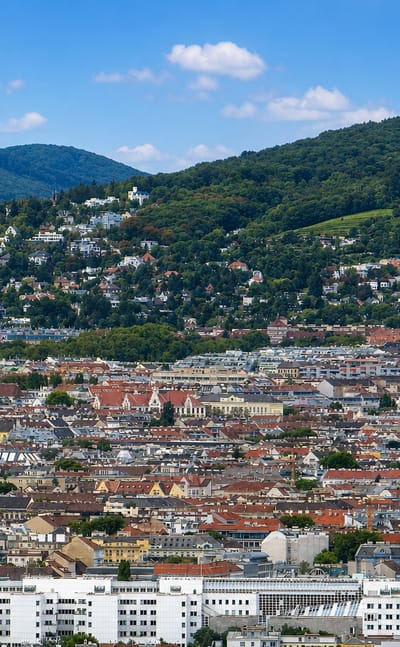
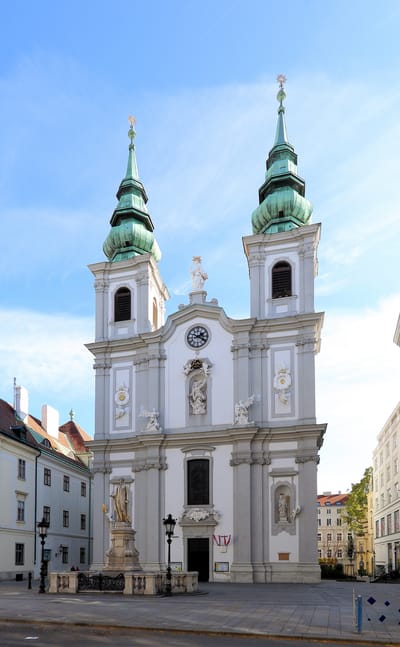
Alsergrund is an inner district of Vienna, the quarter of the Sigmund Freud Museum and the baroque Gartenpalais Liechtenstein.Alsergrund →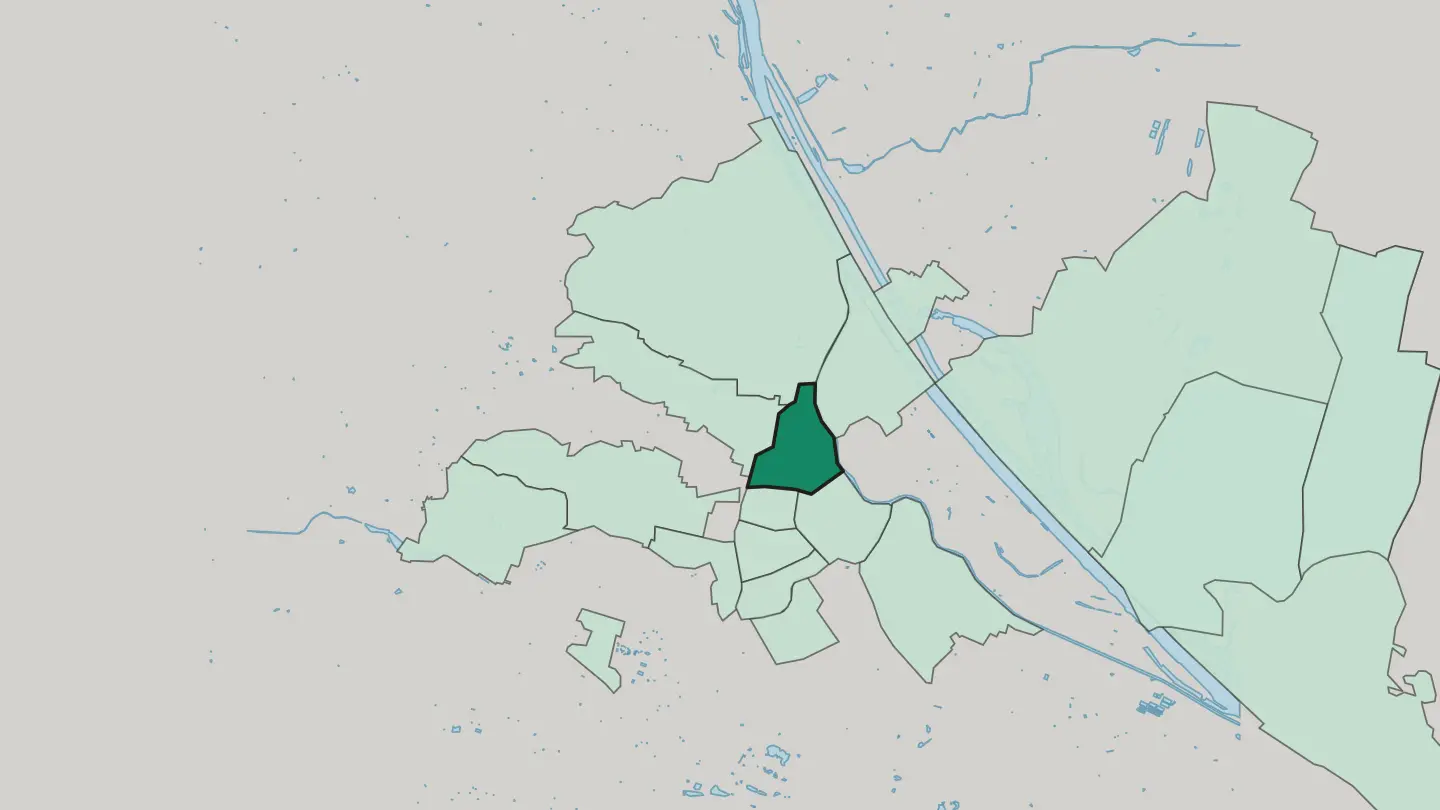
 ViennaAustria
Mariahilf
Mariahilf is the sixth district of Vienna, a heavily built quarter near the city center that draws its name from the Church of Mariahilf.Mariahilf →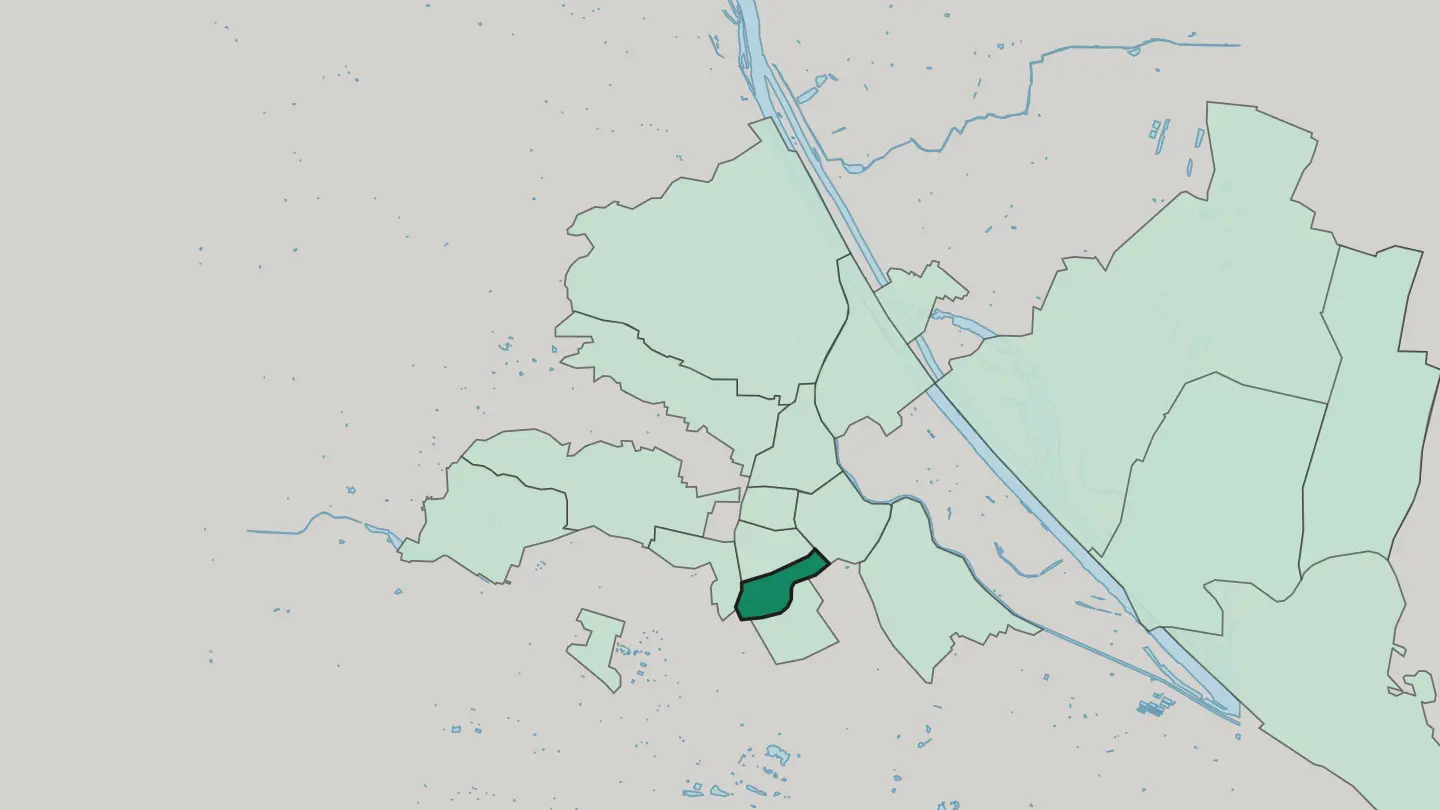 ViennaAustria
Gumpendorf
Gumpendorf is one of Vienna's oldest suburbs, a village on the Wien that grew into a Vorstadt, now the western part of the sixth district, Mariahilf.Gumpendorf → ViennaAustria
Margareten
Margareten is the fifth district of Vienna, a dense residential quarter beside the old town that takes its name from Margaret of Antioch.Margareten →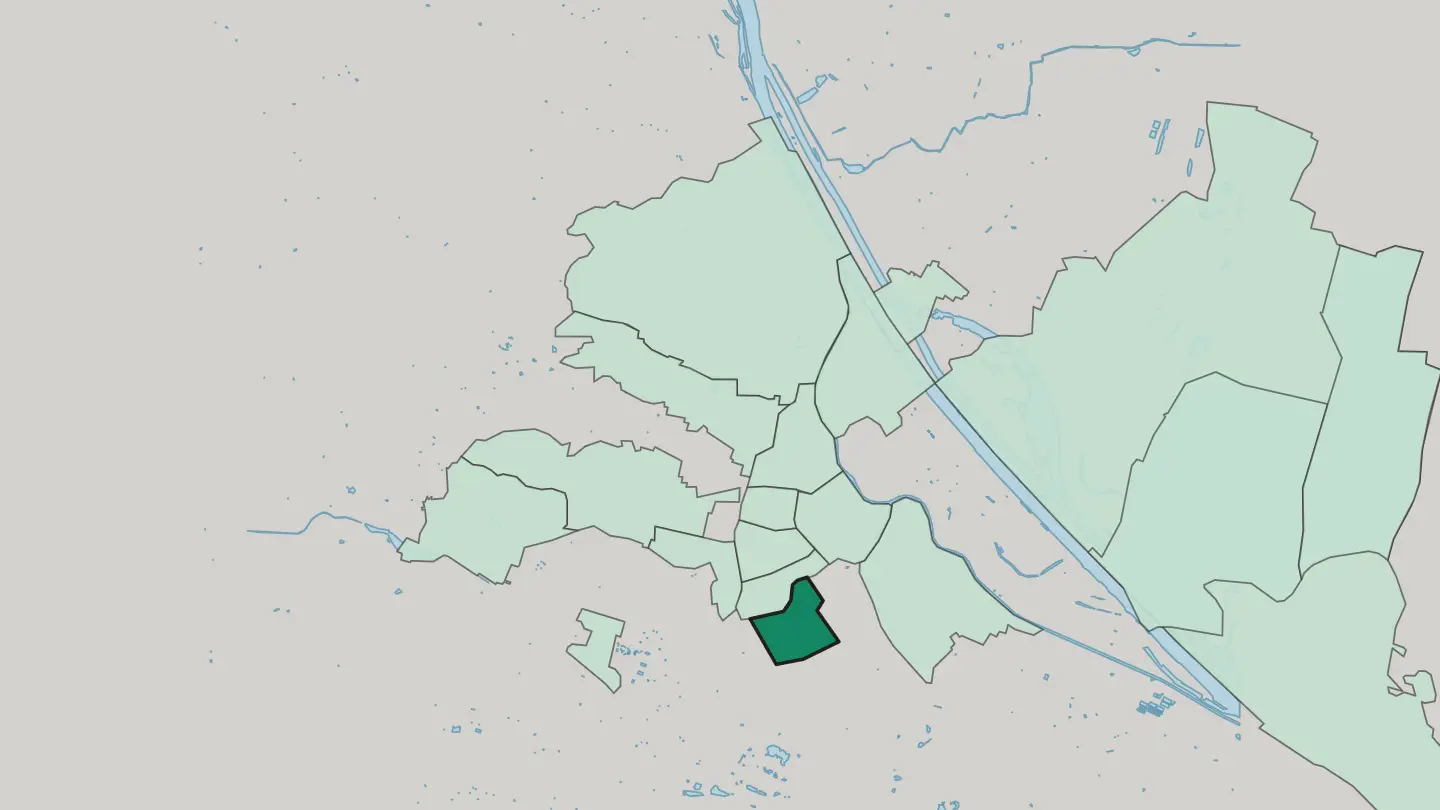
 ViennaAustria
Leopoldstadt
Leopoldstadt is Vienna's second district, an island between the Donaukanal and the Danube, holding the Prater and the Wiener Riesenrad.Leopoldstadt →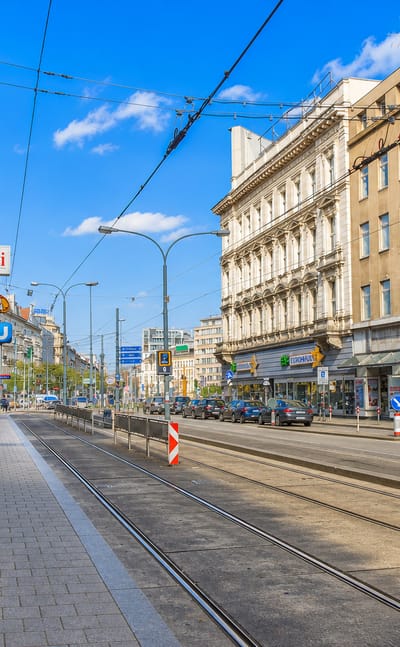 ViennaAustria
Fünfhaus
Fünfhaus is a district of Vienna, a close grid of streets gathered around the Pfarrkirche zur Allerheiligsten Dreifaltigkeit.Fünfhaus →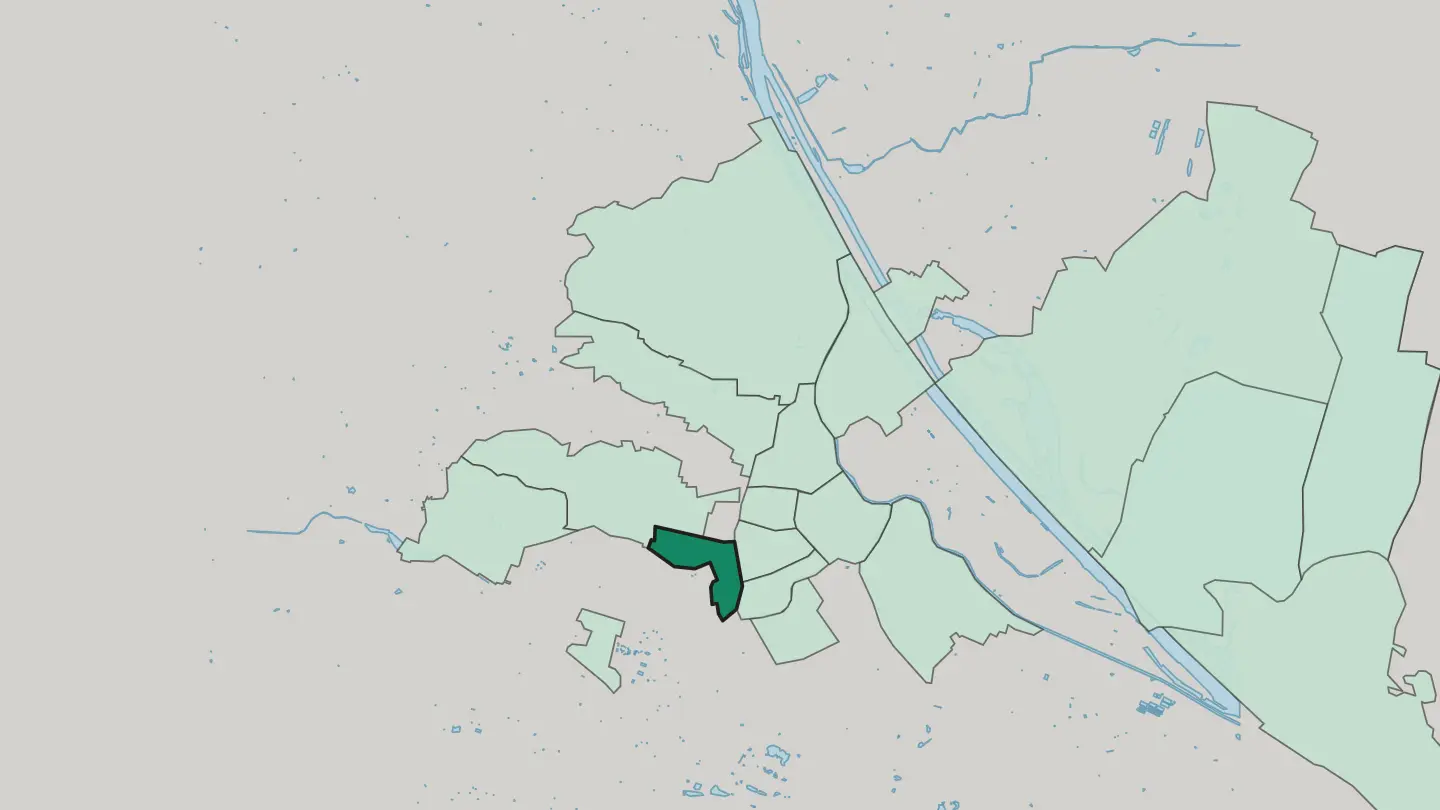
 ViennaAustria
Brigittenau
Brigittenau is a district of Vienna, a former floodplain quarter that takes its name from the small Brigittakapelle.Brigittenau →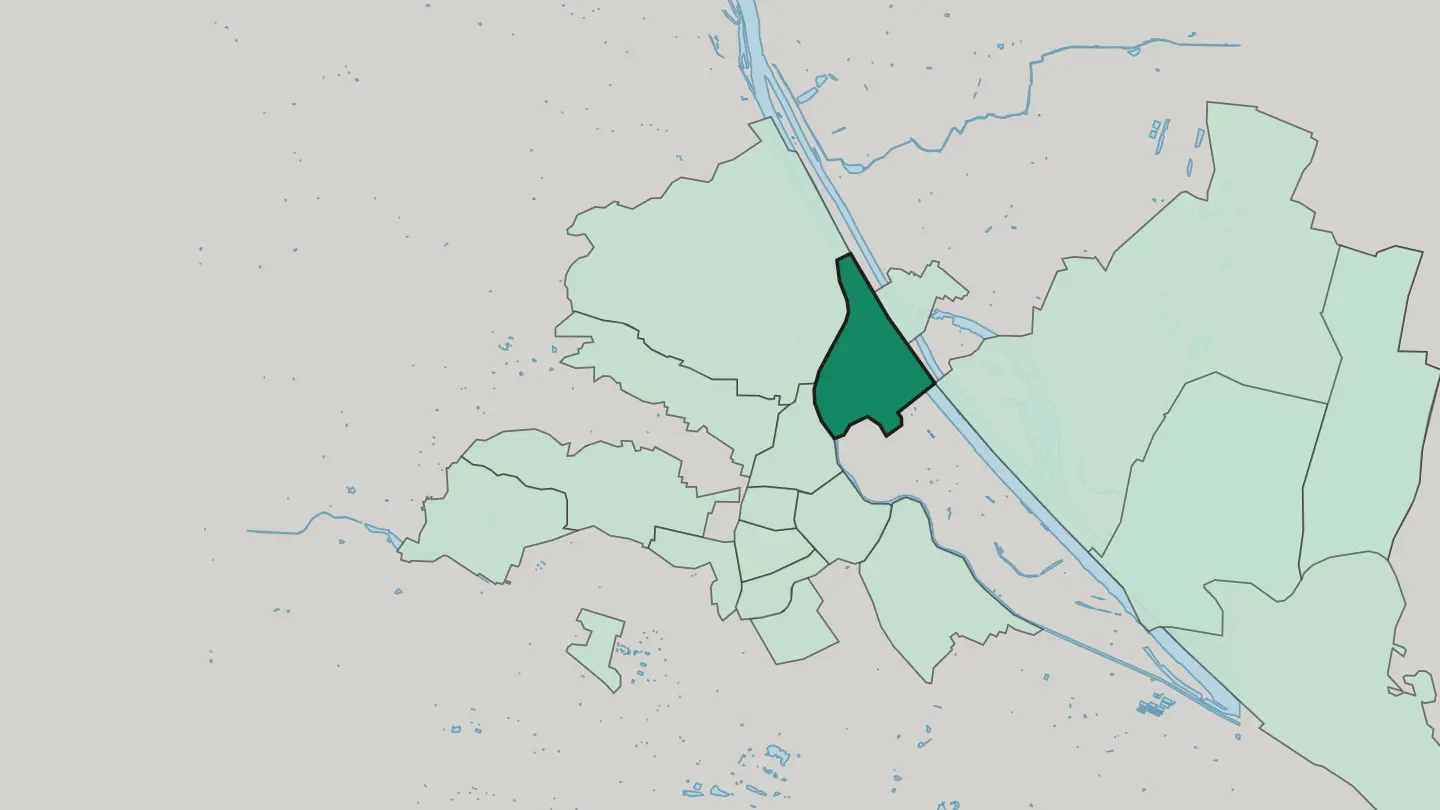
All neighbourhoods (52)
ViennaAustria
Ottakring
Ottakring is a district of Vienna, formed around the old village of Neulerchenfeld and the parish church that still stands at its heart.Ottakring →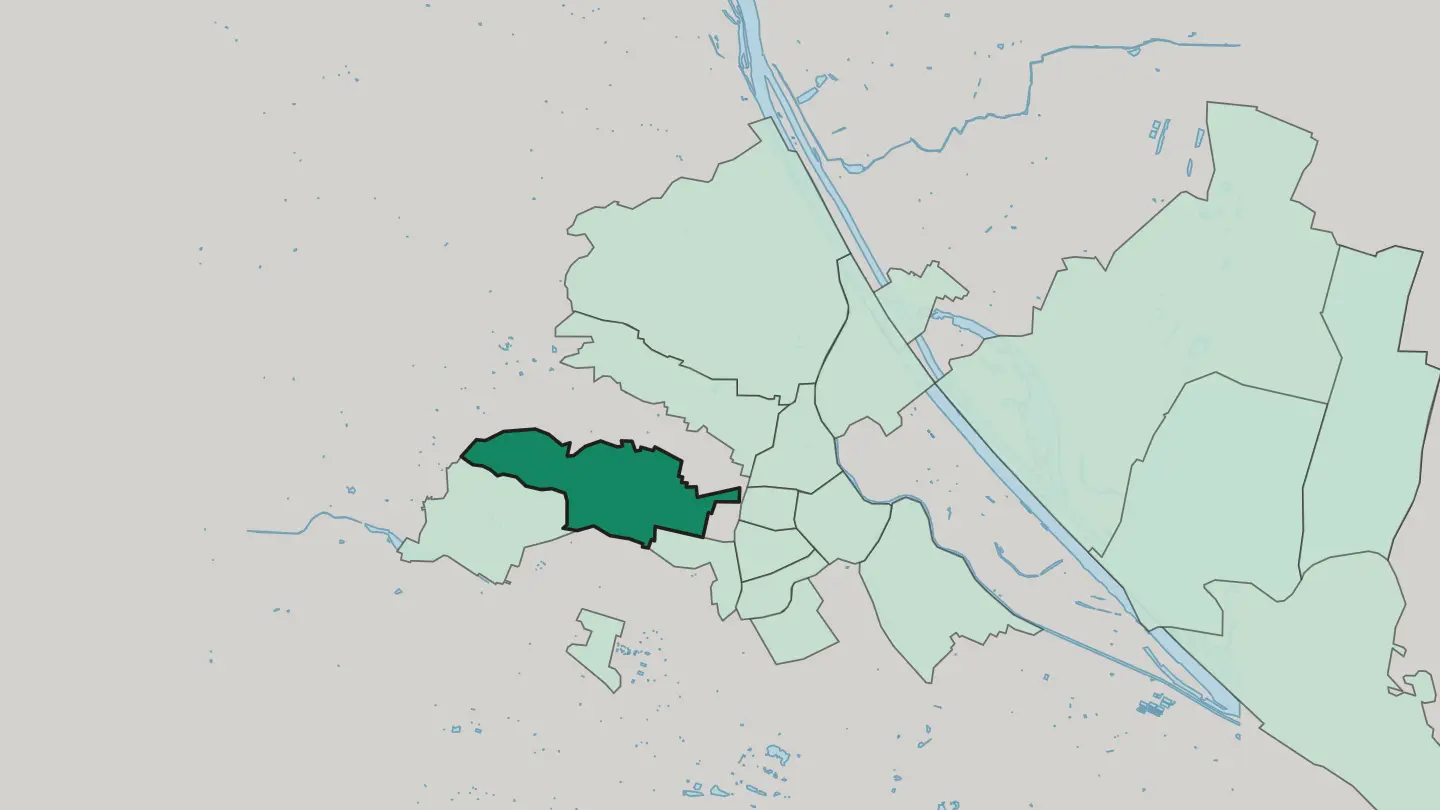 ViennaAustria
Erdberg
Erdberg is among the oldest settlements in Vienna, a Stadtteil of the third district Landstraße, first recorded in the twelfth century as Ertpurch.Erdberg → ViennaAustria
Oberdöbling
Oberdöbling was a municipality in its own right until 1892 and now forms part of Döbling, the 19th district of Vienna.Oberdöbling → ViennaAustria
Gersthof
A 1497 deed names the Gerstlerhof, the farm whose owner handed Gersthof its name; the quarter fills 87.85 hectares of Währing, Vienna's 18th district.Gersthof →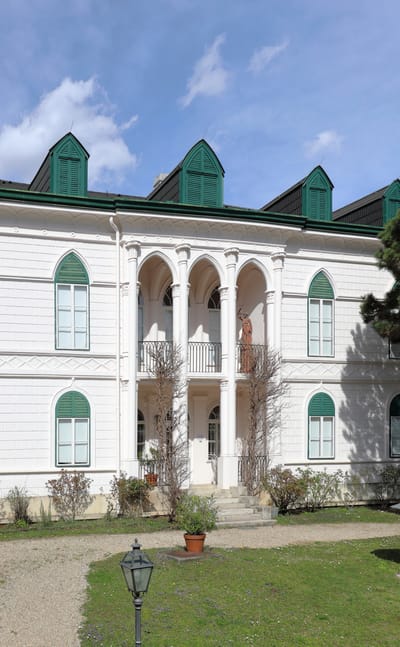 ViennaAustria
Währing
Währing is the eighteenth district of Vienna, a leafy quarter on the edge of the Vienna Woods, formed from old suburbs like Pötzleinsdorf.Währing →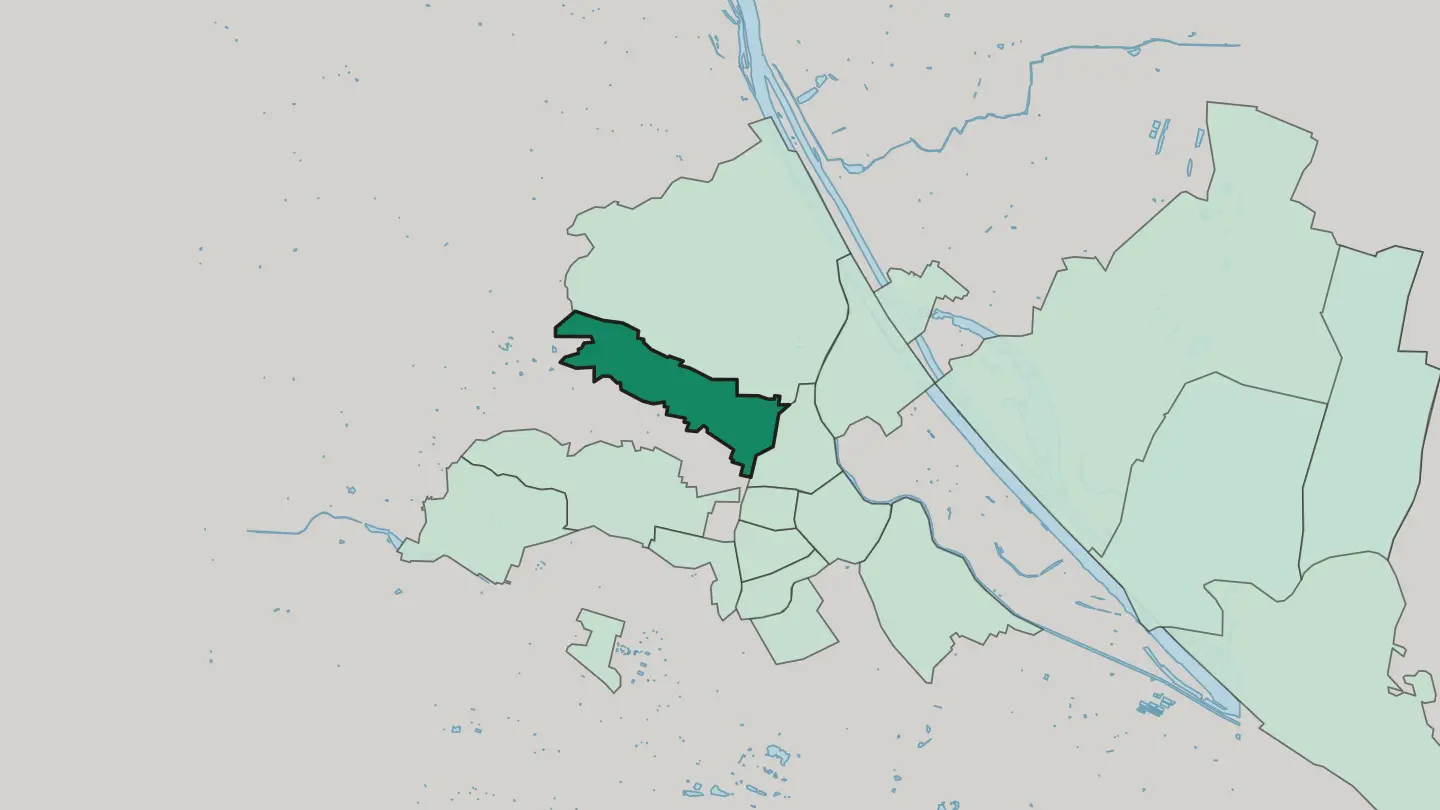
 ViennaAustria
Stadlau
Stadlau is a Vienna neighbourhood inside Donaustadt, the city's 22nd district, and covers just under five square kilometres of the Wien region.Stadlau → ViennaAustria
Grinzing
Grinzing ran as its own municipality until 1892 and now forms part of Döbling, the 19th district of Vienna, with the Höhenstraße running through.Grinzing → ViennaAustria
Favoriten
Favoriten is Vienna's tenth district, a built-up quarter south of Innere Stadt where parks and parish churches break the residential grid.Favoriten → ViennaAustria
Nussdorf
Nussdorf, written Nußdorf locally, holds the House of the Heiligenstadt Testament and joined Vienna's 19th district, Döbling, in 1892.Nussdorf →ViennaAustriaDornbach
A charter of 1044 first names Dornbach, largest of the three old villages Vienna folded into its 17th district, Hernals, in 1892.Dornbach →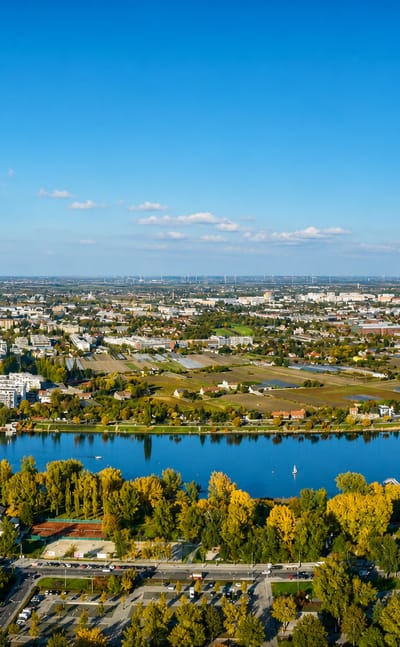 ViennaAustria
Floridsdorf
Floridsdorf is a district of Vienna, its life gathered around the old market square at Am Spitz and the low chapels and streets around it.Floridsdorf →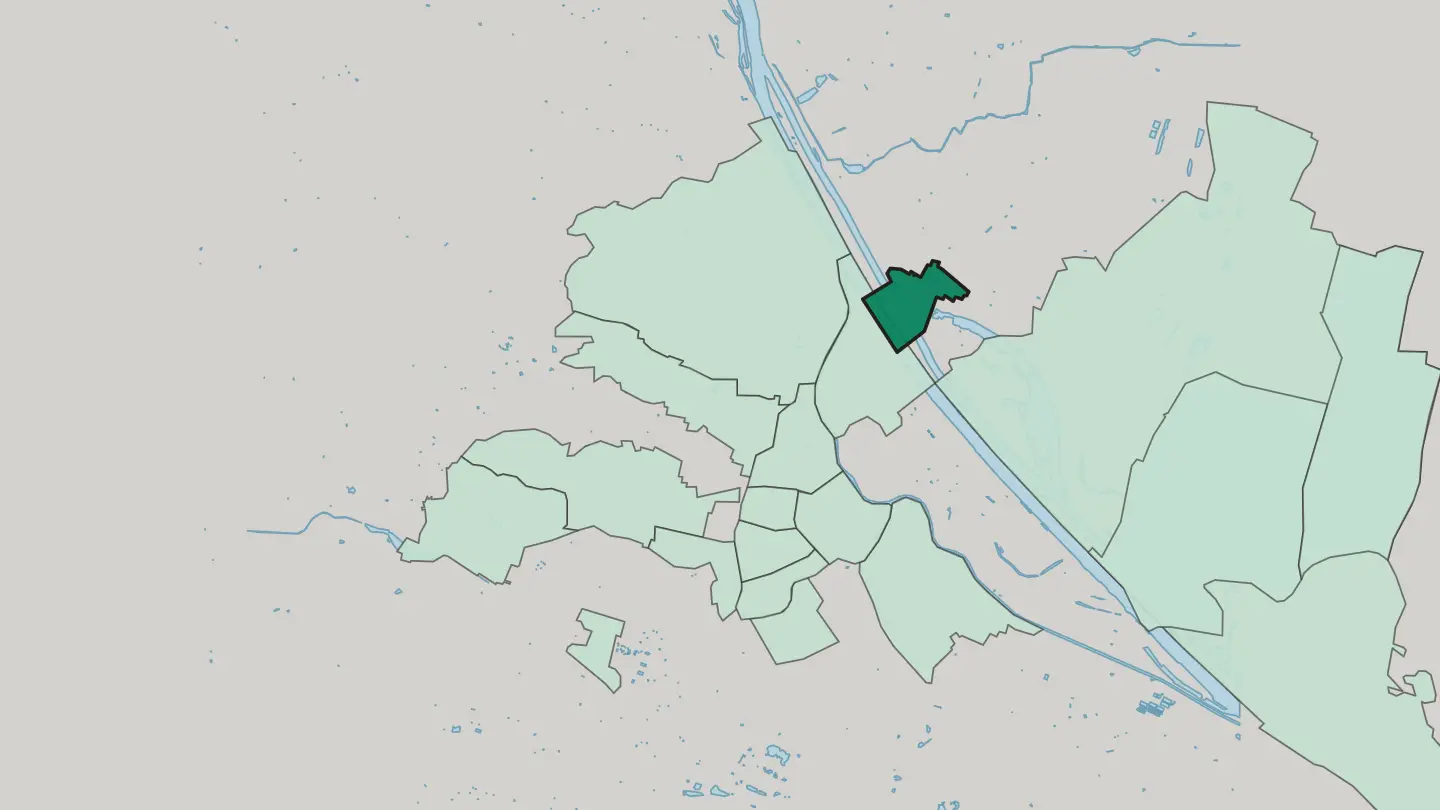 ViennaAustria
Pötzleinsdorf
Pötzleinsdorf is a part of Währing, Vienna's 18th district, and one of the city's 89 Katastralgemeinden, with a small piece of it lying in Döbling.Pötzleinsdorf →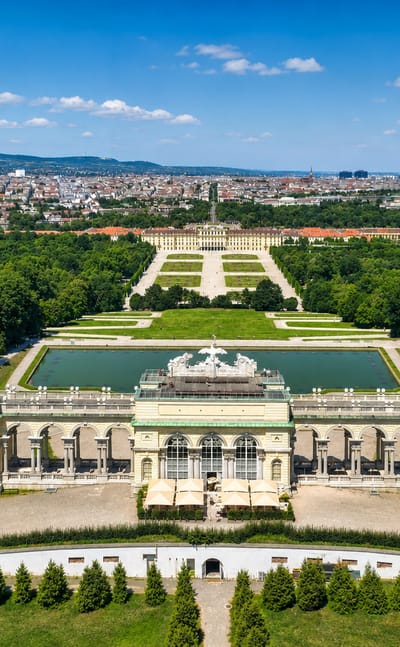 ViennaAustria
Hietzing
Hietzing is a district of Vienna set beside the palace gardens of Schönbrunn, its villa streets climbing toward the Hietzinger Pfarrkirche.Hietzing →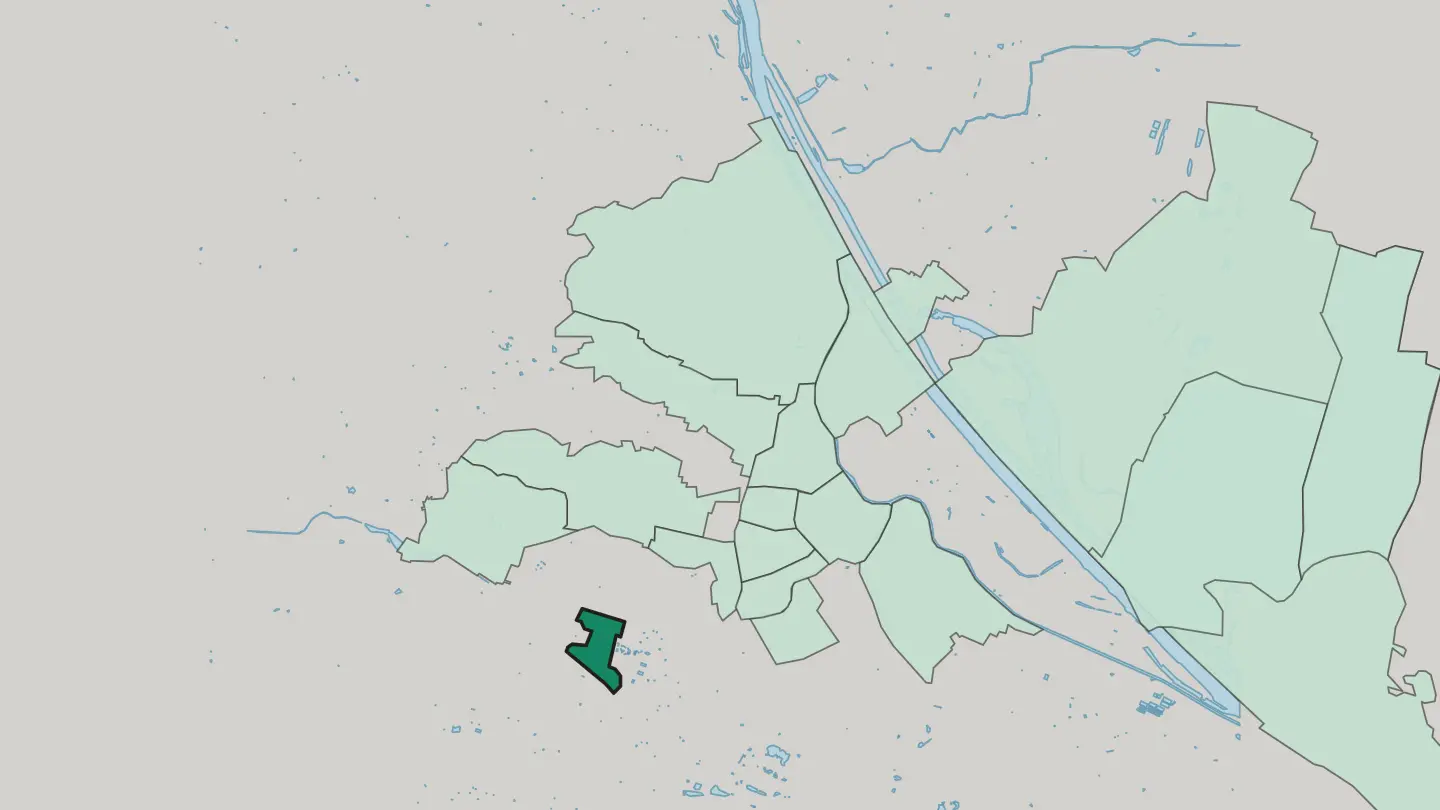
 ViennaAustria
Döbling
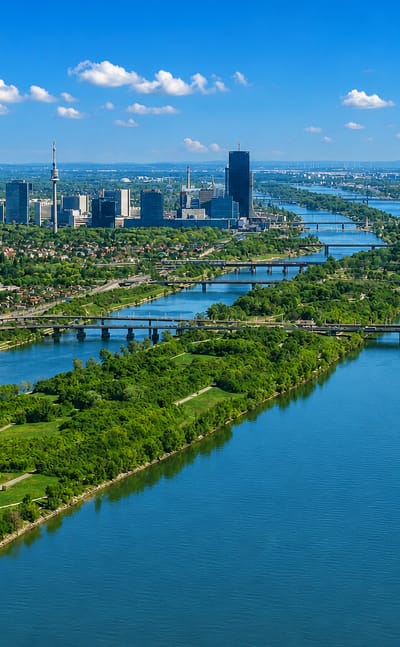
Döbling is a hillside district of Vienna, a run of old wine villages marked by the Weinbergkirche and the Geymüllerschlössel.Döbling →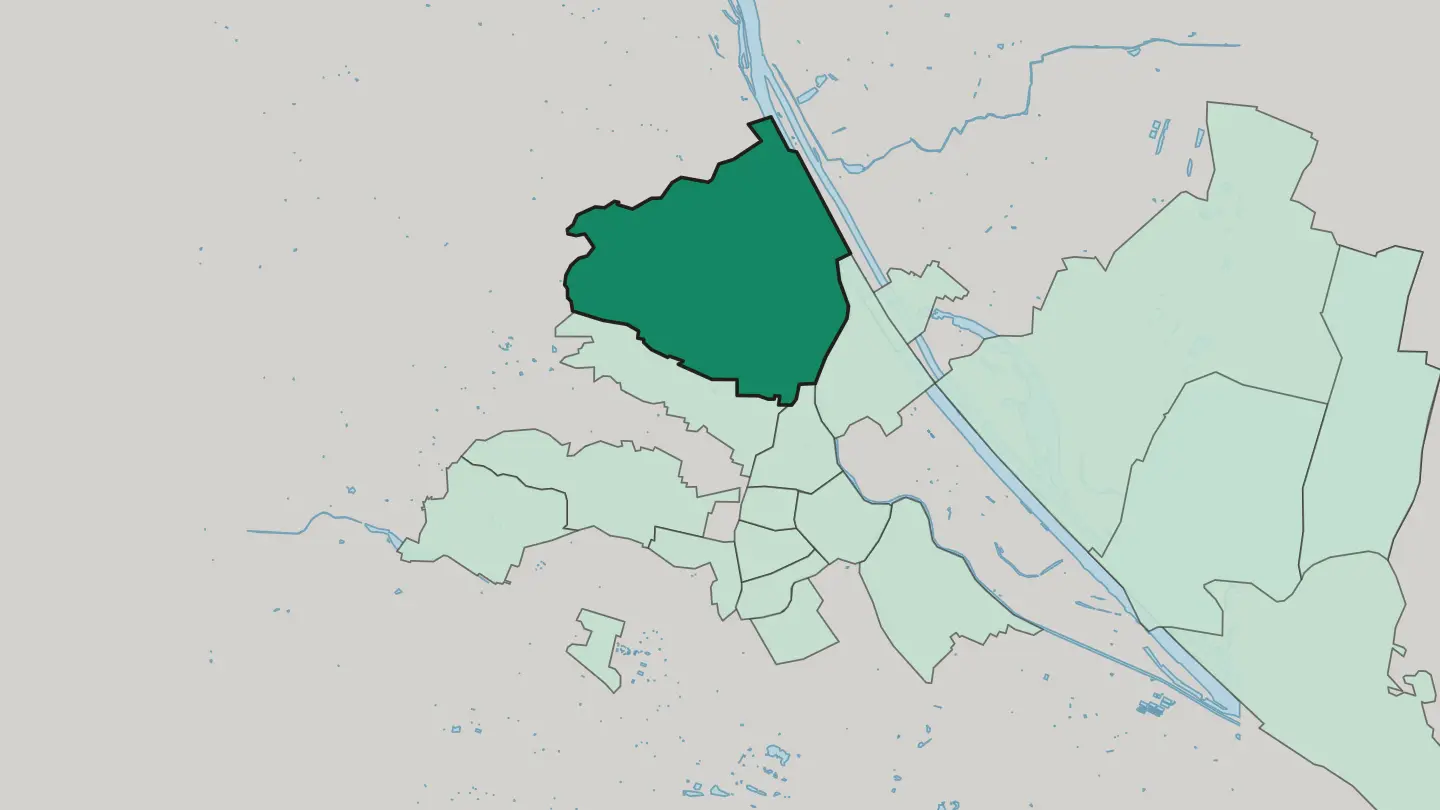
 ViennaAustria
Meidling
Meidling is Vienna's 12th district, south of the River Wien and east of Schönbrunn Palace, its residential blocks broken by parks.Meidling → ViennaAustria
Jedlesee
Jedlesee is the Floridsdorf suburb where Countess Anna Maria Erdődy kept the estate that Beethoven visited.Jedlesee →ViennaAustriaBaumgarten
Baumgarten is part of Penzing, Vienna's 14th district, first recorded in 1200 and a village of farms and vineyards until the city took it in 1891.Baumgarten →ViennaAustriaUnter-Sankt-Veit
Unter-Sankt-Veit is a villa quarter of Vienna where the Klimt-Villa and the Gustav-Klimt-Denkmal stand a few streets from the old parish core.Unter-Sankt-Veit → ViennaAustria
Hetzendorf
Hetzendorf is a part of Meidling, Vienna's 12th district, first recorded in 1114 and one of the city's 89 Katastralgemeinden.Hetzendorf → ViennaAustria
Neustift am Walde
Neustift am Walde is one of Vienna's 89 Katastralgemeinden, independent until 1892 and now part of Döbling, the city's 19th district.Neustift am Walde → ViennaAustria
Simmering
Simmering is Vienna's 11th district, set up in 1892 along the Danube, and holds the Vienna Central Cemetery among its four burial grounds.Simmering → ViennaAustria
Kagran
Kagran sits within Donaustadt, Vienna's 22nd district, spreading over eleven square kilometres and holding the Bezirksmuseum Donaustadt.Kagran →ViennaAustriaNeuwaldegg
Neuwaldegg, a municipality until 1891, is in Vienna's 17th district, Hernals, where Schloss Neuwaldegg and the Schwarzenbergpark reach the Wienerwald.Neuwaldegg → ViennaAustria
Hernals
Hernals, Vienna's 17th district, was annexed in 1892 from the townships of Hernals, Dornbach and Neuwaldegg, in the northwest of the city.Hernals → ViennaAustria
Alterlaa
Alterlaa is a residential development in Vienna, drawn by Harry Glück and raised from 1975, known for terraced flats and planting troughs.Alterlaa →ViennaAustriaOberlaa
Oberlaa is where the U1 ends, a former village on Vienna's south rim, absorbed into the tenth district, Favoriten, around the city's only thermal spring.Oberlaa → ViennaAustria
Josefsdorf
Josefsdorf is a quarter of Döbling, the 19th district of Vienna, and an independent municipality in its own right until 1892.Josefsdorf → ViennaAustria
Speising
Speising sets the Spitalskirche Speising, the Künstlersiedlung Riedelgasse and the Linienamt Speising inside one quiet Vienna quarter.Speising → ViennaAustria
Lainz
Lainz is a quiet Vienna quarter of villa streets and churches, sharing the Konzilsgedächtniskirche Lainz Speising with neighbouring Speising.Lainz →ViennaAustriaOber-Sankt-Veit
Ober-Sankt-Veit is a part of Hietzing, Vienna's 13th district, and one of the city's 89 Katastralgemeinden, first named in a document of 1015.Ober-Sankt-Veit →ViennaAustriaRothneusiedl
Rothneusiedl is the southern corner of Vienna, 189.91 hectares of Favoriten, the tenth district, independent until 1938. Fields still outrun its streets.Rothneusiedl →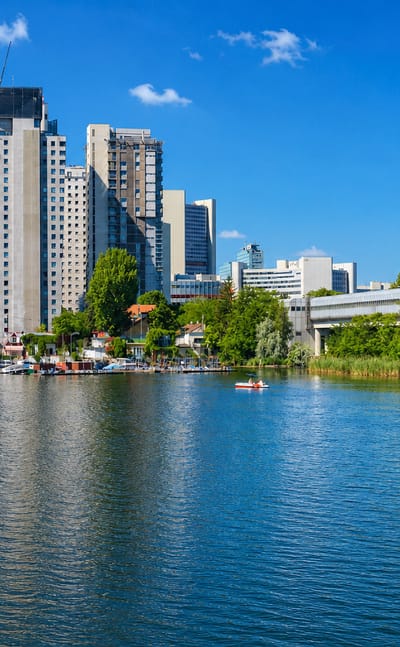 ViennaAustria
Donaustadt
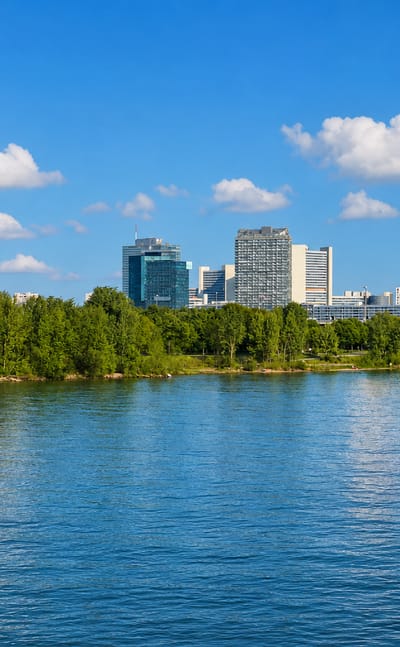
Donaustadt is the largest district of Vienna, spread across the Danube plain around the Donauturm and the Vienna International Centre.Donaustadt →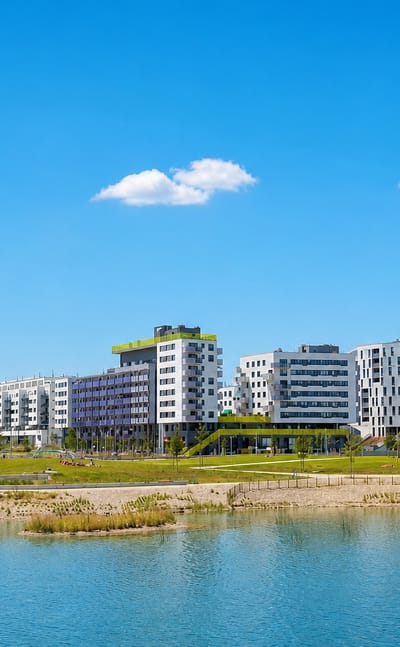 ViennaAustria
Aspern
Aspern is an outlying district of Vienna, a former village gathered around the Asperner Pfarrkirche.Aspern →ViennaAustriaHacking
Hacking is a former village on the Wienfluss at Vienna's west edge, taken by Hietzing in 1892. The Dominikanerinnenkonvent on Schloßberggasse is listed.Hacking →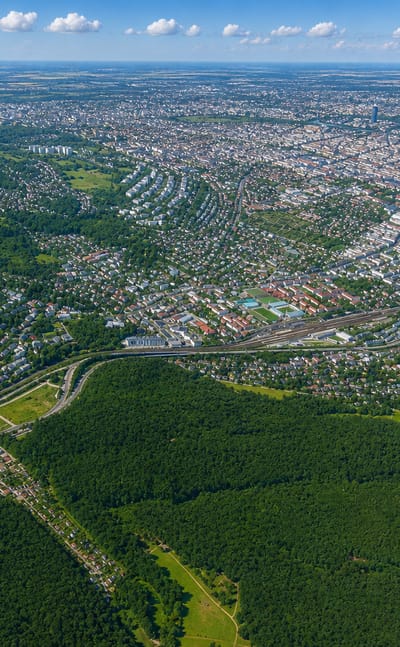 ViennaAustria
Penzing
Penzing is a district of Vienna, drawn together from the old villages of Hütteldorf, Hacking, and Baumgarten.Penzing →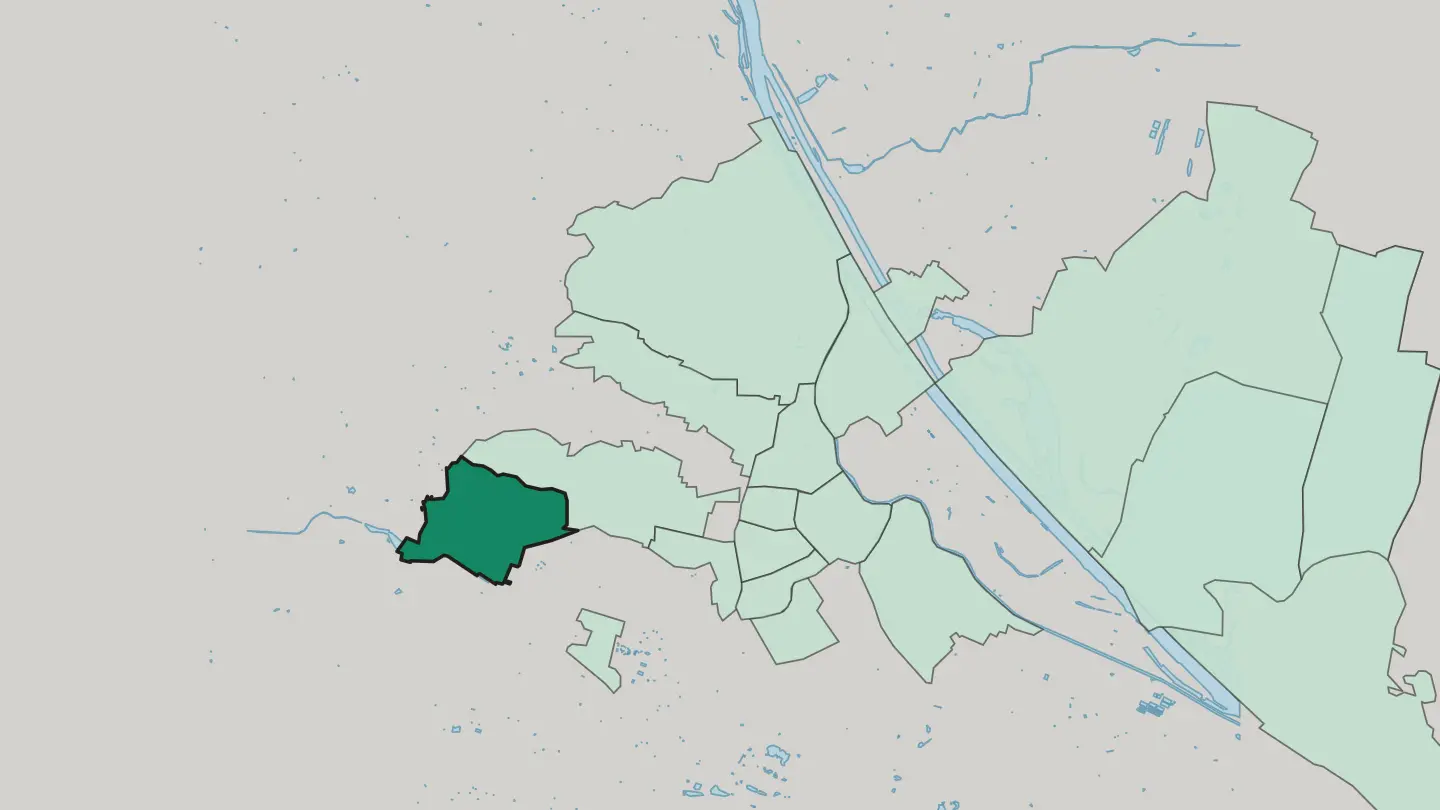
 ViennaAustria
Unterlaa
Unterlaa is a farming village of 338 hectares on the Liesing in Vienna's tenth district, Favoriten, one of the city's 89 cadastral communities.Unterlaa → ViennaAustria
Friedensstadt
Friedensstadt is a district of Vienna that carries the Hermesvilla and the Faniteum among its named places.Friedensstadt →ViennaAustriaHirschstetten
Hirschstetten is a neighbourhood of Vienna, Austria, one of the quarters gathered into Donaustadt, the 22nd district.Hirschstetten → ViennaAustria
Liesing
Liesing is Vienna's 23rd district, on the southwest edge of the city, with Pfarrkirche Atzgersdorf and the Liesing District Museum.Liesing →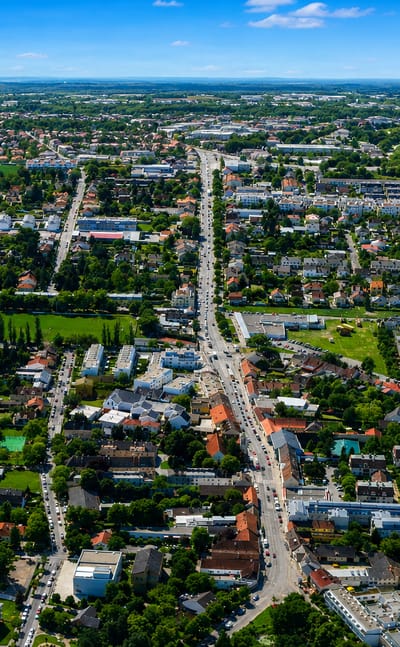 ViennaAustria
Essling
Essling is an outlying district of Vienna, a former village on the flat plain that keeps the Fatty-George-Jazzmus.Essling →Hotel links are affiliate links: booking through them may earn us a commission, at no extra cost to you. It never affects how places are ranked. How this works
Things to do in Vienna
Ranked by global recognition; descriptions from Wikidata (CC0).
Museums & Galleries
8- Kunsthistorisches Museum Heritage
- Secession Building Heritage
- Hermesvilla Heritage
- MAK – Museum of Applied Arts Heritage
- Mozarthaus Vienna Heritage
Show 3 more →
- Schottenstift Heritage
- Klimt-Villa Heritage
- Josephinum Heritage
Churches & Religious Sites
8- Karlskirche Heritage
- Augustinian Church Heritage
- St. Peter's Church Heritage
- Minoritenkirche Heritage
- St. Michael's Church Heritage
Show 3 more →
- Mekhitarist Monastery of Vienna Heritage
- Church of Mariahilf Heritage
- Servite Church Heritage
Castles & Historic Sites
8- Maria Theresa Monument Heritage
- Gartenpalais Liechtenstein Heritage
- Stadtpalais Liechtenstein Heritage
- Mozart Monument, Vienna Heritage
- Schloss Neuwaldegg Heritage
Show 3 more →
- Äußeres Burgtor Heritage
- Schloss Kaiserebersdorf Heritage
- Palais Schönburg Heritage
Nature & Outdoors
2- Gänsehäufel Heritage
- Donaupark Heritage
Parks & Gardens
1- Wurstelprater
Landmarks & Notable Places
4- Wiener Riesenrad Heritage
- Vienna stock exchange building Heritage
- Dürwaringbrücke Heritage
- Torwärterhaus Heritage
worth knowingacross 6 categories in Vienna
About Vienna
Vienna is known for its palaces, its museums, and its music.
What is Vienna known for?
The Hofburg Palace and the Belvedere stand among grand halls of state, while the Kunsthistorisches Museum holds one of Europe's great art collections. Music threads through the city, from the Mozarthaus Vienna to its concert life. The Danube runs past it all.
What are the main landmarks in Vienna?
Vienna packs great landmarks into a compact centre. The Hofburg Palace anchors the old core, near the Albertina and the Austrian National Library. Museums crowd the streets: the Kunsthistorisches Museum, the Natural History Museum, and the Leopold Museum.
To the south stand the Belvedere and the Karlskirche, while across the city the Wiener Riesenrad turns above the parkland near the Danube. Palaces, churches, and museums fill the map.
What is the history of Vienna?
Vienna began as Vindobona, a Roman camp set on the river Danube. From that outpost grew the capital of Austria. The Danube gave it a route and a defensive line, and settlement gathered on the plain.
Over the centuries Vienna rose into a seat of power, its rulers raising the Hofburg Palace at the centre and the Belvedere beyond. Music made the city famous. The concert halls and the Mozarthaus Vienna recall an age when the capital drew composers from across Europe.
Palaces and churches multiplied, from Saint Peter's Church to the Karlskirche. In time the city became a federal state in its own right, one of the nine states of Austria. From a Roman camp on the Danube grew one of Europe's great capitals.
Where is Vienna?
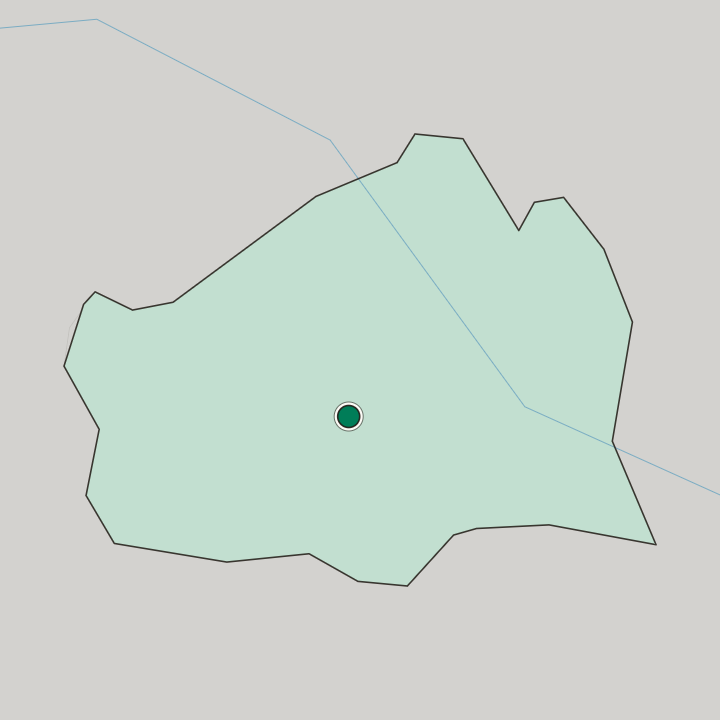
Vienna lies on the river Danube, spread across a broad, low plain. The Danube runs through the city, splitting it between its two banks. Level ground carries most of the streets.
The land is mostly flat. The river gives Vienna its central axis and marks the low site by the water where the city first grew and spread.
What is the climate of Vienna?
Vienna has a temperate, continental climate marked by clear seasons. Summers grow warm and dry, with hot spells over the plain. Winters bring cold air and spells of snow, though the river keeps the sharpest chill off the low ground along its banks.
Autumn comes crisp and bright. The Danube and the surrounding lowland hold the weather steady between the extremes of the seasons.
How do you get to Vienna?
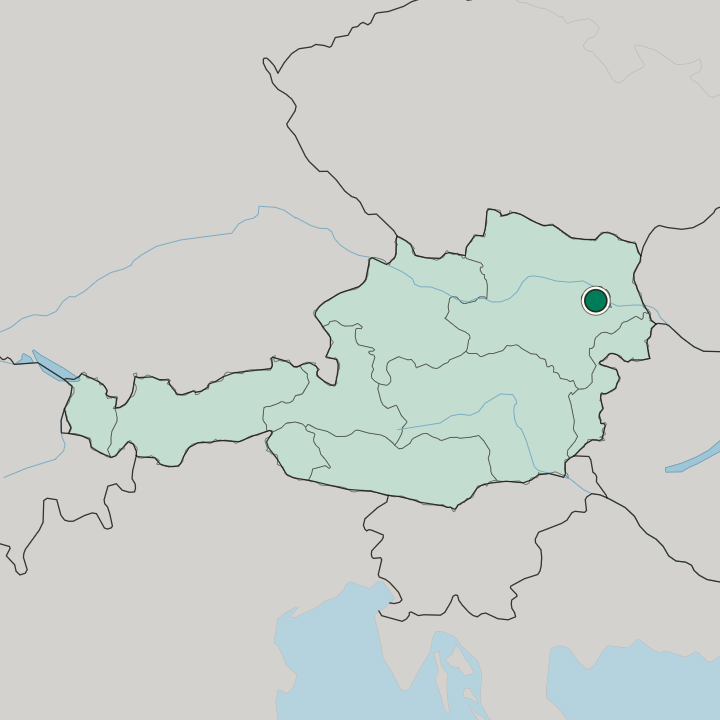
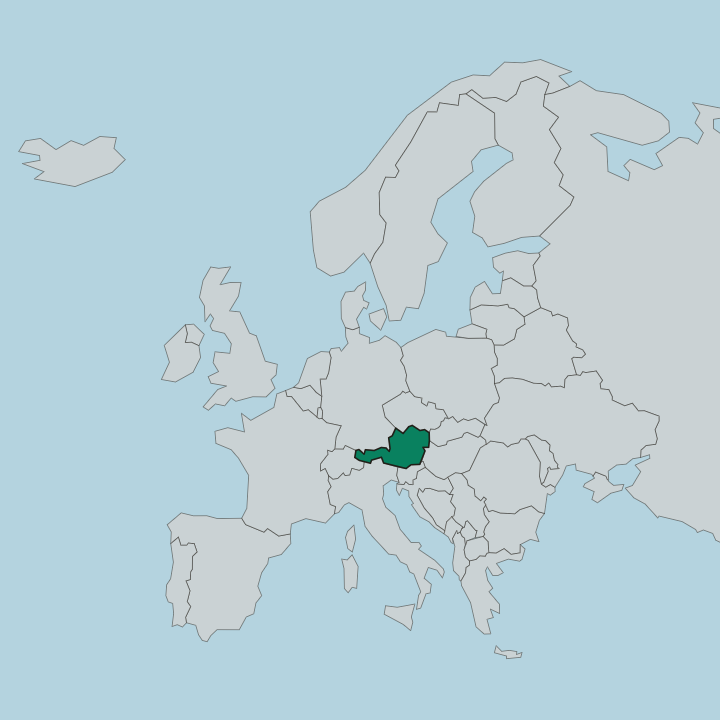
Vienna is the country's main point of arrival. As the capital of Austria on the Danube, the city draws rail and road from every neighbouring country and river traffic along the great waterway that runs through it. Most long-haul journeys reach here first.
From Vienna, the rest of Austria opens up by rail and road across a compact country. Water and rail meet in the capital.
Good for
Updated October 2026