Austria
Wien, Austria — Towns & Travel Guide
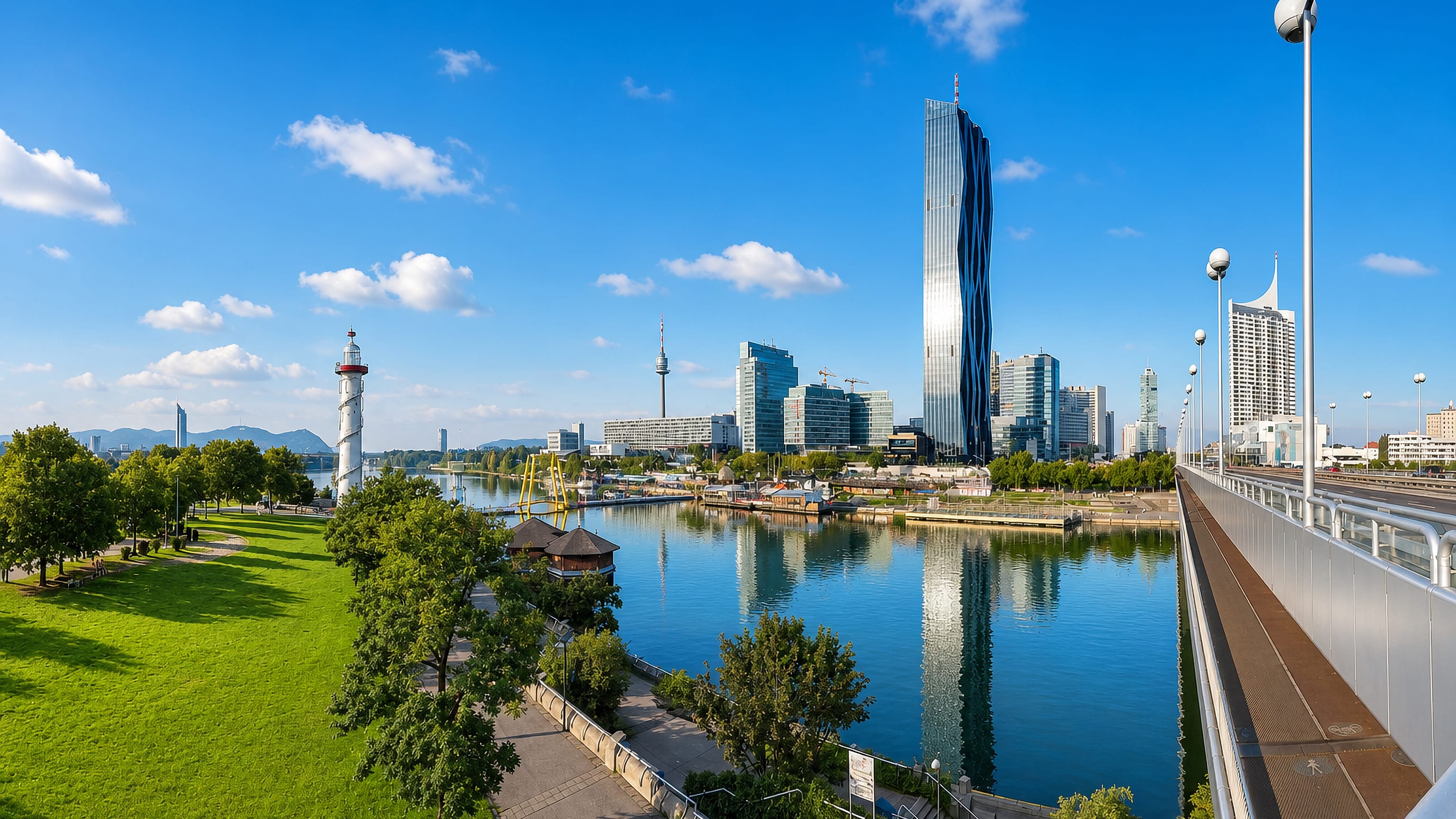
Vienna is the capital of Austria and a federal state in its own right, set on the river Danube at the country's political heart.
Hotel links are affiliate links: booking through them may earn us a commission, at no extra cost to you. It never affects how places are ranked. How this works


Towns & cities in Wien
One town here has its own guide — it links to where to stay.
 Austria
Vienna
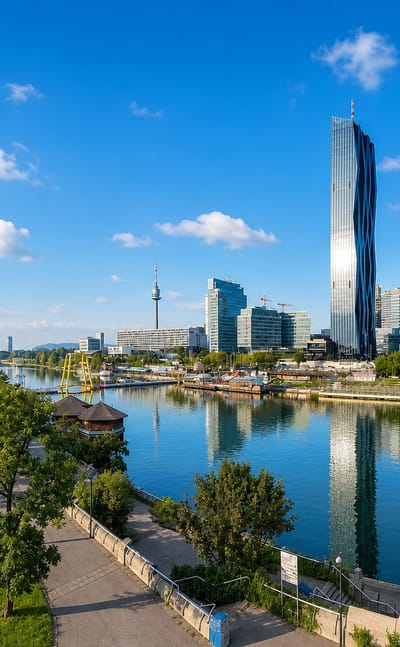
The Hofburg Palace and grand museums line the heart of Vienna, the capital of Austria on the river Danube, a city of music and art.Where to stay →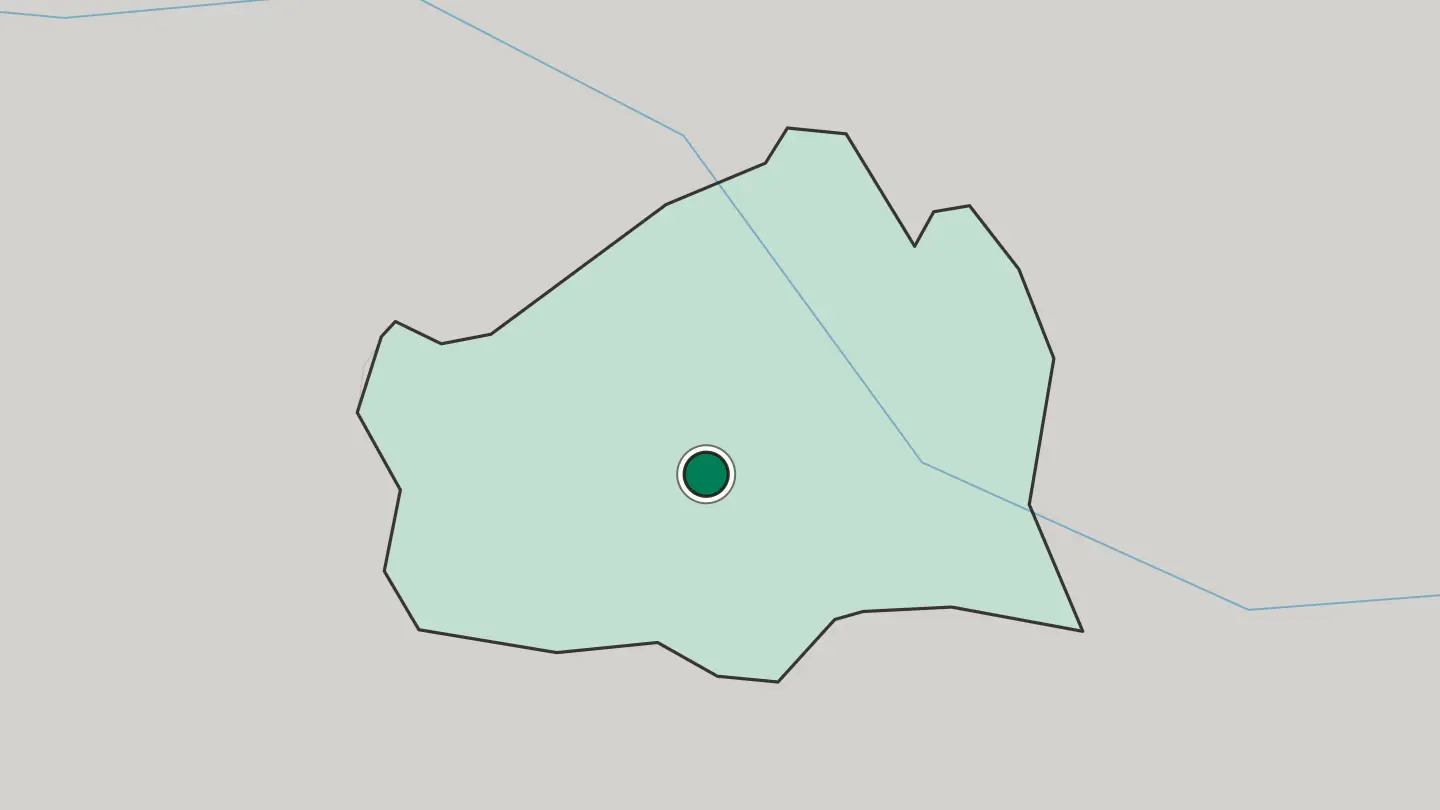
Hotel links are affiliate links: booking through them may earn us a commission, at no extra cost to you. It never affects how places are ranked. How this works
About Wien
What is Wien known for?
Vienna, known in German as Wien, is the capital of Austria and one of its nine federal states. It stands on the river Danube. The city-state is the cultural, economic, and political centre of the Republic of Austria, admired for its elegant lifestyle and its musical life.
The Danube runs through it.
Where is Wien?
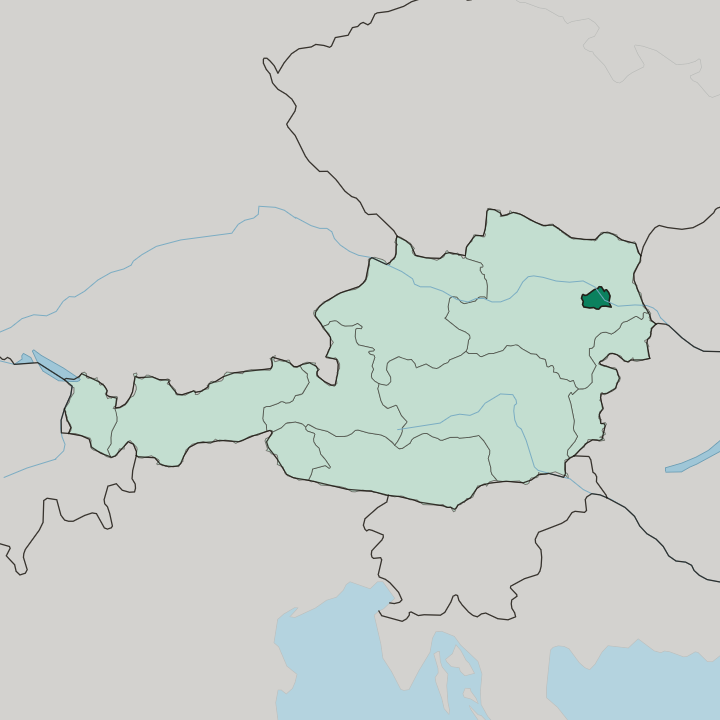
Vienna occupies a compact federal state on the river Danube, coextensive with the capital city itself. The Danube is its defining line. The river runs straight through the built-up area, dividing the state between its two banks as the water flows eastward.
As one of the nine states of Austria, Vienna is a city and a state in one, the most urban of them within the Republic of Austria. Around the centre lie the lowlands of the Danube valley. The state has no coast and no mountains, only the great river and the flat ground it crosses.
Vienna stands among the major cities of the European Union, its whole territory gathered along the Danube.
What is Wien like?
Vienna carries the cultural life of Austria as its capital and largest city. Music runs deep here. The city-state has long been a centre of musical life, a name bound to concert halls and composers.
Its lifestyle is known as elegant and unhurried, with high standards of living that draw admiration across the Republic of Austria. German is the language of daily life. As the political and economic heart of the country, Vienna gathers the institutions of the whole nation into one federal state on the Danube.
Concert life, an elegant lifestyle, and grand public institutions shape a capital where the cultural weight of Austria concentrates in a single city.
What is the history of Wien?
Vienna has long been the capital of Austria. Its place on the river Danube set the site of a settlement that grew into the political centre of the nation. Over time the city became a federal state in its own right, one of the nine states of the Republic of Austria.
That double standing has held ever since. The Danube carried the trade and traffic that made the city what it is.
What is the climate of Wien?
Vienna has a temperate, continental climate, set low on the Danube where the river plain opens out to the east. Summers can be hot. Warmth settles over the lowland in the long days, while winters stay cold but seldom severe, bringing only light snow to the banks of the Danube.
The river tempers the extremes. Spring and autumn pass mild and changeable over the plain.
How do you get to Wien?
Vienna is where the region is reached. As the capital of Austria, the city draws roads and rail from every part of the Republic of Austria and the countries around it, while the Danube adds a route by water. The river runs through the middle of it all.
Most journeys into the federal state end in the capital itself. Road, rail, and river all lead in.
More regions in Austria
Updated September 2026