Austria · Wien · Vienna
Ober-Sankt-Veit, Vienna — Area Guide & Where to Stay
Ober-Sankt-Veit is a part of Hietzing, Vienna's 13th district, and one of the city's 89 Katastralgemeinden, first named in a document of 1015.
Hotel links are affiliate links: booking through them may earn us a commission, at no extra cost to you. It never affects how places are ranked. How this works


Where to stay in Ober-Sankt-Veit
Where visitors usually base themselves, and why.
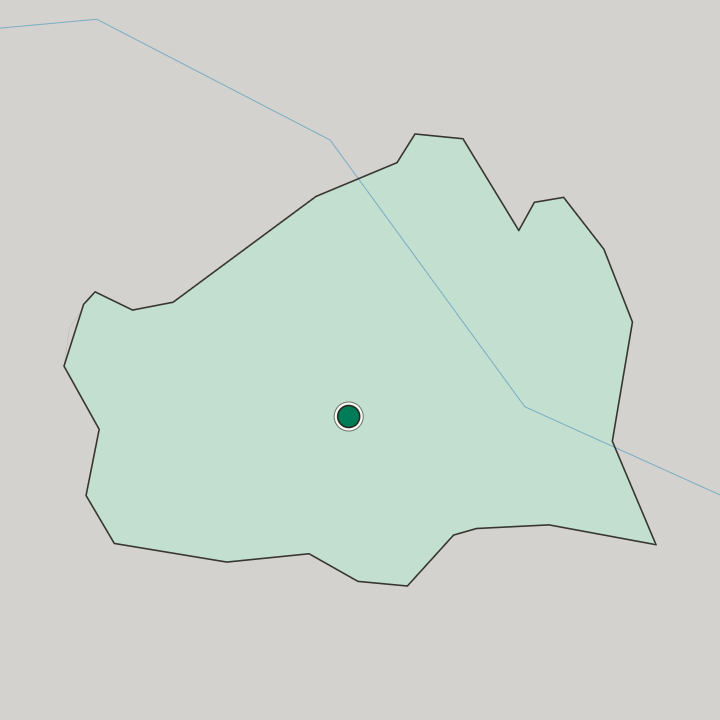
The Lainzer Tiergarten wall is the western boundary. Ober-Sankt-Veit runs from that wall down to the Wienfluss, and the Hörndlwald and the Klinik Hietzing close it on the south, which puts a bed here at the green edge of Vienna rather than in it. It was built as a summer place.
Nobles and rich townspeople came out here for the season from the 19th century, and the year-round villas that followed are still what most of the streets are made of, quiet and set back behind gardens. Schönbrunn is down the old road.
About Ober-Sankt-Veit
What are the main landmarks in Ober-Sankt-Veit?
The castle is the anchor. Schloss St. Veit served the archbishops of Vienna as a summer residence, and farms and workshops settled around it, with vines first and then dairying as drought and phylloxera made the wine harder, more than a hundred and fifty cows and two large dairies run by the Glasauer and Wimpissinger families. One road was built for an empress.
Maria Theresia had the link from Schönbrunn laid out after buying the castle and lordship from Cardinal Migazzi in 1762, and that road has been the Hietzinger Hauptstraße since 1894, having been the Theresiengasse and then the Maria-Theresien-Straße before. The oldest thing here is not built at all. A palaeolithic settlement found in 1969 is the earliest trace of human life anywhere in Vienna, something like twenty to twenty-five thousand years old, and it lies inside Ober-Sankt-Veit.
What is the history of Ober-Sankt-Veit?
The first record is a gift. Emperor Heinrich II gave the place to the Bamberg cathedral chapter in 1015, and the settlement also went by Godtinesfeld and by An der Wien in the older documents. War came through twice.
Matthias Corvinus and his troops pressed St. Veit in the 15th century, and the Turkish sieges of 1529 and 1683 laid it waste. The archbishops owned it for most of its life. Cardinal Migazzi sold castle and lordship to Maria Theresia in 1762 and bought both back in 1779, and he and his three successors stayed the ground lords until manorial rights were abolished after 1848.
Then the village split. Unter-St.-Veit grew up on the flat below after 1800, the two formed the commune of St. Veit an der Wien in 1850, and their interests pulled apart so sharply that the Lower Austrian government approved a separation in 1867 which took until 1870 to happen, mainly because they argued over which taxpaying businesses fell on which side.
Where is Ober-Sankt-Veit?
Ober-Sankt-Veit runs from the Wienfluss and the Hietzinger Kai in the north to the Hörndlwald in the south, bounded east by the Spohrstraße, the Beckgasse and the Veitingergasse and west by the wall of the Lainzer Tiergarten.
Good for
More areas in Vienna
Updated September 2026