Australia
State of South Australia, Australia — Towns & Travel Guide
South Australia is the driest state of Australia, a wine country around Adelaide that runs out into the arid Outback.
Hotel links are affiliate links: booking through them may earn us a commission, at no extra cost to you. It never affects how places are ranked. How this works


Towns & cities in State of South Australia
One town here has its own guide — it links to where to stay.
 Australia
Adelaide
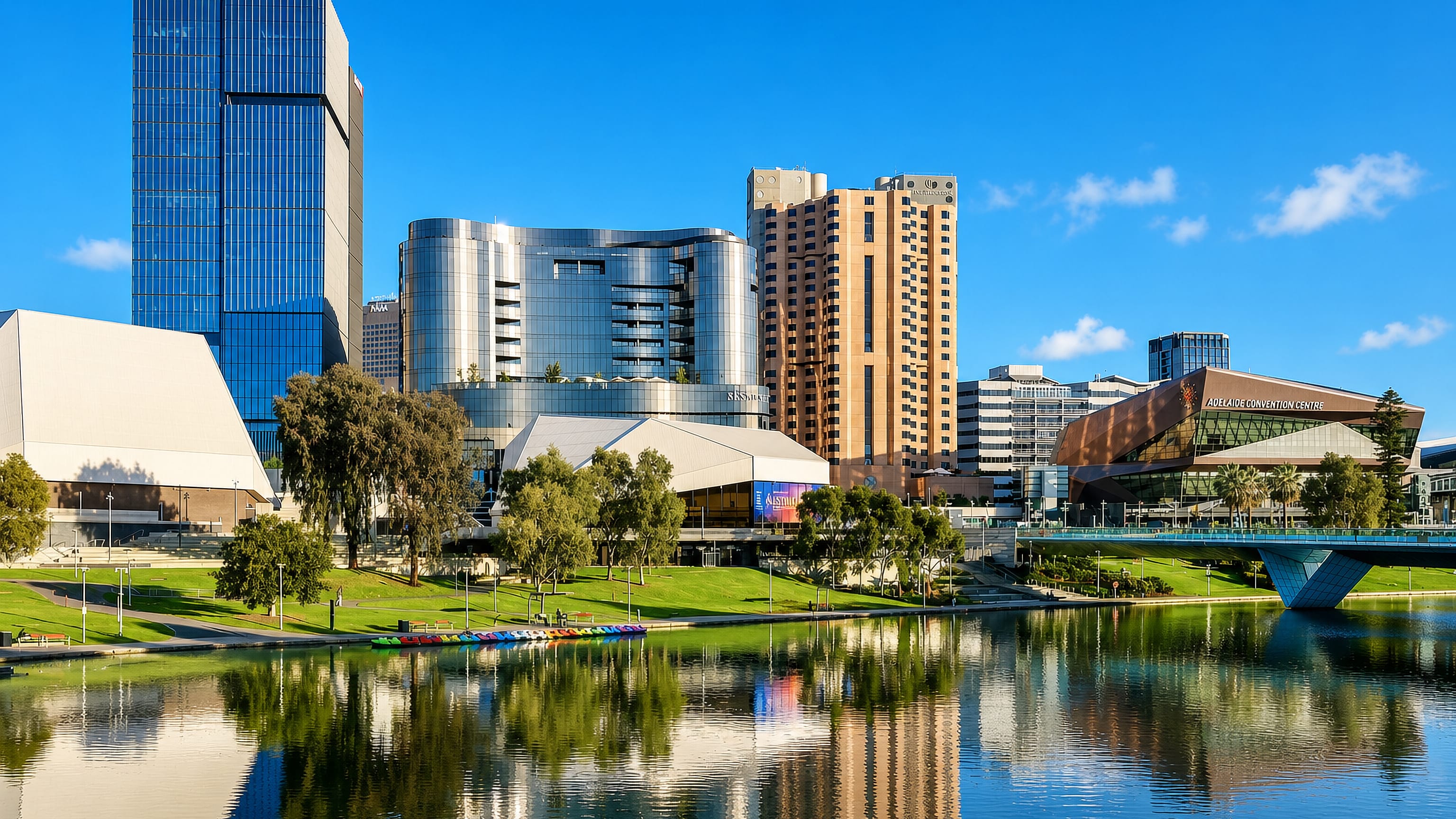
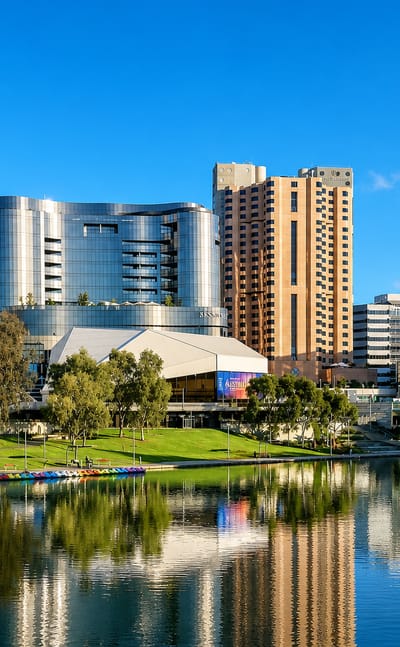
Adelaide sits on its plain below the Mount Lofty Ranges, capital of South Australia, known for its Park Lands and the Art Gallery of South Australia.Where to stay →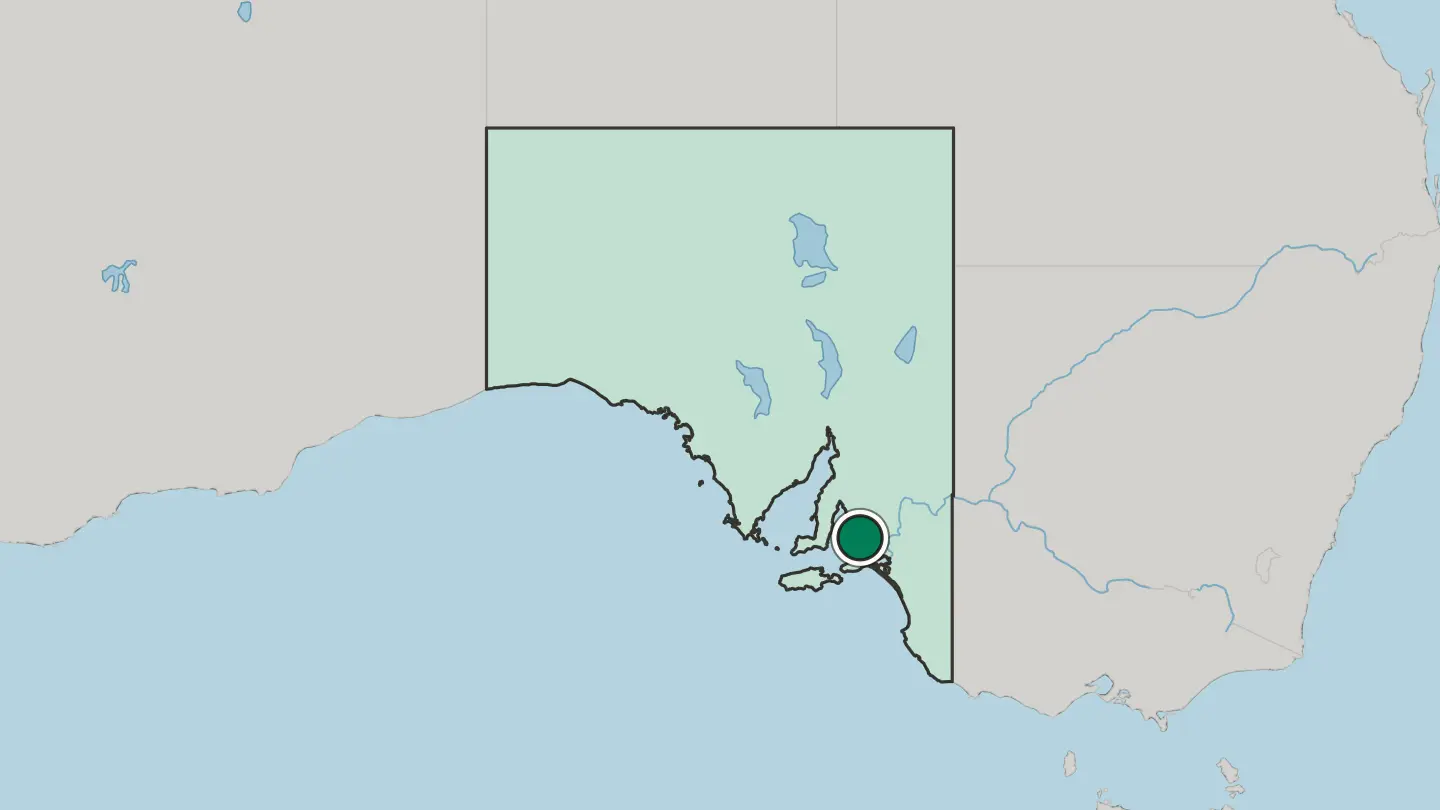
Hotel links are affiliate links: booking through them may earn us a commission, at no extra cost to you. It never affects how places are ranked. How this works
About State of South Australia
What is State of South Australia known for?
South Australia is the driest of Australia's states, and it wears that fact openly. Vineyards define its reputation. The Barossa Valley sits barely an hour from Adelaide and grows the bold Shiraz the state sells to the world, while the cooler Clare Valley pours its Riesling further north.
Beyond the vines the land turns hard and empty toward the Outback, where the Flinders Ranges rise from the plain and Kati Thanda-Lake Eyre floods only in rare wet years. Kangaroo Island lies off the southern coast, a wildlife haven of sea lions and dry scrub reached by ferry from the mainland.
Where is State of South Australia?
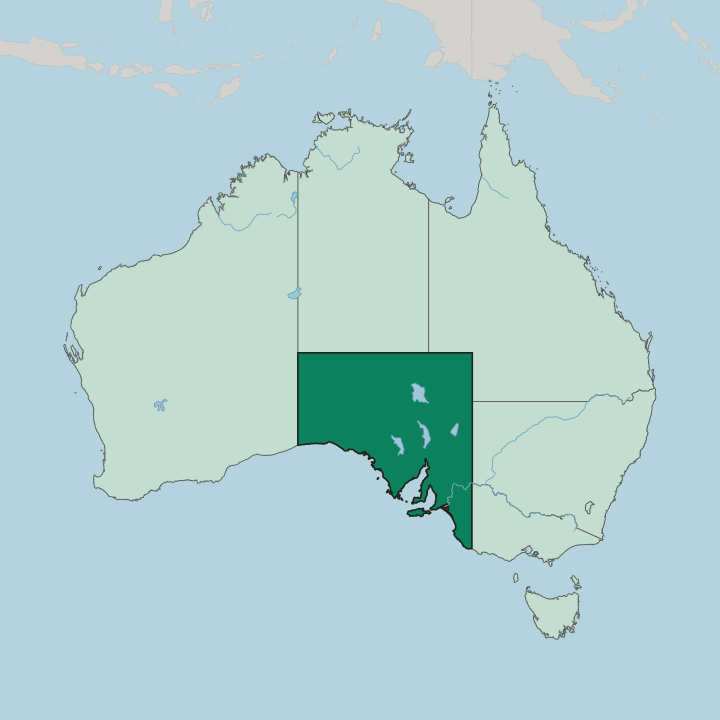
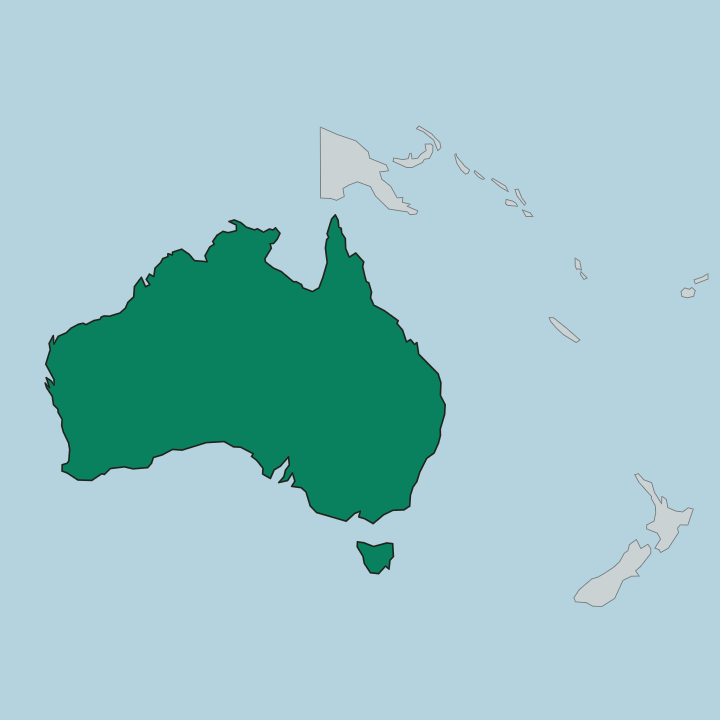
South Australia fills the southern central part of the Australian continent, the fourth-largest of the country's states by land area. Most of it is dry. The arid and semi-arid interior covers the great bulk of the state, a sun-struck expanse of desert and saltpan that holds only a scattering of people.
Adelaide sits in the far south, on the coastal plain between the Mount Lofty ranges and Gulf St Vincent, where the River Torrens crosses the city on its short run to the sea. Around the capital the land is green and worked, and this is where nearly everyone lives. Everything else thins out fast.
The Flinders Ranges climb from the plain some distance north of Adelaide, the largest ranges in the state, and beyond them the country runs on toward Kati Thanda-Lake Eyre, a vast salt lake that lies dry for years at a stretch. From the east the Murray River enters and swings south through the Riverland before reaching the sea at the Coorong. Along the far western edge the treeless Nullarbor Plain runs toward the border with Western Australia, flat and waterless for hundreds of kilometres.
Kangaroo Island lies off the southern coast, cut from the mainland by a strait. Ocean marks the southern edge, desert marks almost everything else, and the worked green south is only a narrow band between them.
What is State of South Australia like?
South Australia carries itself as a place of festivals and good living, and Adelaide is where that shows. Each March the capital fills up. The Adelaide Fringe, the largest arts festival in the southern hemisphere, spills across hundreds of venues at the same time as WOMADelaide brings global music into the Botanic Park and the Adelaide Festival runs its own program alongside.
Locals call the month Mad March, and the city gives itself over to it. Food and wine run through the culture as much as the arts do. The state produces more than half of all Australian wine, and the cellar doors of the Barossa Valley and the Clare Valley are woven into how South Australians spend a weekend.
English is the common language, the tongue shared across the state and the wider country. Aboriginal cultures reach back across the land far longer, and their names endure on the country itself; the River Torrens through Adelaide carries the Kaurna name Karrawirra Parri alongside the English one. A relaxed pace is the thread that ties it together, city and vine and coast alike.
What is the history of State of South Australia?
South Australia was founded in 1836 as a free colony, and it never took a shipload of British convicts, the only Australian state that can say so. It was built on a plan. The colony was privately financed on Edward Gibbon Wakefield's theory of systematic colonisation, selling land to fund the passage of free settlers rather than handing out grants.
Colonel William Light chose the site for the capital on the River Torrens and surveyed the grid that Adelaide still follows, naming the city after Queen Adelaide. That free founding shaped a state that has thought of itself, ever since, as the reforming corner of the country.
What is the climate of State of South Australia?
South Australia is the driest state in the country, and two climates split it. The coastal south around Adelaide runs Mediterranean, with hot dry summers and mild wet winters that green the hills behind the city and ripen the vines of the Barossa Valley. Inland the story changes hard.
The arid interior covers the overwhelming majority of the state, where rain is scarce and erratic and Kati Thanda-Lake Eyre can stay bone-dry for years on end. Summer days in the north bake under long clear skies. The wet green south is only a thin coastal fringe on a mostly desert state.
How do you get to State of South Australia?
Most visitors reach South Australia by air, landing at Adelaide's airport a short drive from the city centre. Adelaide is the hinge. Interstate flights, trains and the long highways from the eastern states and from Western Australia across the Nullarbor Plain all converge on the capital before the state opens outward.
From there the wine valleys lie within an easy drive, and Kangaroo Island is reached by ferry or a short flight from the mainland. The Outback and the Flinders Ranges wait at the end of long roads north. Distances stretch fast once you leave the coast.
Common questions
What is the best area to stay in State of South Australia?
Adelaide: a first visit to South Australia. The Barossa Valley: wine cellar doors near the capital. Kangaroo Island: sea lions and coastal wildlife. The Flinders Ranges: the Outback beyond the vines.
Good for
More regions in Australia
Updated September 2026