Azerbaijan
Sumqayit City, Azerbaijan — Towns & Travel Guide
Sumqayit is Azerbaijan's second city, a planned industrial port on the Caspian Sea just north of Baku.
Hotel links are affiliate links: booking through them may earn us a commission, at no extra cost to you. It never affects how places are ranked. How this works


Towns & cities in Sumqayit City
One town here has its own guide — it links to where to stay.

 Azerbaijan
Sumgayit
Sumgayit is the third city of Azerbaijan, a young industrial port on the Caspian coast of the Absheron peninsula north of Baku.Where to stay →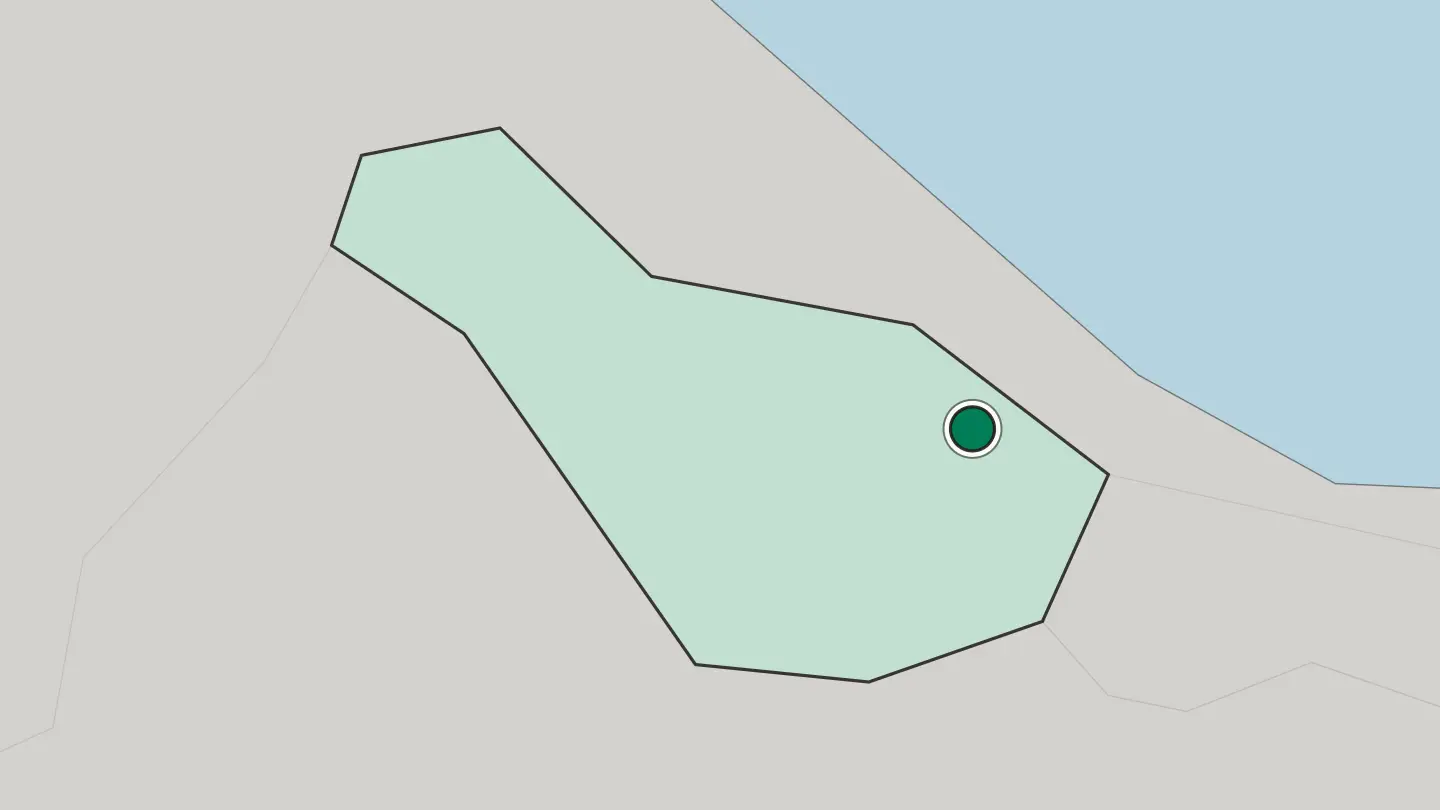
Hotel links are affiliate links: booking through them may earn us a commission, at no extra cost to you. It never affects how places are ranked. How this works
About Sumqayit City
What is Sumqayit City known for?
Sumqayit is Azerbaijan's second-largest city and its great Soviet-built industrial project. The Soviet state raised it from bare ground on the Absheron Peninsula to smelt aluminium, roll steel pipe for the oil fields, and make chemicals. That heavy-industry past still marks the place.
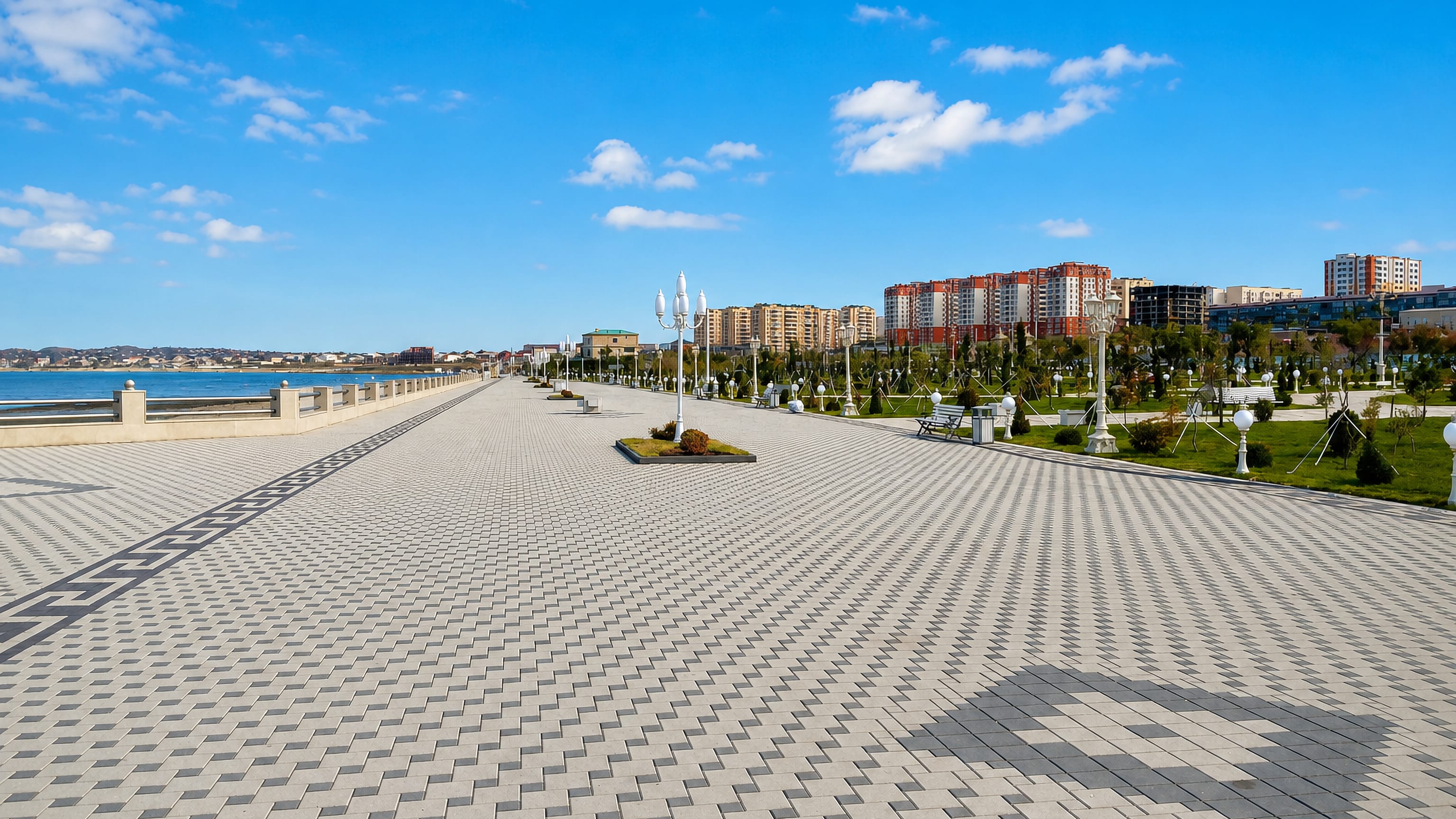
Against it runs a long seafront, where the Sumqayit Boulevard follows the Caspian Sea past the dove statue that locals treat as the city emblem. Most travellers reach it from Baku, barely half an hour down the coast to the south.
Where is Sumqayit City?
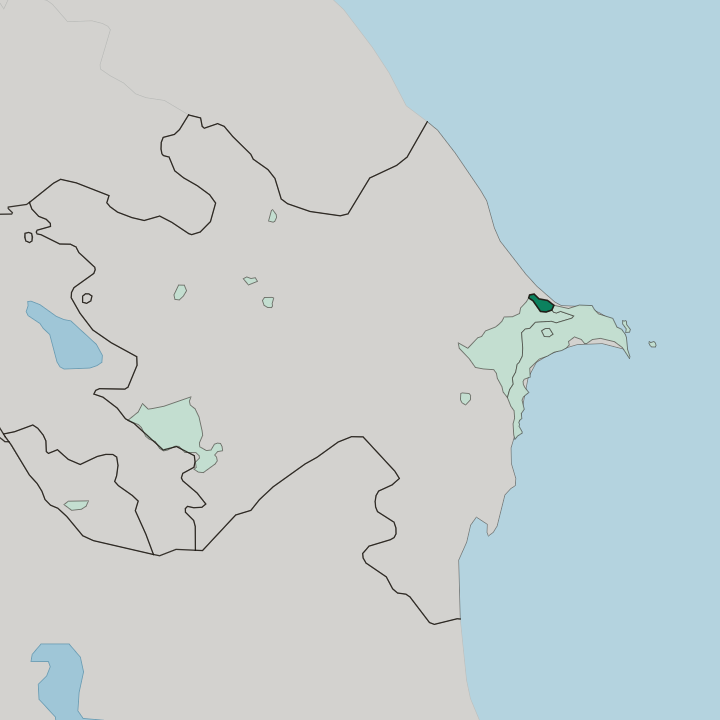
Sumqayit stands on the northern edge of the Absheron Peninsula, the dry tongue of land that pushes eastward from Azerbaijan into the Caspian Sea and carries the whole capital region. The city sits where the Sumgait River reaches the coast, and it took its name from that river. Baku lies about thirty kilometres to the south along the same shore, close enough that the two run together as one metropolitan belt.
The land here is flat and treeless. Absheron is the most arid corner of the country, a low salt-scoured plain swept by near-constant wind off the sea, so the setting is coast and sky rather than hill or forest. Water and industry define the ground.
The Caspian Sea forms the whole eastern face of the city, and a made seafront runs along it. Behind the boulevard spread the factory districts and grid-planned residential blocks that the Soviet planners laid out from scratch. Just inland, the Sumgait River has cut the Sumgait Canyon through the soft rock of its lower valley, a raw gorge that is the one piece of dramatic relief in an otherwise level landscape.
Beyond that the peninsula runs on toward Baku, oil-worked and windblown to the sea on every side.
What is Sumqayit City like?
Sumqayit wears its Soviet making openly, and that is the first thing a visitor notices. The city was drawn on paper and built to a plan, so its character comes from wide avenues, monumental squares, and the tiled mosaics and murals that still cover the ends of old apartment blocks. Freedom Square anchors the public life of the place.
Around it stand the administrative buildings, the shops, and the crowds that gather in the evenings. Azerbaijani is the language of the streets, and the everyday culture is Caspian and Azerbaijani at heart, tea houses and grilled meat and long evening walks by the water. The seafront is where the city relaxes.
Sumqayit's boulevard runs for a couple of kilometres along the Caspian Sea, and families fill it after dark, past the fountains, the tea stands, and the dove statue that opens the promenade. Green space matters here in a place otherwise short of trees. Heydər Əliyev Park and Nasimi Park, the latter named for the medieval Azerbaijani poet Nəsimi, give shaded lawns and open-air cafés between the concrete.
The Sumqayit History Museum tells the short, dramatic story of how a stretch of empty coast became the country's second city in a single generation.
What is the history of Sumqayit City?
Sumqayit is young by any measure. The Soviet government decided in the 1930s to plant a heavy-industry centre on the Absheron Peninsula near Baku, and building on the empty coast began in earnest during the 1940s. It received city status on 22 November 1949.
In the years that followed it grew fast around its plants: a pipe-rolling works that turned out its first steel in 1952, an aluminium plant that opened in 1955, and dozens of chemical factories besides. From bare shore to Azerbaijan's second city took barely a generation, all of it built to serve the furnaces.
What is the climate of Sumqayit City?
Sumqayit has a dry, semi-arid climate, the most arid in Azerbaijan. Summers are warm and rainless, winters cool and only sometimes wet, and rain across the whole year barely reaches the level of a true desert's edge. Nothing here escapes the wind.
The Absheron Peninsula is named for its salt-laden winds, and they blow off the Caspian Sea in every season, so even a hot day on the boulevard rarely feels still. Pack for sun and gusts rather than showers.
How do you get to Sumqayit City?
Almost everyone comes through Baku. The capital, about thirty kilometres south along the Caspian coast, holds the region's international airport and its main rail links, and Sumqayit sits at the near end of a short, well-served corridor out of it. Trains and buses run up the peninsula between the two cities through the day.
The drive north takes roughly half an hour on the coastal road. Once in the city, the boulevard, Freedom Square, and the beach all lie close enough to cover on foot.
Common questions
What is the best area to stay in Sumqayit City?
Sumqayit centre: the Caspian seafront and the dove statue. Baku: a wider choice of rooms near Sumqayit.
Good for
More regions in Azerbaijan
Updated September 2026