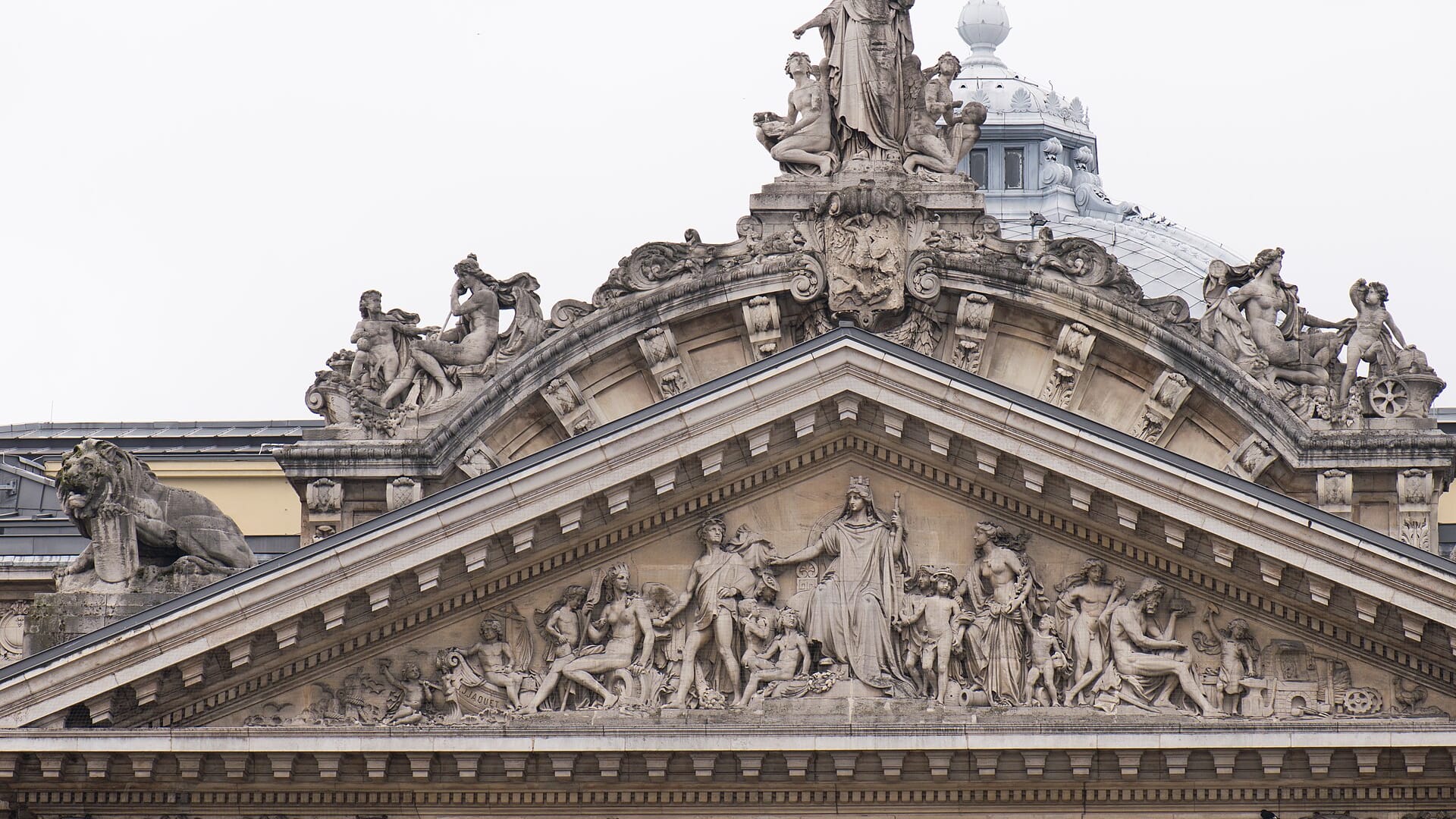
Belgium
Bruxelles-Capitale, Belgium — Towns & Travel Guide
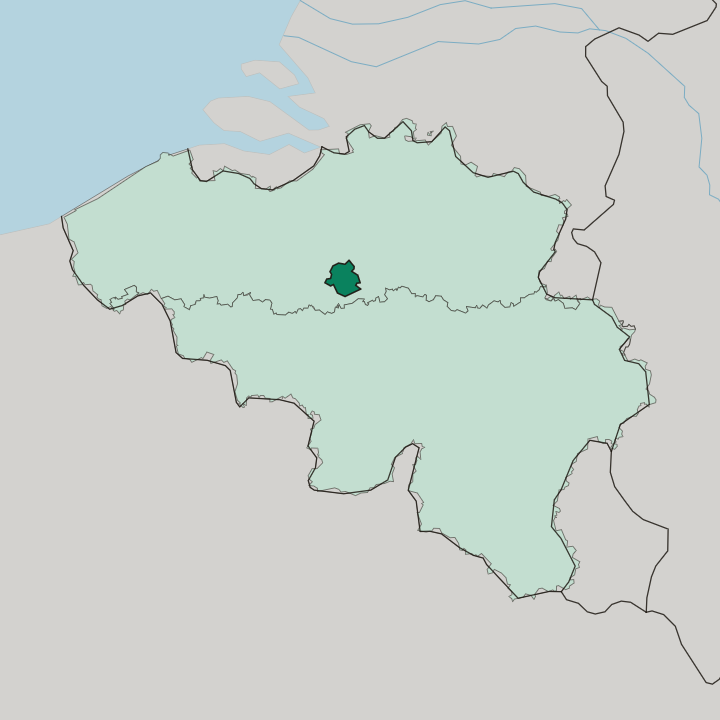
The Brussels-Capital Region gathers 19 municipalities around the City of Brussels, a bilingual region set in the central portion of Belgium.
Hotel links are affiliate links: booking through them may earn us a commission, at no extra cost to you. It never affects how places are ranked. How this works


Towns & cities in Bruxelles-Capitale
Pick a town or city — each links to where to stay.
 Belgium
Brussels
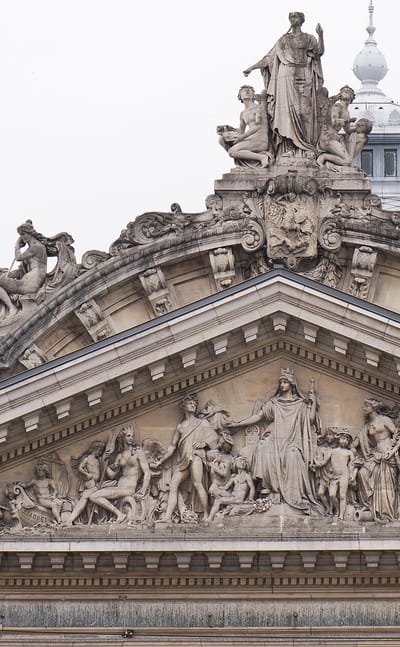
Brick and stone frame the old streets of Brussels, capital of Belgium and seat of the core institutions of the European Union.Where to stay →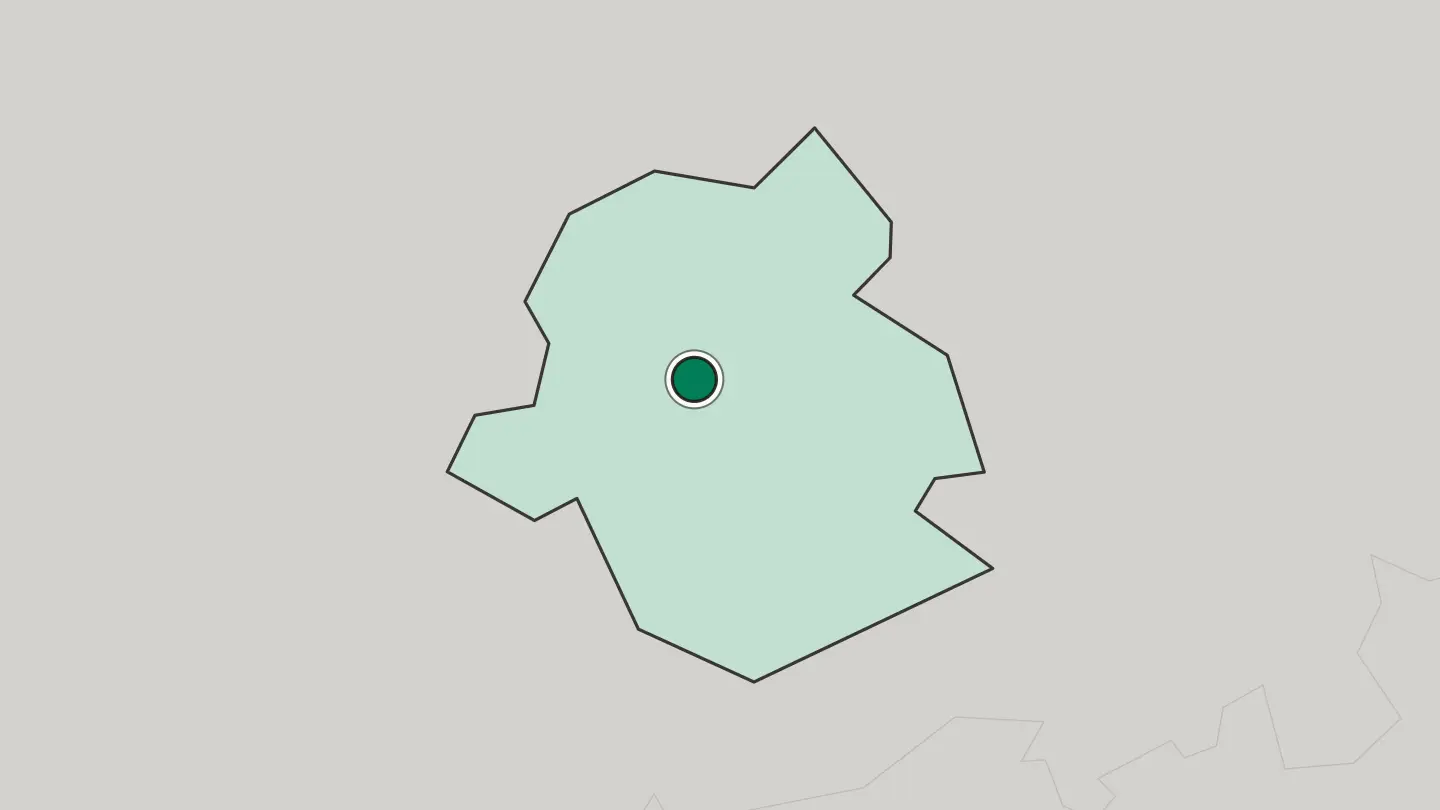 Belgium
Anderlecht
Anderlecht is one of the 19 municipalities of the Brussels-Capital Region, in its south-western part, bordering Dilbeek and Sint-Pieters-Leeuw.Where to stay →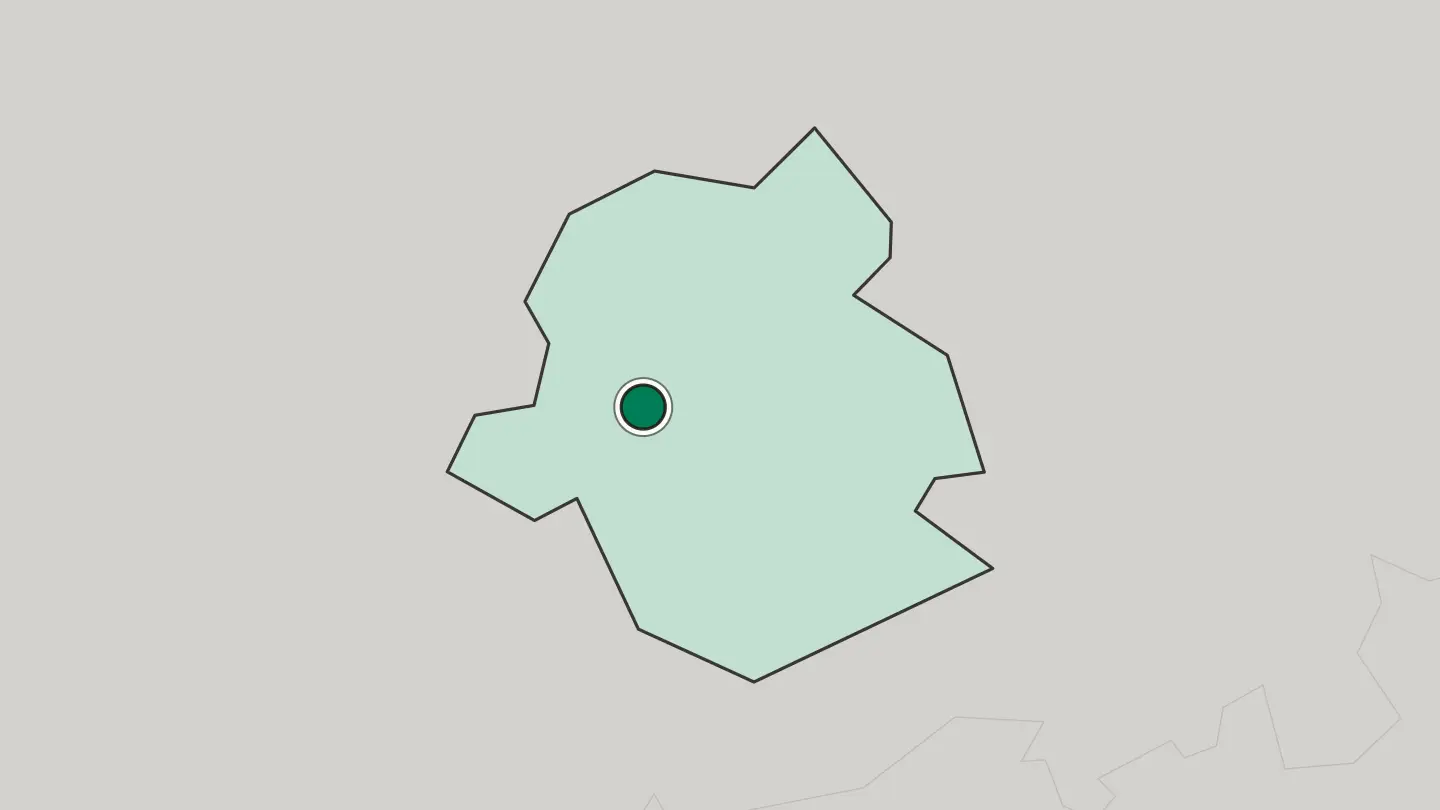
 Belgium
Schaerbeek
Schaerbeek, or Schaarbeek, is a bilingual commune of the Brussels-Capital Region dating from 1800, with Train World on its landmark list.Where to stay →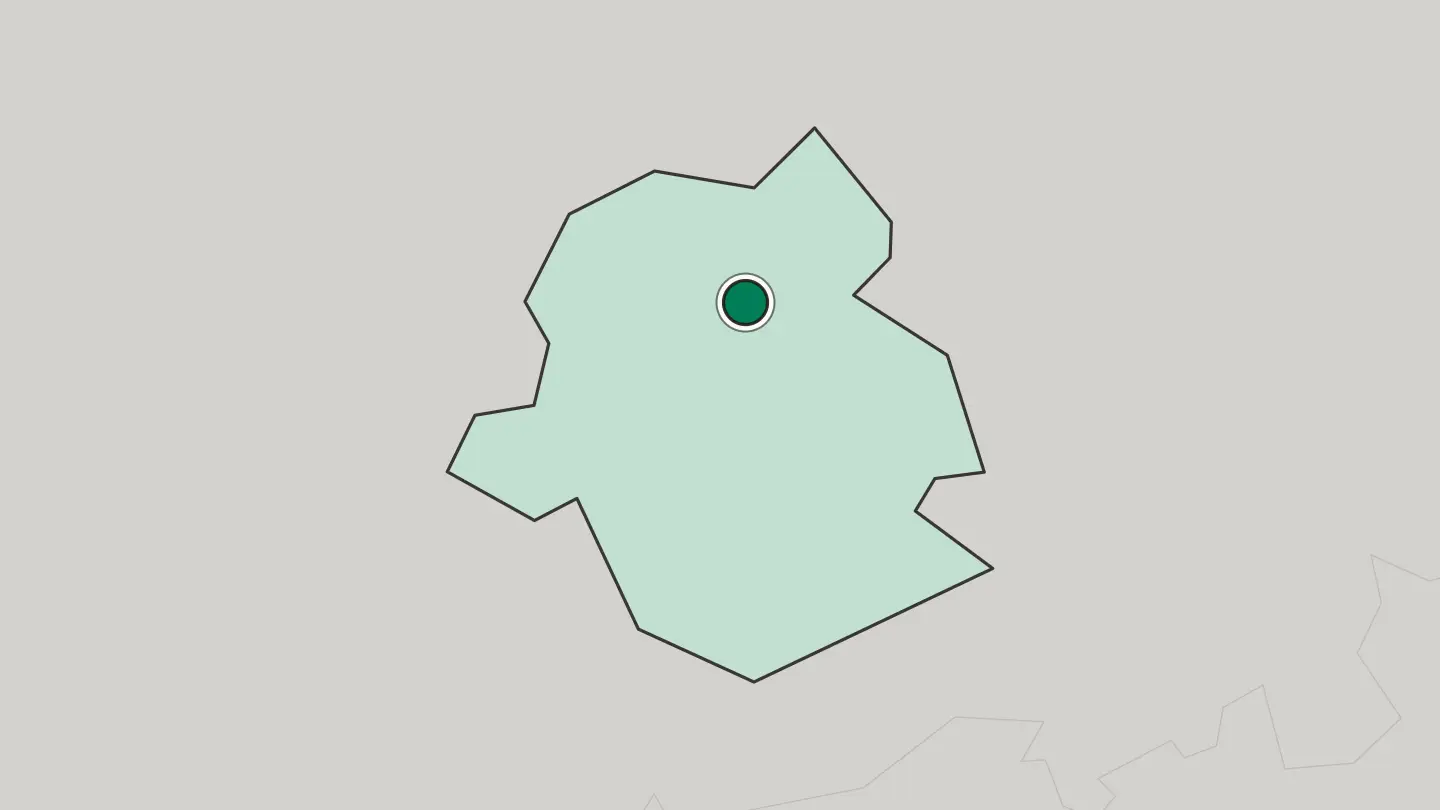
 Belgium
Molenbeek-Saint-Jean
Molenbeek-Saint-Jean fills the western part of the Brussels-Capital Region, split from the City of Brussels by the Brussels-Charleroi Canal.Where to stay →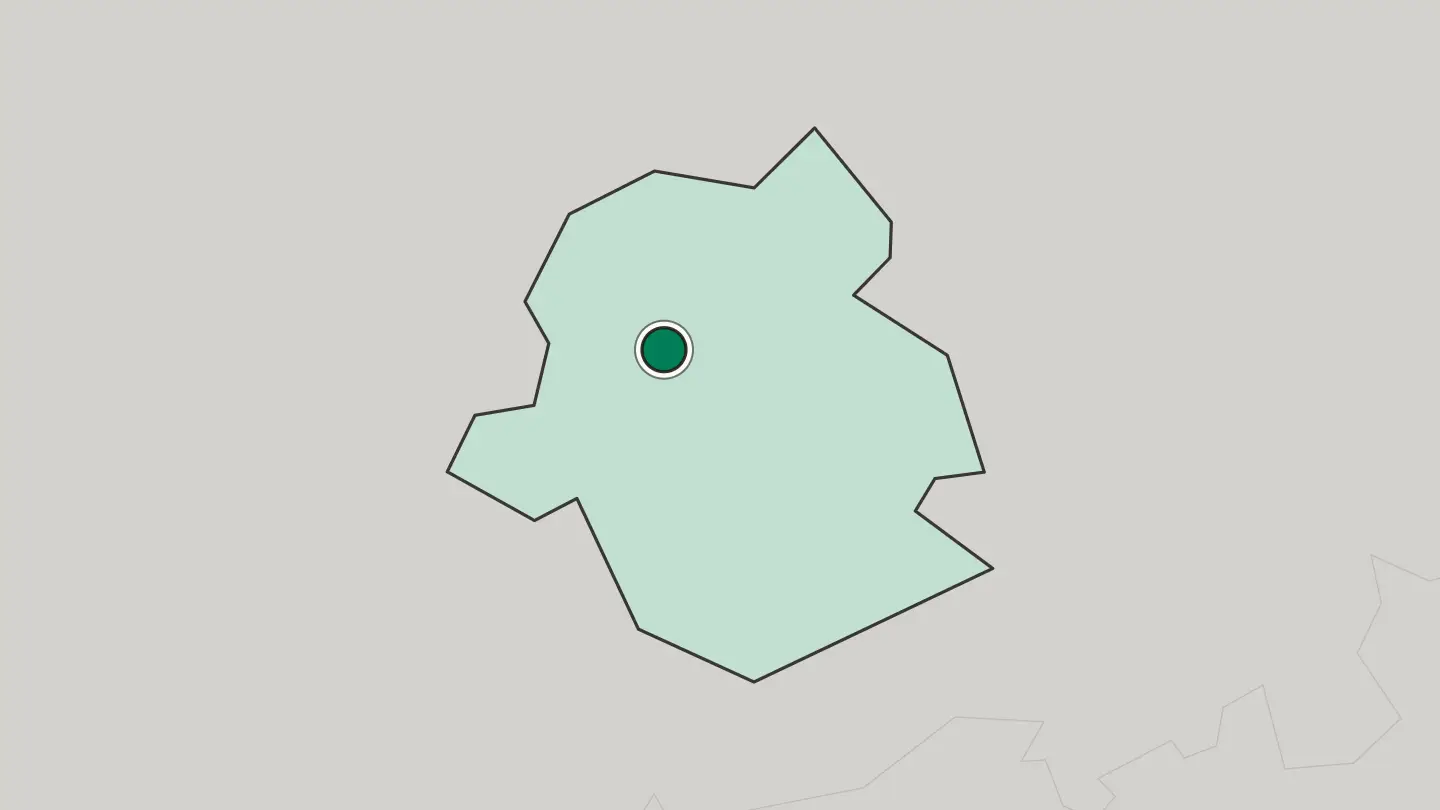
 Belgium
Ixelles
Ixelles, Elsene in Dutch, is a Brussels-Capital Region commune south-east of Brussels' city centre, geographically bisected by the City of Brussels.Where to stay →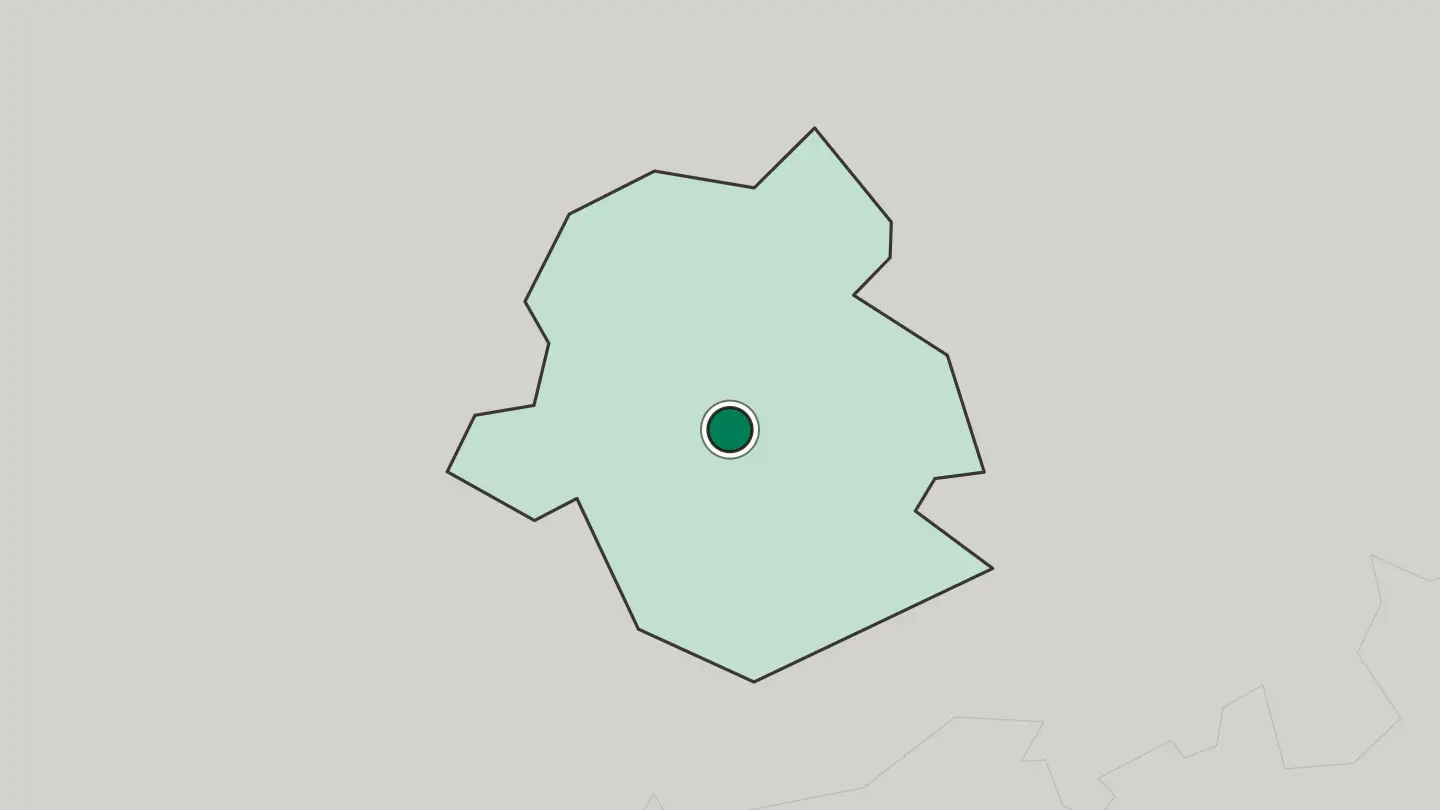
 Belgium
Uccle
Uccle, or Ukkel, is a Brussels-Capital Region commune bordering the Flemish municipalities of Drogenbos, Linkebeek and Sint-Genesius-Rode.Where to stay →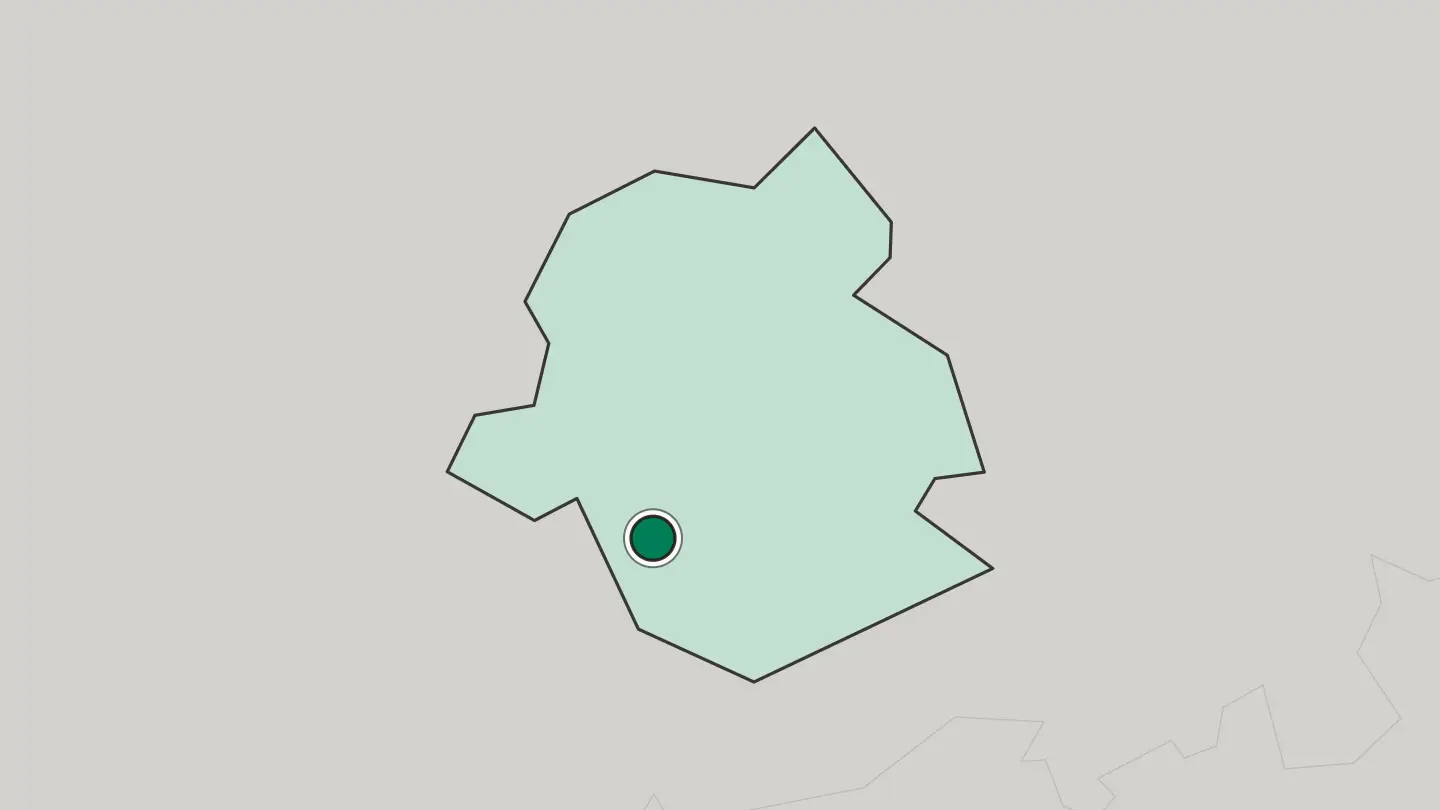
 Belgium
Woluwe-Saint-Lambert
Woluwe-Saint-Lambert, or Sint-Lambrechts-Woluwe, is a bilingual Brussels municipality named for the Woluwe stream that runs through it.Where to stay →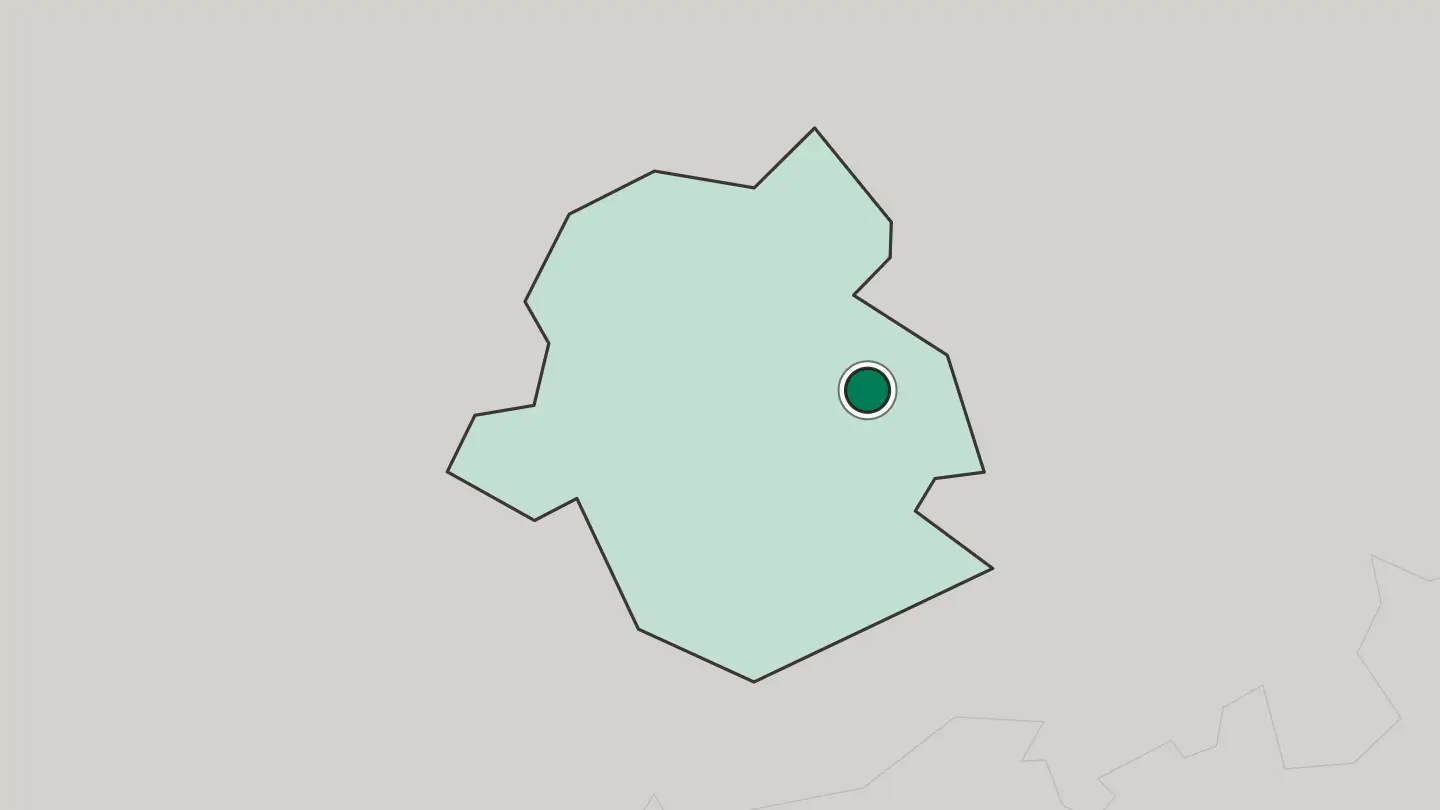
 Belgium
Forest
Forest, or Vorst, is one of the 19 municipalities of the Brussels-Capital Region, in its southern part beside Anderlecht, Ixelles and Uccle.Where to stay →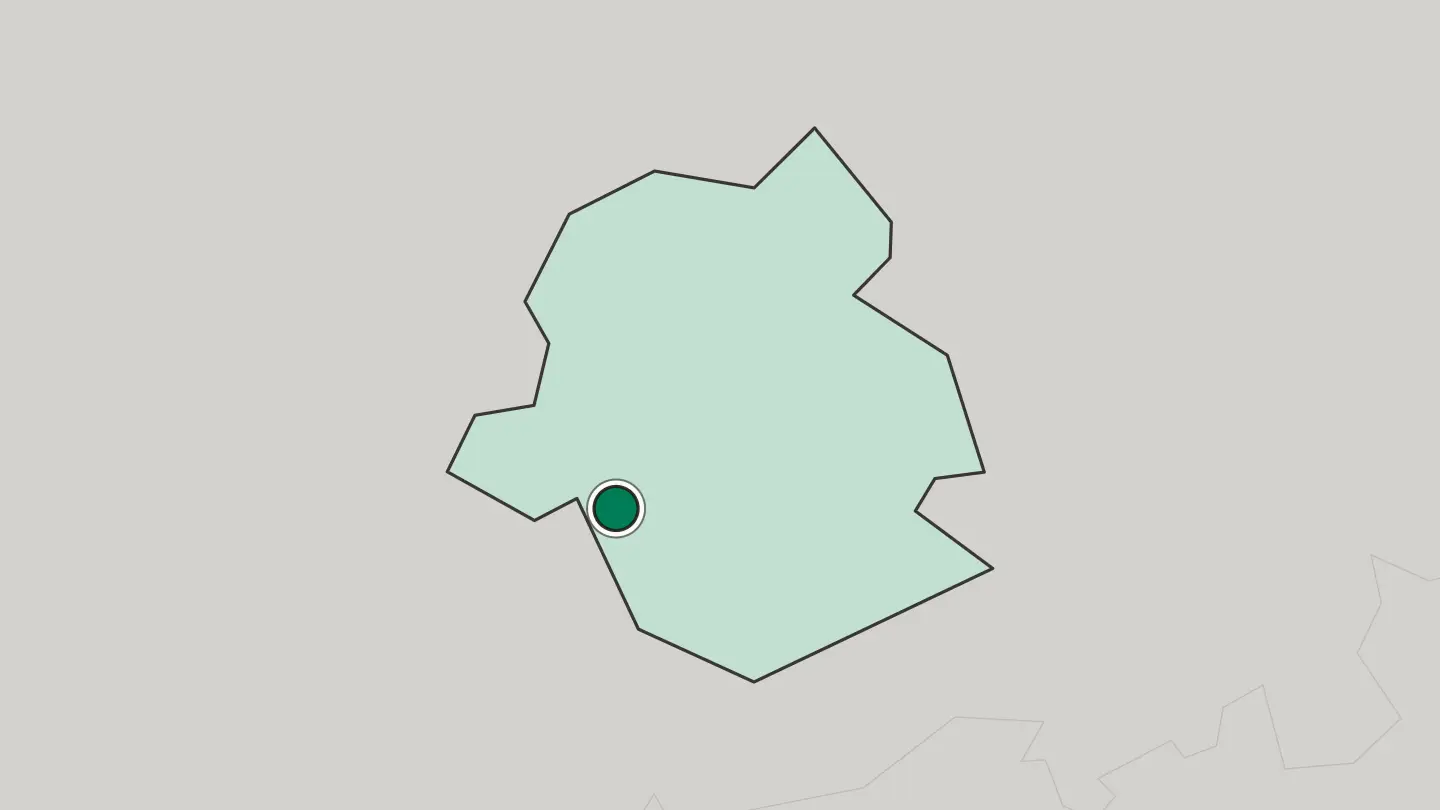
All towns & cities (10)
 Belgium
Jette
Jette is one of the 19 municipalities of the Brussels-Capital Region, bordering the City of Brussels, Koekelberg and the Flemish town of Wemmel.Where to stay →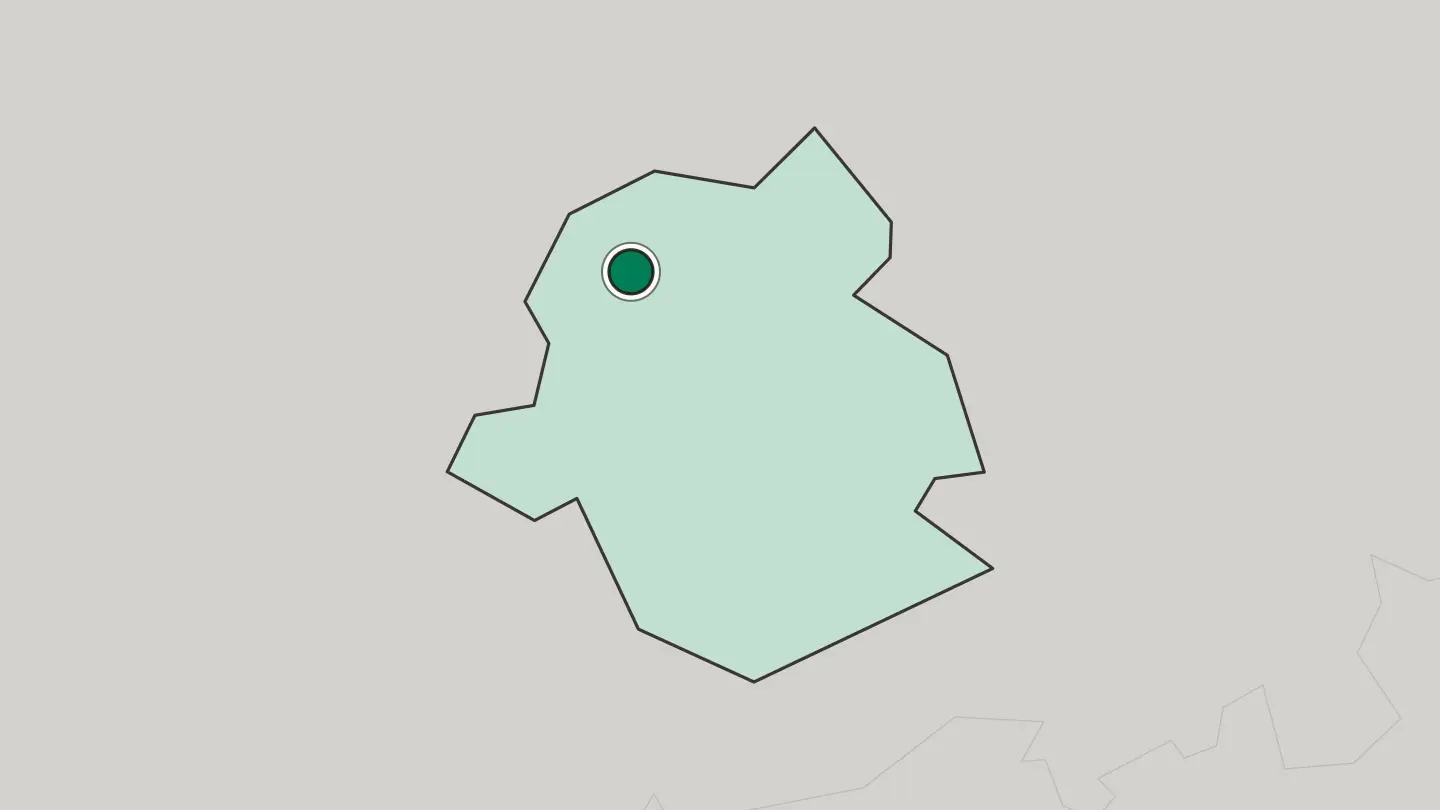
 Belgium
Saint-Gilles
Saint-Gilles, or Sint-Gillis, is one of the 19 municipalities of the Brussels-Capital Region, bordered by Anderlecht, Forest and Ixelles.Where to stay →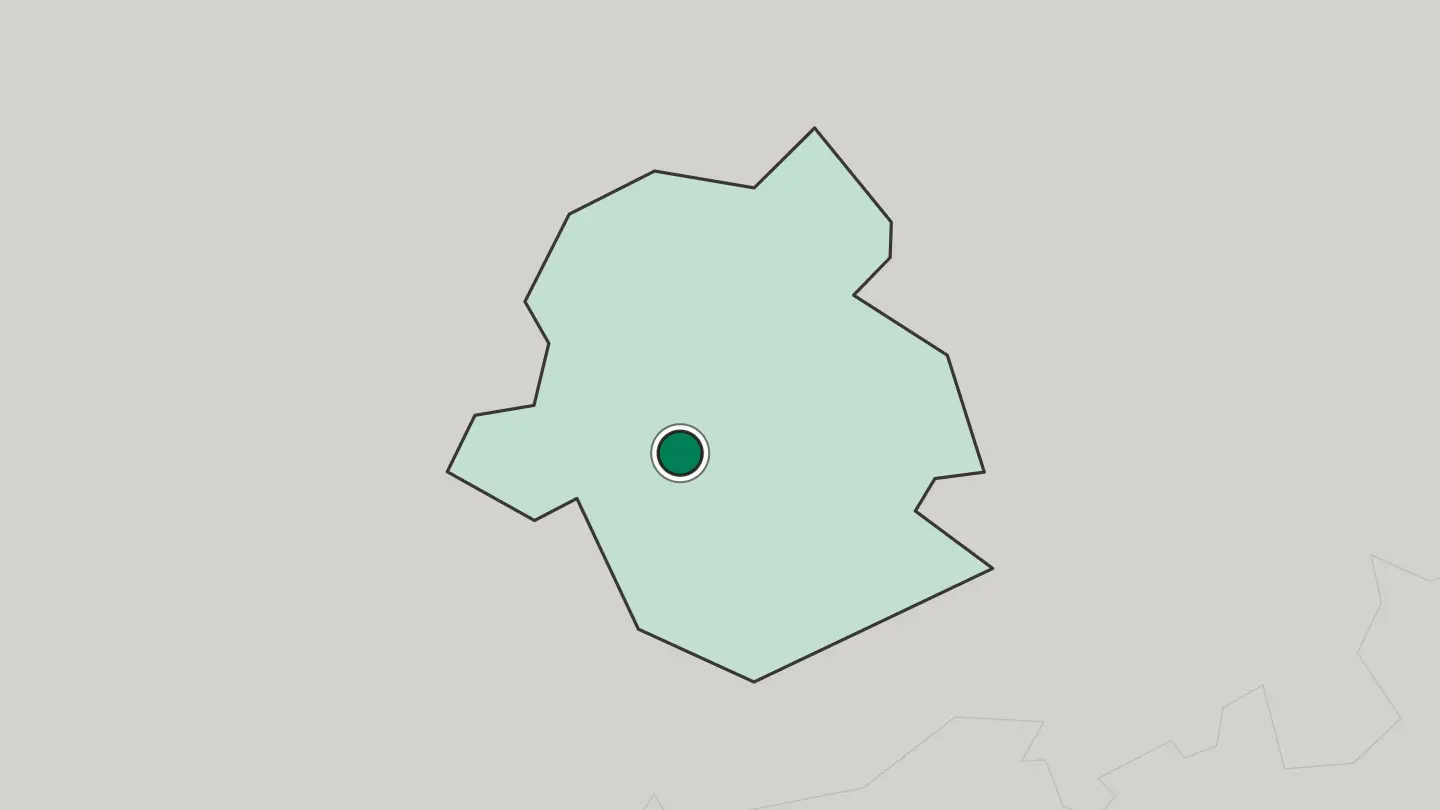
Hotel links are affiliate links: booking through them may earn us a commission, at no extra cost to you. It never affects how places are ranked. How this works
About Bruxelles-Capitale
What is Bruxelles-Capitale known for?
The Brussels-Capital Region is known as the smallest and most urban of the three regions of Belgium, built around the City of Brussels. It is bilingual by law. The region belongs to both the French Community of Belgium and the Flemish Community, its 19 municipalities knit together into a single metropolitan area, and it holds the capital and the seat of national and European government.
Two languages share every street sign.
Where is Bruxelles-Capitale?
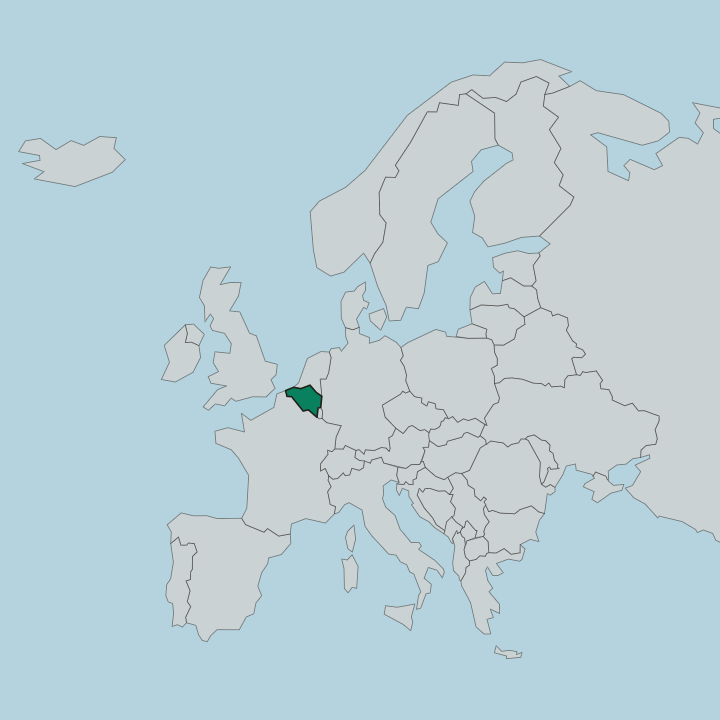
The Brussels-Capital Region occupies a small, entirely urban territory in the central portion of Belgium. It forms an enclave. The region sits wholly surrounded by the Flemish Region of Flanders, with the Walloon Region of Wallonia lying a short distance to the south, so its boundary is a ring drawn inside a larger neighbour rather than a stretch of open country.
No stretch of coast touches it. The ground is gently rolling, rising from the valley of the small river that once ran open through the lower town toward the higher districts on the surrounding slopes. Its whole extent is built up.
The 19 municipalities fill the territory almost edge to edge with streets, parks, and rail lines, the City of Brussels holding the historic core at the centre while the outer communes spread across the low hills around it. Green belts and forest edge the southern rim. The region is compact enough to cross in an hour, yet it packs the capital, the parliament quarter, and a dense transit web into that small frame.
What is Bruxelles-Capitale like?
The Brussels-Capital Region carries a distinctly bilingual culture that sets it apart from the rest of Belgium. Two language communities share the ground. The region belongs at once to the French Community of Belgium and to the Flemish Community, so Dutch and French run side by side across its schools, theatres, and administration, and daily life shifts between the two tongues from one municipality to the next.
Street signs read twice. This double identity has made the region a meeting ground for the two great language traditions of the country. Institutions of the French Community of Belgium and the Flemish Community both keep a home here, cultural life draws on both, and the presence of the European government layers an international community over the older Belgian one.
The region speaks with more than one voice. Its cultural mix is broader than that of neighbouring Flanders or Wallonia, each of which holds to a single official language, and that difference is the defining mark of the capital region.
What is the history of Bruxelles-Capitale?
The Brussels-Capital Region took its present form in 1989, when Belgium reorganised itself into three federal regions. Federal reform drew the borders. Those late twentieth-century changes split the country into Flanders, Wallonia, and the bilingual capital region around the City of Brussels, giving the growing metropolitan area its own government for the first time.
Under it the 19 municipalities were bound together. A single administration now covers what had long been a cluster of separate communes.
What is the climate of Bruxelles-Capitale?
The Brussels-Capital Region has a mild maritime climate of cool, damp winters and soft, temperate summers. Cloud and drizzle are common. Westerly weather off the North Sea keeps the region grey and wet through much of the year, frost stays light and lasting snow is rare, and the summers turn warm rather than hot across the built-up ground.
Rain falls in every season here.
How do you get to Bruxelles-Capitale?
The Brussels-Capital Region is reached through its international airport on the northern edge and the high-speed rail lines that cross Belgium. Trains pour into the central stations. International services run in from Flanders and Wallonia and on to the neighbouring capitals, a dense metro and tram network links the 19 municipalities, and ring motorways feed the region from the surrounding country.
The capital's rail hub ties the whole region to the network.
Good for
More regions in Belgium
Updated September 2026