Belgium · Bruxelles-Capitale
Where to Stay in Brussels, Bruxelles-Capitale
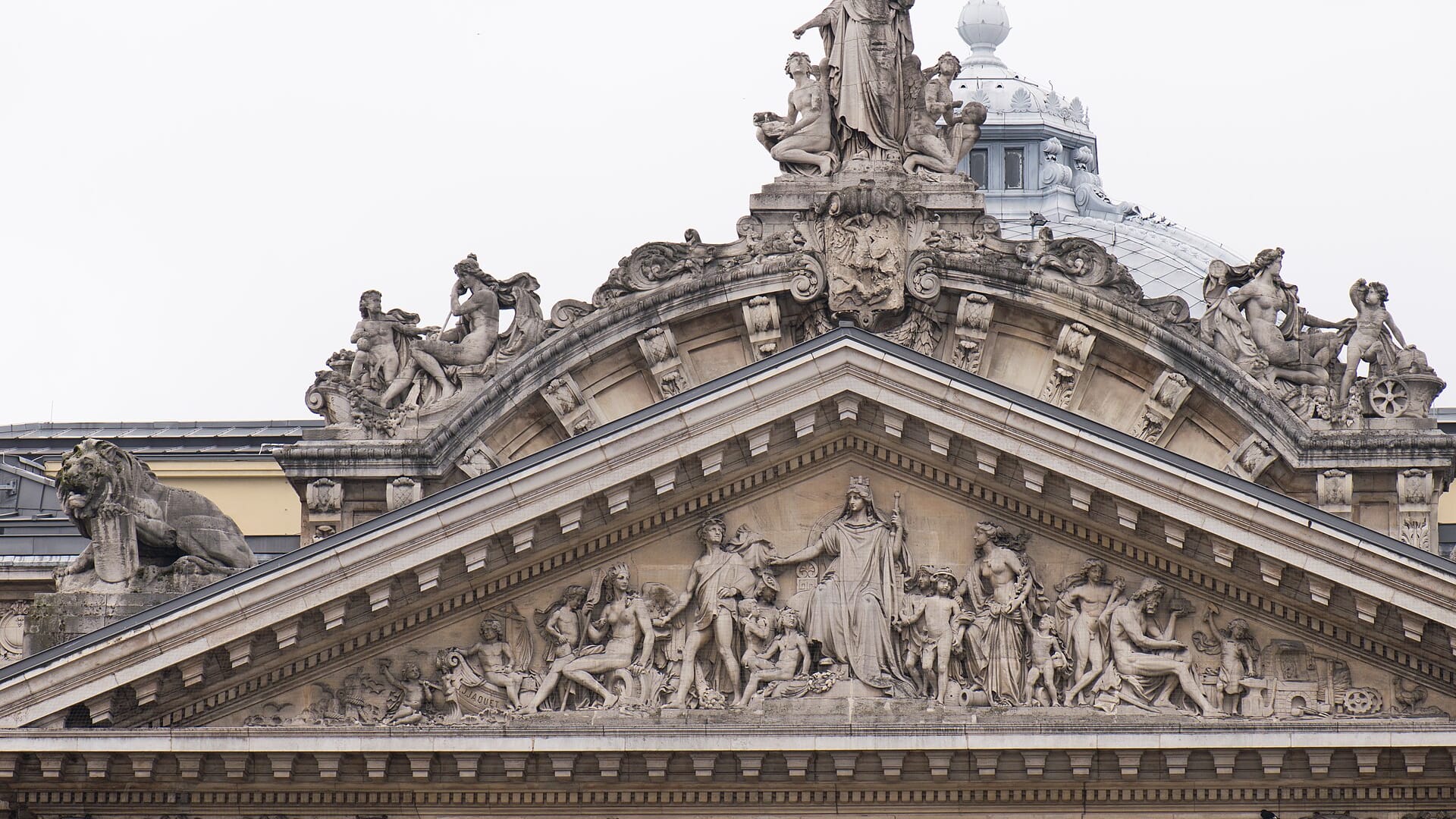
Brick and stone frame the old streets of Brussels, capital of Belgium and seat of the core institutions of the European Union.
Hotel links are affiliate links: booking through them may earn us a commission, at no extra cost to you. It never affects how places are ranked. How this works


Where to stay in Brussels
Where you base yourself shapes the visit — here's the character of each area.

 BrusselsBelgium
Sablon
The Sablon, or Zavel, is a hill in the historic upper town of Brussels, holding the Grand Sablon and Petit Sablon squares.Where to stay →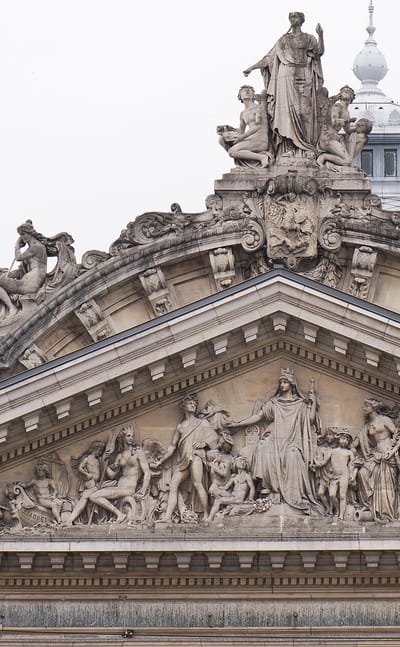 BrusselsBelgium
Vert Chasseur
Vert Chasseur, also written Groene Jager, is a district of Brussels holding the International Puppet Museum - Peruchet.Where to stay →BrusselsBelgiumFloréal
Floréal is a residential district of Brussels, its map marked by listed houses, convent foundations, and the grounds of Château Sainte-Anne.Where to stay → BrusselsBelgium
Le Logis
Le Logis is a district of Brussels, paired in the heritage record with Floréal and holding the Church of St. Hubert.Where to stay → BrusselsBelgium
Stokkel
Stokkel, also written Stockel, is a district of Brussels marked by Putdaal Castle and the Church of Our Lady of Stockel.Where to stay →Hotel links are affiliate links: booking through them may earn us a commission, at no extra cost to you. It never affects how places are ranked. How this works
Find hotels in Brussels
Direct booking searches for these neighbourhoods.
The lower town
The Church of St. Nicholas stands among the guild houses of the old market, and the Church of St. Catherine marks the former fish market a few streets north.Find hotels in The lower towngalleries, antiques, and quiet royal-quarter squaresThe museum hill
The Royal Museums of Fine Arts of Belgium, the Magritte Museum, and the Musical Instruments Museum cluster above the Sablon antiques district.Find hotels in The museum hillthe EU institutions and the museums set around the parkThe Cinquantenaire and European quarter
The Cinquantenaire Arcade frames Autoworld and the Royal Museum of the Armed Forces and Military History, with the House of European History close to the parliament.Find hotels in The Cinquantenaire and European quarterHotel links are affiliate links: booking through them may earn us a commission, at no extra cost to you. It never affects how places are ranked. How this works
Things to do in Brussels
Ranked by global recognition; descriptions from Wikidata (CC0).
Museums & Galleries
3- Cinquantenaire Arcade Heritage
- Art & History Museum Heritage
- Charlier Museum Heritage
Churches & Religious Sites
8- Cathedral of St. Michael and St. Gudula Heritage
- Church of Our Lady of Victories at the Sablon Heritage
- Church of St. Catherine Heritage
- Church of St. James on Coudenberg Heritage
- Church of St. Nicholas Heritage
Show 3 more →
- Church of St. John the Baptist at the Béguinage Heritage
- Church of St. Clement Heritage
- Sint-Jozefskerk (Wezembeek-Oppem) Heritage
Castles & Historic Sites
1- Putdaal Castle
Landmarks & Notable Places
5- Habitation double Heritage
- Habitation double moderniste Heritage
- Le Logis-Floréal - maison Heritage
- Le Logis-Floréal - maison de rapport Trois Tilleuls Heritage
- Maison Mauresque - Moorse Huis Heritage
worth knowingacross 4 categories in Brussels
About Brussels
What is Brussels known for?
Brussels is known for its museums, its old churches, and its long service as the seat of the European Union. Brussels' cathedral of St. Michael and St. Gudula crowns a rise above the old town, the Royal Museums of Fine Arts of Belgium and the neighbouring Magritte Museum hold the national collections, and the Horta Museum preserves the Art Nouveau house of the architect Victor Horta. Art and institutions stand together.
Stone towers mark the centre.
What are the main landmarks in Brussels?
Brussels keeps its landmarks between the old churches and the great national museums. Brussels' cathedral of St. Michael and St. Gudula rises above the lower town, the Church of Our Lady of Laeken guards the royal graves to the north, and the Chapel of the Resurrection stands near the parliament in the eastern quarter. Museums fill the hill and the park.
The Royal Museums of Fine Arts of Belgium, the Magritte Museum, and the Musical Instruments Museum gather on the height, while the Cinquantenaire Arcade, Autoworld, and the Museum of Natural Sciences of Belgium draw crowds toward the eastern park. Old stone anchors it all.
What is the history of Brussels?
Brussels grew from a medieval settlement into the capital of Belgium and a centre of European government. Brussels' cathedral of St. Michael and St. Gudula rose over generations above the lower town, and the guild houses and market of the old core recorded the wealth of a trading city. The City of Brussels took its administrative shape in 1795.
Power gathered on the hill above the old town over the following century. The Royal Museums of Fine Arts of Belgium opened as the national collection, the Cinquantenaire Arcade rose to mark a national anniversary in the eastern park, and the Church of Our Lady of Laeken became the burial church of the royal house to the north. War and rebuilding reshaped the twentieth-century city.
International institutions settled here in the decades that followed, the House of European History was later founded near the parliament, and Brussels held its place as the capital of Belgium and the seat of the core institutions of the European Union. The layers of guild town, royal capital, and European centre still meet across the city.
Where is Brussels?
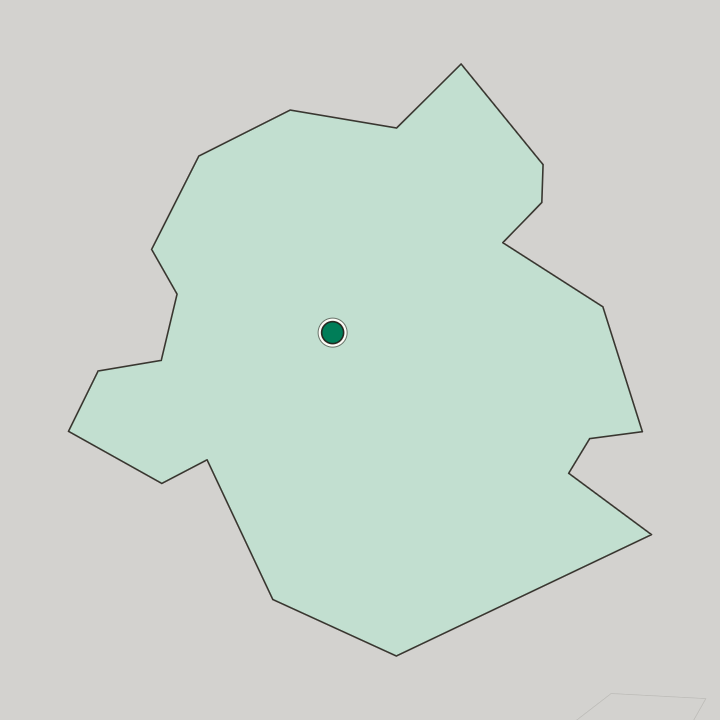
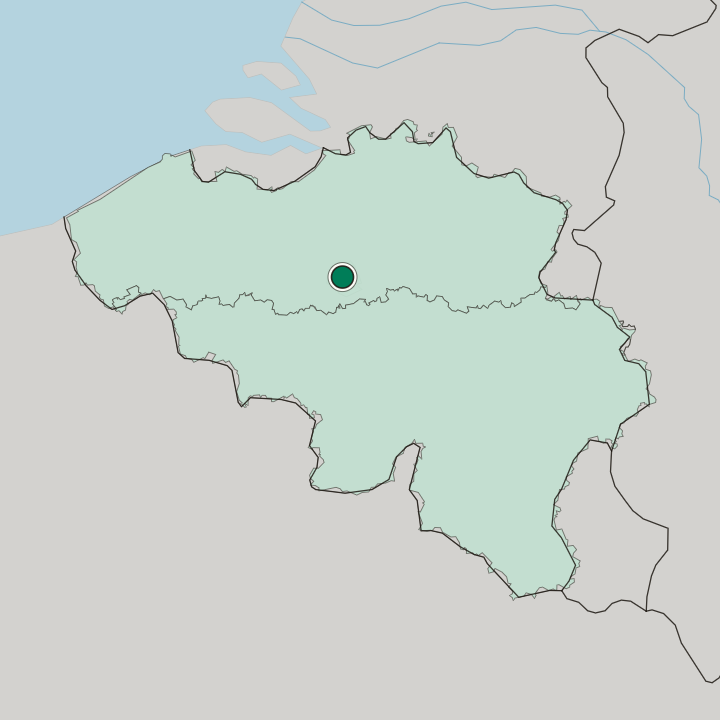
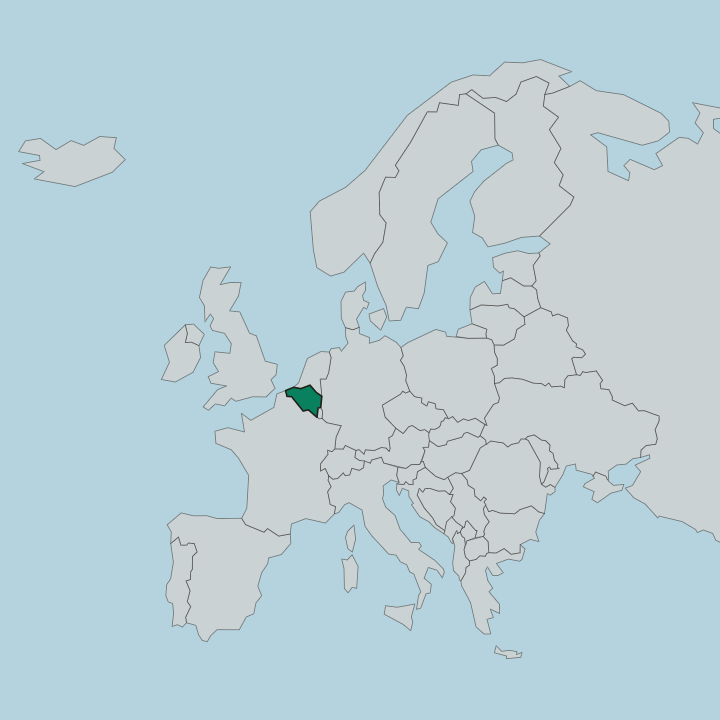
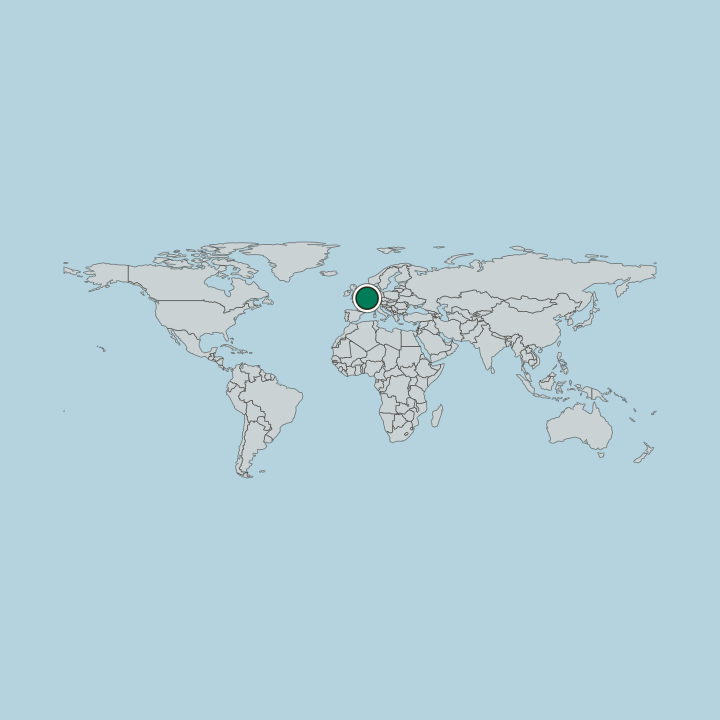
Brussels sits in the central portion of Belgium, forming an enclave surrounded by Flanders, with Wallonia lying a short distance to the south. Low hills lift the old town. The ground rises from the lower streets toward the museum quarter and the royal palace on the height, then falls again toward the parks, so the city climbs and dips between its market square and the Cinquantenaire to the east.
It holds the heart of the country.
What is the climate of Brussels?
Brussels has a mild maritime climate of cool, cloudy winters and soft, changeable summers. Rain falls across the year. Grey skies and drizzle settle over the lower town through the colder months, damp westerly weather blows in off the North Sea beyond Flanders, and the summers stay temperate rather than hot, with long light evenings over the hill.
Frost is light and snow uncommon.
How do you get to Brussels?
Brussels is reached through its international airport on the northern edge and the high-speed rail lines that cross Belgium. Trains converge on the central stations. International services run in from Flanders and Wallonia and on to the neighbouring capitals, metro and tram lines thread beneath the hill between the old town and the Cinquantenaire, and motorways ring the city from the surrounding country.
The rail hub ties it to the wider network.
Common questions
What is the best area to stay in Brussels?
The lower town: travellers who want the medieval core and its guild houses at the door. The museum hill: galleries, antiques, and quiet royal-quarter squares. The Cinquantenaire and European quarter: the EU institutions and the museums set around the park.
Good for
More cities in Bruxelles-Capitale
Updated October 2026