Belgium
Wallonia, Belgium — Towns & Travel Guide
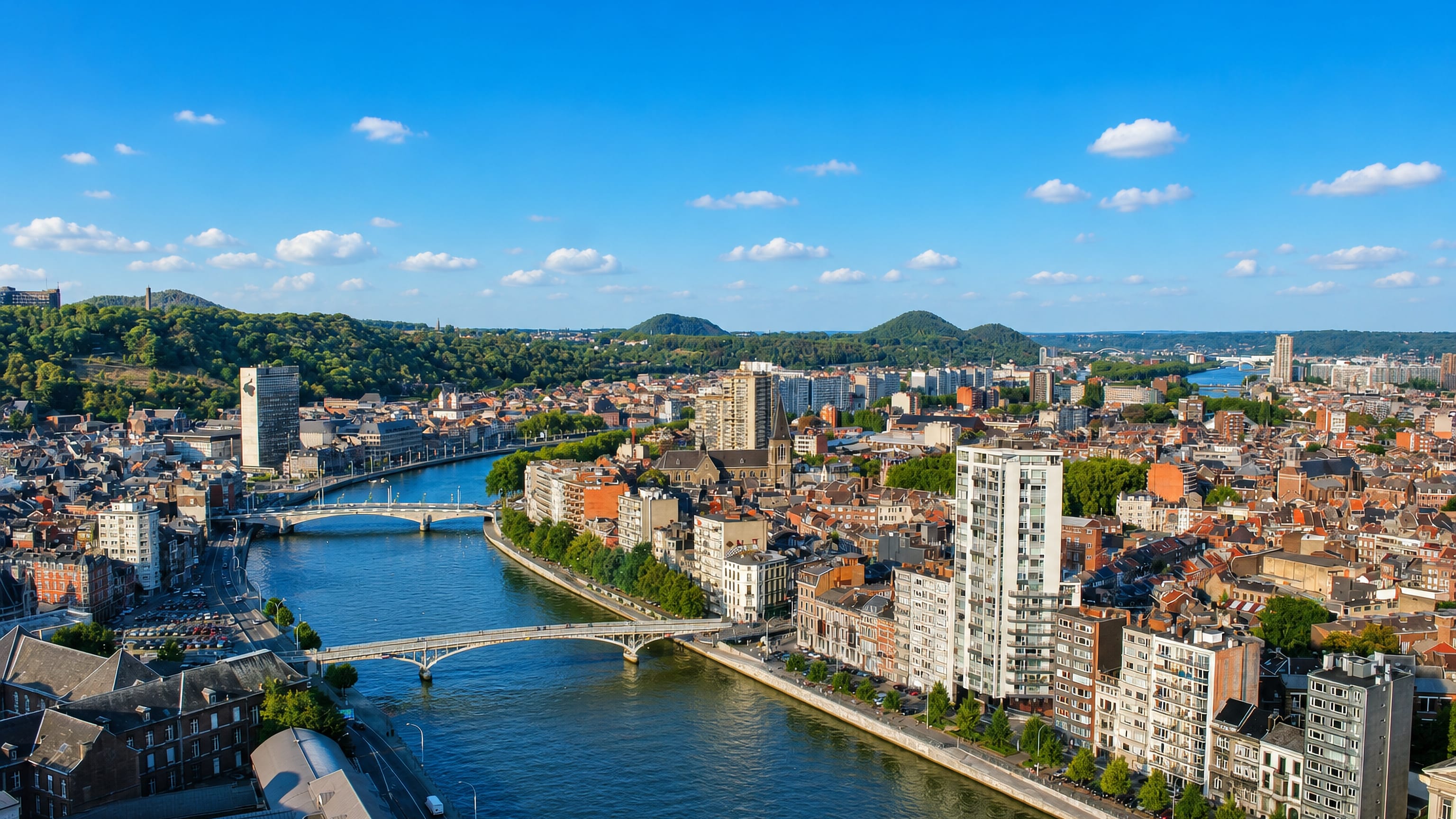
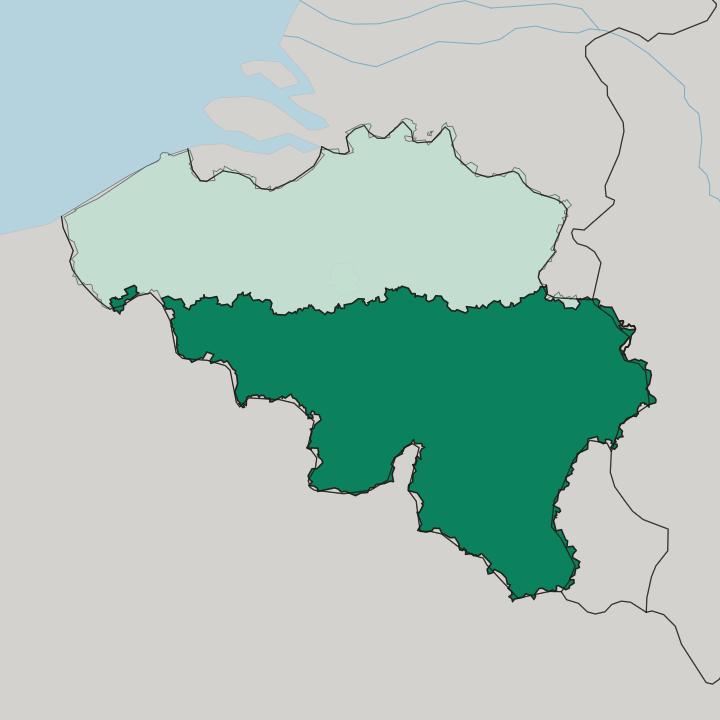
Wallonia, officially the Walloon Region, is the French-speaking one of Belgium's three regions, covering more than half the country's territory.
Hotel links are affiliate links: booking through them may earn us a commission, at no extra cost to you. It never affects how places are ranked. How this works


Towns & cities in Wallonia
Pick a town or city — each links to where to stay.

 Belgium
Charleroi
Charleroi stands on the Sambre in Hainaut, the largest city of Wallonia and a former mining town under the belfry that marks its centre.Where to stay →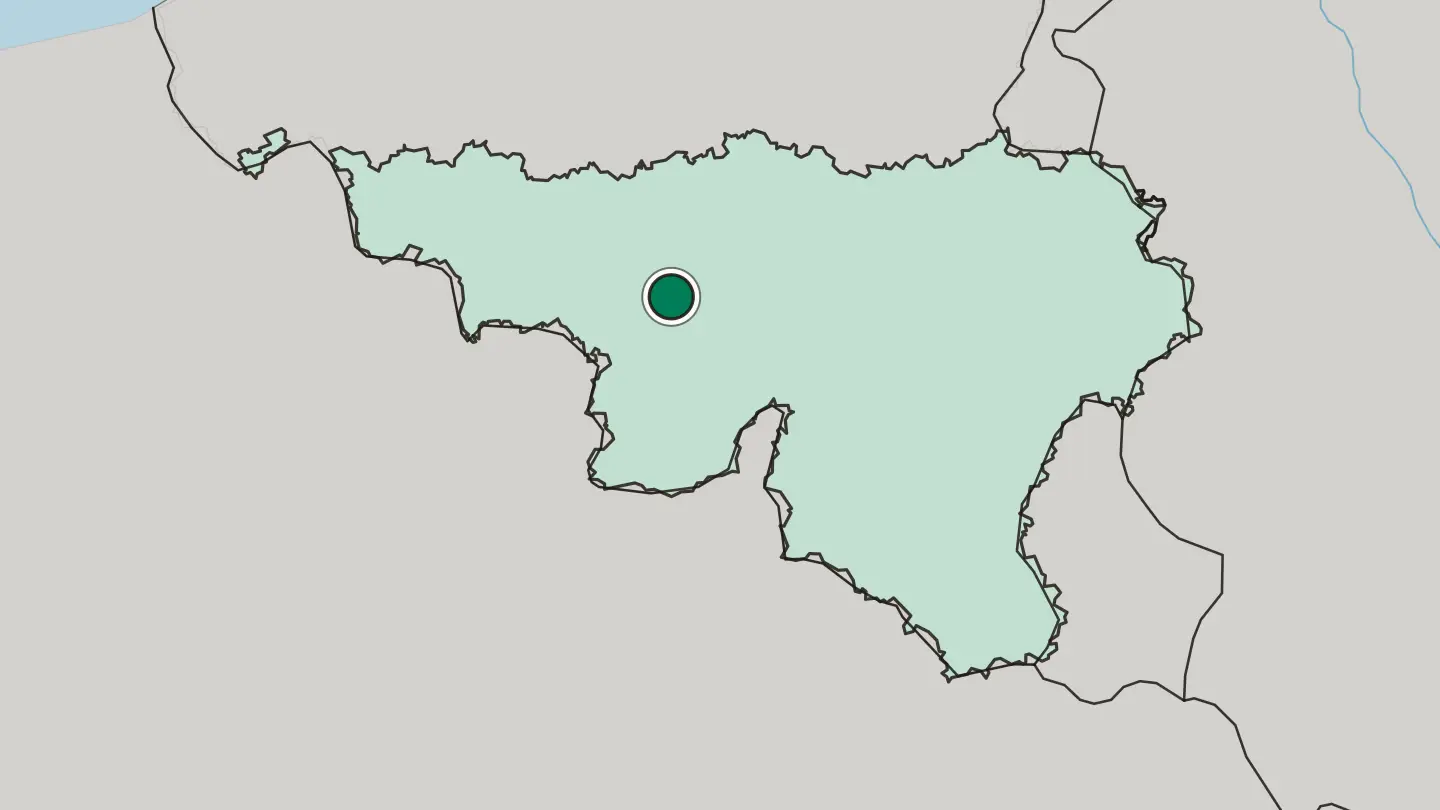
 Belgium
Liège
Liège fills the valley of the Meuse where the Ourthe comes in, a cathedral city and the working heart of Wallonia since around 800.Where to stay →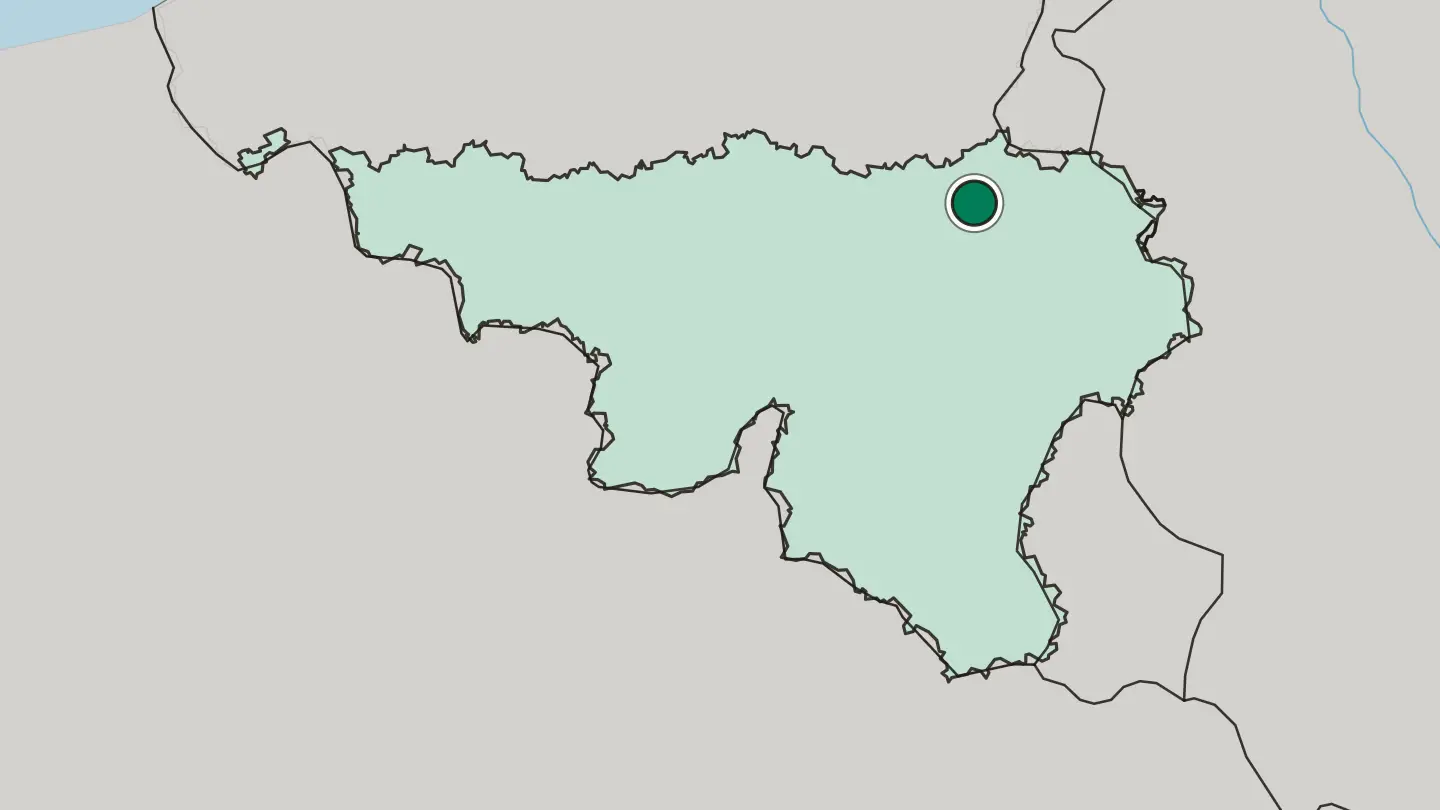
 Belgium
Namur
A fortress rock divides the Sambre from the Meuse at Namur, capital of Wallonia at the head of the Ardennes, under the walls of its citadel.Where to stay →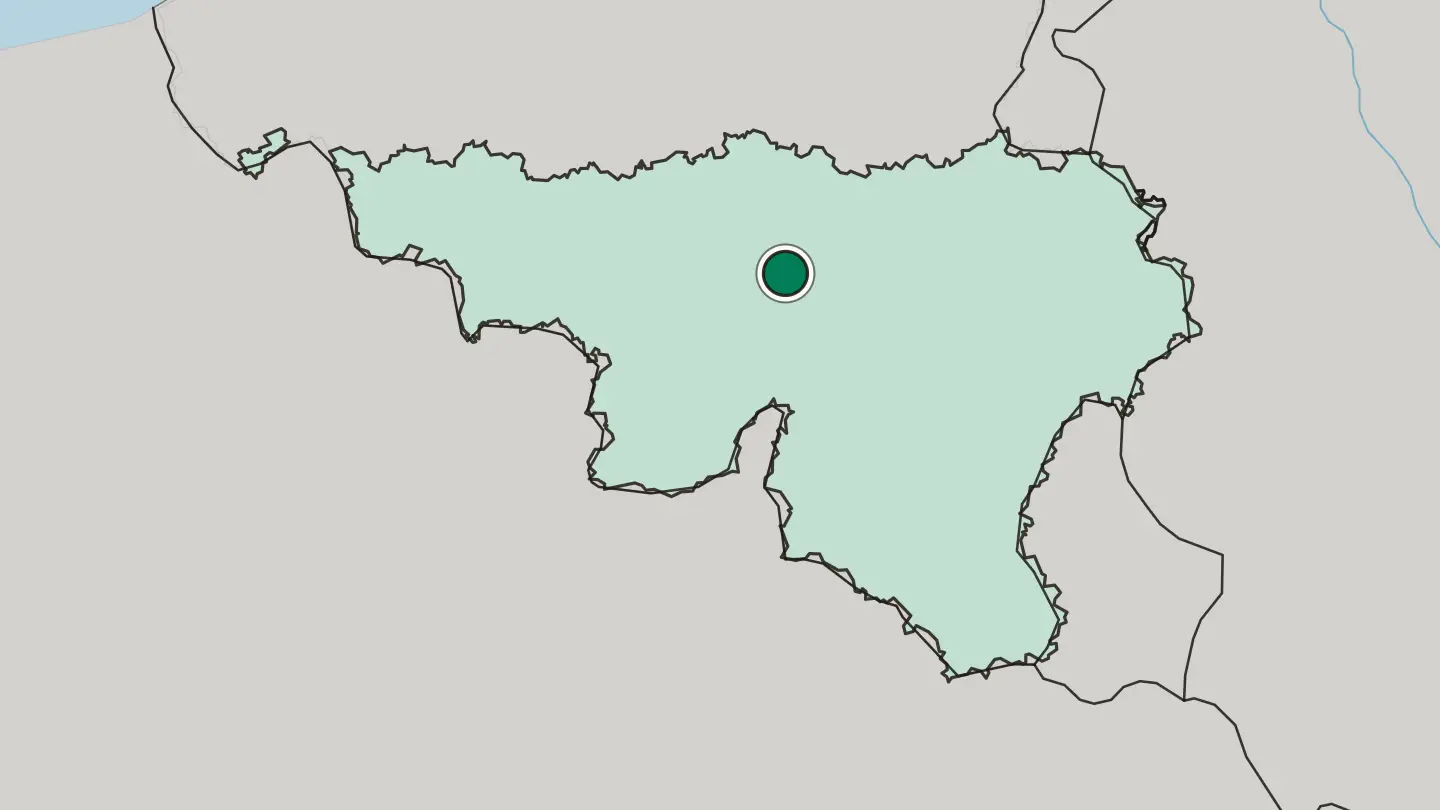
 Belgium
Mons
Mons is the capital of Hainaut, a Walloon town whose belfry, collegiate church, and long row of museums fill one compact centre.Where to stay →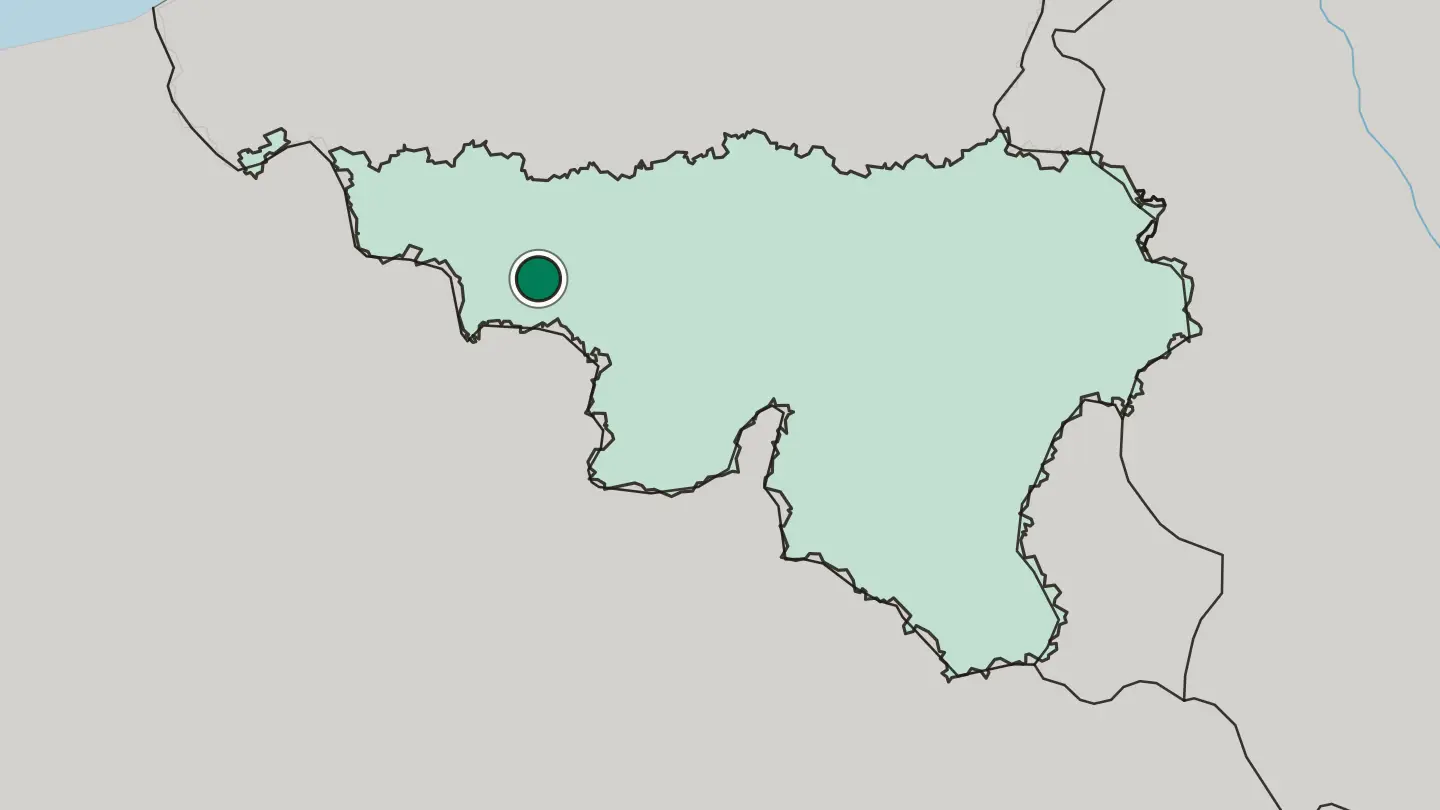
 Belgium
La Louvière
La Louvière is a Walloon city of museums, where Keramis Centre De La Céramique and the Musée Ianchelevici sit among old parish quarters.Where to stay →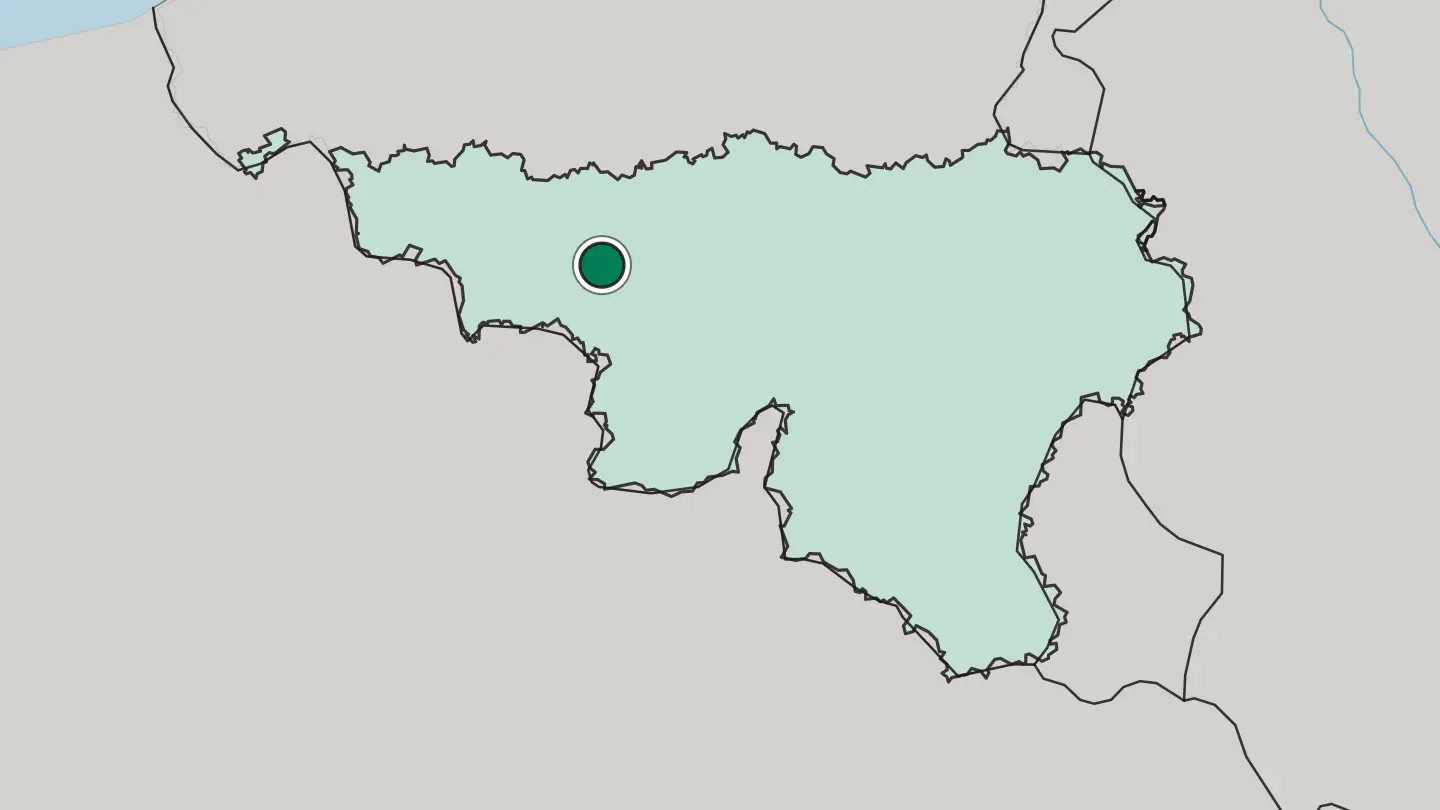
 Belgium
Tournai
Tournai is one of Belgium's oldest cities, in Wallonia on the Scheldt river, crowned by a great five-towered cathedral.Where to stay →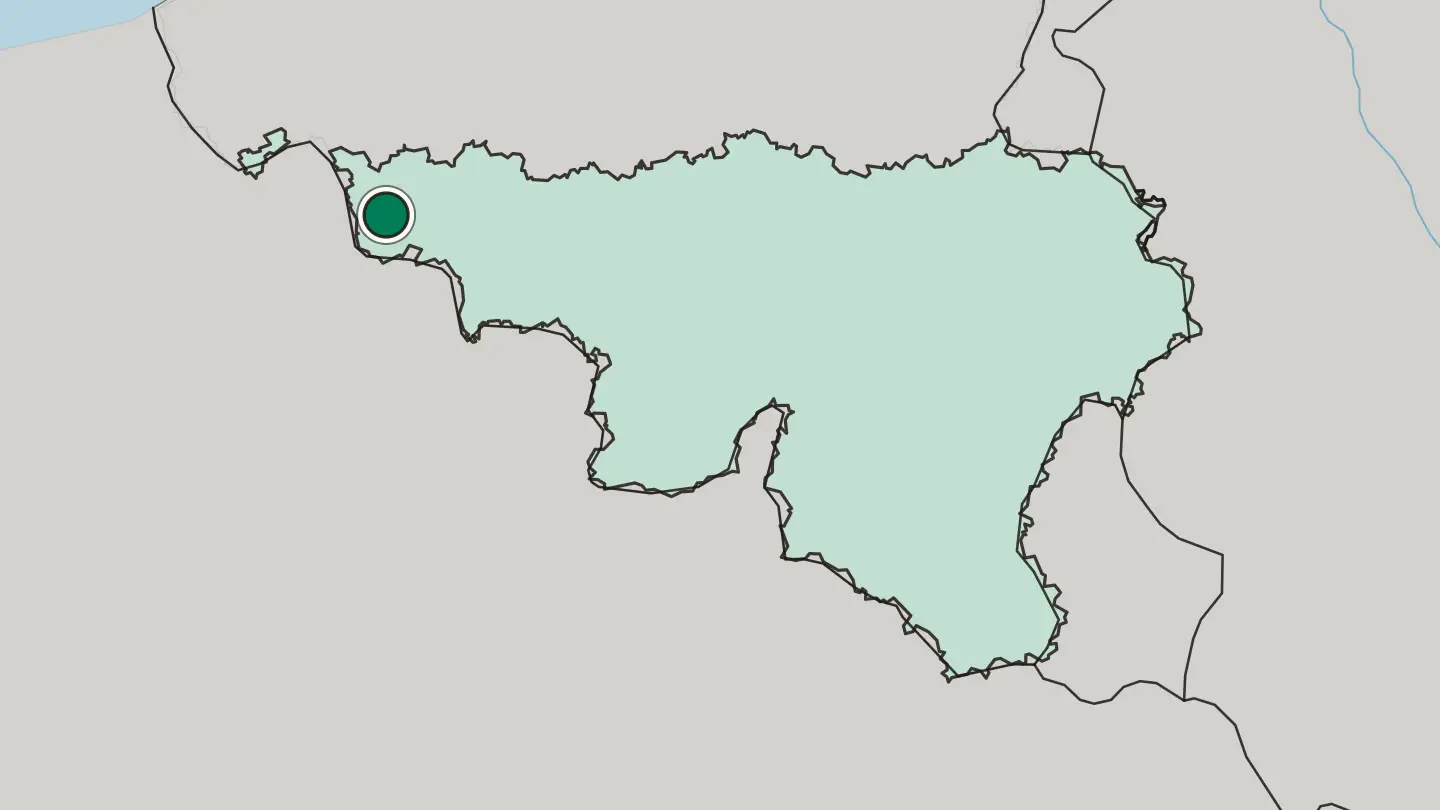
 Belgium
Verviers
At the foot of the Ardennes, Verviers turned wool into an industry, and the province of Liège kept the museums after the trade left.Where to stay →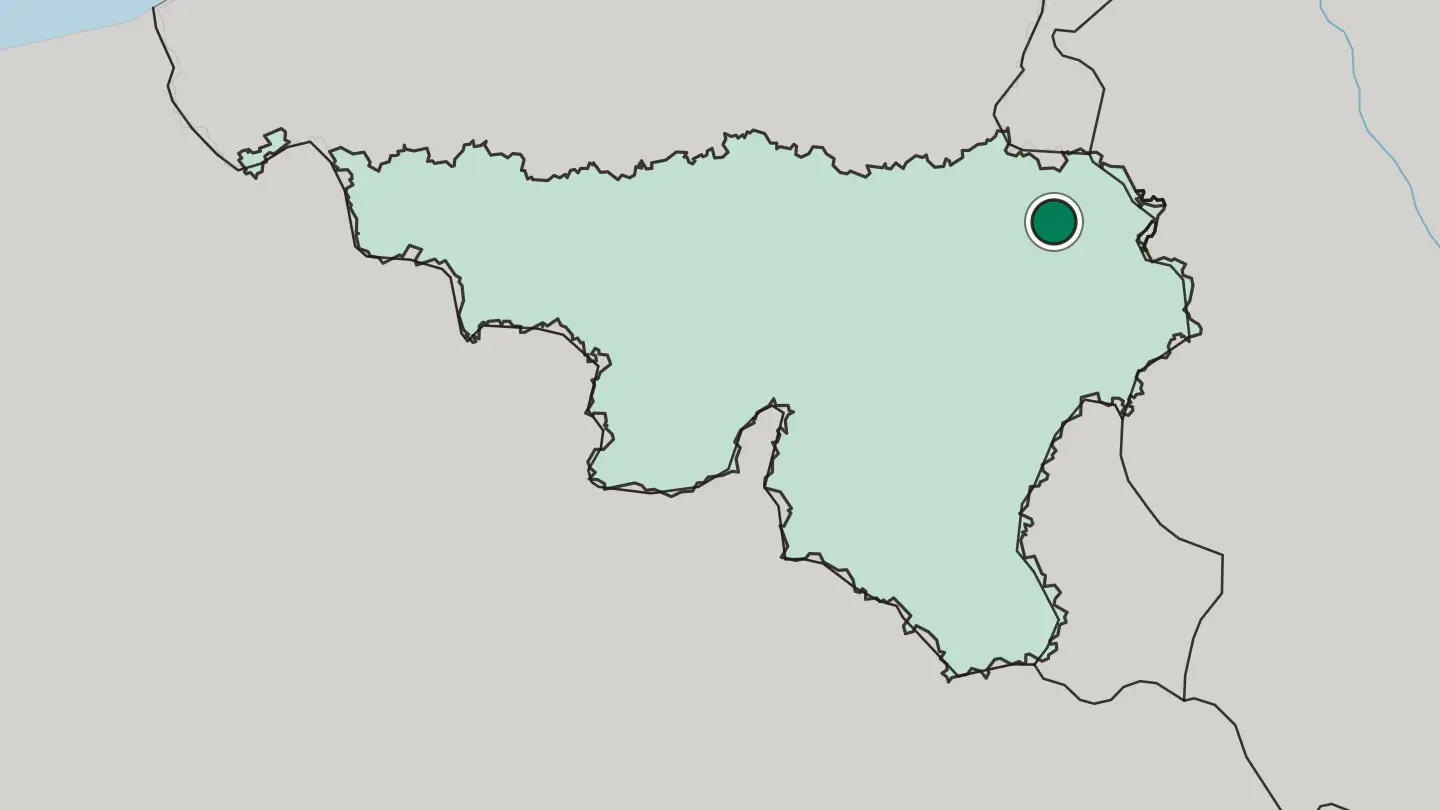
 Belgium
Mouscron
Mouscron presses against the border with Tourcoing, a town of Hainaut whose churches carry names in both French and Dutch.Where to stay →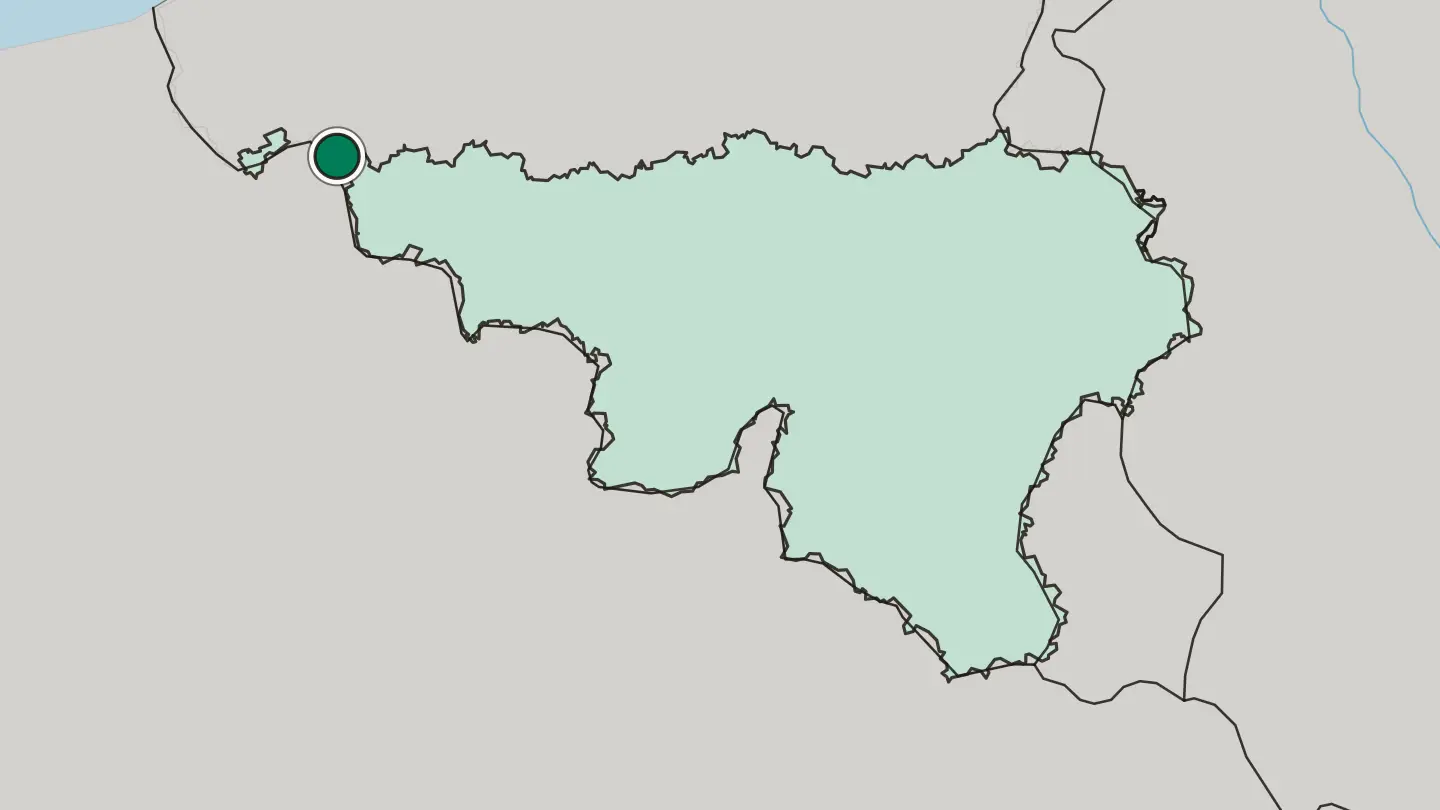
Hotel links are affiliate links: booking through them may earn us a commission, at no extra cost to you. It never affects how places are ranked. How this works
About Wallonia
What is Wallonia known for?
Belgium's tourist traffic mostly goes elsewhere, and Wallonia knows it. Brussels draws the arrivals, while Antwerp, Ghent and Bruges take the Flemish share, leaving the Walloon Region to be discovered by travellers who have already worked through that list. The region rewards them anyway.
French is the working language across it, which gives a visit here a different texture from a trip through Flanders, and the border country towards Luxembourg and Germany adds a third register again.
Where is Wallonia?
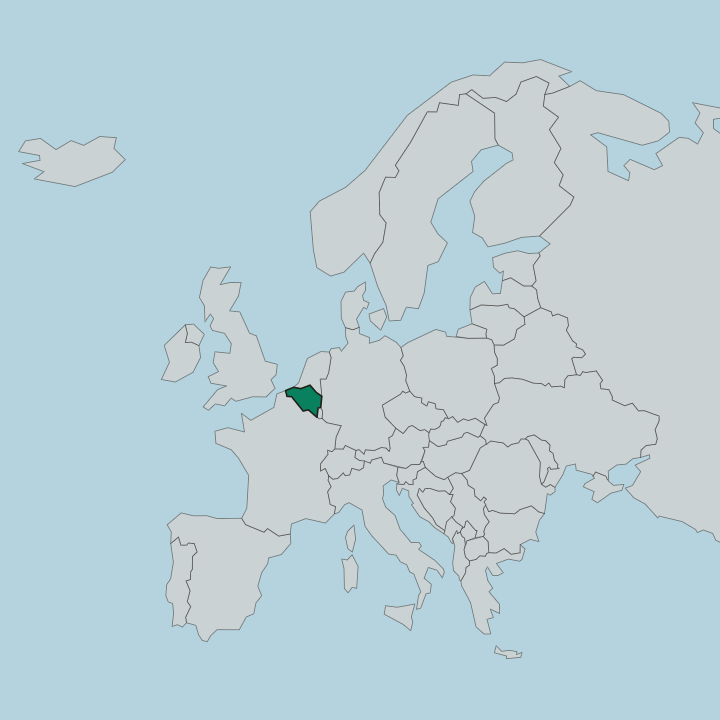
Wallonia takes up the southern part of Belgium, and it takes up most of it. The Walloon Region accounts for more than half the country's territory while carrying a much smaller share of its people, which is the single fact that shapes how empty the map feels once the cities are left behind. Flanders lies along the northern border.
France runs against it in the south-west, and to the east the region meets both Luxembourg and Germany, so three foreign frontiers touch it against the one internal boundary with Flanders. Three regions divide Belgium between them. Wallonia is one, Flanders is the second, and the Brussels-Capital Region is the third, a bilingual region that sits outside Wallonia despite the French the two of them share.
Language cuts across those lines. The French Community of Belgium reaches over Wallonia and bilingual Brussels alike, while the German-speaking Community of Belgium administers nine municipalities along Wallonia's eastern edge, which means the regional map carries a linguistic seam the regional boundary does not follow. It is temperate ground throughout.
Winters and summers alike come without a sea to moderate them, because the Belgian seaside belongs to Flanders rather than to the Walloon Region.
What is Wallonia like?
French is the first thing a visitor notices. Wallonia is primarily French-speaking, and that single fact separates it from Flanders more sharply than any border marker does, because the shift in language happens at the regional line rather than gradually across it. Institutions follow the language.
Culture and education are not run by the Walloon Region at all but by the French Community of Belgium, a separate political entity whose remit stretches over Brussels as well, so a Walloon theatre and a Brussels one answer to the same authority. A third language holds its own corner. The German-speaking Community of Belgium administers nine municipalities along the eastern edge, outside the reach of the French Community, which gives Wallonia an internal cultural boundary that its own regional map does not draw.
Visitors rarely plan around it. What they notice instead is the contrast with the Flemish circuit, where Antwerp, Ghent and Bruges carry most of Belgium's visitor attention and set the expectation of what a Belgian town looks and sounds like. Wallonia reads differently.
The tourist weight sits north of it, and the Walloon Region has been left to make its case on other terms.
What is the history of Wallonia?
The region is younger than it looks. Wallonia as a formal entity dates to 1980, when Belgium's federal architecture set the Walloon Region alongside Flanders and the Brussels-Capital Region as one of three. The language came first.
French had defined the southern part of the country long before any regional statute recognised it, and the French Community of Belgium was drawn on cultural lines that still refuse to match the regional ones.
What is the climate of Wallonia?
No sea moderates the interior. Wallonia sits in the temperate band of the northern hemisphere, inland of the Belgian coast that belongs to Flanders, and the record carries no rainfall series or seasonal detail beyond that placement. The band implies moderation, not extremes.
What the border country towards Luxembourg and Germany does to the weather is not something the entry for the Walloon Region will settle.
How do you get to Wallonia?
Most journeys start in Brussels. The capital region lies outside Wallonia but is where Belgium's international arrivals land, and the run from there into the Walloon Region is short enough that many visitors never think of it as a separate leg. Land borders do the rest.
France meets Wallonia in the south-west, Luxembourg and Germany close it on the east, and Flanders sits across the northern line, which leaves four different countries or regions feeding traffic into it by road.
Common questions
What is the best area to stay in Wallonia?
Brussels-Capital Region: landing in Belgium before crossing into the Walloon Region. The German-speaking municipalities: a night where the German-speaking Community of Belgium runs the town hall. The French frontier: moving between Wallonia and France without a long drive.
Good for
More regions in Belgium
Updated September 2026