Belgium · Wallonia
Where to Stay in Charleroi, Wallonia
Charleroi stands on the Sambre in Hainaut, the largest city of Wallonia and a former mining town under the belfry that marks its centre.
Hotel links are affiliate links: booking through them may earn us a commission, at no extra cost to you. It never affects how places are ranked. How this works


Where to stay in Charleroi
The practical side of choosing where to sleep.
The centre around the Belfry of Charleroi is the practical first base, a short walk from the Musée des beaux-arts de Charleroi, the Palais des Beaux Arts de Charleroi, and the bridges over the Sambre. Rooms cluster in this quarter. It suits you if you want museums, shops, and the trains within walking distance, and if you would rather not depend on a car in a city spread across a wide valley.
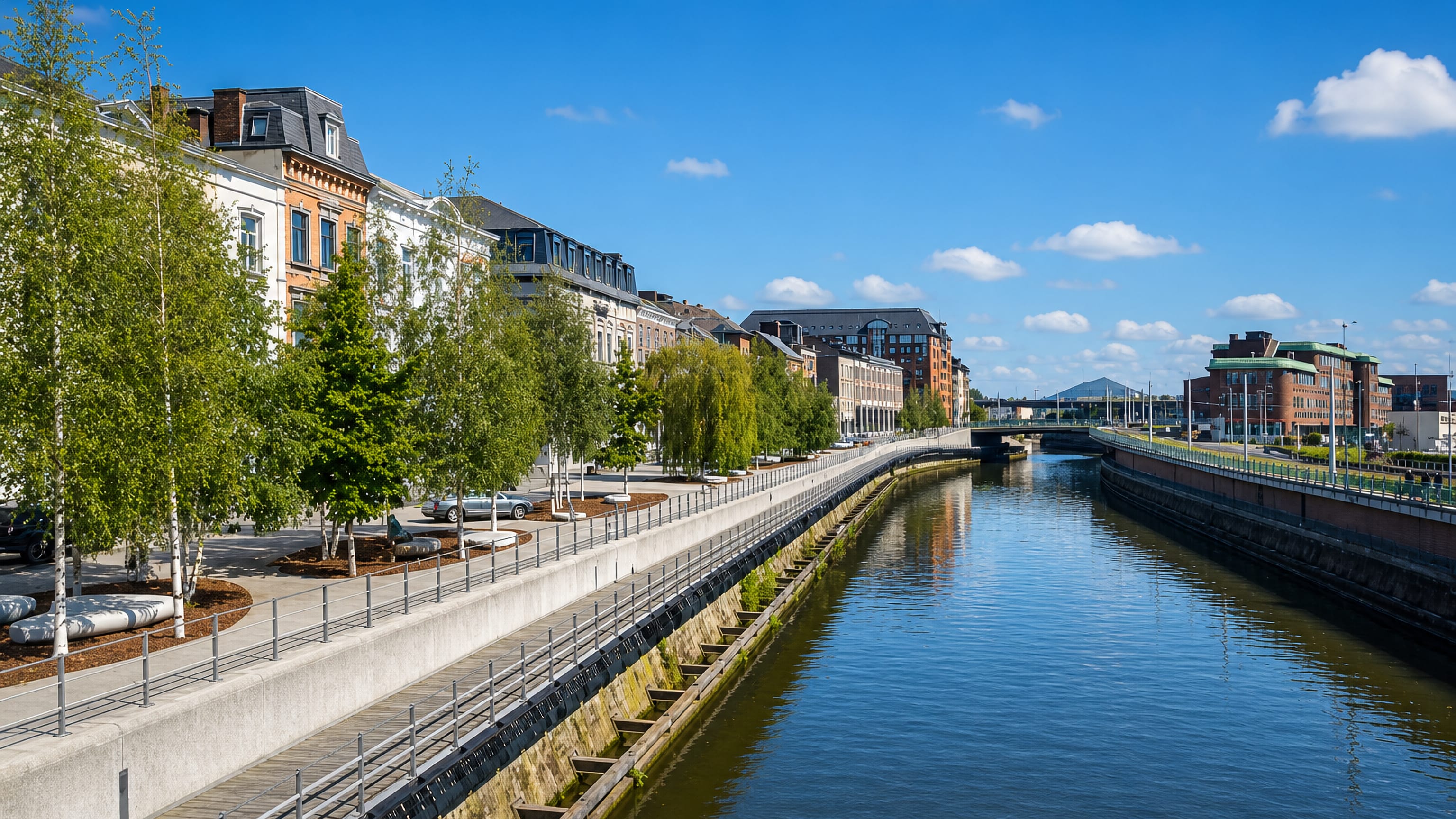
Charleroi covers a broad municipality rather than one compact old town, so the choice of base decides how much of a day goes to moving between districts. The Sambre riverside is the quieter alternative. The walk in follows the water rather than the traffic, and the museums, restaurants, and river crossings of the centre stay within easy reach.
Marcinelle sits away from the centre, near the Tumulus of Marcinelle, and works best for travellers with a car who want space and easier parking. Couillet is the other outlying option, gathered around the Église Saint-Laurent de Couillet. Lodging thins noticeably in Couillet.
Both fringe districts lean residential, so evenings mean a ride back toward the belfry and the halls of the centre, while daytime driving toward the smaller towns of Hainaut and the border with France gets easier.
Find hotels in Charleroi
Direct booking searches for these neighbourhoods.
Belfry and the city centre
The Belfry of Charleroi, the Musée des beaux-arts de Charleroi, and the Sambre bridges all sit within a few streets.Find hotels in Belfry and the city centrea quieter base inside the walking radius of the centreSambre riverside
Water on one side and the Palais des Beaux Arts de Charleroi on the other, with the through traffic left behind.Find hotels in Sambre riversidedrivers wanting space near the Tumulus of MarcinelleMarcinelle
Residential streets out from the centre, the Tumulus of Marcinelle nearby, and easier room for a car. Lodging is scarce in this area; reserve in advance.Find hotels in Marcinelleonward driving toward the border with FranceCouillet
An outlying district gathered around the Église Saint-Laurent de Couillet, with few rooms and quick road access. Rooms are few around here — worth securing early.Find hotels in CouilletHotel links are affiliate links: booking through them may earn us a commission, at no extra cost to you. It never affects how places are ranked. How this works
Things to do in Charleroi
Ranked by global recognition; descriptions from Wikidata (CC0).
Museums & Galleries
2- Palais des Beaux Arts de Charleroi
- Musée des beaux-arts de Charleroi
Churches & Religious Sites
3- Église Saint-Laurent de Couillet Heritage
- Eglise protestante de Charleroi Heritage
- Église Sainte-Barbe
Castles & Historic Sites
1- Tumulus of Marcinelle Heritage
Landmarks & Notable Places
6- Maison Dorée (Charleroi) Heritage
- Maison des médecins Heritage
- Maison La Fleur (Charleroi) Heritage
- Maison Dermine Heritage
- Maison du Bailli Heritage
Show 1 more →
- Maison Bertinchamps (Charleroi) Heritage
worth knowingacross 4 categories in Charleroi
About Charleroi
Coal made Charleroi.
What is Charleroi known for?
The largest city of both Hainaut and Wallonia grew as a mining town on the Sambre, and the museums, halls, and civic buildings of that era still set the tone of its centre. The Belfry of Charleroi marks the skyline. Art carries much of the rest, held between the Musée des beaux-arts de Charleroi and the Palais des Beaux Arts de Charleroi.
What are the main landmarks in Charleroi?
The Belfry of Charleroi is the signature tower, the marker most arrivals fix on first. Churches account for much of the listed fabric, among them the Église Sainte-Barbe, the Eglise protestante de Charleroi, and the Église Saint-Laurent de Couillet. Art has two addresses.
The Musée des beaux-arts de Charleroi holds the collections, while the Palais des Beaux Arts de Charleroi gives the city its main hall. Older ground survives at the Tumulus of Marcinelle, and townhouses such as the Maison Dorée and the Maison du Bailli keep the street architecture on the record.
What is the history of Charleroi?
Coal built the modern city. Long before the pits, the ground here was already in use, and the Tumulus of Marcinelle stands as a burial mound left by people who worked this stretch of the Sambre. The river gave the valley its water and its road.
Everything that followed was laid out along it. Mining and metal turned Charleroi into the largest city of Hainaut and of Wallonia, drawing labour into the valley and spreading the municipality across districts such as Marcinelle and Couillet. That century of industry left the fabric the place still shows.
The Belfry of Charleroi rises over the centre, the Maison Dorée and the Maison Bertinchamps sit among the listed townhouses, and the Église Sainte-Barbe stands with the parish churches of the working quarters. Rue Zénobe Gramme keeps a run of the same period's housing, and the Maison du Bailli, the Maison Lequy, and the Maison Charlier are recorded from that stock as well. Then the mines closed.
Reputation in Belgium turned against the city, shaped by the pollution and decline that came with the end of heavy industry, and the emptied works left gaps that the valley has been filling since. Charleroi remains the largest city on the Sambre, and the Palais des Beaux Arts de Charleroi and the Musée des beaux-arts de Charleroi carry its cultural weight into the years after coal.
Where is Charleroi?
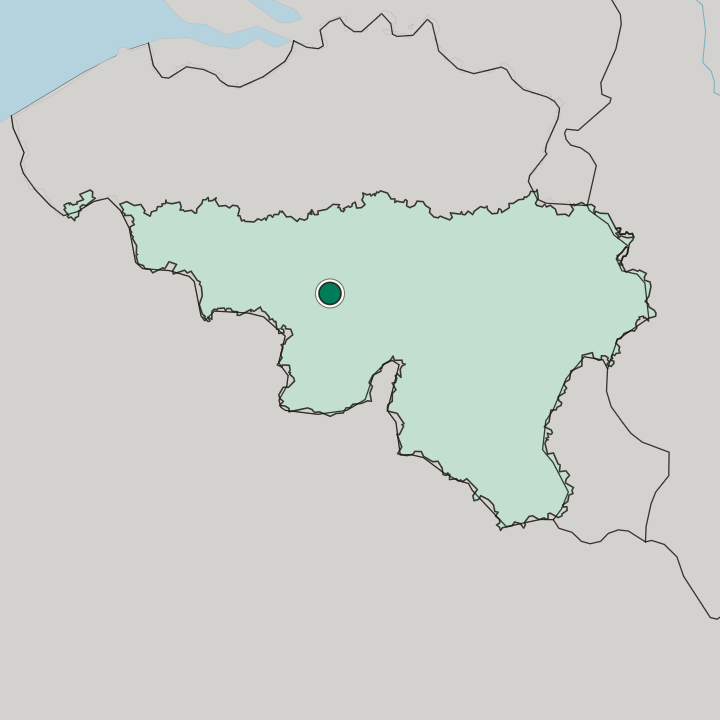
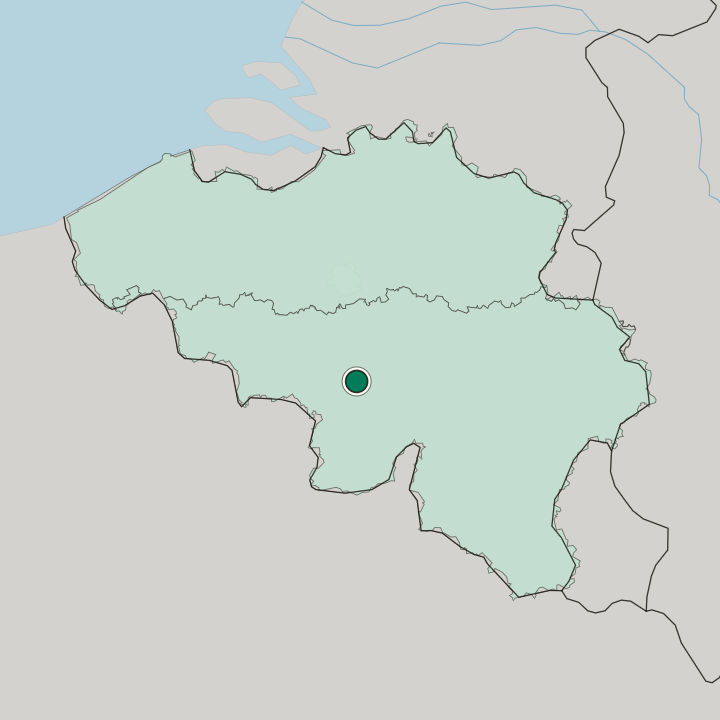
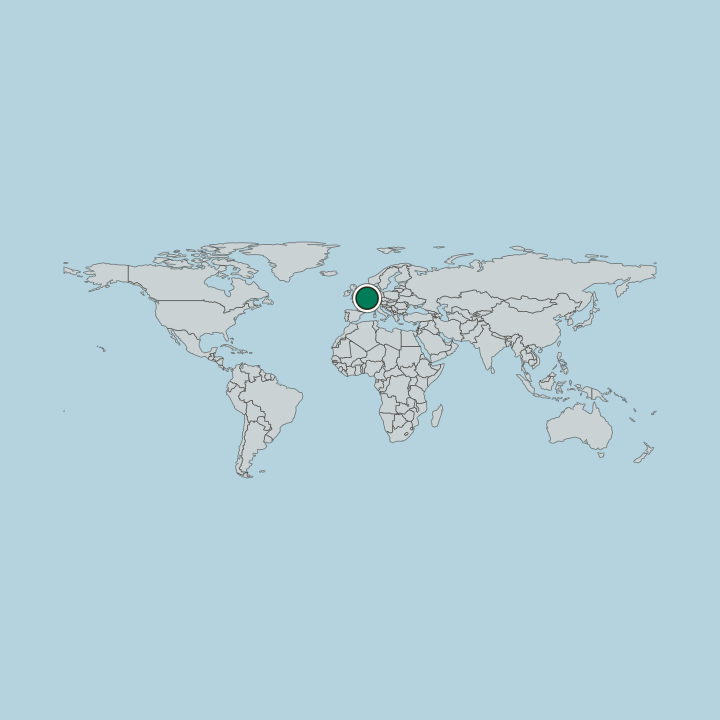
Charleroi occupies the valley of the Sambre, in the province of Hainaut. The river runs through the middle of a municipality that spreads well beyond its old centre to take in districts such as Marcinelle and Couillet. Hainaut lies within Wallonia.
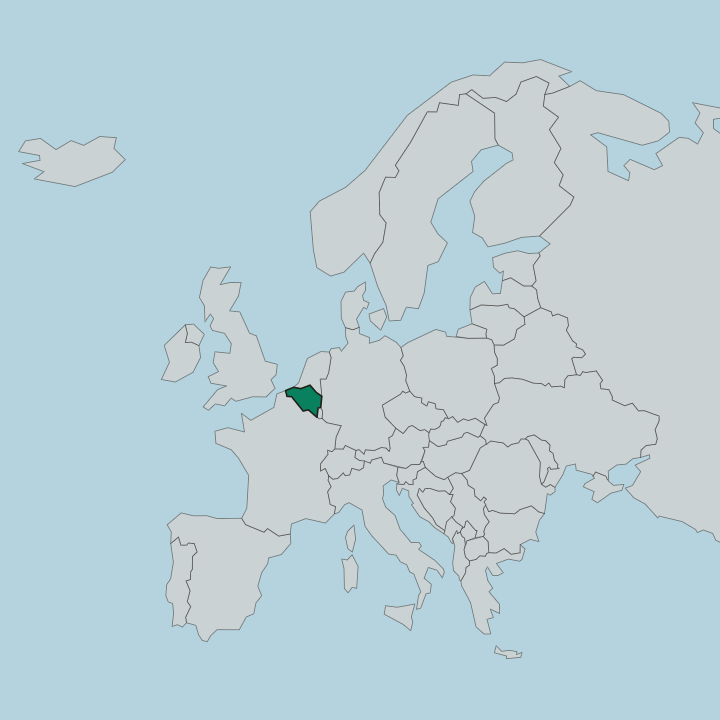
The border with France is not far off, while the larger Belgian cities of Brussels, Liège, Antwerp, and Ghent all lie farther across the country.
What is the climate of Charleroi?
Charleroi lies in the temperate band of western Europe, where the seasons turn gradually and neither the summer warmth nor the winter cold reaches the extremes that would shape a working year. Overcast skies are the norm. Rain spreads thinly across the calendar instead of arriving in one wet season, and the low ground along the Sambre holds damp air on still mornings.
Winters bring some snow.
How do you get to Charleroi?
Charleroi is the road and rail focus of the Sambre valley. Routes follow the river through Hainaut, running on toward Brussels and Liège and toward the border with France, so arrival by land is straightforward from most directions. Local services tie the outer districts, Marcinelle and Couillet among them, back into the centre.
The valley keeps the traffic together.
Common questions
What is the best area to stay in Charleroi?
Belfry and the city centre: museums and walkable evenings under the Belfry of Charleroi. Sambre riverside: a quieter base inside the walking radius of the centre. Marcinelle: drivers wanting space near the Tumulus of Marcinelle. Couillet: onward driving toward the border with France.
Good for
More cities in Wallonia
Updated October 2026