Belgium · Wallonia
Where to Stay in Mouscron, Wallonia
Mouscron presses against the border with Tourcoing, a town of Hainaut whose churches carry names in both French and Dutch.
Hotel links are affiliate links: booking through them may earn us a commission, at no extra cost to you. It never affects how places are ranked. How this works


Where to stay in Mouscron
How the choice of base plays out on the ground.
The centre around the Château des Comtes carries most of the beds, with the Église du Sacré-Cœur de Mouscron and the shops inside the same short walk. It suits you if the trip is a cross-border one, since Tourcoing and the Lille metropolitan area open up from here without a long drive. Beds run out fast.
Mouscron is a working town rather than a tourist one, so the choice of base is a practical matter of distance to the frontier, to the station, and to the churches that give each quarter its name. Luingne offers the quieter option. The Église Saint-Amand de Luingne marks it, and the streets there suit drivers and longer stays, with parking simple and the centre a few minutes off.
Nearer the frontier, blocks within sight of Tourcoing appeal to anyone whose business sits on the French side, though the trade is traffic at the crossings through the working week. The Église de la Sainte-Famille quarter is the third choice, residential and quiet, better for a week than for a night. De Sjouwer and the Maagd der Armenkerk are close enough to fold into the same stay.
Pick by which side of the line matters.
Find hotels in Mouscron
Direct booking searches for these neighbourhoods.
Centre by the Château des Comtes
Most of the town's rooms sit here, with the Église du Sacré-Cœur de Mouscron and the shops on the same few streets.Find hotels in Centre by the Château des Comtesdrivers and longer stays by the Église Saint-Amand de LuingneLuingne
A separate old core around the Église Saint-Amand de Luingne, with parking simple and the centre minutes away. Lodging is scarce in this area; reserve in advance.Find hotels in Luingnebusiness on the French side of the frontierStreets facing Tourcoing
Within sight of Tourcoing and the Lille metropolitan area, at the cost of queues at the crossings on weekdays. Lodging is scarce in this area; reserve in advance.Find hotels in Streets facing Tourcoinga residential week rather than one nightSainte-Famille quarter
Quiet blocks around the Église de la Sainte-Famille, away from the frontier traffic and the centre's noise. Few places to stay nearby — book ahead.Find hotels in Sainte-Famille quarterHotel links are affiliate links: booking through them may earn us a commission, at no extra cost to you. It never affects how places are ranked. How this works
Things to do in Mouscron
Ranked by global recognition; descriptions from Wikidata (CC0).
Churches & Religious Sites
3- Maagd der Armenkerk Heritage
- Église du Sacré-Cœur de Mouscron
- Église de la Sainte-Famille
Castles & Historic Sites
1- Château des Comtes Heritage
worth knowingacross 2 categories in Mouscron
About Mouscron
Mouscron lives against a border.
What is Mouscron known for?
Its streets run up to Tourcoing and the Lille metropolitan area beyond, so the town belongs as much to a cross-border conurbation as to Hainaut, and that double life is what marks it out. The Château des Comtes is its landmark. Churches fill the rest of the record, from the Église du Sacré-Cœur de Mouscron to the Sint-Corneliuskerk.
What are the main landmarks in Mouscron?
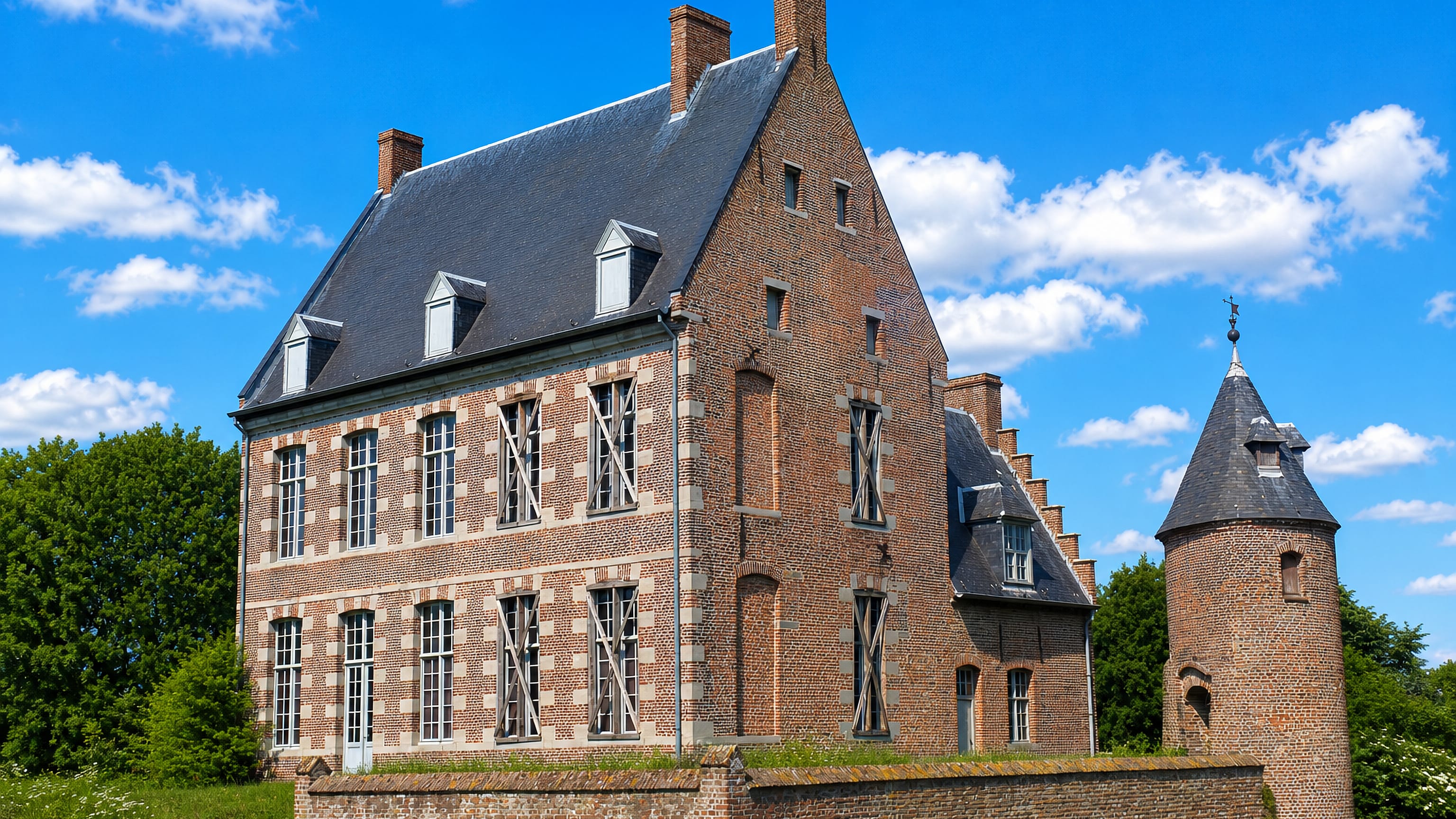
The Château des Comtes is the oldest thing standing. Around it the parish churches carry the town's names in two languages: the Église de la Sainte-Famille, the Église du Sacré-Cœur de Mouscron, the Sint-Corneliuskerk, and the Maagd der Armenkerk. De Sjouwer belongs to the same list.
Luingne keeps a church of its own, the Église Saint-Amand de Luingne, a reminder that this municipality gathers several older settlements instead of one.
What is the history of Mouscron?
The frontier came late; the settlements came first. Mouscron and Luingne each grew around a parish church, and the Église Saint-Amand de Luingne still marks one of those cores, while the municipality carrying both names took shape long afterwards. The Château des Comtes is the surviving seat of that earlier order.
Its walls predate the frontier traffic and the housing that eventually joined the villages into a single town. Language left its mark on the record. The Sint-Corneliuskerk, the Maagd der Armenkerk, and De Sjouwer carry Dutch names, while the Église de la Sainte-Famille and the Église du Sacré-Cœur de Mouscron carry French ones, and both sets belong to the same municipality of Hainaut.
The border did the rest. Tourcoing grew into the Lille metropolitan area on the far side, and this town's streets ran up to meet it, tying local fortunes to a conurbation that crosses the line between Wallonia and France. That is the shape it keeps.
A Walloon city whose daily orbit reaches past the frontier, with a château, a handful of churches, and two languages on its list of monuments.
Where is Mouscron?
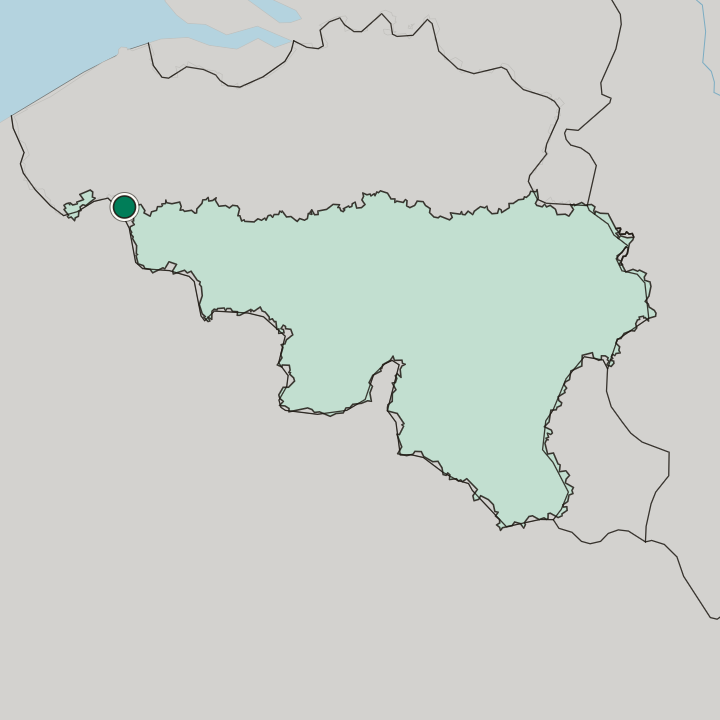
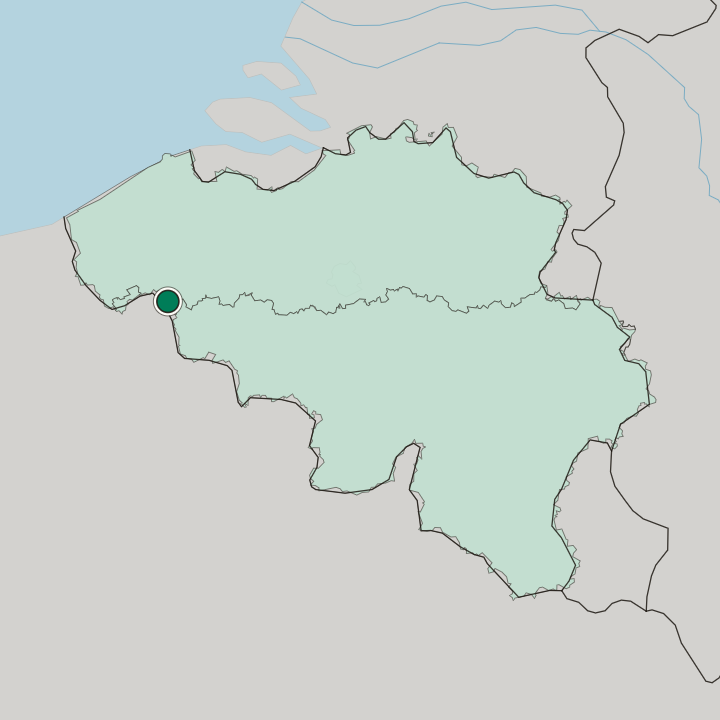
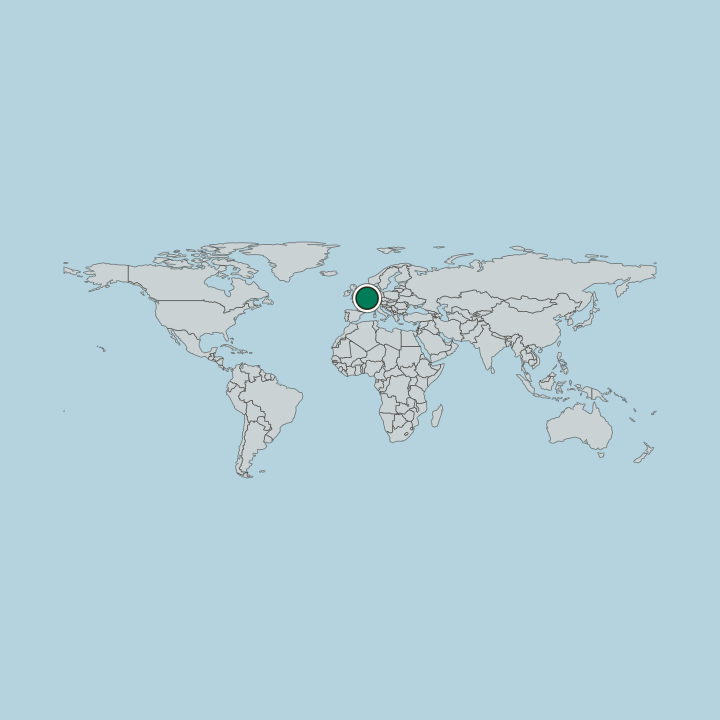
Mouscron occupies the outer edge of Hainaut, at the point where Wallonia stops and Tourcoing begins. The municipality is small and built up. Luingne and the outer quarters lie within a few minutes of the centre, and past them the Lille metropolitan area spreads across the French side, which puts a city of that scale within easy reach of a town of this one.
What is the climate of Mouscron?
Mouscron shares its weather with the Lille metropolitan area next door. The temperate band keeps summers mild and winters soft, with cloud and drizzle far more common than either heat or hard frost, so the day matters more here than the season. Rain gear rarely stays in the bag.
Church interiors and the Château des Comtes are the fallback when rain settles in for an afternoon.
How do you get to Mouscron?
Most people arrive across the border. Tourcoing lies directly on the other side, with the Lille metropolitan area behind it, so a great deal of the traffic reaching Mouscron comes from the French side rather than from within Wallonia. Roads through Hainaut do the rest.
Distances inside the town are short, which makes the Château des Comtes, the Église du Sacré-Cœur de Mouscron, and the quarter of Luingne quick to reach once the frontier is behind.
Common questions
What is the best area to stay in Mouscron?
Centre by the Château des Comtes: a short stay with the Château des Comtes in walking range. Luingne: drivers and longer stays by the Église Saint-Amand de Luingne. Streets facing Tourcoing: business on the French side of the frontier. Sainte-Famille quarter: a residential week rather than one night.
Good for
More cities in Wallonia
Updated October 2026