Belgium · Wallonia
Where to Stay in La Louvière, Wallonia
La Louvière is a Walloon city of museums, where Keramis Centre De La Céramique and the Musée Ianchelevici sit among old parish quarters.
Hotel links are affiliate links: booking through them may earn us a commission, at no extra cost to you. It never affects how places are ranked. How this works


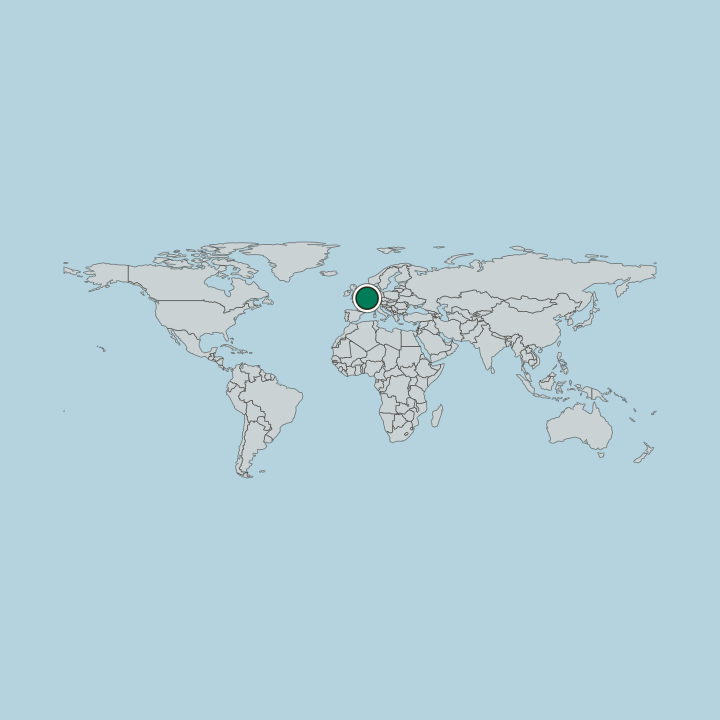
Where to stay in La Louvière
Where visitors usually base themselves, and why.
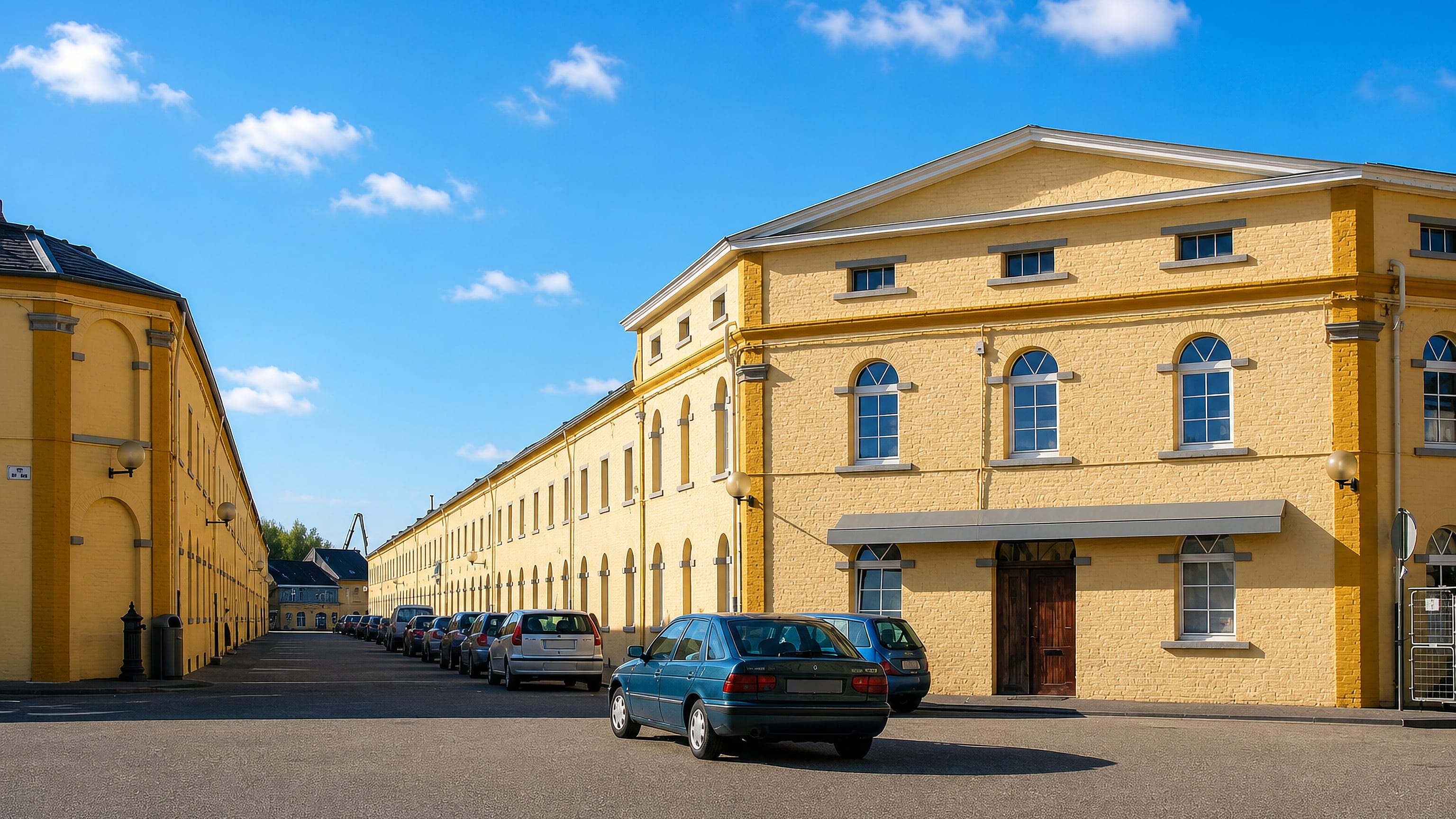
The centre is where the beds are, within walking reach of Keramis Centre De La Céramique and the Musée Ianchelevici, with the shops close enough that a car can stay parked. It suits you if the museums are the reason for coming. Hotel choice around Keramis is short.
La Louvière is a working municipality rather than a resort, so the choice is less about views than about how far you want to be from the galleries. Saint-Vaast offers the quieter side, gathered around the église de Saint-Vaast, with residential streets and simple parking. Mariemont is the other pull.
Anyone planning a slow day at the Royal Museum of Mariemont can stay out that way and reach the collection without crossing the city first, which suits drivers and families more than it suits a short museum-hopping trip. Bois-d'Haine lies farther out again, around the église Saint-Jean-Baptiste de Bois-d'Haine, and works only with a car. Beds are scarce there.
Distances between quarters are real, so pick the base by the museum that matters most and keep the others as day trips. Two nights cover all three.
Find hotels in La Louvière
Direct booking searches for these neighbourhoods.
Centre by Keramis
Keramis Centre De La Céramique and the Musée Ianchelevici are both a short walk off, and most of the city's rooms sit here.Find hotels in Centre by Keramisa residential base beside the église de Saint-VaastSaint-Vaast
Quiet streets around the église de Saint-Vaast, with parking simple and the galleries a short drive off. Beds are limited here, so book early.Find hotels in Saint-Vaasta slow day at the Royal Museum of MariemontMariemont
Out beside the Royal Museum of Mariemont, so the collection opens the day rather than ending it. Lodging is scarce in this area; reserve in advance.Find hotels in Mariemontdrivers happy at the edge of the municipalityBois-d'Haine
The église Saint-Jean-Baptiste de Bois-d'Haine marks this outlying quarter, which needs a car for everything. Lodging is scarce in this area; reserve in advance.Find hotels in Bois-d'HaineHotel links are affiliate links: booking through them may earn us a commission, at no extra cost to you. It never affects how places are ranked. How this works
Things to do in La Louvière
Ranked by global recognition; descriptions from Wikidata (CC0).
Museums & Galleries
3- Royal Museum of Mariemont
- Musée Ianchelevici
- Keramis Centre De La Céramique
Churches & Religious Sites
2- église de Saint-Vaast Heritage
- église Saint-Jean-Baptiste de Bois-d'Haine
worth knowingacross 2 categories in La Louvière
About La Louvière
Ceramics come first here.
What is La Louvière known for?
Keramis Centre De La Céramique gives the craft a permanent home, and the Musée Ianchelevici and the Royal Museum of Mariemont add collections that few cities of this size keep. Parish churches mark the older quarters, the église de Saint-Vaast among them. Art carries the rest of a visit.
What are the main landmarks in La Louvière?
Keramis Centre De La Céramique anchors the centre, a museum built around ceramics. The Musée Ianchelevici holds a second collection under an artist's name. Two churches carry the older parish names, the église de Saint-Vaast and the église Saint-Jean-Baptiste de Bois-d'Haine, each still the marker of its own quarter.
Mariemont is the outlier. The Royal Museum of Mariemont takes a visit of its own, and its holdings are the reason many travellers reach La Louvière at all.
What is the history of La Louvière?
Ceramics run through the record. Keramis Centre De La Céramique exists because the making of pottery here was large enough to leave a museum behind it, and that trade is the thread the modern city hangs its story on. Older than the kilns are the parishes.
The église de Saint-Vaast and the église Saint-Jean-Baptiste de Bois-d'Haine carry village names, and each still marks a quarter that the municipality later grew around. Collecting came next. The Royal Museum of Mariemont carries the heaviest holding attached to La Louvière, and its collection pulls visitors out from the centre to Mariemont itself.
The Musée Ianchelevici added a second museum in the town, built around one name and the work behind it. Ianchelevici is remembered that way, through a house of art rather than a monument. Three museums is a great deal for a city of this size.
The place that resulted is spread rather than centred, a set of named quarters, Saint-Vaast and Bois-d'Haine and Mariemont among them, attached to one municipality instead of to a single old core. That concentration is the clearest thing the record leaves: a working Walloon city that kept its parish churches, made its name in ceramics, and now holds three public collections.
Where is La Louvière?
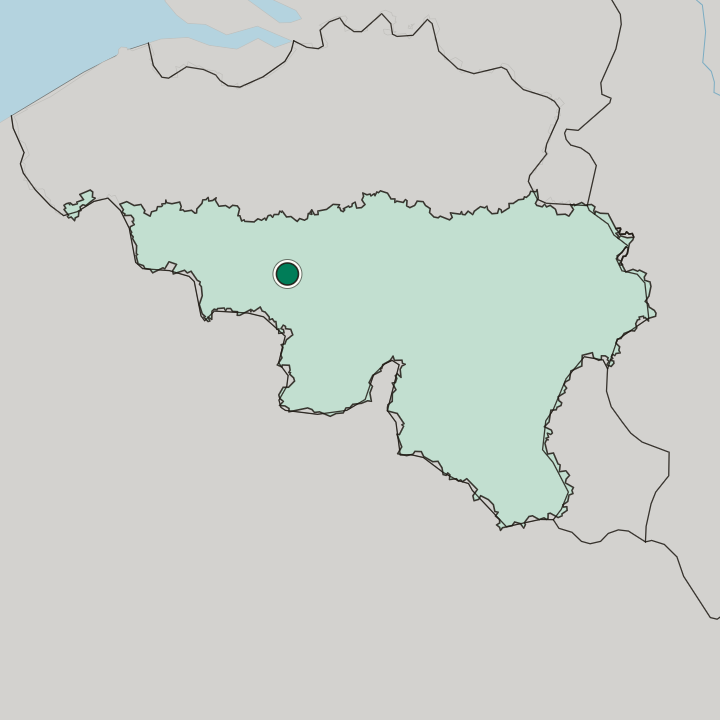
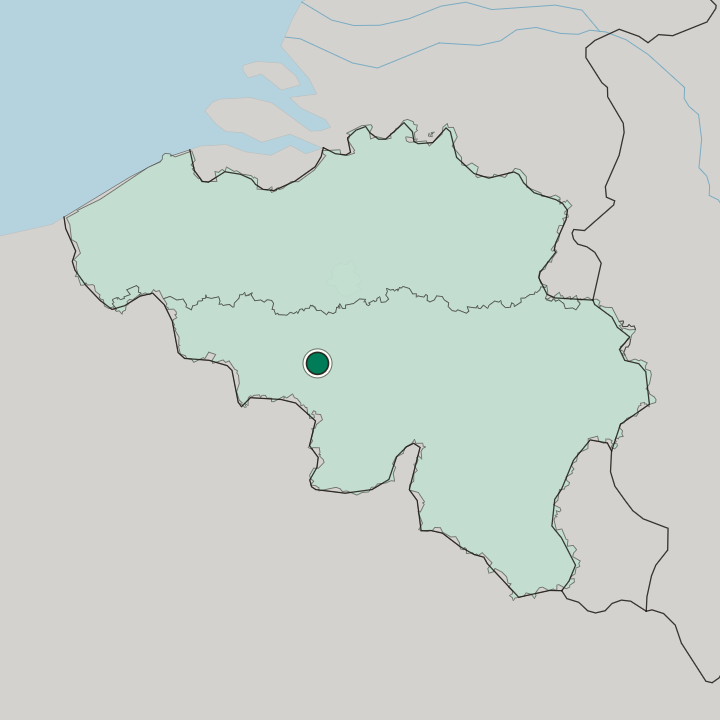
La Louvière covers a wide municipality in Wallonia rather than one tight town. Saint-Vaast, Bois-d'Haine, and Mariemont all fall inside it, each holding a church or a collection of its own, so distance here is counted between quarters instead of between streets. Two of the three museums are central.
Keramis Centre De La Céramique and the Musée Ianchelevici stand in the built-up middle, while the Royal Museum of Mariemont sits away from them at Mariemont.
What is the climate of La Louvière?
Seasons here move without extremes. La Louvière sits in the temperate band, so summer warmth arrives moderately and winter cold rarely settles for long, while rain is spread through the calendar rather than saved for one season. Grey skies rule the darker months.
Walking between Keramis Centre De La Céramique and the Musée Ianchelevici stays comfortable in most weather, which is part of why the museums make good winter days out in Wallonia.
How do you get to La Louvière?
Most visitors drive into La Louvière. La Louvière sits inside the Walloon road network, and the museums, rather than an old gate or a harbour, are what most visitors aim for once they reach the centre. The middle is walkable.
Keramis Centre De La Céramique and the Musée Ianchelevici are close enough to cover on foot, while the Royal Museum of Mariemont and the église Saint-Jean-Baptiste de Bois-d'Haine sit far enough out to want a car.
Common questions
What is the best area to stay in La Louvière?
Centre by Keramis: museum days on foot from Keramis Centre De La Céramique. Saint-Vaast: a residential base beside the église de Saint-Vaast. Mariemont: a slow day at the Royal Museum of Mariemont. Bois-d'Haine: drivers happy at the edge of the municipality.
Good for
More cities in Wallonia
Updated October 2026