Belgium · Wallonia
Where to Stay in Liège, Wallonia
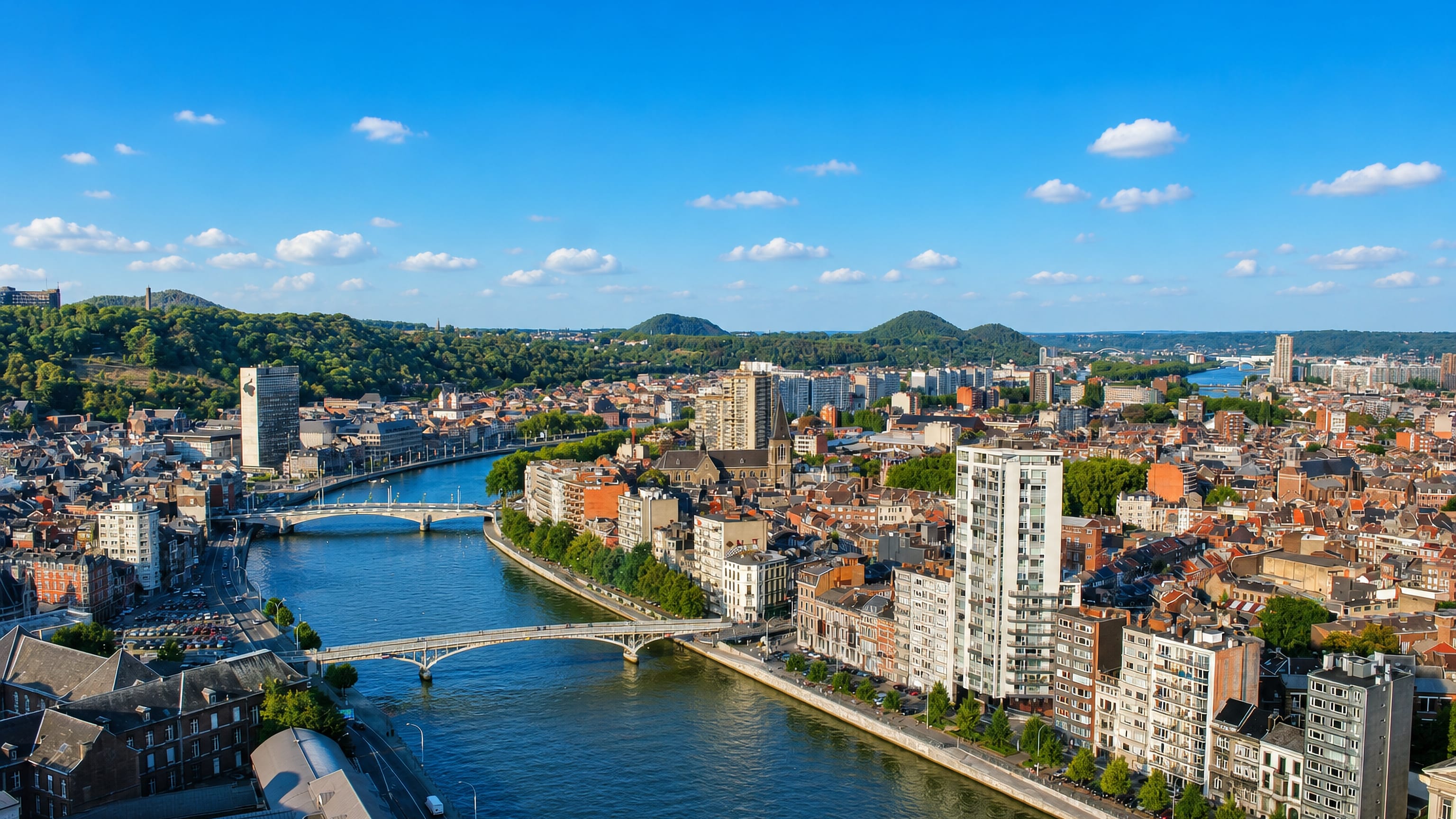
Liège fills the valley of the Meuse where the Ourthe comes in, a cathedral city and the working heart of Wallonia since around 800.
Hotel links are affiliate links: booking through them may earn us a commission, at no extra cost to you. It never affects how places are ranked. How this works


Where to stay in Liège
Where visitors usually base themselves, and why.
The cathedral quarter is the first choice for most visitors, a few streets from Liège Cathedral, the Liège Cathedral Treasury, and the Curtius Museum along the Meuse. Rooms cluster here. It suits you if you want the churches, the museums, and dinner inside one walk, and if you would rather not think about parking in a valley city of narrow older streets.
Liège rewards two or three nights, since the Museum of Walloon Life, the Archéoforum, and the Aquarium-Muséum each deserve a separate half-day rather than a rushed hour. The Meuse bank around La Boverie gives a calmer base. It puts water on one side and the art hall on the other, and the walk back into the centre stays short enough to do after dark.
Sart-Tilman is different again, out beyond the built-up city, and suits drivers who want quiet with the Open air museum of Sart-Tilman on the doorstep. Very few beds sit that far out. The streets near the Liège Charterhouse make a third option, residential and away from the noise, best for a longer stay that does not need the centre every evening.
Pick by the walk you want.
Find hotels in Liège
Direct booking searches for these neighbourhoods.
Cathedral quarter
Liège Cathedral, its Treasury, and the Curtius Museum stand within a few streets of the Meuse quays.Find hotels in Cathedral quarteran art-and-water base on the MeuseLa Boverie riverside
The art hall of La Boverie on one side and the river on the other, a short walk back into the centre after dark.Find hotels in La Boverie riversidedrivers wanting quiet by the Open air museum of Sart-TilmanSart-Tilman
Beyond the built-up city, with the Open air museum of Sart-Tilman close and the car doing the rest. Few places to stay nearby — book ahead.Find hotels in Sart-Tilmana longer, residential stay off the centreNear the Liège Charterhouse
Quiet streets around the Liège Charterhouse for visitors who do not need the museums every evening. Beds are limited here, so book early.Find hotels in Near the Liège CharterhouseHotel links are affiliate links: booking through them may earn us a commission, at no extra cost to you. It never affects how places are ranked. How this works
Things to do in Liège
Ranked by global recognition; descriptions from Wikidata (CC0).
Museums & Galleries
3- Musée Wittert Heritage
- Curtius Museum
- La Boverie
Churches & Religious Sites
6- Liège Cathedral Heritage
- St James's Church Heritage
- Church of St. Denis (Liège) Heritage
- Holy Cross Church, Liège Heritage
- Church of Saint John the Evangelist Heritage
Show 1 more →
- église du Saint-Sacrement Heritage
Stadiums & Sports
1- Académie royale liégeoise de billard Heritage
Landmarks & Notable Places
3- Cybernetic Light Tower Heritage
- Hôtel Verlaine, Liège Heritage
- Maison Magis Heritage
worth knowingacross 4 categories in Liège
About Liège
Liège is the Meuse city.
What is Liège known for?
Its cathedral, its museums, and its river frontage belong to the principal economic and cultural centre of Wallonia, a role the city kept after the furnaces of the sillon industriel went cold. Art sits on the water at La Boverie. The Curtius Museum, the Museum of Walloon Life, and the Liège Cathedral Treasury hold the rest of the record.
What are the main landmarks in Liège?
Liège Cathedral is the anchor, with the Liège Cathedral Treasury beside it. Older churches spread through the centre, among them St James's Church, Holy Cross Church, the Church of Saint John the Evangelist, and the église du Saint-Sacrement. Museums are the city's real habit.
The Curtius Museum, the Museum of Walloon Life, the musée d'Ansembourg, and the Palais des Beaux-Arts de Liège divide art, craft, and regional life between them, while La Boverie takes the modern end and the Archéoforum the excavated ground under the centre. Two oddities stand out: the Cybernetic Light Tower and the Aquarium-Muséum.
What is the history of Liège?
The record here starts around 800. Liège grew at the meeting of the Meuse and the Ourthe, a river junction that gave the settlement its traffic and its defences long before industry reached the valley. Churches followed the water.
Liège Cathedral, St James's Church, Holy Cross Church, and the Church of Saint John the Evangelist survive as the marks of the centuries of building that gave the old centre its shape. Industry rewrote the rest. The sillon industriel, the former industrial backbone of Wallonia, ran straight through the city, and the works that came with it turned a river town into a producing one whose reach spread far along the Meuse.
That era passed. Liège is still the principal economic and cultural centre of Wallonia, and the museums holding its past are unusually thick on the ground: the Curtius Museum for the city's own collections, the Museum of Walloon Life for the region's, the Archéoforum for the excavated ground beneath the centre. La Boverie came later, an art hall out on the water.
The Liège Charterhouse and the Liège Cathedral Treasury keep the older strands of the same story in view, and the musée des transports en commun de Liège records how the valley learned to move.
Where is Liège?
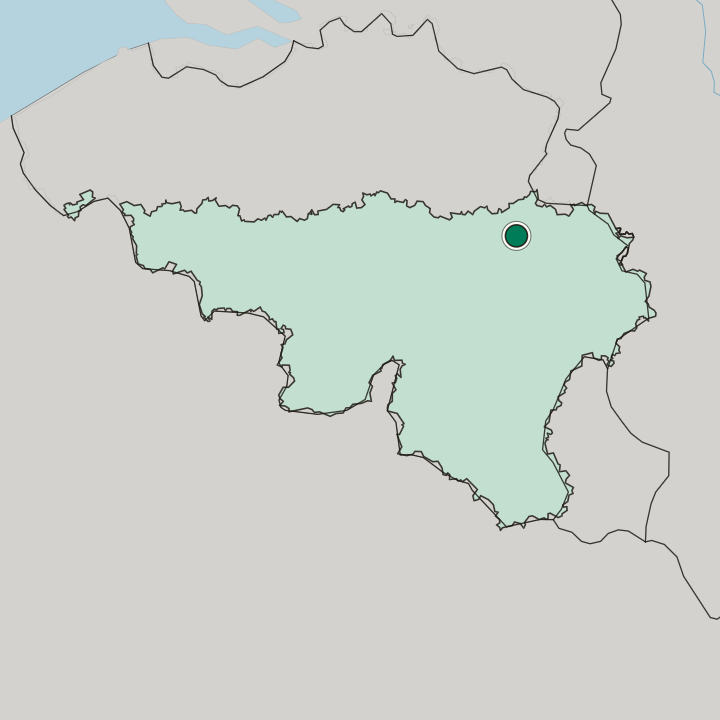
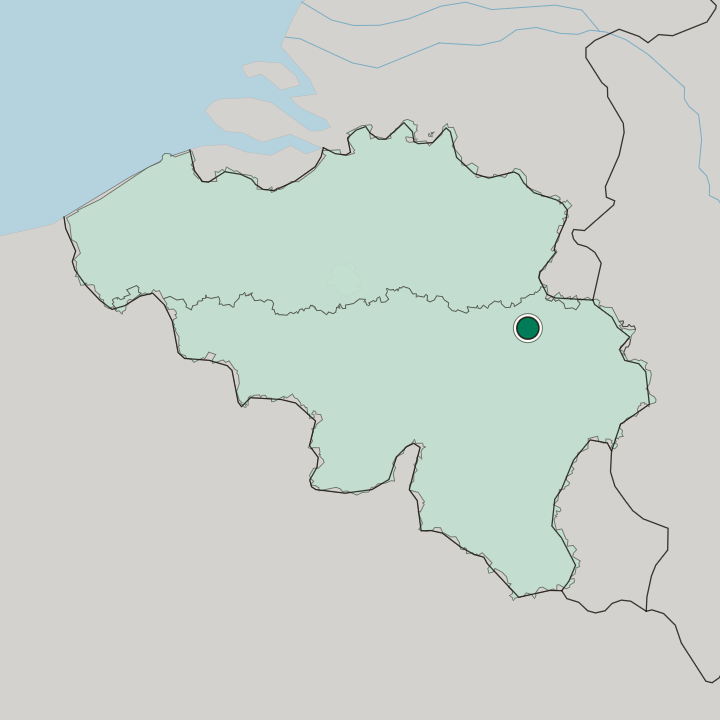
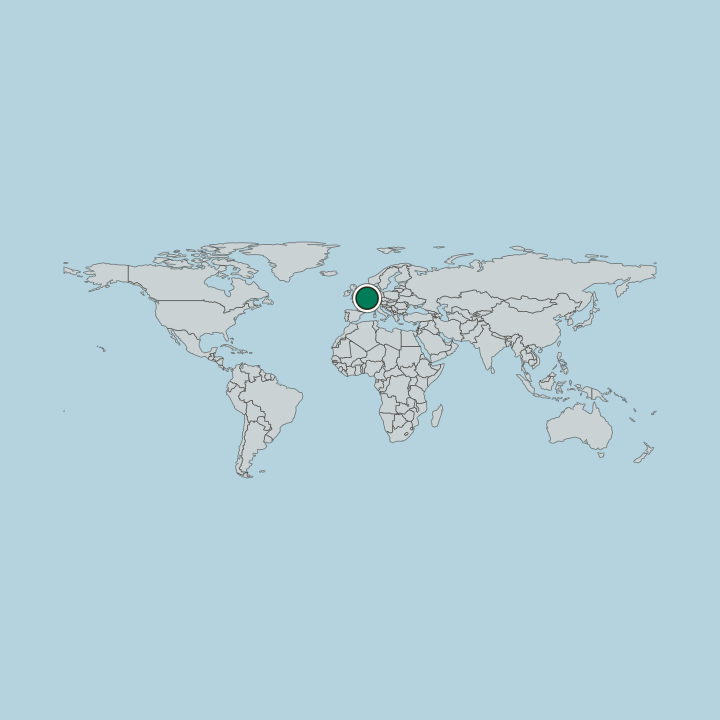
Liège holds the valley of the Meuse, at the point where the Ourthe comes in. Two rivers, one city. Wallonia surrounds it, and the borders with the Netherlands and with Germany lie close enough that this valley has served as a route as much as a place, which is also the line the sillon industriel followed through Belgium.
Sart-Tilman sits beyond the built-up centre.
What is the climate of Liège?
Rain is a constant rather than a season. Liège lies in the temperate band, and the Meuse valley channels weather along its length, so cloud and drizzle arrive readily while extremes of heat and cold stay rare. Snow seldom lasts by the river.
Museum days work all year, which is part of why the Curtius Museum, La Boverie, and the Aquarium-Muséum become the default plan in the wet months.
How do you get to Liège?
Liège is a crossing point first. Routes follow the Meuse through the valley and meet the Ourthe here, while the borders with the Netherlands and with Germany sit near enough that traffic through the city has never been purely Belgian. The centre is compact enough to walk.
Reaching Sart-Tilman or the Liège Charterhouse takes local transport, a subject the musée des transports en commun de Liège covers in its own right.
Common questions
What is the best area to stay in Liège?
Cathedral quarter: walking between Liège Cathedral and the Curtius Museum. La Boverie riverside: an art-and-water base on the Meuse. Sart-Tilman: drivers wanting quiet by the Open air museum of Sart-Tilman. Near the Liège Charterhouse: a longer, residential stay off the centre.
Good for
More cities in Wallonia
Updated October 2026