Bulgaria · Sofia-Grad
Where to Stay in Sofia, Sofia-Grad
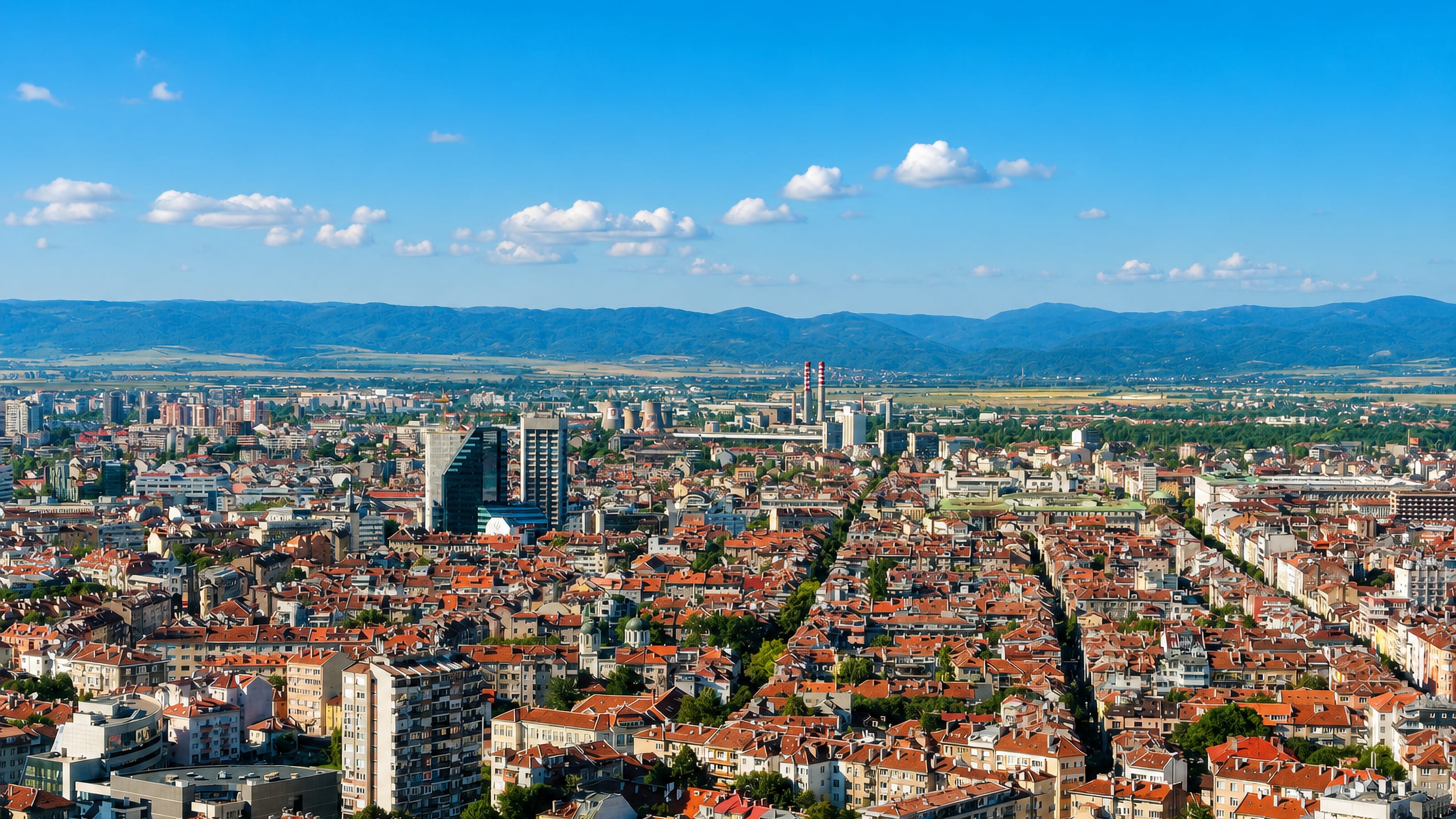
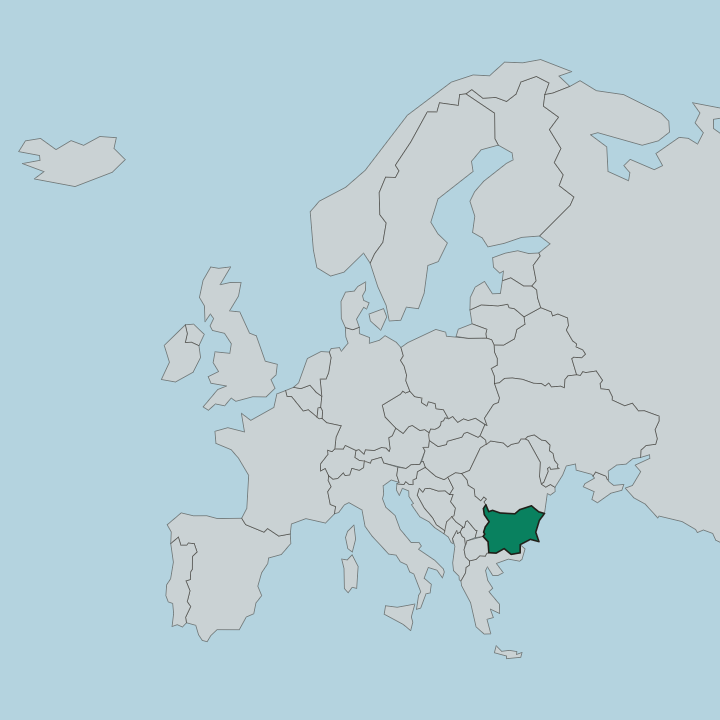
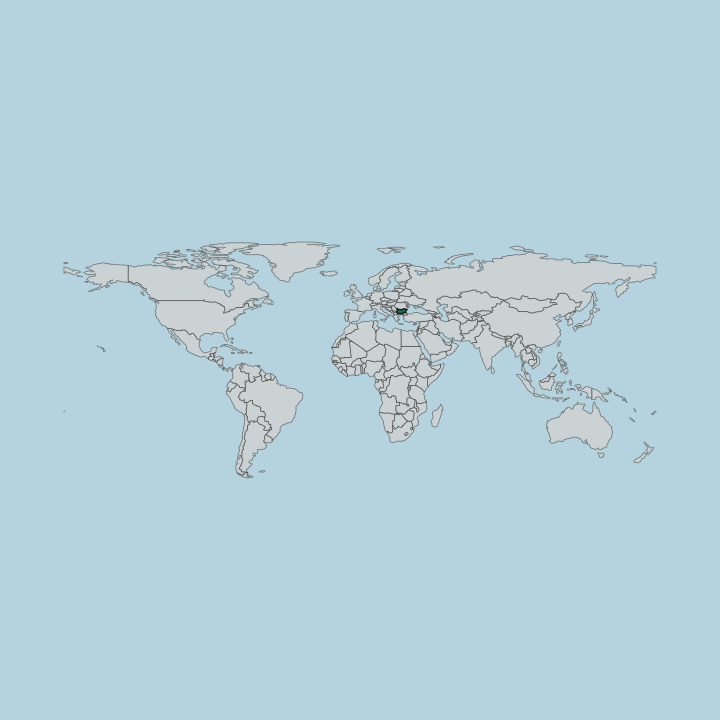
Sofia is the capital of Bulgaria, set in the Sofia Valley below Vitosha mountain, known for the Alexander Nevsky Cathedral and its mineral springs.
Hotel links are affiliate links: booking through them may earn us a commission, at no extra cost to you. It never affects how places are ranked. How this works


Where to stay in Sofia
Each area has its own feel; here's who each one suits.
 SofiaBulgaria
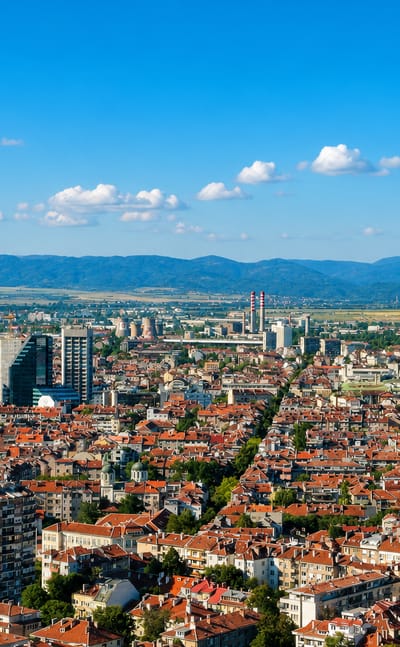
Banishora
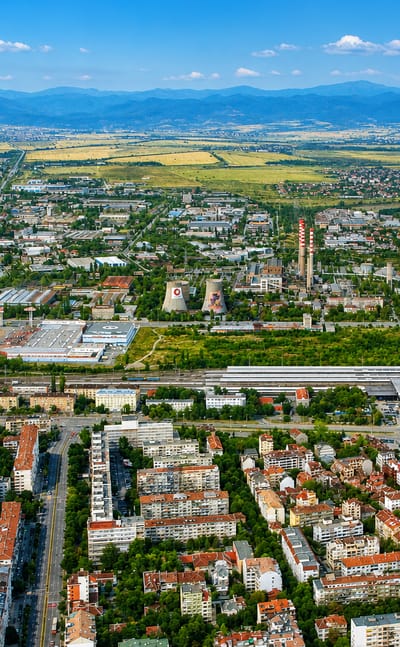
Banishora is a northwestern quarter of Sofia in the Serdika district, close to the Central Railway Station and Lavov most.Banishora →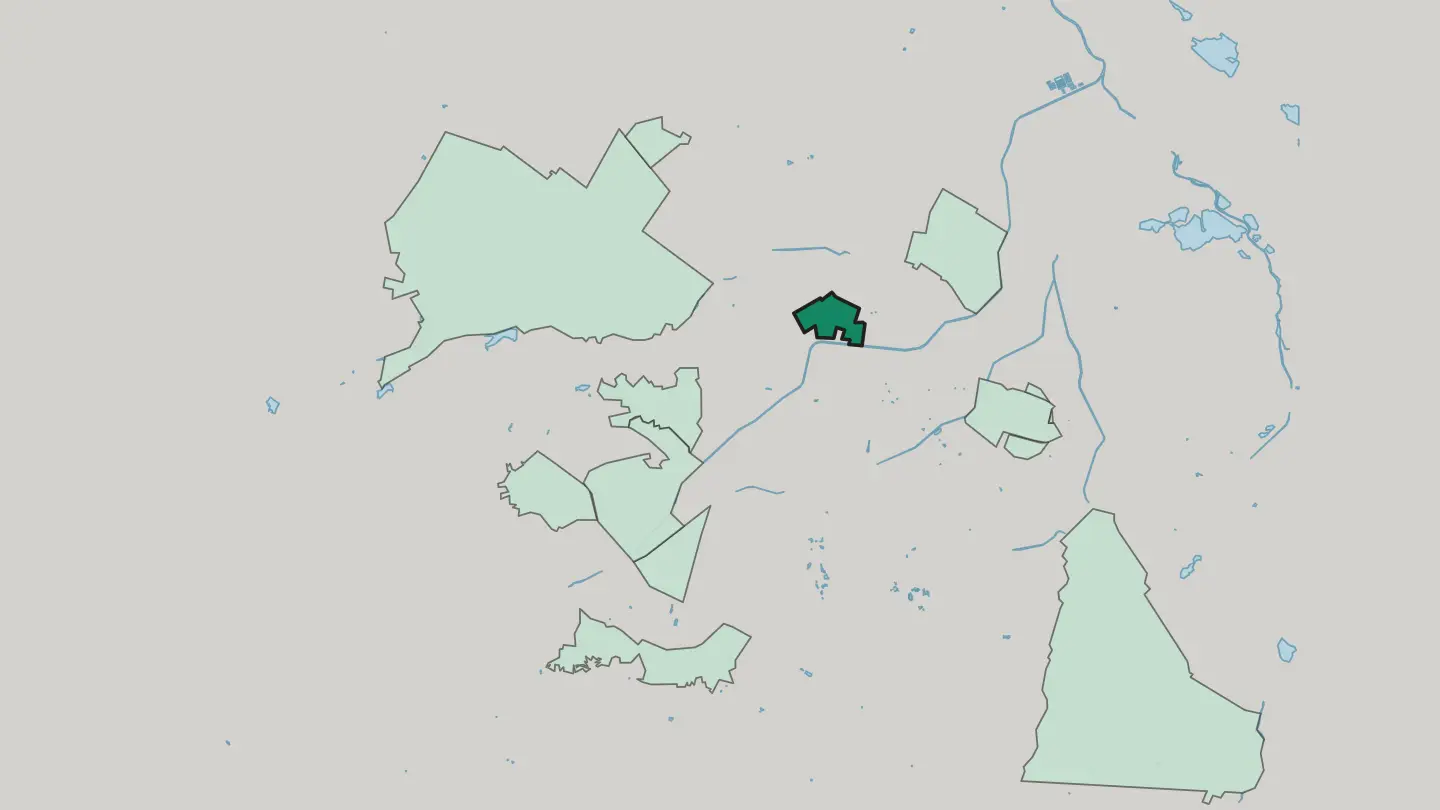
 SofiaBulgaria
Poduyane
Poduyane, also spelled Poduene, is a residential district on the northeastern edge of Sofia, Bulgaria, gathered from several older microregions.Poduyane →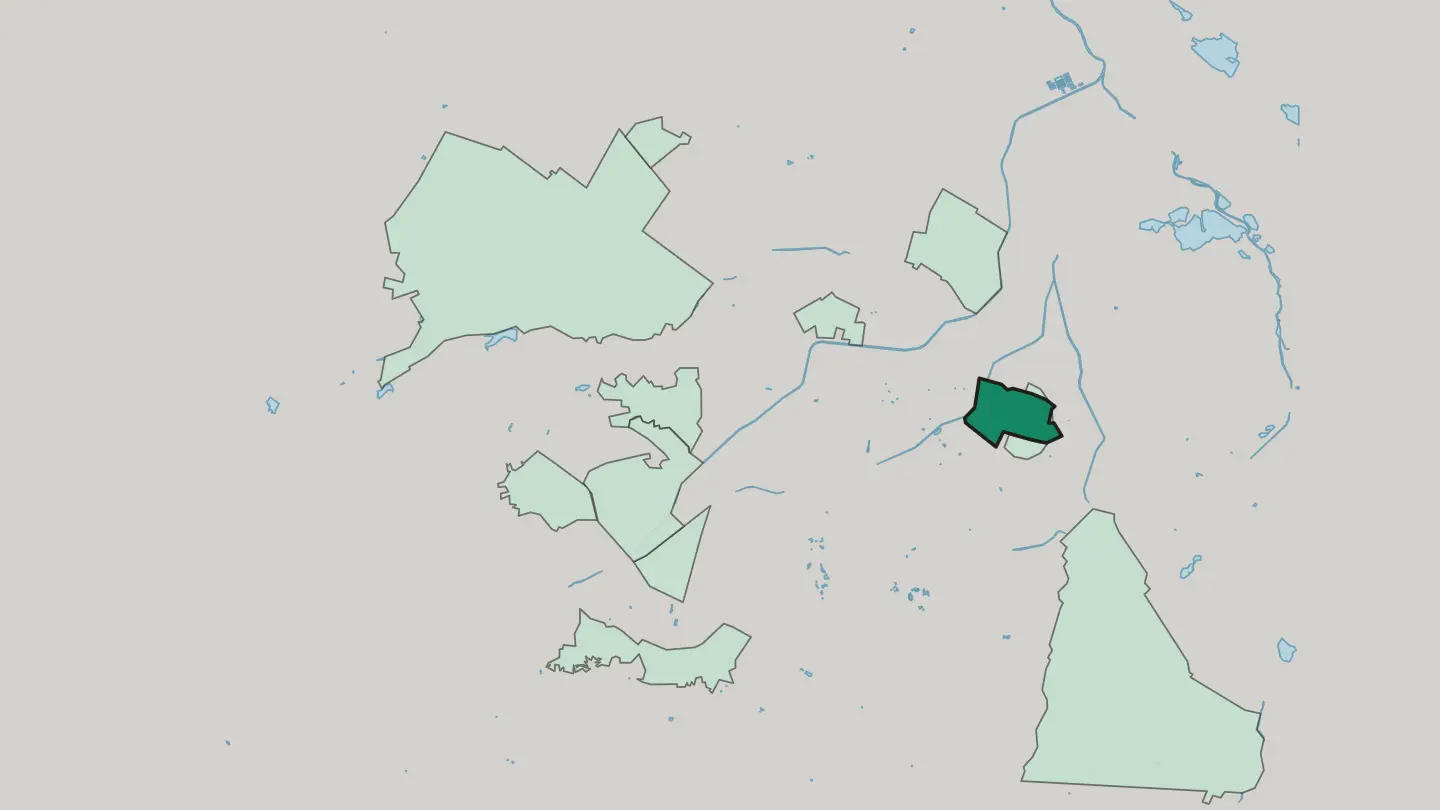 SofiaBulgaria
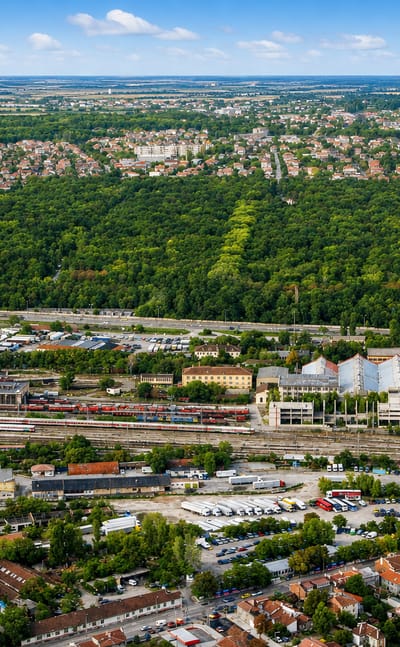
Reduta
Reduta is a central neighbourhood of Sofia, set among the museums and churches that ring Borisova Gradina and the old city core.Reduta →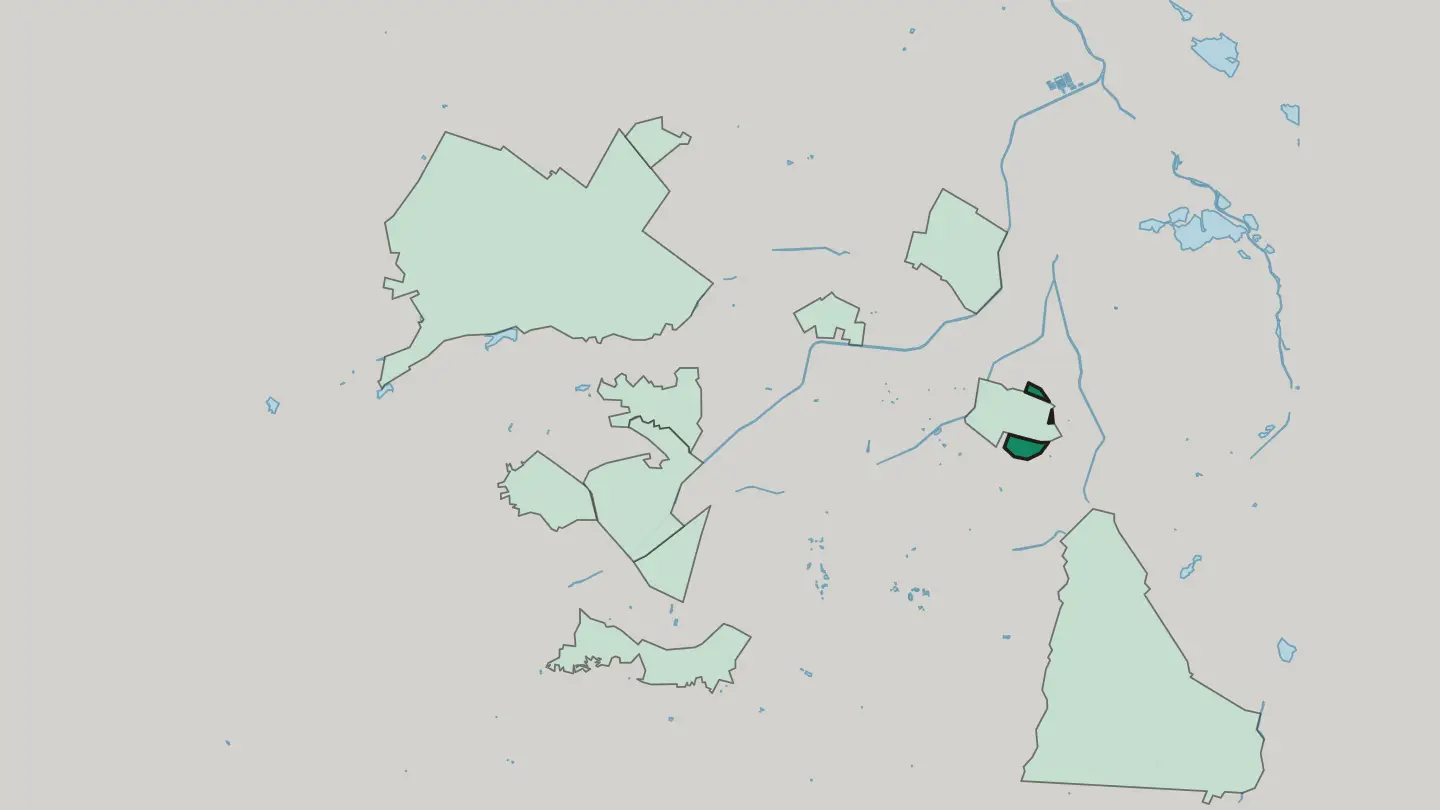
 SofiaBulgaria
Orlandovtsi
Orlandovtsi is a district of Sofia gathered around the Central Sofia Cemetery and the Assumption of Mary Church that stands within it.Orlandovtsi →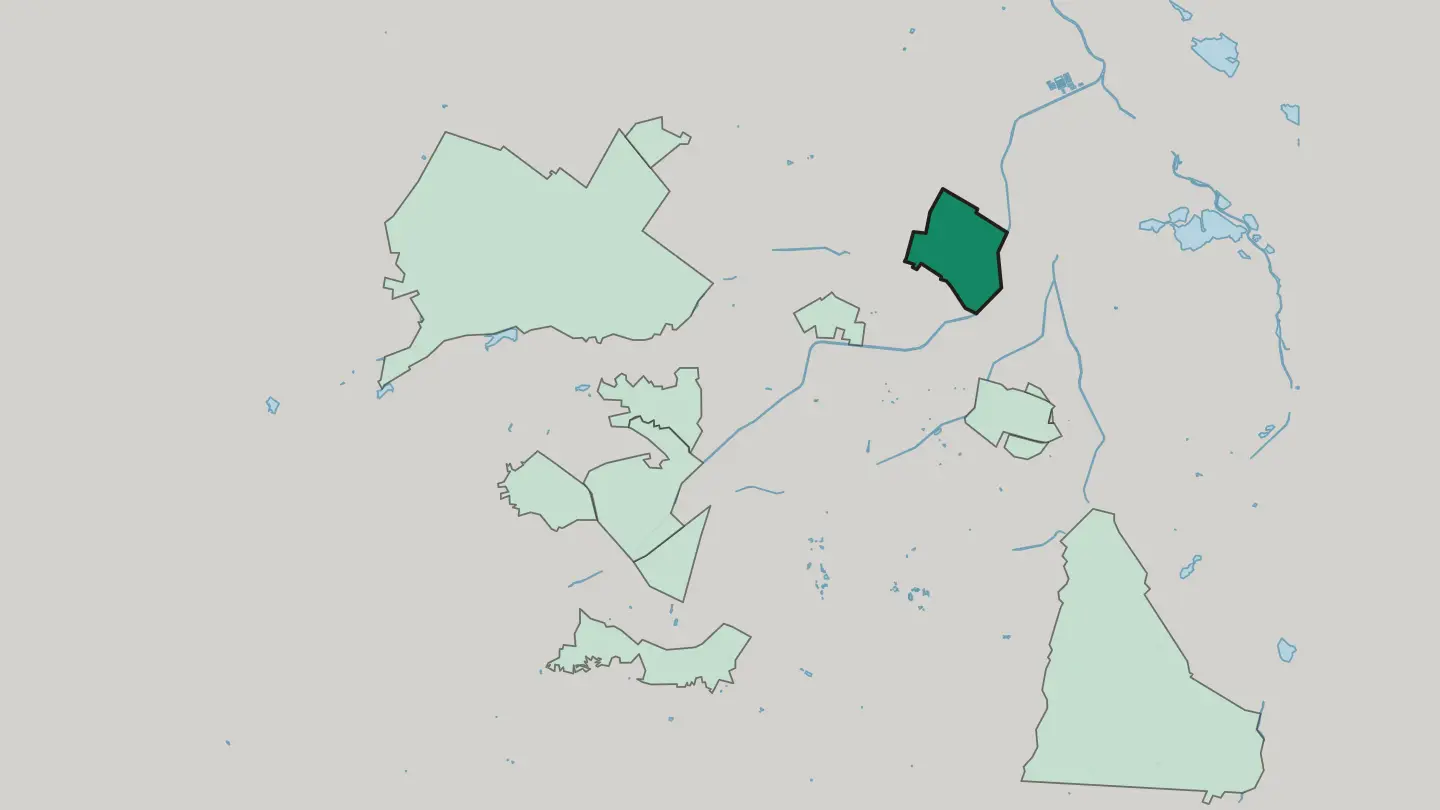 SofiaBulgaria
Fakulteta
Fakulteta is a neighbourhood in western Sofia, a working quarter of the Bulgarian capital west of the city centre.Fakulteta →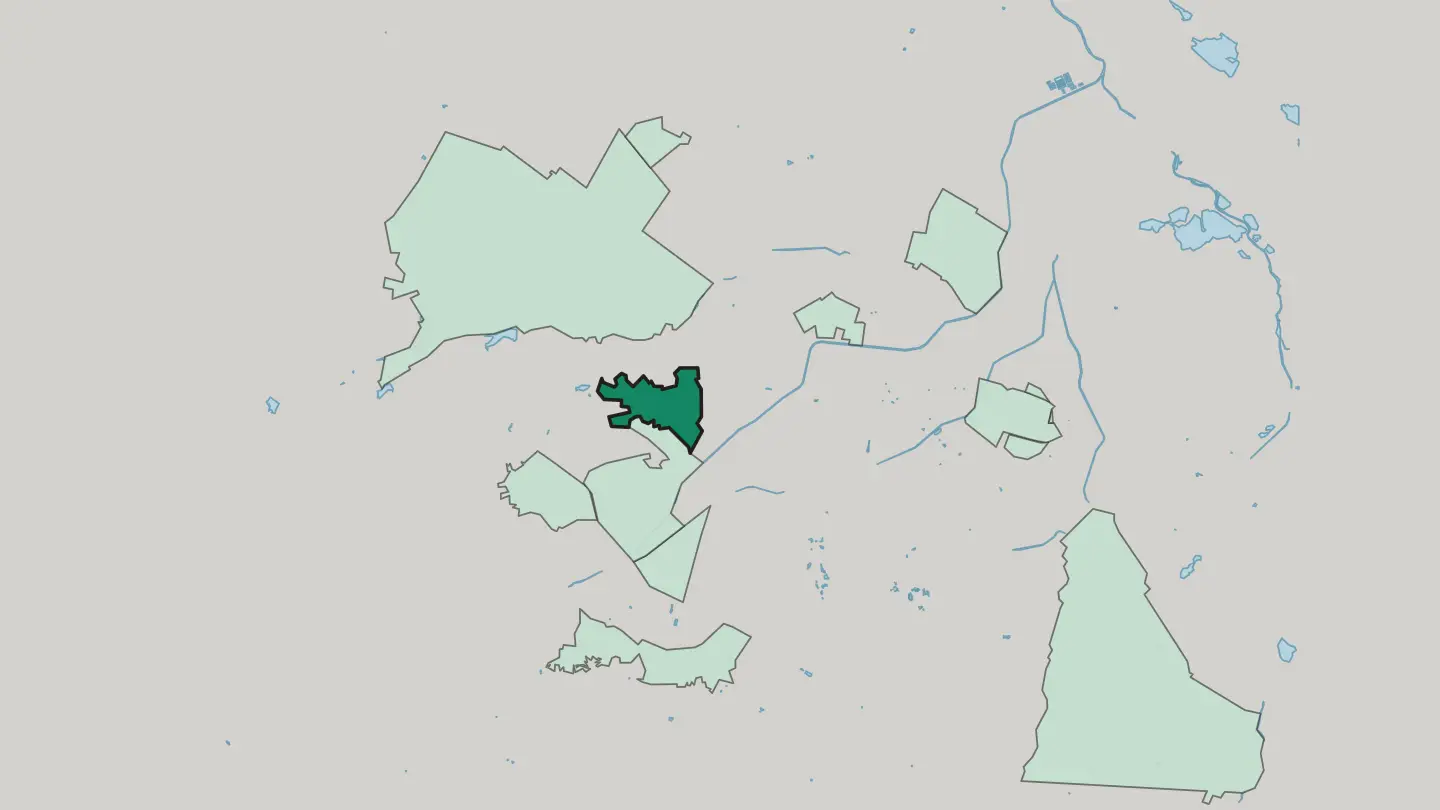 SofiaBulgaria
Buxton
Buxton is a south-western neighbourhood of Sofia, wedged between Tsar Boris III Boulevard and the city ringroad beside Boyana.Buxton →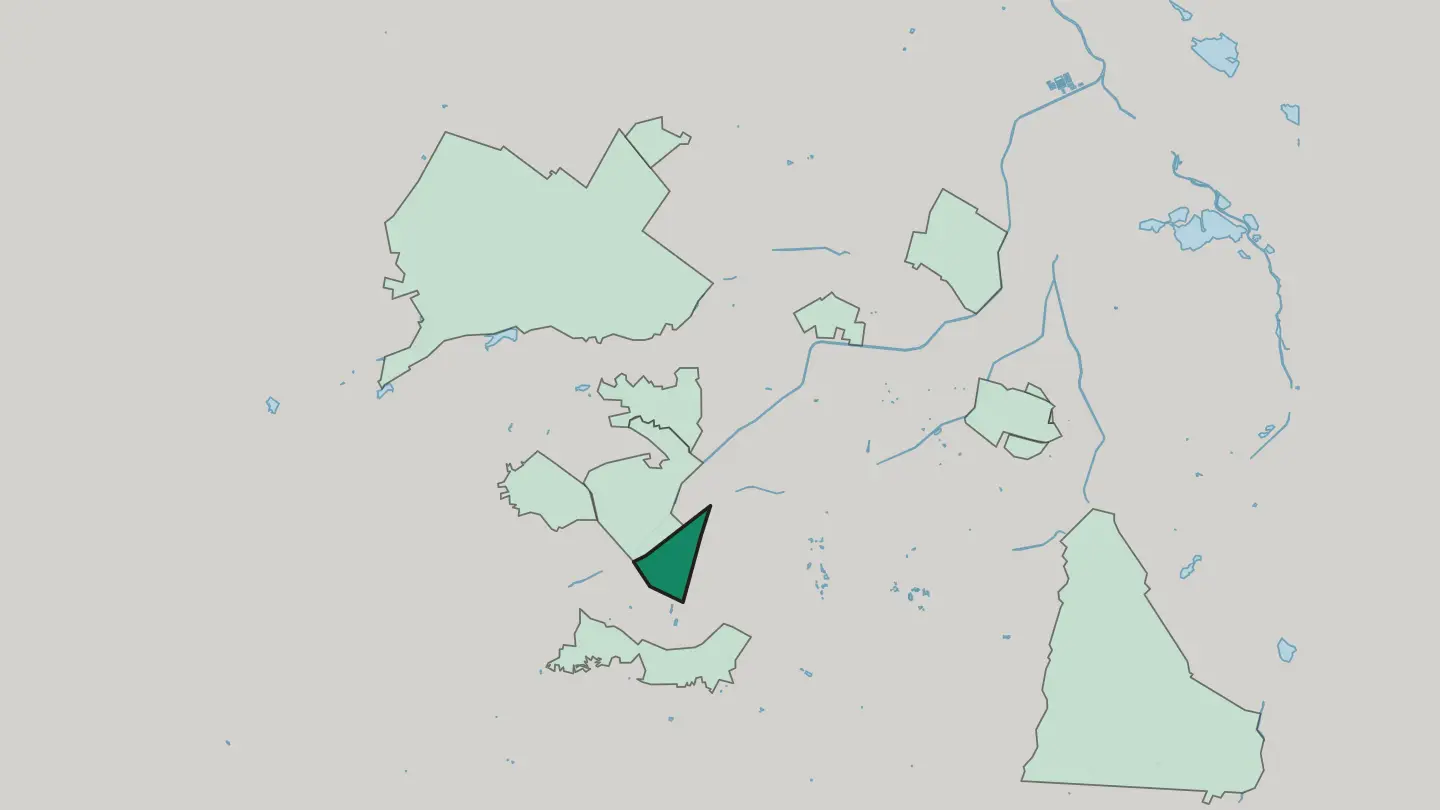
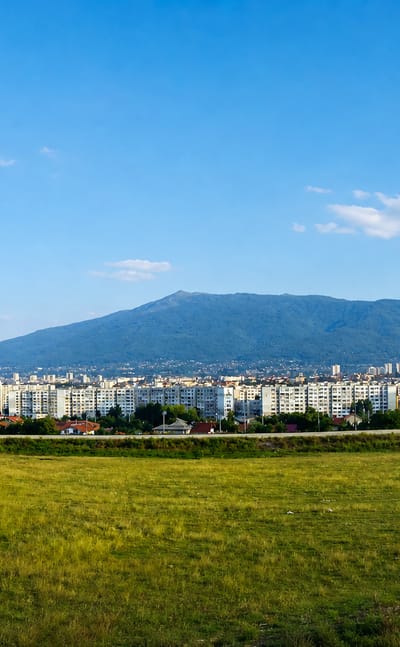 SofiaBulgaria
Ovcha kupel
Ovcha kupel is a quarter of Sofia, Bulgaria, in the district of the same name, named after the warm spring where shepherds' flocks once bathed.Ovcha kupel →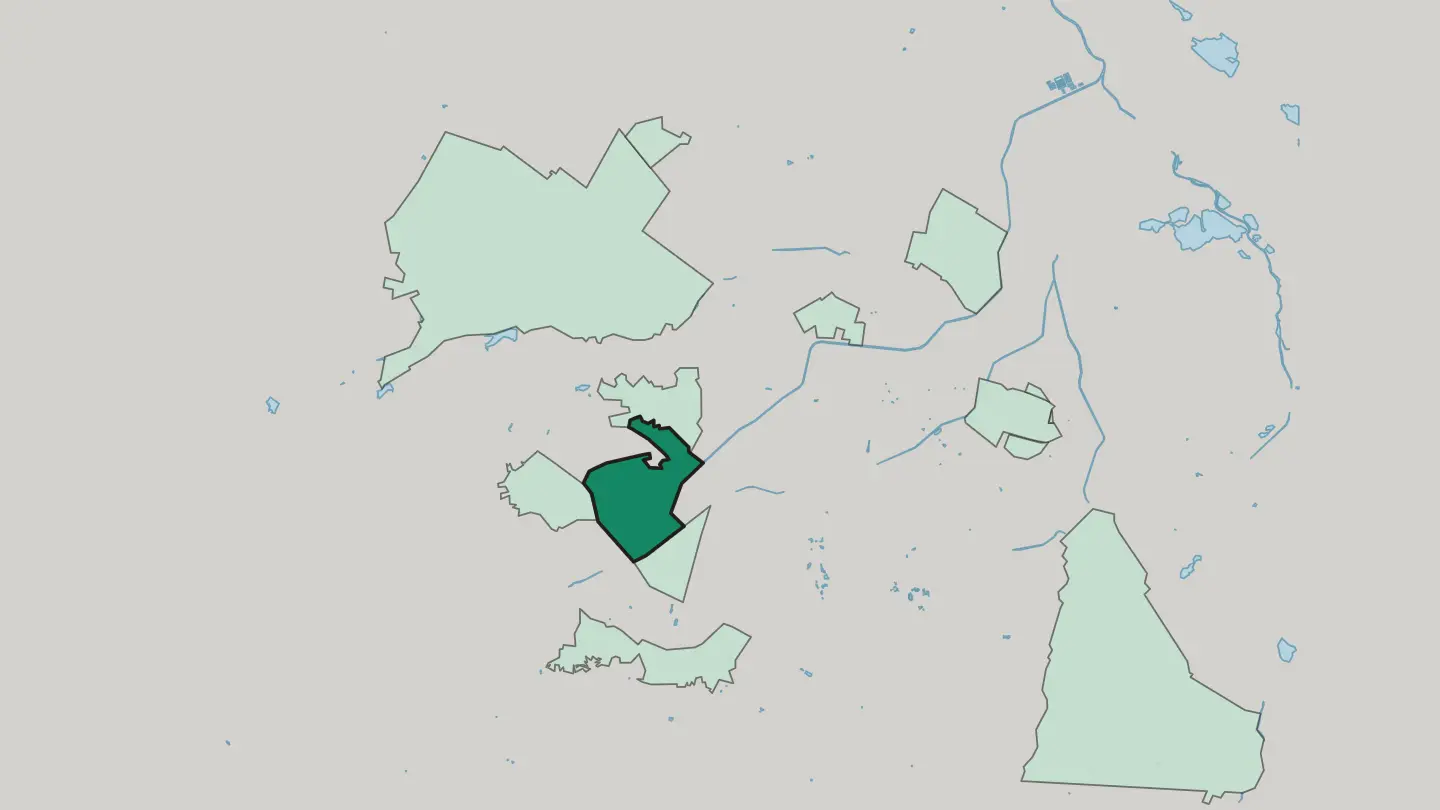 SofiaBulgaria
Lyulin District
Lyulin District is a large residential quarter on the western edge of Sofia, Bulgaria, built around panel-block estates.Lyulin District →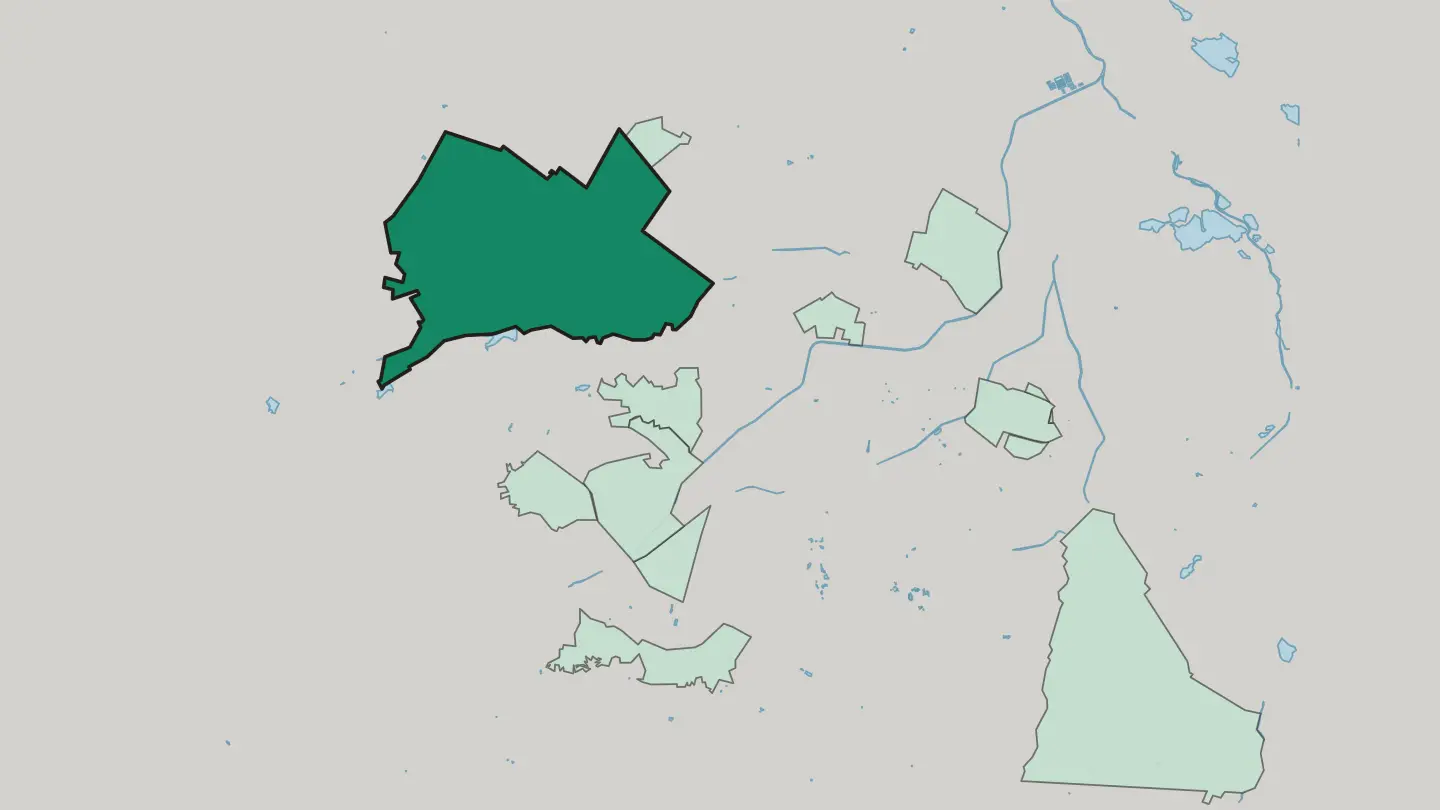 SofiaBulgaria
Obelya
Obelya is a residential district in the north-west of Sofia, Bulgaria, gathered around the Assumption of Mary Church.Obelya →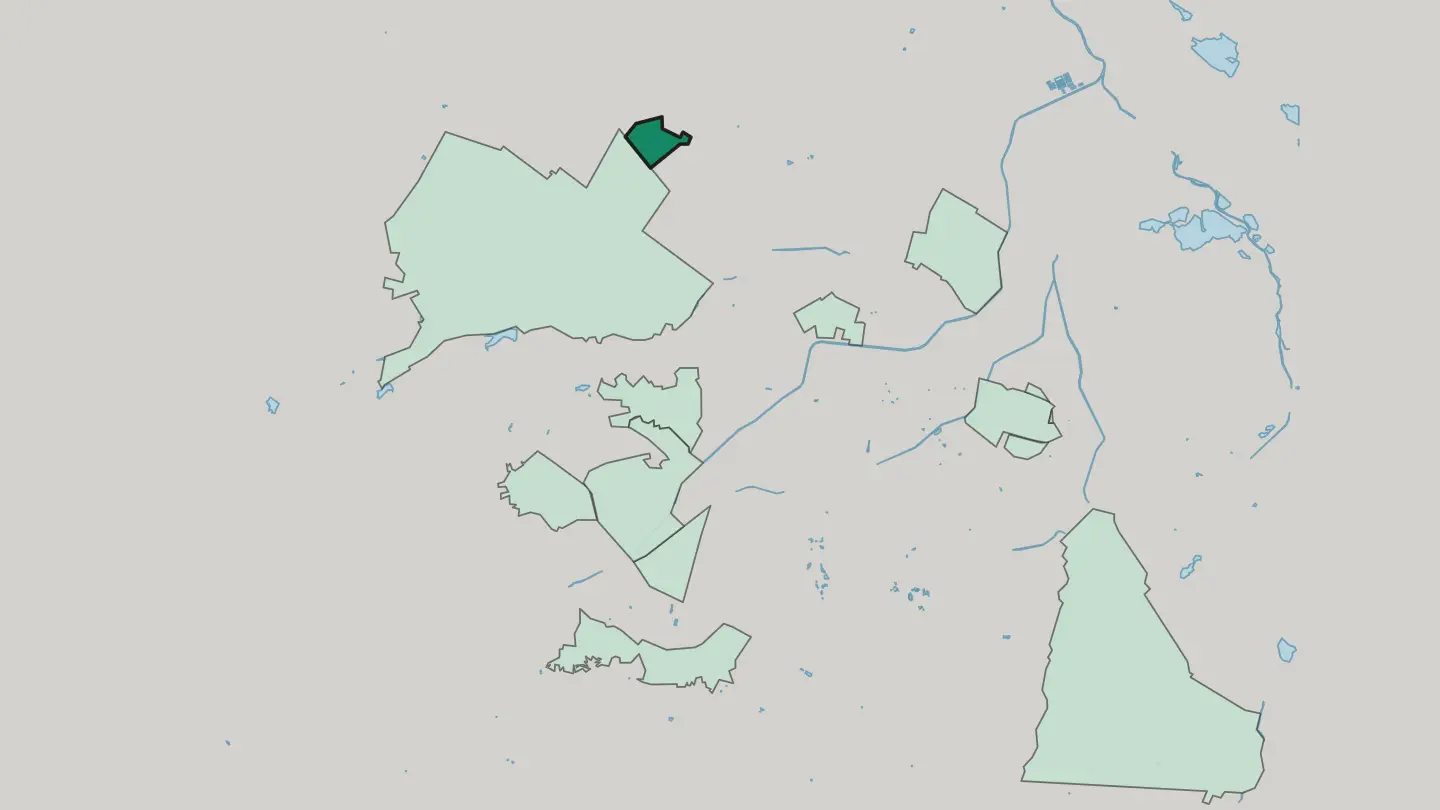 SofiaBulgaria
Gorna banya
Gorna banya is a mineral-spring quarter of Sofia at the western foot of Vitosha, whose name means the upper baths.Gorna banya →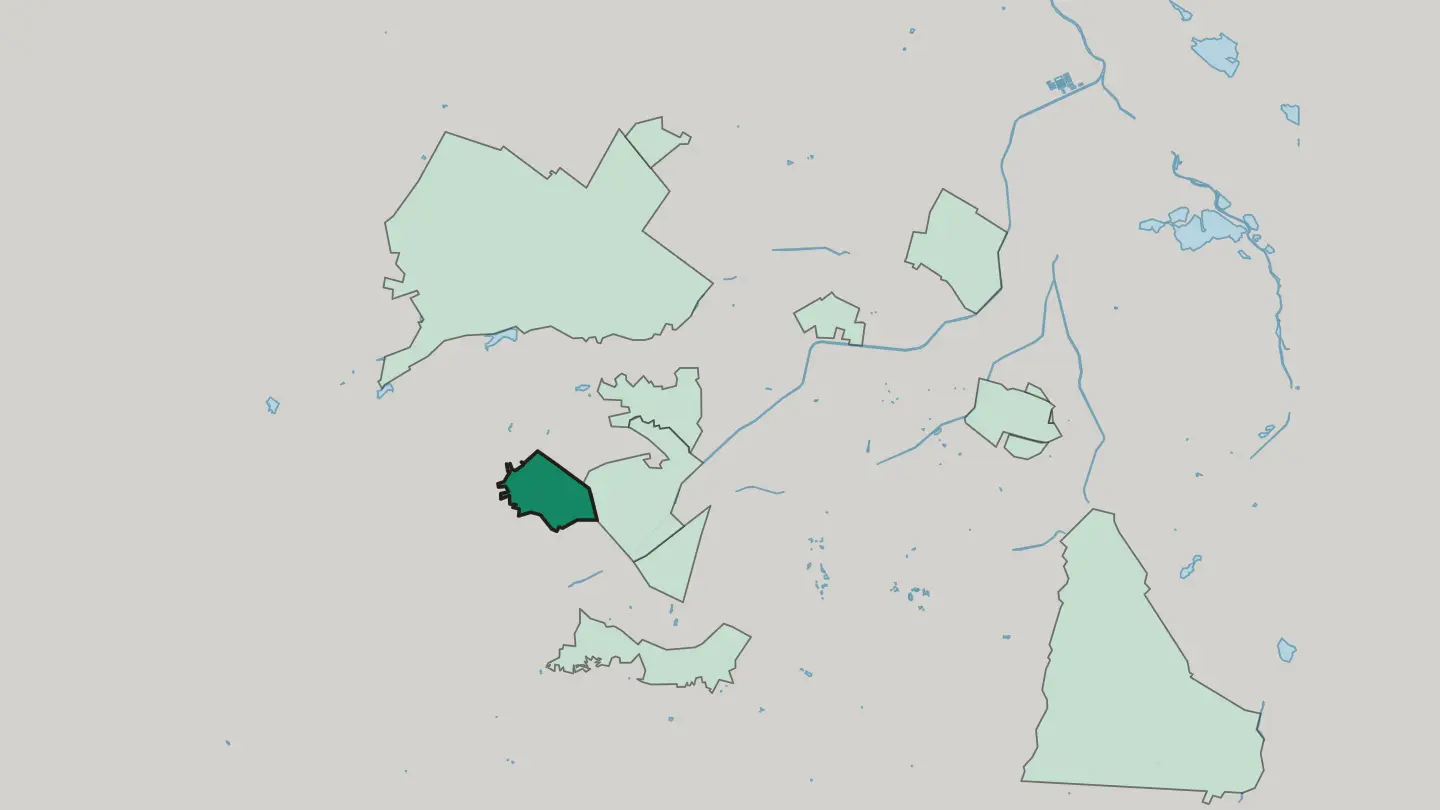
 SofiaBulgaria
Boyana
Boyana is a residential district of Sofia, best known for the medieval Boyana Church and the National History Museum.Boyana →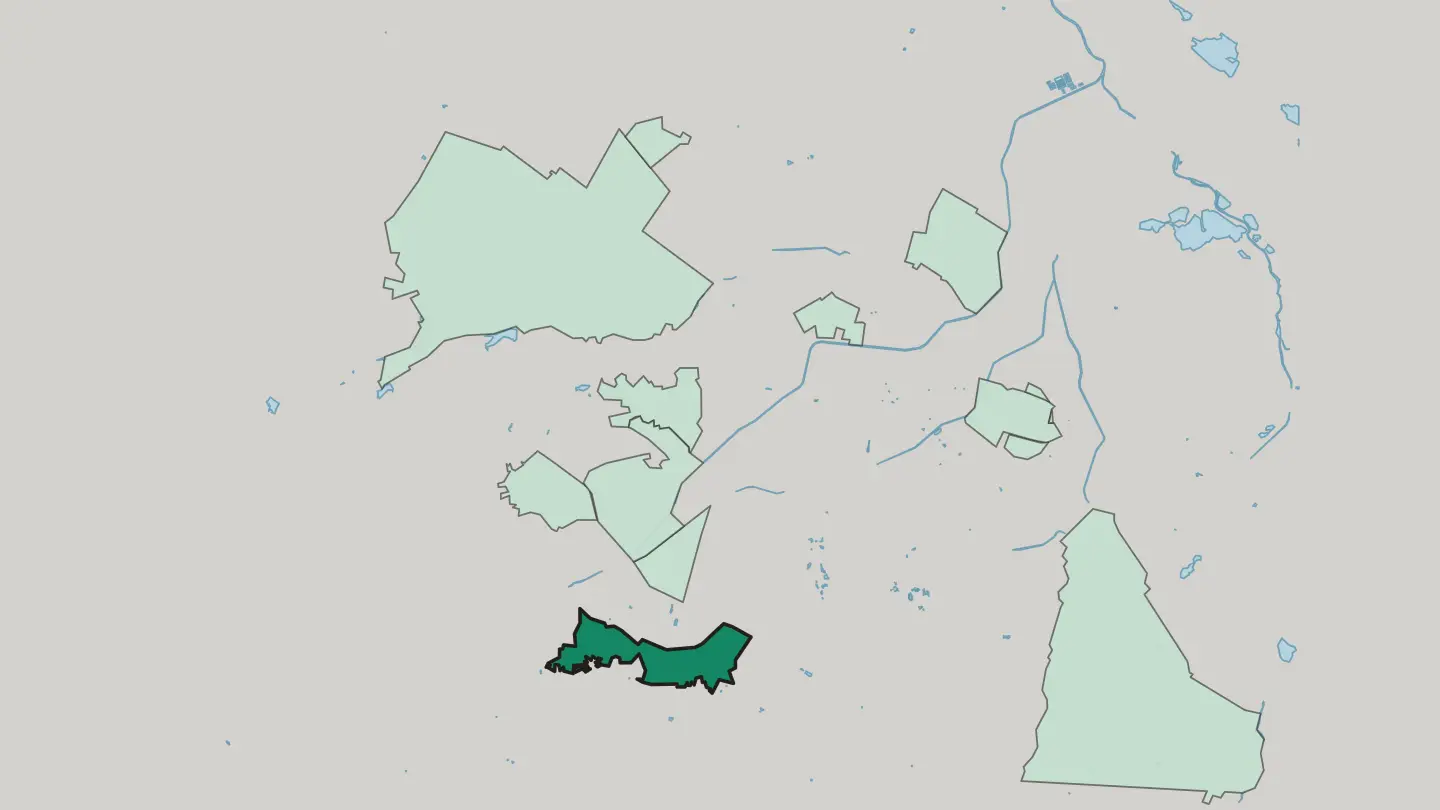
 SofiaBulgaria
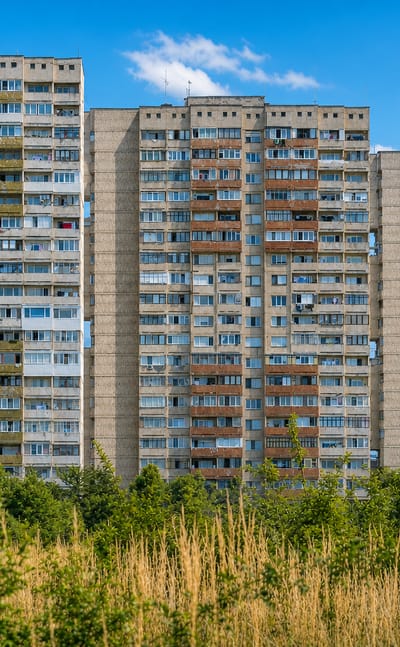
Mladost District
Mladost is a large residential district of Sofia, its panel-block estates set around the Museum of Socialist Art.Mladost District →Hotel links are affiliate links: booking through them may earn us a commission, at no extra cost to you. It never affects how places are ranked. How this works
Things to do in Sofia
Ranked by global recognition; descriptions from Wikidata (CC0).
Museums & Galleries
3- National History Museum
- National Art Gallery of Bulgaria
- National Archaeological Museum, Bulgaria
Churches & Religious Sites
3- Boyana Church UNESCO
- Saint George Rotunda Church Heritage
- Alexander Nevsky Cathedral
Castles & Historic Sites
3- Monument to the Soviet Army
- Monument to the Tsar Liberator
- Monument to Vasil Levski
Stadiums & Sports
3- Borisova Gradina
- Winter Sports Palace
- Universiada
Landmarks & Notable Places
1- House with the Tower
worth knowingacross 5 categories in Sofia
About Sofia
What is Sofia known for?
Sofia is known for the golden domes of the Alexander Nevsky Cathedral and for its setting beneath Vitosha mountain. The mix is unusual. The capital of Bulgaria pairs Orthodox churches like the Saint Sophia Church and the Saint George Rotunda Church with broad boulevards, the parkland of Borisova Gradina, and the ski slopes of Vitosha rising at the city's southern edge.
Warm mineral springs surface within Sofia, a reminder of the valley's geothermal ground.
What are the main landmarks in Sofia?
Sofia's landmarks cluster in and around the old centre. The grand Alexander Nevsky Cathedral is the best known, while the Saint George Rotunda Church and the Saint Sophia Church stand nearby in the centre. Serious museums share these blocks.
Among them are the National Archaeological Museum and the National Art Gallery of Bulgaria, while the Boyana Church and its medieval frescoes sit out toward the foot of Vitosha mountain.
What is the history of Sofia?
Sofia wears its history in its buildings rather than in any single founding date. The city keeps many Orthodox churches, among them the Saint George Rotunda Church and the Saint Sophia Church, while the Boyana Church, out toward Vitosha mountain, holds medieval frescoes that carry the capital of Bulgaria's past into the present. Faith shaped the city early.
The setting helped: flat ground in the Sofia Valley, west of the Iskar river, gave the settlement room to grow beneath Vitosha mountain. These churches give Sofia a long standing as an Orthodox centre in the west of Bulgaria. Later centuries left their own marks.
European facades stand beside architecture from the communist decades, and monuments punctuate the boulevards, among them the Monument to the Tsar Liberator, the Monument to the Soviet Army, and the Monument to Vasil Levski. History here is layered, not swept away. Each era added buildings rather than erasing the last, so the capital of Bulgaria reads as a record of Orthodox faith and twentieth-century power written across one valley beneath Vitosha mountain.
Orthodox domes and communist-era concrete share one skyline over the capital of Bulgaria.
Where is Sofia?
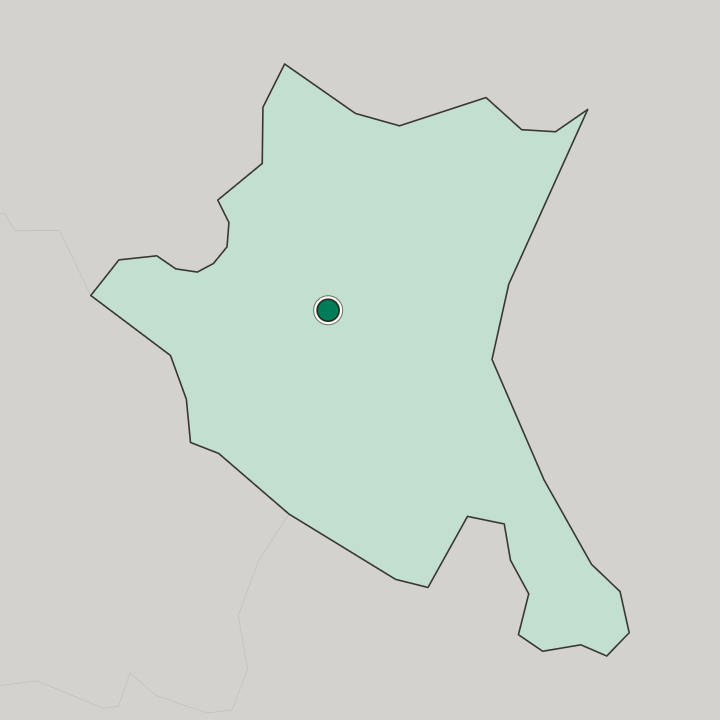
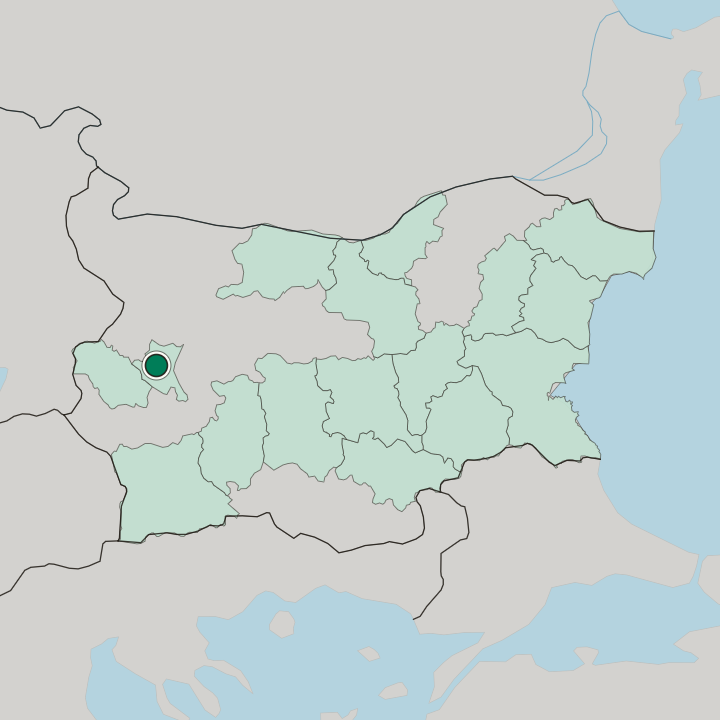
Sofia sits in the Sofia Valley, in the west of Bulgaria. Higher ground rings it. Vitosha mountain rises directly to the south, its ski slopes overlooking the streets, while the city itself spreads west of the Iskar river across flat valley floor.
Warm mineral springs break the surface within the built-up area, a mark of the valley's geothermal ground. Beyond the rim the land climbs, so the capital of Bulgaria sits in a basin rather than on open plain.
What is the climate of Sofia?
Sofia has a humid continental climate, shaped by its valley setting below Vitosha mountain. Seasons swing hard. Winters turn cold and often snowy in the Sofia Valley, with the slopes of Vitosha holding snow long enough to run as a ski resort, while summers grow warm on the sheltered valley floor.
The ring of higher ground traps the seasons, so the capital of Bulgaria feels the full continental range rather than any coastal softening. Spring and autumn pass quickly between.
How do you get to Sofia?
Sofia is the easiest city in Bulgaria to reach, since the capital gathers the country's main routes. Roads and rail converge here. Lines run in from across Bulgaria and from beyond its borders, funnelling through the Sofia Valley to the foot of Vitosha mountain, where the city spreads.
Once inside, the compact valley keeps the centre close, so the Alexander Nevsky Cathedral and the mineral springs sit only a short ride from the arrival points.
Good for
Updated October 2026