Bulgaria · Sofia-Grad · Sofia
Poduyane, Sofia — Area Guide & Where to Stay
Poduyane, also spelled Poduene, is a residential district on the northeastern edge of Sofia, Bulgaria, gathered from several older microregions.
Hotel links are affiliate links: booking through them may earn us a commission, at no extra cost to you. It never affects how places are ranked. How this works


Map data © OpenStreetMap contributors
Where to stay in Poduyane
How the choice of base plays out on the ground.
Poduyane spreads across the northeastern reach of Sofia, so beds here trade the old core for quieter residential streets. Most rooms sit within the Hadzhi Dimitar and Suhata Reka microregions, where apartment blocks give way to markets, tram lines, and everyday shops rather than tourist crowds. Beds run cheaper here.
Choose the district when you want a calm local base with a short tram ride into the heart of Sofia.
Find hotels in Poduyane
Direct booking searches for these neighbourhoods.
Hadzhi Dimitar microregion
The Hadzhi Dimitar blocks pack corner markets and tram lines into a tight grid, keeping rooms cheap and the ride into central Sofia short.Find hotels in Hadzhi Dimitar microregionyou if you prefer the quieter residential streets of Suhata Reka away from the old coreSuhata Reka microregion
Suhata Reka sits deeper in the northeastern outskirts, where apartment courtyards and parish churches make a calmer, everyday base than the tourist centre. Lodging is scarce in this area; reserve in advance.Find hotels in Suhata Reka microregionHotel links are affiliate links: booking through them may earn us a commission, at no extra cost to you. It never affects how places are ranked. How this works
Things to do in and around Sofia
Ranked by global recognition; descriptions from Wikidata (CC0).
Museums & Galleries
3- National Art Gallery of Bulgaria
- National Archaeological Museum, Bulgaria
- National Gallery for Foreign Art
Churches & Religious Sites
3- Saint George Rotunda Church Heritage
- Alexander Nevsky Cathedral
- Saint Sophia Church
Castles & Historic Sites
3- Monument to the Soviet Army
- Monument to the Tsar Liberator
- Monument to Vasil Levski
Stadiums & Sports
2- Borisova Gradina
- Universiada
worth knowingacross 4 categories in and around Sofia
About Poduyane
What are the main landmarks in Poduyane?
Poduyane is a lived-in district rather than a museum quarter. Its landmarks are the neighbourhoods themselves, from Hadzhi Dimitar and Suhata Reka to Stefan Karadzha and Levski, each a cluster of mid-century blocks, corner markets, and Orthodox parish churches that carry the names of the men and saints they honour. The Poduyane railway station gives the district its wider name.
Local life turns on the tram stops.
What is the history of Poduyane?
Poduyane was a village before it was a district. It was incorporated into Sofia in 1895, and over the following century the fields on the northeastern edge of the capital filled with the residential microregions that now make up the district, among them Suhata Reka, Levski, and Stefan Karadzha. The village name endured.
The district still marks its own holiday on the first of June, a survival of the older settlement beneath the modern blocks.
Where is Poduyane?
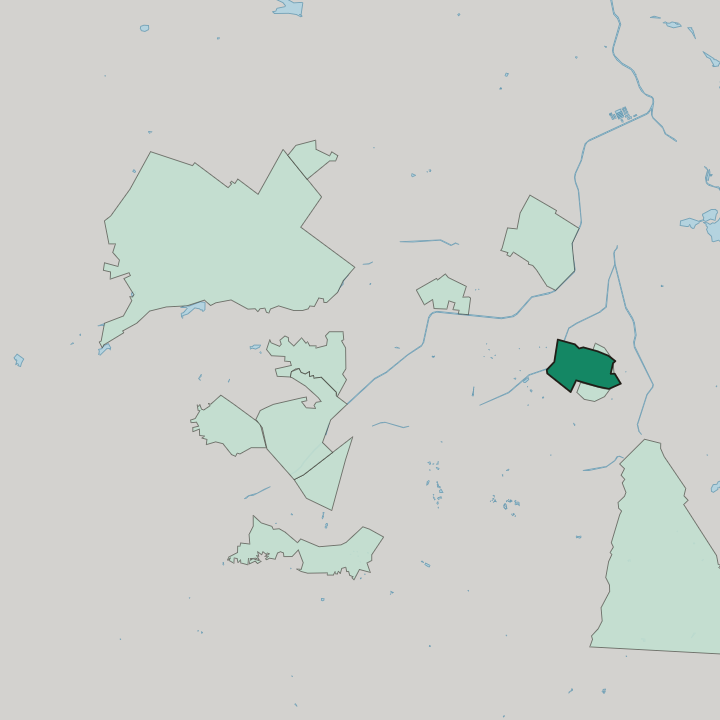
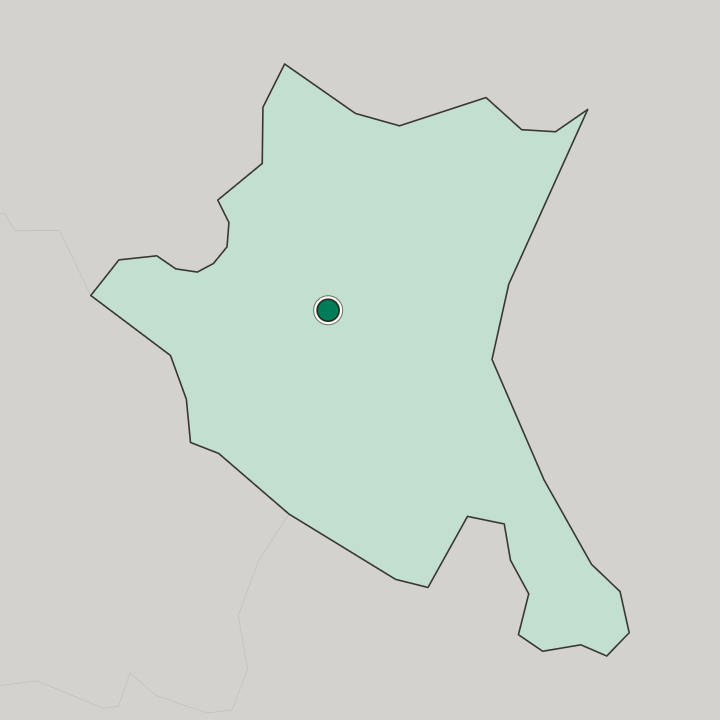
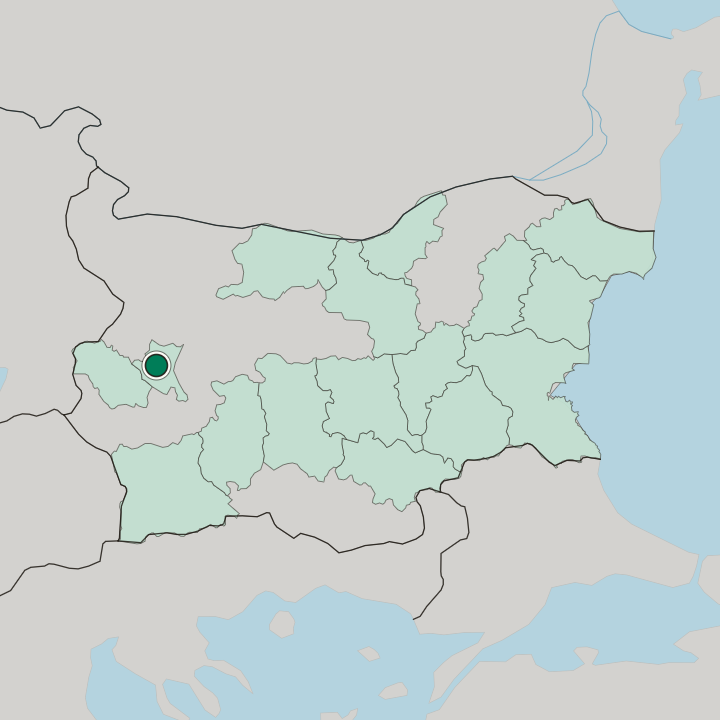
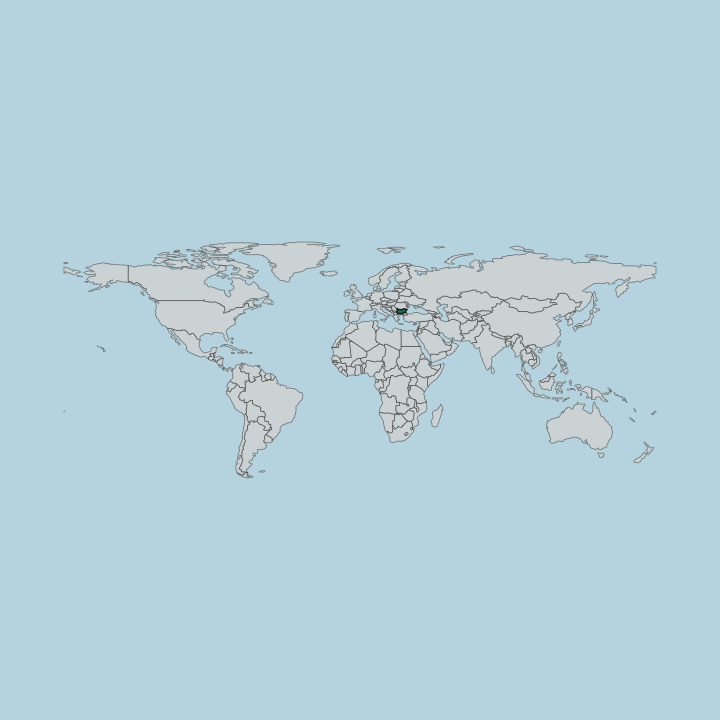
Poduyane occupies the northeastern outskirts of Sofia, a low-lying stretch of the Sofia plain divided into microregions such as Suhata Reka, Hadzhi Dimitar, and Levski that fan out from the old village core toward the edge of the city.
Common questions
What is the best area to stay in Poduyane?
Hadzhi Dimitar microregion: you if you want a low-cost local base beside the Hadzhi Dimitar markets and tram stops. Suhata Reka microregion: you if you prefer the quieter residential streets of Suhata Reka away from the old core.
Good for
More areas in Sofia
Updated October 2026