Brazil · Espírito Santo
Where to Stay in Cachoeiro de Itapemirim, Espírito Santo
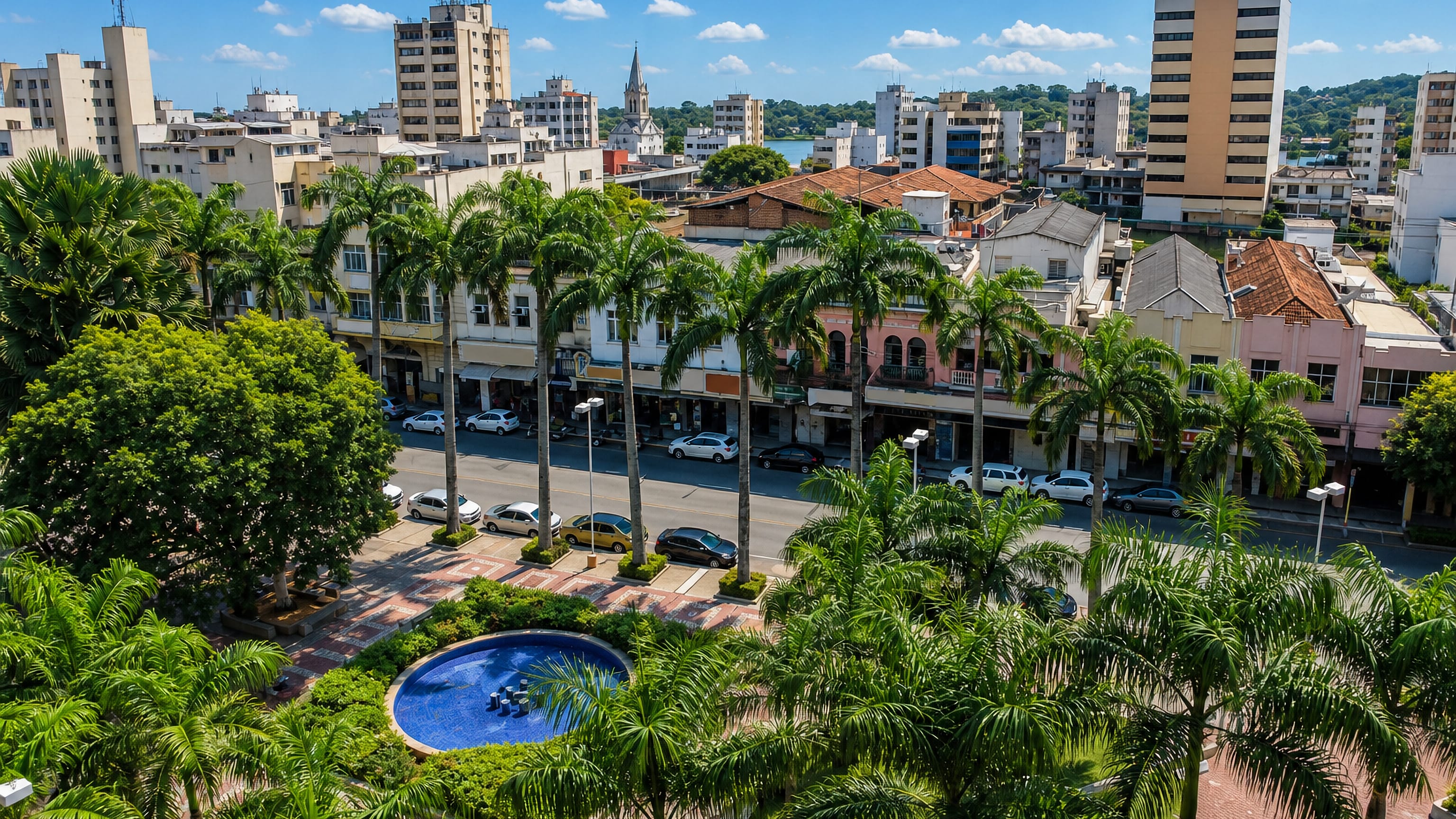
Marble country. Cachoeiro de Itapemirim spreads along the Itapemirim River in southern Espírito Santo, Brazil's leading source of marble and granite.
Hotel links are affiliate links: booking through them may earn us a commission, at no extra cost to you. It never affects how places are ranked. How this works


Where to stay in Cachoeiro de Itapemirim
Where visitors usually base themselves, and why.
The river decides the rest. Cachoeiro de Itapemirim sits on both banks of the Itapemirim River, and which bank a hotel stands on settles whether Casa dos Braga and the House of Memory are a walk or a ride away. Rooms near Igreja Nosso Senhor dos Passos suit a first visit, with the Casa de Cultura Roberto Carlos close enough to fold into the same afternoon.
Casa dos Braga and the House of Memory add two more stops to that same walking day, which makes the older core the easiest single base for a short stay. Quiet is easier off the water. Stone yards and quarry traffic shape the working edges of Cachoeiro de Itapemirim, so a base on the calmer streets away from the marble sheds tends to sleep better.
The Museu Ferroviário de Cachoeiro de Itapemirim Domingos Lage marks the old railway ground, useful for anyone who prefers museums within reach. Beds are plentiful enough here. As the economic hub of southern Espírito Santo and a node on the intercity coach network, it carries far more rooms than the smaller towns around it.
Vitória lies to the north, a straightforward run by road, and a night there makes sense for anyone continuing in that direction.
Find hotels in Cachoeiro de Itapemirim
Direct booking searches for these neighbourhoods.
Itapemirim riverbank
Beds on the banks of the Itapemirim River put Casa dos Braga and the House of Memory inside an easy walk.Find hotels in Itapemirim riverbankA first visit built around the church and the Casa de Cultura Roberto CarlosAround Igreja Nosso Senhor dos Passos
Igreja Nosso Senhor dos Passos fixes this part of the older centre, with the Casa de Cultura Roberto Carlos folded into the same afternoon.Find hotels in Around Igreja Nosso Senhor dos PassosRailway history and coach connections onward through southern Espírito SantoBy the Museu Ferroviário Domingos Lage
The Museu Ferroviário de Cachoeiro de Itapemirim Domingos Lage anchors this quarter, handy for travellers moving on by intercity coach.Find hotels in By the Museu Ferroviário Domingos LageHotel links are affiliate links: booking through them may earn us a commission, at no extra cost to you. It never affects how places are ranked. How this works
Things to do in Cachoeiro de Itapemirim
Ranked by global recognition; descriptions from Wikidata (CC0).
Museums & Galleries
3- Casa de Cultura Roberto Carlos Heritage
- Maurílio Coelho Hunting Hoot Factory Heritage
- Museu Ferroviário de Cachoeiro de Itapemirim Domingos Lage
Churches & Religious Sites
1- Igreja Nosso Senhor dos Passos (Cachoeiro de Itapemirim) Heritage
Landmarks & Notable Places
2- Casa dos Braga Heritage
- House of Memory Heritage
worth knowingacross 3 categories in Cachoeiro de Itapemirim
About Cachoeiro de Itapemirim
Stone made this place.
What is Cachoeiro de Itapemirim known for?
Quarries in the hills around the Itapemirim valley feed cutting yards that ship marble and granite across Brazil, and that trade set the rhythm of work here long before anything else did. Beyond stone, the town keeps a small set of museums and cultural houses, the Casa de Cultura Roberto Carlos and the House of Memory among them. Buses matter too.
One of Brazil's largest intercity coach companies grew out of Cachoeiro de Itapemirim, and that is a large part of why the town is so well connected to Vitória and the rest of Espírito Santo.
What are the main landmarks in Cachoeiro de Itapemirim?
Six sites lead the list. Igreja Nosso Senhor dos Passos, Casa dos Braga, and the House of Memory stand among the buildings that record how Cachoeiro de Itapemirim grew after its founding in 1864. The Casa de Cultura Roberto Carlos runs the cultural side.
Rail claims a museum of its own. The Museu Ferroviário de Cachoeiro de Itapemirim Domingos Lage holds that thread, and the Maurílio Coelho Hunting Hoot Factory closes a roster that leans local rather than monumental.
What is the history of Cachoeiro de Itapemirim?
Stone and water made the town. The settlement dates from 1864, laid out on the banks of the Itapemirim River, whose name it carries in its own and whose course gave the valley its first line of movement. Marble and granite followed.
The trade in both turned Cachoeiro de Itapemirim into Brazil's most important producer of the two stones, and the cutting yards still set the working rhythm. Growth stayed tied to the valley floor, where the river and the roads run together and where stone could be loaded out. The railway left a museum behind.
The Museu Ferroviário de Cachoeiro de Itapemirim Domingos Lage preserves that chapter, a reminder that heavy stone has always needed heavy transport. Buses came to matter just as much, and one of Brazil's biggest intercity coach companies grew here, tying the town into a network that reaches far past Espírito Santo. Older fabric survives in pieces.
Casa dos Braga, the House of Memory, and Igreja Nosso Senhor dos Passos each hold part of the record, and together they let a walk through the centre double as a reading of how the town assembled itself. The Casa de Cultura Roberto Carlos joins them under a name the town chose to keep.
Where is Cachoeiro de Itapemirim?
The Itapemirim River organises everything. It runs through the middle of Cachoeiro de Itapemirim, giving the town its banks and its crossings, and the built-up ground follows the water closely. Inland is the key word.
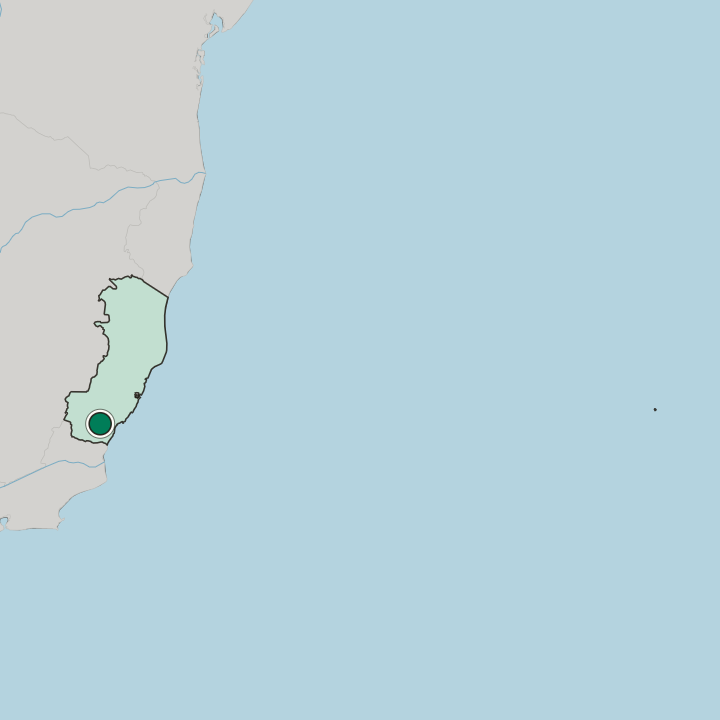
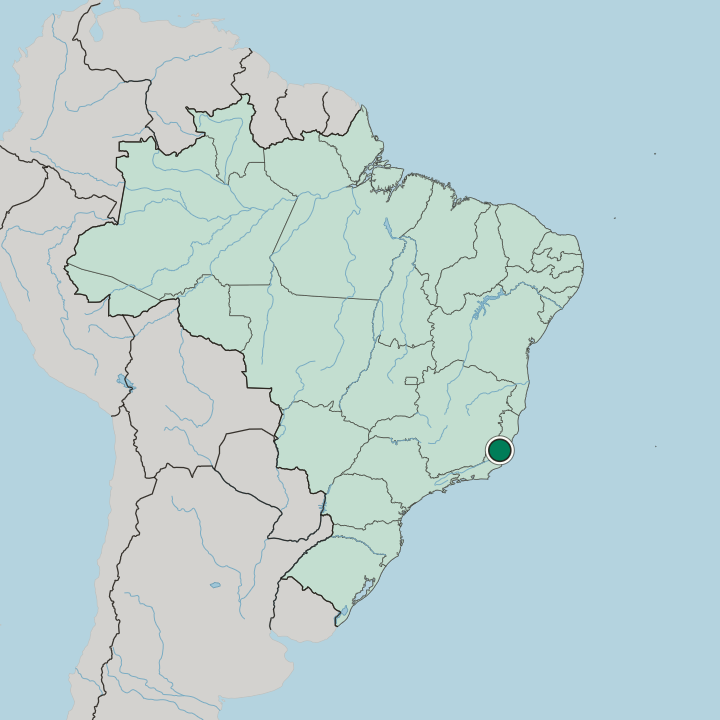
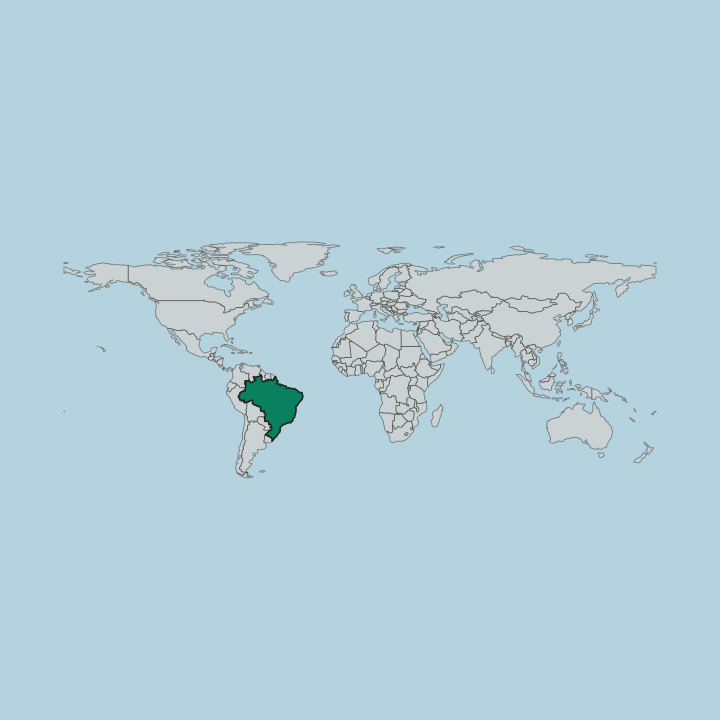
The town sits in the southern reach of Espírito Santo, a road journey of well over a hundred kilometres from Vitória to the north. Its municipal territory is large, spreading well beyond the built-up centre and out over the surrounding valley.
What is the climate of Cachoeiro de Itapemirim?
The Itapemirim valley traps the heat. Cachoeiro de Itapemirim sits inside the tropical band, so warmth is the default and the year turns on rainfall rather than on any swing between hot and cold. Seasons run on the southern calendar.
December through February falls in the warmer half of the year here, while the middle months bring the cooler stretch that suits a day spent walking the centre and the riverbank. Shade is worth seeking.
How do you get to Cachoeiro de Itapemirim?
Coaches do the heavy lifting. One of Brazil's biggest intercity bus companies grew out of Cachoeiro de Itapemirim, and the result is a town far better served by long-distance road services than its size would suggest. Vitória lies roughly a hundred and forty kilometres to the north, and the road south is the standard approach.
Rail belongs to the museum. The Museu Ferroviário de Cachoeiro de Itapemirim Domingos Lage records that era, while the working network fans out across southern Espírito Santo by road.
Common questions
What is the best area to stay in Cachoeiro de Itapemirim?
Itapemirim riverbank: Casa dos Braga, the House of Memory, and the water a minute away. Around Igreja Nosso Senhor dos Passos: A first visit built around the church and the Casa de Cultura Roberto Carlos. By the Museu Ferroviário Domingos Lage: Railway history and coach connections onward through southern Espírito Santo.
Good for
More cities in Espírito Santo
Updated October 2026