Brazil · Espírito Santo
Where to Stay in Serra, Espírito Santo
Bigger than the capital next door. Serra fills the northern edge of Greater Vitória in central Espírito Santo, founded back in 1556.
Hotel links are affiliate links: booking through them may earn us a commission, at no extra cost to you. It never affects how places are ranked. How this works


Where to stay in Serra
How the choice of base plays out on the ground.
Serra is not one town. The municipality gathers several old centres under a single name, so the choice of base depends on which of them a visit is actually about, and on how much of the Greater Vitória sprawl a traveller is willing to cross. The old core is the safe pick.
Igreja Nossa Senhora da Conceição, the Church of the Magi, the Serra Historical Museum, and the Statue of Chico Prego all sit in that historic centre, which is where a short stay makes most sense. Carapina is the other option. The Church of Saint John the Baptist of Carapina names another of the municipality's established centres, and a base there suits a trip that keeps moving rather than lingering.
You want Carapebus if the visit is about local memory rather than sightseeing, since the Carapebus History and Memories Center is the reason to be there at all. Queimado is a day trip, not a base. The Ruins of the Church of São José do Queimado and the Historic Site of Queimado sit apart from the built-up centres, worth the drive but thin on places to sleep.
Vitória is always an alternative, a short hop south for anyone who would rather sleep in the capital and treat Serra as a day's exploring.
Find hotels in Serra
Direct booking searches for these neighbourhoods.
Serra's historic centre
Igreja Nossa Senhora da Conceição and the Church of the Magi stand in the old centre, with the Serra Historical Museum a few streets from both.Find hotels in Serra's historic centreA trip that keeps moving, anchored on the Church of Saint John the Baptist of CarapinaCarapina
The Church of Saint John the Baptist of Carapina gives this centre its landmark, and rooms here sit well away from the museum core of Serra.Find hotels in CarapinaLocal memory at the Carapebus History and Memories CenterCarapebus
The Carapebus History and Memories Center is the anchor out here, a quieter corner of the municipality than Serra's old centre. Rooms are few around here — worth securing early.Find hotels in CarapebusThe ruined church and the historic site, visited rather than slept inQueimado
The Ruins of the Church of São José do Queimado and the Historic Site of Queimado stand well out from the built-up centres, so beds are few. Lodging is scarce in this area; reserve in advance.Find hotels in QueimadoHotel links are affiliate links: booking through them may earn us a commission, at no extra cost to you. It never affects how places are ranked. How this works
Things to do in Serra
Ranked by global recognition; descriptions from Wikidata (CC0).
Museums & Galleries
1- Serra Historical Museum Heritage
Churches & Religious Sites
4- Church of the Magi Heritage
- Igreja Nossa Senhora da Conceição Heritage
- Church of Saint John the Baptist of Carapina Heritage
- Sanctuary of the Embroidery Ants Heritage
Landmarks & Notable Places
3- Carapebus History and Memories Center Heritage
- House of Congo Master Antonio Rosa Heritage
- Stone House Heritage
worth knowingacross 3 categories in Serra
About Serra
Size is the first surprise.
What is Serra known for?
Serra carries more people than Vitória, the capital it borders, which makes it the largest municipality in Espírito Santo and a full partner in the Greater Vitória metropolitan area. Heritage runs deeper than the growth suggests. The Church of the Magi, the Igreja Nossa Senhora da Conceição, and the Ruins of the Church of São José do Queimado are all older than the metropolitan sprawl that reached them.
The Serra Historical Museum keeps the rest.
What are the main landmarks in Serra?
Twelve names make the list. Church of the Magi and Igreja Nossa Senhora da Conceição carry the church side, while the Ruins of the Church of São José do Queimado hold the same thread in fragments. Memory has its own buildings.
The Serra Historical Museum, the House of Congo Master Antonio Rosa, and the Stone House each keep a different strand, with the Statue of Chico Prego and the Historic Site of Queimado alongside. Two outliers close it out: Fazenda Natividade and the Sanctuary of the Embroidery Ants.
What is the history of Serra?
The founding year is 1556. That is an early date for Espírito Santo, and the churches scattered across the municipality, the Church of the Magi, Igreja Nossa Senhora da Conceição, the Church of Saint John the Baptist of Carapina, mark how far that first network spread. Land came before towns.
Fazenda Natividade survives from the estate economy that shaped the interior, and the Stone House belongs to the same rural past. Queimado carries the heaviest memory. The Ruins of the Church of São José do Queimado and the Historic Site of Queimado preserve a place the municipality has chosen to keep marked, and the Statue of Chico Prego gives that memory a name and a figure.
Culture kept its own line. The House of Congo Master Antonio Rosa records a tradition passed down through named masters, and the Carapebus History and Memories Center does similar work for a different corner of Serra. Then the city arrived.
Growth attached Serra to Vitória and folded it into the Greater Vitória metropolitan area, until the municipality carried more people than the capital it borders. The Serra Historical Museum holds that arc together, from a sixteenth-century founding to the largest municipality in the Brazilian state of Espírito Santo.
Where is Serra?
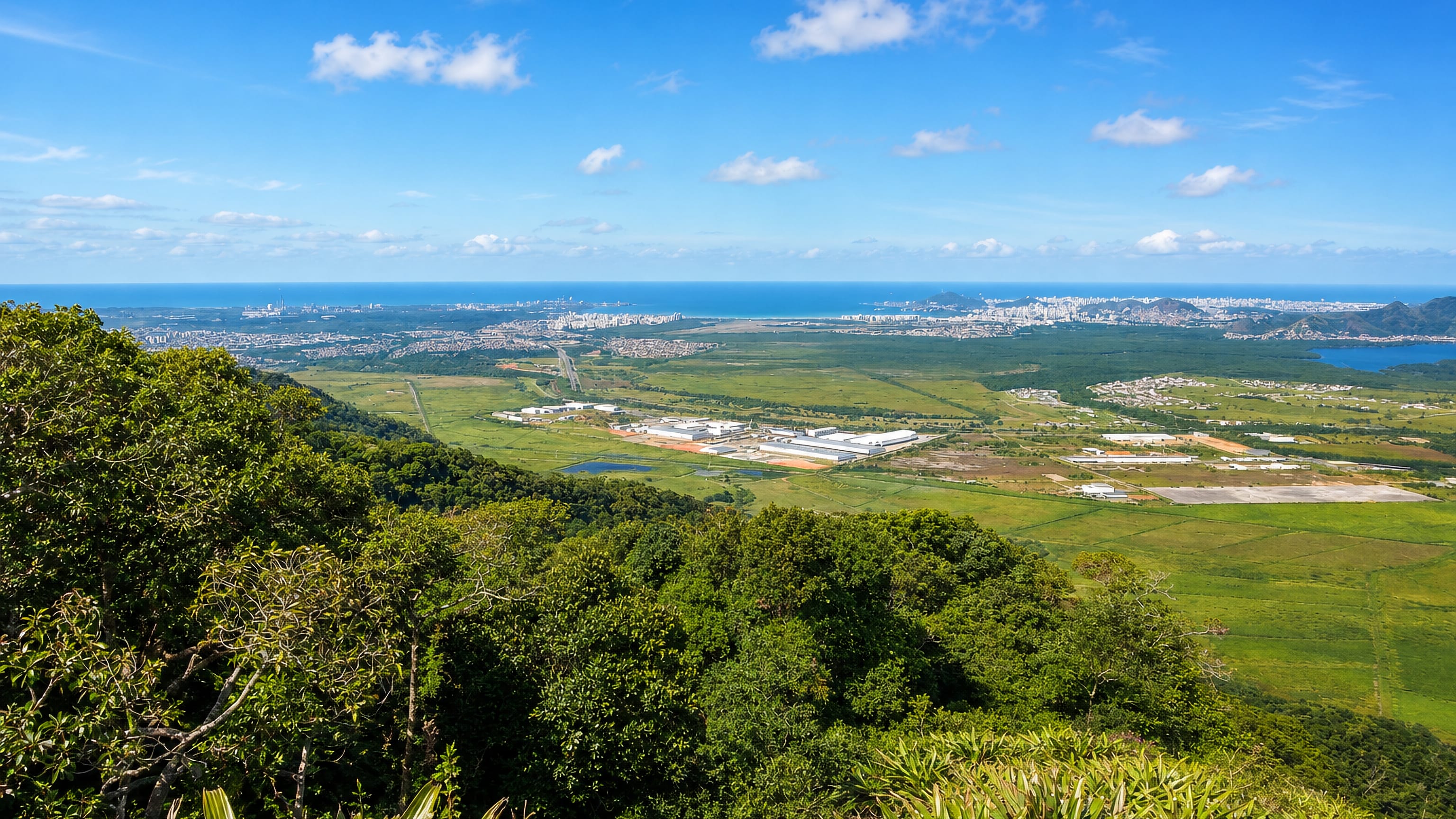
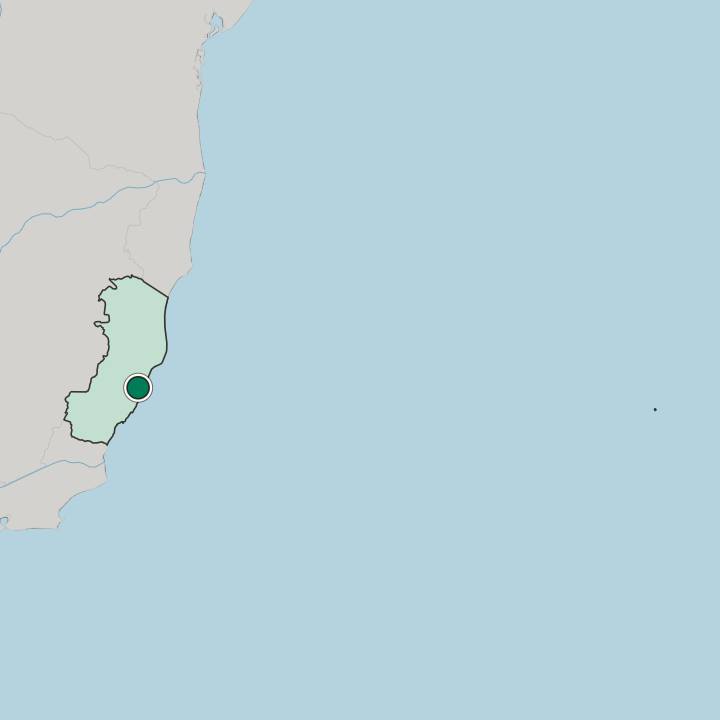
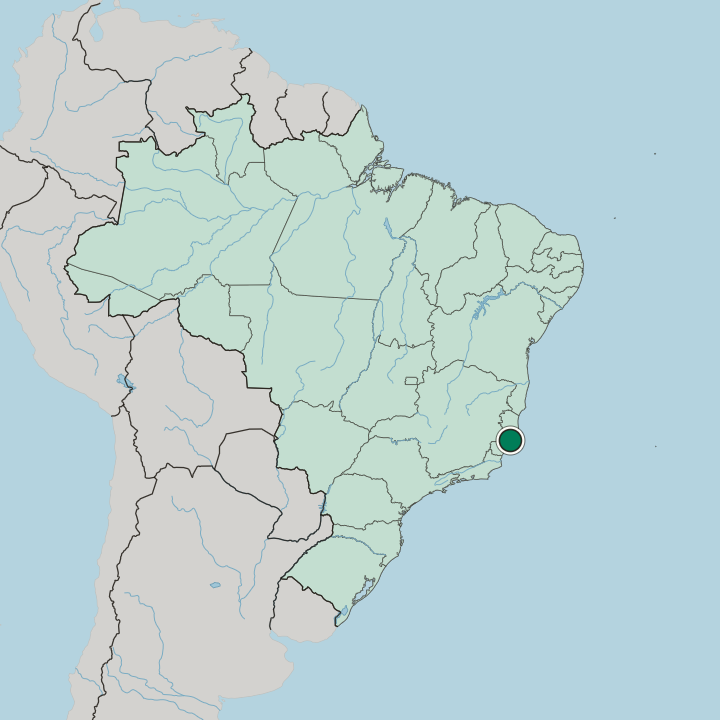
Serra spreads north from Vitória. The municipality forms the northern side of the Greater Vitória metropolitan area, and its territory runs well back from the built-up edge into ground that still reads as rural. Central Espírito Santo is the wider frame.
Several separate centres sit inside one municipal boundary, Carapina and Carapebus among them, which is why the place reads less like a single city than a cluster that grew together.
What is the climate of Serra?
December is high summer here. Serra sits in the tropical band south of the equator, so the calendar inverts against the northern one and the hottest stretch falls at the turn of the year. Cool is relative.
The middle months ease the heat rather than break it, and rainfall, not temperature, does most of the work in separating one part of the Espírito Santo year from another.
How do you get to Serra?
Vitória is next door. Serra borders the capital directly, so arriving means arriving in the Greater Vitória metropolitan area first and then crossing a boundary that is administrative rather than visible on the ground. Getting around inside it is the harder part.
Carapina, Carapebus, and the historic centre are separate destinations rather than neighbourhoods, and reaching the Historic Site of Queimado without a car takes planning that the short distances do not suggest.
Common questions
What is the best area to stay in Serra?
Serra's historic centre: The Church of the Magi, the Serra Historical Museum, and the Statue of Chico Prego on foot. Carapina: A trip that keeps moving, anchored on the Church of Saint John the Baptist of Carapina. Carapebus: Local memory at the Carapebus History and Memories Center. Queimado: The ruined church and the historic site, visited rather than slept in.
Good for
More cities in Espírito Santo
Updated October 2026