Brazil · Espírito Santo
Where to Stay in Vila Velha, Espírito Santo
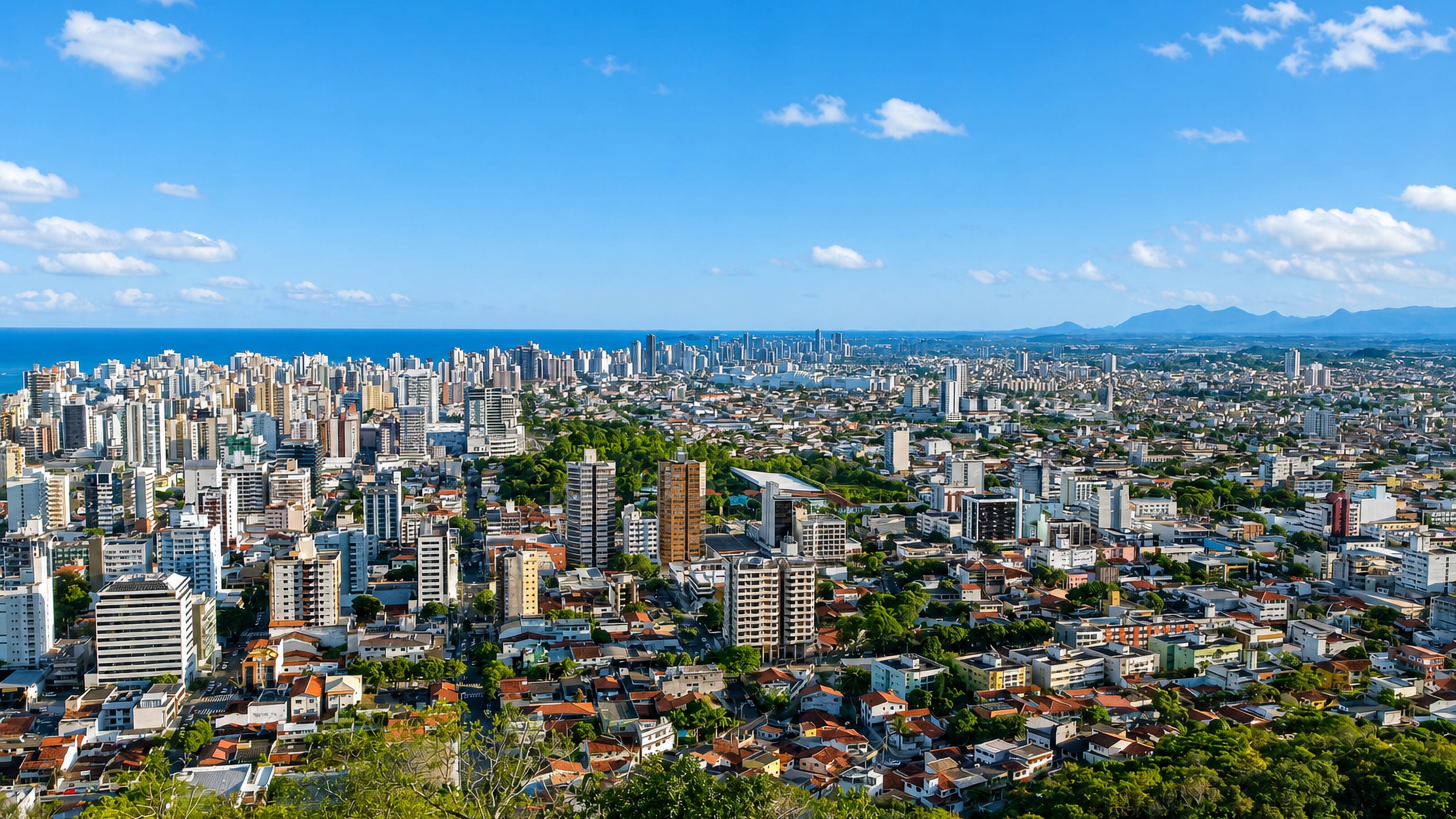
Vila Velha means old village. It faces Vitória across the bay and has held the Espírito Santo coast since 1535.
Hotel links are affiliate links: booking through them may earn us a commission, at no extra cost to you. It never affects how places are ranked. How this works


Where to stay in Vila Velha
Where the beds are, and what that means for the visit.
Start in the old village. The Parish Church of Our Lady of the Rosary marks the founding ground of Vila Velha, and rooms in that historic quarter put the Memory House Museum and the Museu Atelier Homero Massena inside a morning's walk. The seafront is the other half.
Long stretches of the municipality face open water, and a room on that side trades museum walking for the sea, with Cais das Artes giving the waterfront a cultural anchor. The Museum of the Penha Convent is a fixed point on any itinerary, and beds within reach of it suit a trip built around that one visit. The capital sits right across the water.
Vila Velha belongs to the Greater Vitória Metropolitan Area, so a base here works for the capital as easily as the reverse, and the bay between them is crossed rather than skirted. You want the historic quarter for a short stay, and the seafront for a long one. Much of the municipality is ordinary housing rather than anything a visitor would seek out, so the choice narrows quickly once the old village and the shore are accounted for.
The Centro de Documentação e Memória Garoto and the Memory House Museum are the exceptions worth a detour. Beds are plentiful across the whole strip, so the practical question is how far from the water a room can sit before the walk stops being worth it.
Find hotels in Vila Velha
Direct booking searches for these neighbourhoods.
The old village around the Parish Church of Our Lady of the Rosary
The Parish Church of Our Lady of the Rosary stands on the ground Vila Velha started from, with the Museu Atelier Homero Massena close behind it.Find hotels in The old village around the Parish Church of Our Lady of the RosaryOpen water at the end of the street and one cultural stop on the same walkThe seafront by Cais das Artes
Cais das Artes gives this waterfront its landmark, and rooms along here face the sea rather than the museums.Find hotels in The seafront by Cais das ArtesA trip built around the convent and its museumNear the Museum of the Penha Convent
The Museum of the Penha Convent is the reason to sleep on this side, near enough to reach before the day heats up.Find hotels in Near the Museum of the Penha ConventSleeping in the capital and treating Vila Velha as a day outAcross the bay in Vitória
Vitória lies across the bay inside the same Greater Vitória Metropolitan Area, an easy swap when the old village fills up.Find hotels in Across the bay in VitóriaHotel links are affiliate links: booking through them may earn us a commission, at no extra cost to you. It never affects how places are ranked. How this works
Things to do in Vila Velha
Ranked by global recognition; descriptions from Wikidata (CC0).
Museums & Galleries
3- Museu Atelier Homero Massena Heritage
- Memory House Museum
- Museum of the Penha Convent
Churches & Religious Sites
1- Parish Church of Our Lady of the Rosary Heritage
worth knowingacross 2 categories in Vila Velha
About Vila Velha
The name says it.
What is Vila Velha known for?
Vila Velha is the old village, founded in 1535 by Vasco Fernandes Coutinho and the first capital of Espírito Santo before that status crossed the bay to Vitória. Two things carry the visit. The Museum of the Penha Convent sits at the top of the list, while Cais das Artes, the Memory House Museum, and the Museu Atelier Homero Massena carry the cultural side.
The Centro de Documentação e Memória Garoto adds an archive of its own.
What are the main landmarks in Vila Velha?
The Parish Church of Our Lady of the Rosary belongs to the founding settlement. The Museum of the Penha Convent takes its name from the convent and anchors the other end of the town's register. Art and memory fill the middle.
Cais das Artes and the Museu Atelier Homero Massena cover the visual side, the Memory House Museum the domestic one, and the Centro de Documentação e Memória Garoto an archive that sits apart from the rest.
What is the history of Vila Velha?
Espírito Santo begins here. Vasco Fernandes Coutinho founded the settlement in 1535, and Vila Velha served as the original capital of Espírito Santo, which is exactly what its name records. The arrangement did not hold.
Clashes among colonists, enslaved people, and Indigenous people pushed most of the settlers across the bay to Vitória, and capital status followed them, leaving the older town with its name and little else of the office. The Parish Church of Our Lady of the Rosary carries that early chapter forward, one of the few things in Vila Velha that predates the move across the water. Growth arrived much later.
Vila Velha filled out along the Espírito Santo coast as part of the Greater Vitória Metropolitan Area, until only Serra held more people within the state, a scale the old village would not recognise. The Penha Convent kept its own continuity. Its museum holds that record, while the Memory House Museum and the Centro de Documentação e Memória Garoto keep later strands of the same municipal story.
Cais das Artes and the Museu Atelier Homero Massena belong to the most recent layer of all, added to a town that had already lost and regained its importance once.
Where is Vila Velha?
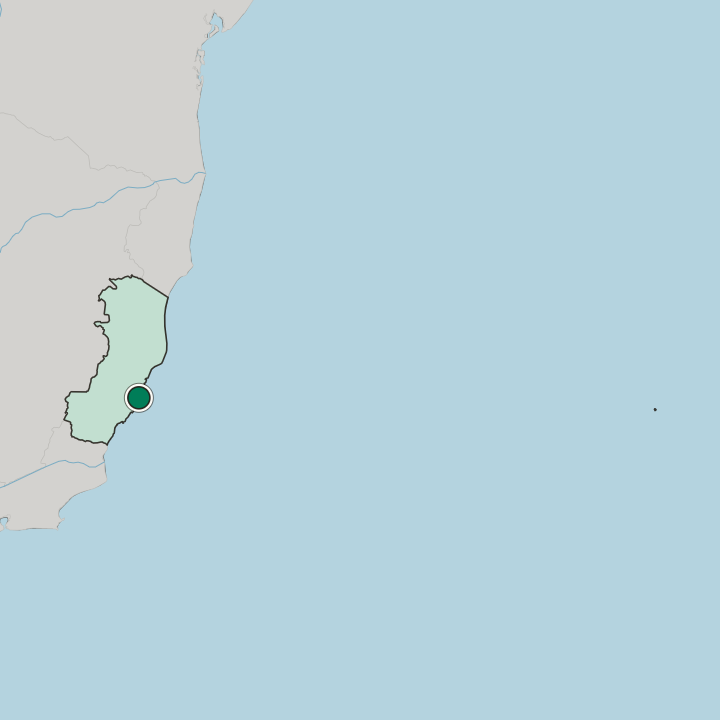
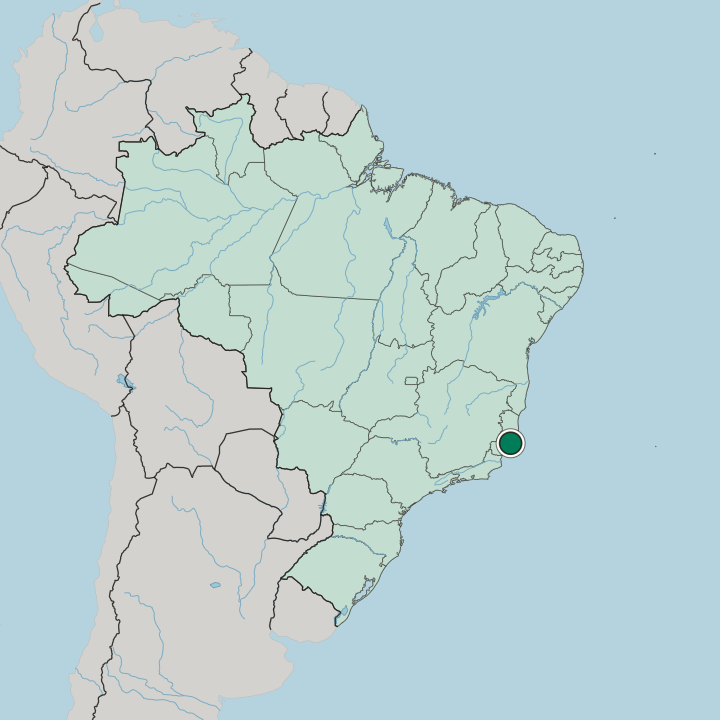
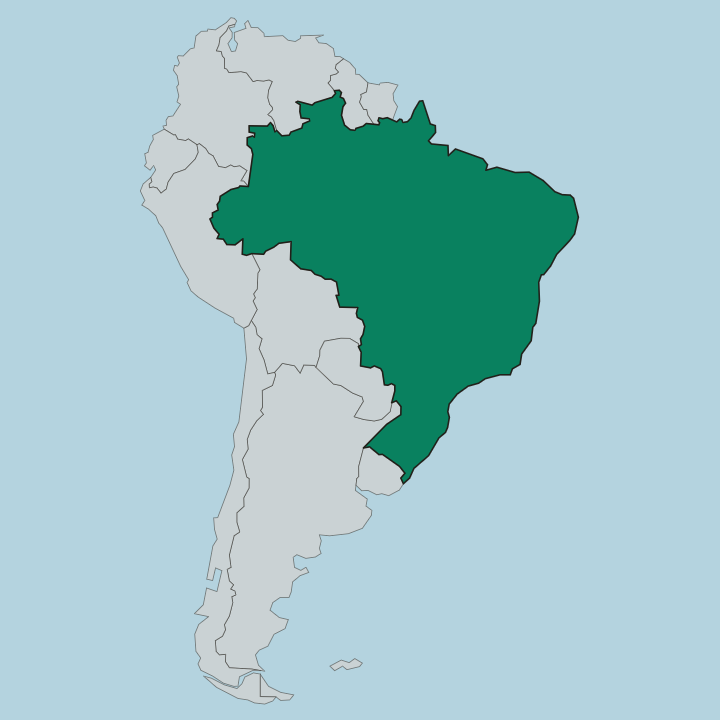
Coast, then bay. Vila Velha lies on the Espírito Santo shoreline in the Southeast Region of Brazil, with the bay separating it from Vitória and the Greater Vitória Metropolitan Area binding the two together. Serra sits beyond the capital.
Only about a quarter of the municipal area is urban, which leaves a good deal of ground past the built-up edge, whatever the sprawl along the shore suggests.
What is the climate of Vila Velha?
The sea takes the edge off. Vila Velha sits on open water in the tropical band south of the equator, so the heat arrives with the turn of the year and the breeze off the bay does more for comfort than any change of season. Rain marks the calendar, not frost.
Wet and dry do the dividing here, and a visitor plans around showers rather than around cold, which never really arrives on this part of the Espírito Santo coast.
How do you get to Vila Velha?
Vitória is the way in. Vila Velha shares the Greater Vitória Metropolitan Area with the capital, so arrivals land on one side of the bay and cross to the other, which is a short move rather than a journey. Distances inside it add up.
The old village, the shore, and the Museum of the Penha Convent are separate stops rather than one walkable cluster, so moving between them means transport of some kind.
Common questions
What is the best area to stay in Vila Velha?
The old village around the Parish Church of Our Lady of the Rosary: Founding-era streets with the Memory House Museum a few minutes off. The seafront by Cais das Artes: Open water at the end of the street and one cultural stop on the same walk. Near the Museum of the Penha Convent: A trip built around the convent and its museum. Across the bay in Vitória: Sleeping in the capital and treating Vila Velha as a day out.
Good for
More cities in Espírito Santo
Updated October 2026