Brazil · Rio de Janeiro
Where to Stay in Duque de Caxias, Rio de Janeiro
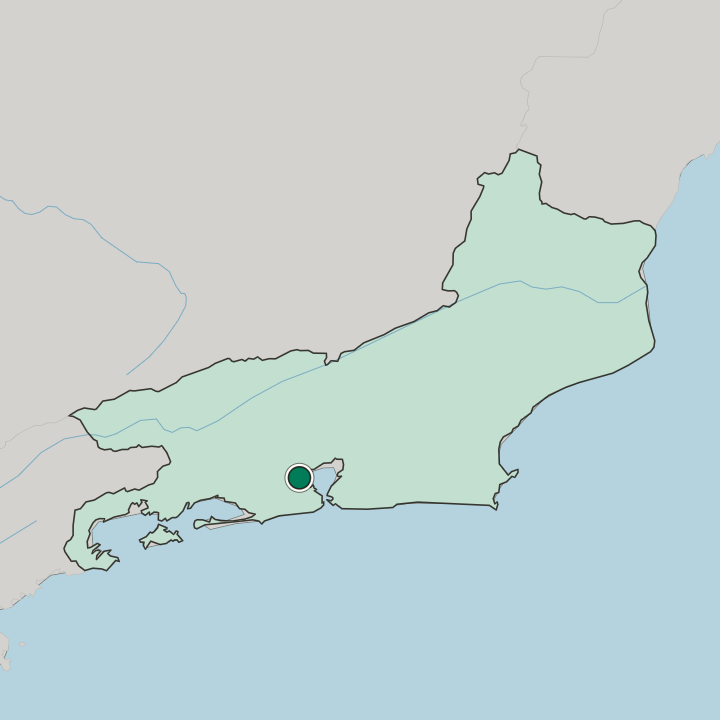
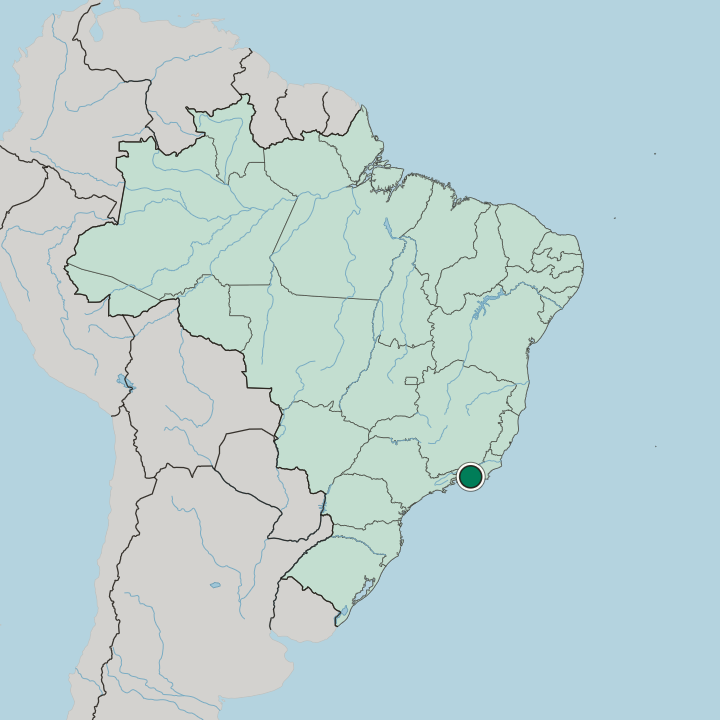
Duque de Caxias is a city on Guanabara Bay in the Baixada Fluminense, part of the Rio de Janeiro metropolitan area and a municipality since 1943.
Hotel links are affiliate links: booking through them may earn us a commission, at no extra cost to you. It never affects how places are ranked. How this works


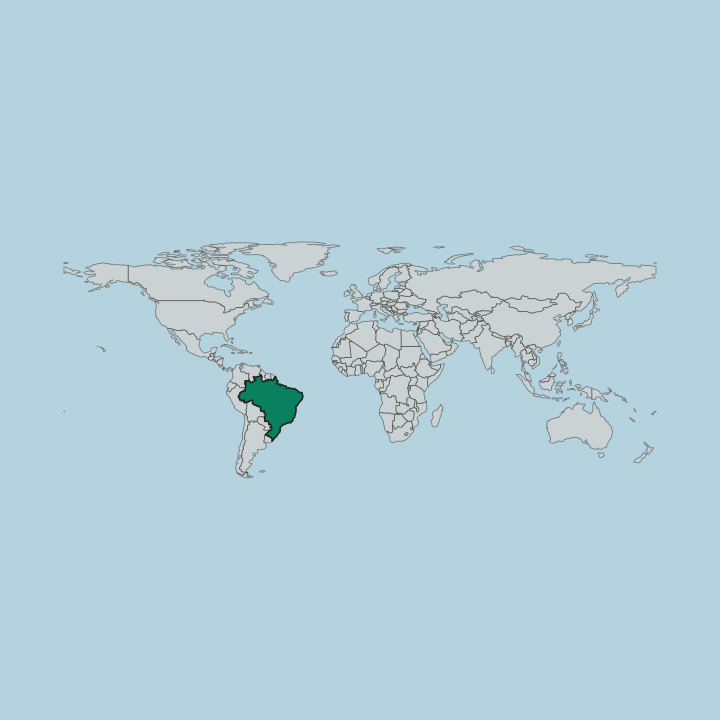
Where to stay in Duque de Caxias
Each area has its own feel; here's who each one suits.

 Duque de CaxiasBrazil
Vila Leopoldina
Vila Leopoldina is a district of Duque de Caxias, a city in the state of Rio de Janeiro, Brazil, covering about 5.6 km².Where to stay →Duque de CaxiasBrazilJardim Gramacho
Jardim Gramacho is a neighbourhood of Duque de Caxias, a city on Guanabara Bay in the state of Rio de Janeiro.Where to stay →Hotel links are affiliate links: booking through them may earn us a commission, at no extra cost to you. It never affects how places are ranked. How this works
Find hotels in Duque de Caxias
Direct booking searches for these neighbourhoods.
The São Bento side
The Fazenda de São Bento and its living museum hold the oldest ground in Duque de Caxias.Find hotels in The São Bento sideTravellers using Duque de Caxias as a base inside Grande RioTowards Guanabara Bay
The Guanabara Bay edge ties this municipality to the Rio de Janeiro metropolitan area more than to its own centre.Find hotels in Towards Guanabara BayHotel links are affiliate links: booking through them may earn us a commission, at no extra cost to you. It never affects how places are ranked. How this works
Things to do in Duque de Caxias
Ranked by global recognition; descriptions from Wikidata (CC0).
Museums & Galleries
3- Instituto Histórico Vereador Thomé Siqueira Barreto
- Museu Ciência e Vida
- Museu Histórico do Duque de Caxias e da Taquara
Churches & Religious Sites
1- Church of Our Lady of Pilar Heritage
worth knowingacross 2 categories in Duque de Caxias
About Duque de Caxias
In Duque de Caxias the museums carry the visit.
What is Duque de Caxias known for?
The Museu Vivo do São Bento, the Museu Ciência e Vida and the Museu Histórico do Duque de Caxias e da Taquara give the city three separate collections, and the Instituto Histórico Vereador Thomé Siqueira Barreto keeps the documentary side of the same work. Two older sites break that pattern. The Fazenda de São Bento and the Church of Our Lady of Pilar stand for that earlier layer, in a municipality that only dates from 1943, within the Baixada Fluminense on the edge of Guanabara Bay.
What are the main landmarks in Duque de Caxias?
Four museums, a church and a farm. The Museu Vivo do São Bento shares its name with the Fazenda de São Bento, the Museu Ciência e Vida takes the scientific side, and the Museu Histórico do Duque de Caxias e da Taquara covers the municipality and Taquara together. Records have their own address.
The Instituto Histórico Vereador Thomé Siqueira Barreto holds them, and the Church of Our Lady of Pilar closes the list.
What is the history of Duque de Caxias?
Duque de Caxias became a municipality in 1943. The names on its landmark list are older than that: the Fazenda de São Bento and the Church of Our Lady of Pilar both stand for a period before the municipality existed, on ground in the Baixada Fluminense at the edge of Guanabara Bay. Taquara belongs to the same story.
The Museu Histórico do Duque de Caxias e da Taquara carries both names in its title, which is the clearest sign in the record that the municipality was assembled out of places that already had their own. Institutions followed the boundary. The Instituto Histórico Vereador Thomé Siqueira Barreto was set up to hold the documentary record, the Museu Vivo do São Bento took the São Bento name too, and the Museu Ciência e Vida added a scientific collection to a city better known for its place in the Rio de Janeiro metropolitan area.
Grande Rio shaped the rest. Duque de Caxias sits inside the Baixada Fluminense, one municipality among the several that make up that region, and its history since 1943 is bound to the growth of the metropolitan area it belongs to. Portuguese carries it all.
Where is Duque de Caxias?
Guanabara Bay sets the edge. Duque de Caxias lies along the bay inside the Baixada Fluminense of the Grande Rio region, and its municipality covers some four hundred and sixty square kilometres of the state of Rio de Janeiro. This is tropical ground.
The city forms part of the Rio de Janeiro metropolitan area, so the built-up fabric does not stop at the municipal line, and the Fazenda de São Bento marks one of the few points where older ground is still legible.
What is the climate of Duque de Caxias?
Guanabara Bay keeps the air humid. Duque de Caxias lies in the tropical band and on the water at once, so the hot months around January are heavy rather than dry and the cooler stretch around July never turns properly cold. Indoor days have obvious answers.
The Museu Ciência e Vida and the Museu Histórico do Duque de Caxias e da Taquara take the worst of an afternoon better than the open ground at the Fazenda de São Bento.
How do you get to Duque de Caxias?
Rio is the way in. Duque de Caxias sits within the Rio de Janeiro metropolitan area, so arrival is usually a matter of crossing the Baixada Fluminense from the wider Grande Rio rather than travelling to a separate destination. Portuguese runs the signage.
The municipality runs to some four hundred and sixty square kilometres, so the Museu Vivo do São Bento, the Museu Ciência e Vida and the Church of Our Lady of Pilar are not all one short walk apart.
Common questions
What is the best area to stay in Duque de Caxias?
The São Bento side: Museum-goers pairing the Museu Vivo do São Bento with the Fazenda de São Bento. Towards Guanabara Bay: Travellers using Duque de Caxias as a base inside Grande Rio.
Good for
More cities in Rio de Janeiro
Updated October 2026