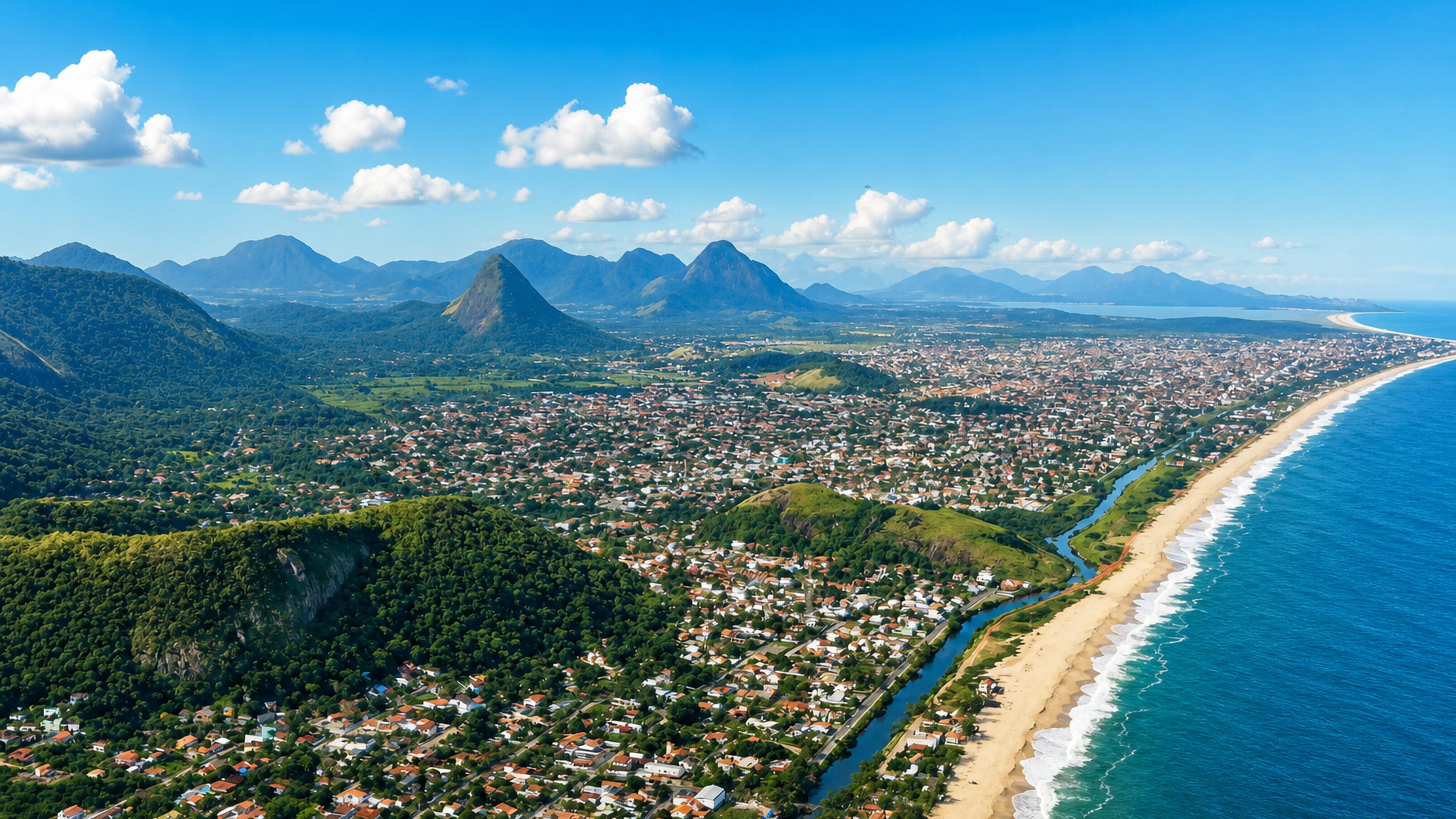
Brazil · Rio de Janeiro
Where to Stay in Maricá, Rio de Janeiro
Maricá sits in Greater Niterói, bordered by six municipalities, a town of 1814 with its own Casa de Câmara e Cadeia.
Hotel links are affiliate links: booking through them may earn us a commission, at no extra cost to you. It never affects how places are ranked. How this works


Where to stay in Maricá
Where the beds are, and what that means for the visit.
The Igreja Matriz Nossa Senhora do Amparo and the Casa de Câmara e Cadeia stand for the old centre of Maricá. A stay there is a stay in the town proper, with the Museu Histórico de Maricá close by and the Fazenda Macedo Soares among the places worth the trip out. Small centre, short walks.
You will do better there if the point of coming is the town's own record rather than the surrounding municipalities. The borders do a lot of work here. Maricá touches Niterói, São Gonçalo, Itaboraí, Rio Bonito, Saquarema and Tanguá, so a room here can serve any of those as easily as it serves Maricá itself, which is the practical argument for the municipality.
Space is not short. Something over three hundred and sixty square kilometres belong to Maricá, so an address outside the centre puts distance between a bed and the Casa de Câmara e Cadeia, and the Museu Virtual de Maricá is the one part of the record that needs no travelling at all. Portuguese is the language, and 1814 the year on the municipal record.
Find hotels in Maricá
Direct booking searches for these neighbourhoods.
The Amparo centre
The Igreja Matriz Nossa Senhora do Amparo and the Casa de Câmara e Cadeia hold the old middle of Maricá.Find hotels in The Amparo centreDrivers working between Niterói, Saquarema and MaricáOut towards the borders
Beyond the centre the municipality runs on to the Itaboraí, Rio Bonito and Tanguá boundaries. Lodging is scarce in this area; reserve in advance.Find hotels in Out towards the bordersHotel links are affiliate links: booking through them may earn us a commission, at no extra cost to you. It never affects how places are ranked. How this works
About Maricá
Six neighbours ring the municipality.
What is Maricá known for?
Itaboraí, São Gonçalo, Rio Bonito, Niterói, Saquarema and Tanguá all share a boundary with Maricá, which puts it in the Greater Niterói region and inside Grande Rio at once. Its own list is short. The Igreja Matriz Nossa Senhora do Amparo, the Casa de Câmara e Cadeia and the Fazenda Macedo Soares carry the built history, while the Museu Histórico de Maricá and the Museu Virtual de Maricá handle the telling of it.
What are the main landmarks in Maricá?
Five entries, and one of them has no address. The Museu Virtual de Maricá is exactly what it says, while the Museu Histórico de Maricá holds the physical collection, and both answer for a town whose built landmarks number three. Those three are old ones.
The Igreja Matriz Nossa Senhora do Amparo is the parish church, the Casa de Câmara e Cadeia pairs a council chamber with a jail in its name, and the Fazenda Macedo Soares carries the estate side of the same period.
What is the history of Maricá?
Maricá dates itself to 1814. The Casa de Câmara e Cadeia takes its name from the pairing of council chamber and jail, and the building is the clearest evidence the municipality keeps of how it was once governed. Faith had its own building.
The Igreja Matriz Nossa Senhora do Amparo served as the parish church, and the Fazenda Macedo Soares carries the name of an estate from the same era of the record. Both names survive on the municipal register. Boundaries came to matter more.
Maricá ended up inside Greater Niterói and, through it, inside Grande Rio, sharing borders with Itaboraí, São Gonçalo, Rio Bonito, Niterói, Saquarema and Tanguá rather than standing alone in the state of Rio de Janeiro. The record was gathered late. The Museu Histórico de Maricá took the objects and the Museu Virtual de Maricá took the rest, which is how a municipality of some three hundred and sixty square kilometres keeps a history that its five landmarks alone would not hold.
Portuguese carried all of it. The town of 1814 is still legible in the Amparo church and the old council house.
Where is Maricá?
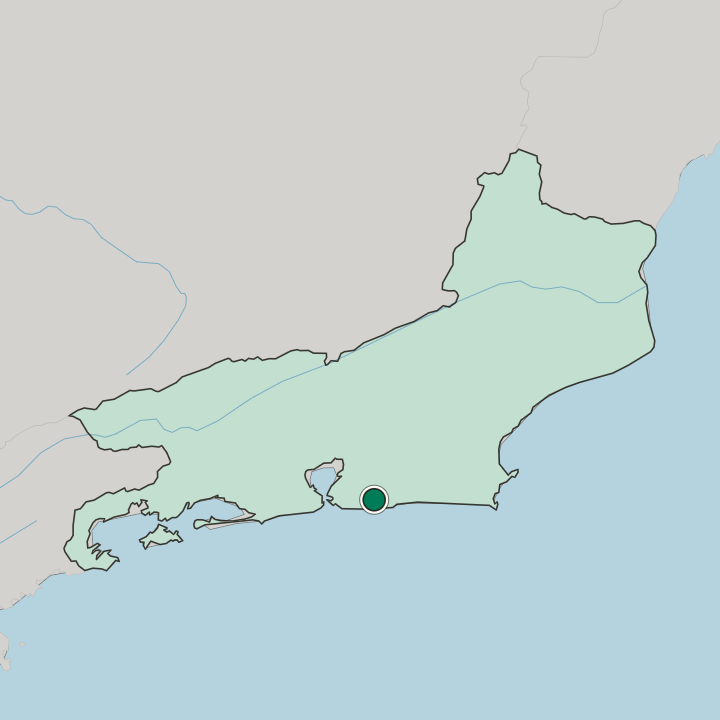
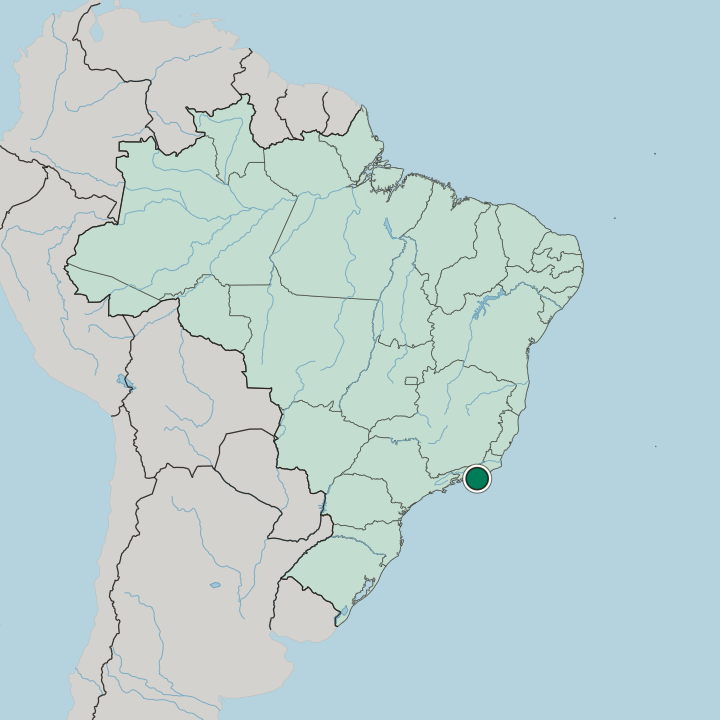
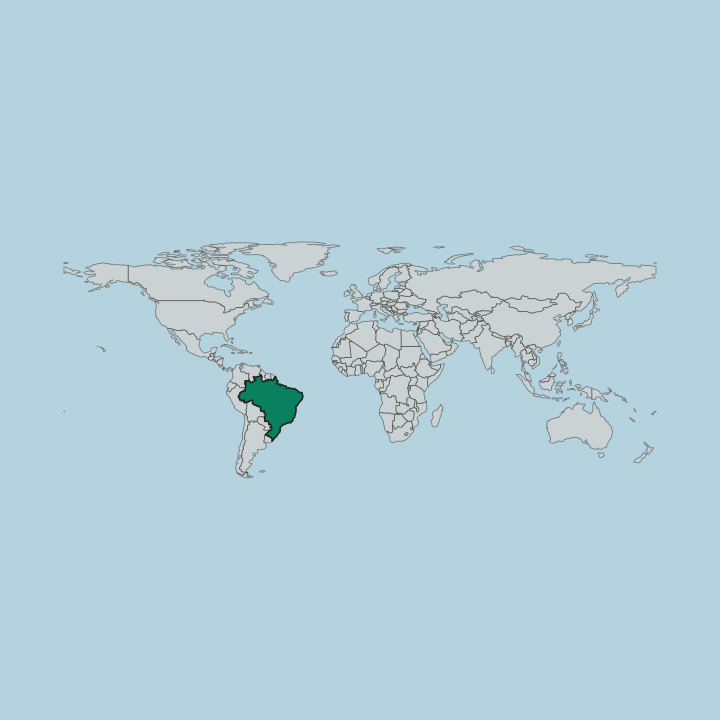
Six municipalities meet Maricá at its boundary. Niterói, São Gonçalo, Itaboraí, Rio Bonito, Saquarema and Tanguá surround it, and the whole of that boundary encloses something over three hundred and sixty square kilometres of the state of Rio de Janeiro. The tropics cover it.
Greater Niterói is the region it answers to, Grande Rio the wider one beyond that, and the built-up part around the Igreja Matriz Nossa Senhora do Amparo takes up only a small share of the territory.
What is the climate of Maricá?
Winter here is a word, not a season. Maricá lies inside the tropical band, so the hot half of the year around January is long and the mild half around July is short of anything cold, and the six municipalities on its borders get the same. Old walls stay cooler.
Shade is easier to find in the Casa de Câmara e Cadeia and the Igreja Matriz Nossa Senhora do Amparo than anywhere on the road out to the Fazenda Macedo Soares.
How do you get to Maricá?
Niterói is the way most people come. Maricá shares a boundary with Niterói and with São Gonçalo, so the approach is a short move between municipalities of the same Greater Niterói region rather than a journey across the state of Rio de Janeiro. Roads do it all.
Itaboraí, Rio Bonito, Saquarema and Tanguá give four more ways over the boundary, and Portuguese is on every sign, which leaves only the size of the municipality to think about once inside it.
Common questions
What is the best area to stay in Maricá?
The Amparo centre: Walkers doing the Casa de Câmara e Cadeia and the Amparo church in one morning. Out towards the borders: Drivers working between Niterói, Saquarema and Maricá.
Good for
More cities in Rio de Janeiro
Updated September 2026