Brazil · Rio de Janeiro
Where to Stay in Niterói, Rio de Janeiro
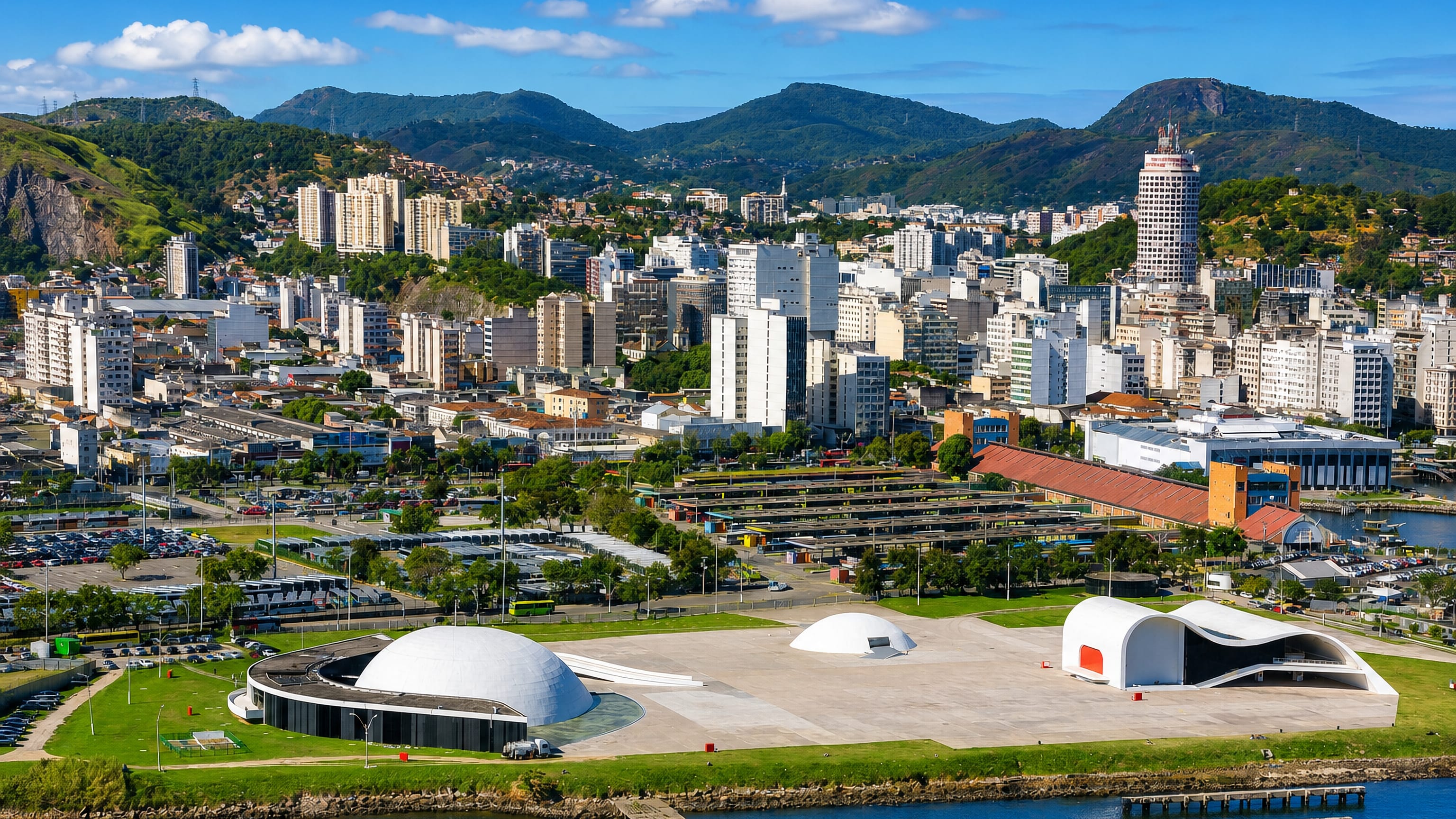
Niterói faces Rio de Janeiro across Guanabara Bay, a former capital of the state with beaches, old forts and a contemporary art museum.
Hotel links are affiliate links: booking through them may earn us a commission, at no extra cost to you. It never affects how places are ranked. How this works


Where to stay in Niterói
The right area depends on your trip — here's what each neighbourhood is best for.

 NiteróiBrazil
Centro
Centro names the central district of Niterói, a city in the state of Rio de Janeiro, Brazil.Where to stay →NiteróiBrazilBarreto
Barreto is a middle-class neighbourhood in the northern zone of Niterói, built along the Niterói-Manilha road by the coast of Guanabara Bay.Where to stay → NiteróiBrazil
Icaraí
Icaraí is a beach in Niterói and the neighbourhood that grew up behind it, in the Brazilian state of Rio de Janeiro.Where to stay →NiteróiBrazilCharitas
Charitas is one of the 48 neighbourhoods of Niterói in Brazil, and the Igreja de São Francisco Xavier is its church.Where to stay → NiteróiBrazil
Camboinhas
Camboinhas is a neighbourhood of Niterói, the Brazilian city that faces Rio de Janeiro across Guanabara Bay.Where to stay →Hotel links are affiliate links: booking through them may earn us a commission, at no extra cost to you. It never affects how places are ranked. How this works
Find hotels in Niterói
Direct booking searches for these neighbourhoods.
The old civic core
Palácio da Justiça, Palácio do Ingá and Museu Antônio Parreiras stand inside one walkFind hotels in The old civic coreSwimming days built around the Niterói Contemporary Art MuseumThe bay shore
Beaches and historic forts follow the coast away from the downtown palacesFind hotels in The bay shoreHotel links are affiliate links: booking through them may earn us a commission, at no extra cost to you. It never affects how places are ranked. How this works
Things to do in Niterói
Ranked by global recognition; descriptions from Wikidata (CC0).
Museums & Galleries
4- Solar do Jambeiro Heritage
- Palácio do Ingá Heritage
- Museu Antônio Parreiras Heritage
- Palácio da Justiça Heritage
Churches & Religious Sites
3- Igreja de São Francisco Xavier Heritage
- Igreja de São Lourenço dos Índios Heritage
- Igreja de São Sebastião de Itaipu Heritage
Castles & Historic Sites
1- Monumento à República Heritage
Landmarks & Notable Places
2- Casa da Fazenda Jurujuba Heritage
- Casa Notre Réve Heritage
worth knowingacross 4 categories in Niterói
About Niterói
Cidade Sorriso is the local name.
What is Niterói known for?
The Niterói Contemporary Art Museum draws the most attention, though the city also keeps historic forts, many beaches and a long line of museums and palaces from its years as the state capital. Museu Antônio Parreiras, Solar do Jambeiro and the Museu Janete Costa de Arte Popular are among them. A ferry links it to Rio de Janeiro across Guanabara Bay in a short crossing.
What are the main landmarks in Niterói?
The Niterói Contemporary Art Museum is the best-known building here, and the city also holds a long roster of palaces, churches and museums carried over from the years of state government. Palácio do Ingá and Palácio da Justiça are two. Solar do Jambeiro, Casa Notre Réve and Palácio dos Correios fill out the list, and Monumento à República marks the civic side.
Churches carry the older layer: Igreja de São Lourenço dos Índios, Igreja de São Domingos de Gusmão, the Basílica de Nossa Senhora Auxiliadora and the Metropolitan Cathedral. Historic forts survive as well.
What is the history of Niterói?
Niterói dates from 1573. Colonial buildings such as Igreja de São Lourenço dos Índios survive from those centuries, when the place was a settlement on the opposite shore of Guanabara Bay from Rio de Janeiro. Then the state moved in.
From 1834 the city served as capital of Rio de Janeiro state, a role it held until 1894 and then took back from 1903 until 1975. A golden mural crown marks that history on the city's arms. Two separate stints as capital left an unusual weight of official architecture for a city of its size.
That ended in 1975. The Museu de História e Artes do Estado do Rio de Janeiro keeps the record of those decades, and the palaces built for the state government stayed behind. Museu de Arte Sacra occupies the Igreja de Nossa Senhora da Conceição, one of several religious buildings turned over to collections.
Oscar Niemeyer's buildings account for the city's later architectural reputation, with Brasília holding the larger collection. The ferry across Guanabara Bay remains the shortest link to Rio de Janeiro, and the city now sits inside the Rio de Janeiro Metropolitan Area.
Where is Niterói?
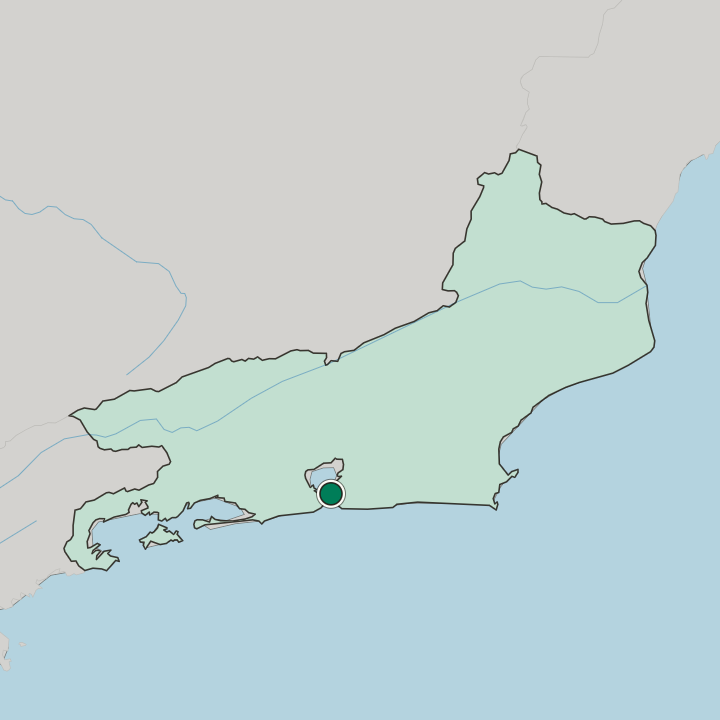
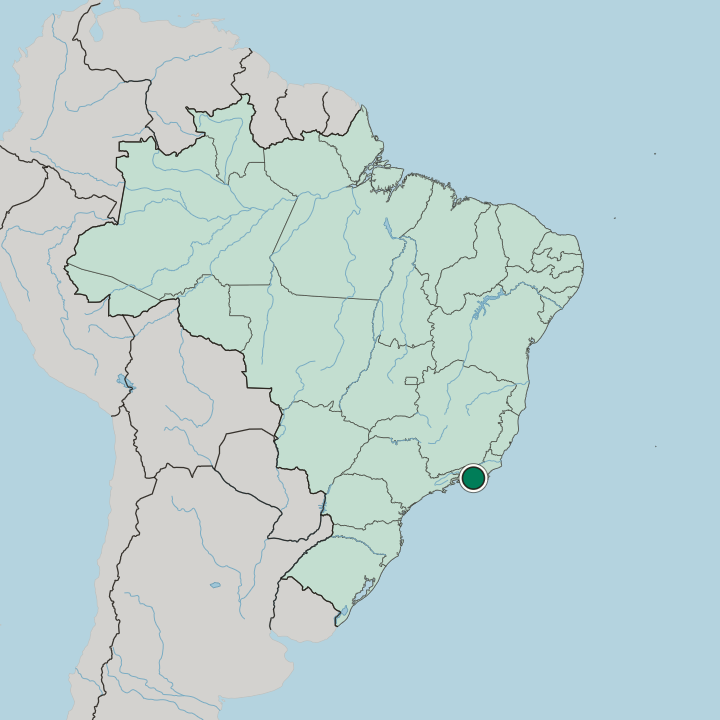
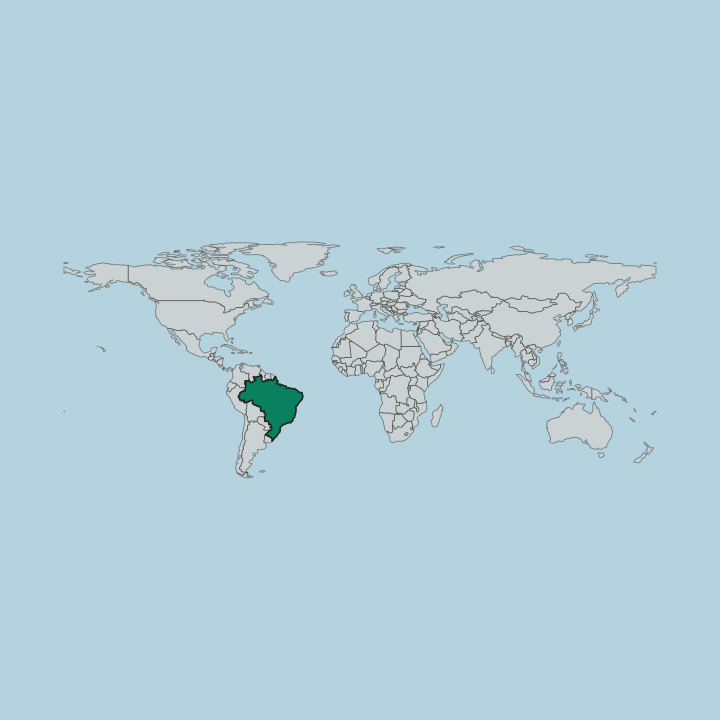
Beaches run along the coast. Niterói takes the far shore of Guanabara Bay, facing the city of Rio de Janeiro across the water, and the metropolitan area folds both sides into one. Historic forts stand on that shoreline.
The setting is tropical, south of the equator, and the municipality belongs to Rio de Janeiro state.
What is the climate of Niterói?
Guanabara Bay sits at Niterói's edge, and the tropical band it falls in keeps the year warm and the air heavy with damp off the water. Seasons reverse the northern pattern. January falls in high summer here, and July in the cooler half of the year.
Niterói shares that pattern with Rio de Janeiro across the water.
How do you get to Niterói?
Most arrivals come by water. The ferry from downtown Rio de Janeiro crosses Guanabara Bay in a short run, and it lands travellers within reach of the museums and palaces of the old centre. Roads link it to the rest of the Rio de Janeiro Metropolitan Area.
The crossing takes minutes, not hours.
Common questions
What is the best area to stay in Niterói?
The old civic core: Ferry crossings to Rio de Janeiro and the palace museums. The bay shore: Swimming days built around the Niterói Contemporary Art Museum.
Good for
More cities in Rio de Janeiro
Updated October 2026