
Brazil
Rio de Janeiro, Brazil — Towns & Travel Guide
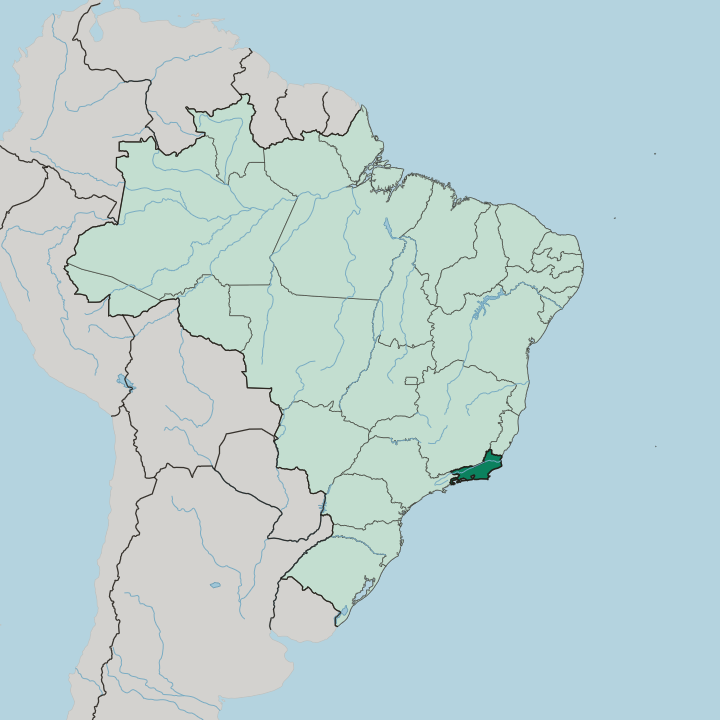
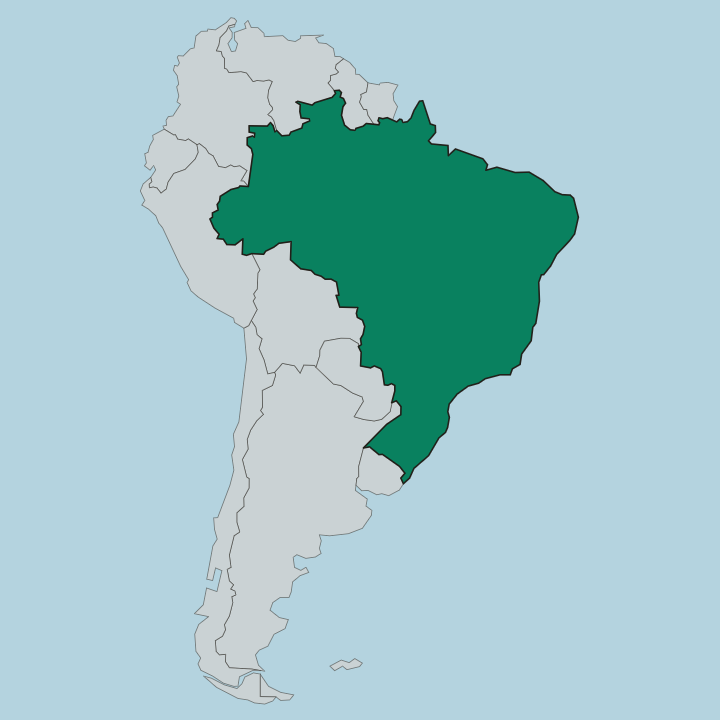
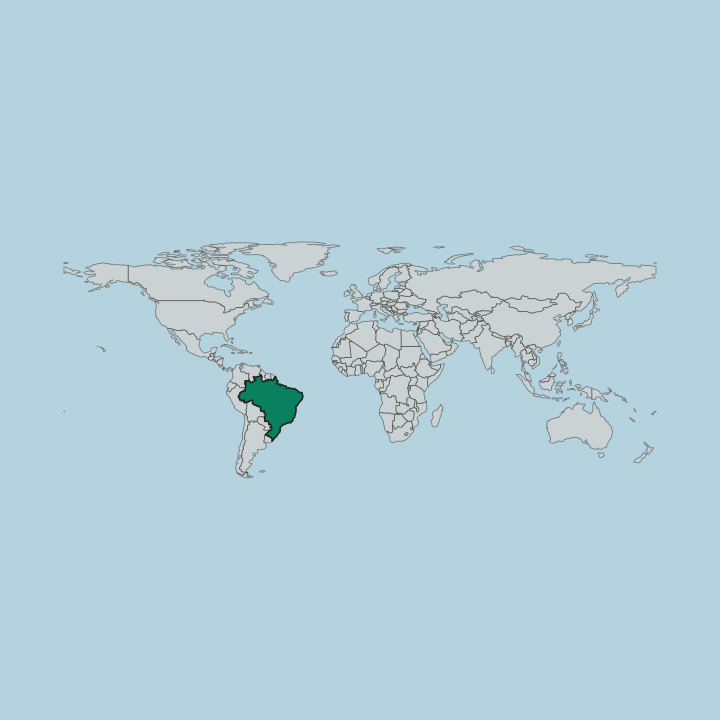
Rio de Janeiro is a coastal state on Brazil's South Atlantic shore, named for its capital, and known for its beaches and Carnival.
Hotel links are affiliate links: booking through them may earn us a commission, at no extra cost to you. It never affects how places are ranked. How this works


Towns & cities in Rio de Janeiro
Pick a town or city — each links to where to stay.
 Brazil
Rio de Janeiro
Between the mountains and the South Atlantic sits Rio de Janeiro, the second-largest city in Brazil, founded in 1565.Where to stay →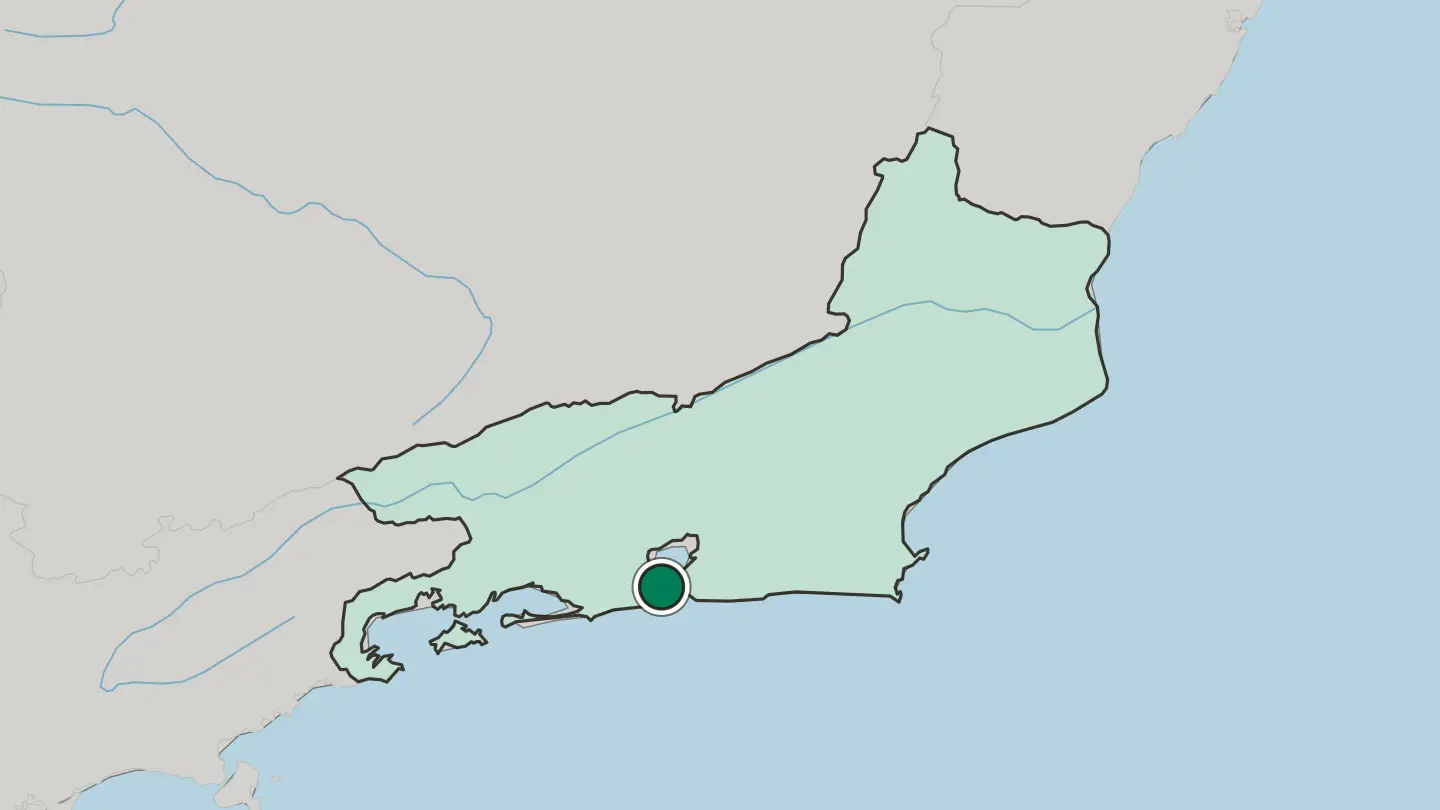 Brazil
Nova Iguaçu
Nova Iguaçu spreads across the Baixada Fluminense inside the metro area of Rio de Janeiro, a municipality of old fazendas and disused rail stations.Where to stay →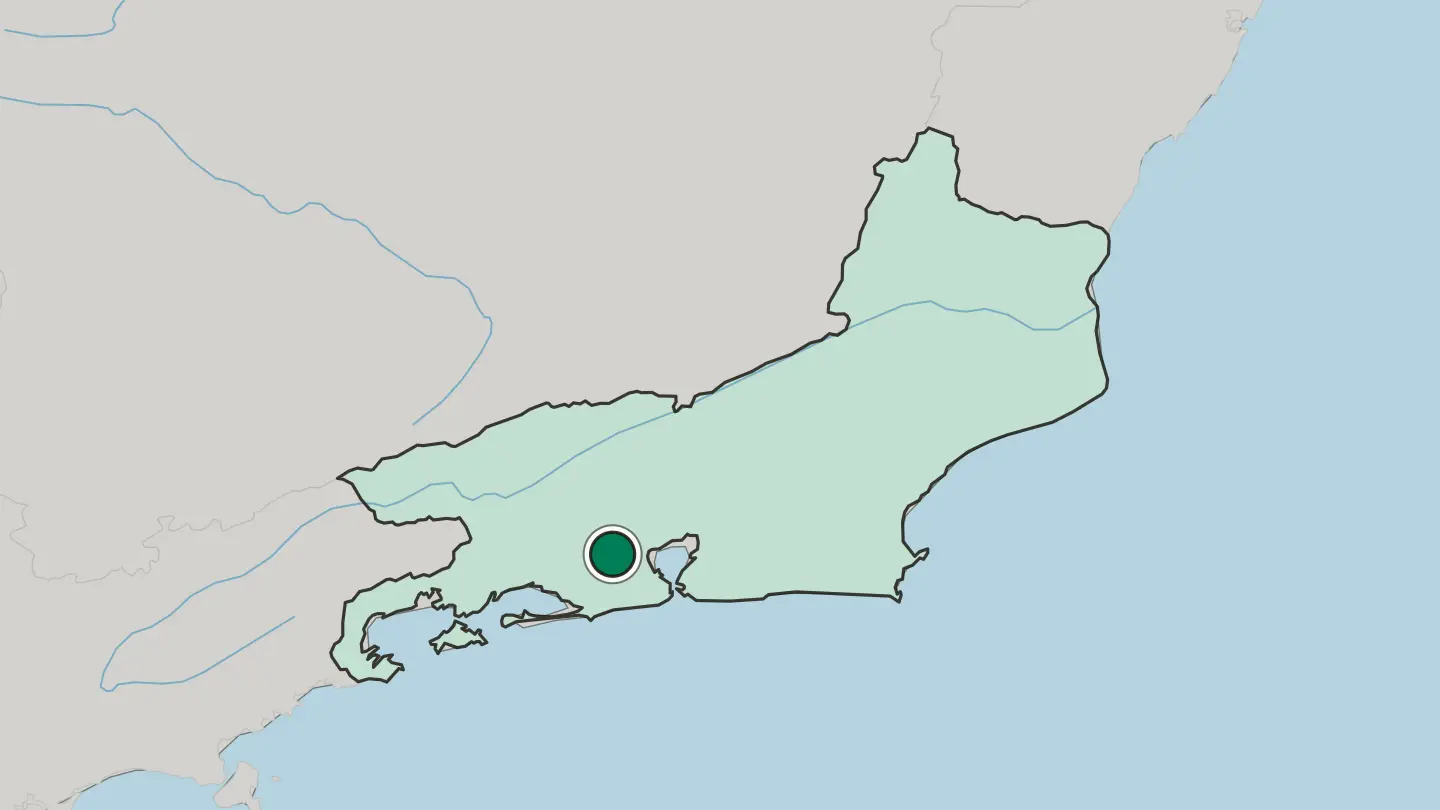
 Brazil
Duque de Caxias
Duque de Caxias is a city on Guanabara Bay in the Baixada Fluminense, part of the Rio de Janeiro metropolitan area and a municipality since 1943.Where to stay →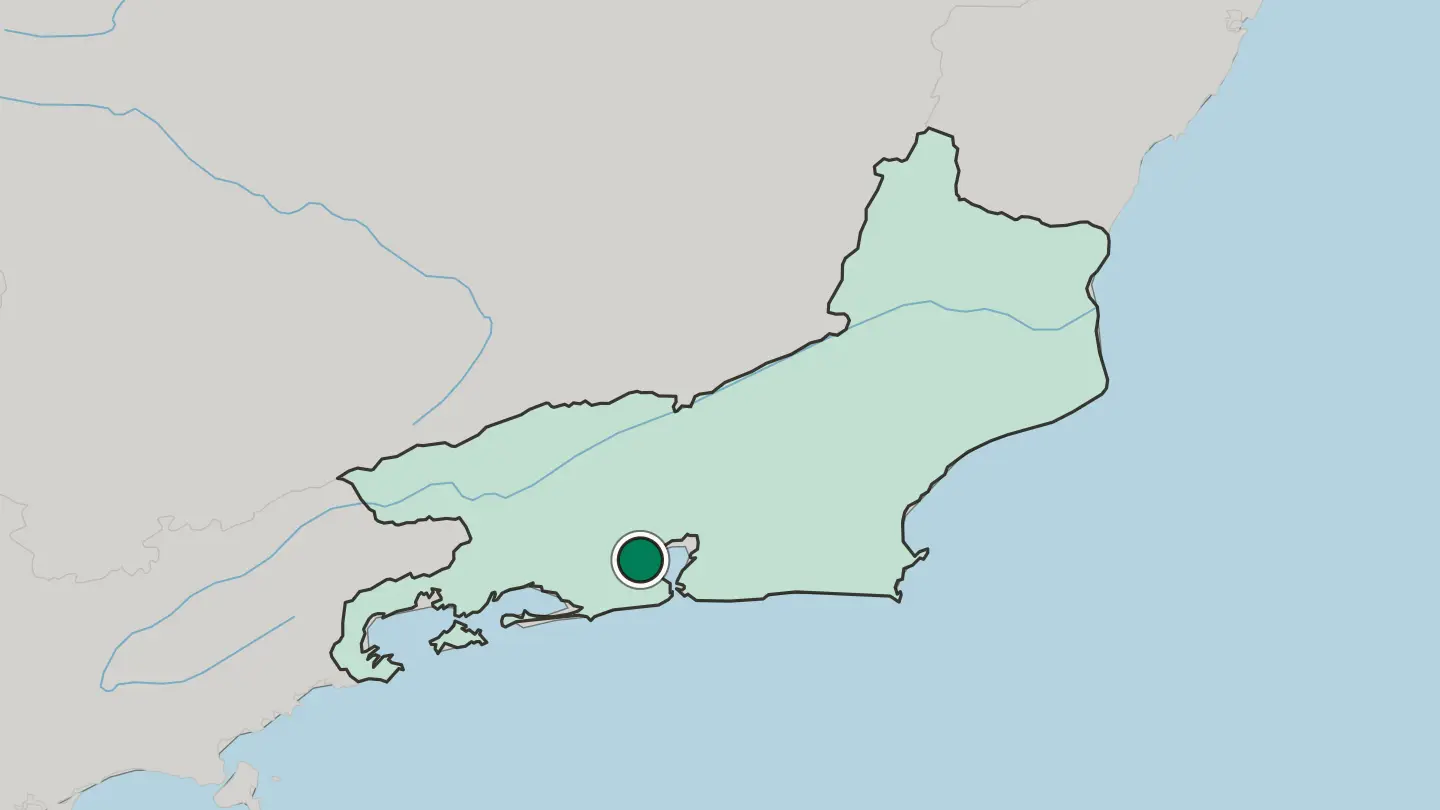 Brazil
Campos dos Goytacazes
Campos dos Goytacazes, dating from 1835, is the largest city of Rio de Janeiro state outside Greater Rio, a place of churches and monuments.Where to stay →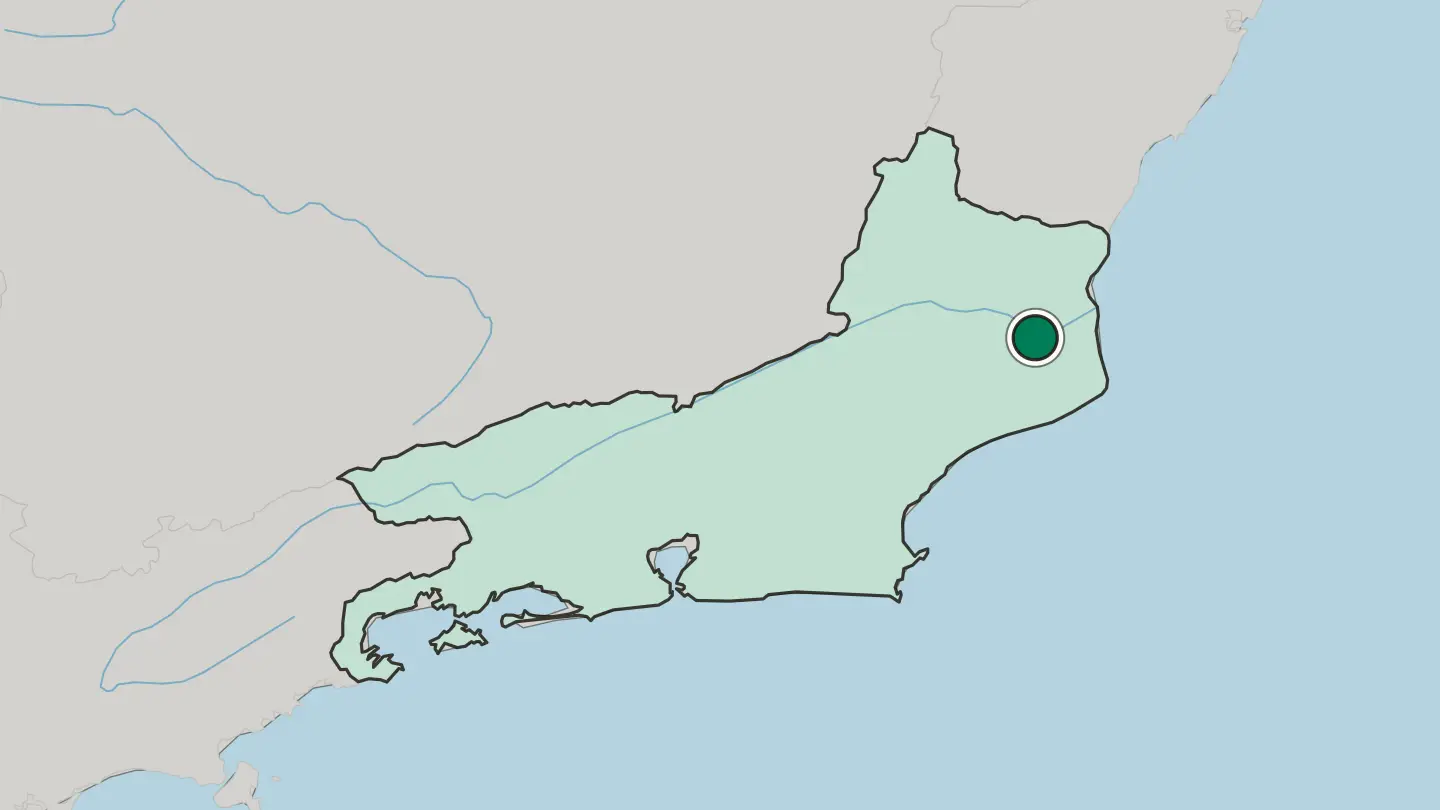 Brazil
Belford Roxo
Belford Roxo is a city of the Baixada Fluminense in Grande Rio, inside the metropolitan region of Rio de Janeiro and thick with museums.Where to stay →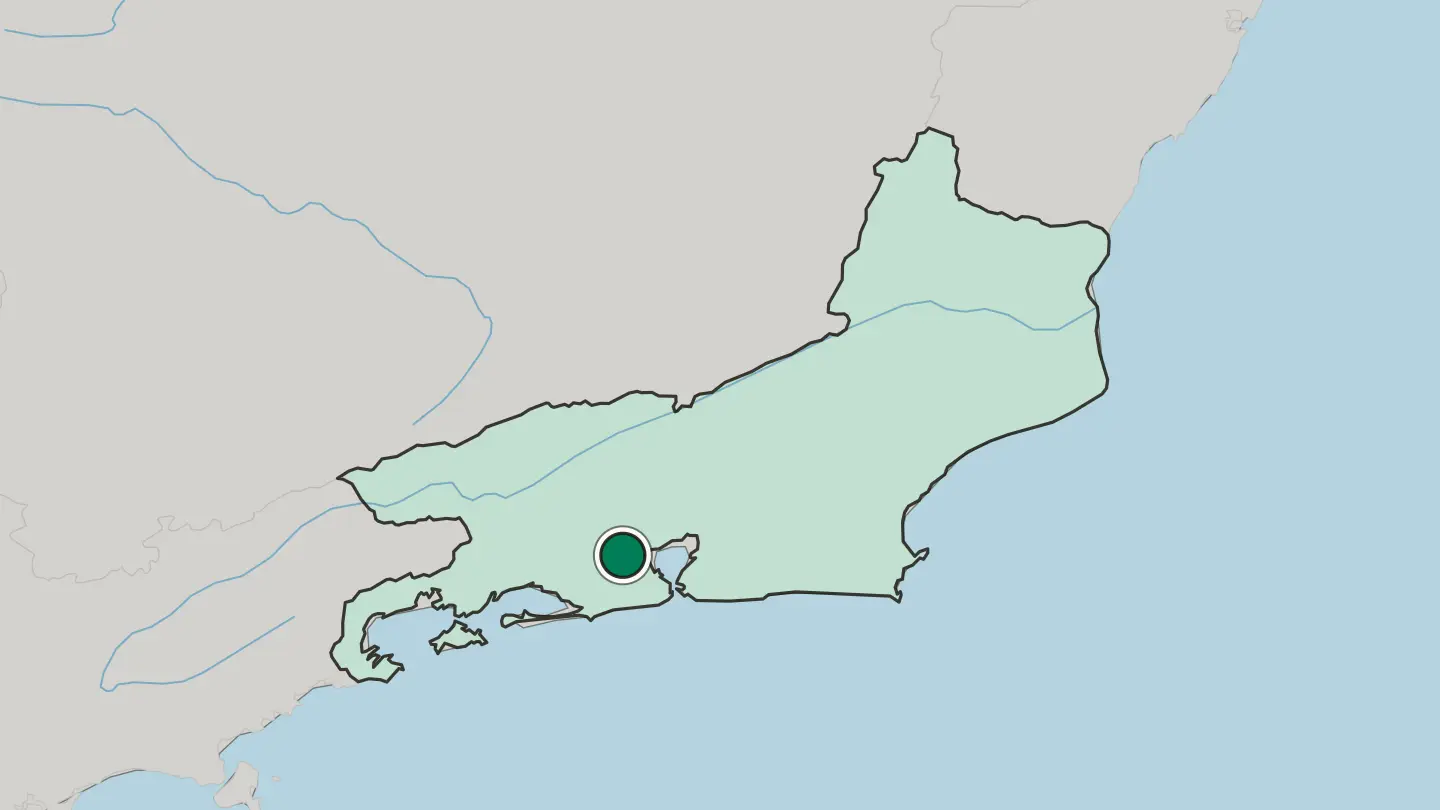
 Brazil
Niterói
Niterói faces Rio de Janeiro across Guanabara Bay, a former capital of the state with beaches, old forts and a contemporary art museum.Where to stay →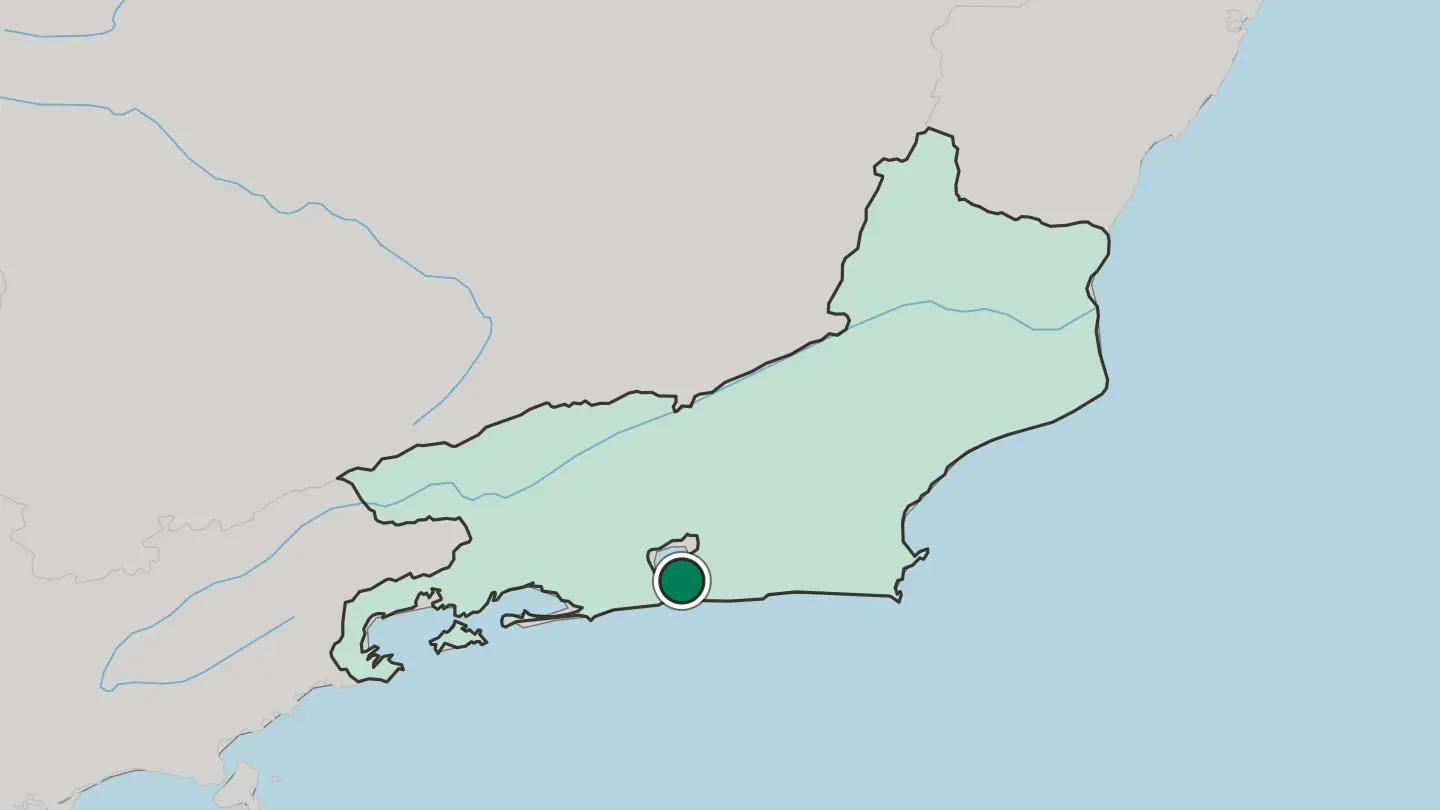 Brazil
Volta Redonda
Volta Redonda is a municipality of Rio de Janeiro state, named for the round curve of the Paraíba do Sul it was built around.Where to stay →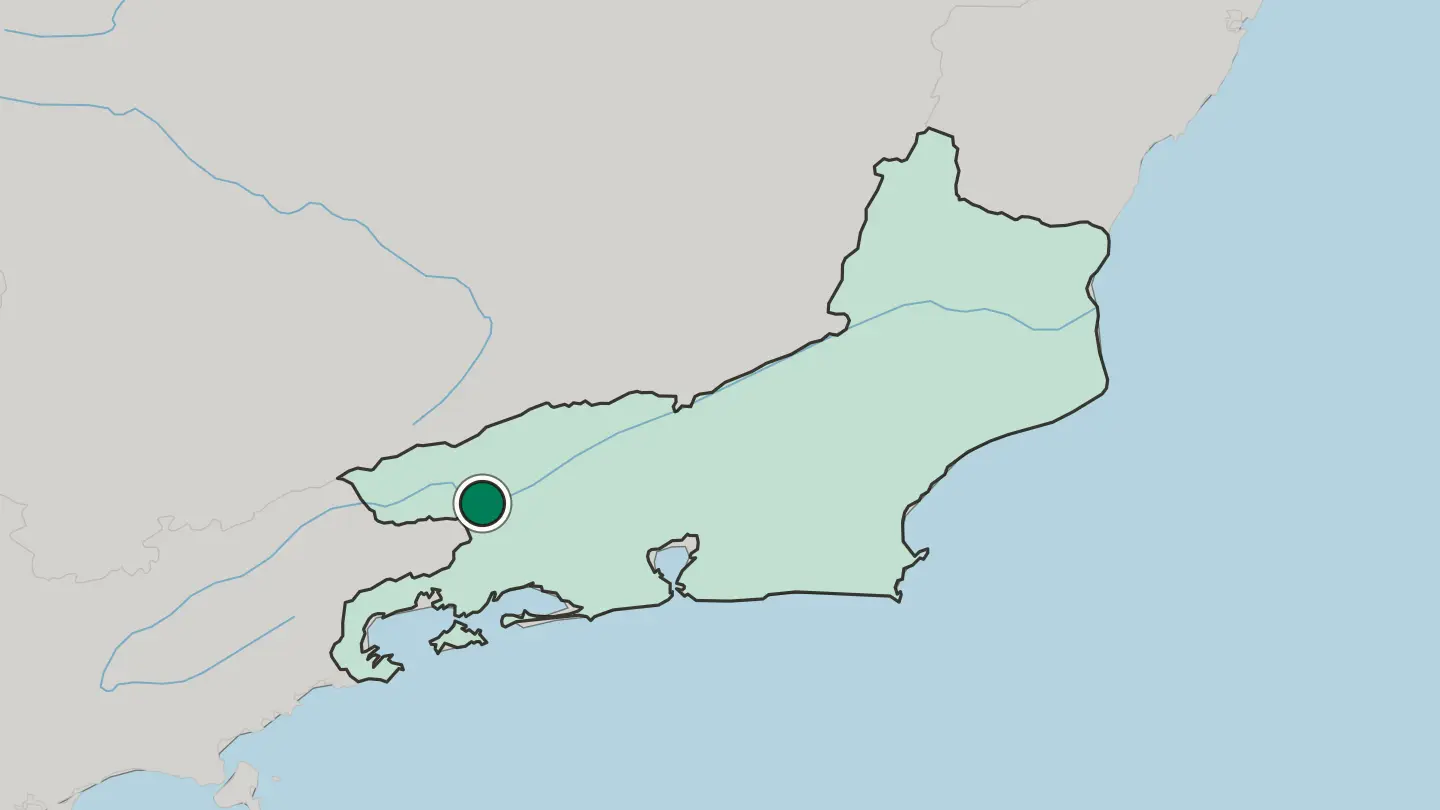
 Brazil
Petrópolis
Petrópolis keeps the Imperial Museum of Brazil and a run of named old houses, a city of Rio de Janeiro state founded in 1843.Where to stay →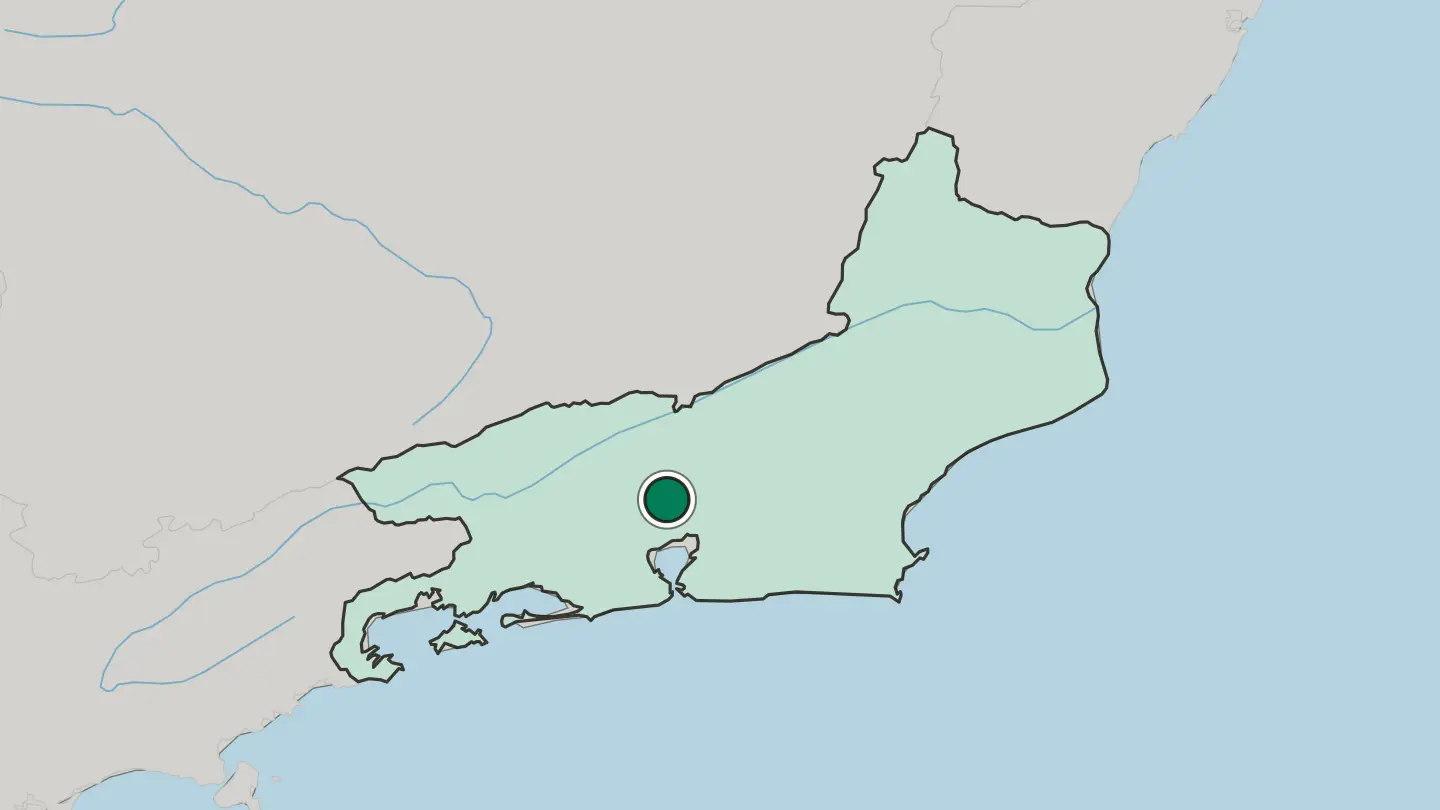
All towns & cities (16)
 Brazil
Cabo Frio
Cabo Frio is a tourist city of the state of Rio de Janeiro, Brazil, founded in 1615 around the Igreja Matriz de Nossa Senhora da Assunção.Where to stay →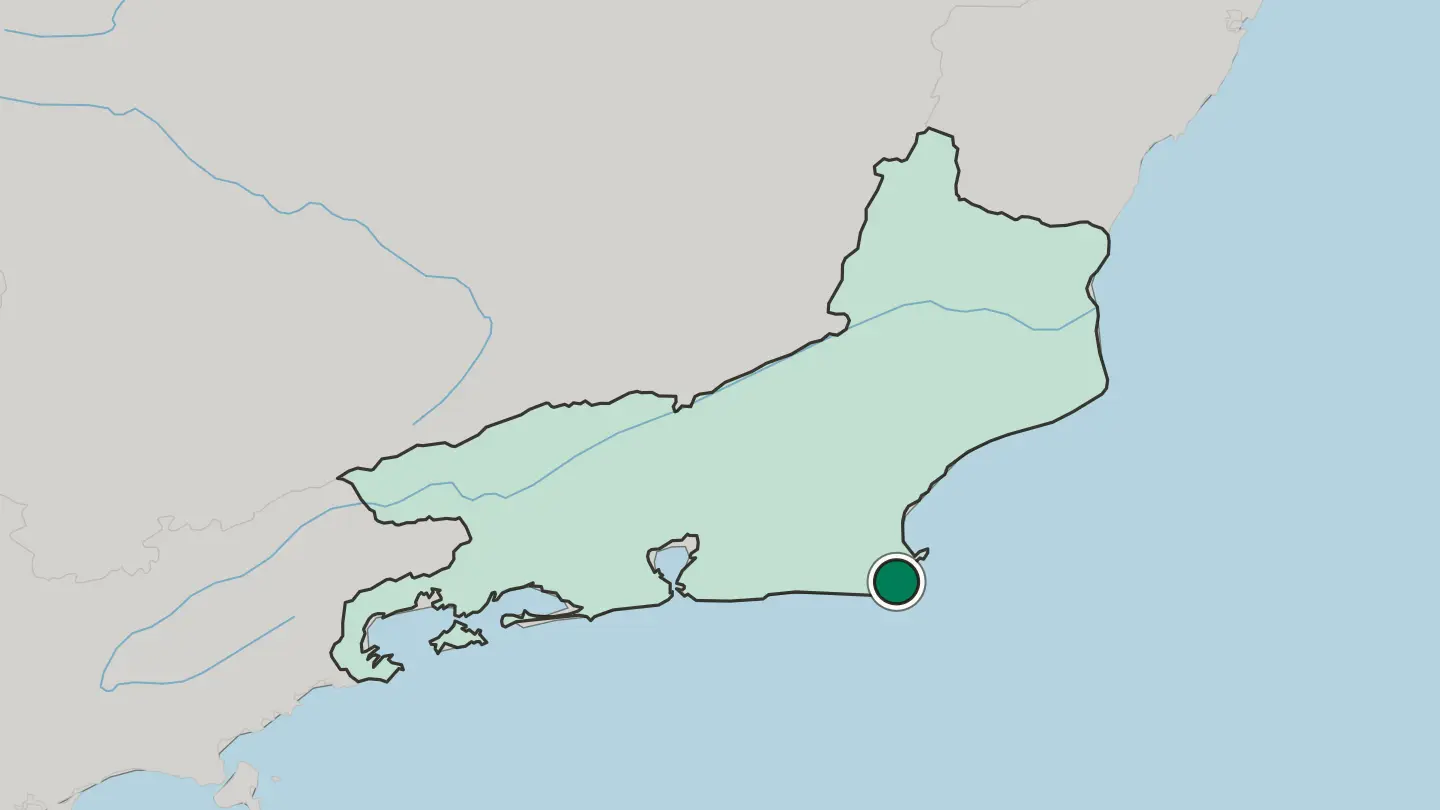
 Brazil
Maricá
Maricá sits in Greater Niterói, bordered by six municipalities, a town of 1814 with its own Casa de Câmara e Cadeia.Where to stay →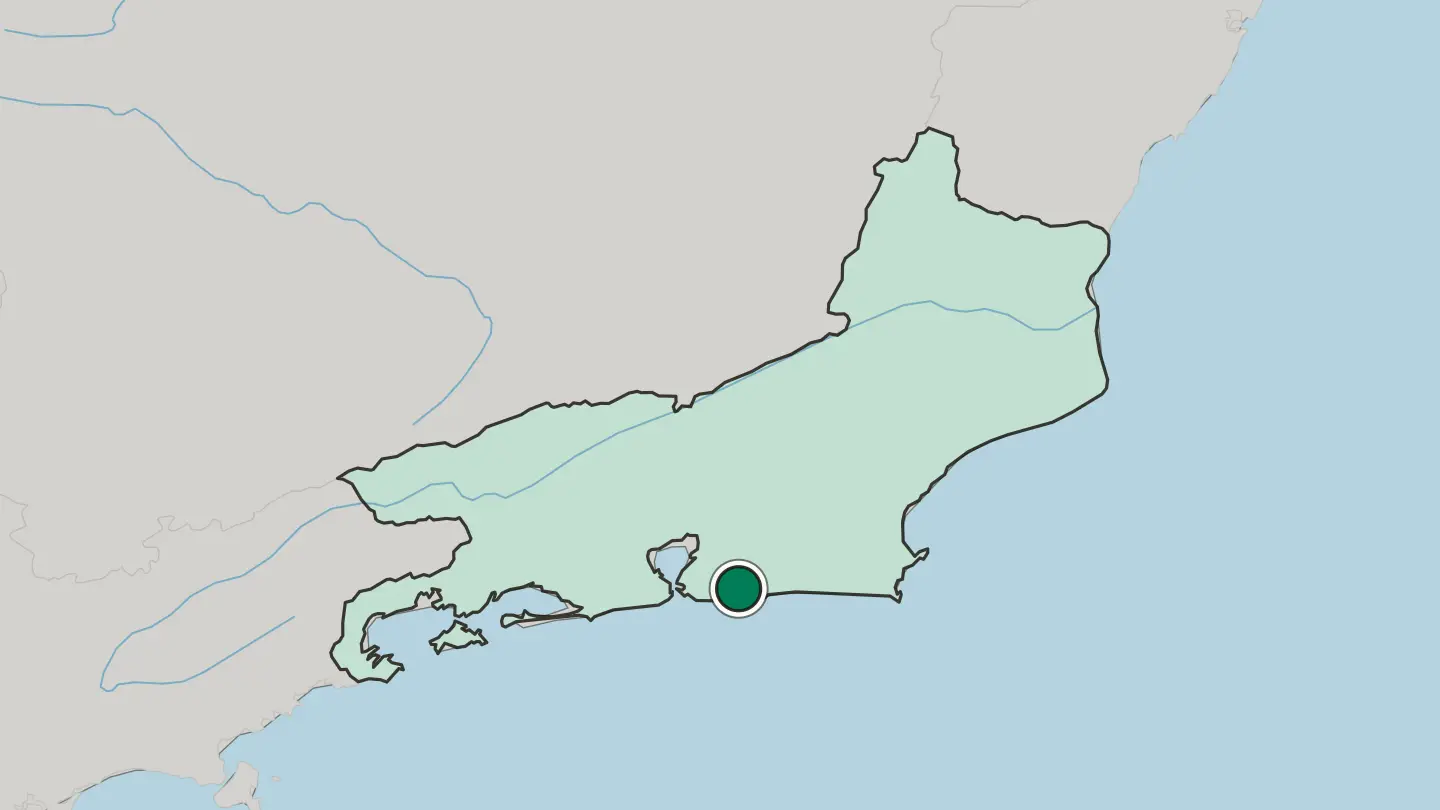
 Brazil
Nova Friburgo
Nova Friburgo sits high in the mountain country of Rio de Janeiro state, the first town in Brazil settled by Germans, founded in 1818.Where to stay →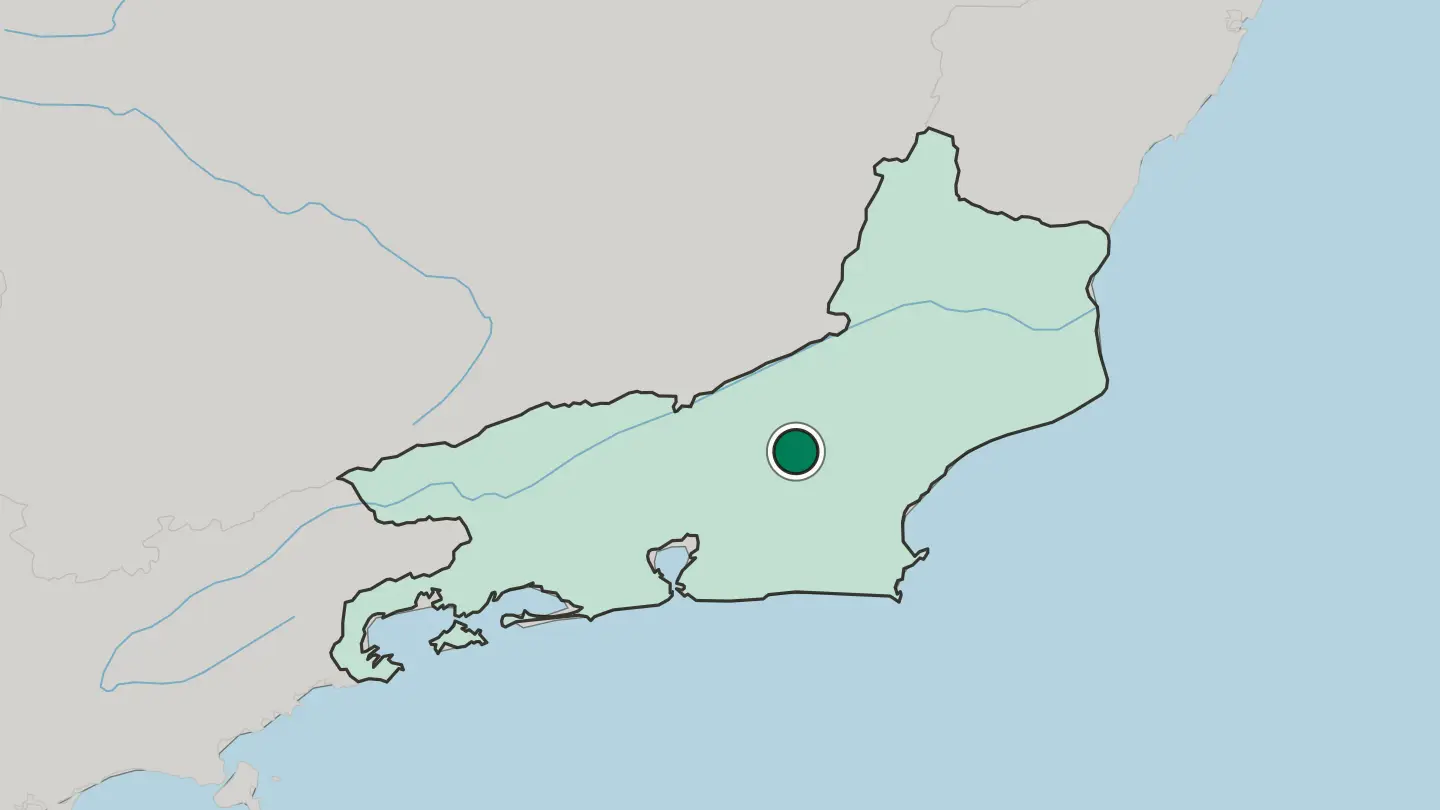
 Brazil
Angra dos Reis
Angra dos Reis is a port town of southern Rio de Janeiro state, scattered with offshore islands and the main crossing point for Ilha Grande.Where to stay →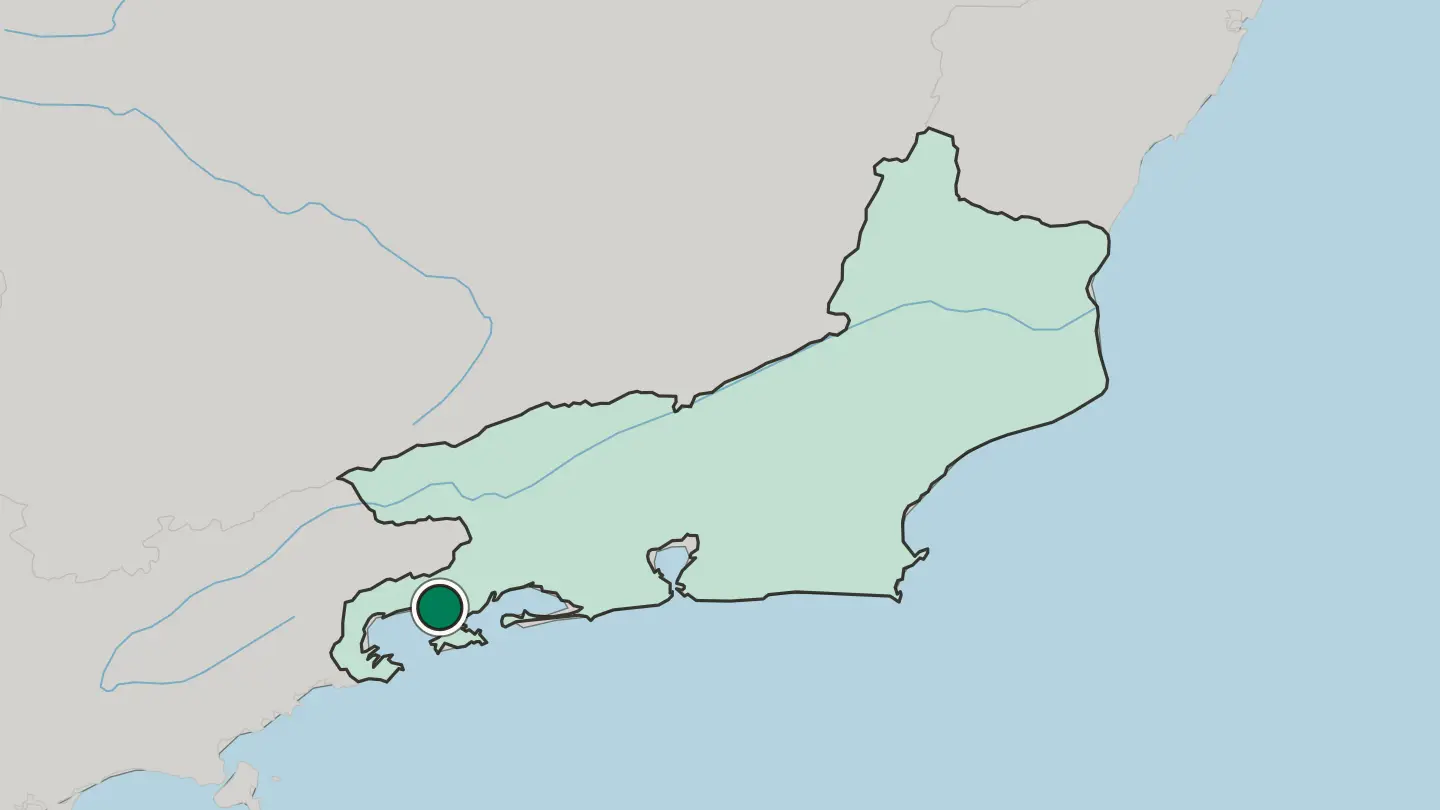 Brazil
Teresópolis
Teresópolis is the highest municipality in Rio de Janeiro state, the town at the door of the Serra dos Orgãos National Park.Where to stay →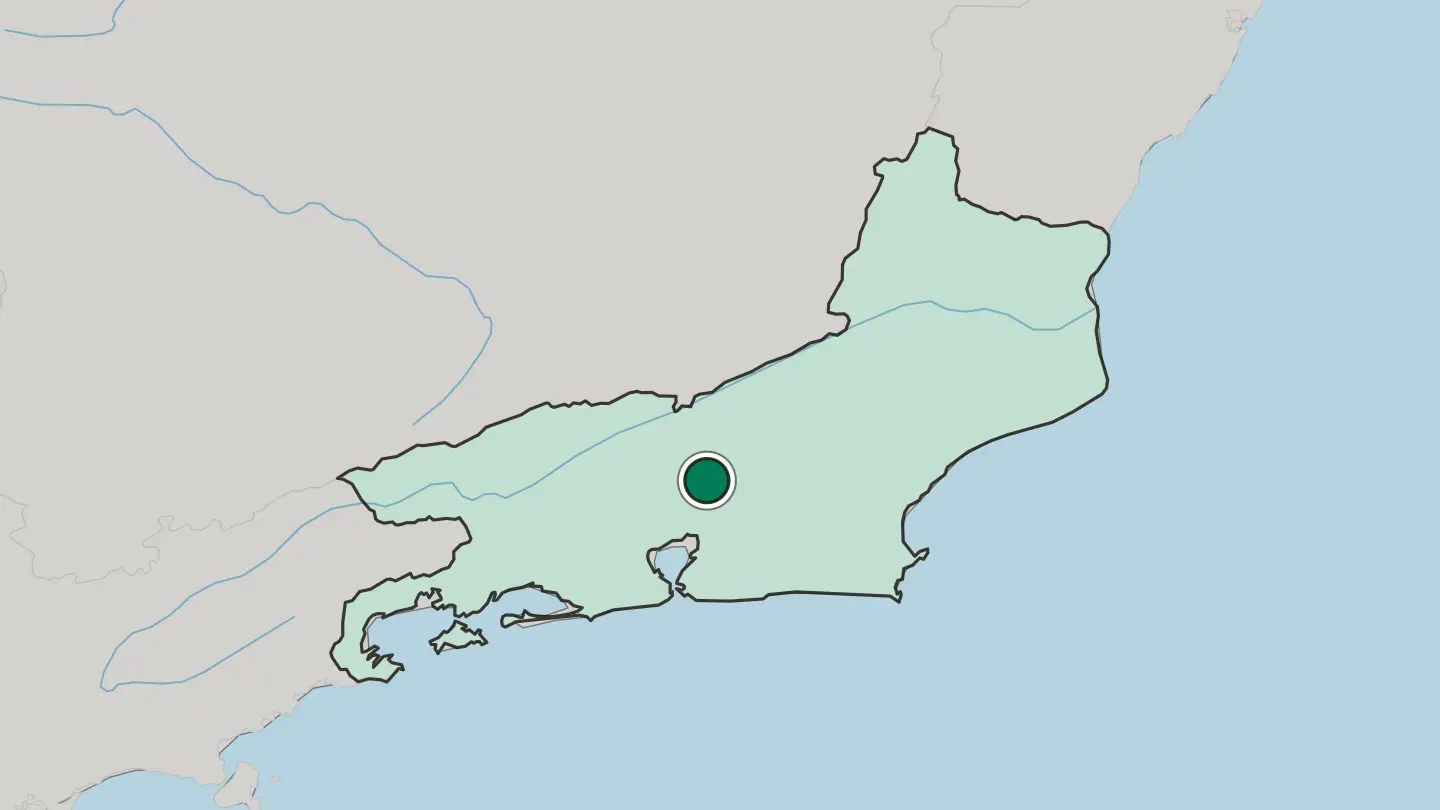
 Brazil
Macaé
Macaé, dating from 1813, is the oil city of Rio de Janeiro state, known as the Cidade do Petróleo and birthplace of Washington Luís.Where to stay →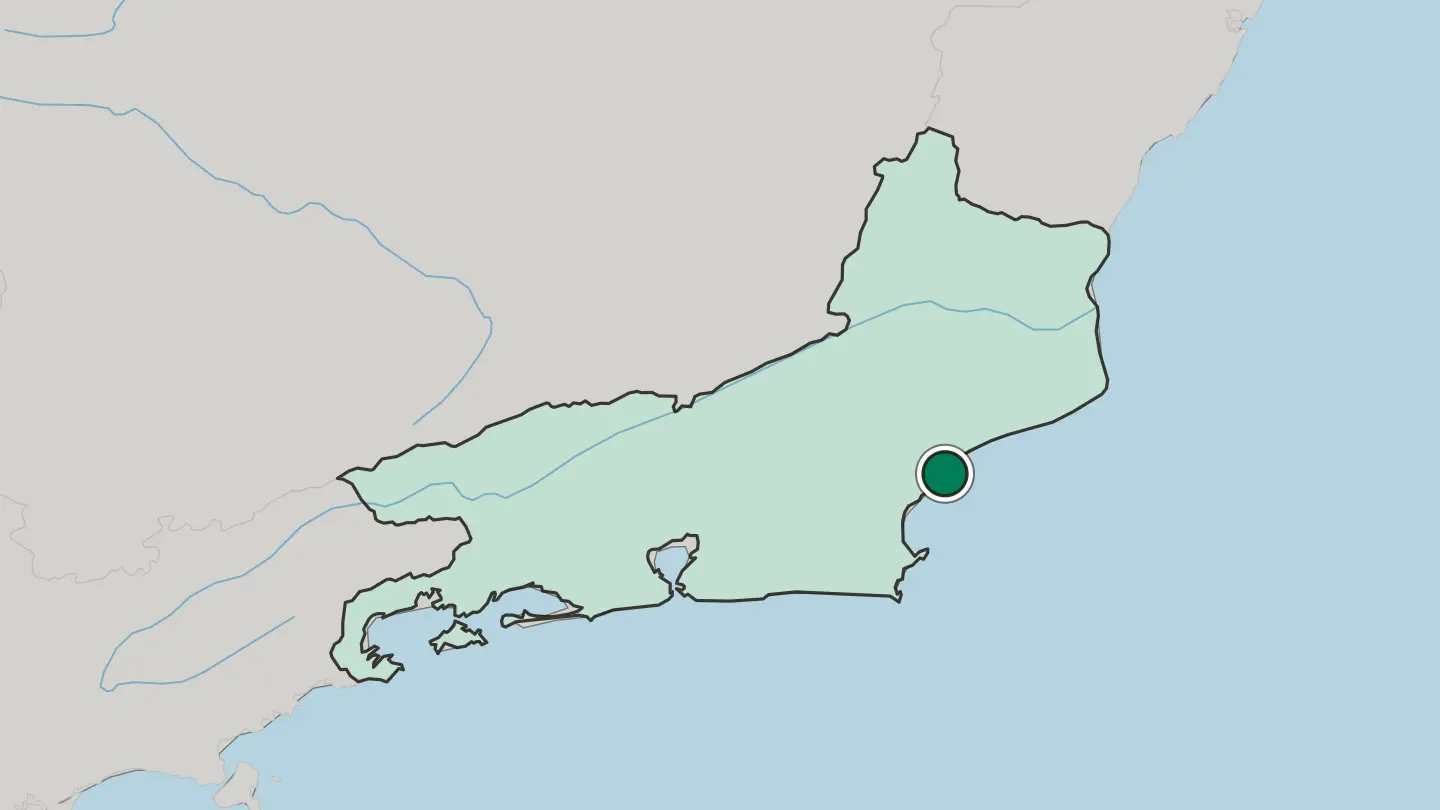 Brazil
Itaguaí
Itaguaí, founded in 1688, is an iron-ore port town of the Baixada Fluminense, midway between Rio de Janeiro and Angra dos Reis.Where to stay →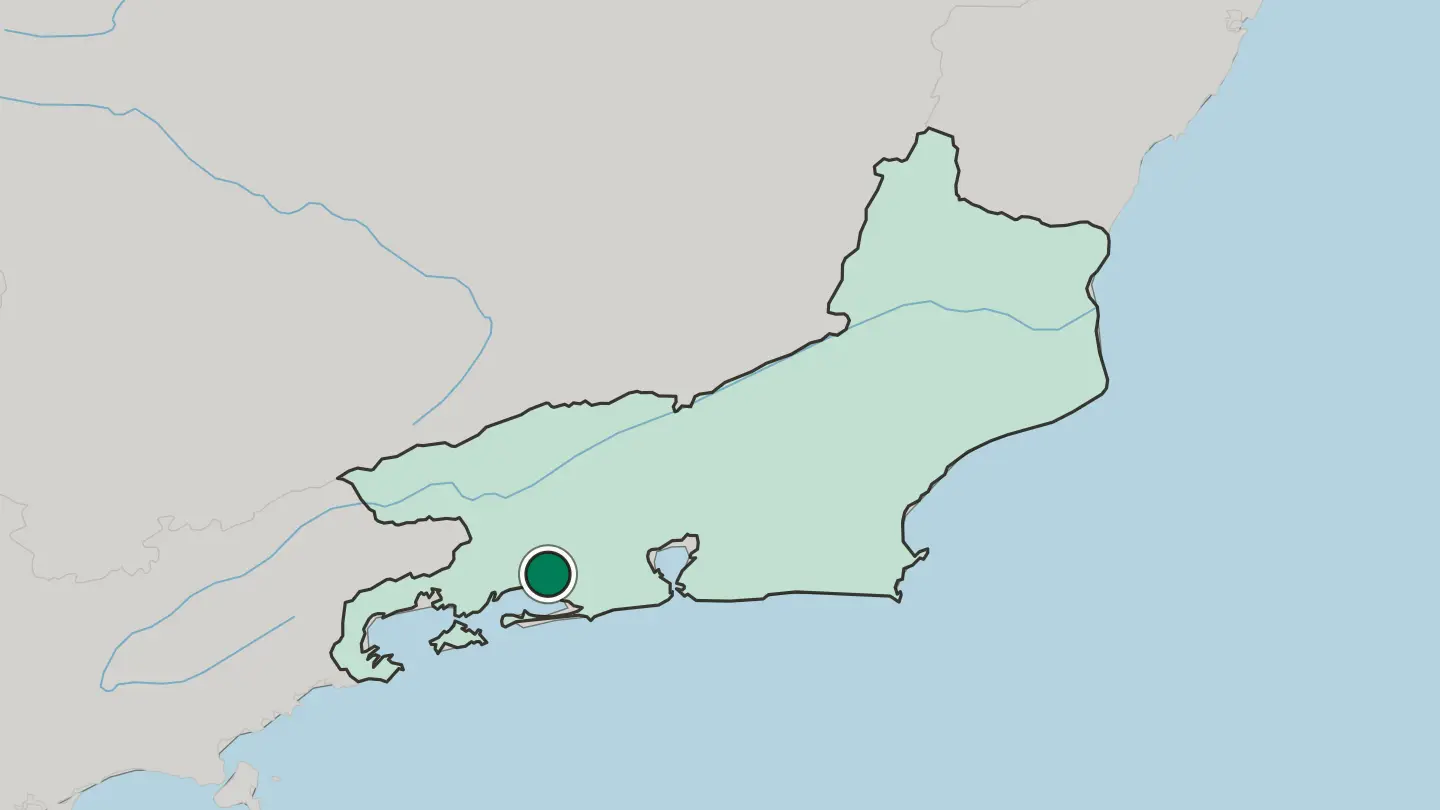 Brazil
Saquarema
Saquarema lies 73 km east of Rio de Janeiro on the coast, a surfing town whose Museu do Vôlei records a second sport.Where to stay →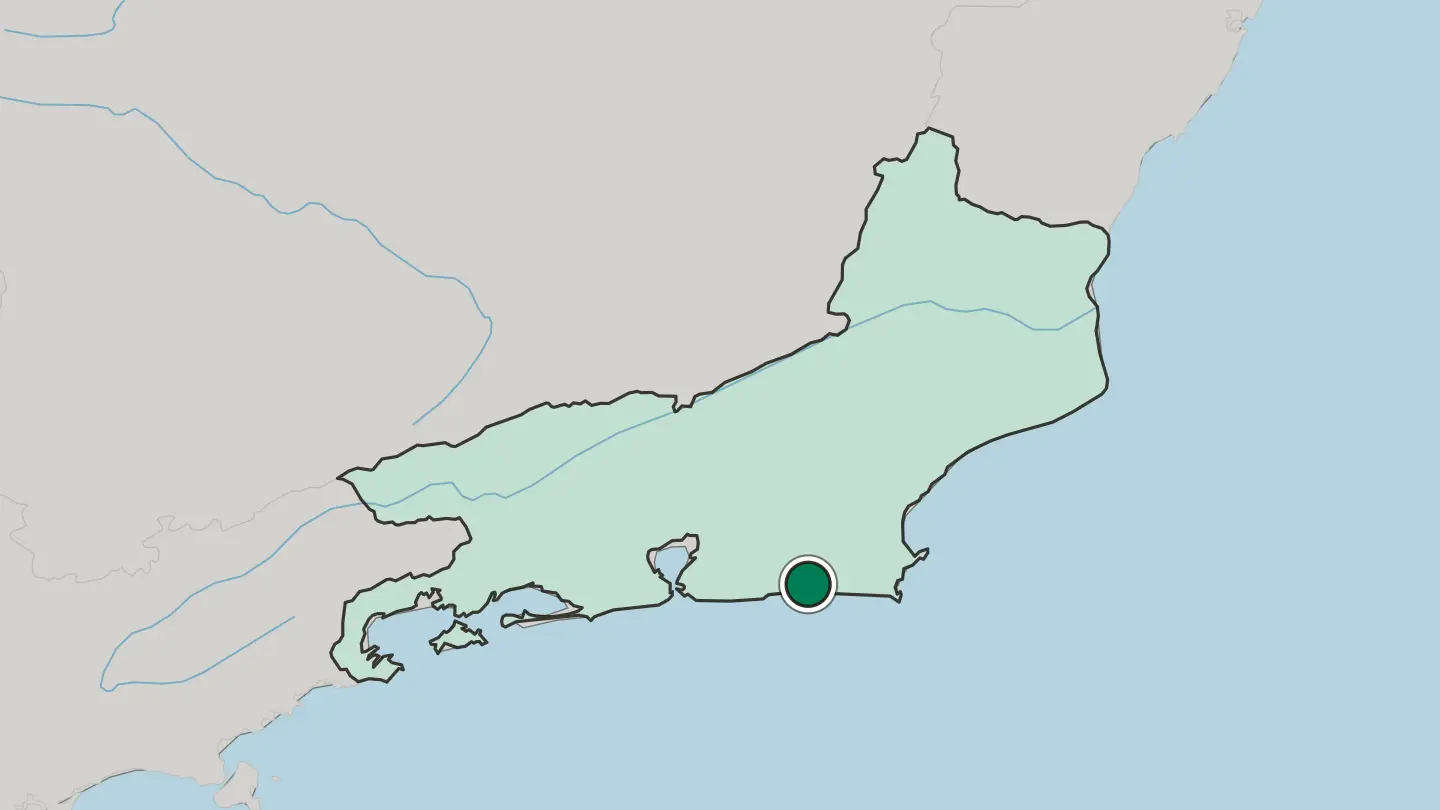
Hotel links are affiliate links: booking through them may earn us a commission, at no extra cost to you. It never affects how places are ranked. How this works
About Rio de Janeiro
What is Rio de Janeiro known for?
Rio de Janeiro is known for its beaches, its Carnival, and the scenery of mountains rising straight from the sea. The pull is the coast. As a state on Brazil's South Atlantic shore, it wraps around the city of Rio de Janeiro, its capital and Brazil's second-largest city, and takes in the celebrated Carioca Landscapes between the Mountain and the Sea, listed as UNESCO World Heritage.
Warm water and a laid-back beach culture define it.
Where is Rio de Janeiro?
Rio de Janeiro is a coastal state on the South Atlantic shore of Brazil. Mountains and the sea define it together. The land rises abruptly from the water, so steep green peaks stand close behind the beaches, the pattern honoured in the Carioca Landscapes between the Mountain and the Sea, a UNESCO World Heritage site.
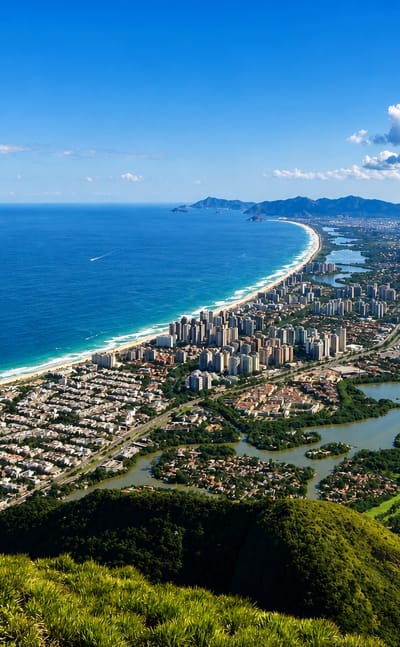
Green slopes rise behind nearly every beach along the shore. Few coasts fold together so tightly. The state curls around its capital, the city of Rio de Janeiro, which sits on the ocean-facing coast as Brazil's second-largest city.
Its whole seaward side is open to the ocean. Beyond the capital, the shoreline runs on in bays and headlands along the South Atlantic, backed by forested hills that climb inland toward the interior of Brazil. This is tropical, ocean-exposed country.
Warm currents wash along the whole seaboard. The meeting of mountain and sea gives the state of Rio de Janeiro its defining shape along Brazil's Atlantic coast, beaches below and forested peaks above. The Atlantic sets the state's whole character, its coast, climate, and light alike.
What is Rio de Janeiro like?
Culture in Rio de Janeiro leans toward the beach and the street. The state's laid-back coastal life sets the tone, and its Carnival is the loudest expression of it, an annual outpouring of music and parade centred on the capital city. In Rio de Janeiro, the ocean is always close at hand.
Beach and street run together here. Life here bends around the shore, the warm water, and the long habit of taking the day outdoors along the South Atlantic. The state wears its coastal identity openly, in its beaches, its music, and its easy pace by the water.
That outdoor spirit is bound up with the landscape itself. The Carioca Landscapes between the Mountain and the Sea, listed as UNESCO World Heritage, capture the setting that shapes local life, with peaks, forest, and beach pressed close together. People live between the two.
The rhythm of sea, sun, and Carnival runs through daily life. Portuguese is the shared language, as across Brazil, yet the coastal, sun-facing culture of Rio de Janeiro gives the state a character of its own, distinct from the inland heart of the country and from the business tempo of São Paulo.
What is the history of Rio de Janeiro?
Rio de Janeiro was established in its modern form as a state in 1889. Its name came first from the city. The capital, the city of Rio de Janeiro, gave the surrounding state its identity, and the two have carried the name together ever since along the South Atlantic coast.
The state's story is a coastal one, tied to the sea, the port city, and the mountains that rise behind them.
What is the climate of Rio de Janeiro?
Rio de Janeiro has a warm tropical climate, softened along the coast by the South Atlantic. Heat holds year-round. Instead of cold winters, the state runs through a warmer, wetter season and a milder, drier one, with sea breezes tempering the humidity on the shore around the capital.
The ocean shapes it all. Away from the water, the forested hills feel a touch cooler, but the whole state stays firmly tropical.
How do you get to Rio de Janeiro?
Most visitors reach Rio de Janeiro through its capital city, the main point of arrival on the coast. Flights and roads funnel into the city of Rio de Janeiro, from which the rest of the state's shoreline opens up along the South Atlantic. The coast does the guiding.
From the capital, travellers spread out to the beaches and coastal towns that line the state, rarely straying far from the sea.
Good for
More regions in Brazil
Updated September 2026