Belarus
Mogilyov Oblast, Belarus — Towns & Travel Guide
Mogilyov Oblast is the eastern region of Belarus, spread along the upper Dnieper where the country meets Russia.
About Mogilyov Oblast


Towns & cities in Mogilyov Oblast
Pick a town or city — each links to where to stay.

 Belarus
Mahilyow
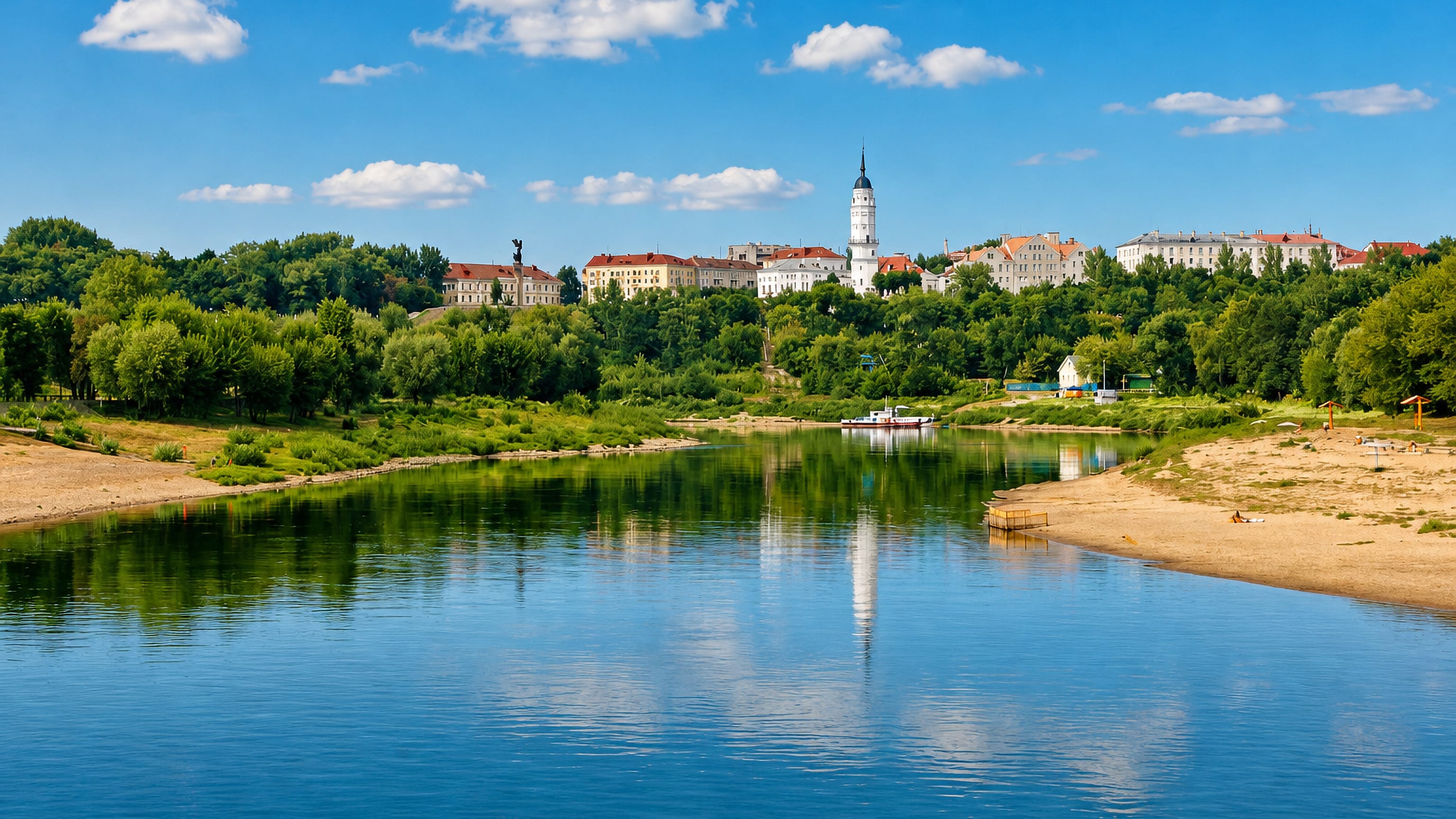
The Dnieper River runs through Mahilyow, third-largest city of Belarus and the administrative centre of Mogilyov Oblast, recorded from 1267.Where to stay →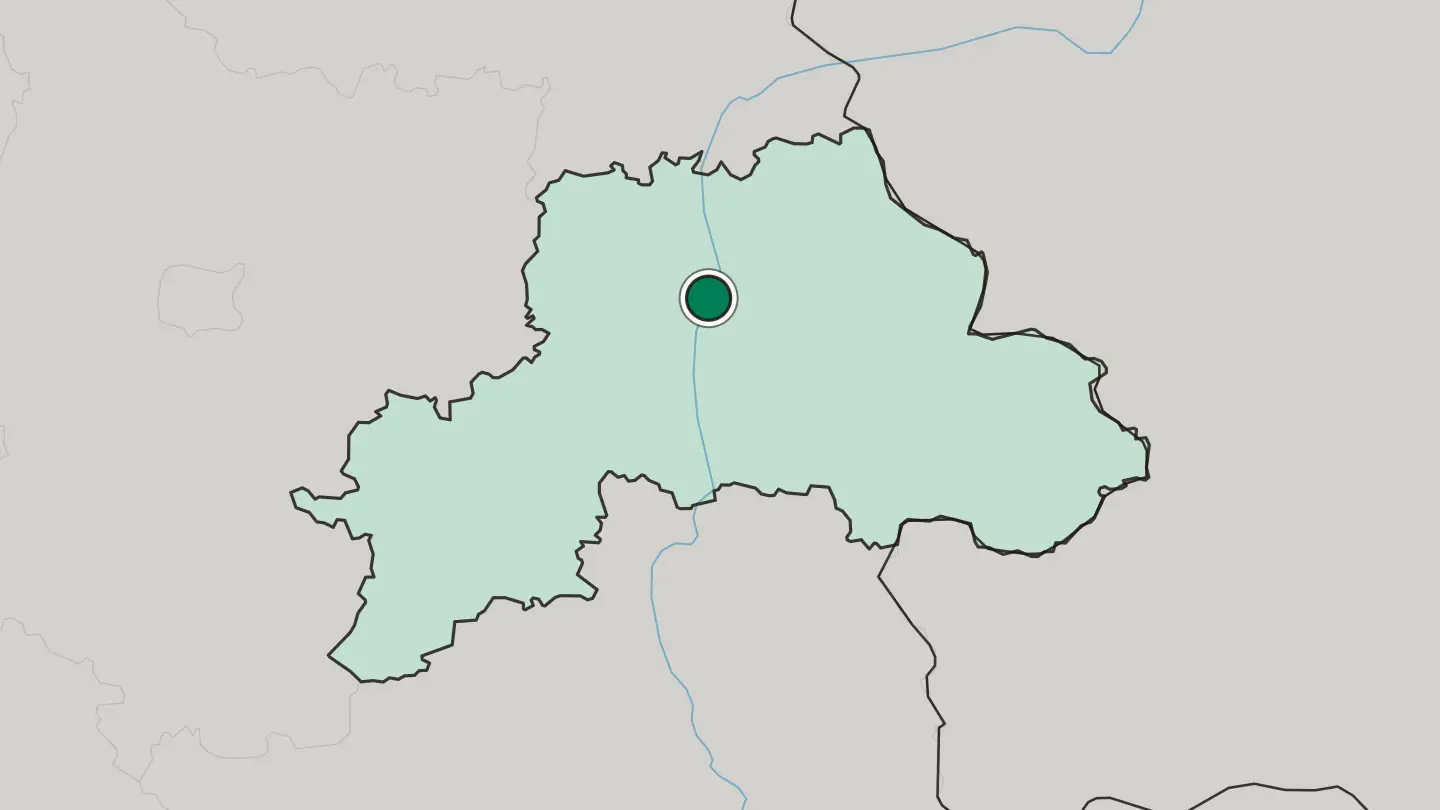
 Belarus
Bobruysk
Bobruysk stands on the Berezina River in Mogilyov Oblast, a city of Belarus dating from 1387 and known for its castle ground.Where to stay →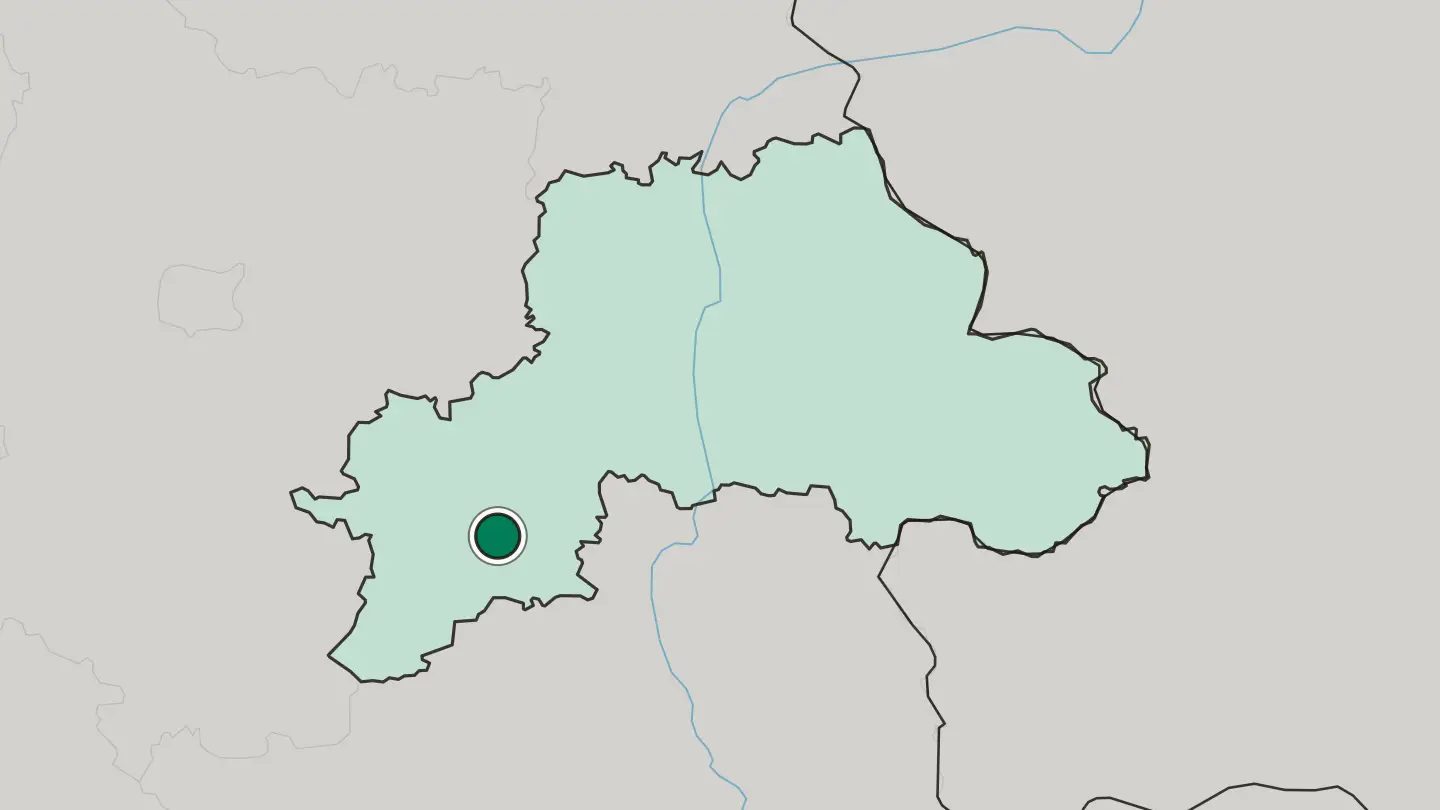
About Mogilyov Oblast
This is the Dnieper corner of Belarus.
What is Mogilyov Oblast known for?
Mogilyov, the regional capital, stands where the river bends through eastern Belarus, roughly 76 kilometres from the Russian border near Smolensk. Bobruisk, the second city, guards a brick fortress above the Berezina to the south-west. Between them lie flat farmland and low hills, with forest covering close to two-fifths of the land.
The region is Belarusian and Russian in speech and thoroughly agricultural in character, a plain of grain fields, cattle farms, and river towns that most travellers reach from Minsk.
Where is Mogilyov Oblast?
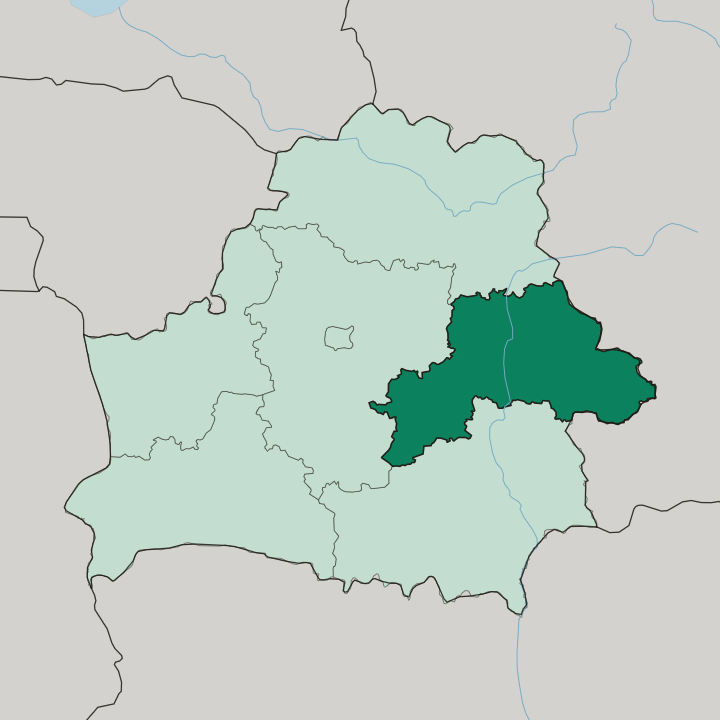
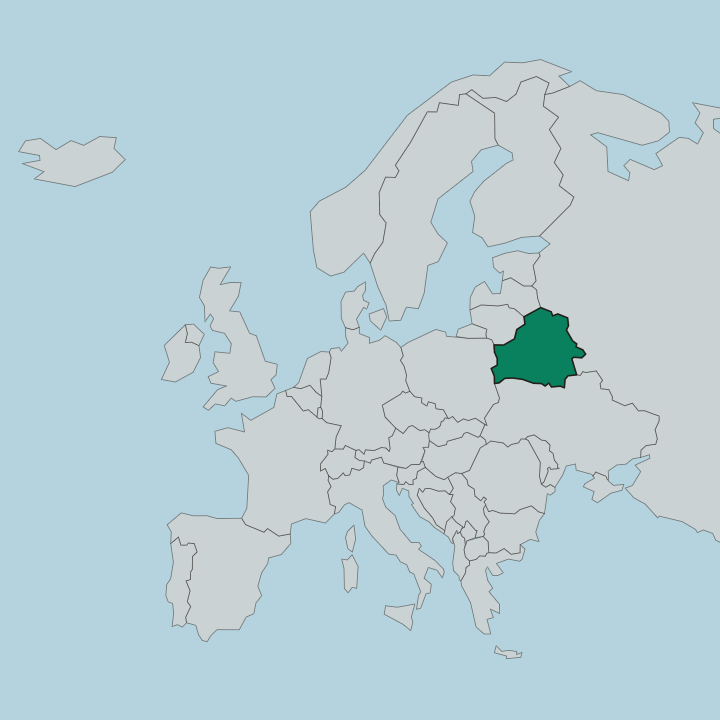
Mogilyov Oblast fills the eastern quarter of Belarus, pressed against the Russian frontier. It runs about 150 kilometres from north to south and twice that from west to east, roughly a seventh of the whole country. Vitebsk Oblast lies to the north and Minsk Oblast to the west, Gomel Oblast to the south.
Russia forms the entire eastern edge, with Smolensk Oblast to the east and Bryansk Oblast to the south-east. The Dnieper is the axis of it all. The great river enters from Russia and cuts south through the region, passing Mogilyov at a broad bend before carrying on toward Ukraine.
Some 453 rivers drain this land in total. The Berezina crosses the west and runs past Bobruisk, the Sozh threads the east, and the Drut and Ptich cut smaller valleys between them. The land itself is gentle.
Flat plains and low rolling hills make up most of the surface, good for grain and pasture, and forest covers close to two-fifths of it. This is the flat, well-watered east of Belarus, farmed and forested in roughly equal measure.
What is Mogilyov Oblast like?
The oblast lives close to the soil. Just over half its area is farmland, worked for grain, dairy, and cattle, and that agricultural rhythm shapes daily life across the region. Gorki holds the intellectual centre of it: the Belarusian State Agricultural Academy, founded in 1840 and long the leading farming college of the land, sits in this small town north-east of the capital.
Culture here is not only rural. Mogilyov opened the first drama theatre on Belarusian soil in 1888, a hall praised across Europe for its acoustics, and the city keeps a run of old churches and monasteries along the Dnieper. Belarusian and Russian are both spoken, with Russian dominant in the towns.
Orthodox monasteries, a Jesuit church at Mstislavl, and the brick fortress at Bobruisk mark the layered past. The wider tone is quiet and provincial. This is working Belarus.
Market towns, collective farms, and river ports set the pace rather than any resort strip, and travellers who come find local museums, wartime memorials, and unhurried streets rather than crowds. It rewards patience over spectacle.
What is the history of Mogilyov Oblast?
Slavic tribes settled the Dnieper banks first. Mstislavl, the oldest town, dates to 1135, and Mogilyov itself grew from a castle laid out at a bend of the Dnieper in 1267. By the 16th century Mogilyov was the largest city of the Belarusian Dnieper country, a trading hub that passed to the Russian Empire in the first partition of 1772.
War marked the region hardest of all in 1941, when the defenders of Mogilyov held the German advance for three weeks on Buynichy field beside the river before the city fell.
What is the climate of Mogilyov Oblast?
The climate is continental. Winters run cold and snowy, with January averaging around minus eight in the north-east near the Russian border and a shade milder toward the south-west. Summers turn warm and green, when the Dnieper and Berezina valleys run at their fullest and the grain ripens across the plain.
Rain and snow fall through the year rather than in one wet season. Spring thaw and autumn mud are part of the calendar here.
How do you get to Mogilyov Oblast?
Most travellers arrive by train from Minsk. The direct service to Mogilyov runs in under three hours, and the same line carries on toward Gomel and across the border to Moscow. Mogilyov keeps a small airport about 20 kilometres from the centre, though rail and road do most of the work.
Buses link Bobruisk and the smaller towns with the capital and with Minsk. Once inside the region, roads follow the Dnieper and Berezina valleys between the towns.
More regions in Belarus
Updated September 2026