Belarus
Homyel’ Voblasc’, Belarus — Towns & Travel Guide
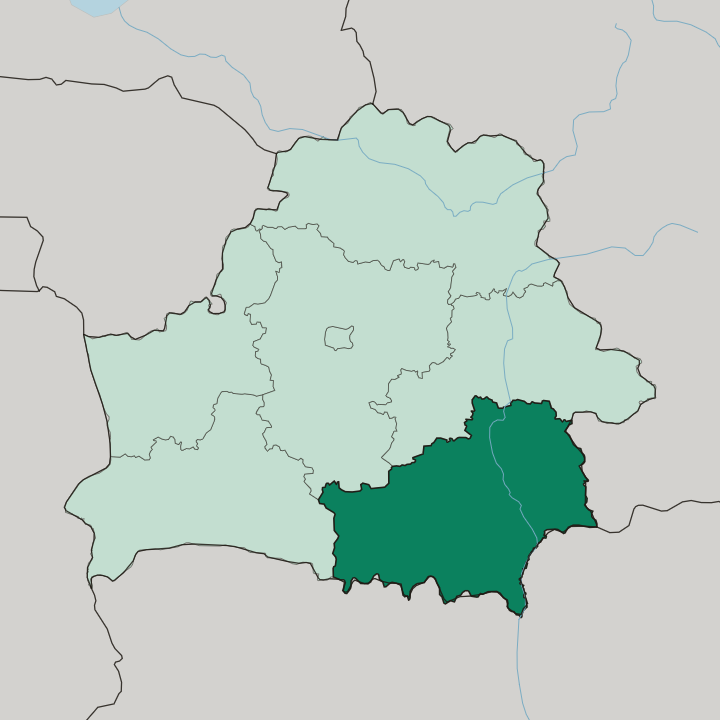
Homyel' Voblasc' fills the south-east corner of Belarus, a flat land of rivers and pine forest centred on the city of Homyel.
Find your area →


Towns & cities in Homyel’ Voblasc’
Pick a town or city — each links to where to stay.
 Belarus
Homyel'
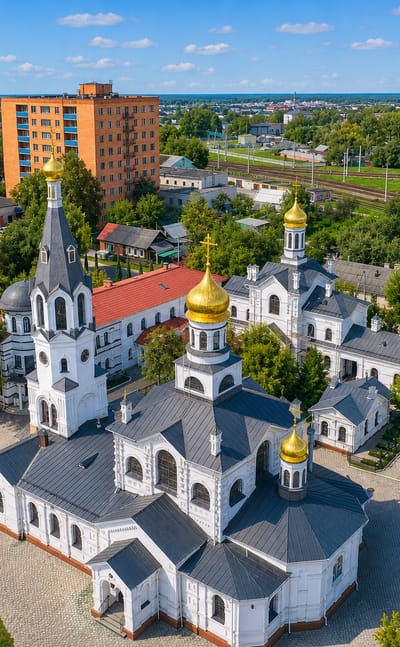
The Sozh runs below Homyel', the second-largest city in Belarus and the seat of Homyel' Voblasc', crowned by the riverside Gomel Palace and Park Ensemble.Where to stay →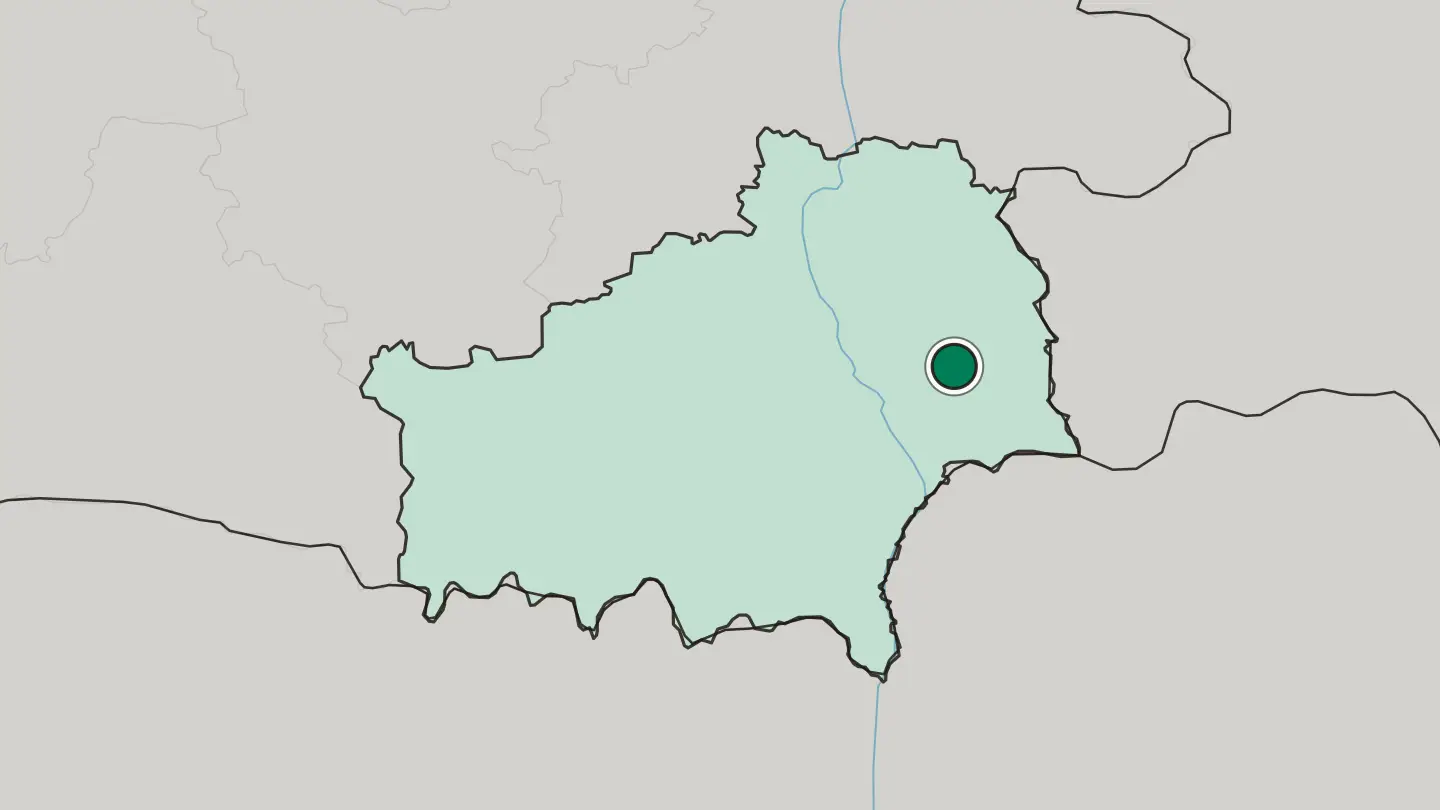
 Belarus
Mazyr
Mazyr stands on the Pripyat River in Gomel Region, Belarus, a castle and cathedral town and the administrative centre of Mazyr District.Where to stay →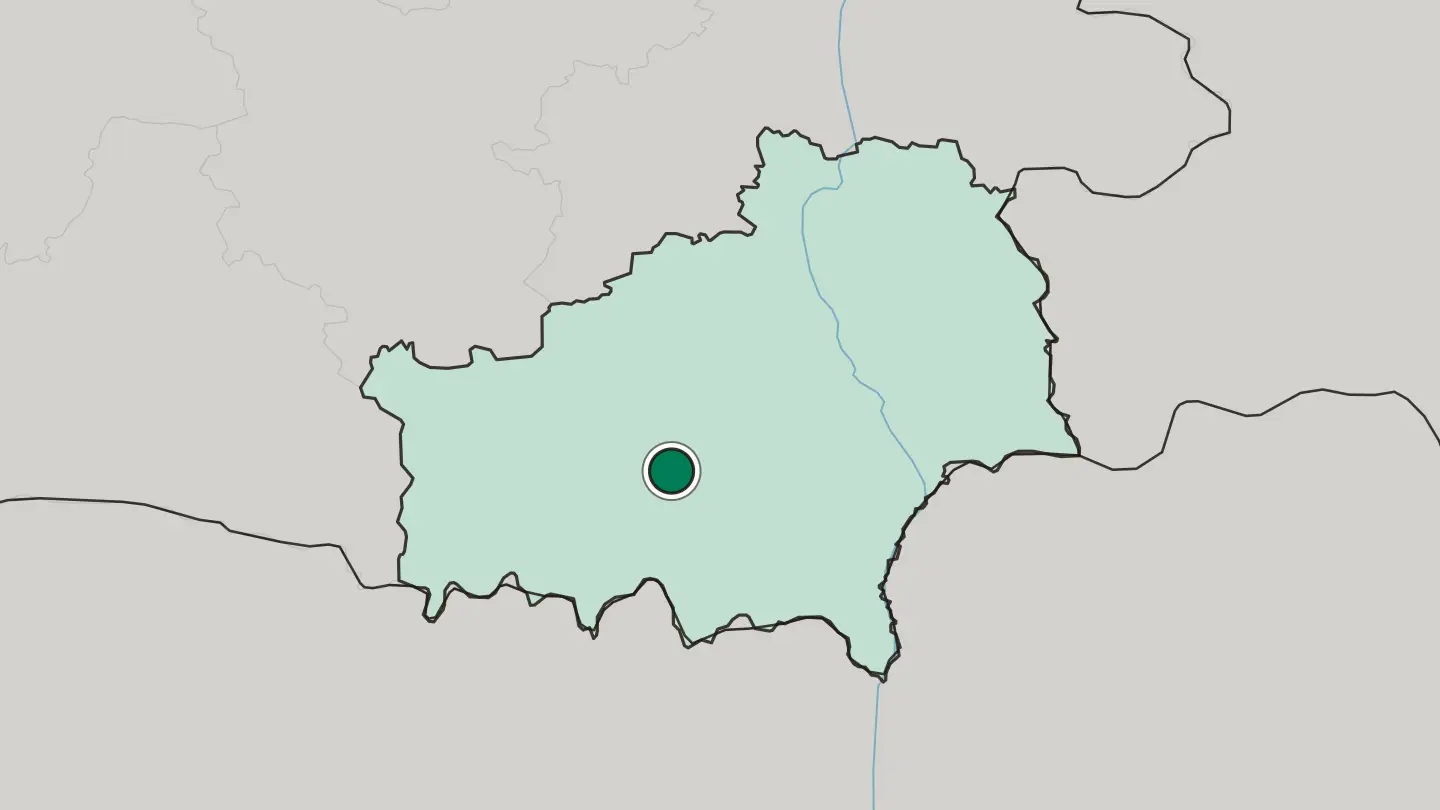
 Belarus
Zhlobin
Zhlobin stands on the Dnieper River in eastern Belarus, dates from 1401, and runs Zhlobin District from 83 kilometres out from Gomel.Where to stay →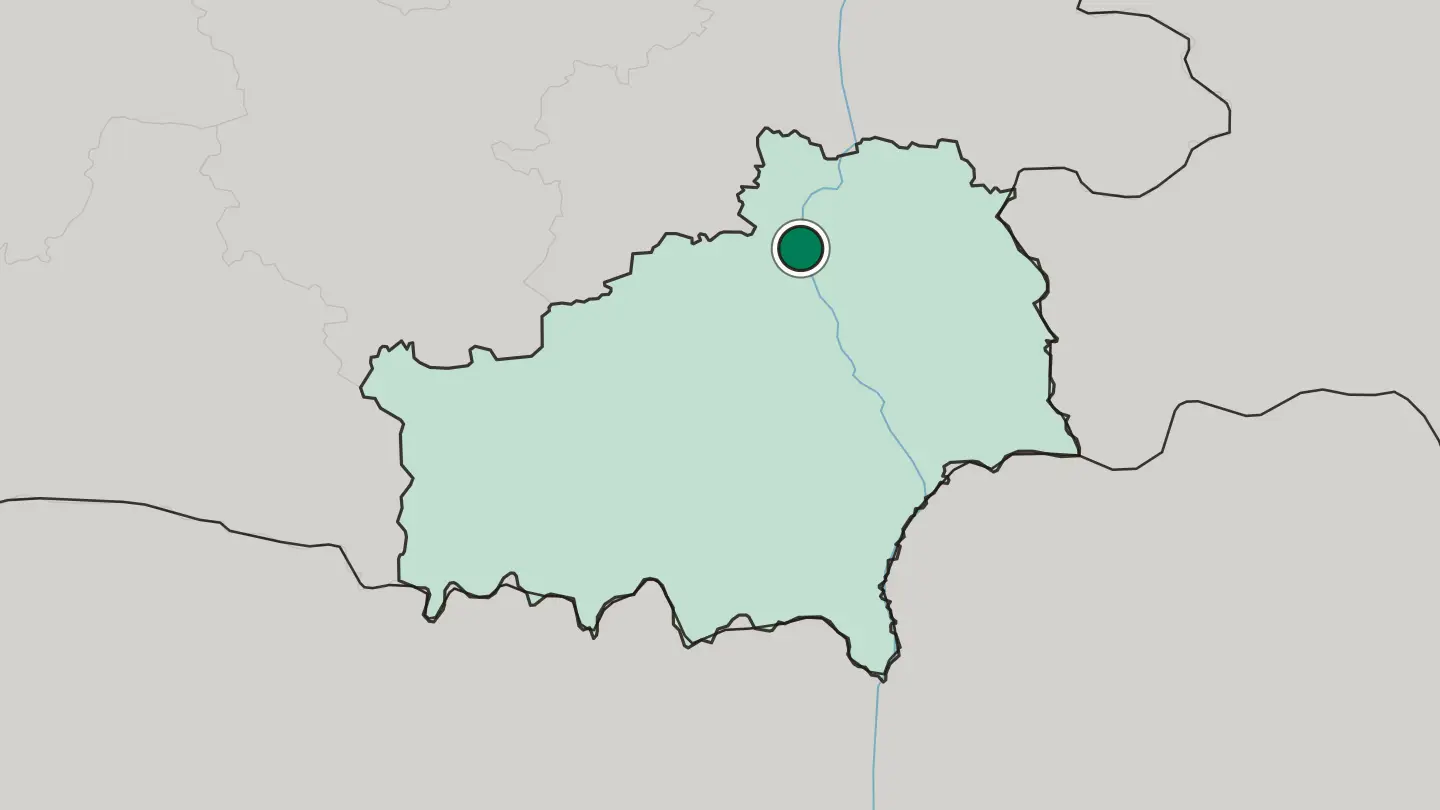
 Belarus
Rechytsa
Rechytsa is the seat of Rechytsa District in Gomel Region, Belarus, a town on the Rechytsa River, which runs down into the Dnieper.Where to stay →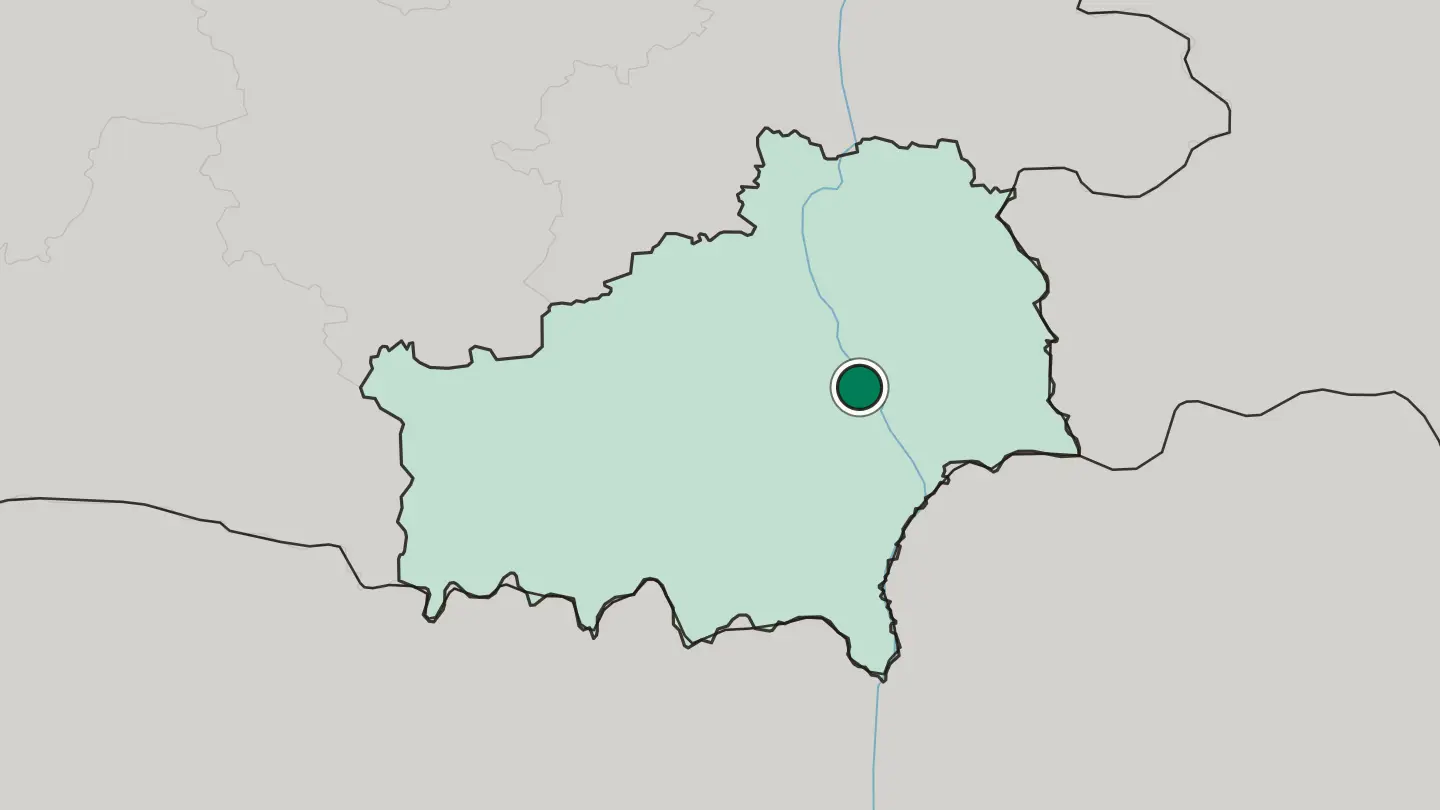
 Belarus
Svetlogorsk
Svetlogorsk, also written Svyetlahorsk, is a town of Homyel' Voblasc' in Belarus, with a record reaching back to 1201 and an older name, Шацілкі.Where to stay →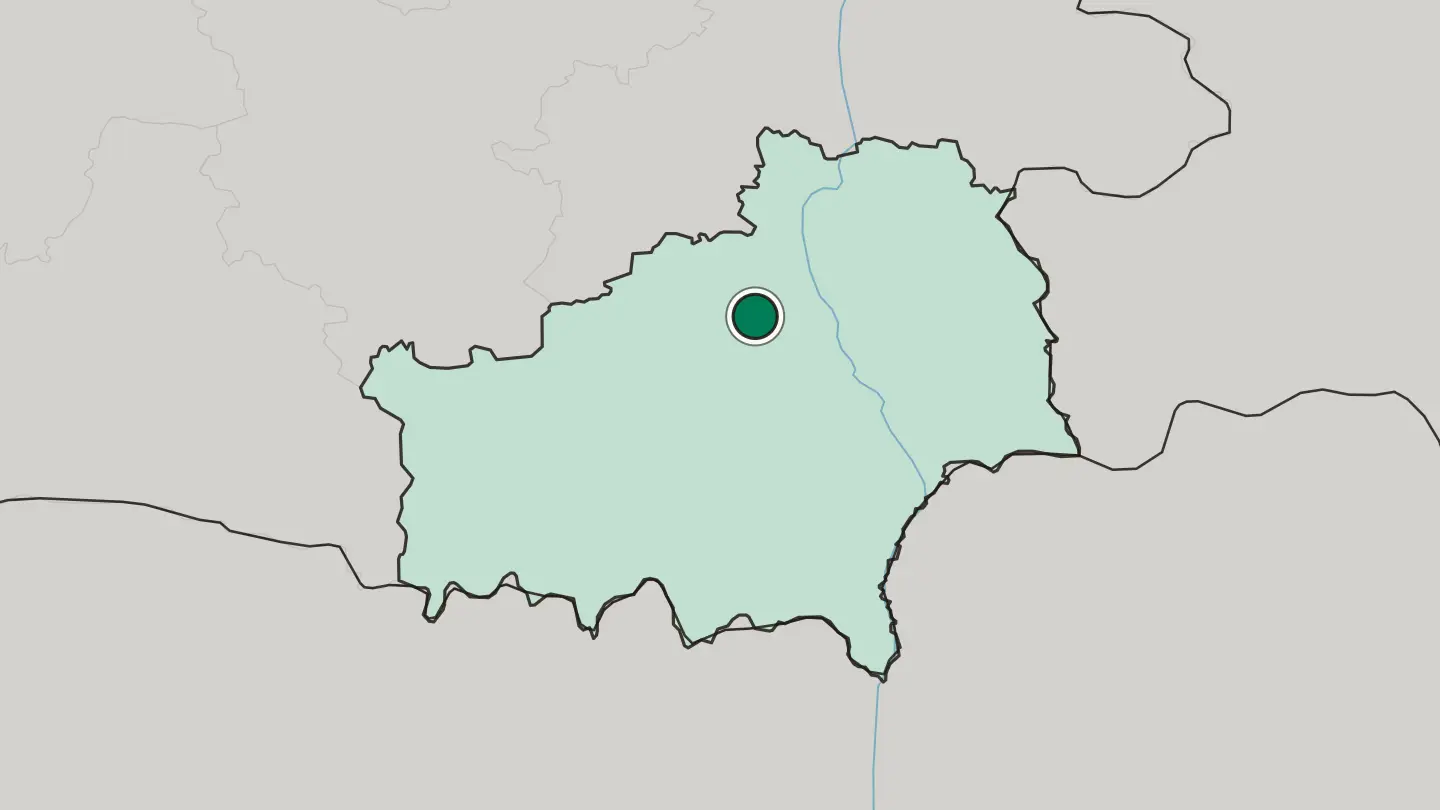
About Homyel’ Voblasc’
This is river country.
What is Homyel’ Voblasc’ known for?
The Dnieper, the Sozh, and the Pripyat all cut across the region, draining the marshy lowland of Polesia that spreads over the southern half. Homyel, the second-largest city in Belarus, sits on the high right bank of the Sozh and anchors the region, its skyline marked by the Rumyantsev-Paskevich Palace above the water. The land is also known for what fell on it: the 1986 Chernobyl disaster contaminated the southern districts, and much of that ground now lies inside a closed radioecological reserve.
Where is Homyel’ Voblasc’?
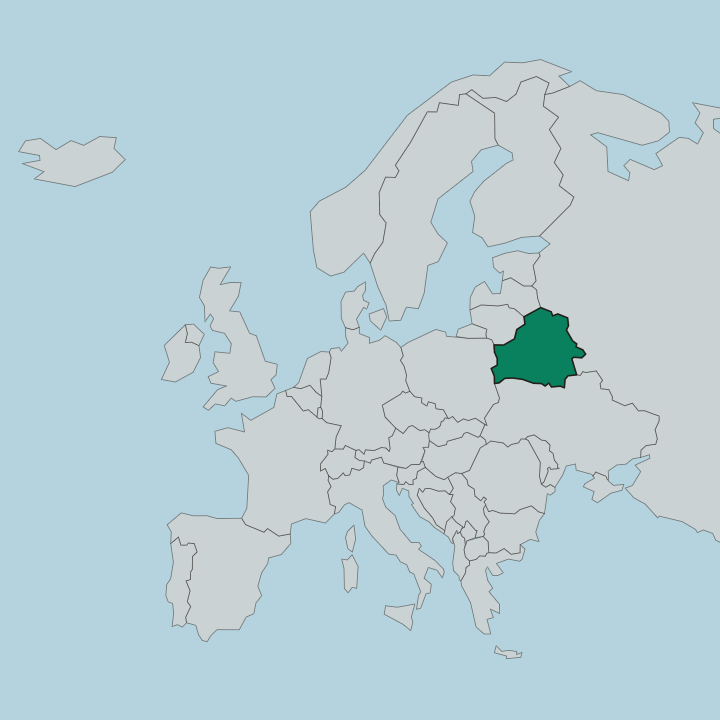
Homyel' Voblasc' occupies the whole south-eastern corner of Belarus, the second-largest of the country's regions by land. It borders Russia to the east and Ukraine to the south. This is low, level ground.
The southern half belongs to Polesia, one of Europe's great inland wetlands, a mosaic of pine forest, peat bog, floodplain, and slow black-water channels that flood wide in spring. Rivers organise everything here. The Dnieper runs down through the region from the north, gathering the Sozh, which flows past Homyel on the eastern side, and the Pripyat, which crosses the marshy south-west from Ukraine before joining it.
The Iput comes in from Russia to feed the Sozh. Homyel stands on the high right bank of the Sozh, in the east near the Russian border, and is the natural hub. Mazyr and Turaŭ lie along the Pripyat in the south-west, Zhlobin on the Dnieper in the north.
Nothing here rises far above the water. The far south, along the Ukrainian frontier, holds the Belarusian side of the Chernobyl fallout zone, a large tract of forest and abandoned village that has been closed to settlement and turned over to a radioecological reserve.
What is Homyel’ Voblasc’ like?
The region's culture is East Slavic and old, laid down along the rivers long before the modern borders. Turaŭ carries the deepest layer. On the bank of the Pripyat, first named in the chronicles in the year 980, it grew into the seat of the Principality of Turov and a church centre so important its bishop Cyril of Turov is remembered as one of the great early preachers of the eastern Slavs.
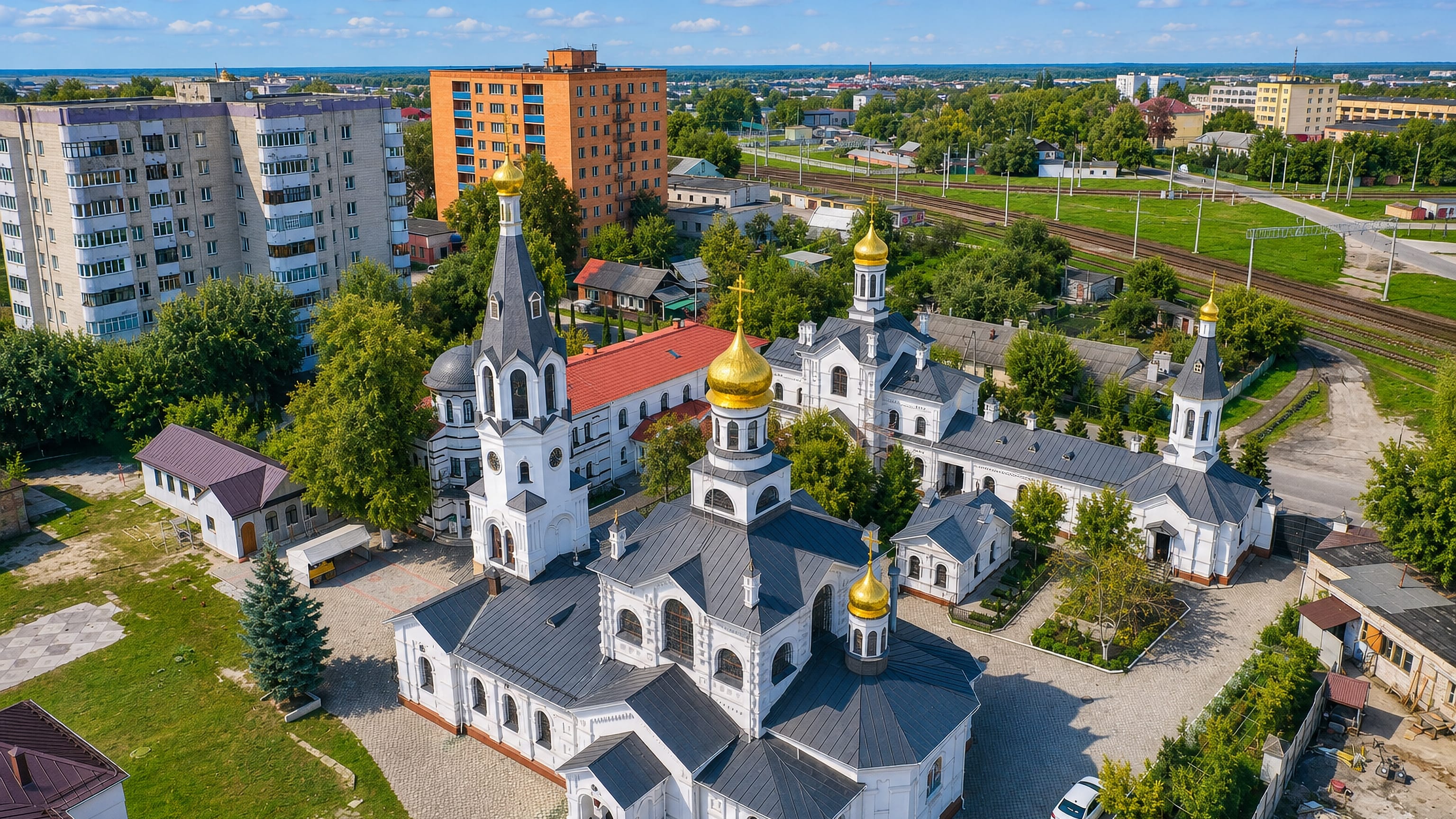
That river-and-monastery heritage runs through the whole region. Homyel holds the grander, later chapter. The Rumyantsev-Paskevich Palace, begun in the 1770s for a field marshal of the Russian Empire and finished by the next century's owners, stands over the Sozh with a chapel, a burial vault, and a park of exotic trees that count Nikolay Rumyantsev planted along the bank.
Belarusian and Russian are both spoken across the region. Everyday life still leans on the land and the water: dairy and grain farms work the drained lowland, while the oil found near Rechitsa and the refinery at Mazyr give the south its heavier industry. Folk craft, Orthodox parish churches, and the slow Polesia villages of the marsh sit alongside all of it.
What is the history of Homyel’ Voblasc’?
The land is far older than the region. Turaŭ was the capital of a medieval principality on the Pripyat, Homyel a fortress and trading post on the Sozh, and both passed in turn through Kievan Rus', the Grand Duchy of Lithuania, the Polish-Lithuanian Commonwealth, and finally the Russian Empire after the partitions of the late 1700s. The oblast itself is a Soviet creation, drawn up in 1938.
Then came 1986. The Chernobyl reactor blew just across the Ukrainian border, and the wind carried much of its fallout north onto the southern districts of this region, emptying whole villages and reshaping where people could live.
What is the climate of Homyel’ Voblasc’?
The climate is humid continental. Winters here are long and cold, snow lying from late autumn into spring while the Sozh and Dnieper freeze over hard enough to walk on. Summers turn warm and green, the marshes of Polesia at their fullest and the river meadows in flower.
Rain comes all year, keeping the peat bogs and floodplains wet rather than falling in one wet season. Every spring the Pripyat floods wide.
How do you get to Homyel’ Voblasc’?
Most people arrive by rail. Homyel sits on the main line running south from Minsk, roughly three hours away by train, and the same route continues down toward the Ukrainian border. The city has a small airport, though its scheduled flights are few.
Within the region, rail and road follow the rivers, linking Homyel with the Dnieper junction at Zhlobin and the refinery town of Mazyr on the Pripyat. Reaching Turaŭ and the deep Polesia backcountry means leaving the trunk lines for slower local roads.
Common questions
What is the best area to stay in Homyel’ Voblasc’?
Homyel: the palace, the park, and the Sozh embankment. Mazyr: the Pripyat hill country and the refinery town. Zhlobin: the Dnieper crossing and the steel works.
More regions in Belarus
Updated September 2026