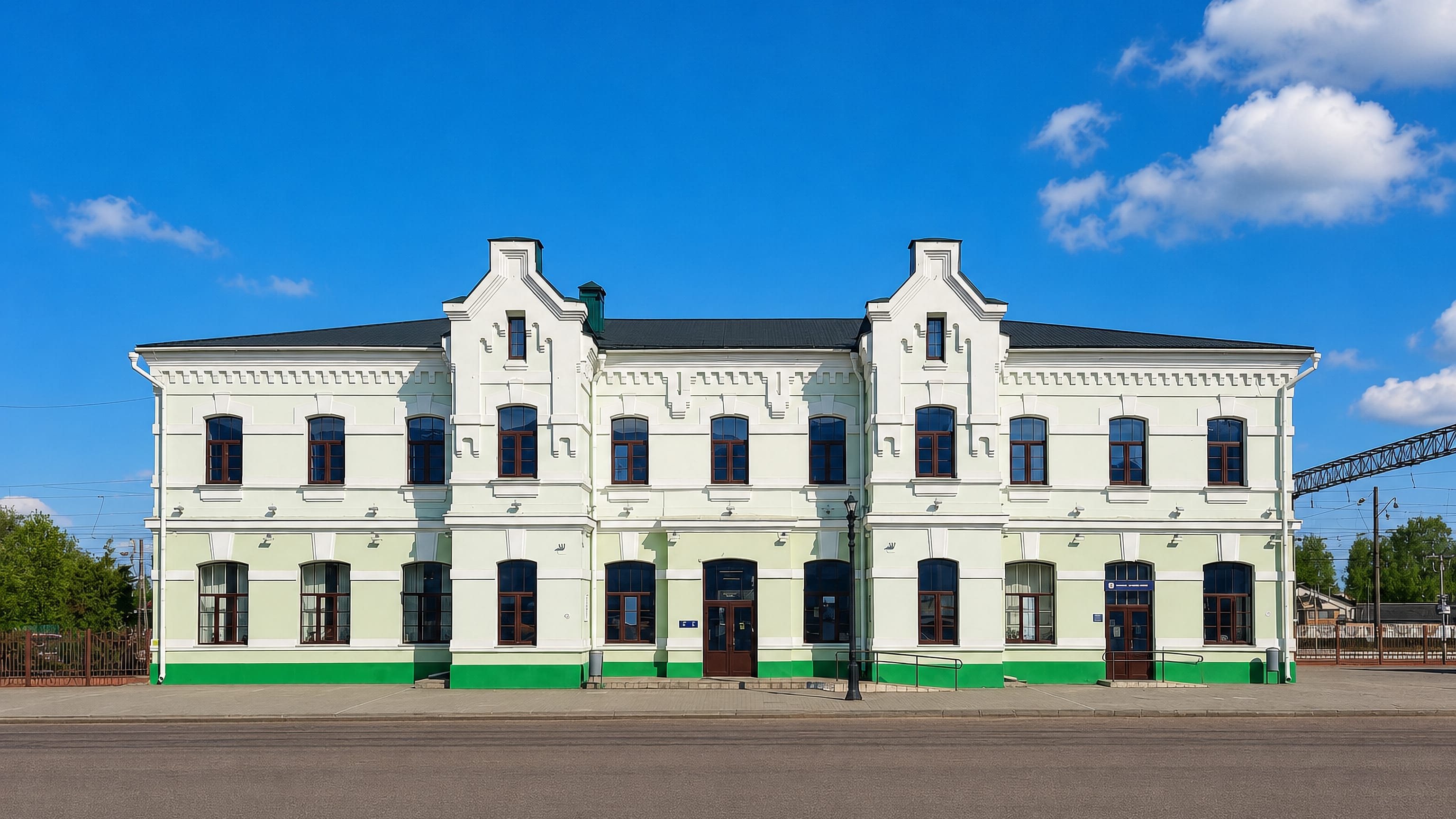
Belarus
Minsk Oblast, Belarus — Towns & Travel Guide
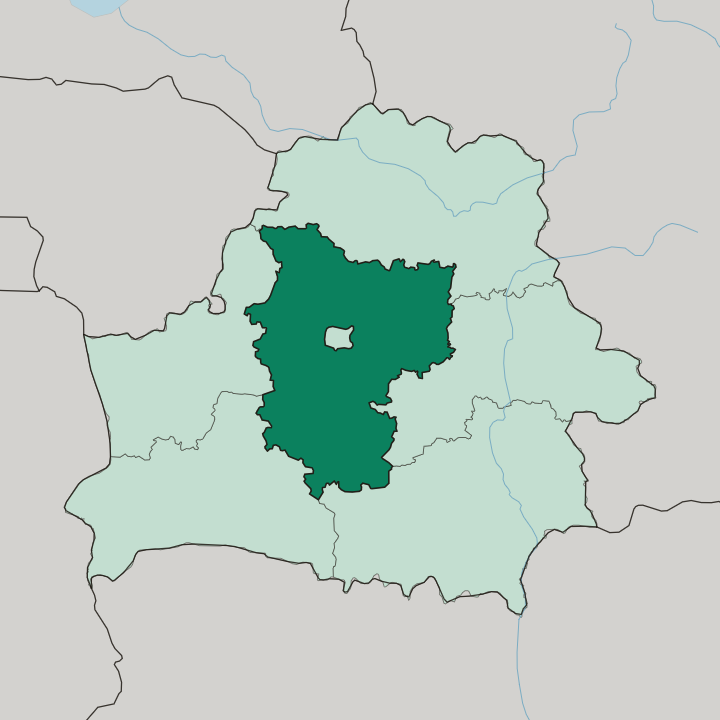
Minsk Oblast wraps the whole of central Belarus around its capital, from Lake Naroch to the Berezina.
Find your area →


Towns & cities in Minsk Oblast
Pick a town or city — each links to where to stay.

 Belarus
Barysaw
Barysaw stands on the Berezina in the Minsk Region, north-east of Minsk, and serves as the administrative centre of Barysaw District.Where to stay →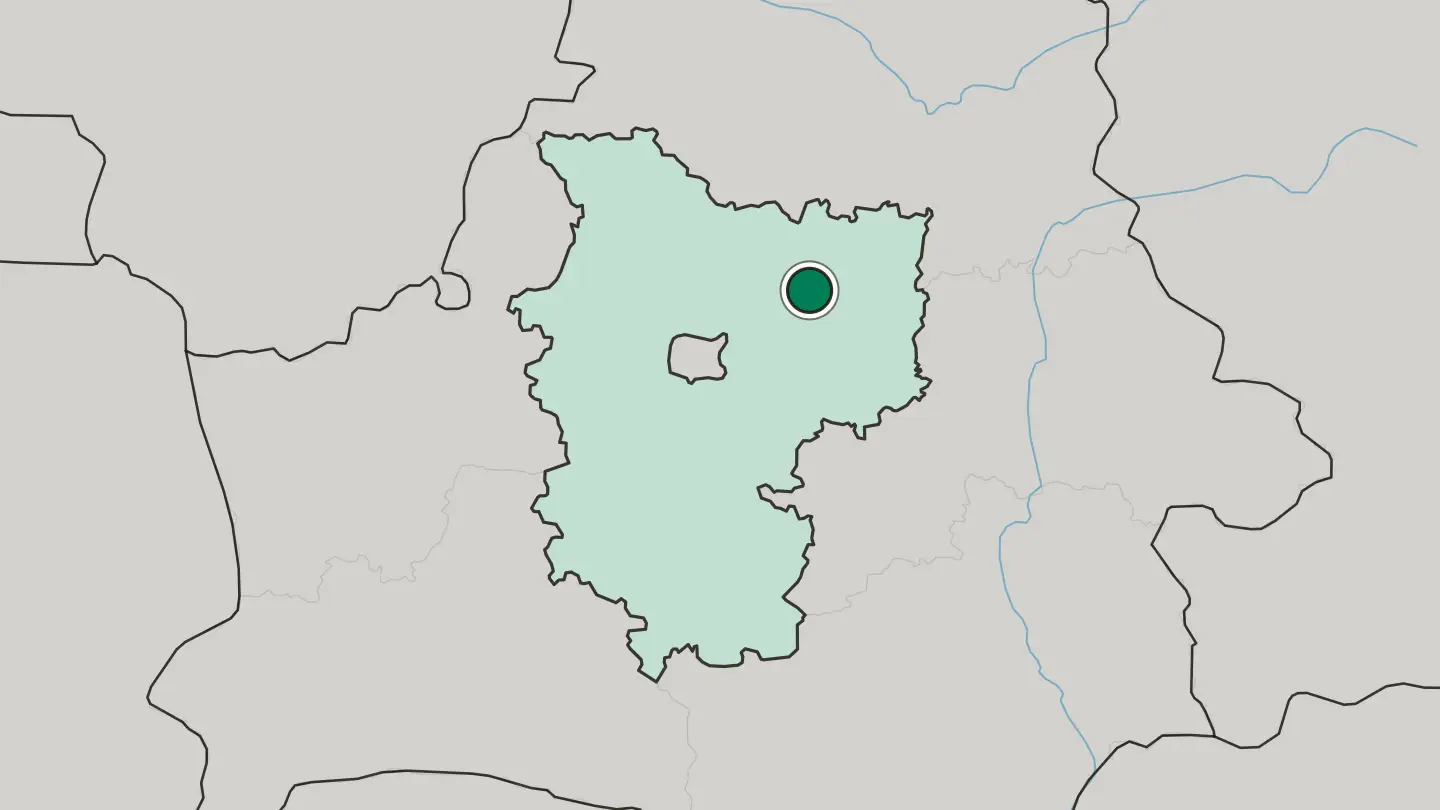
 Belarus
Soligorsk
Soligorsk was founded in 1958 as a mining town in Minsk Region, Belarus, and it serves as the administrative centre of Salihorsk District.Where to stay →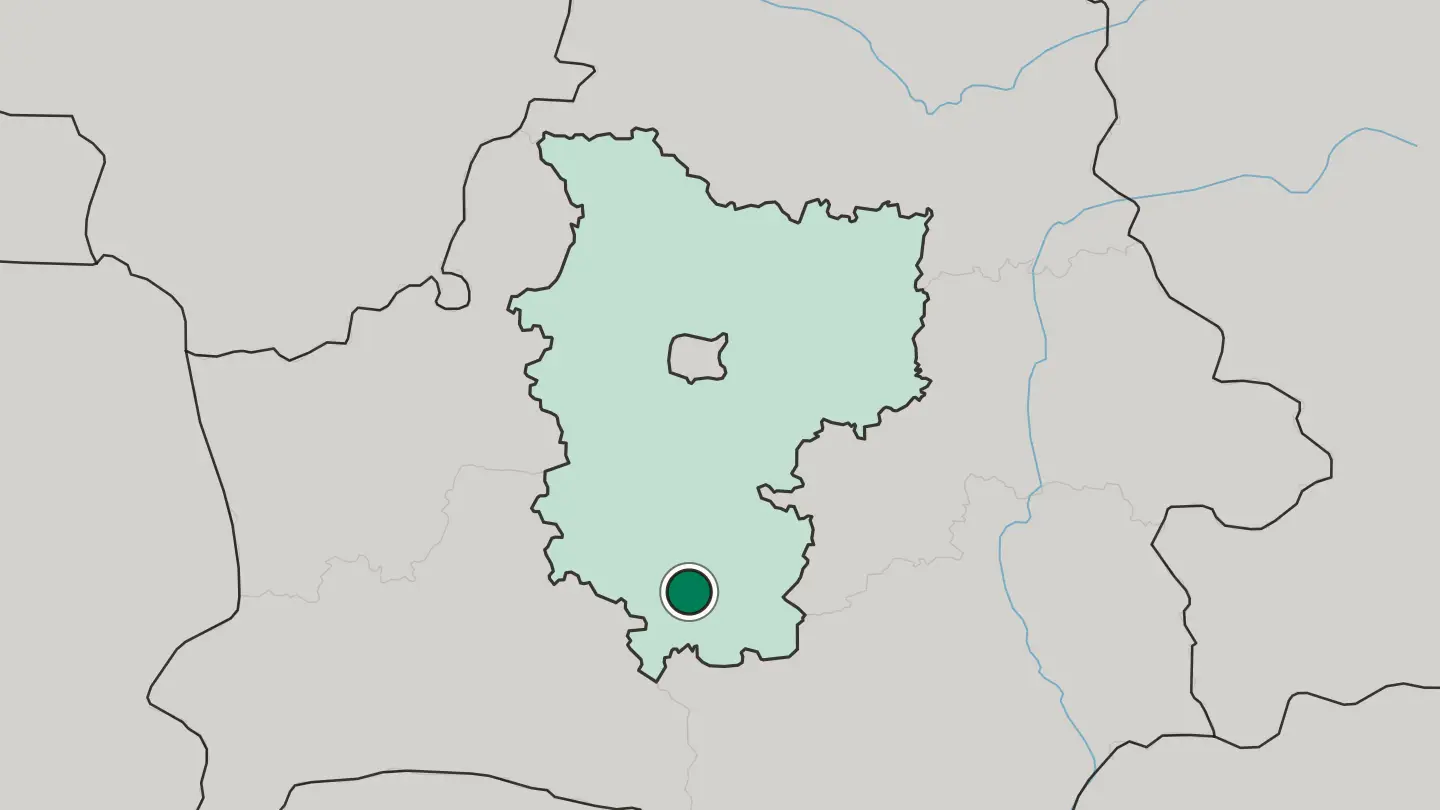 Belarus
Maladziečna
Maladziečna sits north-west of Minsk in Minsk Region, a district centre whose landmarks run from a castle site to the Minsk Regional Homeland Museum.Where to stay →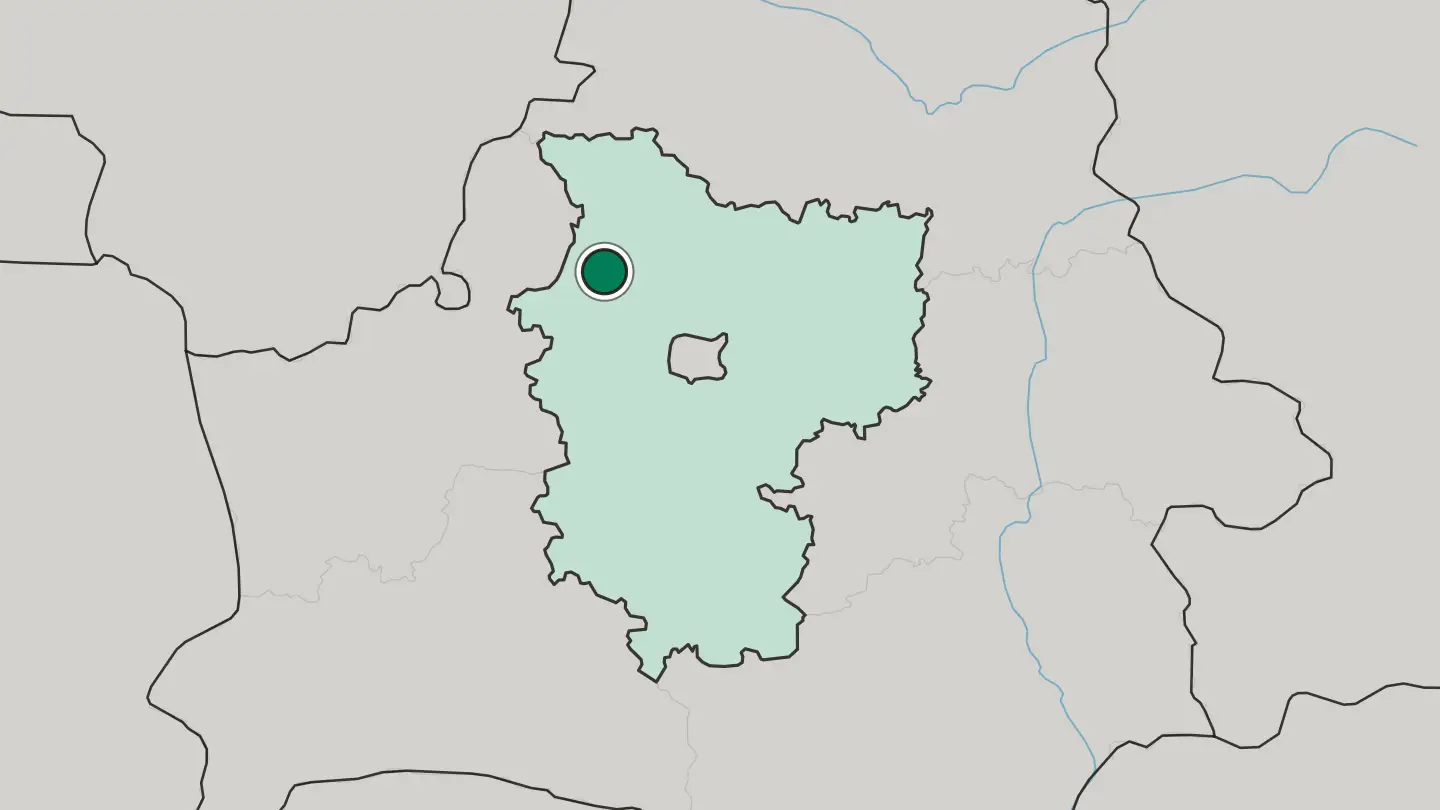 Belarus
Horad Zhodzina
Zhodzina is a town in Minsk Region, central Belarus, 50 kilometres north-east of Minsk, founded in 1643 and marked by its Kupriyanov memorials.Where to stay →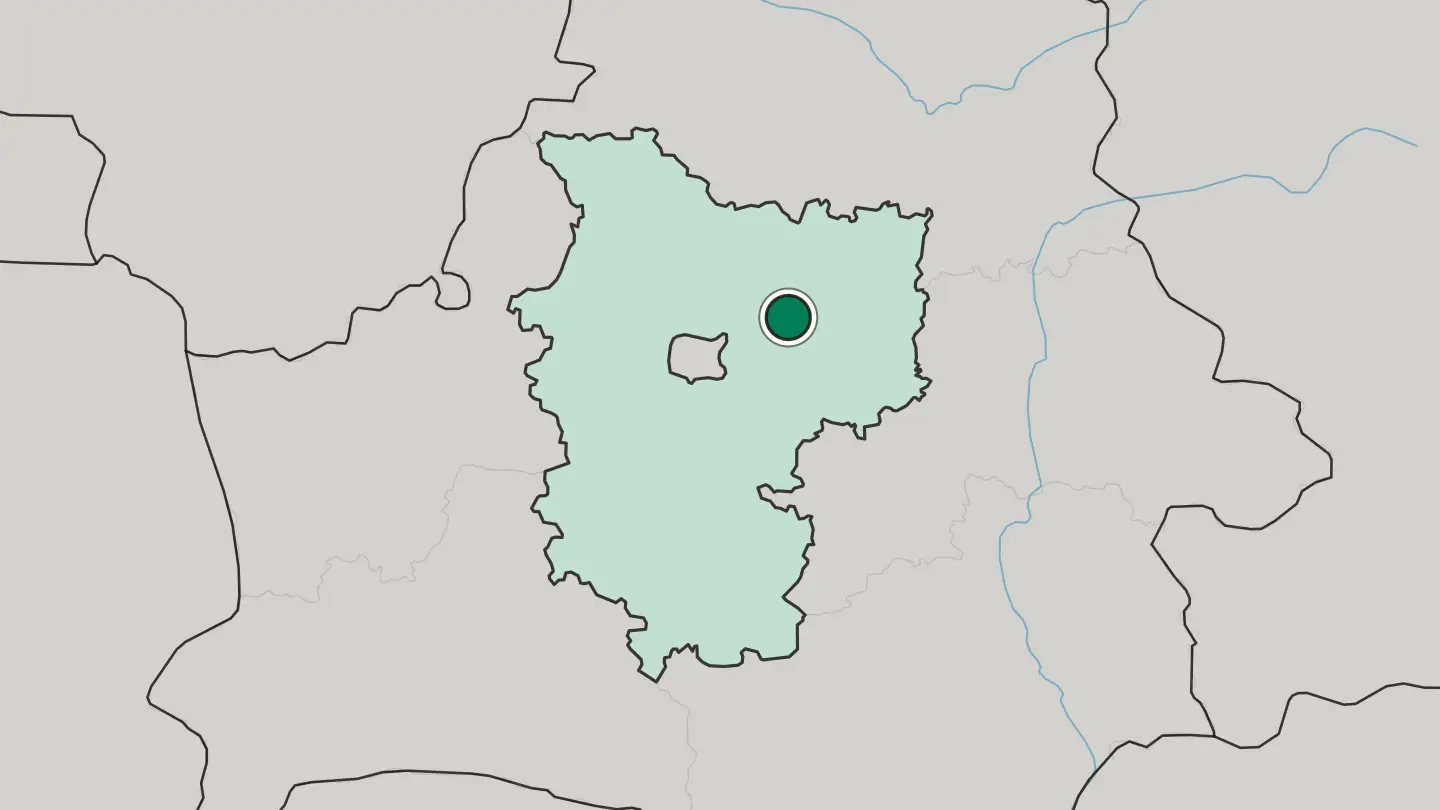 Belarus
Slutsk
Slutsk stands on the Sluch River south of Minsk, a town whose woven silk sashes once carried its name across the Polish-Lithuanian Commonwealth.Where to stay →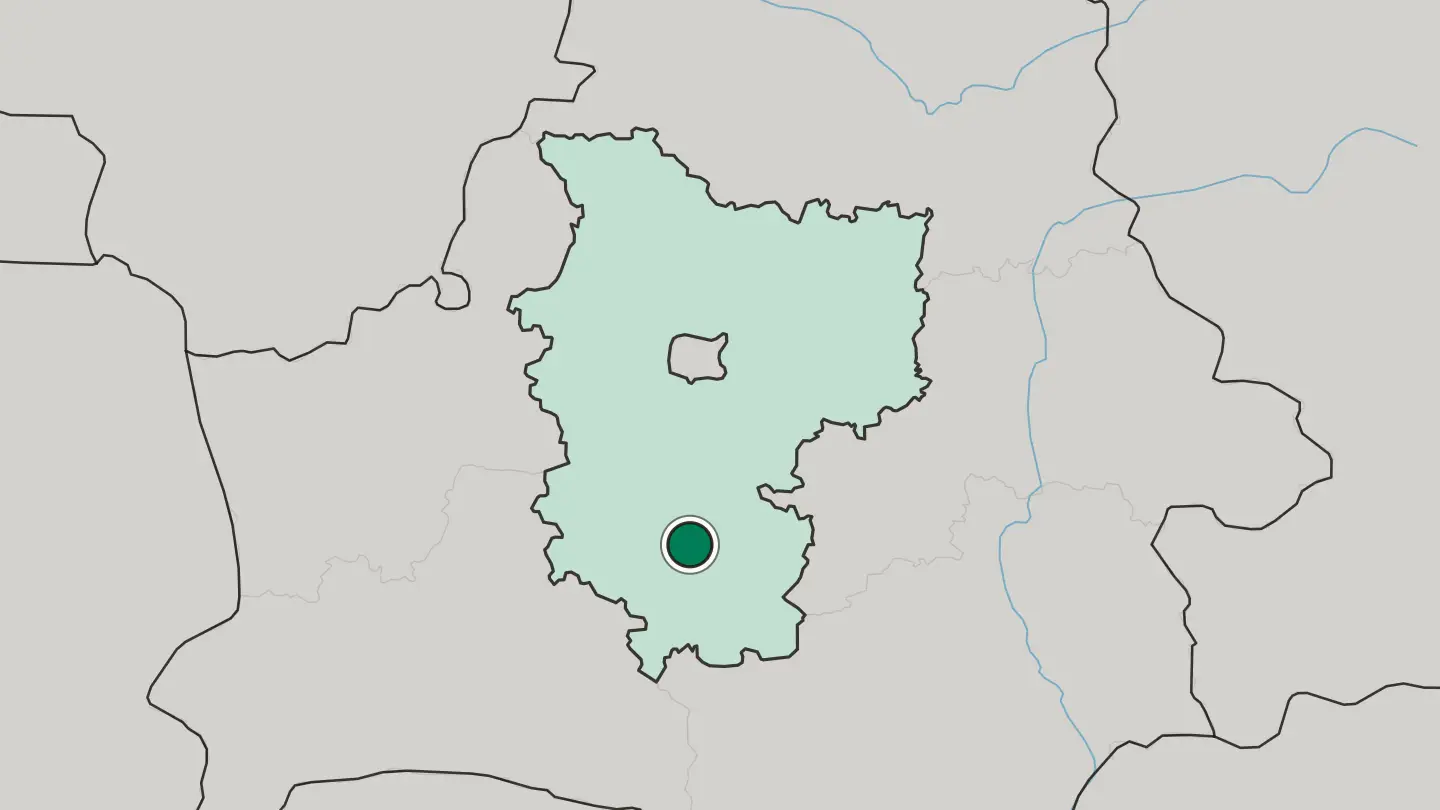
About Minsk Oblast
What is Minsk Oblast known for?
Minsk Oblast is the ring of central Belarus that surrounds the capital, Minsk, which governs the region without belonging to it. Lakes are the northern signature. Lake Naroch, the largest in the country, anchors a glacial lake district near the Lithuanian border, while the Berezina and the Neman drain the interior toward two different seas.
The oblast also holds the Radziwiłł seat at Nyasvizh and the potash mines of Salihorsk, so its reputation swings between old magnate estates and Soviet-era industry.
Where is Minsk Oblast?
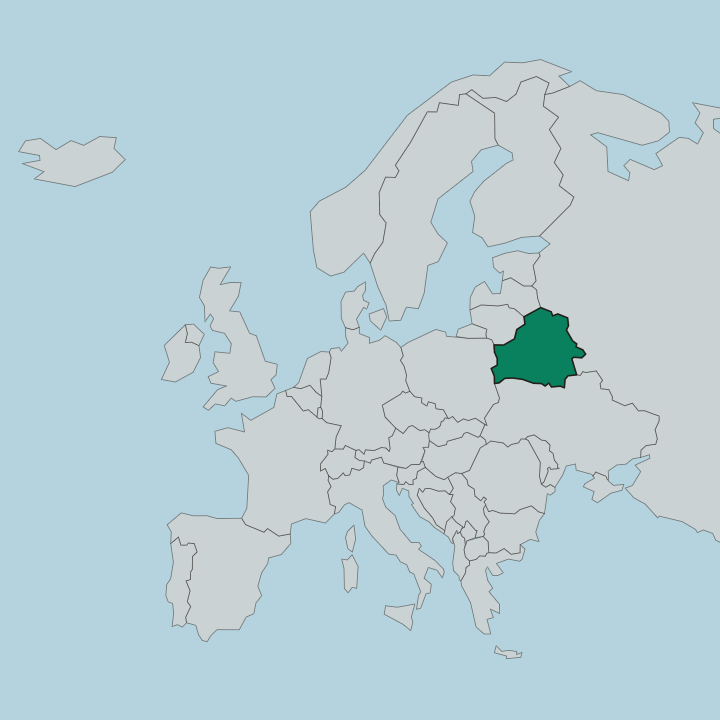
Minsk Oblast fills the middle of Belarus, the only one of the country's six regions that borders no foreign state. It wraps entirely around the capital. Minsk stands at its centre as an island of separate administration, running the oblast from a seat that is legally not part of it.
The land is a low rolling plain left by the ice, where the Minsk Upland ridges rise gently between shallow river valleys, and nothing here reaches the height of a real mountain. Water does the dividing instead of relief. A major watershed crosses the oblast: rivers on one side feed the Neman and the Baltic, rivers on the other feed the Berezina, the Dnieper and the distant Black Sea.
The Neman itself is born here, from headwaters that merge near the town of Uzda south-west of the capital. Lakes cluster in the north. Lake Naroch and its smaller neighbours sit in a belt of glacial water near the Lithuanian border, the largest sheet of fresh water in the country.
Forests still cover well over a third of the ground away from Minsk, and the geographic centre of the whole of Belarus falls inside the oblast, near Mar'ina Horka.
What is Minsk Oblast like?
Two Belaruses share the oblast, and the split is easy to read. Russian is the language of the streets in Minsk and the industrial towns, while Belarusian survives more stubbornly in the villages and in formal life, both tongues holding official status across the country. Culture here runs on that contrast.
The grander thread is the old nobility. Nyasvizh was the seat of the Radziwiłł family, whose castle, park and Corpus Christi church now carry a UNESCO listing and draw the region's steadiest stream of visitors. Slutsk once wove silk sashes prized across the old Commonwealth, and Maladzyechna, north-west of Minsk, grew a theatre and a music college that make it the oblast's cultural anchor.
The other thread is Soviet and industrial. Salihorsk was raised from open country in the 1950s to mine potash, and Zhodino built its identity around the giant BelAZ haul trucks. Estate and mineshaft coexist.
A traveller can tour a magnate's ballroom in the morning and pass a spoil heap of mine salt by afternoon, and both belong squarely to Minsk Oblast.
What is the history of Minsk Oblast?
The land was a heartland of the Grand Duchy of Lithuania long before any oblast existed, and its magnate families built accordingly. The Radziwiłłs began their fortified château at Nyasvizh in 1582 and ran estates that stretched across several modern states. War kept crossing the same ground.
Napoleon's Grande Armée lost tens of thousands of men fording the Berezina near Barysaw in 1812 during the retreat from Moscow, and the twentieth century's fighting scarred the region again. The oblast in its present borders is a Soviet creation, drawn in 1938.
What is the climate of Minsk Oblast?
The climate is continental and inland, and it hardens as you move away from the Baltic toward the east of the oblast. Winters bite. Snow lies for much of the season and January hovers below freezing across the region, with hard cold snaps sweeping in from the great plains to the east.
Summers turn mild and green, warm enough for the crowds who fill the sanatoria along Lake Naroch, with rain spread through the year rather than saved for one season. Both shoulder seasons are over quickly in Minsk Oblast.
How do you get to Minsk Oblast?
Almost everyone arrives through Minsk. The capital holds the region's international airport and its main railway station, and its lines fan out across the oblast in every direction. Trains run north-west to Maladzyechna toward Lithuania, north-east to Barysaw along the Berezina, and south past Salihorsk into the mining country.
Belarus is landlocked, so reaching the oblast means flying in or crossing a land border, most often from the neighbouring capitals to the west. From Minsk, road and rail put the lakes and the castles within a short day's reach.
Common questions
What is the best area to stay in Minsk Oblast?
Minsk: a first base with rail links across central Belarus. Barysaw: the Berezina battlefields north-east of Minsk.
Good for
More regions in Belarus
Updated September 2026