Canada · British Columbia
Where to Stay in Kelowna, British Columbia
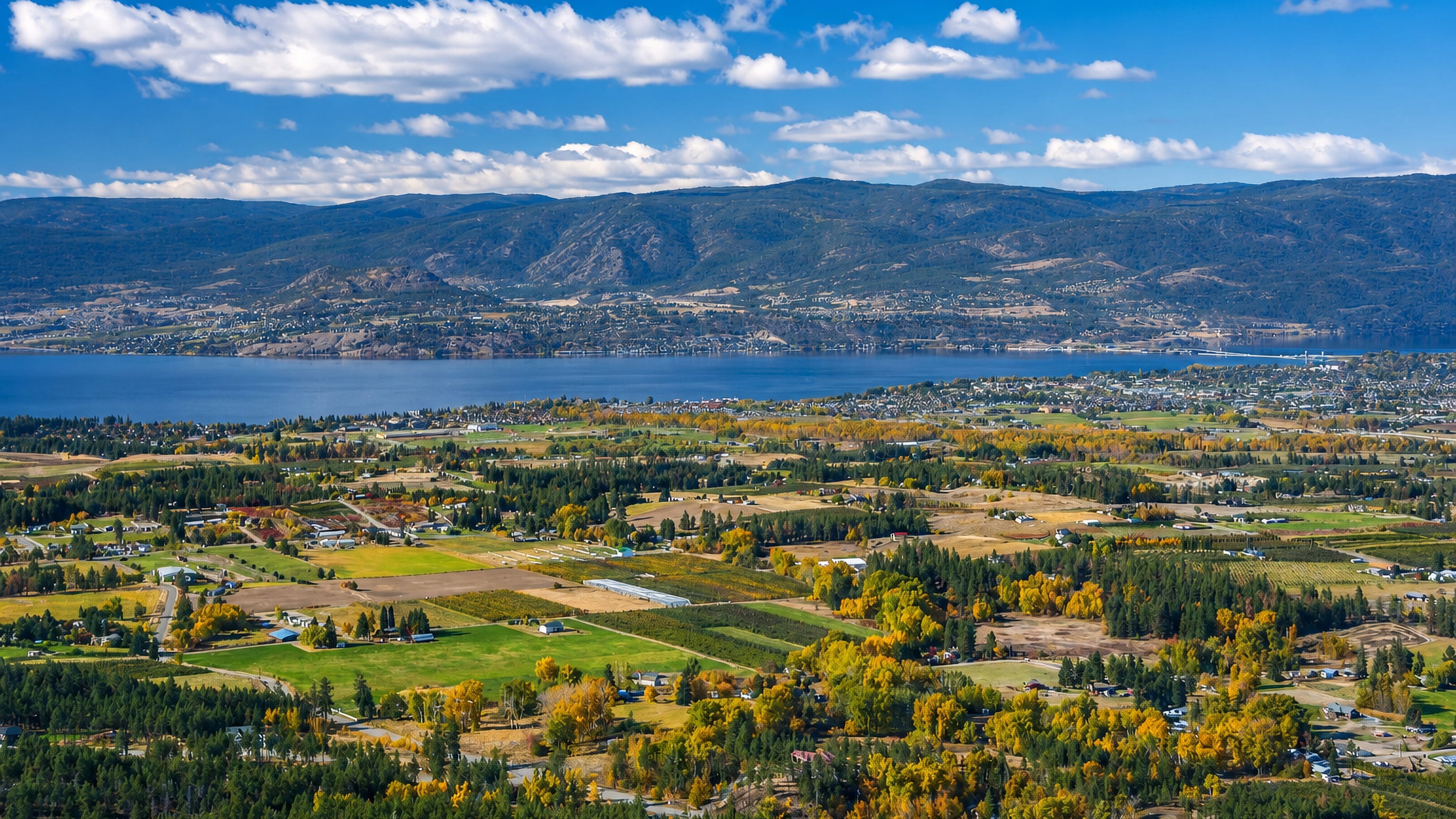
Kelowna is the largest inland city of British Columbia, strung along Okanagan Lake at the centre of the Okanagan Valley wine country.
Hotel links are affiliate links: booking through them may earn us a commission, at no extra cost to you. It never affects how places are ranked. How this works


Where to stay in Kelowna
One neighbourhood here has its own guide — here's what it is best for.

 KelownaCanada
Rutland
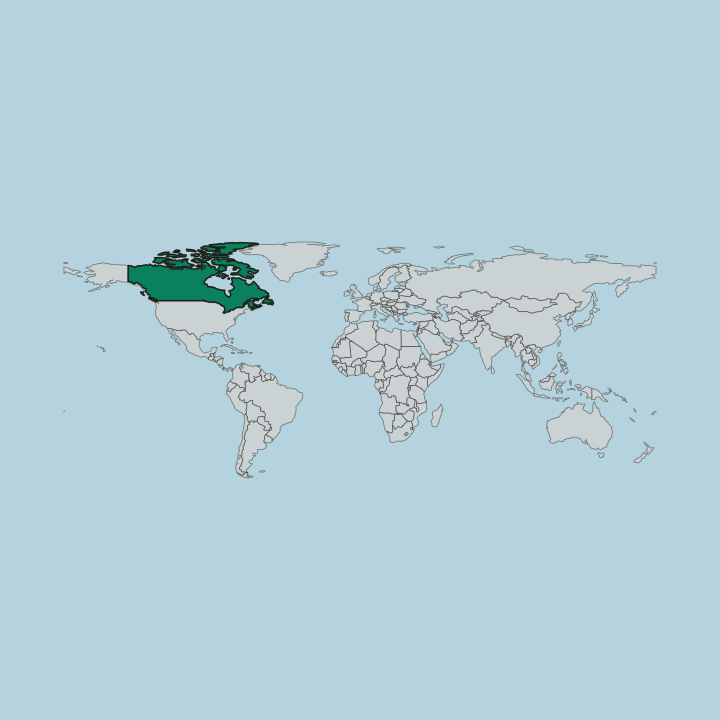
Rutland is a neighbourhood on the northeast edge of the Kelowna core, in the Okanagan region of the Southern Interior of British Columbia.Where to stay →Hotel links are affiliate links: booking through them may earn us a commission, at no extra cost to you. It never affects how places are ranked. How this works
Find hotels in Kelowna
Direct booking searches for these neighbourhoods.
Okanagan Lake waterfront
Kelowna's shoreline strip keeps the swimming water and the Kelowna Art Gallery in one short walk, and it is the first part of the city to fill in summer. Few places to stay nearby — book ahead.Find hotels in Okanagan Lake waterfrontA downtown base set back from the shoreThe Immaculate Conception Church blocks
The older grid around Immaculate Conception Church keeps everyday Kelowna within reach while sitting clear of the lakeshore crowds.Find hotels in The Immaculate Conception Church blocksParking before an Okanagan Valley wine runKelowna Memorial Arena side
Streets near the Kelowna Memorial Arena trade the water view for room to park before a day among the Okanagan Valley vineyards.Find hotels in Kelowna Memorial Arena sideHotel links are affiliate links: booking through them may earn us a commission, at no extra cost to you. It never affects how places are ranked. How this works
Things to do in Kelowna
Ranked by global recognition; descriptions from Wikidata (CC0).
Museums & Galleries
2- Kelowna Art Gallery
- Kelowna Public Archives
Churches & Religious Sites
2- Immaculate Conception Church, Kelowna
- Ukrainian Orthodox Parish of Sts Peter & Paul
Stadiums & Sports
1- Kelowna Memorial Arena
worth knowingacross 3 categories in Kelowna
About Kelowna
A grizzly bear named it.
What is Kelowna known for?
Kelowna comes from the Okanagan word kiʔláwnaʔ, and the city that carries it anchors the wine country spread along both shores of Okanagan Lake in British Columbia. Summer belongs to the lake, which is the reason most visitors come at all. The Kelowna Art Gallery and the Kelowna Memorial Arena hold the civic side of the year.
What are the main landmarks in Kelowna?
Five buildings carry the record. The Kelowna Art Gallery shows the city's visual side, while the Kelowna Public Archives keeps its documentary one, and the Kelowna Memorial Arena remains the room where the city gathers in numbers. Two congregations mark the older settlement: Immaculate Conception Church and the Ukrainian Orthodox Parish of Sts Peter & Paul.
None of it stands far from Okanagan Lake.
What is the history of Kelowna?
A grizzly bear stands behind the name. Kelowna renders kiʔláwnaʔ, a word of the Okanagan language, and carrying that word forward onto a lakeside settlement is the plainest thing the modern city preserves of the people who named the place. Settlement is dated to 1859.
Growth arrived through the Okanagan Valley rather than from the coast, because Kelowna stands inland and remains the largest such city in British Columbia. Okanagan Lake fixed where the town could sit and how far it could spread, and the shoreline has organised the place ever since. Institutions followed, and they survive.
Immaculate Conception Church and the Ukrainian Orthodox Parish of Sts Peter & Paul record two of the communities that settled the valley, and the Kelowna Public Archives keeps the written half of the same story. The Kelowna Memorial Arena and the Kelowna Art Gallery came later, civic rooms for a city that had outgrown its beginnings. Wine did the rest.
Vineyards spread along Okanagan Lake until the wine country became the valley's defining trade, and Kelowna, head office of the Regional District of Central Okanagan, sits in the middle of it.
Where is Kelowna?
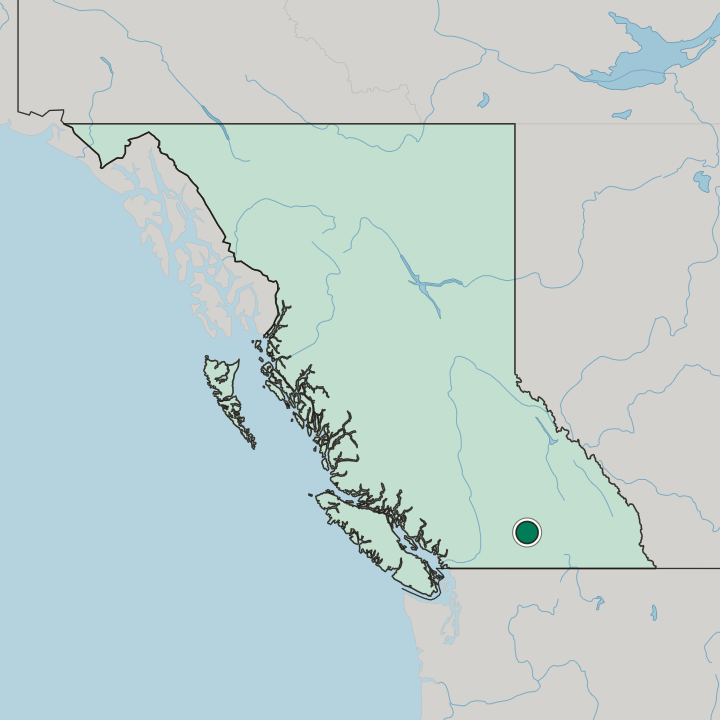
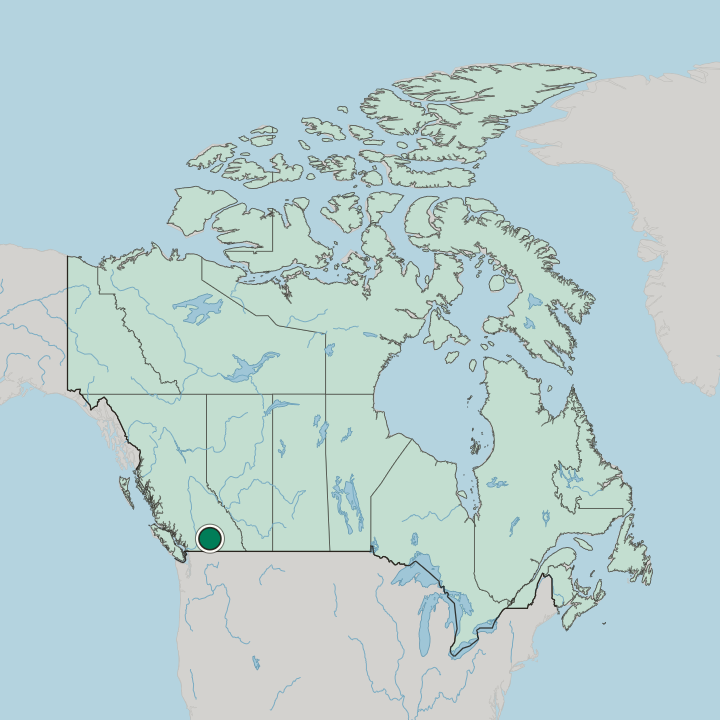
Water splits the valley floor. Okanagan Lake stretches well beyond the city in both directions, and Kelowna spreads back from its shore across roughly 212 square kilometres of valley floor and rising ground. The Okanagan Valley encloses it, inland and far from any coast.
Nowhere else in British Columbia does an inland city reach this size, a fact the Regional District of Central Okanagan reflects in placing its head office here.
What is the climate of Kelowna?
Okanagan Lake moderates the valley. Kelowna lies in the temperate band of the northern hemisphere, and the mass of water beside it tempers both the height of summer and the depth of winter along the valley floor. Summer draws people to the water, and the wine country around Kelowna works to the same rhythm.
The Okanagan Valley sits inland, well away from any coastal influence.
How do you get to Kelowna?
Land routes do all the work here. Kelowna lies inland in the Okanagan Valley, so approaches run down the length of the valley rather than in from any British Columbia port. Okanagan Lake is the obstacle and the landmark at once, and traffic on either side of it converges on the Kelowna shore.
Distances in the interior are long. The Regional District of Central Okanagan covers a lot of ground, and Kelowna is the point in it where routes actually meet.
Common questions
What is the best area to stay in Kelowna?
Okanagan Lake waterfront: Beach days with the Kelowna Art Gallery on foot. The Immaculate Conception Church blocks: A downtown base set back from the shore. Kelowna Memorial Arena side: Parking before an Okanagan Valley wine run.
Good for
More cities in British Columbia
Updated September 2026