Canada
British Columbia, Canada — Towns & Travel Guide
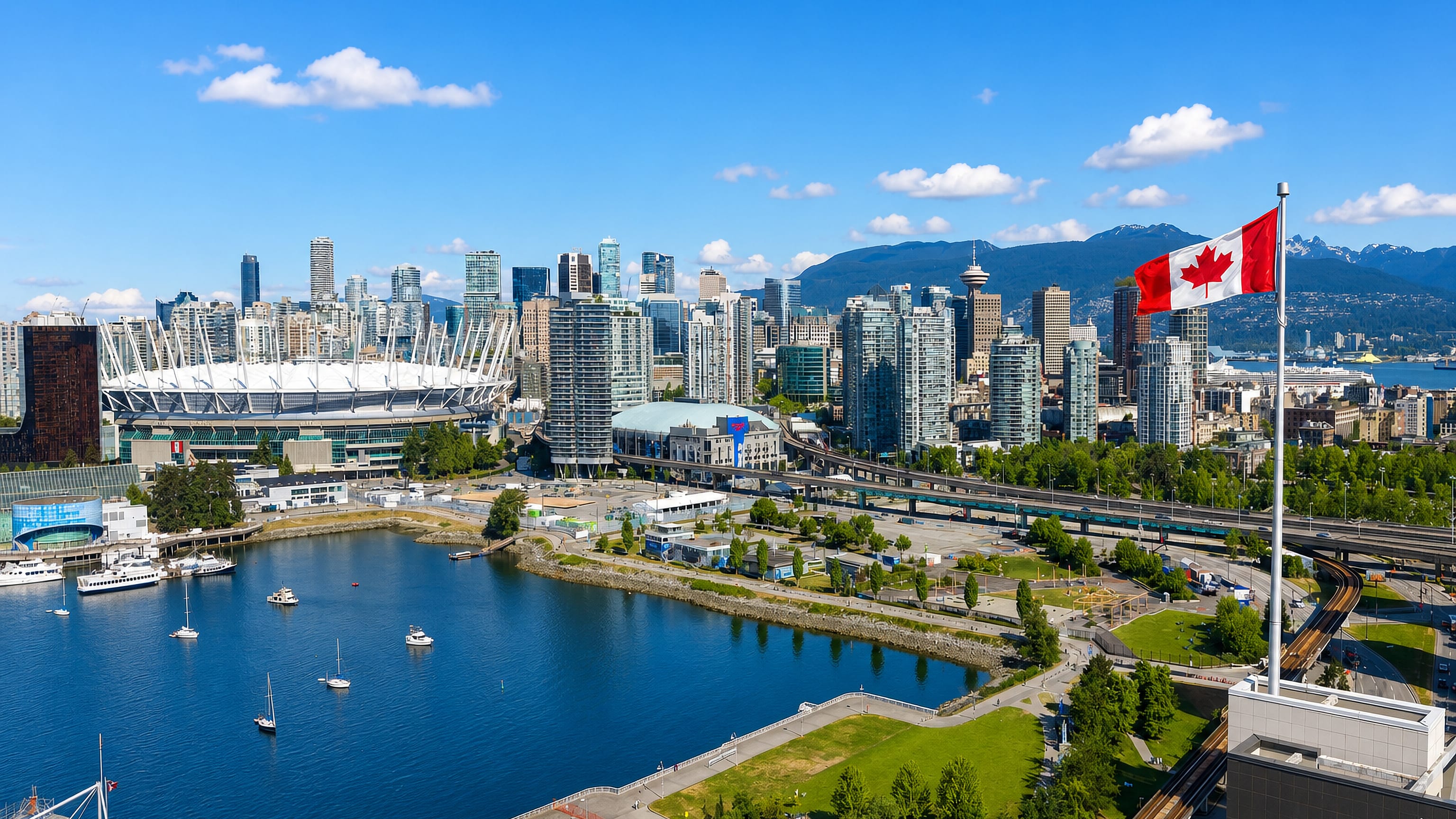
British Columbia is Canada's Pacific edge, where the Coast Mountains drop straight into the sea and rainforest meets the ocean.
Hotel links are affiliate links: booking through them may earn us a commission, at no extra cost to you. It never affects how places are ranked. How this works


Towns & cities in British Columbia
Pick a town or city — each links to where to stay.
 Canada
Vancouver
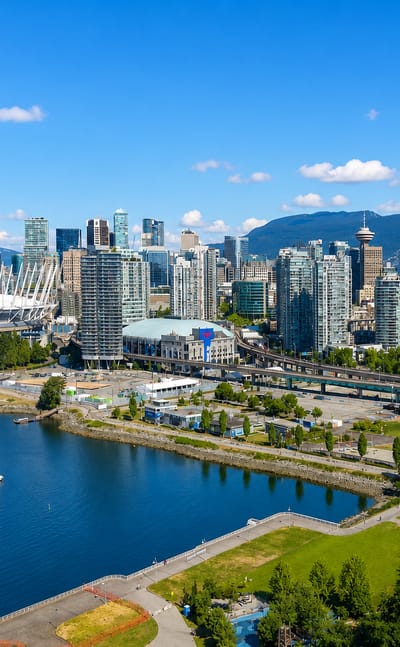
The North Shore Mountains rise above the water at Vancouver, a coastal city in British Columbia known for its miles of shoreline and its galleries.Where to stay →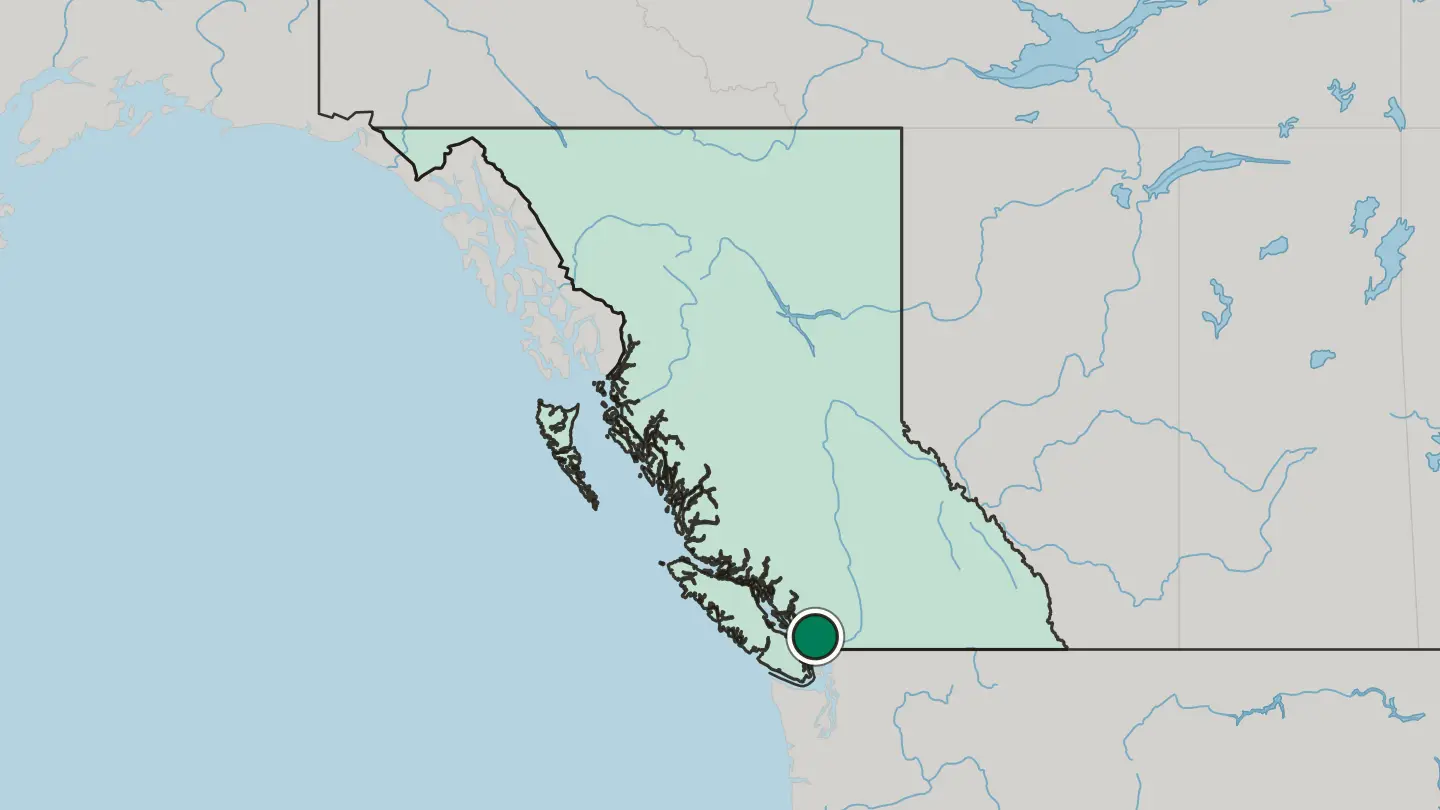
 Canada
Surrey
Surrey reaches from the Fraser River down to the Canada-United States border, a suburban city built around seven town centres instead of one.Where to stay →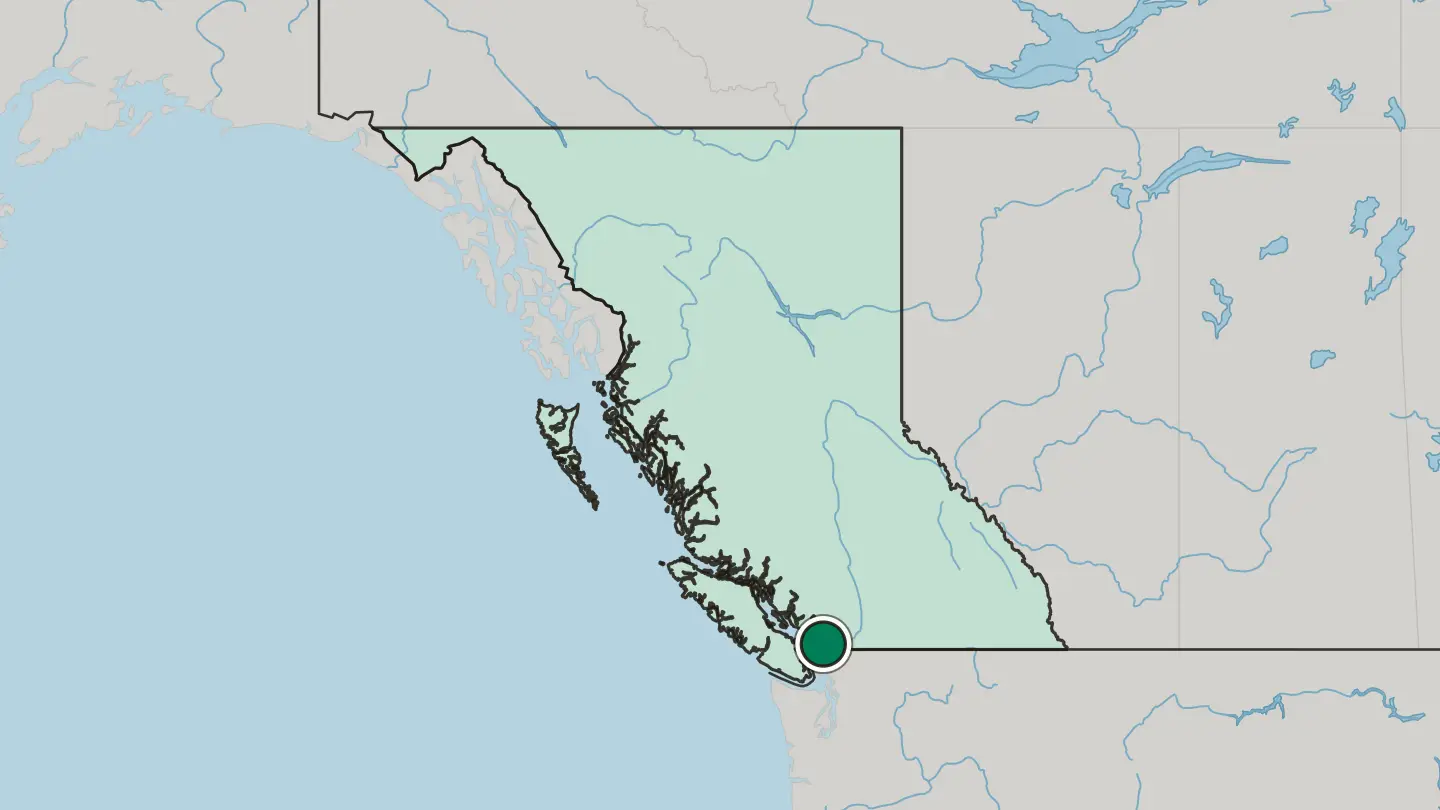
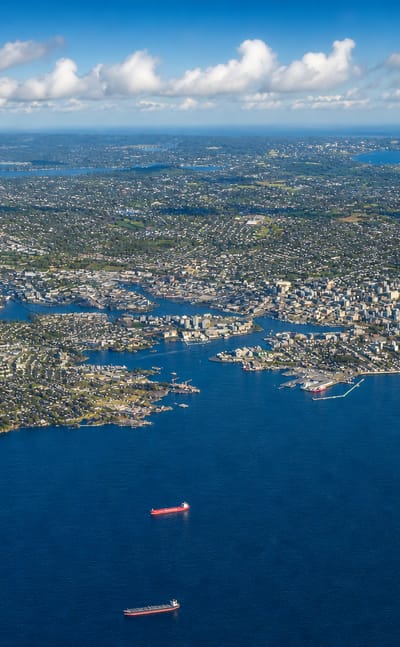 Canada
Victoria
Victoria is the provincial capital of British Columbia, founded in 1862 and named for Queen Victoria, known for the Royal British Columbia Museum.Where to stay →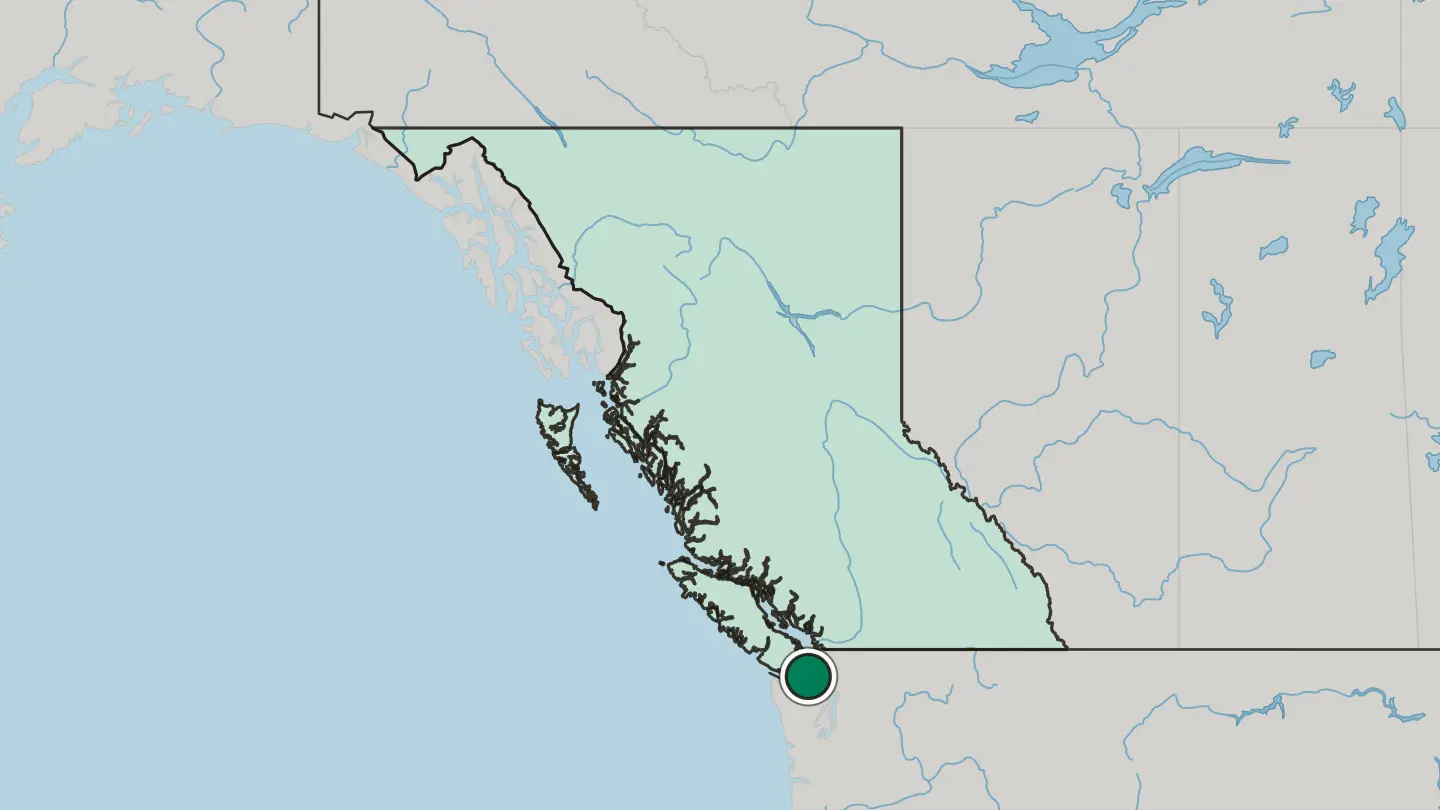
 Canada
Burnaby
Burnaby occupies the middle of the Burrard Peninsula, a Lower Mainland city wedged between Vancouver, New Westminster, and the Burrard Inlet.Where to stay →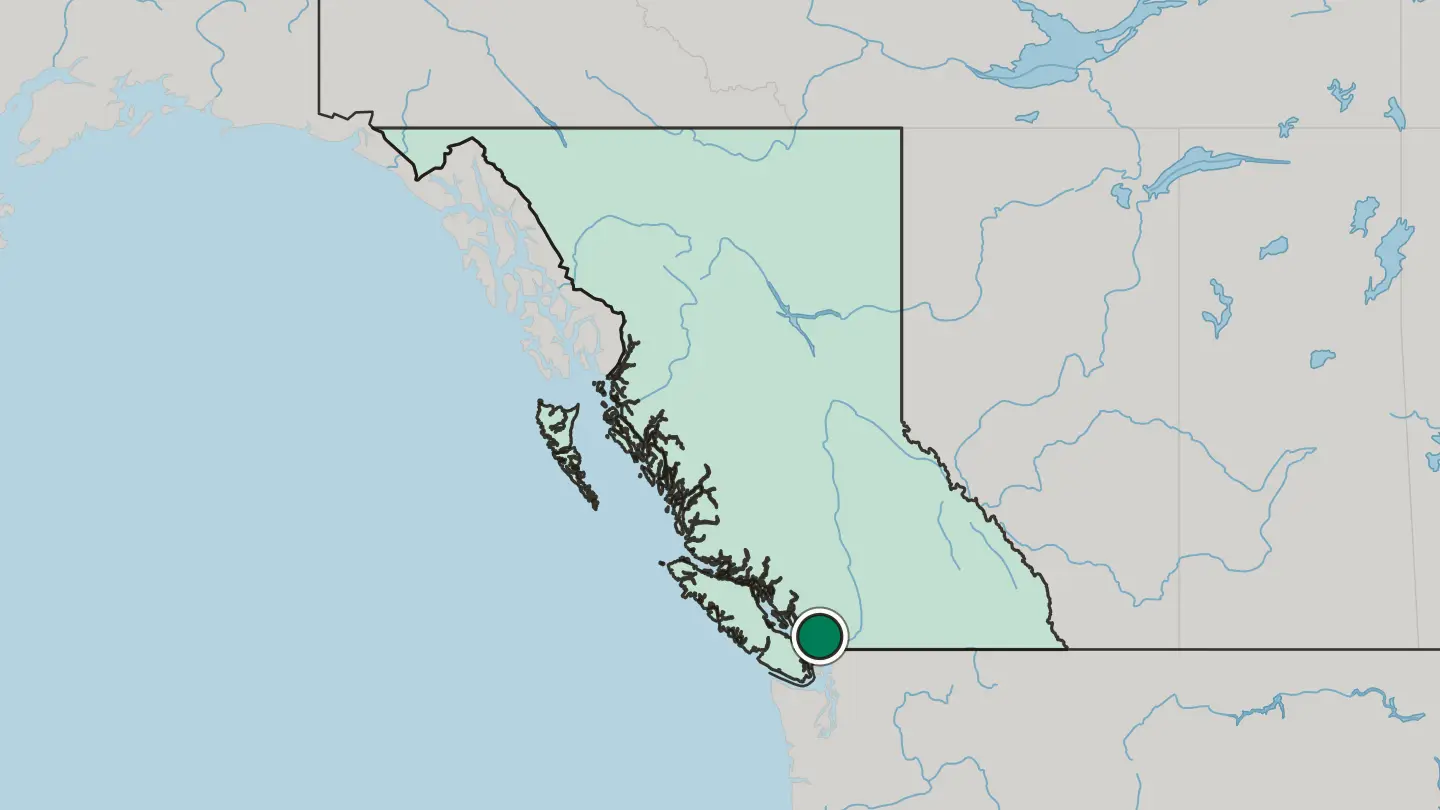
 Canada
Richmond
Richmond covers Lulu Island and Sea Island in the Fraser River delta, just south of Vancouver, behind dikes that hold the river back.Where to stay →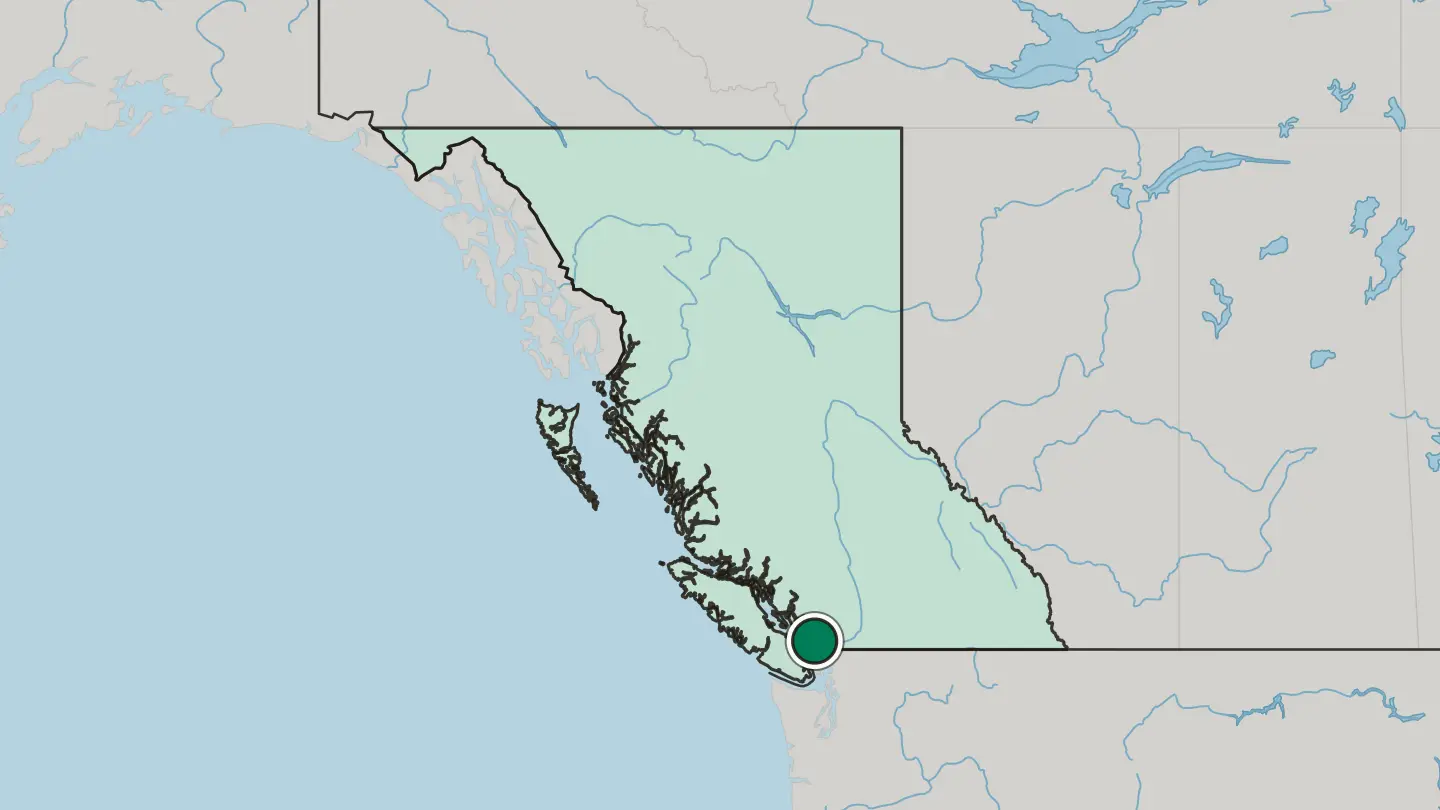
 Canada
Coquitlam
Coquitlam is the largest of the Tri-Cities, a Metro Vancouver suburb in the Lower Mainland where parks and pools stand in for headline attractions.Where to stay →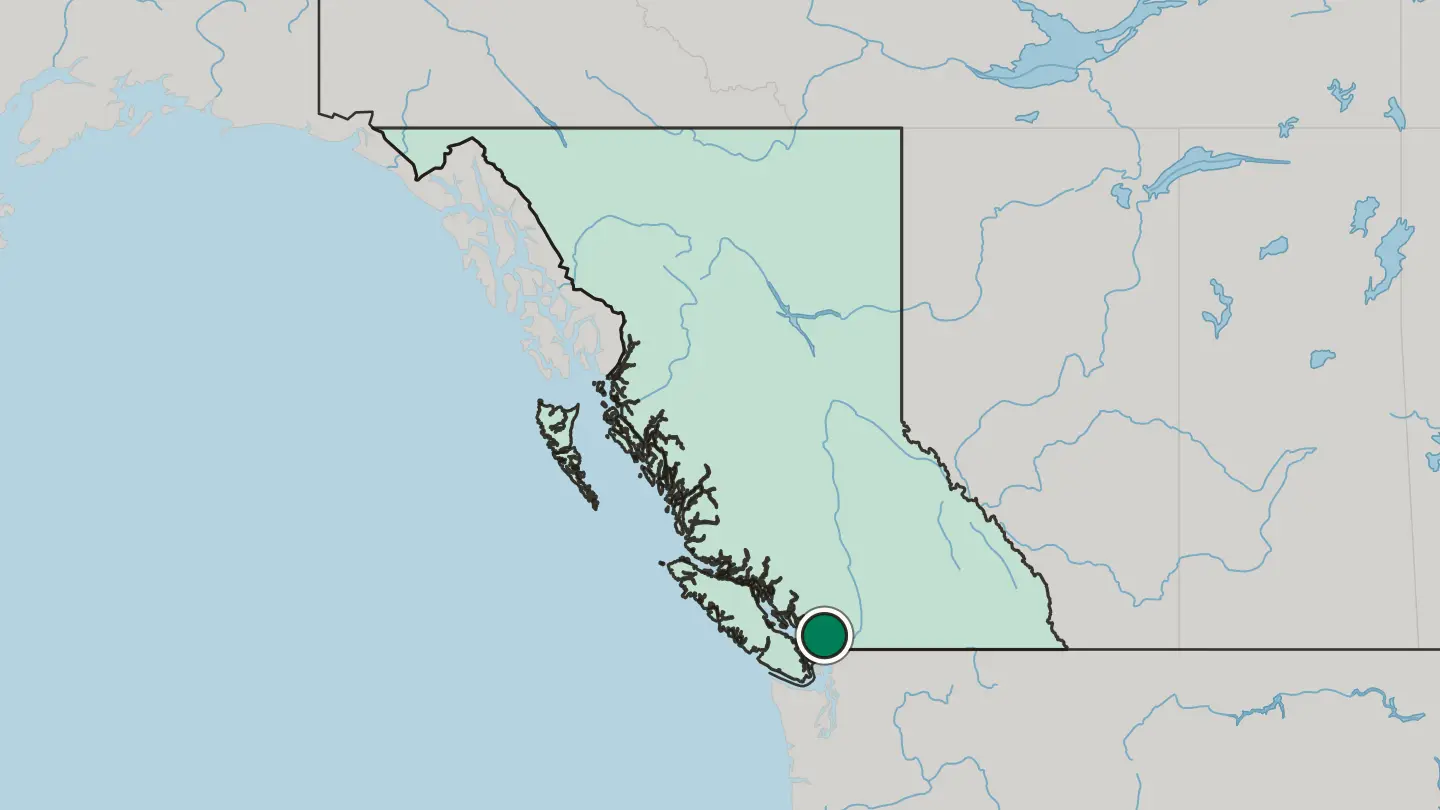
 Canada
Kelowna
Kelowna is the largest inland city of British Columbia, strung along Okanagan Lake at the centre of the Okanagan Valley wine country.Where to stay →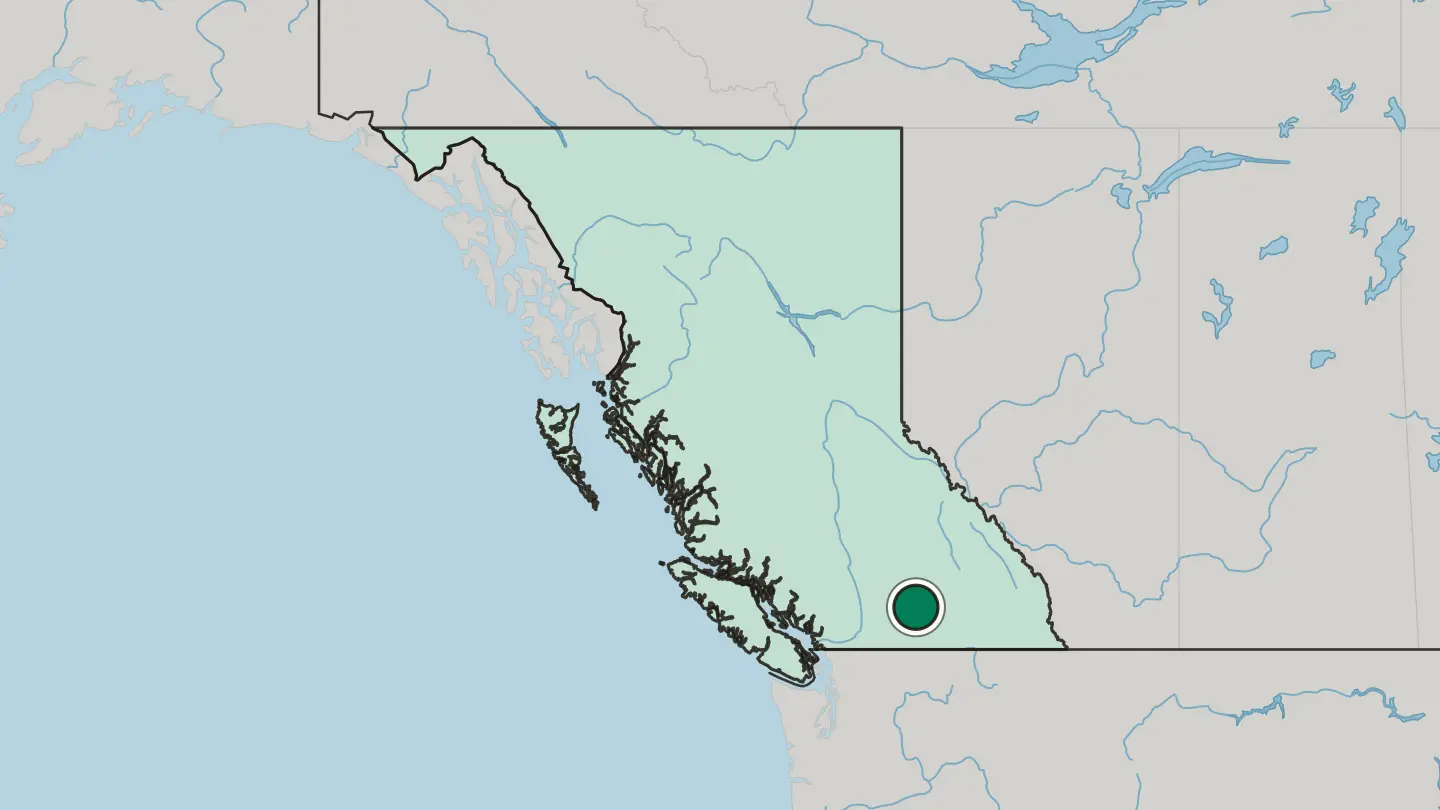
 Canada
Abbotsford
Farmland fills the Fraser Valley around Abbotsford, a British Columbia city pressed against the Canada-United States border beside Greater Vancouver.Where to stay →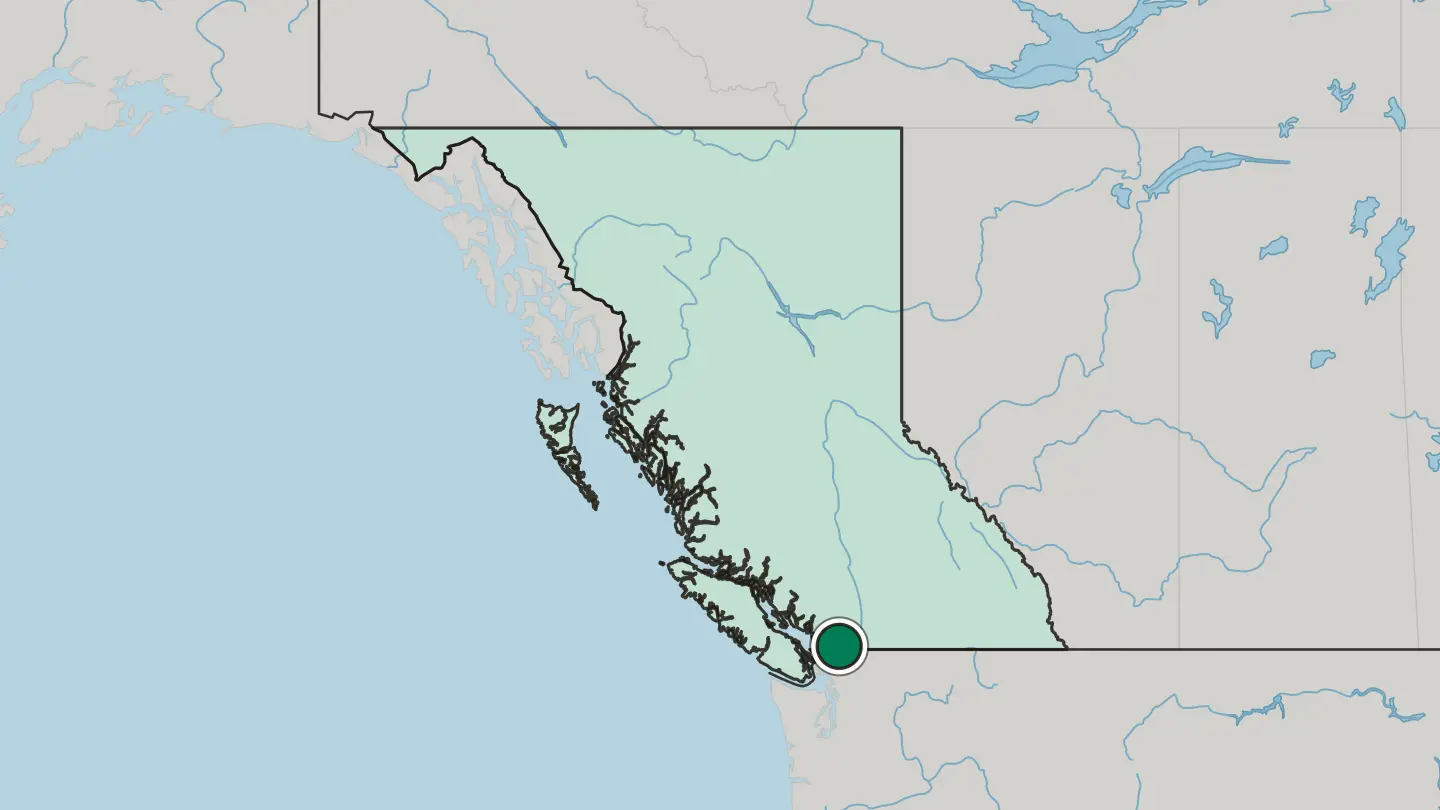
All towns & cities (17)
 Canada
Langley
Langley is a small city of the Metro Vancouver Regional District in British Columbia, ringed by the Township of Langley and pressed against Surrey.Where to stay →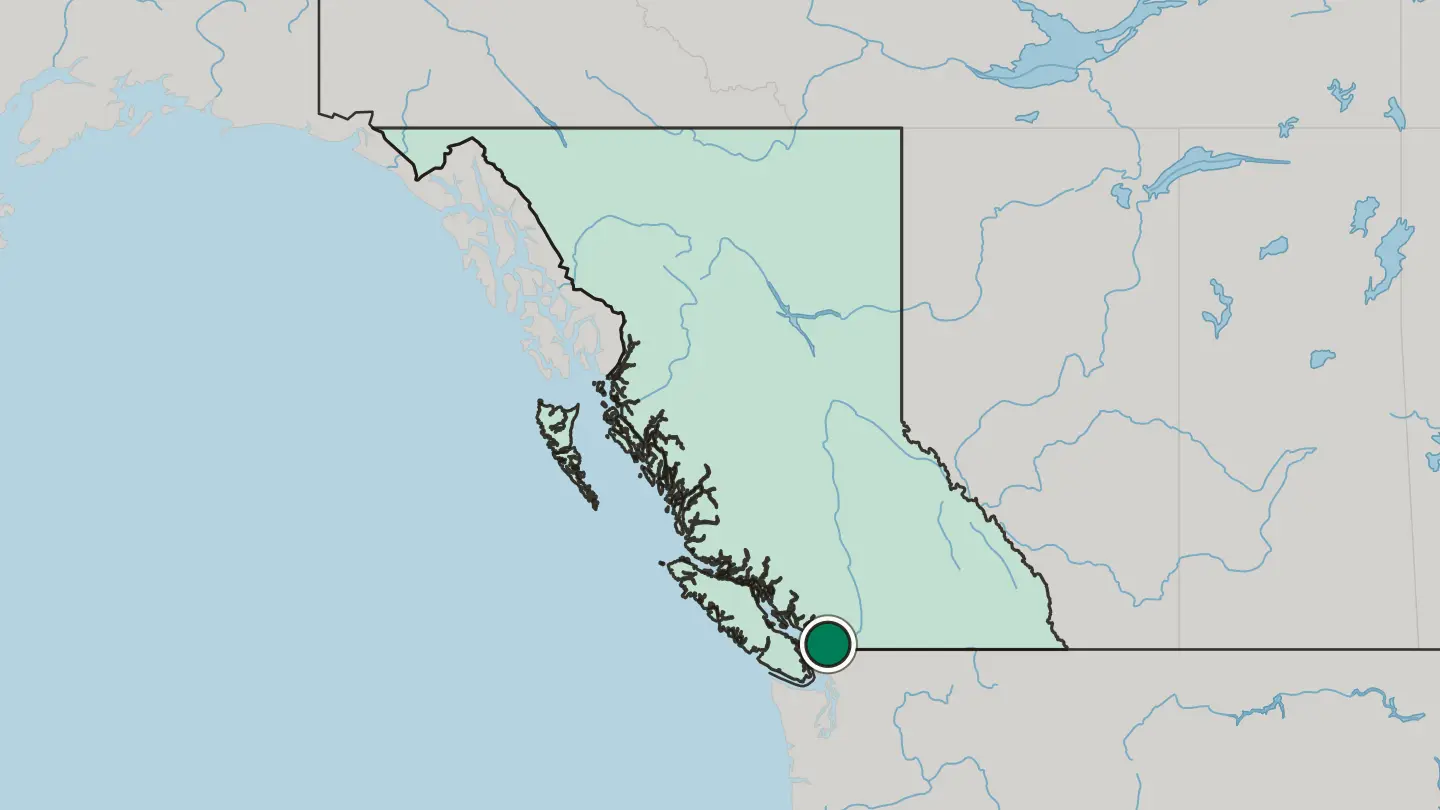 Canada3 areas
Delta
Delta is a city in the Lower Mainland of British Columbia, part of Greater Vancouver, made up of North Delta, Ladner and Tsawwassen.Where to stay → Canada
Kamloops
The North and South Thompson merge at Kamloops, the commercial centre of Thompson Country and a city billed as the Tournament Capital of Canada.Where to stay →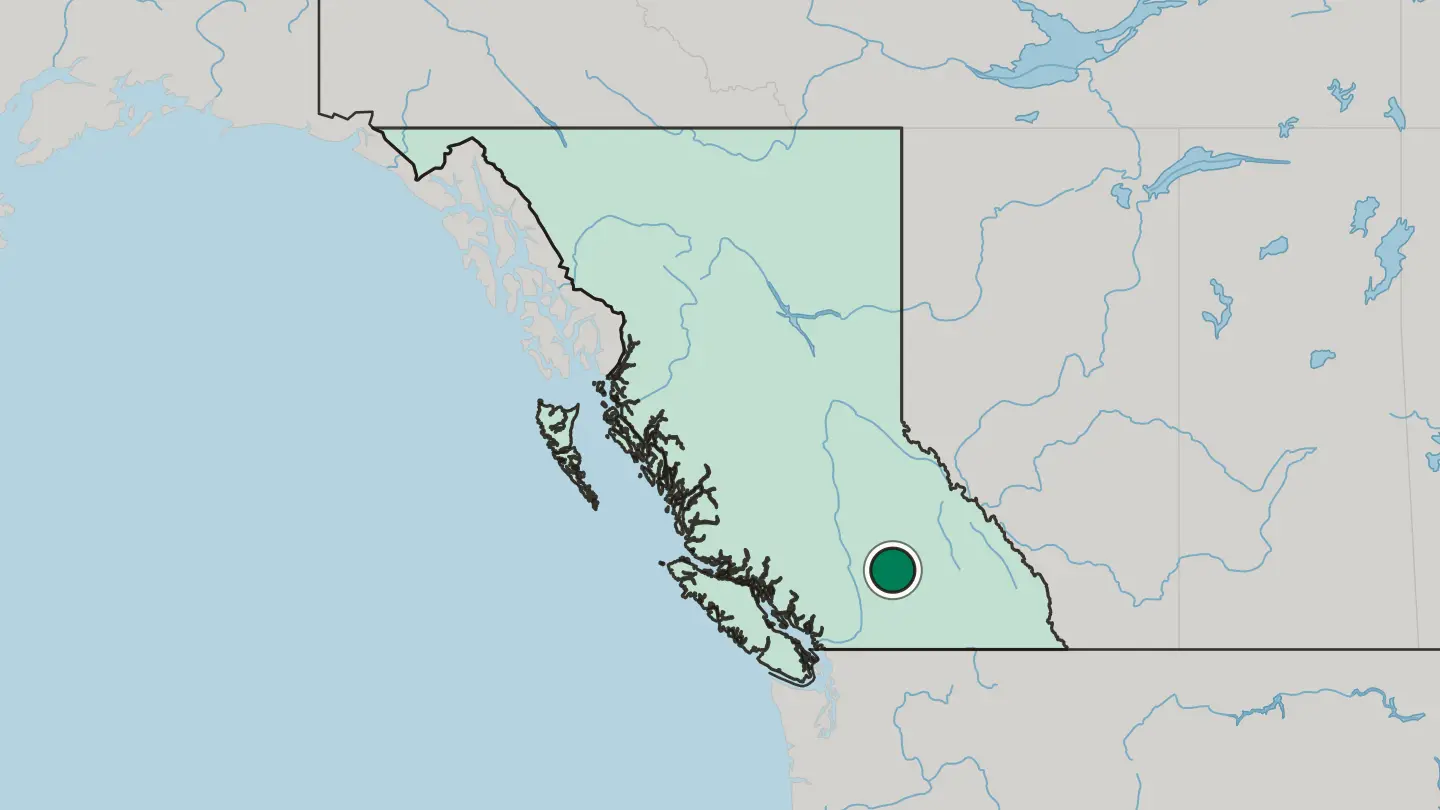 Canada
Chilliwack
Chilliwack sits about 100 kilometres east of Vancouver in the Fraser Valley, the Fraser Valley Regional District city nearest Cultus Lake.Where to stay →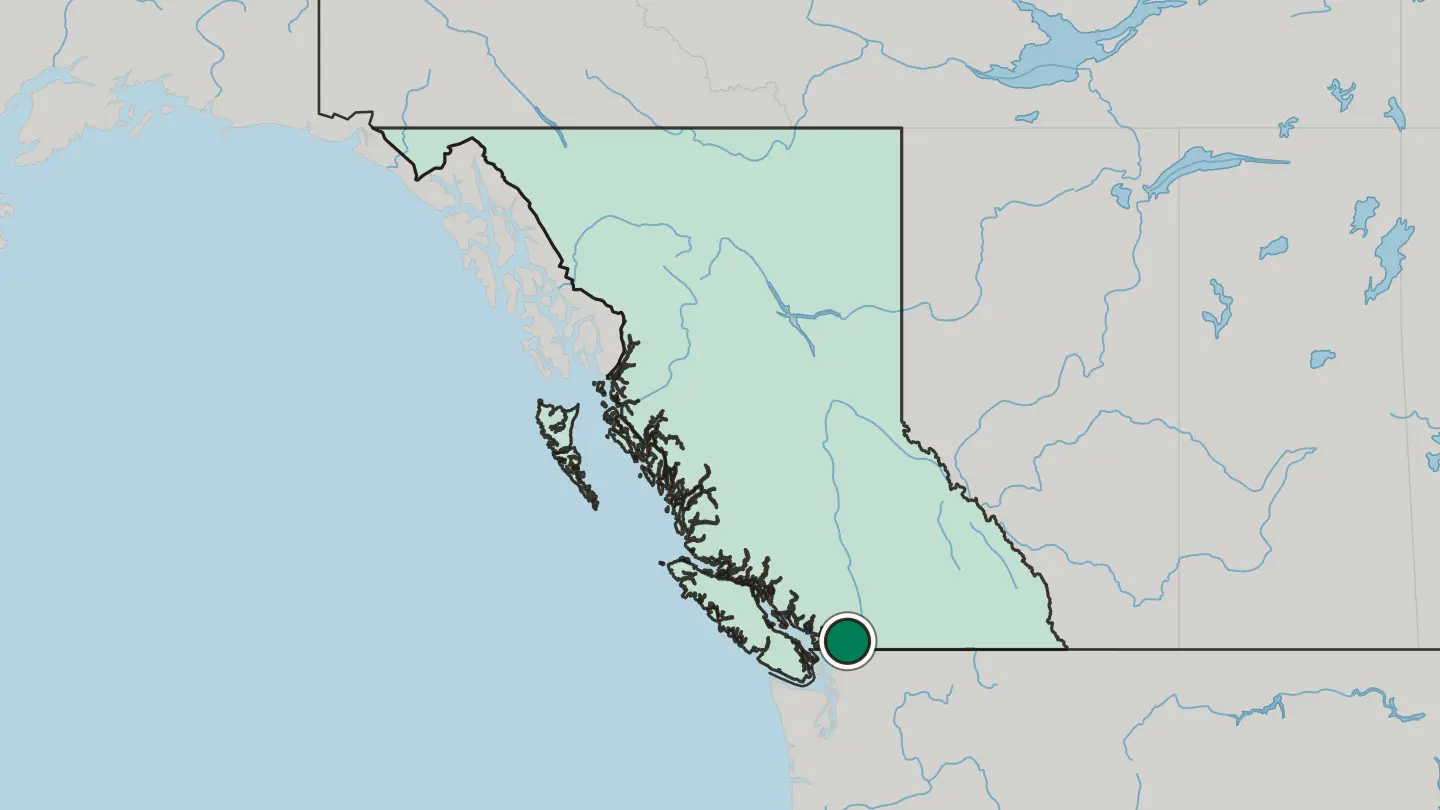
 Canada
Nanaimo
Nanaimo is the Harbour City of Vancouver Island, a British Columbia port on the western shore of Nanaimo Harbour and the island's second city.Where to stay →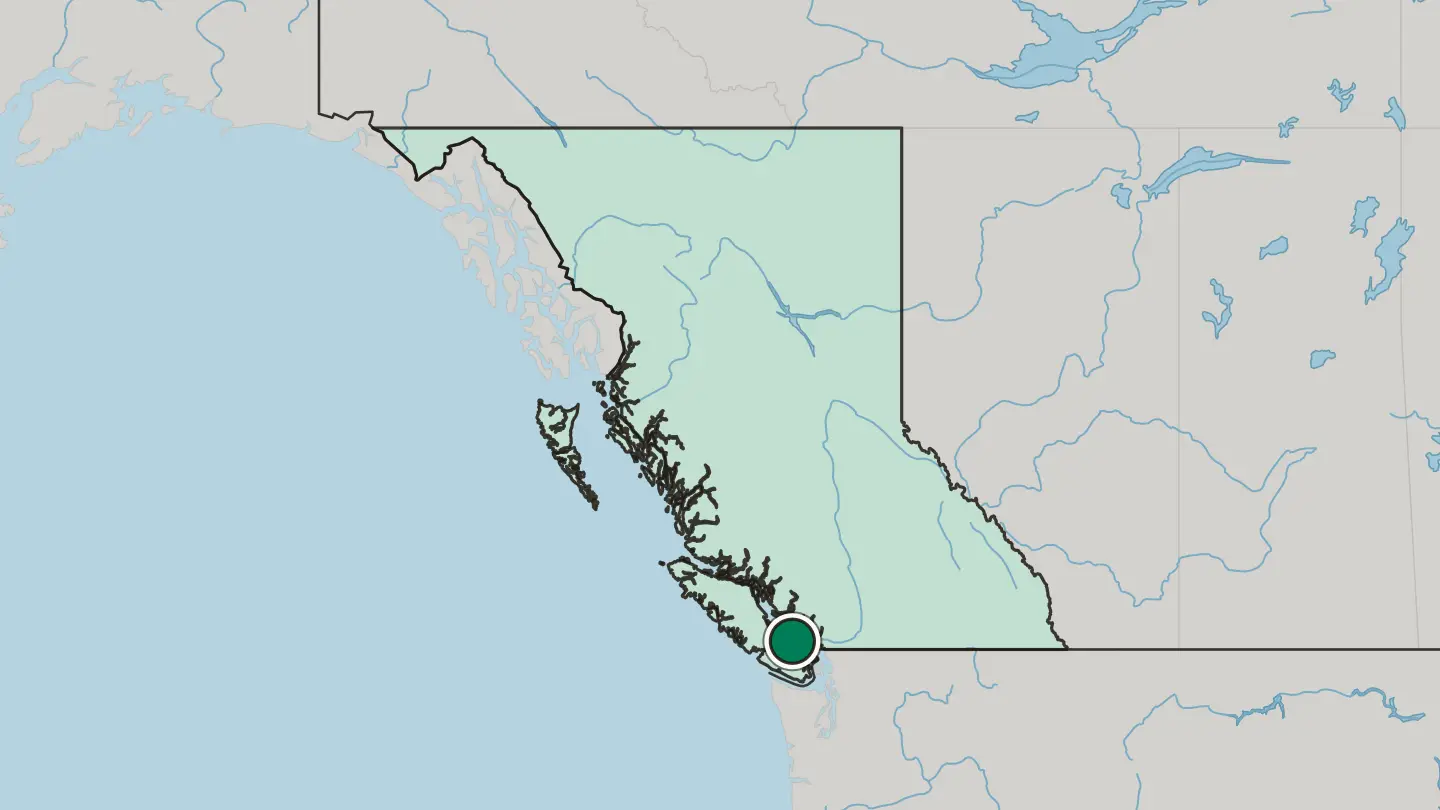 Canada
Maple Ridge
Maple Ridge is a British Columbia city on the north shore of the Fraser River, under the Golden Ears summits of the Coast Mountains.Where to stay →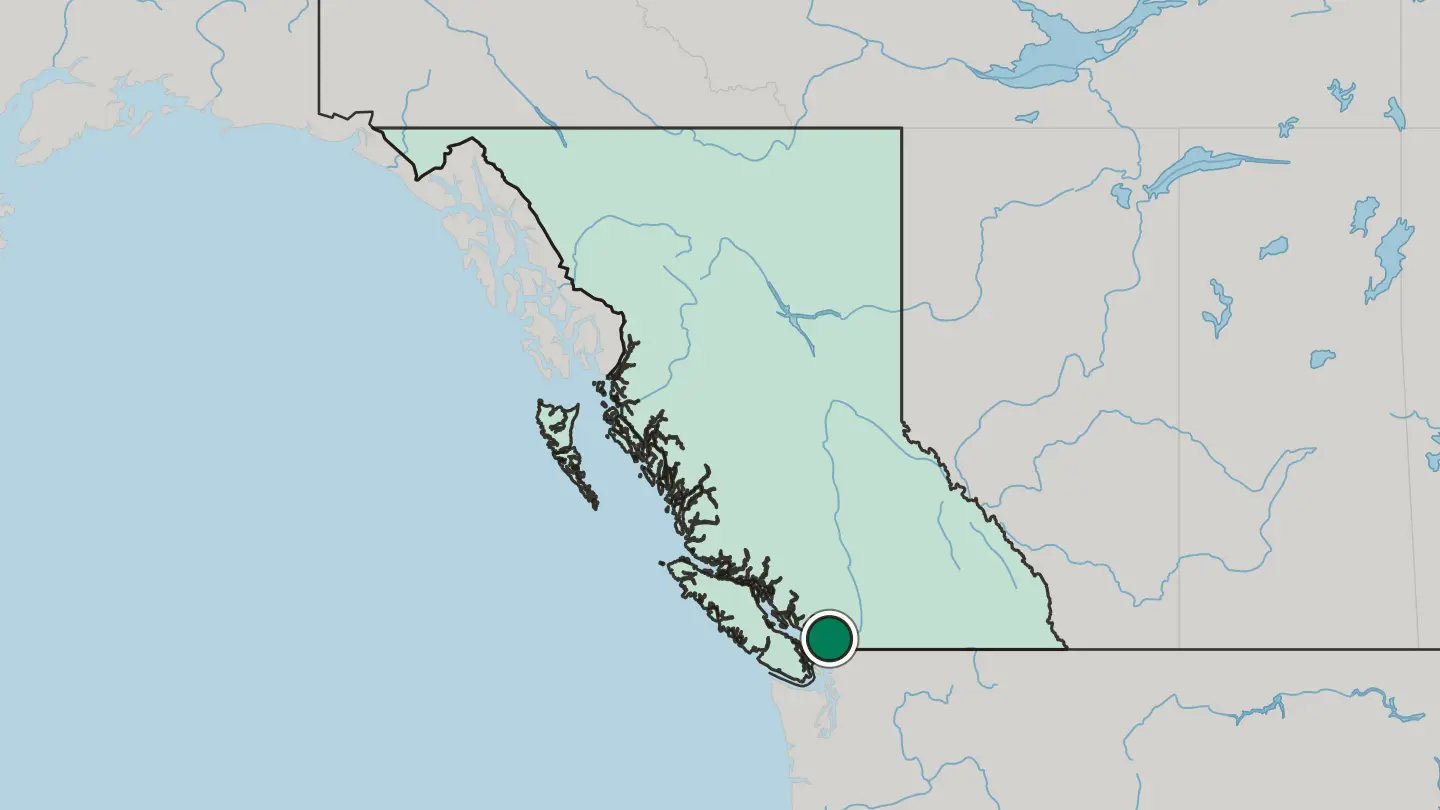
 Canada
Prince George
Prince George is the northern capital of British Columbia, a service city at the confluence of the Fraser River and the Nechako River.Where to stay →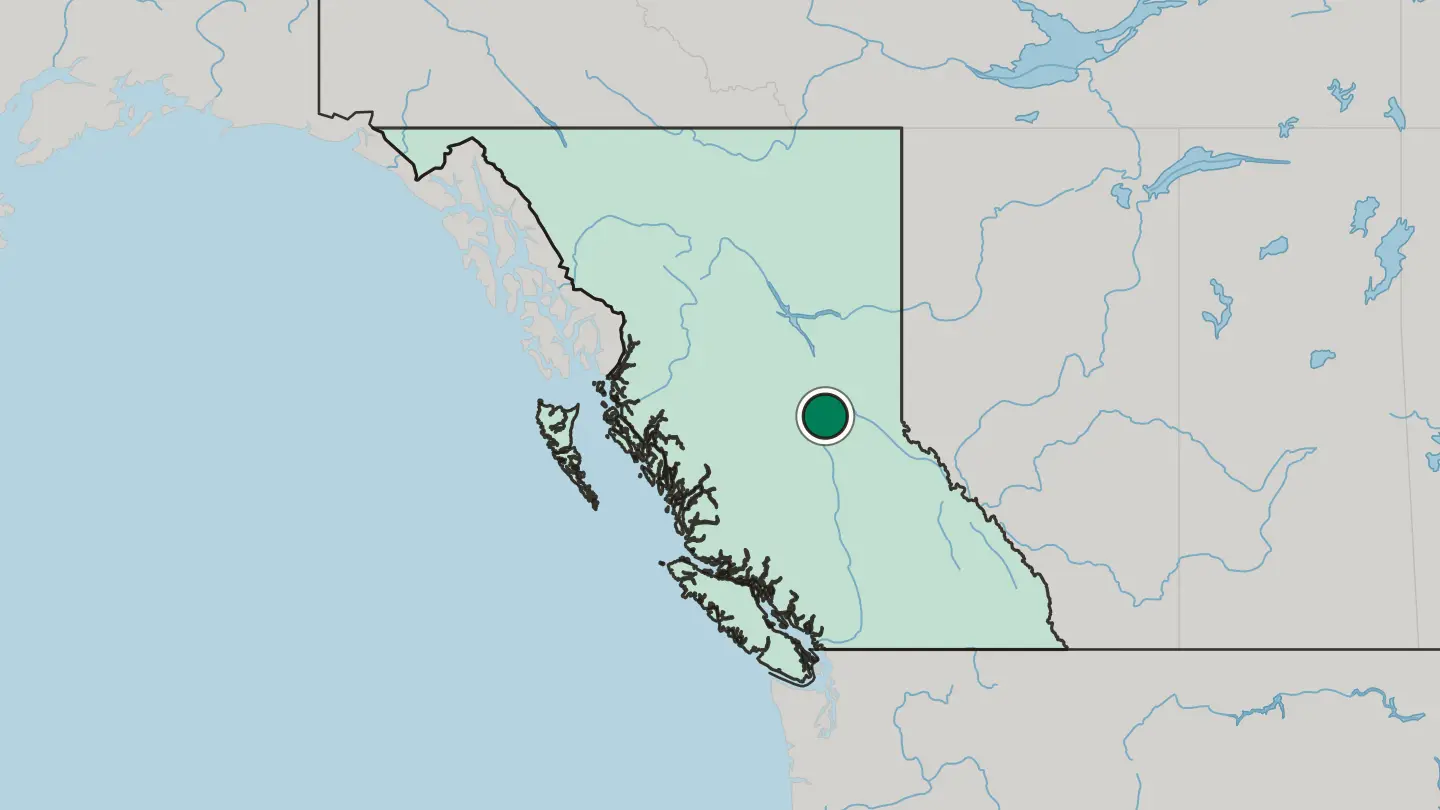
 Canada
New Westminster
New Westminster is a Victorian-era city of the Lower Mainland in British Columbia, part of Metro Vancouver and unlike the suburbs around it.Where to stay →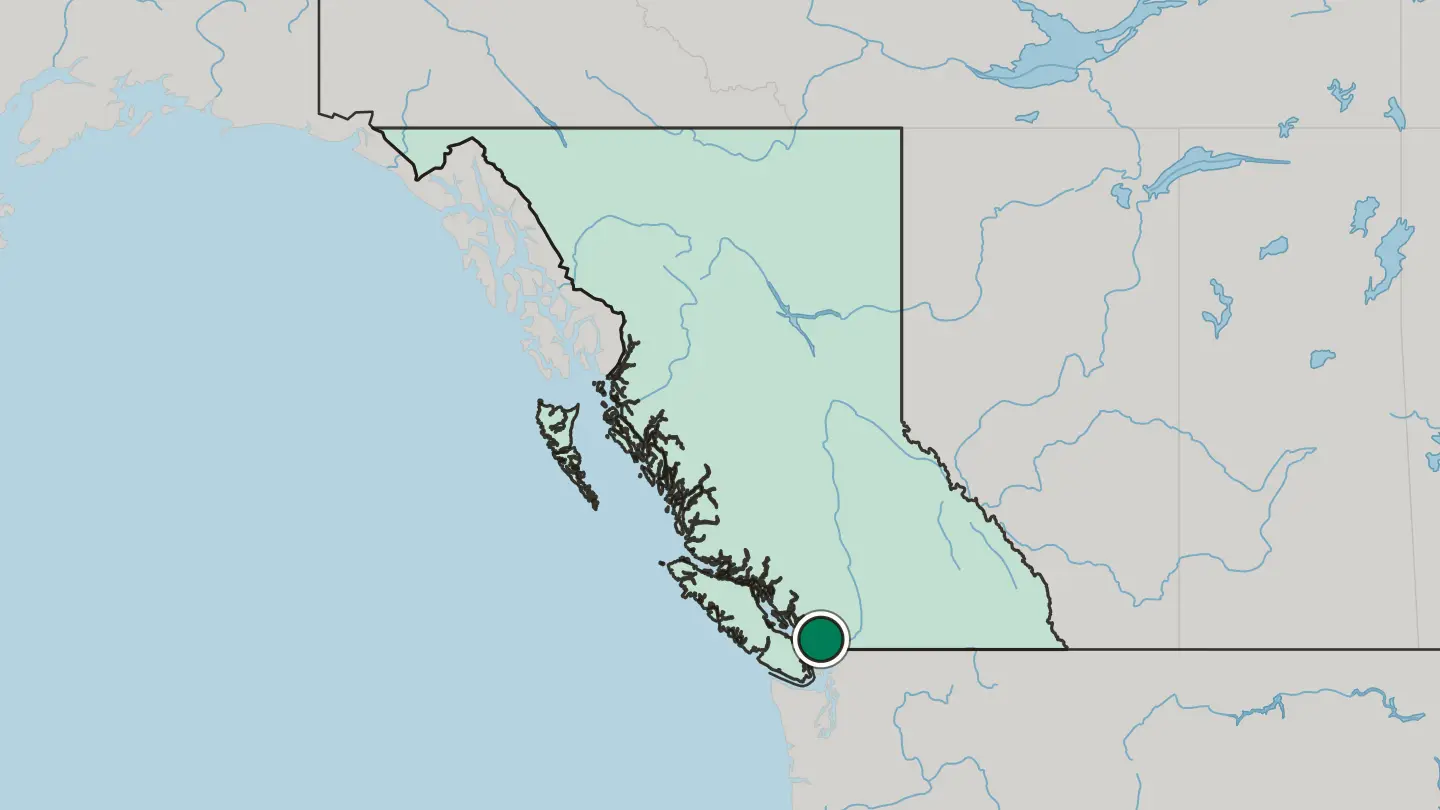 Canada
Port Coquitlam
Port Coquitlam, known as PoCo, is a Metro Vancouver city on the north bank where the Pitt River joins the Fraser River, east of Vancouver.Where to stay →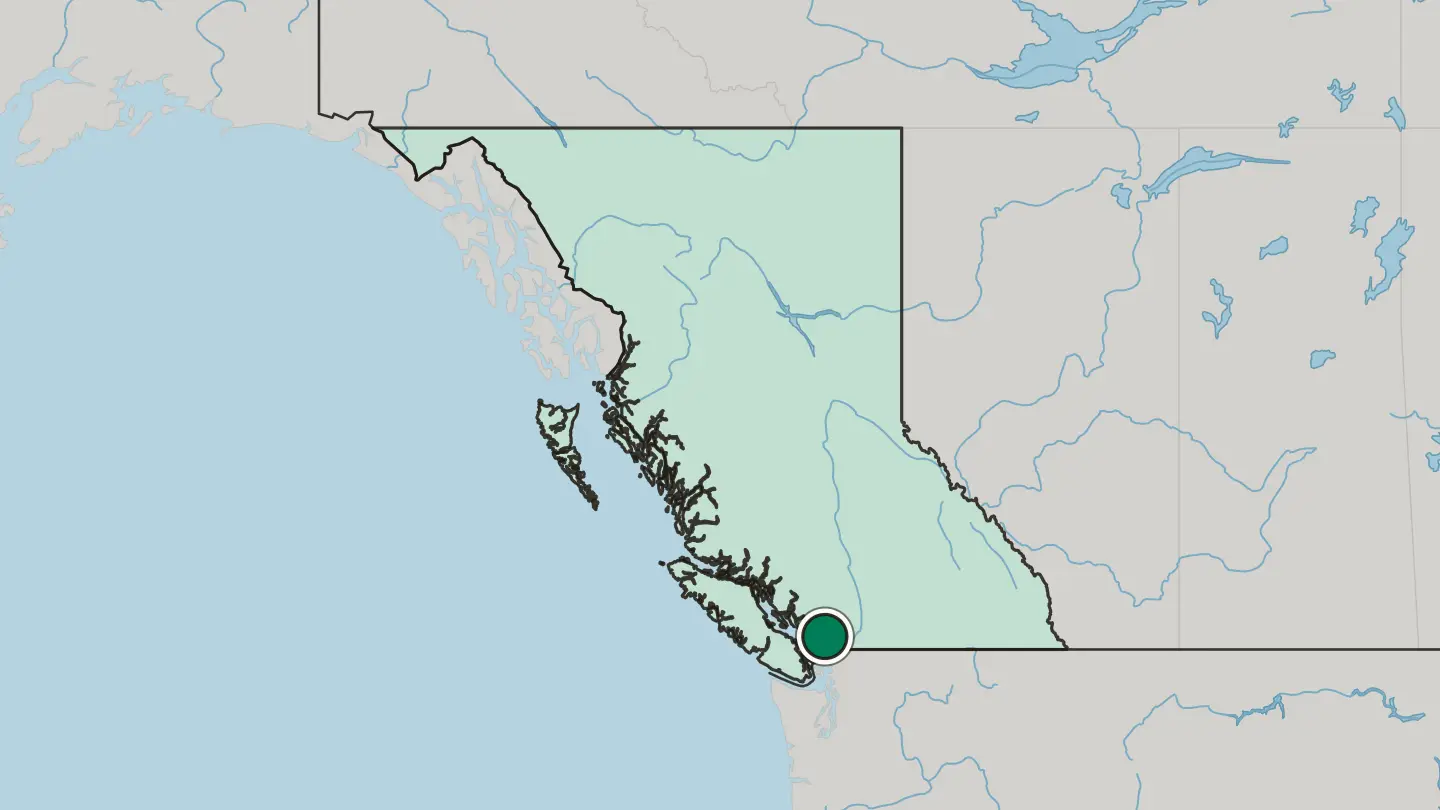
Hotel links are affiliate links: booking through them may earn us a commission, at no extra cost to you. It never affects how places are ranked. How this works
About British Columbia
What is British Columbia known for?
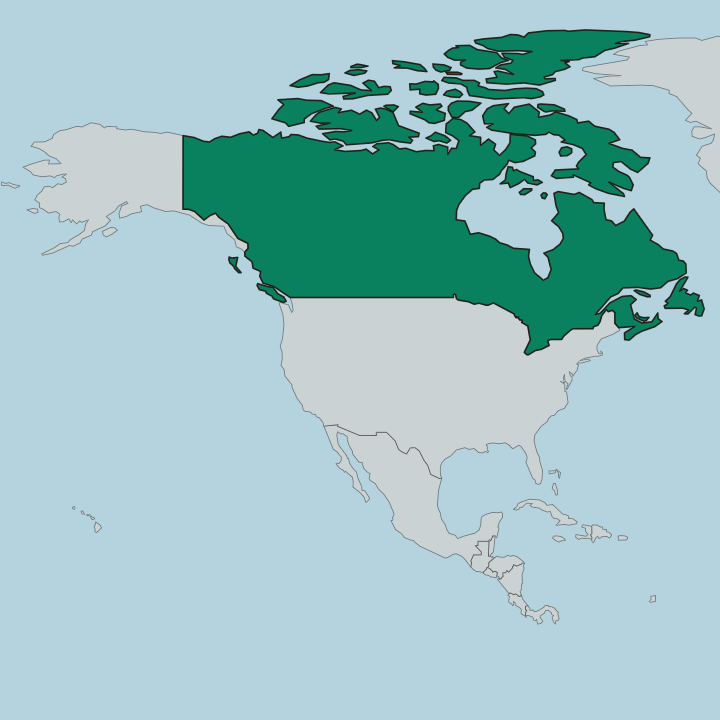
British Columbia is Canada's westernmost province, pressed between the Pacific Ocean and the Rocky Mountains. Peaks give British Columbia its character. The Coast Mountains rise almost from the shoreline, cut by long fjords, while the drier interior fans out east toward the Alberta border.
Vancouver is the largest city and the busy Pacific port most travellers reach first. Victoria, the capital, sits across the water on Vancouver Island. Skiing at Whistler, wine in the Okanagan Valley, and the old-growth forest and Haida culture of Haida Gwaii pull people the rest of the way.
Where is British Columbia?
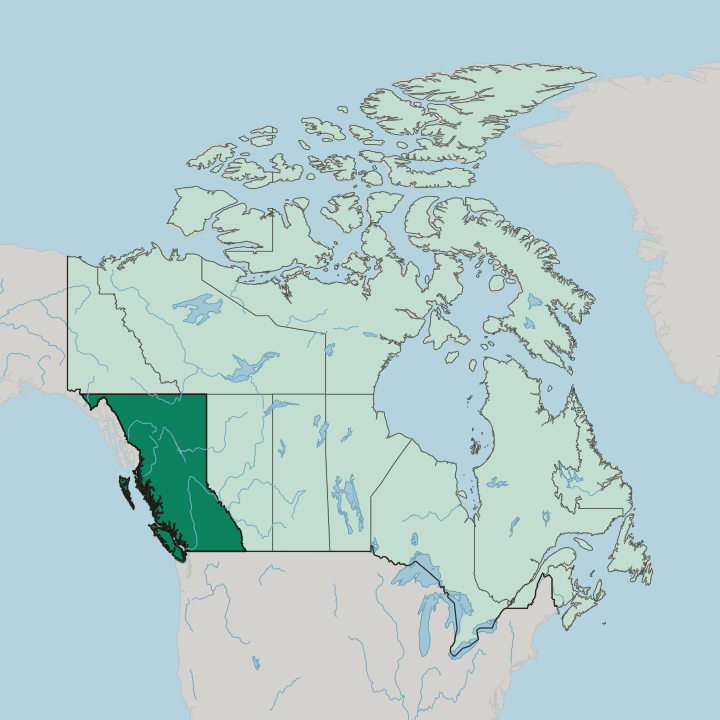
British Columbia fills the far west of Canada, the last province before the Pacific Ocean. It is a place of ranges. The Coast Mountains run the length of the shore, rising almost from the water and cut by narrow fjords that twist inland for miles, and the Canadian Rockies wall off the eastern side along the border with Alberta.
Between the two ranges the interior spreads out drier and more open, a country of plateaus, lakes and valleys rather than coast. Hundreds of islands lie off the shore. The largest is Vancouver Island, shielding the mainland behind the Strait of Georgia, and Haida Gwaii sits far to the north near the Alaska panhandle.
The Fraser River gathers most of this land. It rises in the Rocky Mountains, curls through the interior, and cuts a deep canyon before spilling out at the sea beside Vancouver on the Lower Mainland. Yukon and the Northwest Territories lie to the north, and Washington, Idaho and Montana across the southern line into the United States.
Alberta is the neighbour to the east, over the Rockies. It is Canada's third-largest province by area, and after Quebec and Ontario only those two are bigger. Most people live in the far south-western corner, around Vancouver, where the mountains finally reach the ocean.
What is British Columbia like?
British Columbia carries more First Nations than any other province in Canada, and their presence shapes how the place looks and feels. Totem poles say it plainly. Along the coast the Haida, the Squamish and dozens of other nations carved cedar into poles, canoes and masks, and that art still runs through the galleries and cultural centres of the province.
Vancouver's Museum of Anthropology holds one of the great collections of the northern coast, from ranked totem poles to Bill Reid's Raven and the First Men. Out on Haida Gwaii the old village poles are left to weather and return to the forest, as Haida custom asks. Food and the outdoors carry the rest of the character.
Wild Pacific salmon is the staple, smoked in the old coastal way or served raw in the city, and the vineyards of the Okanagan Valley have grown into a serious wine country, Nk'Mip Cellars among them run on Osoyoos land. Life bends toward the mountains and the water. People ski Whistler in winter, and kayak, hike and surf off Vancouver Island the rest of the year.
English is the everyday language across the province, shared with the rest of Canada. The wild edge is never far from the door.
What is the history of British Columbia?
Gold made British Columbia a colony. When word of the Fraser Canyon strike of 1858 reached London, Britain declared the mainland a Crown colony to hold the ground against the thousands of prospectors pouring up the Fraser River. The rush faded and left debt behind it.
In 1871 British Columbia joined the Canadian Confederation as its sixth province, on the promise of a railway that would run across the continent to the Pacific coast. That line, finished in the 1880s, tied the west to the rest of Canada for good.
What is the climate of British Columbia?
British Columbia has two climates split by a wall of rock. The coast is mild and wet. Air off the Pacific Ocean piles rain against the Coast Mountains, feeding the tall old-growth rainforest around Vancouver and the west of Vancouver Island, where grey drizzle stretches across much of the year.
East of the ranges the picture flips: shut off from the sea, the interior valleys of the Okanagan Valley run dry and sunny, hot in summer, and the far south around Osoyoos dries out into the only true desert in Canada. Up in the mountains the snow piles deep, which is why Whistler skis so well.
How do you get to British Columbia?
Most visitors land at Vancouver. Its airport is the main door into British Columbia and the busiest gateway on Canada's Pacific coast, with a fast rail link running downtown in under half an hour. Overland, the Trans-Canada Highway climbs in from Alberta over the Rockies, and border crossings from Washington feed up the coast from the south.
Reaching the islands means going by water. BC Ferries runs the crossings from the mainland out to Victoria, Nanaimo and the smaller coastal communities, and the Horseshoe Bay to Nanaimo run counts as part of the highway itself.
Common questions
What is the best area to stay in British Columbia?
Vancouver: an easy arrival point for British Columbia. Vancouver Island: the island coast and the capital. Whistler and the Coast Mountains: skiing and mountain trails. The Okanagan Valley: lakeside wine country.
Good for
More regions in Canada
Updated October 2026