Canada · British Columbia
Where to Stay in Victoria, British Columbia
Victoria is the provincial capital of British Columbia, founded in 1862 and named for Queen Victoria, known for the Royal British Columbia Museum.
Hotel links are affiliate links: booking through them may earn us a commission, at no extra cost to you. It never affects how places are ranked. How this works


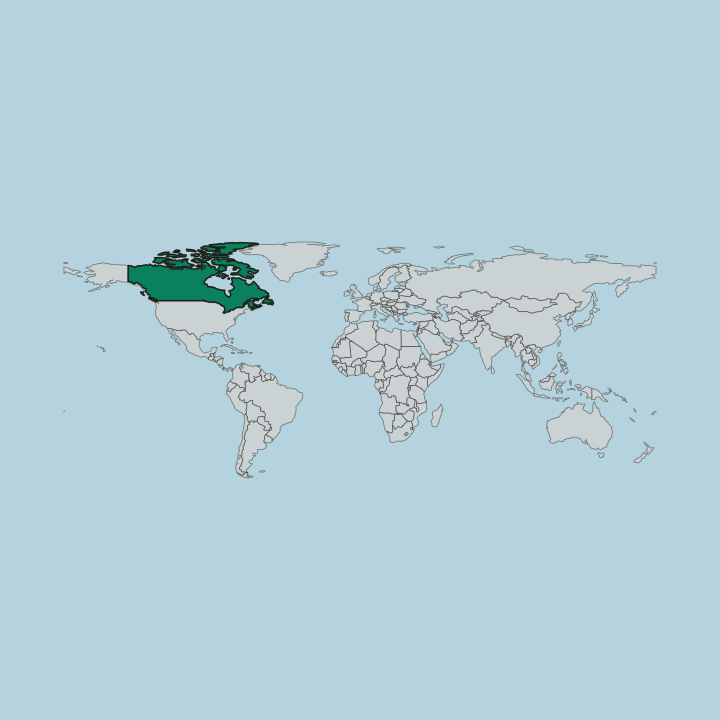
Where to stay in Victoria
Where you base yourself shapes the visit — here's the character of each area.

 VictoriaCanada
James Bay
James Bay is a district of Victoria in British Columbia, holding the Royal British Columbia Museum, Emily Carr House and Helmcken House.James Bay → VictoriaCanada
Victoria West
Victoria West, known as Vic West, lies across Victoria Harbour from downtown Victoria in British Columbia, bordering the Township of Esquimalt.Victoria West →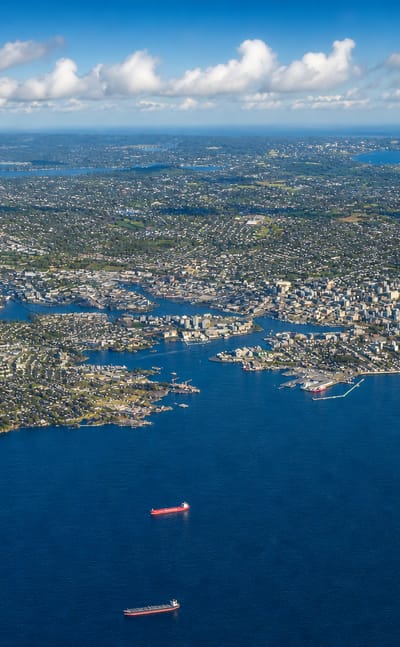 VictoriaCanada
Hillside-Quadra
Hillside-Quadra is a district of Victoria, the capital of British Columbia, on the southern tip of Vancouver Island.Hillside-Quadra →VictoriaCanadaJubilee
Jubilee is a district of Victoria, recorded through two street addresses and the Fairholme Manor Bed and Breakfast.Jubilee →Hotel links are affiliate links: booking through them may earn us a commission, at no extra cost to you. It never affects how places are ranked. How this works
Things to do in Victoria
Ranked by global recognition; descriptions from Wikidata (CC0).
Museums & Galleries
3- Royal British Columbia Museum
- Art Gallery of Greater Victoria
- University of Victoria Legacy Art Galleries
Churches & Religious Sites
3- St. Andrew's Cathedral Heritage
- Church of Our Lord Heritage
- St. Andrew's Presbyterian Church Heritage
Castles & Historic Sites
3- British Columbia Legislature Cenotaph
- 100th Anniversary of the Canadian Navy
- British Columbia Law Enforcement Memorial
Stadiums & Sports
1- Royal Athletic Park
Landmarks & Notable Places
8- Government House Heritage
- Emily Carr House Heritage
- Point Ellice House / O'Reilly House Heritage
- 1114 Arthur Currie Lane Heritage
- Ross Bay Villa Heritage
Show 3 more →
- 223 Robert Street Heritage
- Fairholme Manor Bed and Breakfast Heritage
- 1003 Vancouver Street Heritage
worth knowingacross 5 categories in Victoria
About Victoria
What is Victoria known for?
Victoria is known as the provincial capital of British Columbia, a coastal city named for Queen Victoria. The Royal British Columbia Museum and the Art Gallery of Greater Victoria anchor its cultural life, and Government House stands as the seat of the province. Its harbour opens to the Pacific.
The Maritime Museum of BC keeps that seafaring story. Emily Carr House recalls one of the country's best-known painters.
What are the main landmarks in Victoria?
Victoria's landmarks gather around its harbour. Others line its Victorian streets. The Royal British Columbia Museum holds the natural and human history of the province, and the Art Gallery of Greater Victoria stands close by with the University of Victoria Legacy Art Galleries.
Government House serves as the seat of the province, while Helmcken House and Emily Carr House survive from the early city. The Maritime Museum of BC tells the seafaring story. St. Andrew's Cathedral and the Church of Our Lord rise above the centre.
What is the history of Victoria?
Victoria was founded in 1862 on the coast of British Columbia and named in honour of Queen Victoria, who then reigned over the British Empire. The young settlement grew as a colonial port and became the capital of the province. Ships called at its harbour.
Helmcken House, one of the oldest surviving homes in the province, dates from those first colonial years, and the streets around it kept the Victorian character the age gave them. Settlers arrived from across the empire and the wider world. As the capital matured, it gathered the institutions of the province, among them Government House as the vice-regal seat and the collections that became the Royal British Columbia Museum.
The painter Emily Carr grew up here, and Emily Carr House preserves the family home in which she was raised among the streets of the young colonial capital. Churches rose too. The Church of Our Lord and St. Andrew's Cathedral joined the skyline, and the harbour held its place at the centre.
Along that water, the Maritime Museum of BC records the seafaring life that built the place. The old capital keeps its Victorian face to the coast of British Columbia.
Where is Victoria?
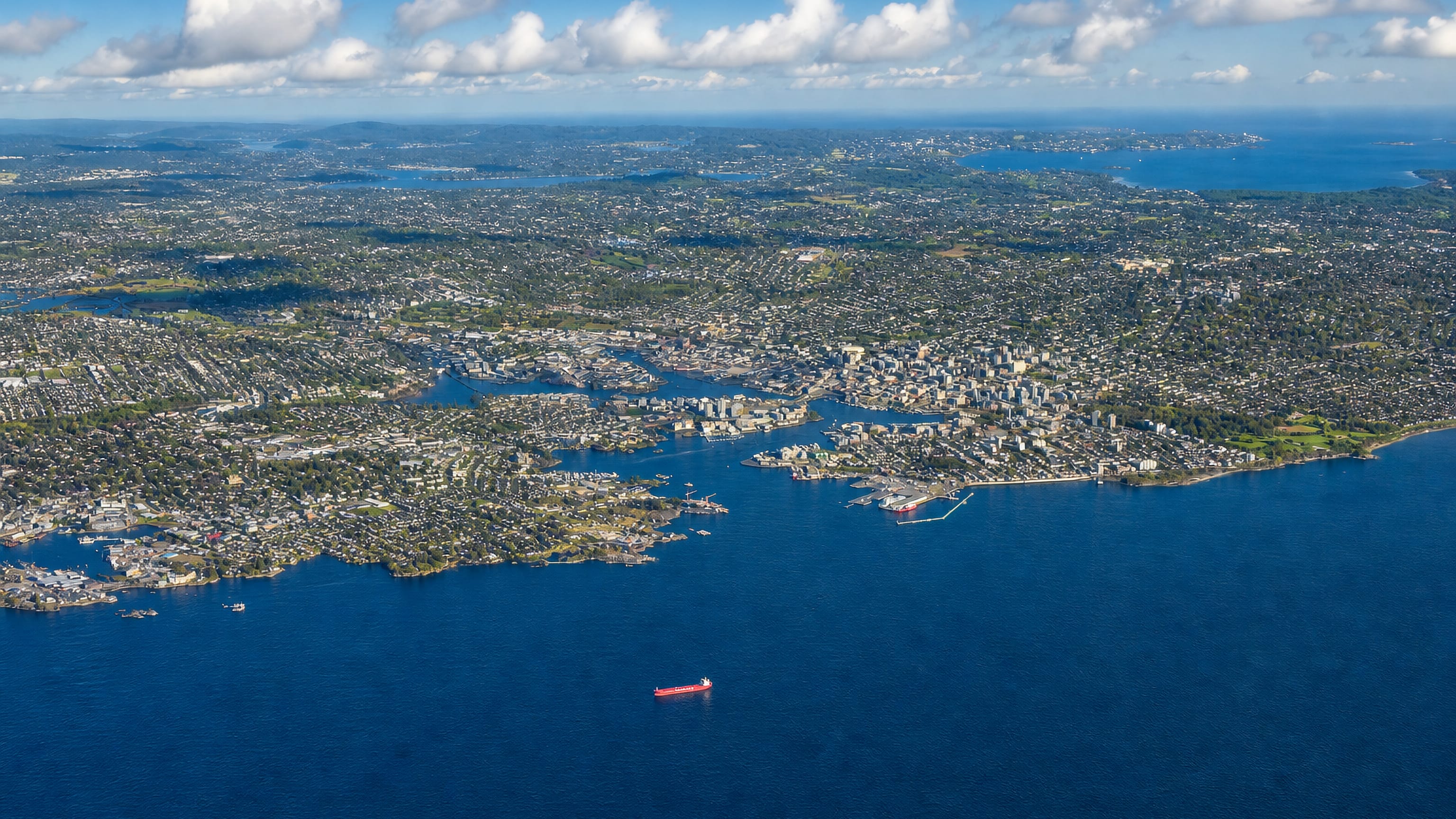
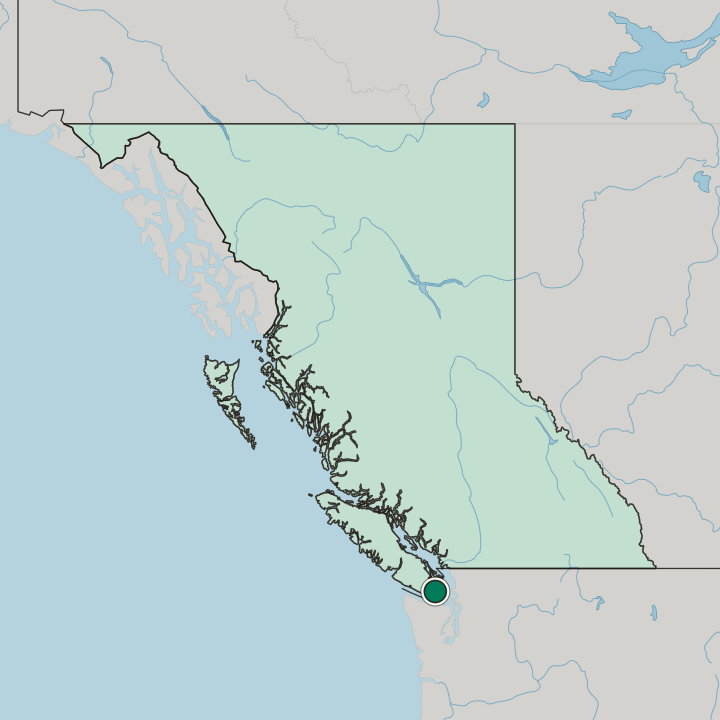
Victoria stands on the coast of British Columbia, the provincial capital set on the Pacific shore, its harbour opening to the sea at the very heart of the city where the streets climb gently from the water. The Royal British Columbia Museum and Government House mark the centre. The Pacific wraps the capital on every side.
Beyond the harbour mouth, the open Pacific stretches away toward the horizon. The coast defines the capital.
What is the climate of Victoria?
Victoria has a mild oceanic climate, among the gentlest of any Canadian city. Winters are cool and wet, with rain rolling in off the Pacific and grey days settling over the harbour for weeks at a stretch. Come summer, Victoria turns warm and dry.
When the clear months arrive, the coast of British Columbia stands out sharply from the water. Snow is rare here by Canadian standards.
How do you get to Victoria?
Victoria is reached by sea and air from across British Columbia and beyond. Ferries cross the coastal waters to its harbour, carrying travellers to the provincial capital. Its airport lies outside the city.
Floatplanes land on the harbour in the heart of Victoria, and roads run out through the surrounding coast toward the rest of the province below the museums and the legislature.
Good for
More cities in British Columbia
Updated October 2026