Canada · British Columbia
Where to Stay in Nanaimo, British Columbia
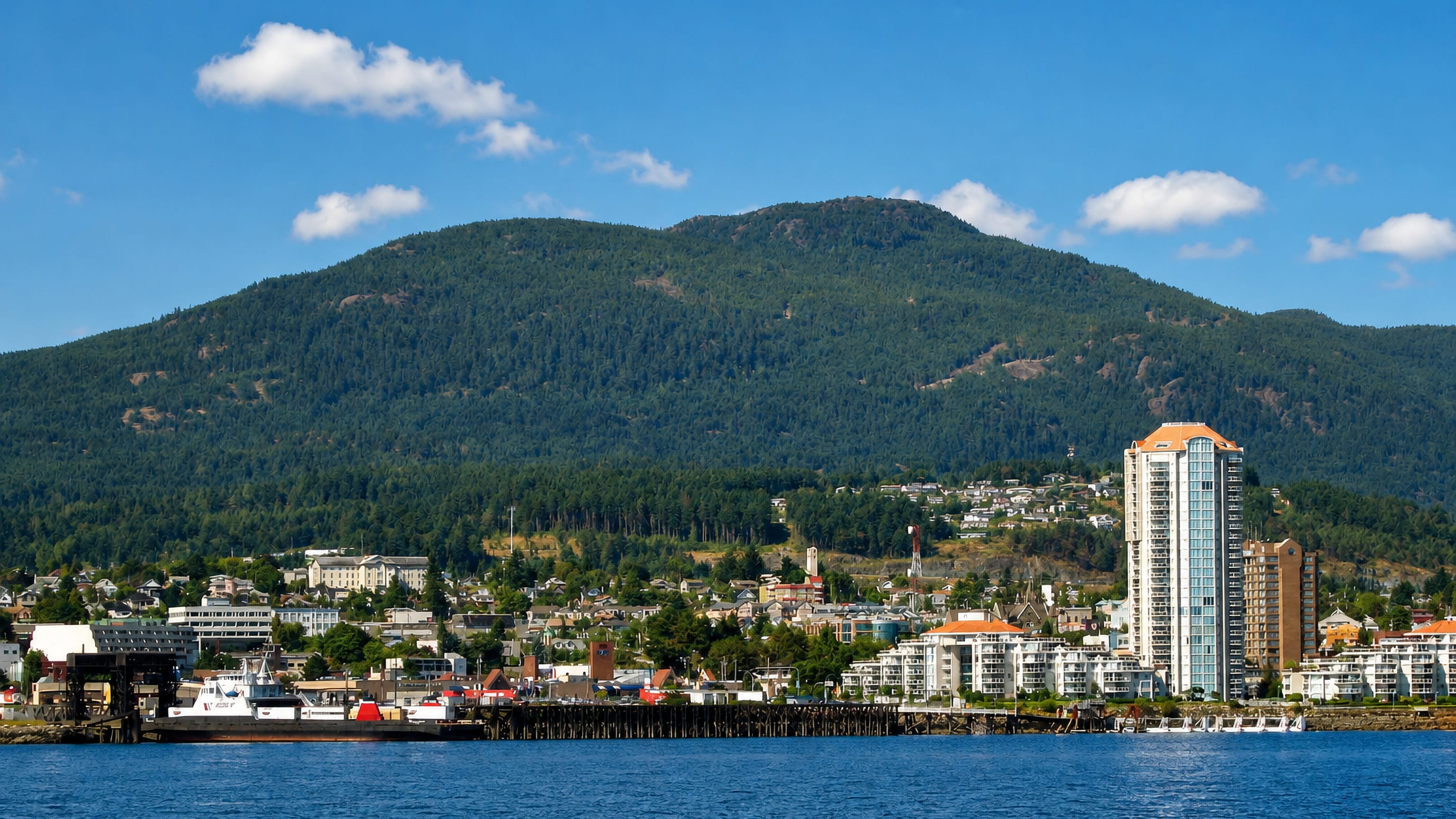
Nanaimo is the Harbour City of Vancouver Island, a British Columbia port on the western shore of Nanaimo Harbour and the island's second city.
Hotel links are affiliate links: booking through them may earn us a commission, at no extra cost to you. It never affects how places are ranked. How this works


Where to stay in Nanaimo
One neighbourhood here has its own guide — here's what it is best for.

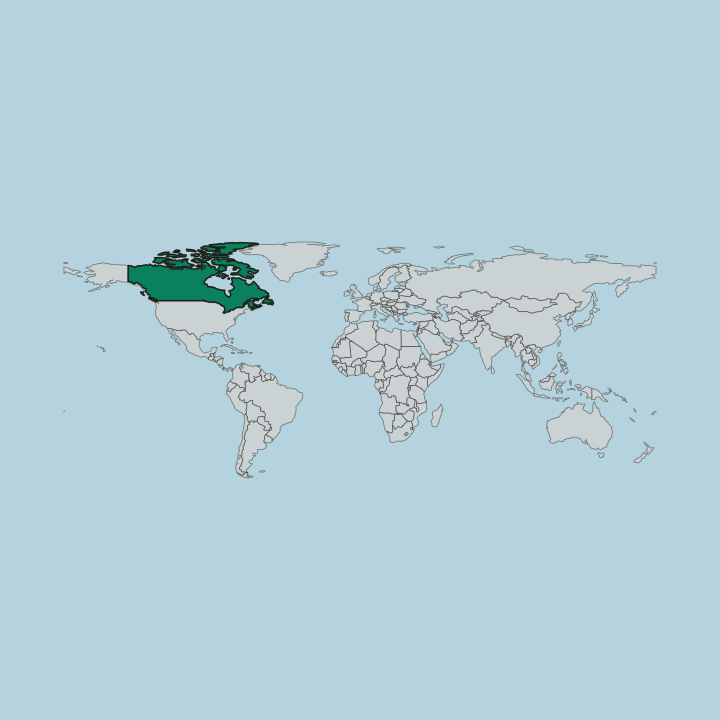
 NanaimoCanada
Departure Bay
Departure Bay is a bay and neighbourhood in central Nanaimo, on the east coast of Vancouver Island in British Columbia.Where to stay →Hotel links are affiliate links: booking through them may earn us a commission, at no extra cost to you. It never affects how places are ranked. How this works
Find hotels in Nanaimo
Direct booking searches for these neighbourhoods.
Nanaimo Harbour front
The western shore of Nanaimo Harbour keeps the Nanaimo Museum and the Nanaimo Art Gallery within one downtown walk of the water.Find hotels in Nanaimo Harbour frontThe working waterfront and its monumentThe Esplanade
No 1 Esplanade Explosion Monument fixes the Esplanade as the industrial edge of Nanaimo, with the older grid climbing away behind it. Few places to stay nearby — book ahead.Find hotels in The EsplanadeRoom to park away from the harbourThe inland streets
Reid House and the Christian Science Society mark the residential ground that spread back from Nanaimo Harbour, quieter and built for cars.Find hotels in The inland streetsHotel links are affiliate links: booking through them may earn us a commission, at no extra cost to you. It never affects how places are ranked. How this works
Things to do in Nanaimo
Ranked by global recognition; descriptions from Wikidata (CC0).
Museums & Galleries
2- Nanaimo Museum
- Nanaimo Art Gallery
Churches & Religious Sites
1- Christian Science Society Heritage
Castles & Historic Sites
1- No 1 Esplanade Explosion Monument
Landmarks & Notable Places
1- Reid House Heritage
worth knowingacross 4 categories in Nanaimo
About Nanaimo
What is Nanaimo known for?
Two nicknames follow Nanaimo everywhere: the Harbour City, for the working water on its eastern side, and the Hub City, for a street plan whose spokes run out from the shoreline like a wagon wheel. Victoria is the larger city. Nanaimo comes second on Vancouver Island for size and for harbour, which is exactly the position that made it the island's central hub.
Industry came first, then visitors.
What are the main landmarks in Nanaimo?
The Nanaimo Museum and the Nanaimo Art Gallery are the two collections downtown, and No 1 Esplanade Explosion Monument on the waterfront is the one landmark that names an event rather than a building. Reid House survives from the domestic city. Christian Science Society completes a very short list for a city of this size.
The harbour outweighs the buildings.
What is the history of Nanaimo?
Nanaimo dates from 1874. The plan came off a wagon wheel: streets radiating from the shoreline, which is the reason the Hub City name stuck as firmly as the Harbour City one. Industry ran the early city.
No 1 Esplanade Explosion Monument keeps the memory of a disaster on the working waterfront, and it stands as the sharpest surviving trace of that period. Nanaimo Harbour did the rest, second in size on Vancouver Island and busy enough to make the city the island's hub long before anyone came here for pleasure. The industrial era ended.
Nanaimo turned toward visitors, following the pattern of Vancouver Island as a whole, and the Nanaimo Museum and Nanaimo Art Gallery belong to that later civic city rather than the first one. Reid House and the Christian Science Society survive from the streets in between. Victoria stayed larger throughout.
Nanaimo took the administrative role instead, and the Regional District of Nanaimo has its headquarters in the city that gave the district its name. The harbour explains more about the place than any single building in it, which is why both nicknames point at water and position rather than architecture.
Where is Nanaimo?
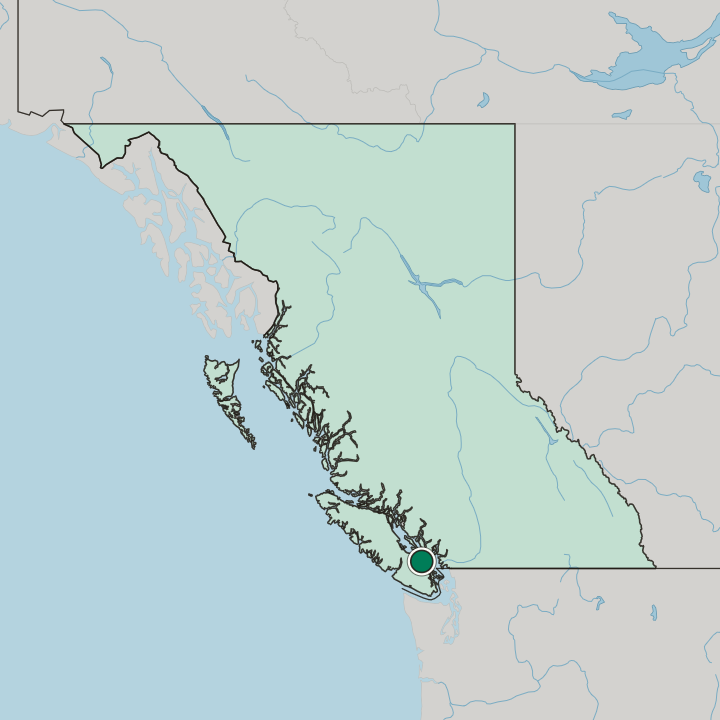
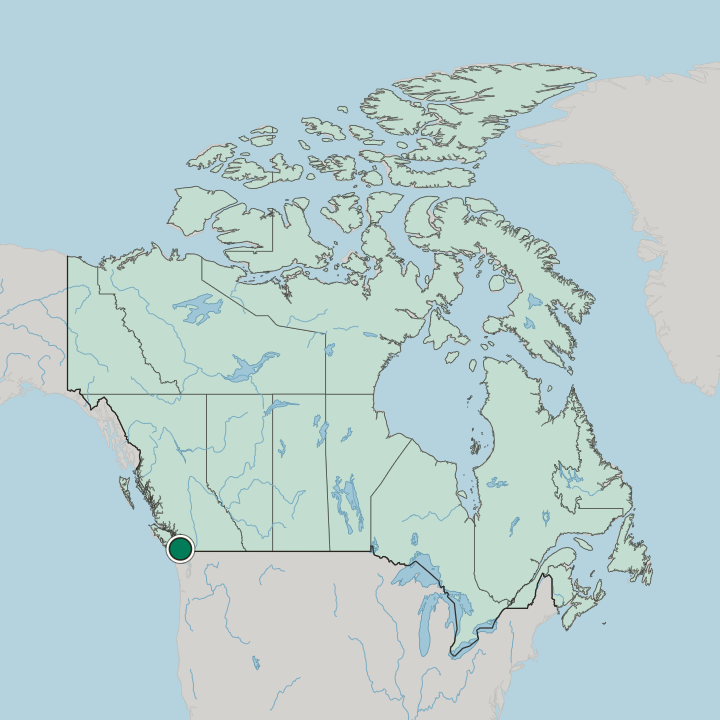
The island's eastern coast sets the frame. Nanaimo occupies roughly 91 square kilometres on the east coast of Vancouver Island, with the city on the western shores of Nanaimo Harbour and the British Columbia mainland across the water. Streets climb from the shoreline outward like spokes.
Victoria and the rest of Vancouver Island lie along the same coast, with the Regional District of Nanaimo taking in the shore around the city.
What is the climate of Nanaimo?
The sea moderates everything here. Nanaimo lies in the northern-hemisphere temperate band on the east coast of Vancouver Island, where the water around Nanaimo Harbour keeps the swings narrower than the interior of British Columbia sees. Island coasts share that pattern, and Victoria further along shows the same one.
Vancouver Island takes the edge off.
How do you get to Nanaimo?
Nanaimo is the island's crossing point. The harbour is the second biggest on Vancouver Island, and the Hub City name comes partly from a position central enough that routes along the island's eastern coast converge on it. Victoria lies further along the same coast.
Anyone moving between the two, or on to the rest of the Regional District of Nanaimo, passes through the streets that radiate from the Nanaimo Harbour shoreline. Arrivals reach the harbour first.
Common questions
What is the best area to stay in Nanaimo?
Nanaimo Harbour front: Walking to the Nanaimo Museum and the Art Gallery. The Esplanade: The working waterfront and its monument. The inland streets: Room to park away from the harbour.
Good for
More cities in British Columbia
Updated September 2026