Canada · British Columbia · Vancouver
West End, Vancouver — Area Guide & Where to Stay
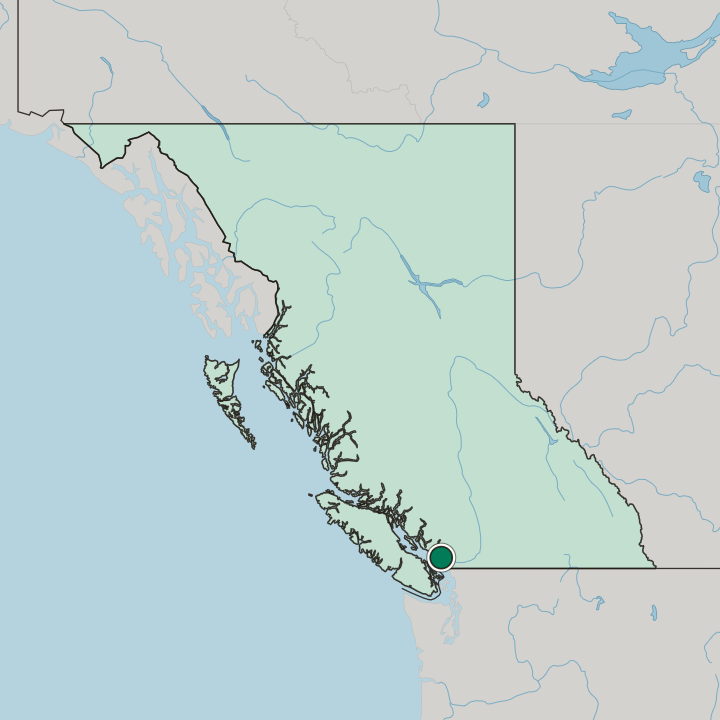
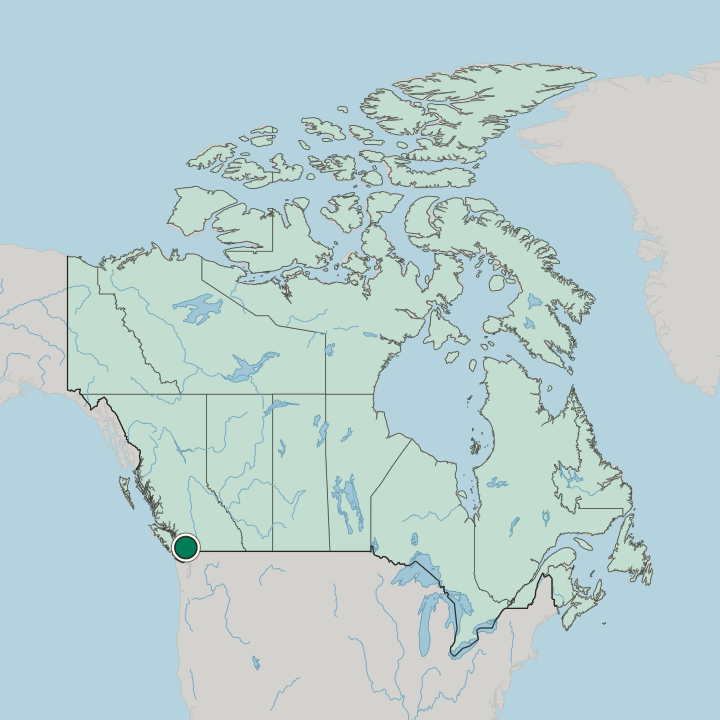
The West End fills the west third of Vancouver's downtown peninsula, between the office towers and Stanley Park, one of Canada's densest, on English Bay.
Hotel links are affiliate links: booking through them may earn us a commission, at no extra cost to you. It never affects how places are ranked. How this works


Where to stay in West End
Where the beds are, and what that means for the visit.
The West End is the quieter, greener side of downtown Vancouver, close to both Stanley Park and the office core. Hotels and rental apartments cluster along Robson Street and near the English Bay waterfront, where the beach and the seawall wait a few minutes from the door. Davie Street runs the nightlife.
Its bars and late kitchens anchor the city's gay village, so this stretch stays busy after dark. Sightseeing is easy: the Vancouver Art Gallery sits just across Burrard Street, and the Vancouver Aquarium in adjacent Stanley Park is a short walk north.
Things to do in and around Vancouver
Ranked by global recognition; descriptions from Wikidata (CC0).
Museums & Galleries
3- Seaforth Armoury Heritage
- Beatty Street Drill Hall Heritage
- Museum of Vancouver
Churches & Religious Sites
3- Cathedral of Our Lady of the Rosary, Vancouver Heritage
- Coastal Church Heritage
- St. Andrew's-Wesley United Church
Stadiums & Sports
1- Athletic Park (Vancouver)
worth knowingacross 3 categories in and around Vancouver
About West End
What are the main landmarks in West End?
The West End is residential first. Its own marquee sights are few, and the clearest is the Roedde House Museum, an 1893 house kept as a period museum at Barclay Heritage Square. The greatest draw sits next door: Stanley Park, which holds the Vancouver Aquarium and the carved Brockton Point Totem Poles.
Just across Burrard Street, in the downtown core, stand the Vancouver Art Gallery and the Vancouver Lookout observation deck. Between the park, the galleries and English Bay, most of what visitors come for lies at the edges rather than the centre.
What is the history of West End?
The West End grew as one of Vancouver's first residential districts after the city was incorporated in 1886, filling with detached houses for a well-to-do class. Roedde House, built in 1893 and now the Roedde House Museum, survives from that era at Barclay Heritage Square. Stanley Park, dedicated on the neighbourhood's northwestern edge in 1888, fixed the West End against a permanent green boundary.
Rezoning through the mid-20th century swept away most of the old houses for apartment high-rises, making the area one of the most densely built neighbourhoods in Canada. Davie Street took a different path. It became the centre of the city's gay community.
Where is West End?
Burrard Street forms the eastern boundary, separating the West End from the office core of downtown Vancouver. To the northwest the neighbourhood meets Stanley Park; Coal Harbour lines its northern shore, and English Bay curves around the south and west. Denman Street links those two waterfronts, and Davie Street drops from the centre down to Sunset Beach.
Robson Street traces the northern edge.
Good for
More areas in Vancouver
Updated October 2026