Chile · Región de Valparaíso
Where to Stay in Quillota, Región de Valparaíso
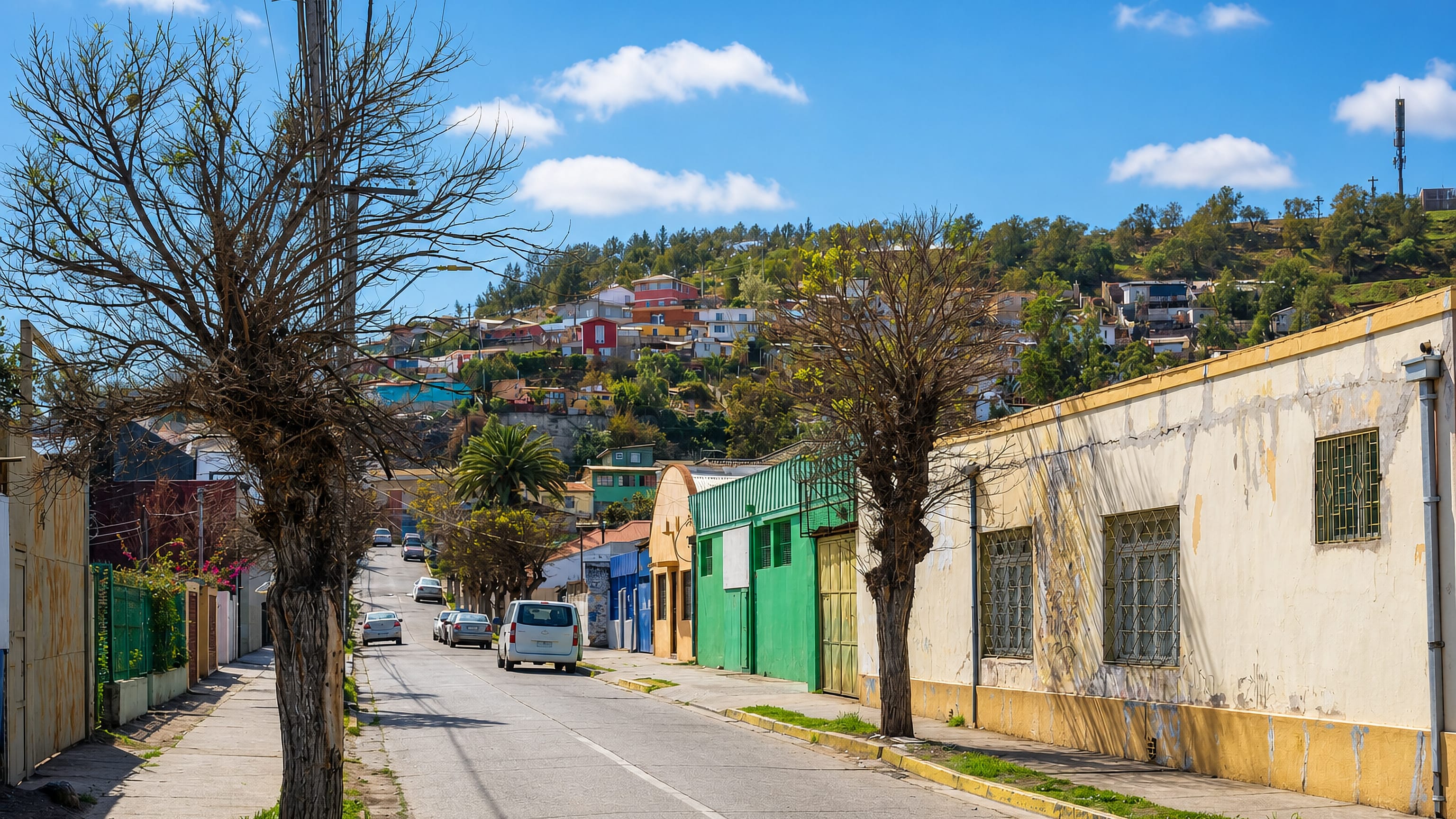
Quillota sits in the Aconcagua River valley in Chile's Valparaíso Region, an agricultural city founded in 1717 and ringed by avocado groves.
Hotel links are affiliate links: booking through them may earn us a commission, at no extra cost to you. It never affects how places are ranked. How this works


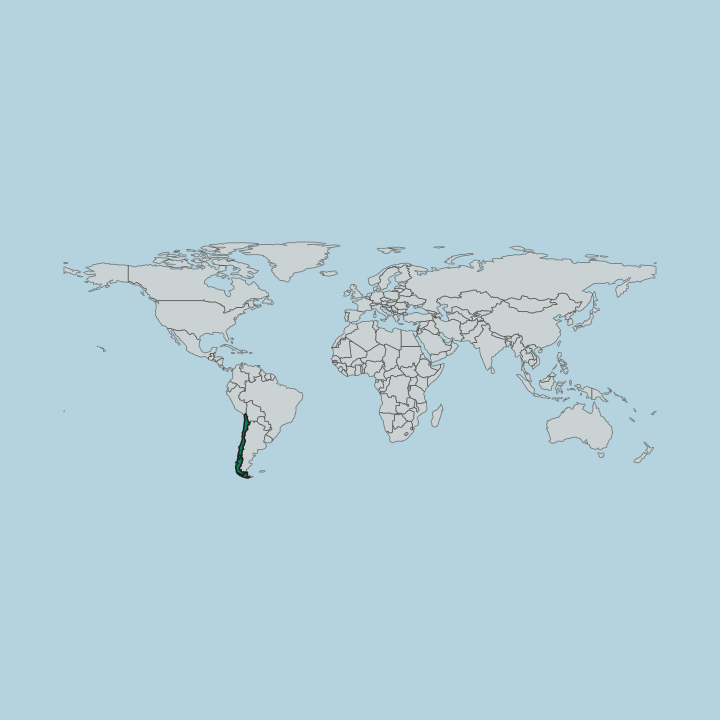
Where to stay in Quillota
Where the beds are, and what that means for the visit.
Iglesia de San Martín de Tours marks the centre a visitor will want to be near. Rooms in the streets around it put the Museo Histórico - Arqueológico de Quillota, the Casa Colonial and the everyday commerce of the city within a few minutes on foot, which is as much as a short stay needs. Quillota's core is compact.
Anything beyond it means transport. Quillota Province spreads out into orchard country, and the localities that ring the city, among them San Isidro and Pocochay, offer a rural night rather than a convenient one. Fruit country is the reason to consider it.
A room out towards La Palma or San Pedro trades walkable streets for orchard air and a short drive into Quillota whenever the centre is needed, which suits travellers with a car and a slow itinerary. Book central for a first visit, and keep the orchards for a second. The museums, the churches and the market all sit inside the same few blocks, so a stay of one or two nights close to Iglesia de Santo Domingo covers the city without a single journey by road.
Find hotels in Quillota
Direct booking searches for these neighbourhoods.
Iglesia de San Martín de Tours
The blocks around Iglesia de San Martín de Tours hold the Museo Histórico - Arqueológico de Quillota and the Casa Colonial, so nothing needs a car.Find hotels in Iglesia de San Martín de ToursDrivers who want orchard country instead of street noise.Pocochay
Pocochay lies in the avocado and cherimoya ground outside Quillota, which makes it a rural base with a short run back into the city. Few places to stay nearby — book ahead.Find hotels in PocochayHotel links are affiliate links: booking through them may earn us a commission, at no extra cost to you. It never affects how places are ranked. How this works
Things to do in Quillota
Ranked by global recognition; descriptions from Wikidata (CC0).
Museums & Galleries
3- Museo Histórico - Arqueológico de Quillota Heritage
- Complejo Cultural Museo Interactivo
- La Cruz Museum - Cultural Interactive Complex
Churches & Religious Sites
2- Iglesia de San Martín de Tours, Quillota
- Iglesia de Santo Domingo
Castles & Historic Sites
1- Casa Colonial, Quillota Heritage
worth knowingacross 3 categories in Quillota
About Quillota
Fruit is the business here.
What is Quillota known for?
Quillota is an agricultural centre first, with avocado and cherimoya plantations filling the Aconcagua River valley around it, and the city serves as the capital and largest town of Quillota Province. Colonial churches supply the sights. Iglesia de San Martín de Tours and Iglesia de Santo Domingo anchor a compact centre that a visitor can walk in an hour.
What are the main landmarks in Quillota?
Iglesia de Santo Domingo and Iglesia de San Martín de Tours are the two churches worth the walk. Collections account for the rest. Museo Palmira Romano, the Museo Histórico - Arqueológico de Quillota and the Complejo Cultural Museo Interactivo cover the city's past and its collections between them, while the Casa Colonial fills in the older domestic architecture.
None of it takes more than a day.
What is the history of Quillota?
Quillota was founded in 1717. The eighteenth-century date shows in the centre, where the churches, the walkable grid and the surviving Casa Colonial still follow the pattern colonial towns were built to. Iglesia de San Martín de Tours carries that inheritance.
Iglesia de Santo Domingo does the same on its own block, and together the two give the centre its most substantial buildings. The Casa Colonial is the clearest survival, a single house that shows how the town was built before the province around it took shape. Agriculture is the continuous thread.
The valley around Quillota has long been worked for fruit, and the avocado and cherimoya plantations that make the area an agricultural centre are the modern form of that work. The province took the city's name. Quillota Province is administered from here, which is the civic side of a past that otherwise reads through orchards, churches and the collections gathered in the Museo Histórico - Arqueológico de Quillota.
Museo Palmira Romano holds another part of it. Complejo Cultural Museo Interactivo takes a different approach, presenting the same ground through exhibits made for visitors rather than through objects alone. Fruit, faith and administration are the three threads that run through it.
Where is Quillota?
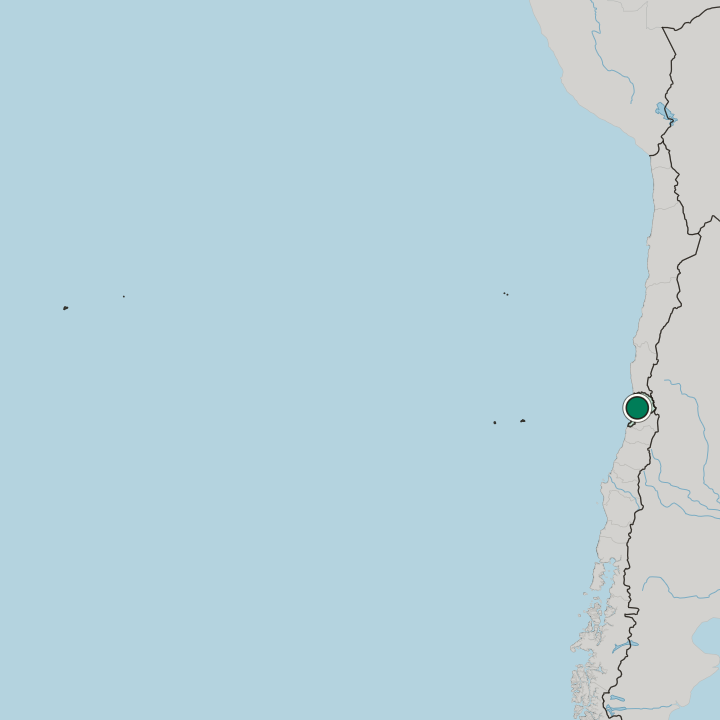
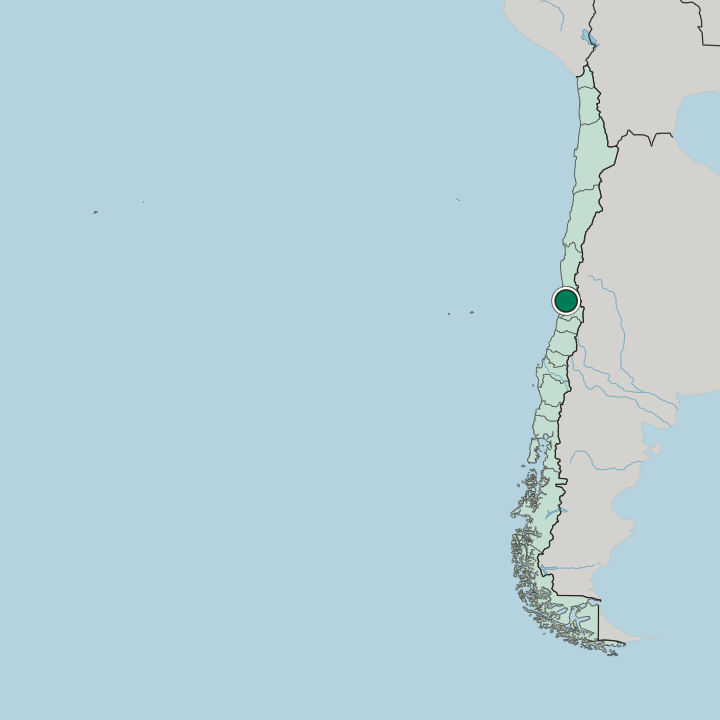
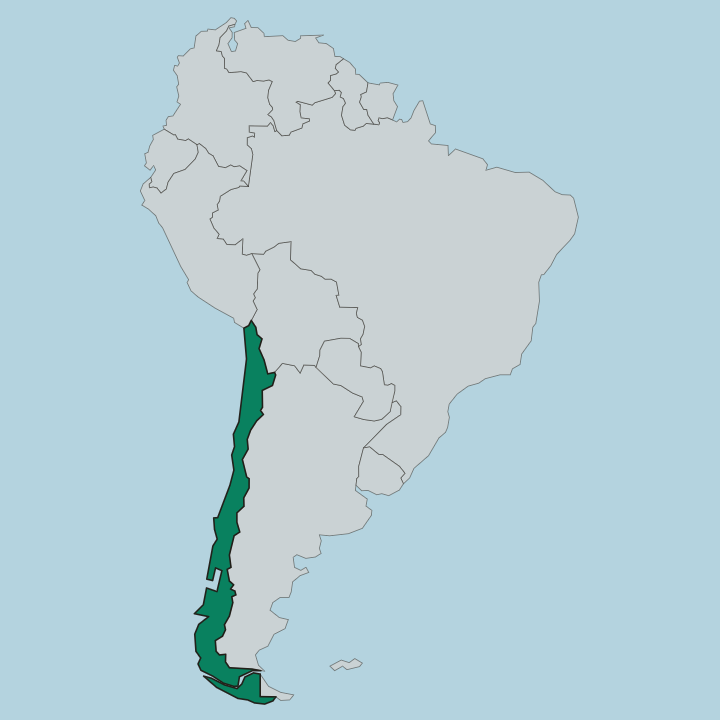
The Aconcagua River valley sets the ground. Quillota lies within it, in Chile's Valparaíso Region, with orchard land running out from the built-up streets towards San Isidro, La Palma and the smaller settlements around them. The valley floor is cultivated ground.
Position in the valley explains the city's shape, because a settlement grown around agriculture spreads along the productive land rather than climbing away from it.
What is the climate of Quillota?
The Aconcagua valley does the moderating. Quillota sits in the subtropical band of the southern hemisphere, so its warm months fall while the northern half of the world is in winter, and the growing season for avocado and cherimoya runs on that reversed calendar. Warmth is the orchards' requirement.
That the valley grows avocado and cherimoya at commercial scale is the clearest statement about its climate a visitor needs.
How do you get to Quillota?
Every approach to Quillota comes by road. The city sits in the Aconcagua River valley inside Valparaíso Region, and the valley is the corridor everything runs along, with buses working it through the day and cars using the same line. Arrivals stop in the centre.
From there the surrounding localities of San Isidro, San Pedro and Pocochay are short local runs rather than journeys in their own right.
Common questions
What is the best area to stay in Quillota?
Iglesia de San Martín de Tours: First visits wanting the museums and churches within a walk.. Pocochay: Drivers who want orchard country instead of street noise..
Good for
More cities in Región de Valparaíso
Updated September 2026