Chile · Región de Valparaíso
Where to Stay in Valparaíso, Región de Valparaíso
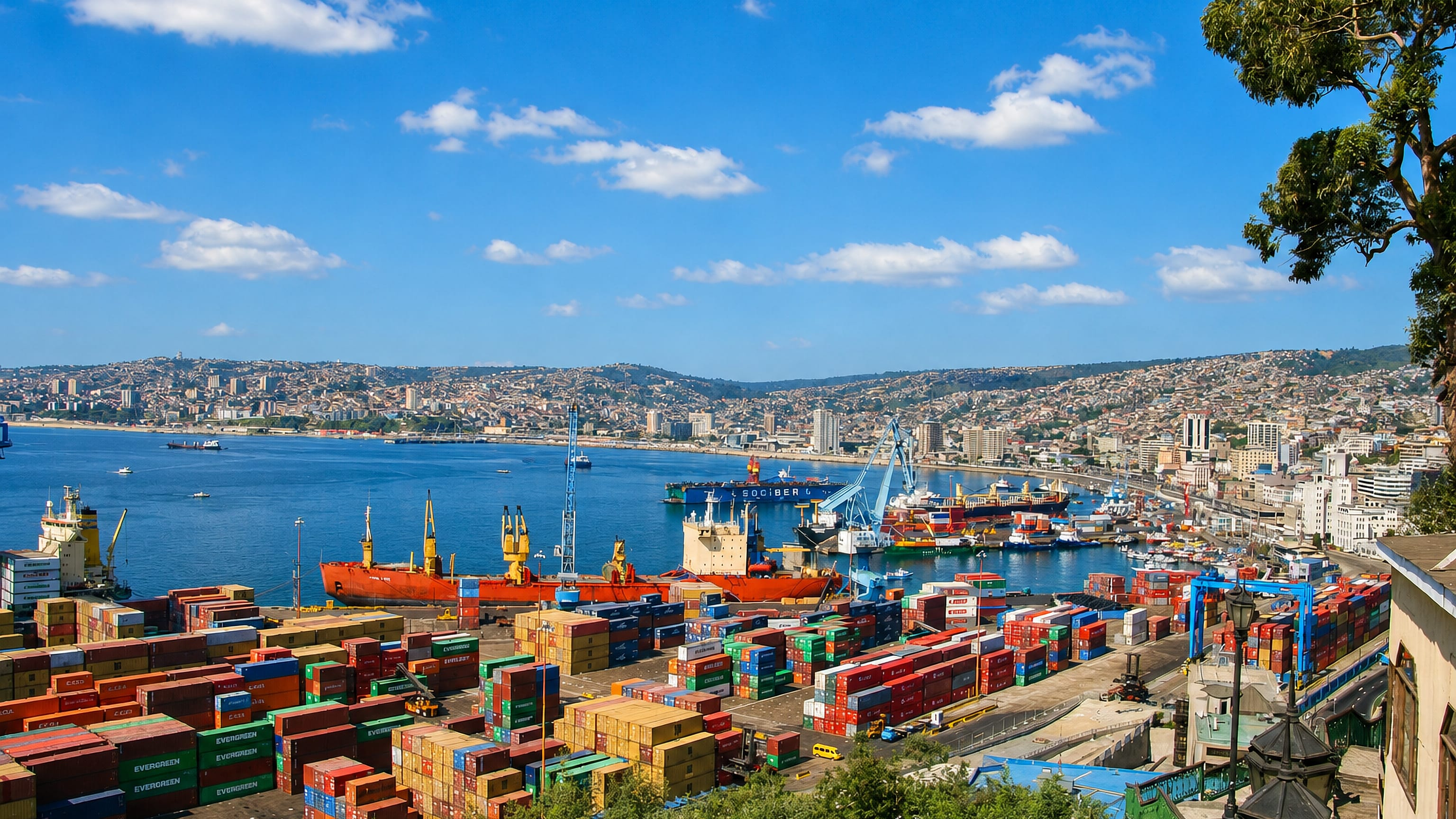
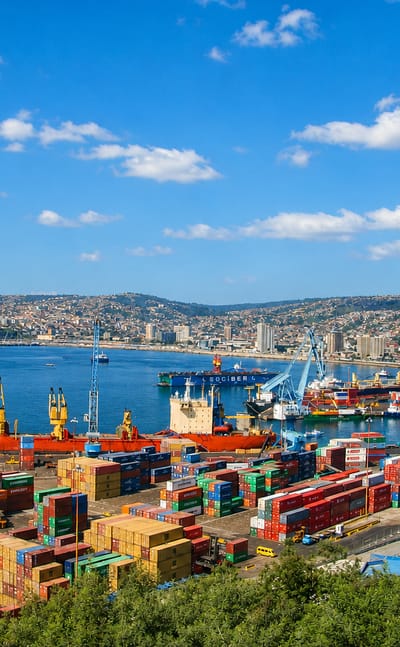
Painted houses climb the cerros above Valparaíso's harbour, a Pacific seaport in Chile's Valparaíso Region, known for funiculars and bohemian streets.
Hotel links are affiliate links: booking through them may earn us a commission, at no extra cost to you. It never affects how places are ranked. How this works


Where to stay in Valparaíso
One neighbourhood here has its own guide — here's what it is best for.
 ValparaísoChile
Placilla
Placilla, recorded also as Placilla de Peñuelas, is a district of Valparaíso whose single listed landmark is the Museo Histórico de Placilla.Where to stay →Hotel links are affiliate links: booking through them may earn us a commission, at no extra cost to you. It never affects how places are ranked. How this works
Find hotels in Valparaíso
Direct booking searches for these neighbourhoods.
Cerro Concepción
The painted lanes of Cerro Concepción climb from the port past Palacio Baburizza to bay viewpointsFind hotels in Cerro ConcepciónVisitors who want the seaport, the National Maritime Museum, and the funicular terminals at street levelThe plan (harbour district)
The flat harbour plan sits beside the naval base and the lower stations of the ascensoresFind hotels in The plan (harbour district)Hotel links are affiliate links: booking through them may earn us a commission, at no extra cost to you. It never affects how places are ranked. How this works
Things to do in Valparaíso
Ranked by global recognition; descriptions from Wikidata (CC0).
Museums & Galleries
3- Parque Cultural de Valparaíso Heritage
- The Open Sky Museum of Valparaíso
- Museo Histórico de Placilla
Churches & Religious Sites
2- St. James Cathedral, Valparaíso Heritage
- Iglesia Luterana, Valparaíso
Castles & Historic Sites
8- Trolleybuses in Valparaíso Heritage
- La Sebastiana, Valparaíso Heritage
- Palacio Baburizza Heritage
- Edificio Ex Intendencia, Valparaíso Heritage
- Reina Victoria funicular Heritage
Show 3 more →
- El Peral lift Heritage
- Ascensor Concepción Heritage
- Artillería funicular railway Heritage
worth knowingacross 3 categories in Valparaíso
About Valparaíso
What is Valparaíso known for?
Valparaíso is known for the tangle of steep hills, or cerros, that rise straight from its Pacific harbour in Chile. Brightly painted houses stack up the slopes, linked to the flat port below by a set of old funicular lifts, the ascensores. The mood is bohemian.
Artists and the open-air murals of The Open Sky Museum have long drawn on the colour of the cerros, while the working seaport and naval base keep the lower city tied firmly to the ocean.
What are the main landmarks in Valparaíso?
Valparaíso is defined by its funiculars, the ascensores that haul between the port and the cerros, among them Ascensor Concepción and the Polanco Lift. The hillsides carry La Sebastiana, the house museum of the poet Pablo Neruda, and Palacio Baburizza above the bay. Down by the water stand more.
The National Maritime Museum, the Monument to the Heroes of Iquique, and Parque Cultural de Valparaíso anchor the lower city, while The Open Sky Museum spreads its murals across the walls of the slopes.
What is the history of Valparaíso?
Valparaíso was founded in 1536, taking its name from Valparaíso de Arriba in the Castile-La Mancha region of Spain. It grew as a seaport. The natural harbour on the Pacific coast of Chile made the city a port of call for ships rounding the continent, and trade drew merchants and settlers who built up the flat port and the rising cerros behind it.
Maritime commerce shaped everything. As the port prospered, houses spread up the steep hills, and the funicular ascensores were built to link the harbour with the neighbourhoods climbing above it. Valparaíso became a major seaport and naval base of Chile, its fortunes tied to the sea traffic that passed its quays.
The bohemian culture of the cerros, the painted houses, and the murals now gathered as The Open Sky Museum all grew from that layered port history, giving the Valparaíso Region city a character built as much on its hills as on its harbour.
Where is Valparaíso?
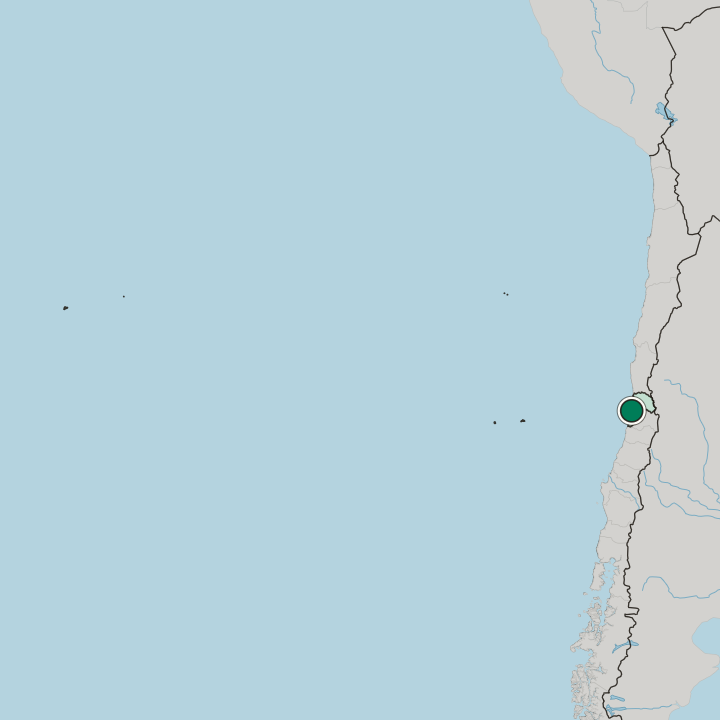
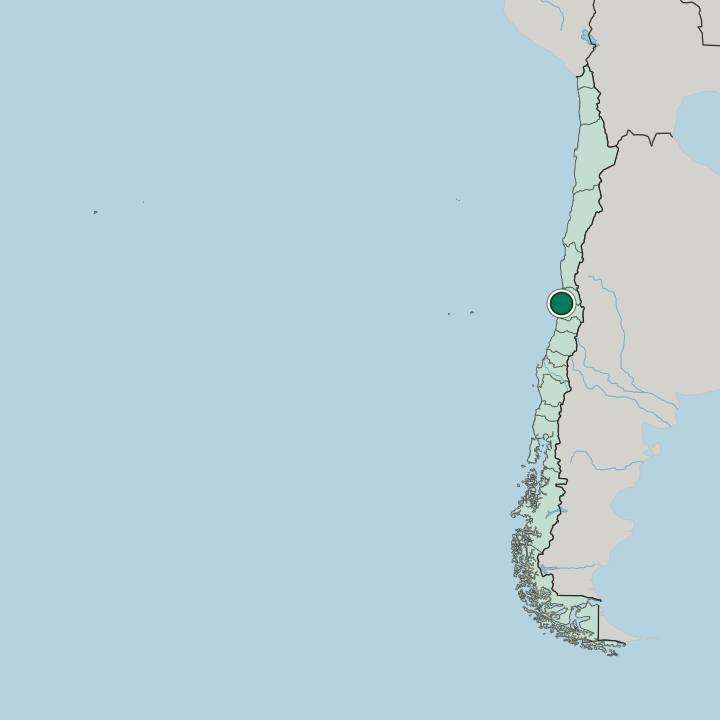
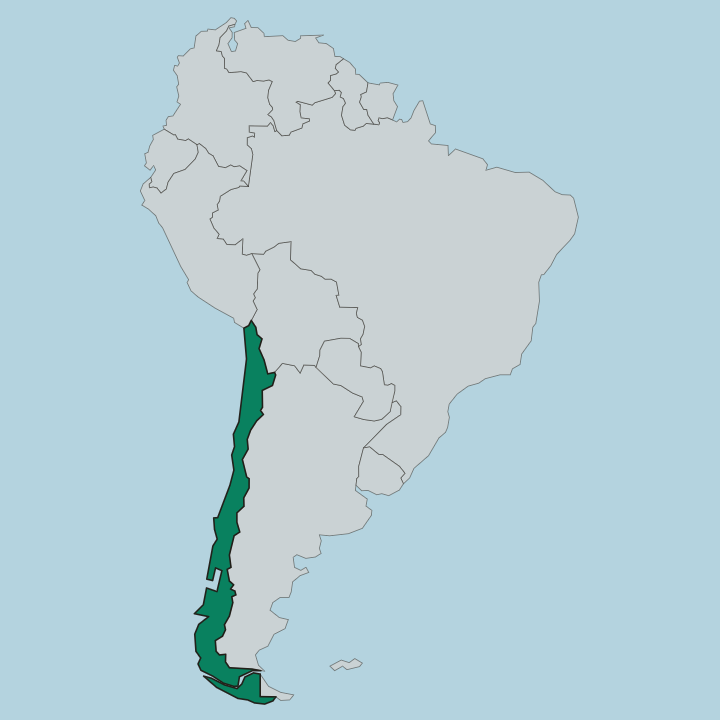
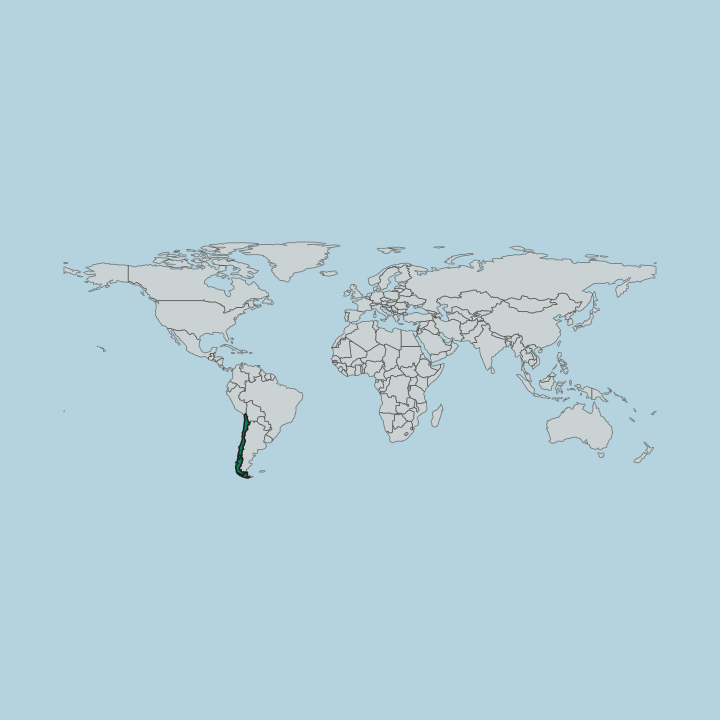
Valparaíso sits on the Pacific coast of central Chile, west of the capital Santiago, in the Valparaíso Region. The city wraps a curving bay. A narrow flat strip holds the port, and behind it the steep cerros rise in an amphitheatre of hills, so that the neighbourhoods look down over the harbour and the open ocean beyond.
What is the climate of Valparaíso?
Valparaíso has a mild subtropical coastal climate, tempered by the Pacific that fronts this part of Chile. Summers stay warm and dry. Cooler, damper months bring the cloud that drifts in off the ocean and settles over the cerros, while the sea keeps the harbour city from the sharper swings felt further inland toward Santiago.
How do you get to Valparaíso?
Valparaíso is reached overland from Santiago, the Chilean capital lying inland to the east. The road runs down to the coast. Travellers cross from the interior to the Pacific shore of the Valparaíso Region, arriving at the harbour city where the funicular ascensores climb from the port up into the cerros above.
Common questions
What is the best area to stay in Valparaíso?
Cerro Concepción: Travellers who want murals and cafes reached by the Ascensor Concepción funicular. The plan (harbour district): Visitors who want the seaport, the National Maritime Museum, and the funicular terminals at street level.
Good for
More cities in Región de Valparaíso
Updated September 2026