Chile · Región de Valparaíso
Where to Stay in Villa Alemana, Región de Valparaíso
Villa Alemana was founded by Italian and German immigrants in the 1890s and grew into part of Greater Valparaíso, in Chile's Zona Central.
Hotel links are affiliate links: booking through them may earn us a commission, at no extra cost to you. It never affects how places are ranked. How this works


Where to stay in Villa Alemana
Where visitors usually base themselves, and why.
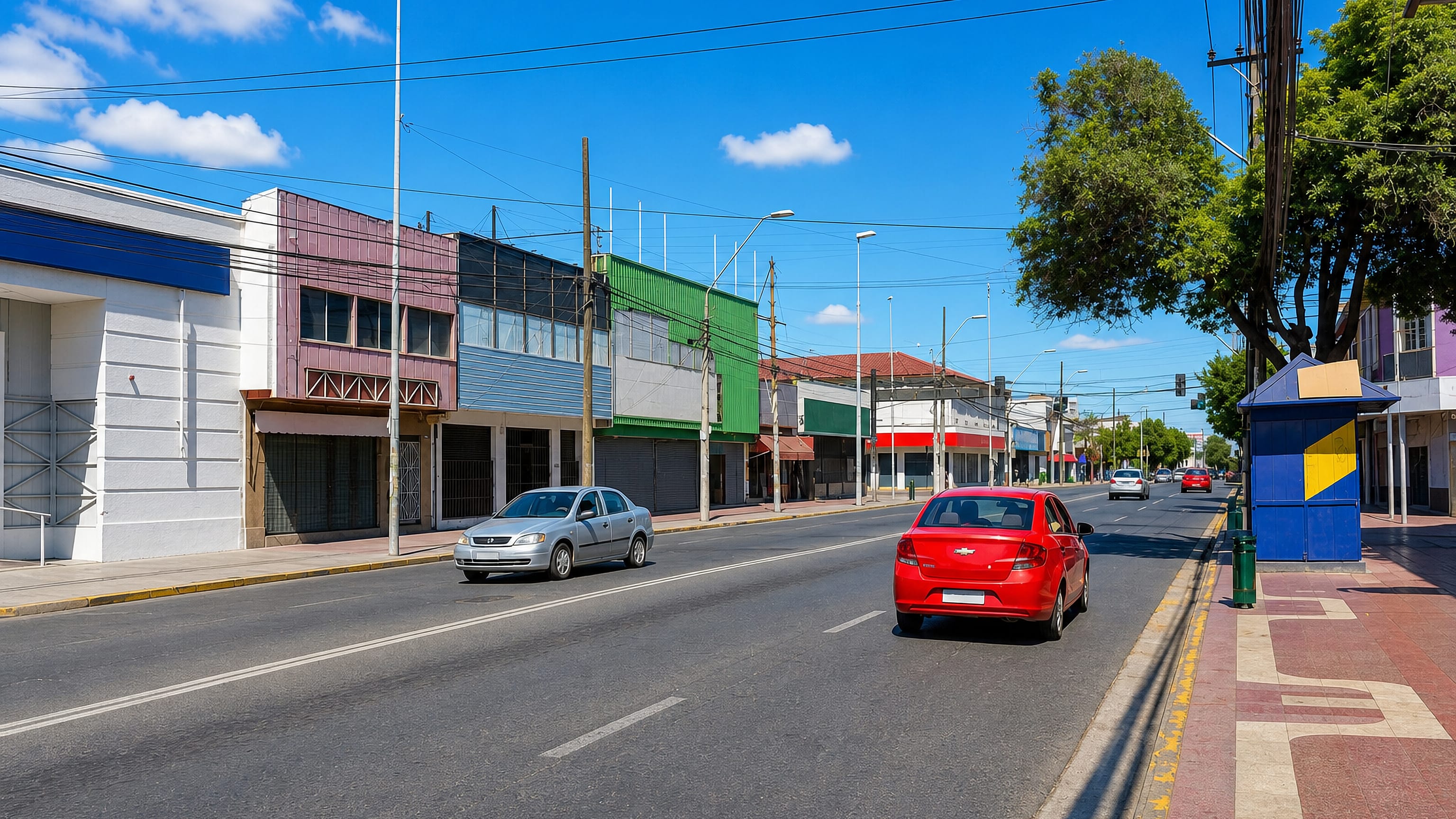
The Teatro Pompeya y sus portales anchors the centre. Rooms in the blocks around it place the Museo Palmira Romano and the everyday commercial streets of Villa Alemana within a few minutes on foot, which covers most of what the commune itself asks a visitor to see. The portales are the giveaway detail.
Arcaded frontage of that kind belongs to the Italian and German building habits the founders brought with them in the 1890s, and it is the clearest physical evidence left of why the commune carries the name it does. Quilpué is the practical alternative next door. The Zoológico de Quilpué and the Iglesia de Nuestra Señora del Rosario both sit on that side of the shared landmark list, and a bed there trades Villa Alemana's quieter streets for a wider choice inside the same continuous urban area.
Greater Valparaíso makes either base workable. The commune spreads across roughly 97 square kilometres, so outlying addresses can leave a long run back to the centre, and the Museo del Abandono is the one further name on the record for anyone building a museum-only itinerary. Zona Central geography keeps the distances modest.
Few places to stay in Villa Alemana — most visitors book in Quilpué nearby.
Find hotels in Villa Alemana
Direct booking searches for these neighbourhoods.
Around the Teatro Pompeya portales
The Teatro Pompeya y sus portales and the Museo Palmira Romano stand in the same central blocks, the part of Villa Alemana that still shows the arcaded frontage its immigrant founders built.Find hotels in Around the Teatro Pompeya portalesDrivers using the 97 square kilometres beyond the Museo del Abandono circuitThe outer commune
Villa Alemana's commune runs to roughly 97 square kilometres, so an outlying address needs a car for the return to the Teatro Pompeya y sus portales and the Museo del Abandono. Rooms are few around here — worth securing early.Find hotels in The outer communeHotel links are affiliate links: booking through them may earn us a commission, at no extra cost to you. It never affects how places are ranked. How this works
About Villa Alemana
What is Villa Alemana known for?
Immigrant founders gave the commune its name and its first buildings, and the Teatro Pompeya y sus portales is the surviving piece of that inheritance most visitors are pointed towards. A museum carries the other half. The Museo Palmira Romano keeps the local collection, the Museo del Abandono appears on the same list, and neighbouring Quilpué contributes the Zoológico de Quilpué to the day-trip options.
Greater Valparaíso surrounds all of it.
What are the main landmarks in Villa Alemana?
The Teatro Pompeya y sus portales is the entry that belongs unambiguously to Villa Alemana, a theatre recorded together with the arcades that frame it. Two museums sit alongside. The Museo Palmira Romano holds the named collection and the Museo del Abandono the stranger one, while the Zoológico de Quilpué and the Iglesia de Nuestra Señora del Rosario carry Quilpué addresses on a list the two communes effectively share.
Five entries in total.
What is the history of Villa Alemana?
Two founding dates survive. The structured record fixes 1894 while the written account gives 1896, a two-year gap of the sort that follows any settlement founded by arriving families rather than by decree, and both sit inside the same decade of Italian and German immigration into Chile's Zona Central. The name states the origin plainly.
Villa Alemana means what it says, and the community that chose it was building in a country where its language and its architecture were both imported. The Teatro Pompeya y sus portales came out of that period. Its arcades are the surviving fabric of the immigrant town, and the Museo Palmira Romano now keeps the documentary side of the same story under a single roof.
Growth then came from outside. Greater Valparaíso extended until Villa Alemana formed one of its component communes, sharing a landmark register with Quilpué, whose Zoológico de Quilpué and Iglesia de Nuestra Señora del Rosario appear beside the Villa Alemana entries as though the boundary between them had stopped mattering. The Museo del Abandono belongs to that later, metropolitan layer.
What the record does not carry is anything before the 1890s.
Where is Villa Alemana?
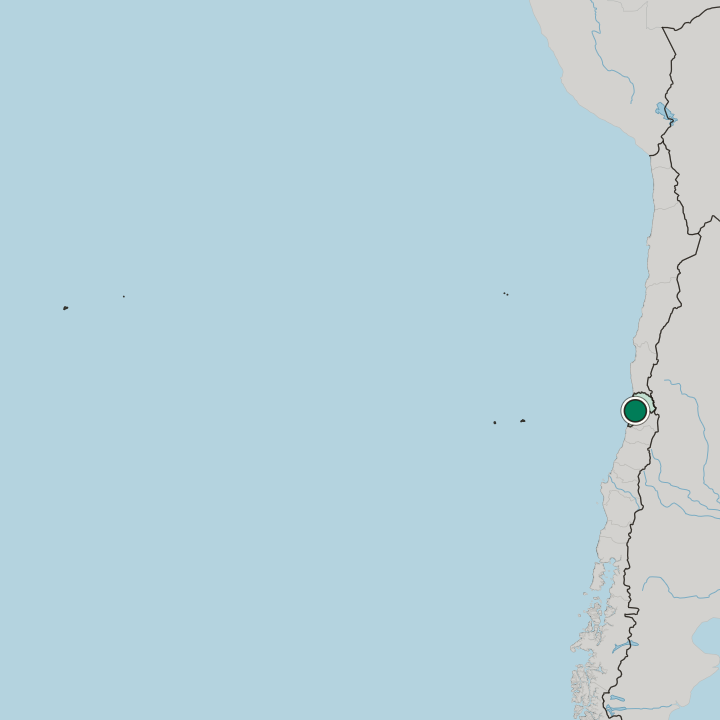
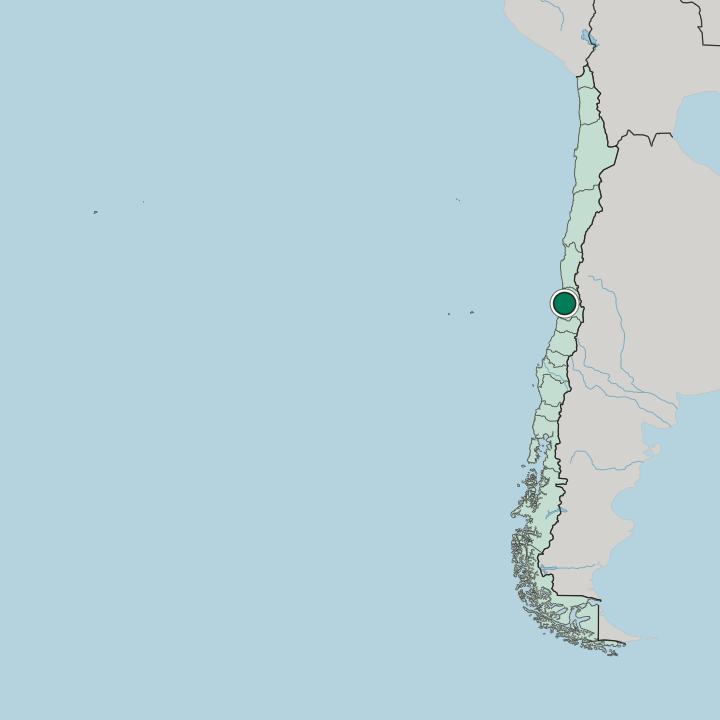
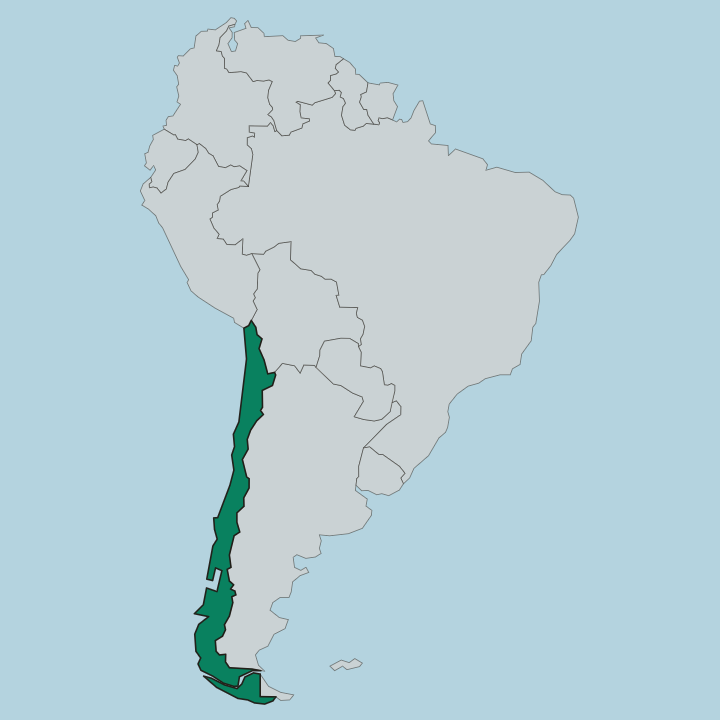
Roughly 97 square kilometres make up the commune, a good deal more ground than the built core around the Teatro Pompeya y sus portales occupies. Quilpué adjoins it. Both belong to Greater Valparaíso and to the Valparaíso Region above that, and the whole area falls in Chile's Zona Central within the subtropical band.
What is the climate of Villa Alemana?
Zona Central sets the pattern. Villa Alemana shares the subtropical band with the rest of Greater Valparaíso, and the southern-hemisphere calendar puts its warm months at the start and end of the year rather than in the middle of it. July is the cold end.
Arcades of the kind recorded at the Teatro Pompeya y sus portales give shade in the hot half and cover in the wet one, which makes the centre workable in either.
How do you get to Villa Alemana?
Villa Alemana is reached through the metropolitan fabric it belongs to, since Greater Valparaíso runs continuously across the communes and Quilpué lies directly alongside, close enough that the two share landmarks on one register. No airport is recorded here. The Zona Central position keeps the commune within reach of the wider Valparaíso Region on ordinary roads.
Common questions
What is the best area to stay in Villa Alemana?
Around the Teatro Pompeya portales: Stays that want the Teatro Pompeya y sus portales and the Museo Palmira Romano on foot. Quilpué side of the urban area: Families combining the Zoológico de Quilpué with the Iglesia de Nuestra Señora del Rosario. The outer commune: Drivers using the 97 square kilometres beyond the Museo del Abandono circuit.
More cities in Región de Valparaíso
Updated October 2026