Chile
Región de Valparaíso, Chile — Towns & Travel Guide
Región de Valparaíso is Chile's central-coast region, home to the port of Valparaíso, Viña del Mar's beaches, and Easter Island.
Hotel links are affiliate links: booking through them may earn us a commission, at no extra cost to you. It never affects how places are ranked. How this works


Towns & cities in Región de Valparaíso
Pick a town or city — each links to where to stay.

 Chile
Chile
Viña del Mar
Viña del Mar is a Pacific beach resort in central Chile, the garden city of palaces, parks, and sands beside Valparaíso.Where to stay →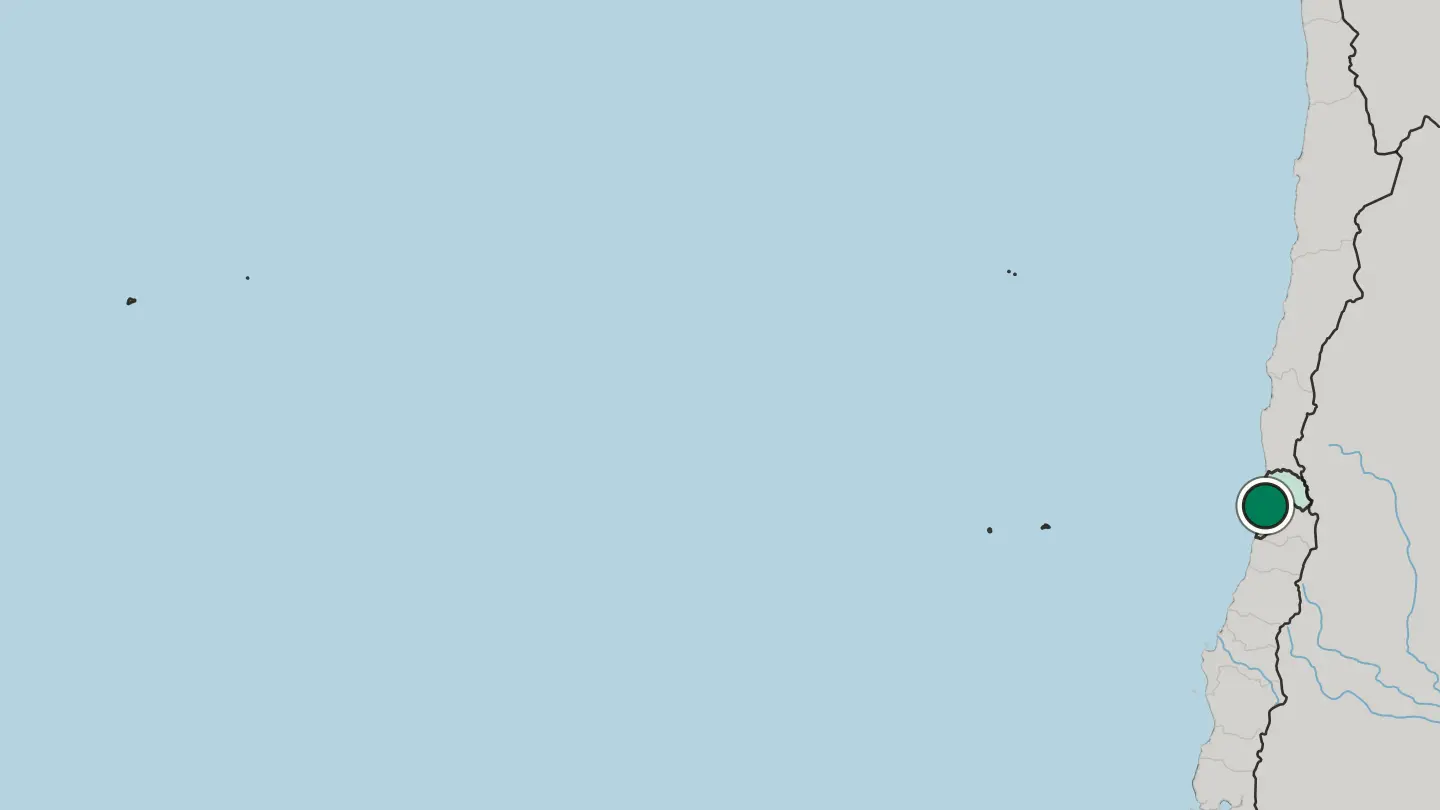
 Chile
Chile
Valparaíso
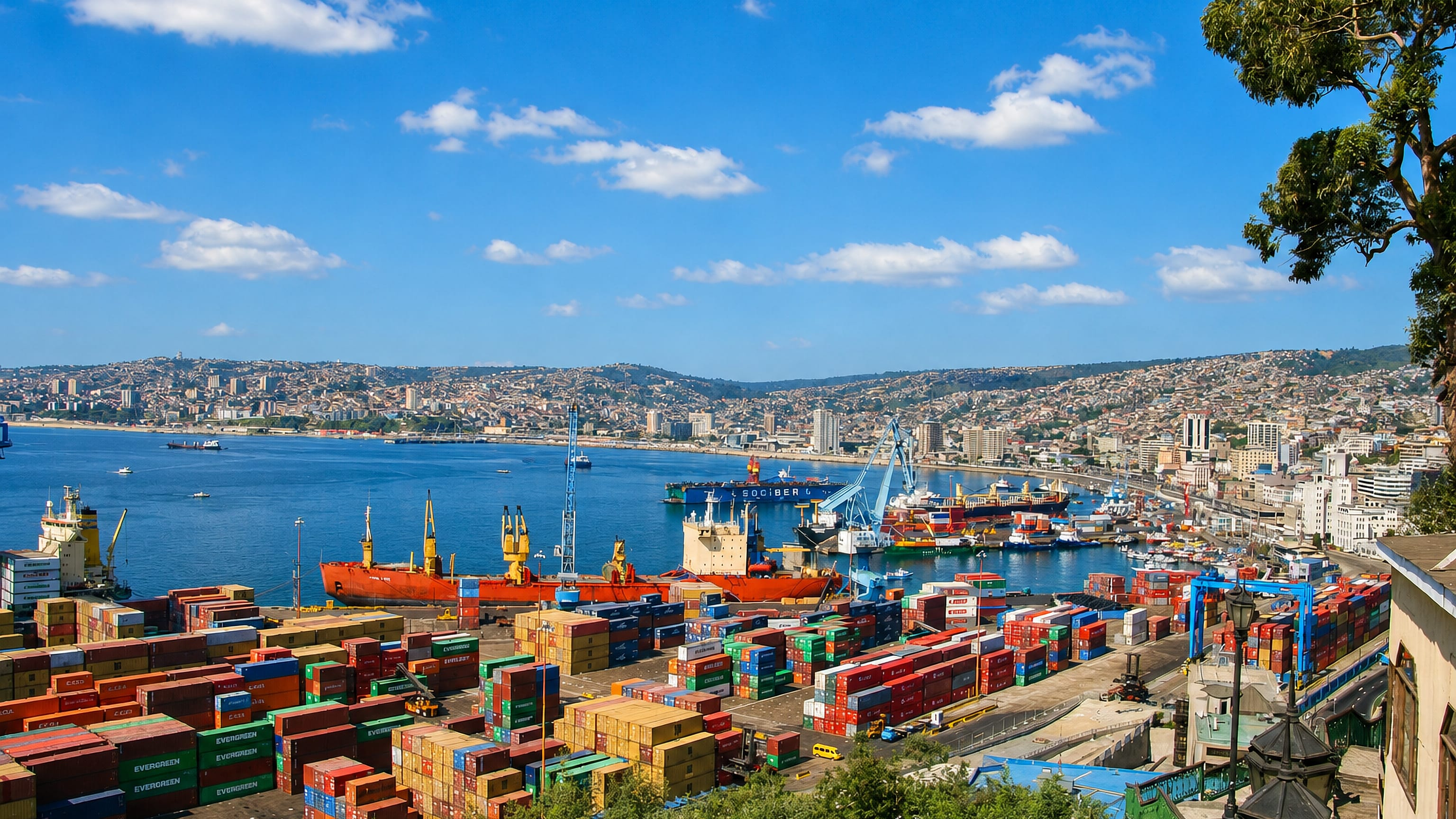
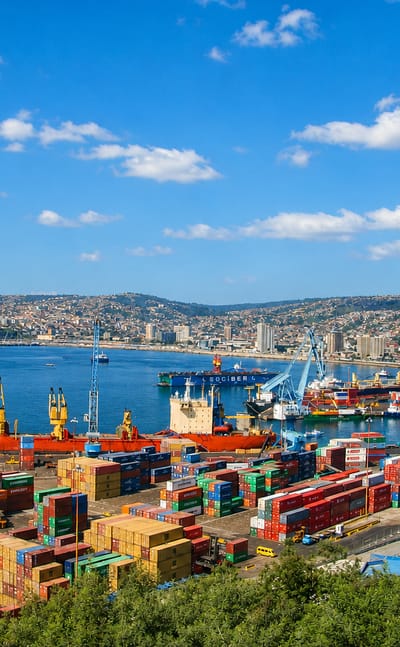
Painted houses climb the cerros above Valparaíso's harbour, a Pacific seaport in Chile's Valparaíso Region, known for funiculars and bohemian streets.Where to stay →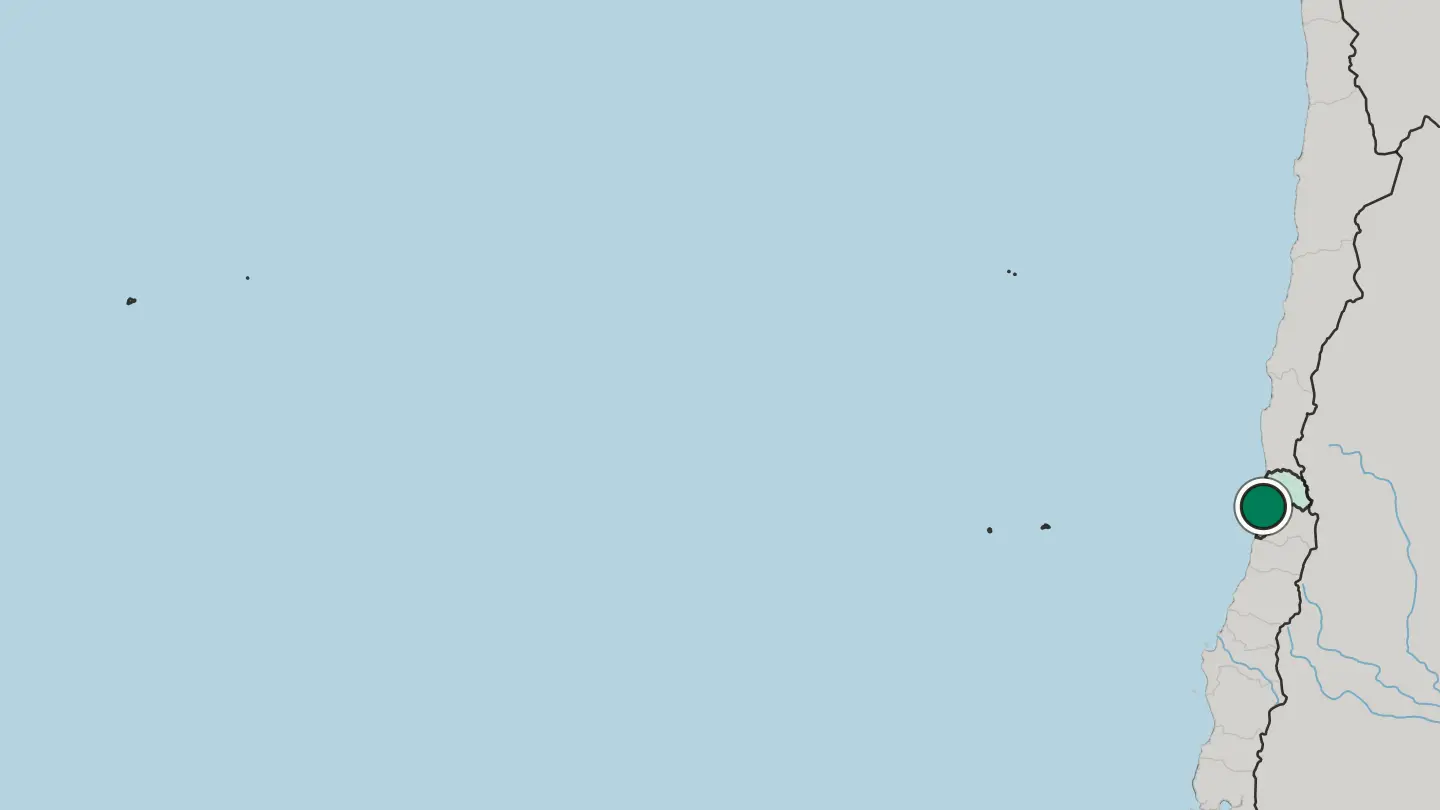
 Chile
Chile
Quilpué
Quilpué, capital of Chile's Marga Marga Province, holds a place inside Greater Valparaíso and answers to the nickname City of the Sun.Where to stay →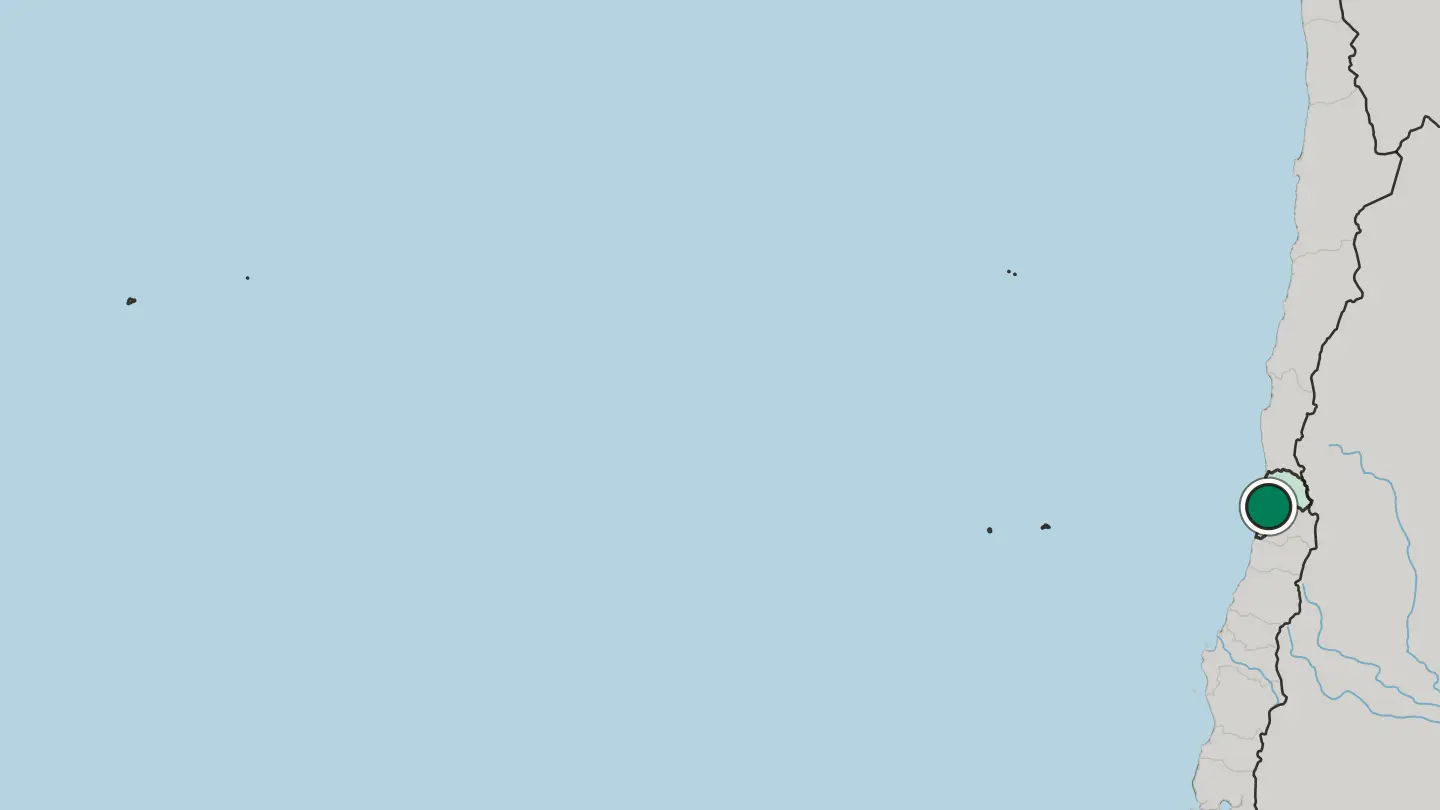
 Chile
Chile
Villa Alemana
Villa Alemana was founded by Italian and German immigrants in the 1890s and grew into part of Greater Valparaíso, in Chile's Zona Central.Where to stay →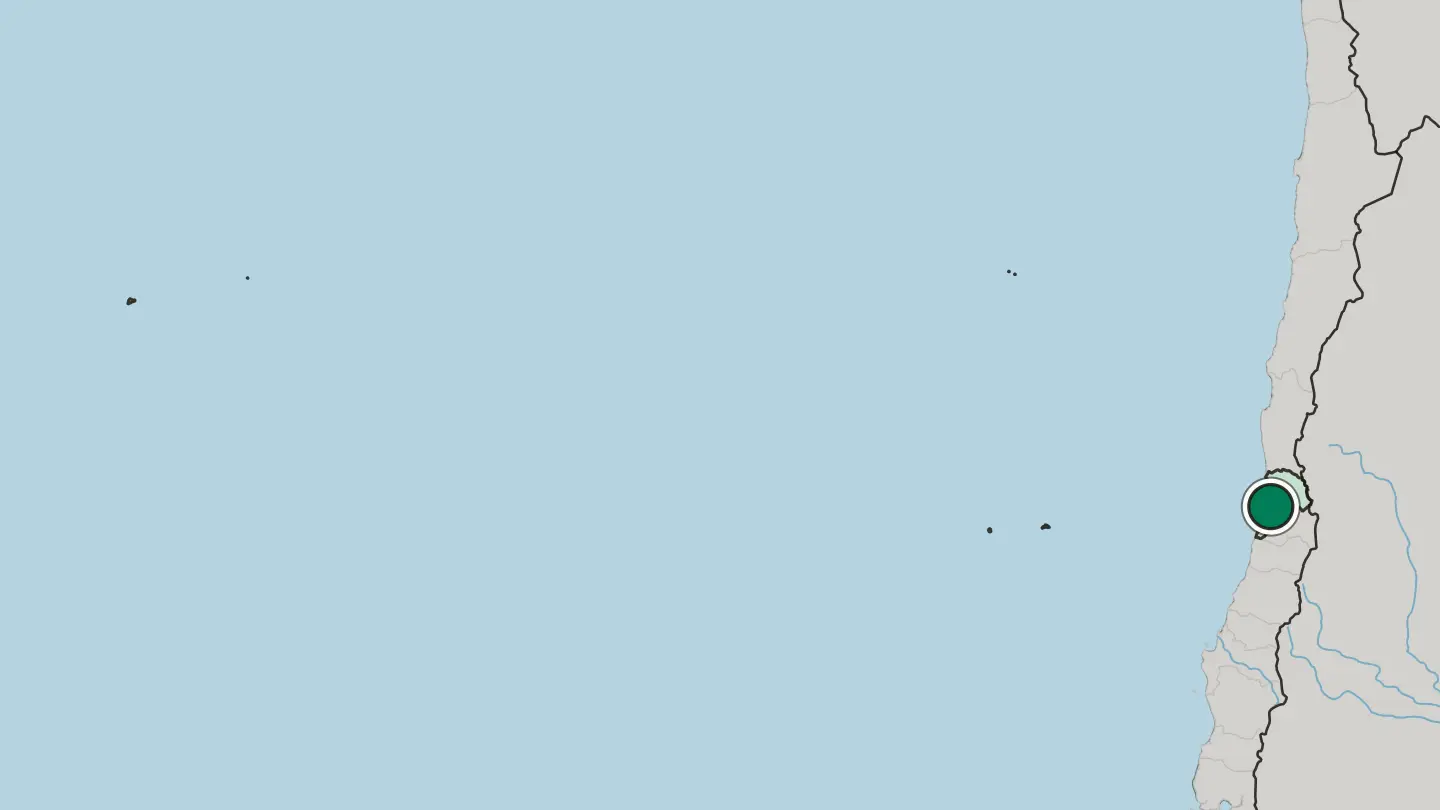
 Chile
Chile
San Antonio
A Chilean port city and capital of San Antonio Province, San Antonio moves more freight than Valparaíso and anchors a long fishing coast.Where to stay →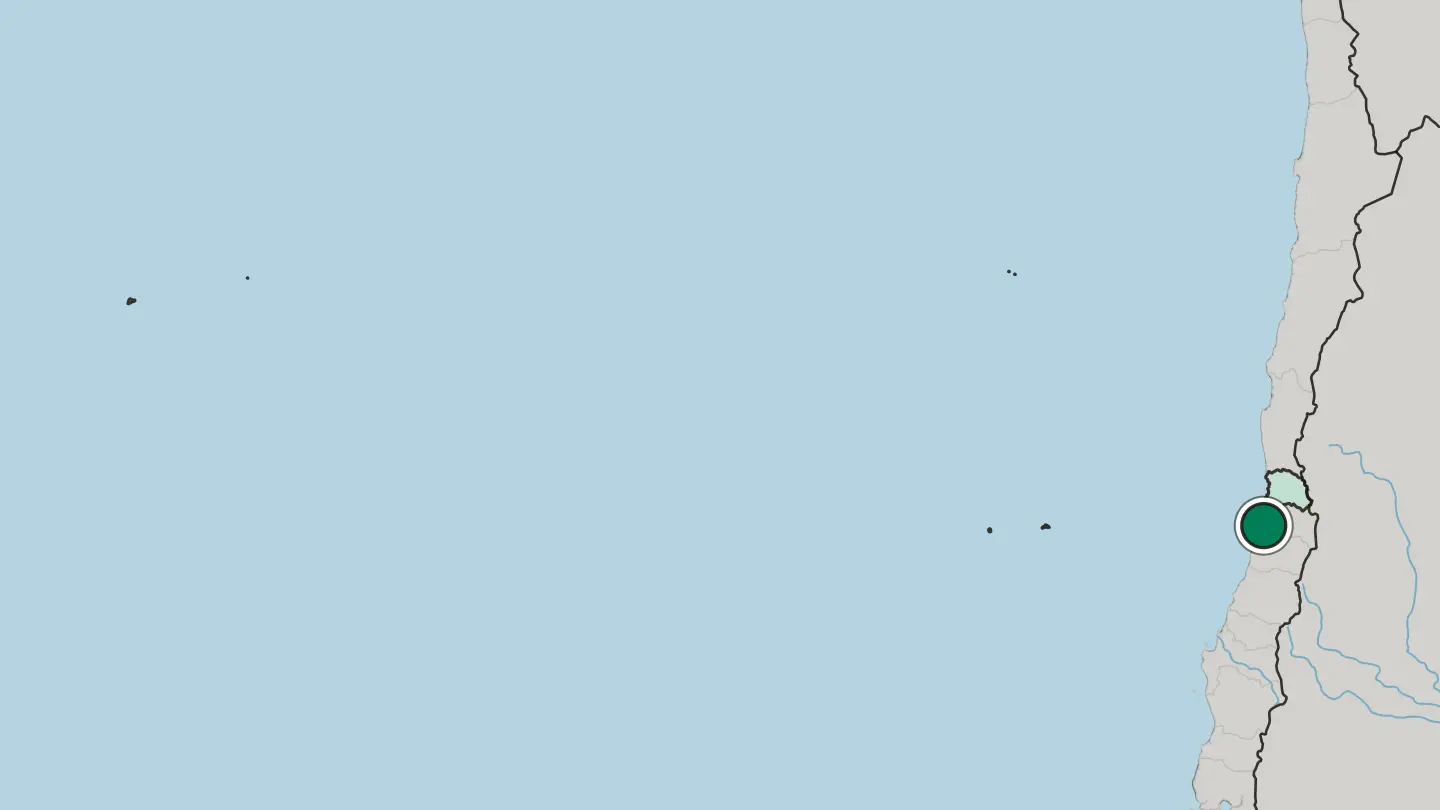
 Chile
Chile
Quillota
Quillota sits in the Aconcagua River valley in Chile's Valparaíso Region, an agricultural city founded in 1717 and ringed by avocado groves.Where to stay →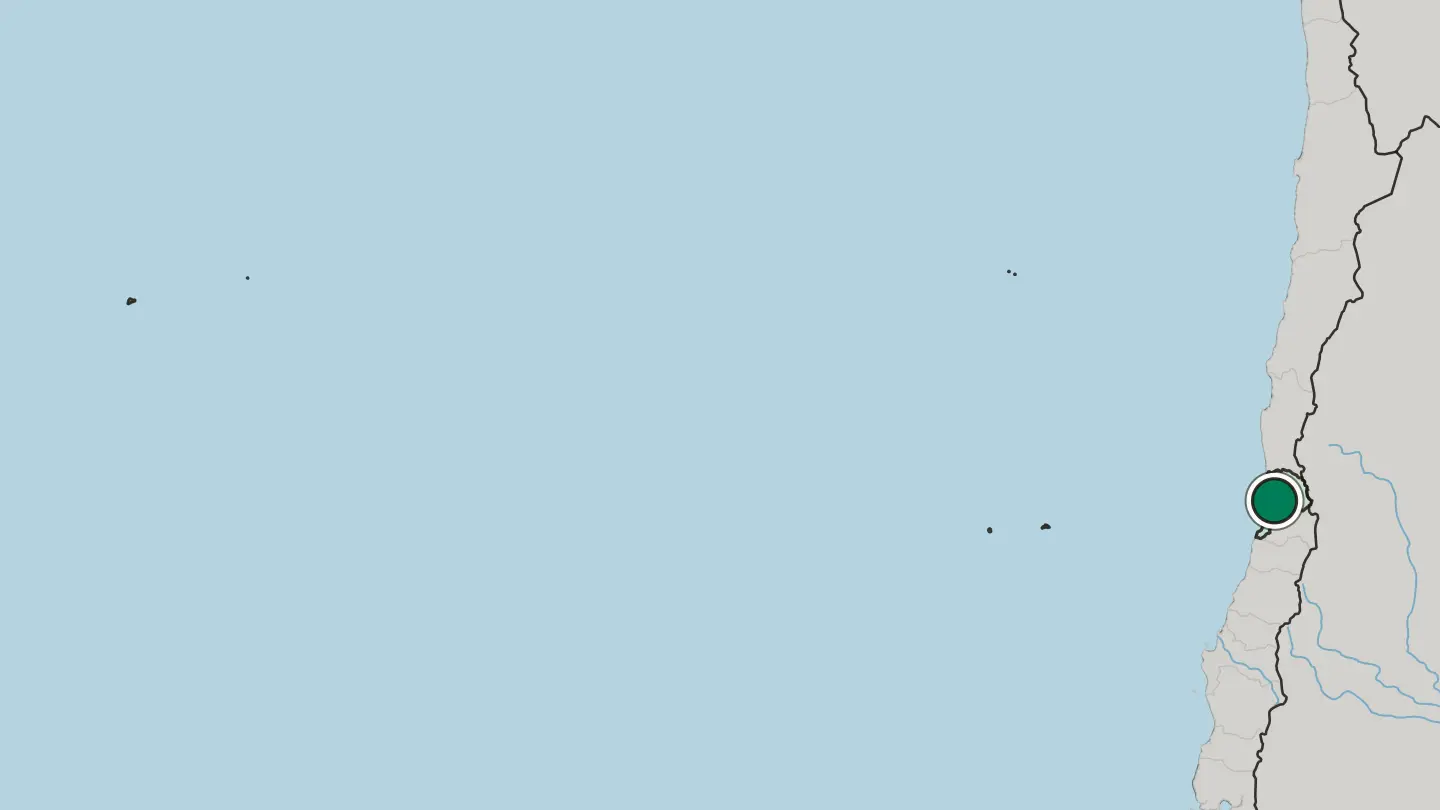
 Chile
Chile
Los Andes
Los Andes, founded in 1791 as Santa Rosa de Los Andes, stands in the Aconcagua valley on the route from Santiago to the Uspallata Pass.Where to stay →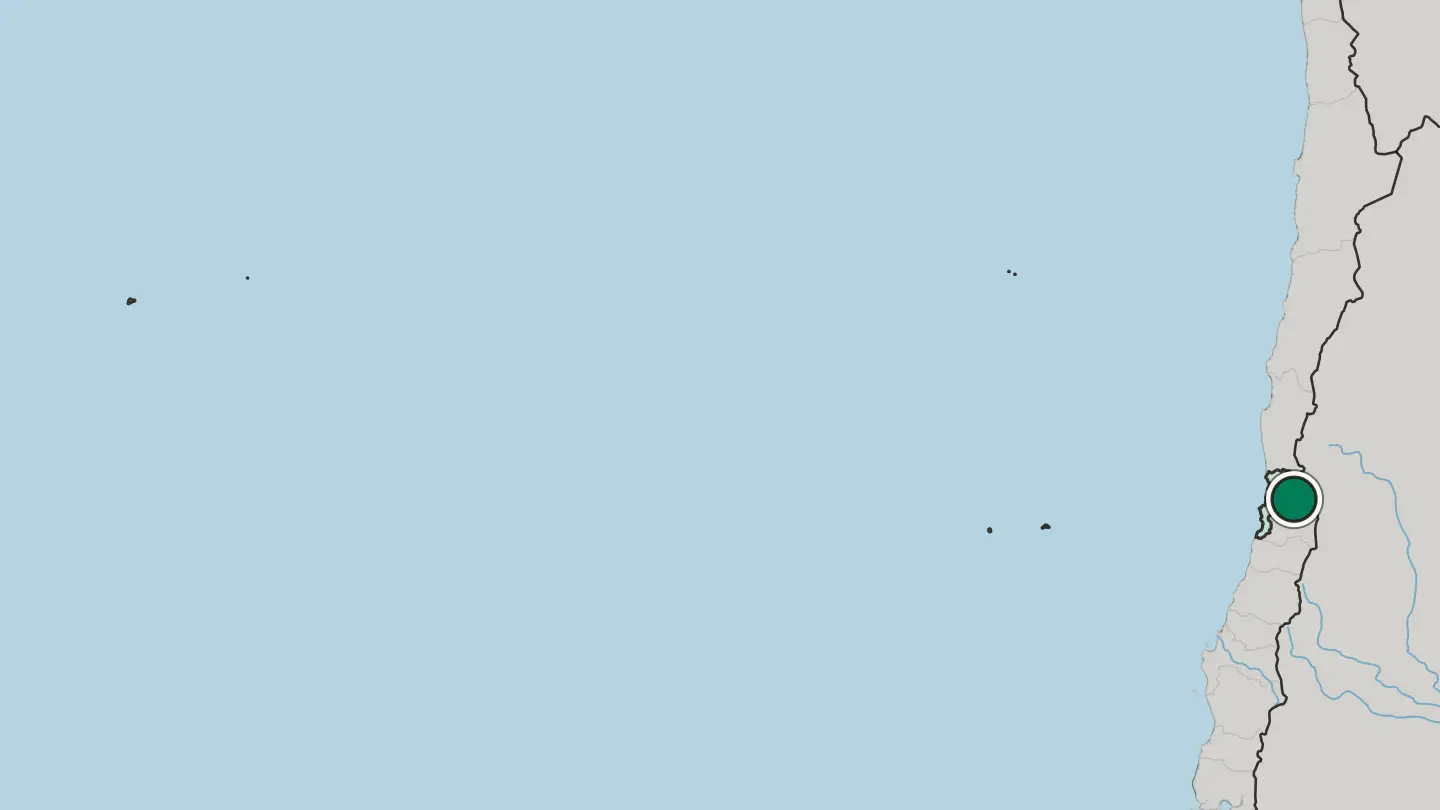 Chile
Chile
San Felipe
Founded in 1740, San Felipe heads the San Felipe de Aconcagua Province 88 km north of Santiago, with St Philip's Cathedral at its core.Where to stay →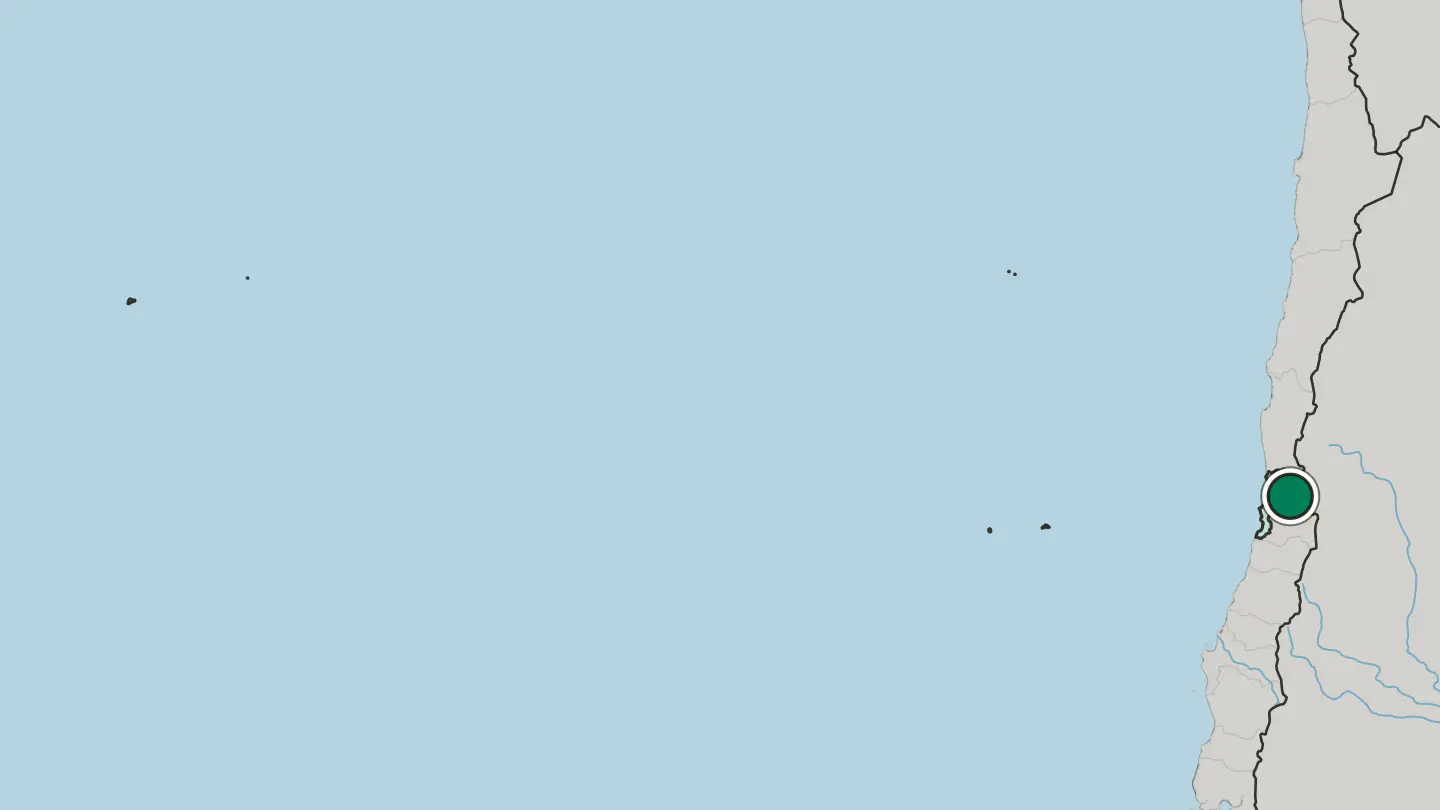
Hotel links are affiliate links: booking through them may earn us a commission, at no extra cost to you. It never affects how places are ranked. How this works
About Región de Valparaíso
Two cities define the region.
What is Región de Valparaíso known for?
Valparaíso is the working port, its coloured houses climbing the hills above the bay and reached by more than a dozen creaking funiculars that earned the historic quarter a place on the UNESCO World Heritage List in 2003. Viña del Mar sits just north along the same shore, the country's best-known beach resort, with a casino and long sand where Santiago empties out each summer. Far offshore the region also governs Easter Island, whose moai stand thousands of kilometres out in the Pacific Ocean.
Ships, sand, and stone statues.
Where is Región de Valparaíso?
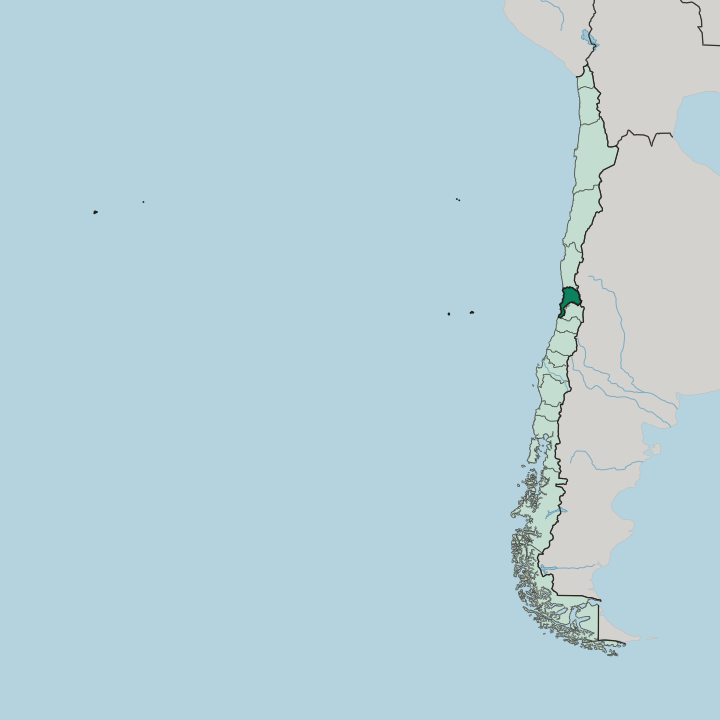
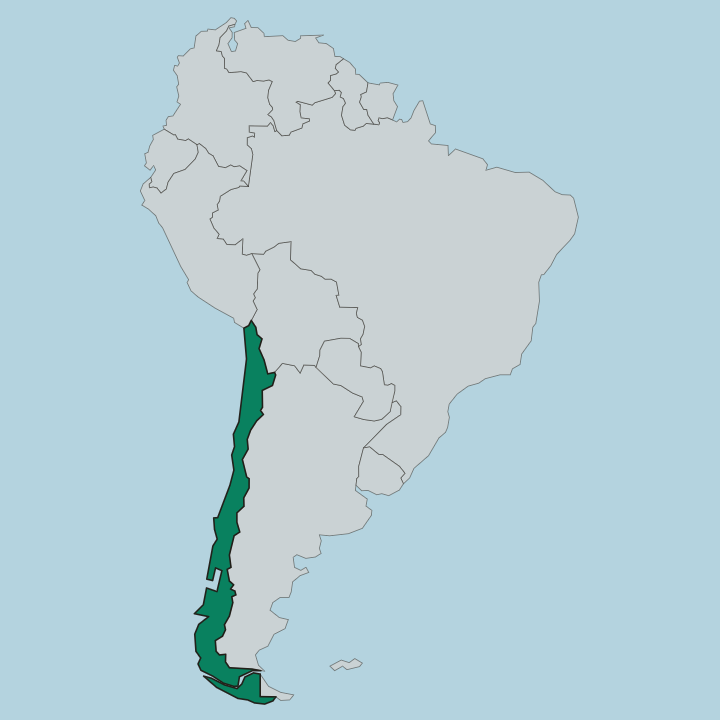
Región de Valparaíso lines the central coast of Chile, on the Pacific Ocean directly west of the capital Santiago. The land is narrow and steep. Between the ocean and the interior runs the Chilean Coast Range, a wall of hills that the city of Valparaíso itself is built upon, houses stacked up the slopes above the harbour.
Behind the coast the ground climbs fast toward the Andes on the eastern edge of the region, and the two ranges squeeze the settled land into the valleys between them. The Aconcagua River is the region's spine. It gathers off the high Andes near the Argentine frontier and cuts a broad transverse valley west across the region, past San Felipe and Quillota, before reaching the Pacific near Concón just north of Viña del Mar.
That valley carries the vineyards, the orchards, and the road and rail that link the coast to Santiago over the mountains. Far out to sea the region reaches much further than the mainland suggests. Easter Island lies thousands of kilometres west in the open Pacific Ocean, and the Juan Fernández Islands sit closer in, both governed from the coast though a world apart from it.
Land and water pull the region in two directions at once.
What is Región de Valparaíso like?
The region's character is a port's character. Valparaíso drew sailors, merchants, and immigrants from across Europe through the nineteenth century, and that mixed inheritance still shows in its hillside architecture, its old British and German trading houses, and the bohemian, painted-wall look that draws artists to its slopes. Poets belong to it too.
Pablo Neruda kept a house here, La Sebastiana, high on a hill with the whole harbour laid out below, and Valparaíso now carries a UNESCO City of Music title alongside its heritage listing. Away from the port the culture turns rural and coastal by turns. The Aconcagua valley is farming country, with wine and fruit worked in the shadow of the Andes, while the shore lives by the beach and the summer crowds that come down from Santiago.
Then there is Rapa Nui, unlike anywhere else in the region or the country. Easter Island keeps a Polynesian language and its own traditions, and its moai stand as one of the most recognisable sights on Earth. Spanish is the common tongue across the mainland.
The region holds a port city, a farming valley, and a Pacific island culture under one name.
What is the history of Región de Valparaíso?
The bay was sighted by a Spanish expedition in 1536, and Pedro de Valdivia soon named Valparaíso the port for his new colonial capital at Santiago. For centuries it lived as that outlet to the sea. The nineteenth century made it a great Pacific trading port on the route round Cape Horn, rich enough to build the funiculars and grand houses that still climb its hills, until the opening of the Panama Canal in 1914 pulled the shipping lanes away.
Chile's National Congress later moved from Santiago to Valparaíso, giving the old port a second civic role. The port trade made Valparaíso what it is. The sea shaped everything after.
What is the climate of Región de Valparaíso?
The coast has a Mediterranean climate, warm and dry through the summer and wet in winter. It sits in a transition zone. North of here Chile turns to desert, and the region marks where that arid country gives way to the greener centre, so rainfall grows as you move south and inland.
The cold Pacific current keeps Valparaíso and Viña del Mar mild and often grey with sea fog, while the Aconcagua valley behind the Coast Range runs hotter and drier under the sun. Morning cloud, afternoon sun.
How do you get to Región de Valparaíso?
Most visitors come overland from Santiago. The capital's airport handles the international flights, and a highway then drops west over the Coast Range to the coast in about an hour and a half, a short hop that makes Valparaíso and Viña del Mar an easy day or overnight from the city. Buses run the route constantly.
Reaching Easter Island is a different matter altogether, a flight of roughly five hours out over the Pacific Ocean from Santiago, the only regular way in. Cruise ships also call at the port of Valparaíso itself.
Common questions
What is the best area to stay in Región de Valparaíso?
Valparaíso: hillside alleys and funicular rides. Viña del Mar: beaches and an easy first base. The Aconcagua valley: vineyards away from the coast. Easter Island: the moai and Rapa Nui.
Good for
More regions in Chile
Updated September 2026