Chile · Región de Valparaíso
Where to Stay in Los Andes, Región de Valparaíso
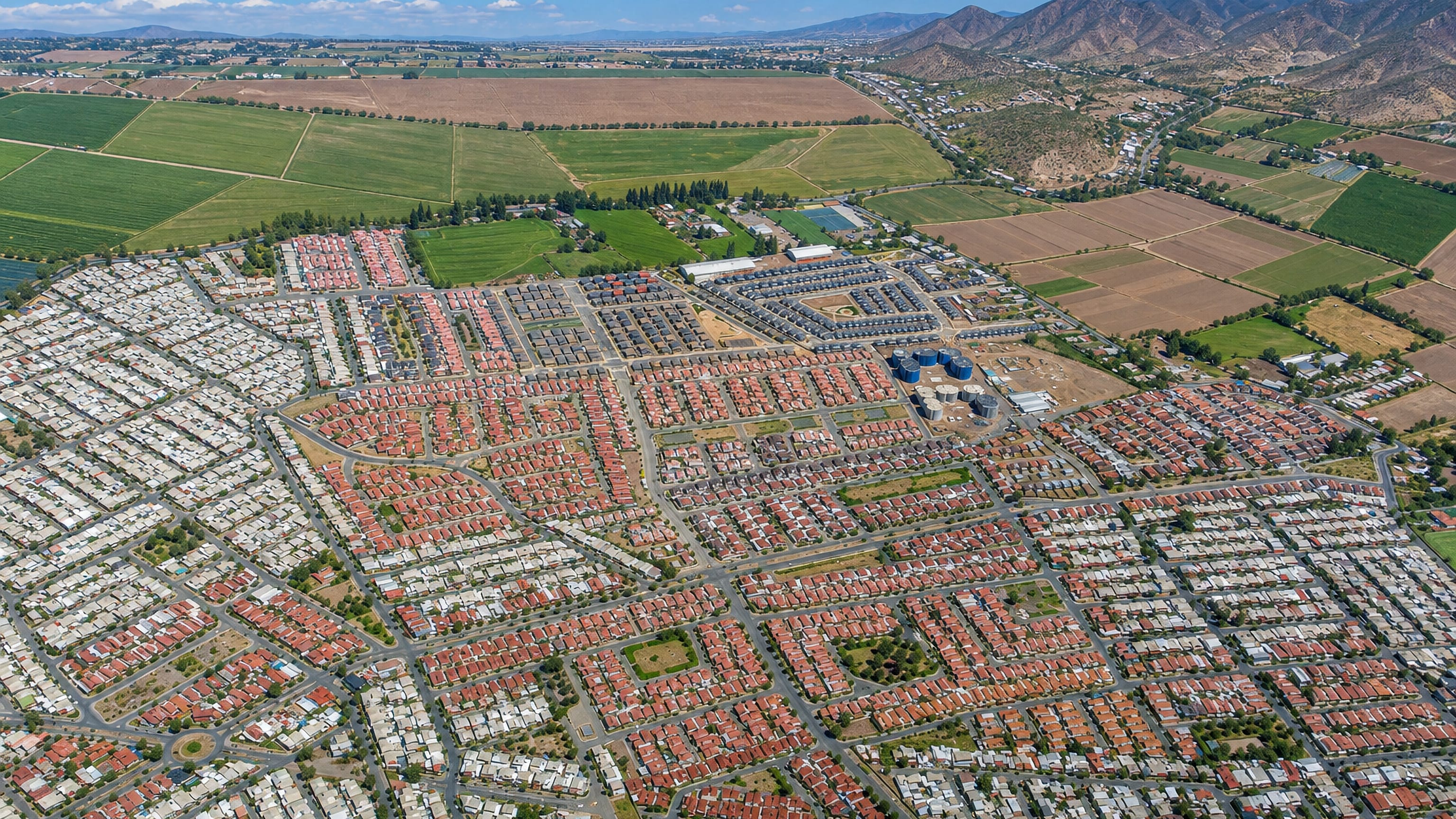
Los Andes, founded in 1791 as Santa Rosa de Los Andes, stands in the Aconcagua valley on the route from Santiago to the Uspallata Pass.
Hotel links are affiliate links: booking through them may earn us a commission, at no extra cost to you. It never affects how places are ranked. How this works


Where to stay in Los Andes
Where visitors usually base themselves, and why.
The old streets come first. Centro histórico de Los Andes gathers the Edificio de la Gobernación de Los Andes, the Museo Arqueológico de Los Andes, and the Museo de Bomberos de Los Andes into a few blocks, which makes it the obvious base for anyone walking the town. Rooms there put the Refugio de Correos and the older facades within a short walk of one another.
The town was laid out as Santa Rosa de Los Andes in 1791, and the grid of that founding is still what the old centre is walked on. Those blocks take minutes to cross. East of town the valley climbs toward Río Blanco, where the Estación de ferrocarriles de Río Blanco del Ferrocarril Trasandino sits on the trans-Andean route toward Argentina.
Santiago lies roughly 80 kilometres south. A bed on the Río Blanco side suits drivers heading for the Uspallata Pass and anyone who wants nevados on the skyline at breakfast rather than the town's facades. Vineyards spread across the Aconcagua valley around the town, and a stay out among them trades walking distance for the daytrips the valley is known for.
Distance decides it.
Find hotels in Los Andes
Direct booking searches for these neighbourhoods.
Centro histórico
The Edificio de la Gobernación de Los Andes and the Refugio de Correos stand a few blocks apartFind hotels in Centro históricoDrivers climbing east toward the Uspallata PassThe Río Blanco side
Beds up the valley toward the Estación de ferrocarriles de Río Blanco del Ferrocarril TrasandinoFind hotels in The Río Blanco sideDaytrips through the Aconcagua valley below the nevadosOut among the vineyards
The vineyards of the Aconcagua valley begin just past the edge of Los AndesFind hotels in Out among the vineyardsHotel links are affiliate links: booking through them may earn us a commission, at no extra cost to you. It never affects how places are ranked. How this works
Things to do in Los Andes
Ranked by global recognition; descriptions from Wikidata (CC0).
Museums & Galleries
1- Museo Arqueológico de Los Andes
Churches & Religious Sites
1- Santa Rosa de los Andes
Castles & Historic Sites
4- Edificio de la Gobernación de Los Andes Heritage
- Refugio de Correos Heritage
- Centro histórico de Los Andes Heritage
- Estación de ferrocarriles de Río Blanco del Ferrocarril Trasandino Heritage
worth knowingacross 3 categories in Los Andes
About Los Andes
What is Los Andes known for?
Los Andes sits on the route between Santiago and Chile's main border crossing with Argentina, the way east running up to the summit of the Uspallata Pass in the Andes. Vineyards fill the valley floor. Christ the Redeemer of the Andes is the best-known monument tied to the town, and the Centro histórico de Los Andes holds the older streets.
Museums keep the rest.
What are the main landmarks in Los Andes?
Christ the Redeemer of the Andes carries the town's name furthest, while the Edificio de la Gobernación de Los Andes and the Refugio de Correos hold the ground inside the Centro histórico de Los Andes. Two museums sit close by. The Museo Arqueológico de Los Andes covers the older past of the Aconcagua valley, and the Museo de Bomberos de Los Andes keeps the record of the town's fire brigade.
What is the history of Los Andes?
Los Andes was founded on July 31, 1791. The name given then was Santa Rosa de Los Andes, and the settlement was laid out in the Aconcagua valley on the ground the Centro histórico de Los Andes still occupies. Then the crossing to Argentina took over.
The town stands on the route between Santiago and the country's main border crossing with Argentina, the way that climbs to the summit of the Uspallata Pass in the Andes mountain range. Trade moved that way. Rail came later.
The Ferrocarril Trasandino carried the crossing onto iron, and the Estación de ferrocarriles de Río Blanco del Ferrocarril Trasandino stands up the valley east of the town. The Edificio de la Gobernación de Los Andes carries the provincial administration's name, and the town gives that name to the province around it, inside the Región de Valparaíso. Two museums carry the remainder.
The Museo Arqueológico de Los Andes keeps the older past of the valley, and the Museo de Bomberos de Los Andes keeps the record of the fire brigade that served the town as it grew. Christ the Redeemer of the Andes belongs to the same mountain frontier.
Where is Los Andes?
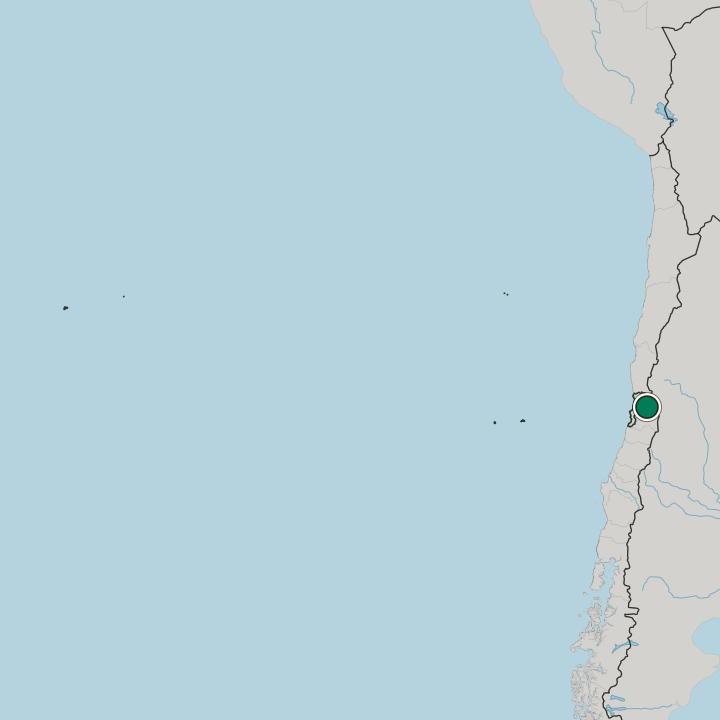
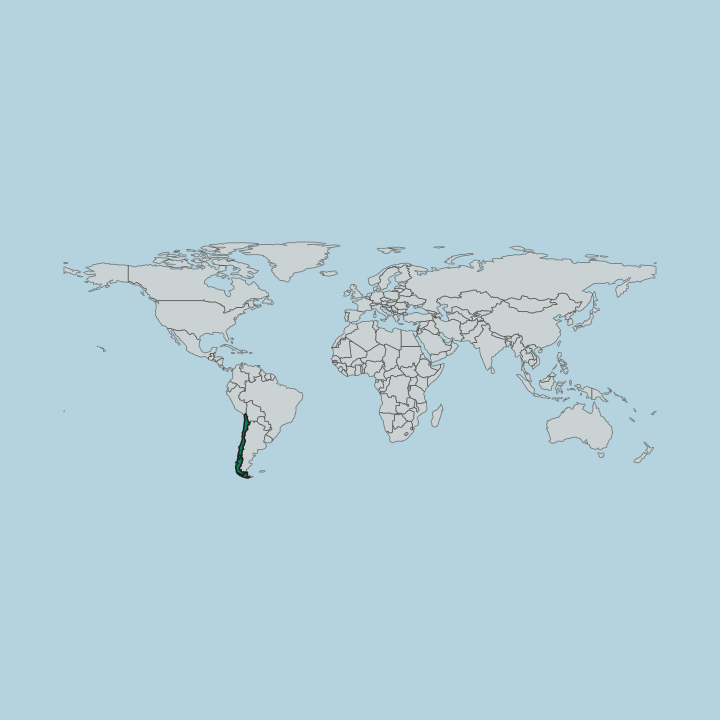
Mountains close the eastern horizon. Los Andes lies in the Aconcagua valley roughly 80 kilometres north of Santiago, with the Andes mountain range rising east toward the summit of the Uspallata Pass and the border with Argentina. Vineyards work the valley floor, and nevados stand on the skyline above them.
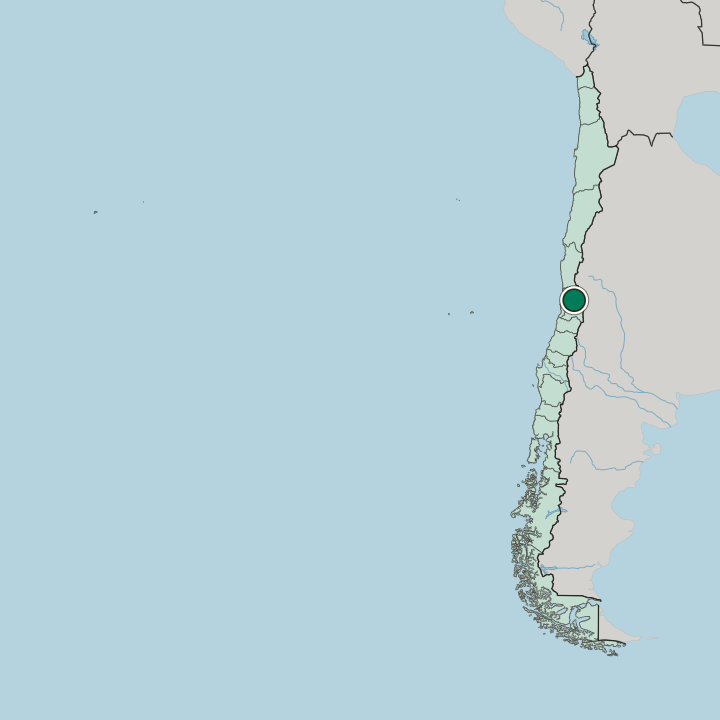
The town belongs to the Región de Valparaíso.
What is the climate of Los Andes?
The range sets the weather here. Los Andes sits in the subtropical band of the southern hemisphere, and the wall of the Andes east of the Aconcagua valley shapes what reaches the town more than any sea does. Snow sits on the nevados above the valley.
Seasons run opposite to those of the northern hemisphere.
How do you get to Los Andes?
Santiago is the usual start. The road north from Santiago reaches Los Andes in roughly 80 kilometres, and the same route carries on east through the Aconcagua valley to the Uspallata Pass and the crossing into Argentina. Up the valley, the Estación de ferrocarriles de Río Blanco del Ferrocarril Trasandino marks the rail line that took the same course.
The pass carries the border traffic.
Common questions
What is the best area to stay in Los Andes?
Centro histórico: Walkers doing the Museo Arqueológico de Los Andes and the old facades. The Río Blanco side: Drivers climbing east toward the Uspallata Pass. Out among the vineyards: Daytrips through the Aconcagua valley below the nevados.
Good for
More cities in Región de Valparaíso
Updated September 2026