Chile · Región de Valparaíso
Where to Stay in San Antonio, Región de Valparaíso
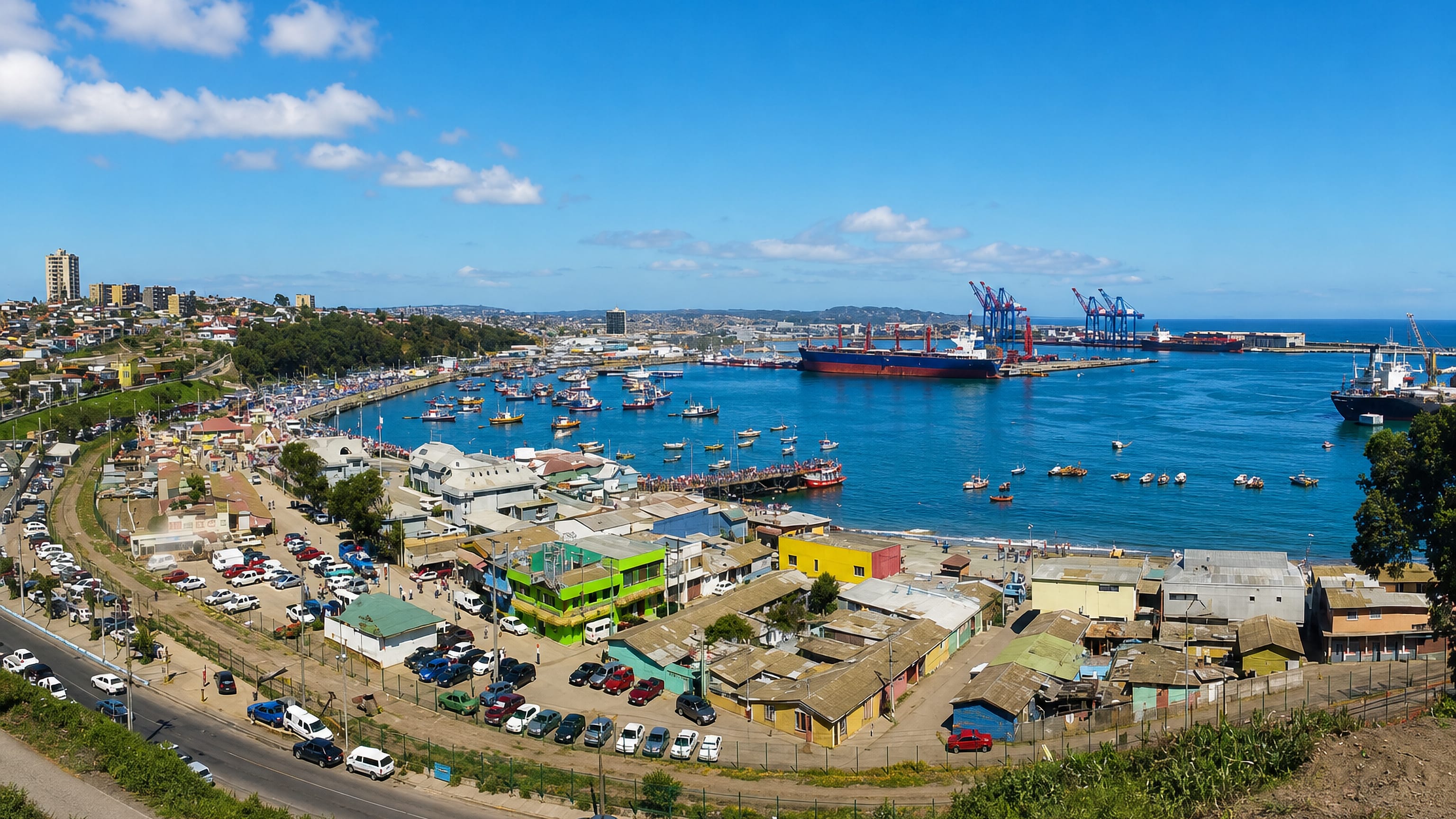
A Chilean port city and capital of San Antonio Province, San Antonio moves more freight than Valparaíso and anchors a long fishing coast.
Hotel links are affiliate links: booking through them may earn us a commission, at no extra cost to you. It never affects how places are ranked. How this works


Where to stay in San Antonio
Where the beds are, and what that means for the visit.
Port geography shapes the choice. A room near the working waterfront keeps Grúa 82 and the Museo de Historia Natural e Histórico de San Antonio within walking distance, which suits a short stay assembled around the museums rather than the shore. Casa Labbé stands on that side too.
The freight quays that displaced Valparaíso from first rank are not scenery, and a window facing them trades quiet for the plainest available explanation of why this commune exists at all. The coastal run offers the alternative. Cartagena marks one end of the fishing area San Antonio anchors and Rocas de Santo Domingo the other, so a bed along that line puts the shore ahead of the port and leaves the Casa Museo de Vicente Huidobro as the fixed cultural stop in between.
The Museo de Artes Decorativas Villa Lucía holds the decorative-arts collection. San Antonio Province conducts its administration from the city, which is where the practical supply of rooms concentrates, and the Valparaíso Region frame above it puts every one of these addresses within a single day's reach.
Find hotels in San Antonio
Direct booking searches for these neighbourhoods.
The waterfront, around Grúa 82
Grúa 82 and the Museo de Historia Natural e Histórico de San Antonio sit on the working side of the commune, close to the freight quays that took first rank from Valparaíso.Find hotels in The waterfront, around Grúa 82Shore days between Cartagena and the Casa Museo de Vicente HuidobroToward Cartagena along the fishing coast
Cartagena closes one end of the fishing area San Antonio anchors, and a bed on that run keeps the coast in front and the Casa Museo de Vicente Huidobro as the single cultural stop. Rooms are few around here — worth securing early.Find hotels in Toward Cartagena along the fishing coastWeekday visitors with San Antonio Province business and museum time at Villa LucíaThe provincial centre, near Casa Labbé
San Antonio Province administers from these blocks, where Casa Labbé and the Museo de Artes Decorativas Villa Lucía put two collections within the same short circuit as the offices.Find hotels in The provincial centre, near Casa LabbéHotel links are affiliate links: booking through them may earn us a commission, at no extra cost to you. It never affects how places are ranked. How this works
Things to do in San Antonio
Ranked by global recognition; descriptions from Wikidata (CC0).
Museums & Galleries
3- Casa Museo de Vicente Huidobro Heritage
- Museo de Historia Natural e Histórico de San Antonio
- Museo de Artes Decorativas Villa Lucía
Castles & Historic Sites
1- Grúa 82 Heritage
Landmarks & Notable Places
1- Casa Labbé Heritage
worth knowingacross 3 categories in San Antonio
About San Antonio
Freight decides the ranking.
What is San Antonio known for?
San Antonio overtook Valparaíso during the 21st century as Chile's main freight port, and the commune's working identity still rests on what crosses those quays rather than on any visitor attraction. Fishing supplies the second claim. The city acts as hub for the fishing area running along the Chilean coast from Rocas de Santo Domingo to Cartagena, while the Casa Museo de Vicente Huidobro gives the cultural side a name of its own.
What are the main landmarks in San Antonio?
The register is short and secular. The Museo de Historia Natural e Histórico de San Antonio covers natural history and the commune's own past under a single roof, while the Museo de Artes Decorativas Villa Lucía takes the decorative arts. Casa Labbé is a house.
The Casa Museo de Vicente Huidobro attaches Vicente Huidobro's name to a second building, and Grúa 82 completes a list on which no church appears at all.
What is the history of San Antonio?
San Antonio's founding year never made it into the record. San Antonio enters the register without the charter date that usually opens a Chilean city's account, and what stands in its place is a function: capital of San Antonio Province, inside the Valparaíso Region, on a shoreline already worked from both ends. The port supplied the rest of the story.
Cargo volumes climbed until the city passed Valparaíso during the 21st century, an inversion of rank between two ports on one stretch of coast that few Chilean cities can claim over a neighbour of that standing. Fishing ran alongside the cargo trade. The area San Antonio serves as hub reaches from Rocas de Santo Domingo to Cartagena, a coastal span that gives the commune an economy separate from the freight quays and older than their present volumes.
Buildings hold the quieter record. Casa Labbé and the Casa Museo de Vicente Huidobro preserve two addresses, the Museo de Historia Natural e Histórico de San Antonio keeps the documentary and natural-history material, and the Museo de Artes Decorativas Villa Lucía keeps the decorative arts, while Grúa 82 stands among them with no date set against it either. Dates are the thing the record lacks.
Where is San Antonio?
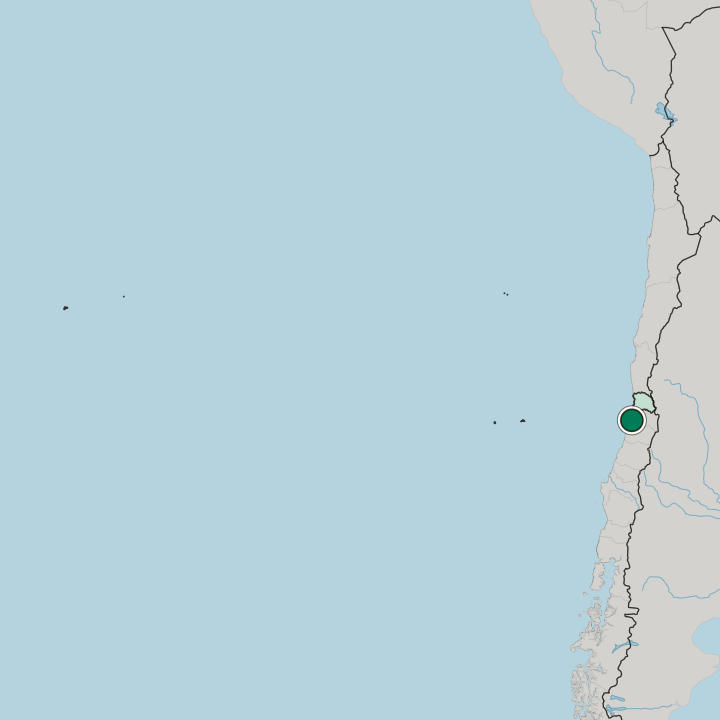
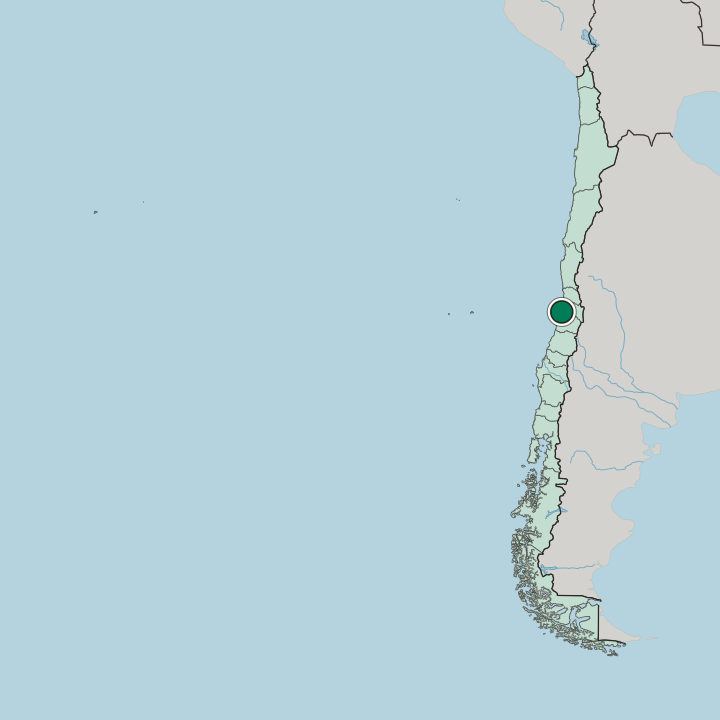
Shoreline does the organising here. San Antonio takes up a length of the Valparaíso Region coast as both port and commune, with Cartagena closing one end of the fishing area it anchors and Rocas de Santo Domingo the other. San Antonio Province surrounds the city.
The subtropical band covers the whole run, and Valparaíso lies along the same coastline as the port this one displaced from first rank.
What is the climate of San Antonio?
Sea air reaches every street. A commune set directly on the fishing coast between Rocas de Santo Domingo and Cartagena runs closer to the water's temperature than the subtropical band on its own would suggest, and that steadiness is what keeps the port working through the year. Seasons invert against Europe.
July falls in winter and January in summer, so quay-side afternoons and museum afternoons swap places on the calendar.
How do you get to San Antonio?
Cargo arrives before anyone else. San Antonio operates as Chile's main freight port, so goods cross quays that outrank Valparaíso's and visitors share the same approaches into the commune. The record names no airport.
Cartagena and Rocas de Santo Domingo mark the ends of the coastal run the city anchors, and San Antonio Province business accounts for much of the rest of the weekday traffic.
Common questions
What is the best area to stay in San Antonio?
The waterfront, around Grúa 82: Short stays pairing Grúa 82 with the Museo de Historia Natural e Histórico de San Antonio. Toward Cartagena along the fishing coast: Shore days between Cartagena and the Casa Museo de Vicente Huidobro. The provincial centre, near Casa Labbé: Weekday visitors with San Antonio Province business and museum time at Villa Lucía.
Good for
More cities in Región de Valparaíso
Updated September 2026