China · Chongqing Shi
Where to Stay in Chongqing, Chongqing Shi
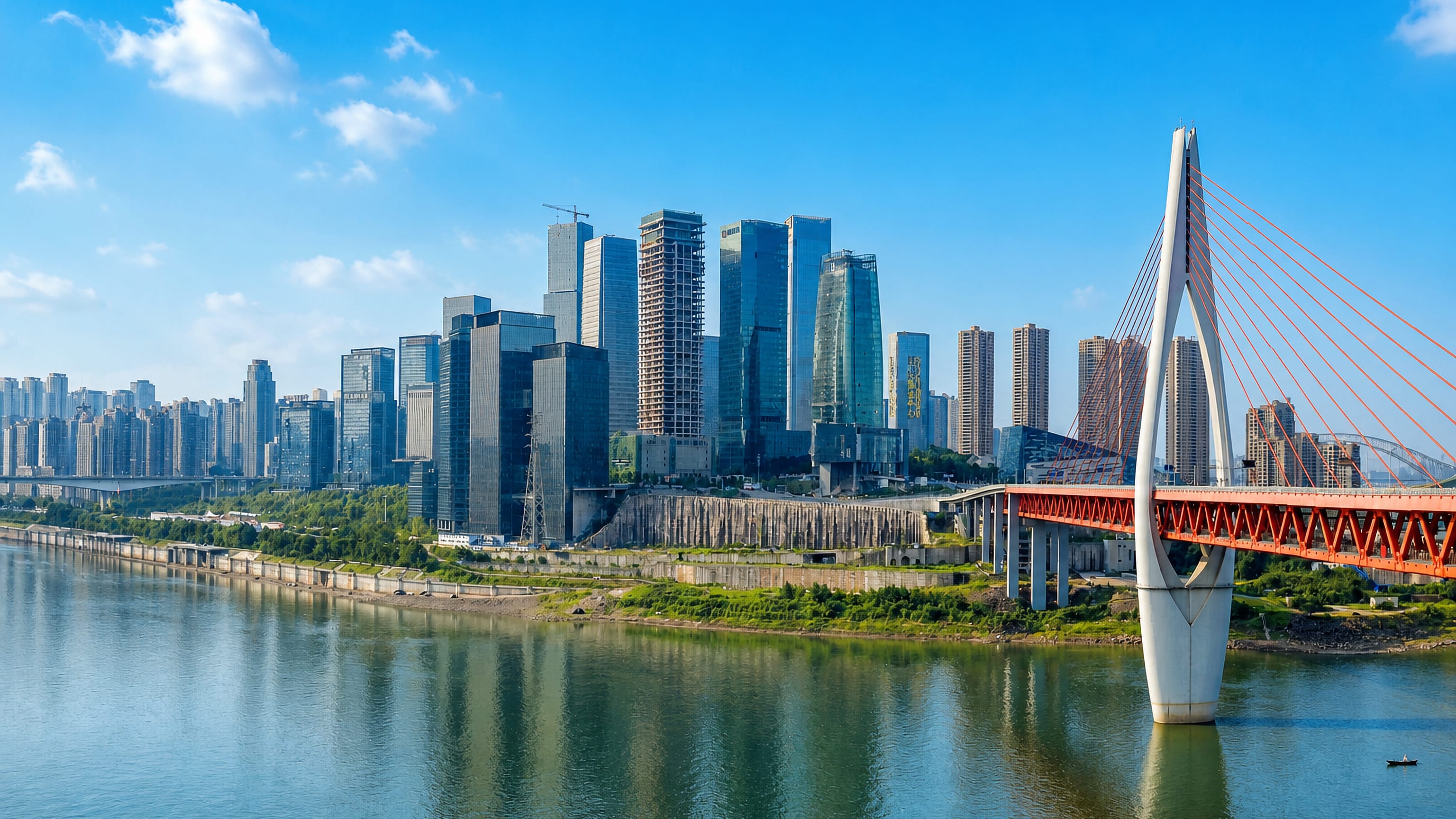
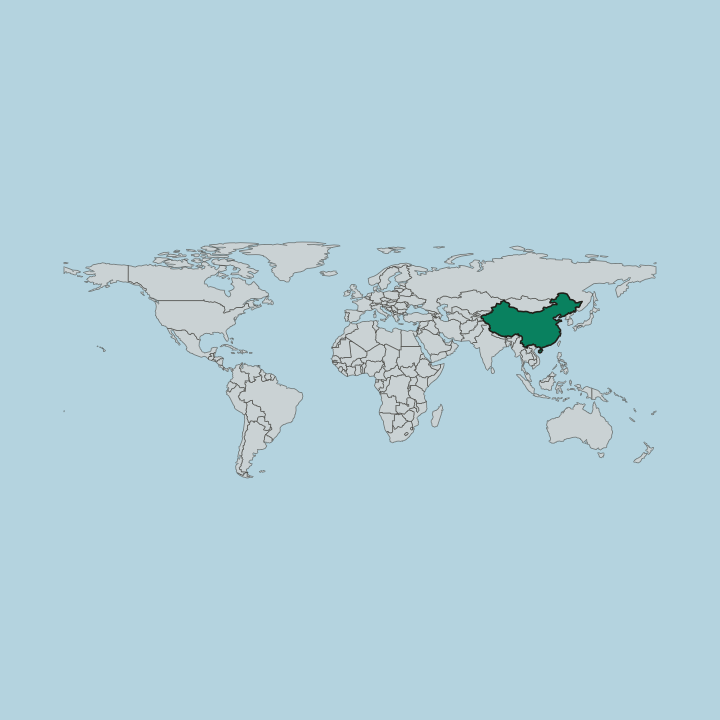
Chongqing rises on cliffs above the river at the head of the Three Gorges, a hill-built municipality in China known for the Eighteen Stairs.
Hotel links are affiliate links: booking through them may earn us a commission, at no extra cost to you. It never affects how places are ranked. How this works


Where to stay in Chongqing
Where you base yourself shapes the visit — here's the character of each area.
 ChongqingChina
Yuzhong District
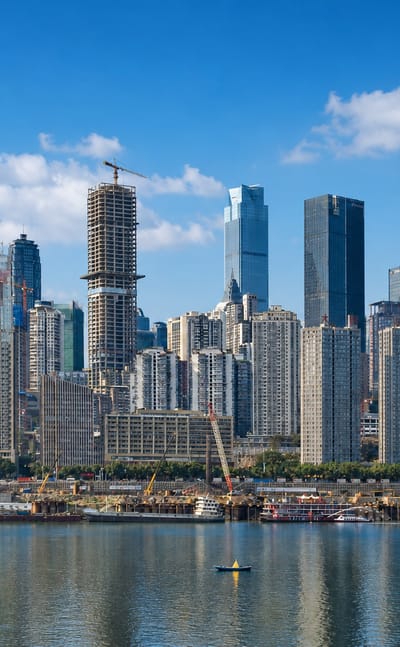
Yuzhong District is the compact central borough of Chongqing, packed with museums, churches and civic landmarks.Where to stay →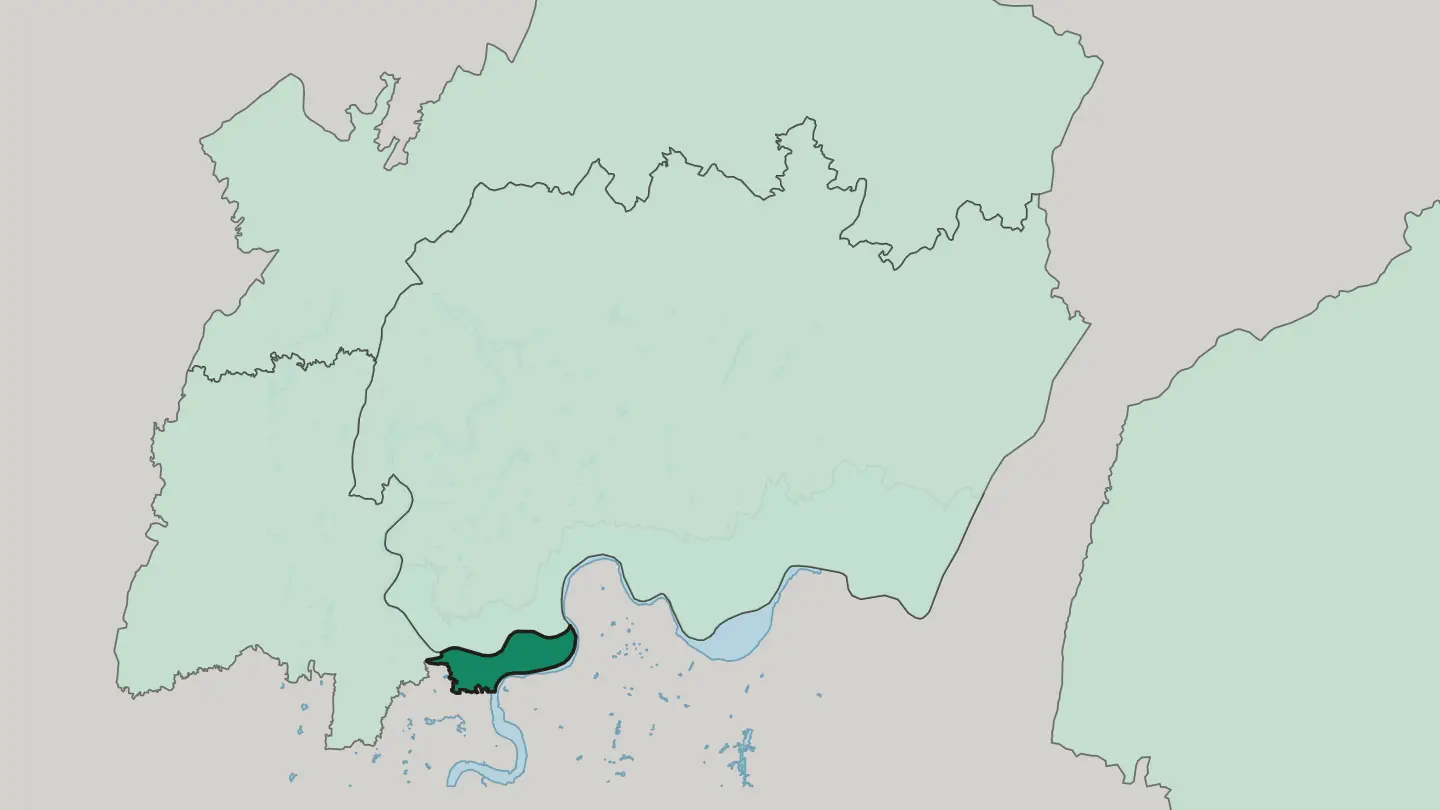
 ChongqingChina
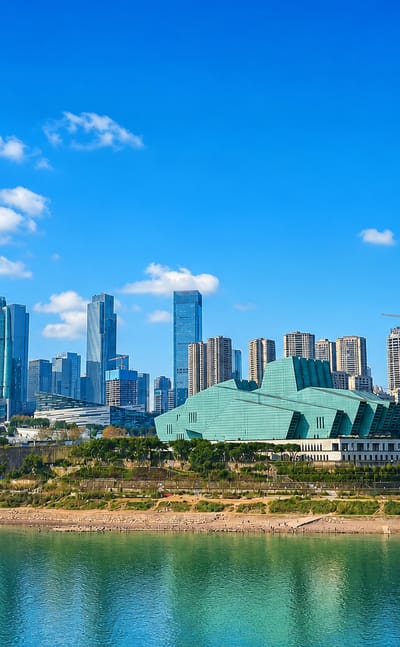
Jiangbei District
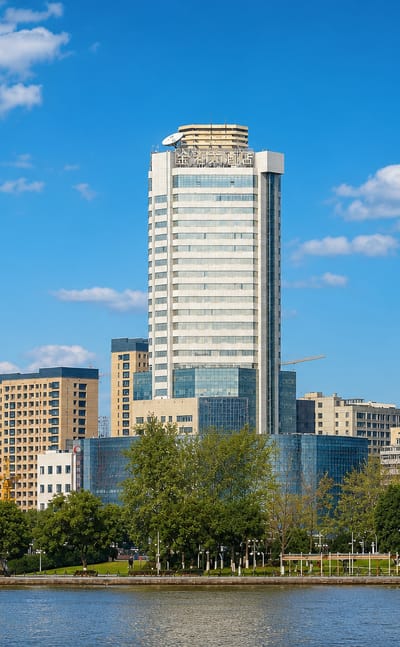
Jiangbei District is the north-bank borough of Chongqing, holding the Guanyinqiao shopping street and the Jiangbeizui riverfront.Where to stay →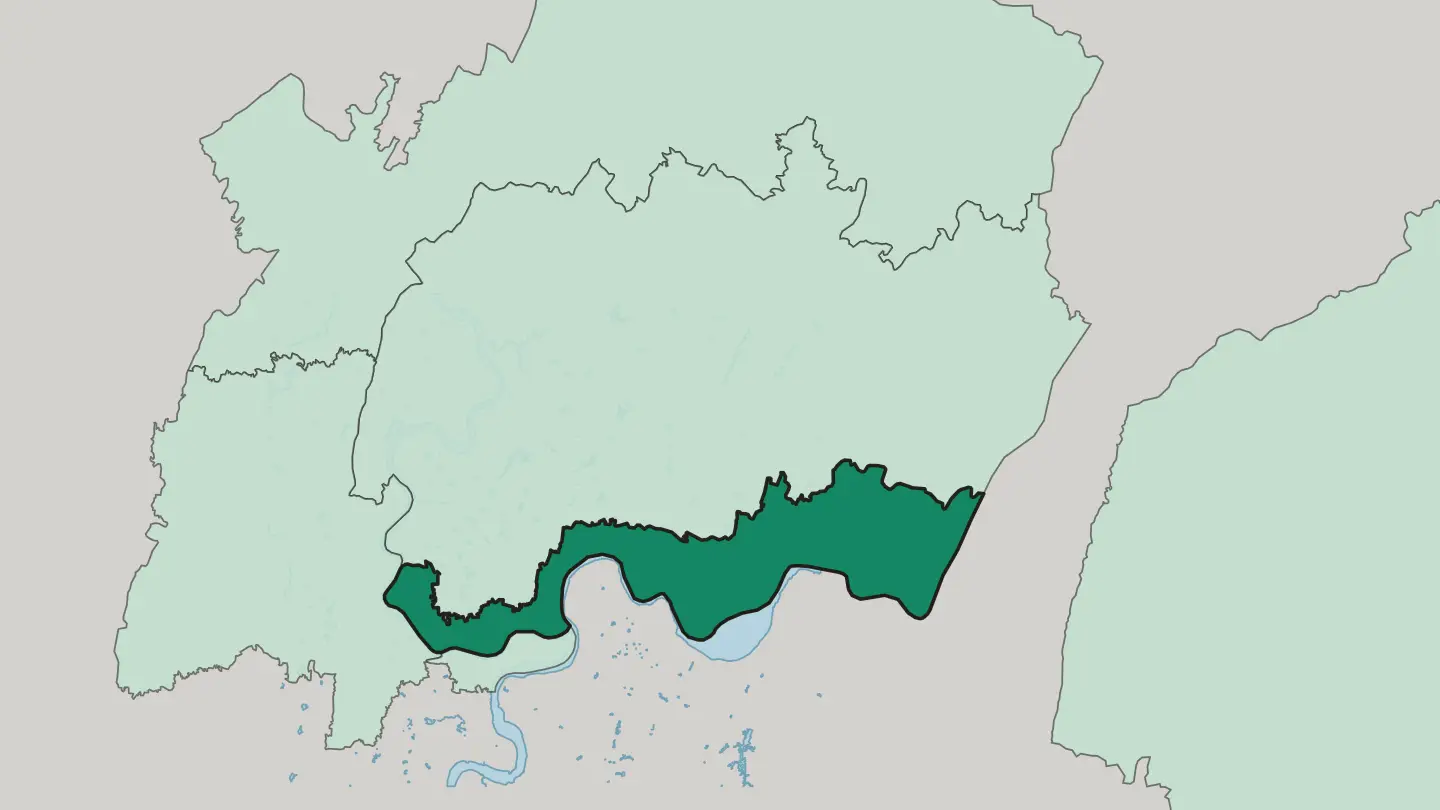
 ChongqingChina
Liangjiang New Area
Liangjiang New Area is Chongqing's state-level development zone between the Yangtze and Jialing rivers, spanning Jiangbei, Yubei and Beibei.Where to stay →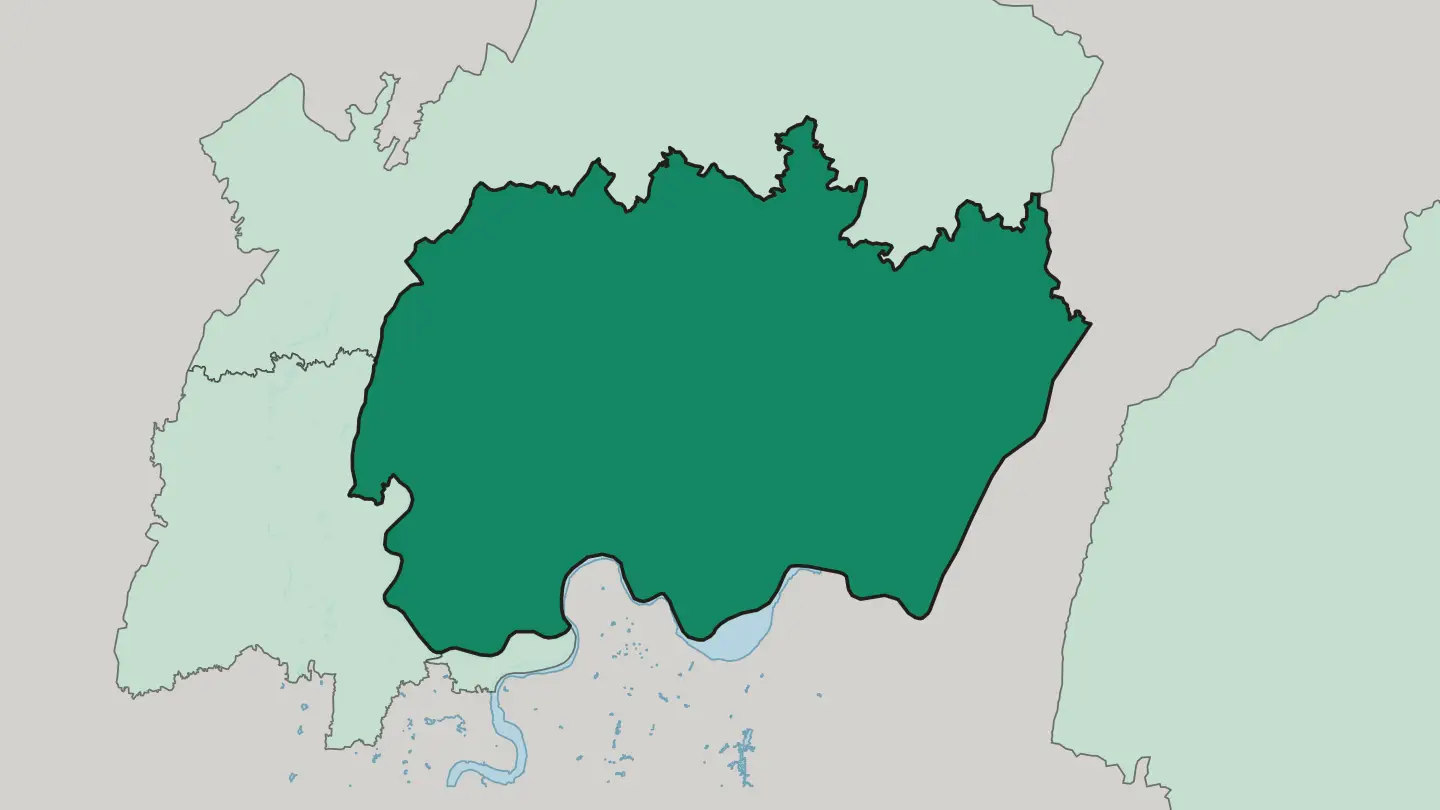
 ChongqingChina
Shapingba District
Shapingba District, 沙坪坝区, is an inland district of Chongqing, drawn together as a single administrative unit in 1939.Where to stay →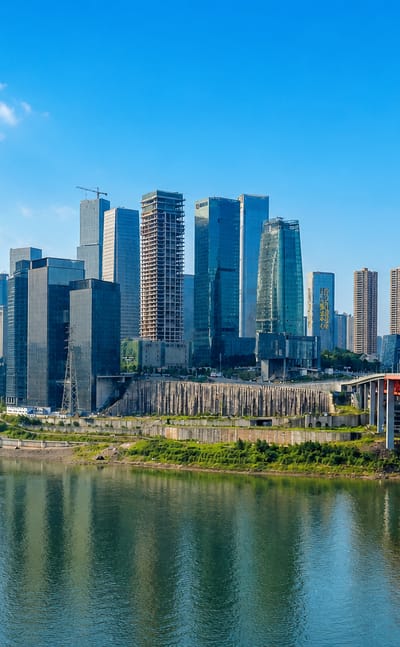 ChongqingChina
Beibei District
Beibei District is a satellite borough north of central Chongqing, on the west bank of the Jialing River below Jinyun Mountain.Where to stay →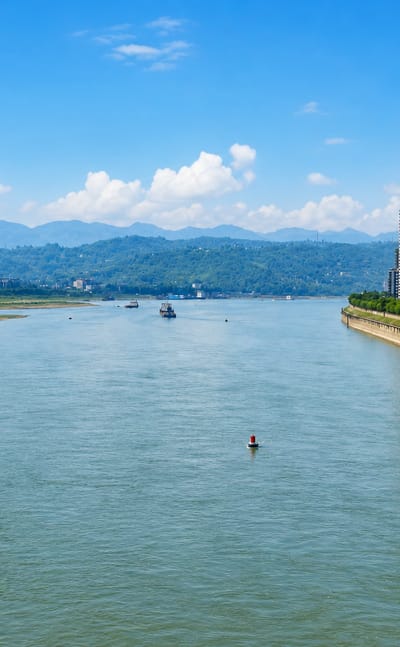 ChongqingChina
Jiangjin District
Jiangjin District is one of Chongqing's larger districts, a broad reach of subtropical hill country written in Chinese as 江津区.Where to stay →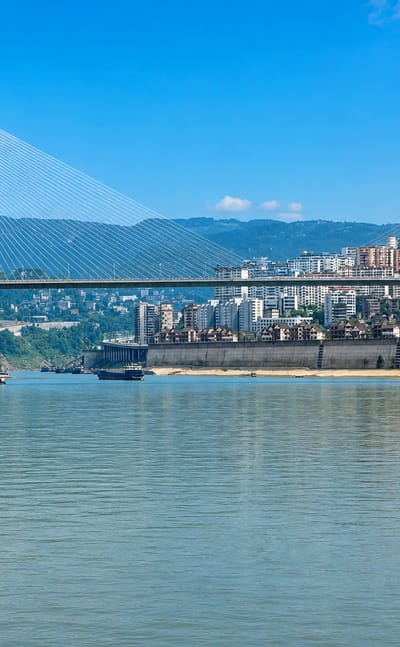 ChongqingChina
Fuling District
Fuling District is a borough of Chongqing where the Wu River joins the Yangtze, guarding White Crane Ridge.Where to stay → ChongqingChina
Fengdu County
Fengdu County is a riverside county of Chongqing, known for the Fengdu Ghost City temples on Ming Mountain above the Yangtze River.Where to stay → ChongqingChina
Wulong District
Wulong District is a broad rural district on the southern rim of Chongqing, China, reaching to the Guizhou line.Where to stay → ChongqingChina
Fengjie County
Fengjie County (奉节县) is an upland county on the eastern edge of Chongqing, deep in the interior of China.Where to stay → ChongqingChina
Wushan County
Wushan County is a subtropical county-district of Chongqing, China, keeper of the ancient Jiangdongzui site.Where to stay →Hotel links are affiliate links: booking through them may earn us a commission, at no extra cost to you. It never affects how places are ranked. How this works
Find hotels in Chongqing
Direct booking searches for these neighbourhoods.
The old peninsula core
the high central spur near the Three Gorges Museum and Saint Joseph's CathedralFind hotels in The old peninsula corewanderers after old stepped streets and street foodThe Eighteen Stairs quarter
the historic Eighteen Stairs, a stair-street of tiered shophousesFind hotels in The Eighteen Stairs quarternight views over the waterThe riverside terraces
hillside blocks below the Chongqing Art Museum, dropping toward the riverFind hotels in The riverside terracesHotel links are affiliate links: booking through them may earn us a commission, at no extra cost to you. It never affects how places are ranked. How this works
Things to do in Chongqing
Ranked by global recognition; descriptions from Wikidata (CC0).
Museums & Galleries
3- Stilwell Museum Heritage
- Three Gorges Museum
- Chongqing Art Museum
Churches & Religious Sites
3- Baidicheng Heritage
- Luohan Temple Heritage
- Zhang Fei Temple Heritage
Castles & Historic Sites
3- Diaoyu Fortress Heritage
- Mount Baoding Buddhist Sculptures Heritage
- Longgupo Cave Heritage
Nature & Outdoors
1- Mount Jinfo Heritage
worth knowingacross 4 categories in Chongqing
About Chongqing
What is Chongqing known for?
Chongqing is known as a mountain city of stairs, cliffs, and river fog, a municipality wrapped around the head of the Three Gorges. The land dictates the layout. Steep lanes like the Eighteen Stairs climb between levels, and the Three Gorges Museum gathers the story of the great river below.
Saint Joseph's Cathedral and the Stilwell Museum mark its foreign and wartime past. Hills shape every street.
What are the main landmarks in Chongqing?
Chongqing gathers its landmarks on the ridges and stairs of the old city. The Three Gorges Museum holds the record of the great river and the gorges downstream, while the Stilwell Museum recalls the wartime years. The Eighteen Stairs and Baixiangju preserve the old stepped streets and courtyards.
Saint Joseph's Cathedral and Saint Thérèse of Lisieux Church rise among them. Stone steps lead everywhere.
What is the history of Chongqing?
Chongqing grew as a river port and market town on the high ground above the gorges, long before it was made a municipality in 1929. The river built it. Trade moved up and down the gorges of the great river, and goods changed hands on the steep landings below the town, where stair-streets like the Eighteen Stairs still climb from the water.
Foreign missions arrived in the treaty era, leaving Saint Joseph's Cathedral and Saint Thérèse of Lisieux Church among the lanes. War changed the city next. During the Second World War, Chongqing became a refuge and a command post, a story kept at the Stilwell Museum in the former quarters of an allied general.
The city swelled with people fleeing the fighting on the coast, and its cliffs and caves offered shelter. Afterward it kept building upward and outward, and the Three Gorges Museum later gathered the heritage of the river valleys flooded downstream. Old courtyards like Baixiangju held on between the new concrete blocks.
The Chongqing Art Museum and the Chongqing Science and Technology Museum mark its modern turn. Layer by layer, the city rose.
Where is Chongqing?
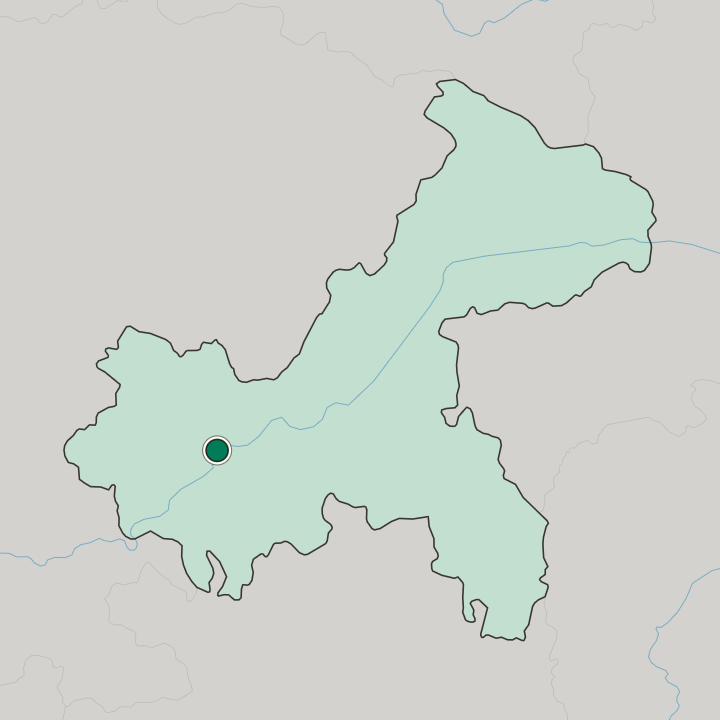
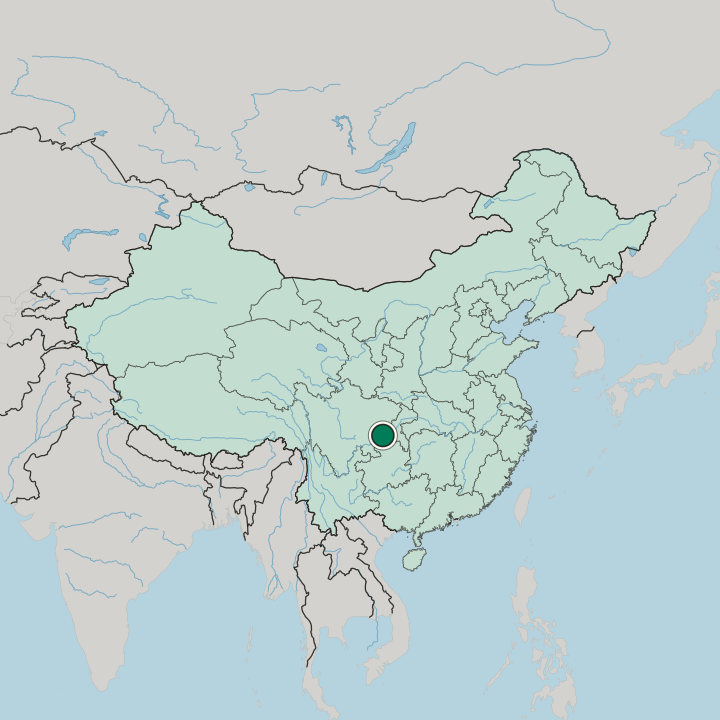
Chongqing sits on high, folded ground at the head of the Three Gorges, where the river carves down through the hills. The city rides a spine of ridges and cliffs, its streets stacked in tiers linked by stairs and lifts. The river and deep ravines cut the built-up land into fingers of high ground.
Chongqing Shi, the vast surrounding municipality, spreads over mountains and farmland inland. The land goes straight up.
What is the climate of Chongqing?
Chongqing has a humid subtropical climate, hemmed in by the hills of Chongqing Shi that trap the heat and the fog. Summers turn fierce. Long, sticky months bake the tiered streets, giving the city its reputation as a furnace on the river.
Winters are mild, grey, and often wrapped in fog that settles over the Three Gorges. Spring comes damp and green.
How do you get to Chongqing?
Chongqing is reached by air, rail, road, and river, though its terrain turns every arrival into a climb up from the water or down from the ridges. Trains tunnel in. Ships work the great river, carrying passengers down through the Three Gorges toward the distant coast.
Bridges and tunnels stitch the split-level city across the ravines of Chongqing Shi. Height rules the map.
Common questions
What is the best area to stay in Chongqing?
The old peninsula core: first-timers who want the sights and river views. The Eighteen Stairs quarter: wanderers after old stepped streets and street food. The riverside terraces: night views over the water.
Good for
Updated October 2026