China · Fujian
Where to Stay in Fuqing, Fujian
Fuqing is a county-level city of Fujian under Fuzhou, an industrial place holding Wanfu Temple, Longjiang Bridge and the Ruiyan Mile Statue.
Hotel links are affiliate links: booking through them may earn us a commission, at no extra cost to you. It never affects how places are ranked. How this works


Where to stay in Fuqing
Where the beds are, and what that means for the visit.
Work comes before tourism in Fuqing. Beds here serve business as much as sightseeing, since the place runs on manufacturing under the administration of Fuzhou and visitor traffic makes up a smaller share of the total. The centre is compact enough.
A room near Longjiang Bridge puts the crossing, the shops and the ordinary evening streets inside a walk, which suits a short stay better than anything further out does. Wanfu Temple is the other pole. Staying toward the temple trades the convenience of the centre for quiet and for early access to the one site in Fuqing that people travel specifically to see.
Fuzhou is always an option. The prefecture-level city has far more rooms, and since Fuqing falls inside its administrative area, basing there and coming down for the day is a reasonable plan rather than a compromise. Ruiyan rounds out the map.
If you want the Ruiyan Mile Statue, Wanfu Temple and Longjiang Bridge in one day without long drives between them, a central bed inside Fuqing's nineteen hundred square kilometres is the efficient choice.
Find hotels in Fuqing
Direct booking searches for these neighbourhoods.
The Longjiang Bridge centre
Fuqing's compact core beside Longjiang Bridge, where the shops and the working city sit togetherFind hotels in The Longjiang Bridge centreEarly mornings at the temple before the working city startsWanfu Temple
The quieter side of Fuqing around Wanfu Temple, the one site people travel specifically to reach. Few places to stay nearby — book ahead.Find hotels in Wanfu TempleVisitors making the Ruiyan Mile Statue their first stopRuiyan
The ground around the Ruiyan Mile Statue, out from Fuqing's centre and off the temple route. Rooms are few around here — worth securing early.Find hotels in RuiyanBusiness trips wanting a larger city's rooms in the same administrative areaFuzhou
The prefecture-level city that administers Fuqing, with a fuller bed base than the county-level city holdsFind hotels in FuzhouHotel links are affiliate links: booking through them may earn us a commission, at no extra cost to you. It never affects how places are ranked. How this works
About Fuqing
Industry and old stone share the ground.
What is Fuqing known for?
Fuqing works as a manufacturing city inside the administrative area of Fuzhou, and the three sites it is listed for, Wanfu Temple, Longjiang Bridge and the Ruiyan Mile Statue, predate that working role by a wide margin. Three names cover it. Wanfu Temple draws the most visitors, Longjiang Bridge stands as the one crossing on the register, and the Ruiyan Mile Statue gives Fuqing a second reason to stop.
What are the main landmarks in Fuqing?
Three sites make the register. Wanfu Temple is the substantial one, a temple that gives Fuqing its clearest reason to be visited rather than merely worked in. Longjiang Bridge is the second.
The Ruiyan Mile Statue completes a very short list, which is unusual for a county-level city holding nineteen hundred square kilometres of Fujian and says something about how much of Fuqing was built for production rather than for display.
What is the history of Fuqing?
Fuqing answers to several spellings. The Chinese Fuqing is Fúqīng in pinyin and Fu2-ch'ing1 in Wade-Giles, while the Foochow Romanized form gives Hók-chiăng and the name also travels as Hokchia. Sound explains the spread.
Each of those systems was written down by people trying to catch the same syllables in a different alphabet, and the local pronunciation of Fujian speech is what separates one from another. The built record is older than the industry. Wanfu Temple stands as the principal survivor, and Longjiang Bridge belongs to the era when a crossing was the thing a settlement organized itself around.
The Ruiyan Mile Statue is the third. A statue of that kind is the sort of marker that outlasts the arrangements it was made under, and it stays on the register in a city whose working life has since moved to manufacturing. Industry arrived later than any of it.
Factories reshaped what Fuqing does day to day without displacing the three sites, which stand inside a city organized around production. Administration came from Fuzhou. Fuqing is a county-level city under that prefecture-level city, one step below it in the structure of Fujian Province, and the arrangement leaves Fuqing its own name, its own register of sites and its own centre.
Where is Fuqing?
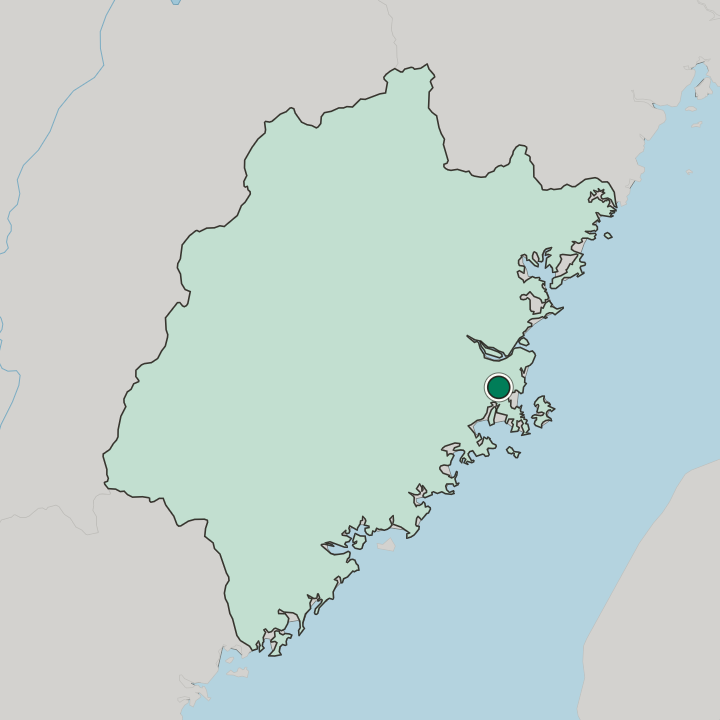
Fuqing covers nineteen hundred square kilometres. That territory lies in the subtropical band north of the equator inside Fujian Province, and it answers administratively to Fuzhou rather than standing on its own. The centre is small against it.
Wanfu Temple, Longjiang Bridge and the Ruiyan Mile Statue are spread through that ground instead of clustered, so moving between them is a matter of roads rather than streets.
What is the climate of Fuqing?
The subtropical belt of Fujian sets the year. Fuqing sits north of the equator within it, which keeps the cold end of the calendar short and the damp end long, and it is the same year that runs across the rest of Fuzhou's administrative area. Stone weathers slowly here.
Wanfu Temple and Longjiang Bridge have taken that humidity for a long time, and the Ruiyan Mile Statue stands out in the open through all of it.
How do you get to Fuqing?
Most routes come through Fuzhou. Fuqing sits inside that prefecture-level city's administrative area, so arrivals generally pass the larger centre first before turning down to the county-level city itself. Longjiang Bridge marks the middle.
From there the roads run out across Fuqing's nineteen hundred square kilometres toward Wanfu Temple and the Ruiyan Mile Statue, neither of which is a walk from the built-up middle of this county-level city of Fujian.
Common questions
What is the best area to stay in Fuqing?
The Longjiang Bridge centre: Short stays that keep the crossing and the evening streets underfoot. Wanfu Temple: Early mornings at the temple before the working city starts. Ruiyan: Visitors making the Ruiyan Mile Statue their first stop. Fuzhou: Business trips wanting a larger city's rooms in the same administrative area.
More cities in Fujian
Updated September 2026