China · Fujian
Where to Stay in Xiamen, Fujian
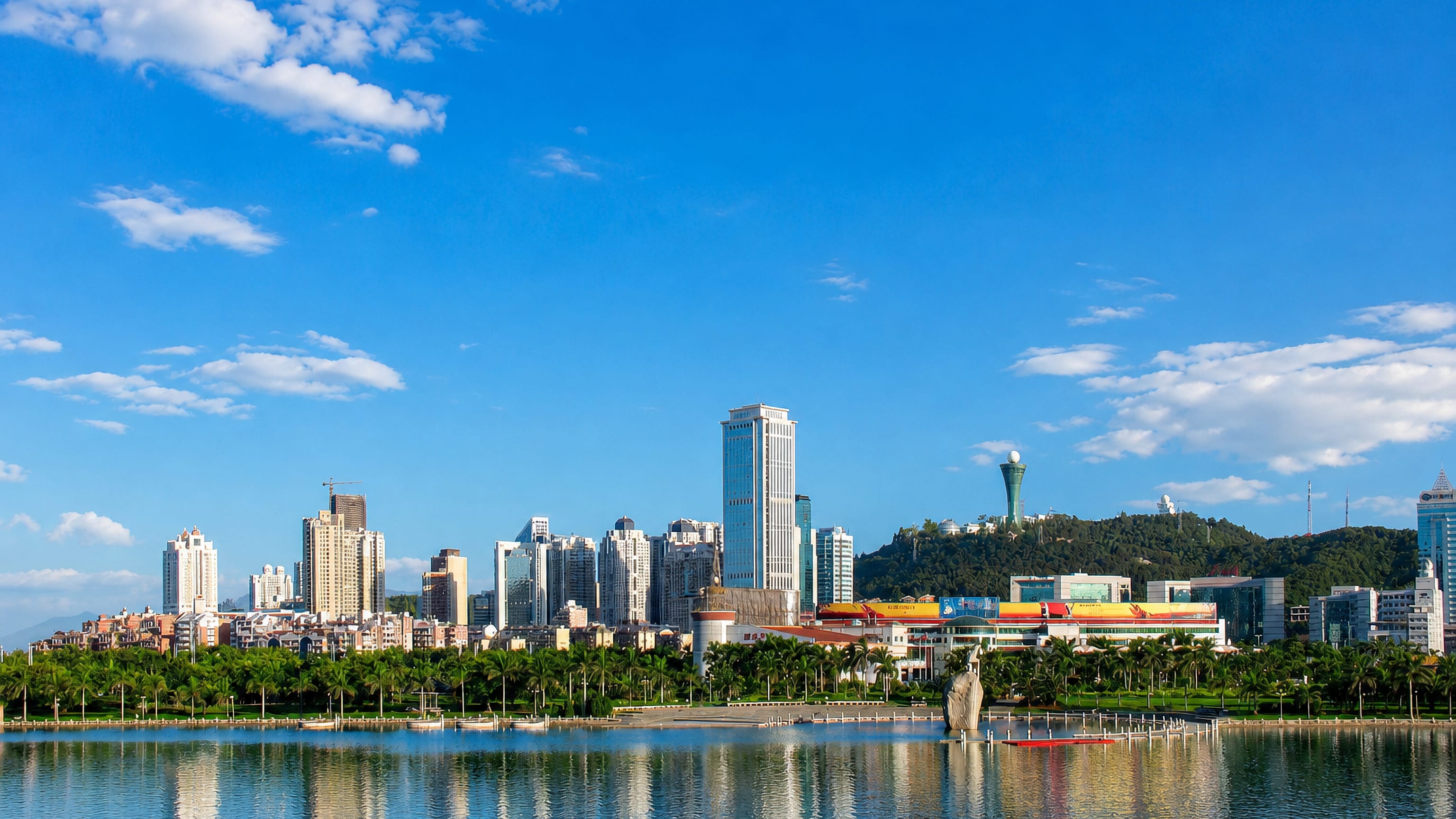
Sea light fills the harbour at Xiamen, an island city in Fujian, known for Gulangyu and the South Putuo Temple.
Hotel links are affiliate links: booking through them may earn us a commission, at no extra cost to you. It never affects how places are ranked. How this works


Where to stay in Xiamen
The practical side of choosing where to sleep.
Where a traveller stays in Xiamen turns on the water, because the city sits on an island in Fujian and its best-known quarters ring the harbour rather than a single inland core. The islet of Gulangyu carries the colonnaded villas, gardens, and old consulates across a short crossing, and a stay there trades cars for lanes and sea air. The islet is pedestrian throughout.
Around Gulangyu and Shuzhuang Garden, guesthouses fill the treaty-era buildings within walking reach of the shore, keeping the old harbour town on the doorstep. On the main island, the district below the hills gathers the South Putuo Temple, the Xiamen Museum, and the Xiamen University campus, a livelier base with the temple and the sea walk close by. Hulishan Fort stands out along the southern shore, where the old gun batteries look across the strait.
Beyond the centre, the newer districts spread inland across the island. A short ferry or ride ties the quarters together, so a bed near the university is rarely far from Gulangyu that gives Xiamen its shape.
Find hotels in Xiamen
Direct booking searches for these neighbourhoods.
Gulangyu islet
The islet of Gulangyu gathers guesthouses in its treaty-era villas near Shuzhuang Garden, a pedestrian quarter set across the water from the main island of Xiamen.Find hotels in Gulangyu isletBest if you want the South Putuo Temple, the campus, and the sea walk close by, with the ferries to Gulangyu a short ride off.University and temple district
The district below the hills gathers hotels near the South Putuo Temple, the Xiamen Museum, and the Xiamen University campus on the main island of Xiamen.Find hotels in University and temple districtHotel links are affiliate links: booking through them may earn us a commission, at no extra cost to you. It never affects how places are ranked. How this works
Things to do in Xiamen
Ranked by global recognition; descriptions from Wikidata (CC0).
Museums & Galleries
2- Gulangyu Organ Museum
- Xiamen Museum
Churches & Religious Sites
2- Church of Christ the King Heritage
- Trinity Church, Gulangyu Heritage
Nature & Outdoors
1- Gulangyu UNESCO
Stadiums & Sports
1- Xiamen Olympic Sports Center
Parks & Gardens
1- Xiamen Botanical Garden
worth knowingacross 5 categories in Xiamen
About Xiamen
What is Xiamen known for?
Xiamen is known as an island port of Fujian, famed for the small islet of Gulangyu and the temples and forts that ring its harbour. The sea defines the city. Gulangyu carries the colonnaded villas and consulates of the treaty-port era across the water, while the South Putuo Temple sits below the hills and Hulishan Fort guards the old approaches.
The Xiamen University campus and Jimei School Village add to its schooling heritage.
What are the main landmarks in Xiamen?
Xiamen's landmarks ring the harbour and cross the water to Gulangyu. On the islet stand the Modern Architectures on Kulangsu, the villas and consulates of the treaty era, along with Shuzhuang Garden and the Gulangyu Organ Museum. The main island holds more.
Below the hills, the South Putuo Temple keeps its ground, Hulishan Fort guards the southern shore, and the Early Buildings of Jimei School Village and Xiamen University, together with the Xiamen Museum, carry the schooling and civic heritage of the Fujian port.
What is the history of Xiamen?
Xiamen grew as an island port on the Fujian coast, its harbour long tied to maritime trade and defence. Hulishan Fort guarded the southern approaches with heavy gun batteries, part of the coastal works that watched the strait. The sea set the terms.
Merchants came first and foreign trade followed, and the small islet of Gulangyu across the water filled with the consulates and villas now grouped as the Modern Architectures on Kulangsu. The treaty-port decades left the deepest mark on Gulangyu, where colonnaded houses, churches, and gardens such as Shuzhuang Garden rose along the lanes. Schooling came to shape the city too, and the Early Buildings of Jimei School Village and Xiamen University record a founder's ambition to plant learning on the coast.
Faith held its place beside trade. The South Putuo Temple continued below the hills through those changes, and the Xiamen Museum now gathers the record of the island port, keeping the older Xiamen legible as newer districts spread inland across Fujian.
Where is Xiamen?
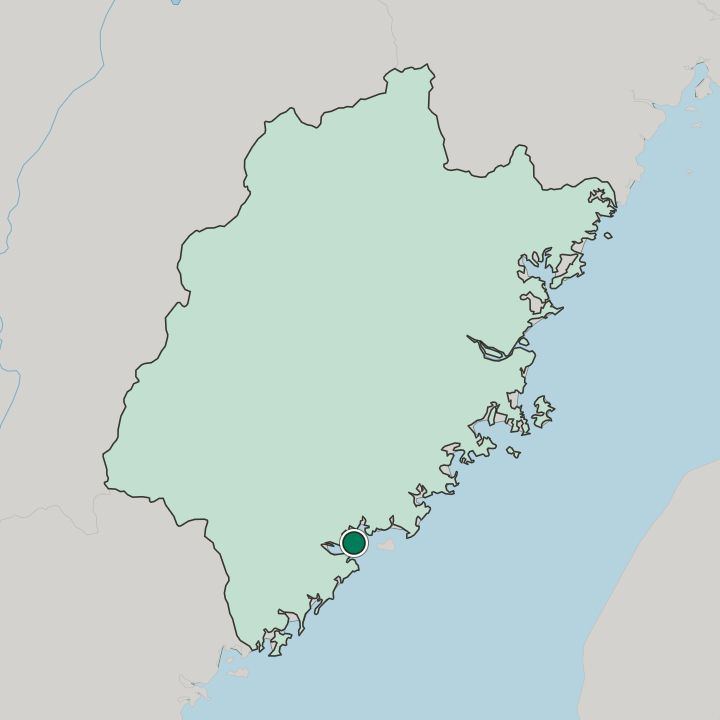
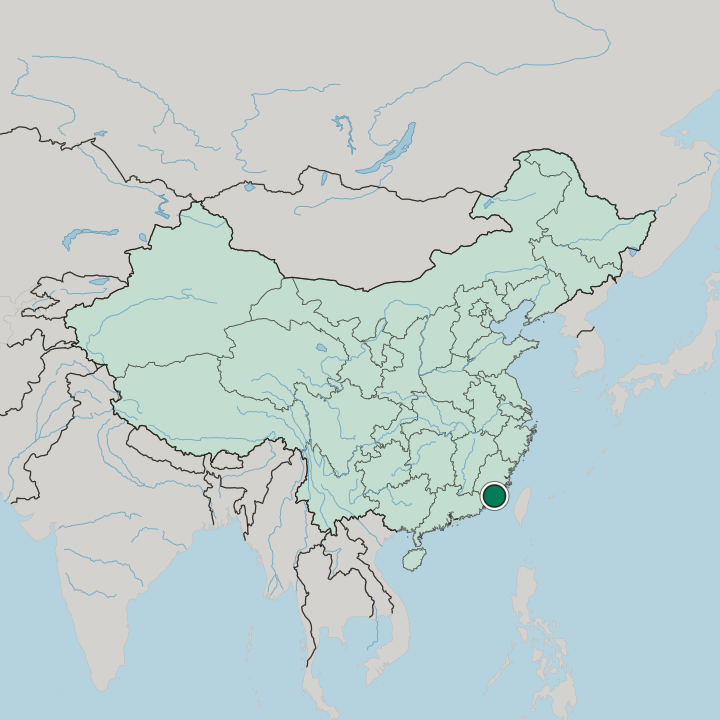
Xiamen sits on an island off the south-eastern coast of Fujian, set in a sheltered harbour beside the sea. Hills rise across the island. The main island climbs from the shore toward wooded heights, while the smaller islet of Gulangyu lies a short crossing offshore, and the strait separates the built-up shore from the mainland.
This island setting gave the port a defensible harbour and its outlook to the sea, tying Xiamen more to the water than to the hills of inland Fujian.
What is the climate of Xiamen?
Xiamen has a humid subtropical climate on the Fujian coast, with long warm summers and short mild winters. The sea keeps it temperate. Rain concentrates in the warm months, when the storm season sweeps in off the south-eastern shore, while winters stay mild and the harbour rarely turns cold.
Spring and autumn bring the drier, gentler spells that best suit the ferry crossings and the lanes of Gulangyu around Xiamen.
How do you get to Xiamen?
Xiamen lies at the seaward end of the coastal rail and road corridor of Fujian, its island linked to the mainland by bridges and causeways. Causeways carry the line onto the island. The coastal line ties the port to Fuzhou up the seaboard, and the crossings carry road and rail onto the island from the mainland side.
Ferries link the main island to Gulangyu across the harbour, the short water hop that stitches the two parts of Xiamen together.
Common questions
What is the best area to stay in Xiamen?
Gulangyu islet: Best if you want car-free lanes, sea air, and the old villas around Shuzhuang Garden, and accept a ferry to reach the main island.. University and temple district: Best if you want the South Putuo Temple, the campus, and the sea walk close by, with the ferries to Gulangyu a short ride off..
Good for
More cities in Fujian
Updated September 2026