China · Fujian
Where to Stay in Putian, Fujian
Putian is a coastal city in Fujian, southeastern China, the birthplace of the sea goddess Mazu.
Hotel links are affiliate links: booking through them may earn us a commission, at no extra cost to you. It never affects how places are ranked. How this works


Where to stay in Putian
Where the beds are, and what that means for the visit.
Where you stay in Putian turns on the city or the island. The town centre on the plain keeps the temples, the markets, and the stations within reach, and staying downtown suits anyone here for the city. The old halls stand among the streets.
Rooms sit near the temple gates. Out on Meizhou island the inns gather by the great shrine. A room on the island lets you see the temple at dawn and the sea beyond, away from the city.
The strait shines past the edge. If you want the temples and the markets, stay in the city; if you want the shrine, take a room on Meizhou. Either way, the coast is close at hand.
Find hotels in Putian
Direct booking searches for these neighbourhoods.
The city centre
On the plain within reach of the Guanghua Temple and marketsFind hotels in The city centreStays wanting the Mazu shrine and the seaMeizhou island
By the ancestral Mazu temple, to see it at dawnFind hotels in Meizhou islandHotel links are affiliate links: booking through them may earn us a commission, at no extra cost to you. It never affects how places are ranked. How this works
About Putian
Putian is the birthplace of Mazu, the goddess of the sea.
What is Putian known for?
On the island of Meizhou nearby stands her ancestral temple, the mother shrine of all the Mazu temples across the seas, and pilgrims come from far to burn incense there, while the city keeps old Buddhist halls and an ancient stone weir on its plain. Fishing boats crowd the coast. Goddess and sea mark the city.
What are the main landmarks in Putian?
The Mazu temple crowns Meizhou island off Putian. The ancestral shrine of the sea goddess draws pilgrims from across the world, the emblem of the city, above the strait. Old halls fill the plain.
The Guanghua Temple and its pagodas stand among the towns, while the ancient Mulan weir still holds back the river on the fertile plain.
What is the history of Putian?
Putian is bound to the goddess of the sea. Long ago, the story goes, a girl named Lin Moniang lived on Meizhou island and saved sailors from the storms, and after her death she was worshipped as Mazu, the guardian of seafarers. Her fame spread with the ships.
As Fujian sailors carried her worship across the oceans, temples to Mazu rose in every port of the Chinese seas, and Meizhou became the mother shrine of them all. The plain was tamed by patient work. Farmers built the great Mulan weir across the river long ago, and it watered the fields and made the plain rich, feeding a crowded coast.
The city grew by faith and the sea. Buddhist temples and pagodas rose among the towns, and Putian sent its people out as sailors, merchants, and monks across the world. The pilgrims still cross to Meizhou.
Putian keeps its goddess and its temples on the Fujian coast.
Where is Putian?
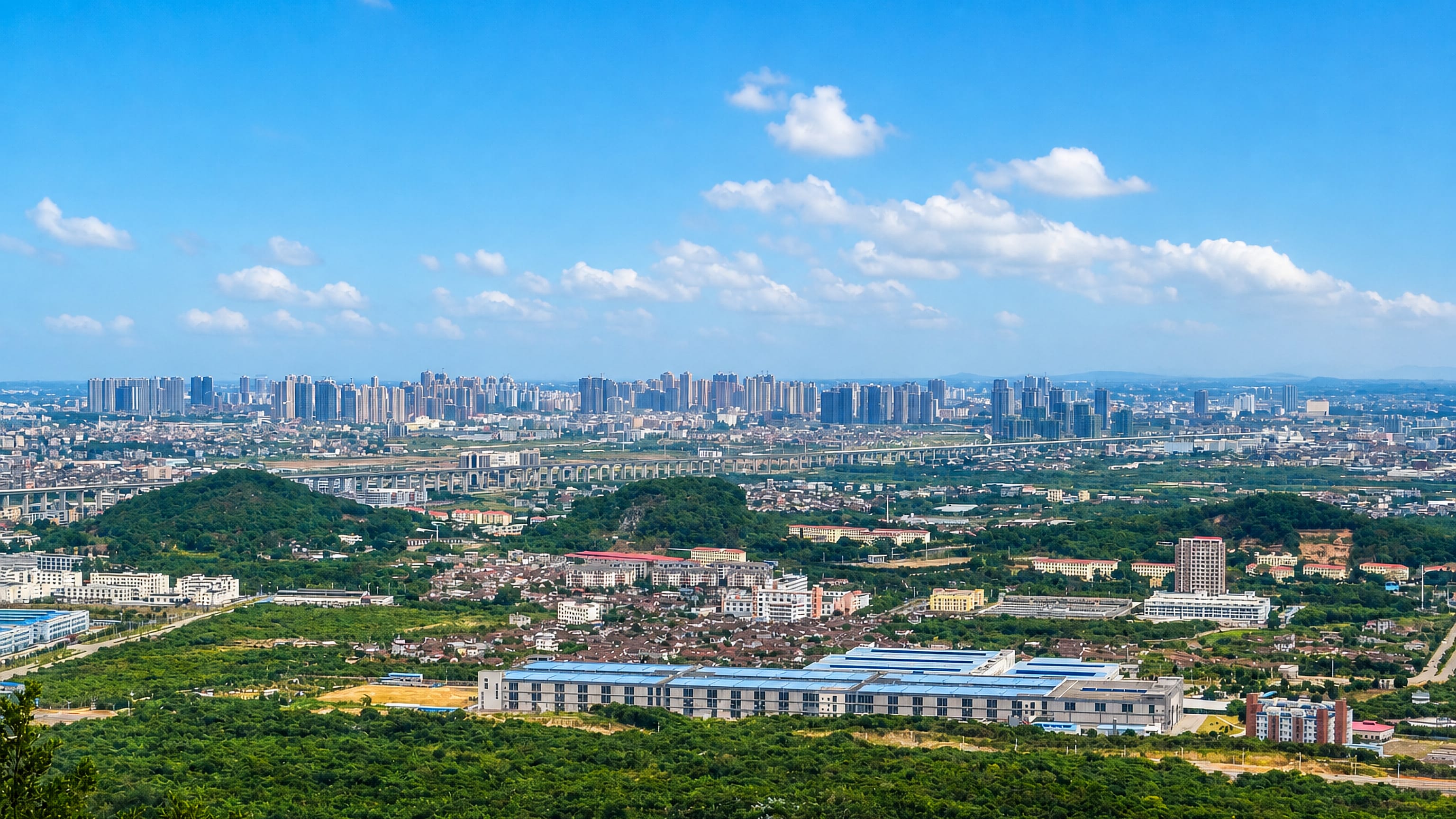
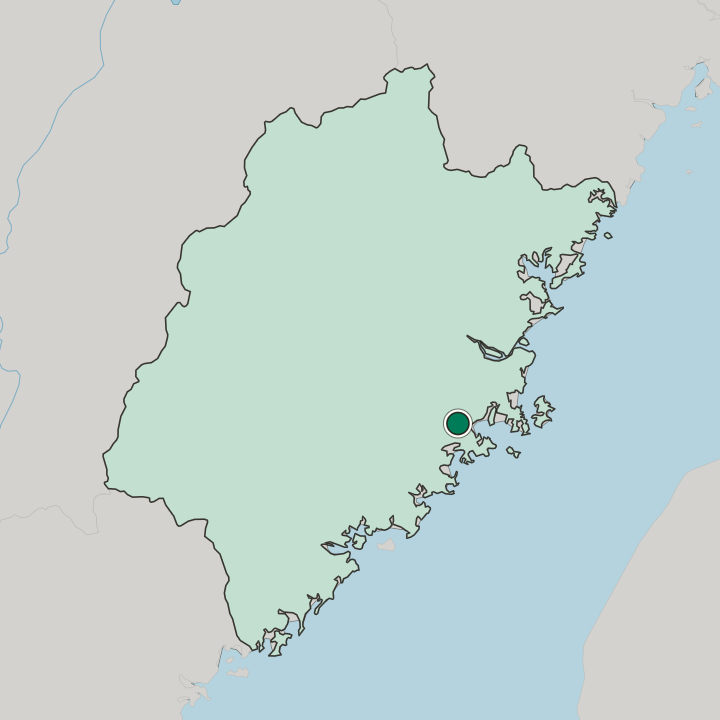
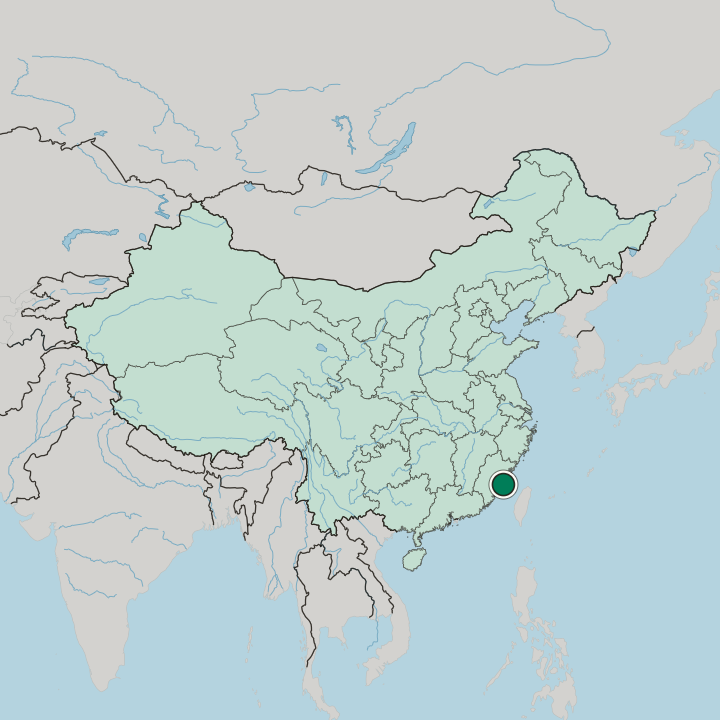
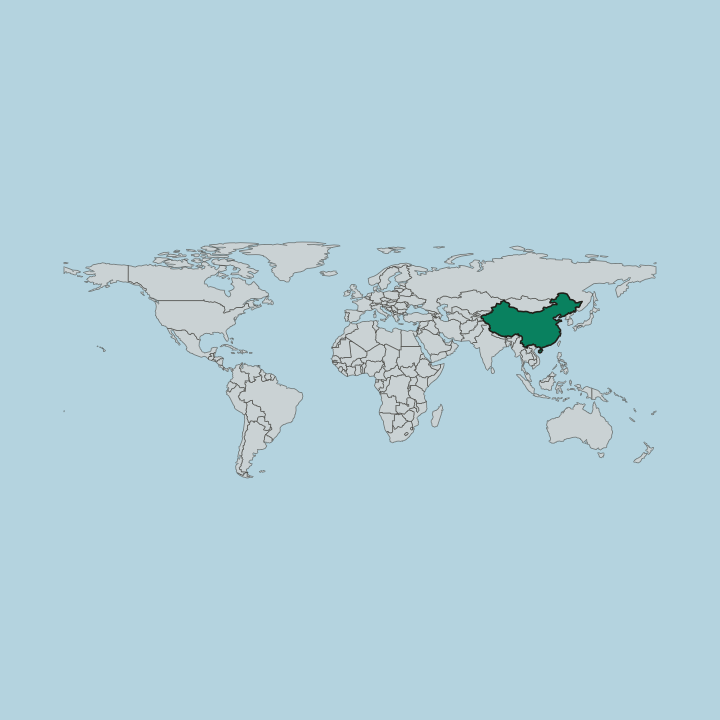
Putian lies on the coast of Fujian in southeastern China, between Fuzhou and Quanzhou. The city sits on a fertile plain by the sea, backed by green hills and facing the island of Meizhou across a strait, on the Taiwan Strait coast. Wooded hills rise inland.
The island-strewn sea lies to the east.
What is the climate of Putian?
The weather at Putian is subtropical, warm and damp for most of the year. Hot, wet summers and mild winters cross the coast, and the summer brings rains and the odd typhoon off the sea, while the winters stay soft and green. Sea winds sweep the coast in autumn.
The coast stays warm much of the year.
How do you get to Putian?
Putian lies on the Fujian coast between Fuzhou and Quanzhou. High-speed trains and the coast expressway run to it along the shore, and a road and ferry cross to Meizhou island. Boats reach the island shrines around.
Most arrive by rail along the coast.
Common questions
What is the best area to stay in Putian?
The city centre: Visitors here for the temples, markets, and stations. Meizhou island: Stays wanting the Mazu shrine and the sea.
Good for
More cities in Fujian
Updated September 2026