China · Fujian
Where to Stay in Jinjiang, Fujian
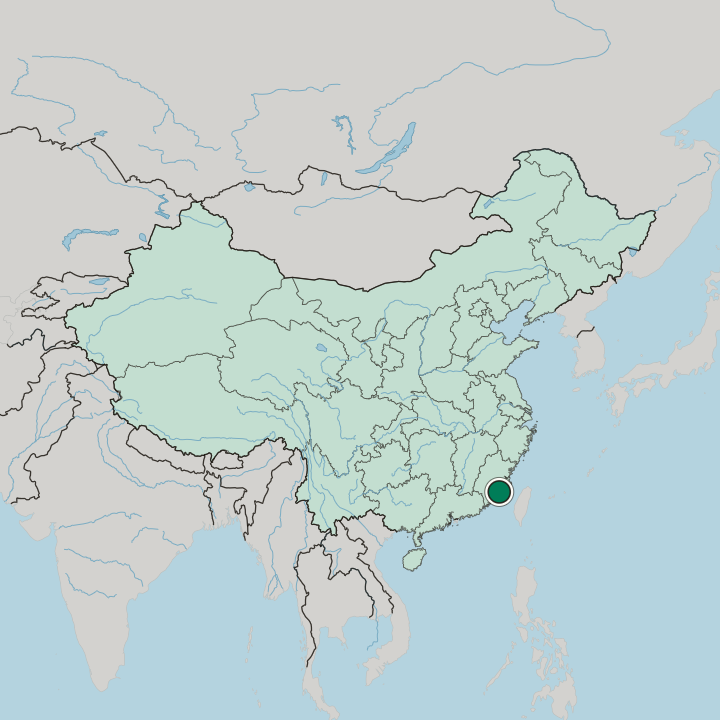
Jinjiang stands on the south bank of the Jin River opposite Quanzhou, a Fujian city carrying Anping Bridge, Cao'an and the Cizao Kiln Sites.
Hotel links are affiliate links: booking through them may earn us a commission, at no extra cost to you. It never affects how places are ranked. How this works


Where to stay in Jinjiang
The practical side of choosing where to sleep.
Jinjiang splits between bridge and river. Most beds here serve the factories and the trade rather than tourism, so the two clusters worth choosing between are Anhai, with its Longshan Temple, and the Jin River frontage looking across at Quanzhou. Anhai suits the heritage trip.
A room there puts the temple and Anping Bridge inside one manageable circuit, which is worth more than a central address if the listed sites are the reason for coming. The river changes the calculation. Rooms on the Jin River side face Fengze and Licheng across the water, and Quanzhou's urban districts sit close enough that many visitors treat Jinjiang as the quieter half of a single city.
Chendai and Cizao lie inland. The Ding Family Ancestral Hall at Chendai and the Cizao Kiln Sites stand away from both the river and Anhai, so covering them from any one base means driving across the 721.7 square kilometres this county-level city holds. Coast or temples, pick one.
If you want the Taiwan Strait shore, take a room toward the southern edge; if Anping Bridge, Cao'an and the Anhai Longshan Temple matter more, stay where the listed sites cluster instead.
Find hotels in Jinjiang
Direct booking searches for these neighbourhoods.
Anhai
The old quarter of Jinjiang holding the Anhai Longshan Temple, with the bridge on the same heritage circuitFind hotels in AnhaiNights facing Fengze and Licheng across the waterThe Jin River frontage
Jinjiang's river edge opposite Quanzhou's urban districts, the shortest hop into the prefecture cityFind hotels in The Jin River frontageVisitors here for the Ding Family Ancestral HallChendai
The inland side of Jinjiang around Chendai, back from both the Jin River and the Taiwan Strait. Beds are limited here, so book early.Find hotels in ChendaiTrips centred on the kiln sites rather than the templesCizao
The Cizao end of Jinjiang, where the kiln sites lie well behind the river frontage and the shore. Rooms are few around here — worth securing early.Find hotels in CizaoHotel links are affiliate links: booking through them may earn us a commission, at no extra cost to you. It never affects how places are ranked. How this works
About Jinjiang
Anping Bridge is the headline.
What is Jinjiang known for?
That crossing, together with Cao'an and the Anhai Longshan Temple, gives an industrial county-level city a heritage register far longer than its share of Fujian would suggest. Kilns worked this ground. The Cizao Kiln Sites record that production, the Anshan Dune Site reaches back further still, and the Ding Family Ancestral Hall at Chendai keeps one lineage's building among all the temples.
What are the main landmarks in Jinjiang?
Eight sites make the register. Anping Bridge is the best known, Cao'an and the Anhai Longshan Temple carry the religious weight, and the Stone Buddha Sculptures of Xizi Temple stand beside the Stone Buddha Sculptures and Cliff Inscriptions of Nantian Temple. Kilns and dunes complete it.
The Cizao Kiln Sites record ceramic production, the Anshan Dune Site preserves much older ground, and the Ding Family Ancestral Hall at Chendai is the one entry that belongs to a family rather than to a faith or a trade.
What is the history of Jinjiang?
The dune came first. Anshan Dune Site records occupation on this ground long before any of the temples or the bridge, and it anchors the deep end of a register unusually full for 721.7 square kilometres. Then the kilns.
The Cizao Kiln Sites mark a long stretch of ceramic production, a thread that runs from that old ground to the factories the county-level city works on. Stone carries most of what survives. The Stone Buddha Sculptures and Cliff Inscriptions of Nantian Temple and the Stone Buddha Sculptures of Xizi Temple are cut work rather than built work, and both sit in the register beside Cao'an and the Anhai Longshan Temple.
Anping Bridge is the engineering piece. A crossing of that scale belonged to a period when the Jin River and the Taiwan Strait carried the traffic moving through this part of Minnan, and it stayed standing long after that traffic changed. Families kept their own halls.
The Ding Family Ancestral Hall at Chendai preserves that habit, and it is the single listed site here recording a lineage instead of a faith, a craft or a route. Quanzhou took the administration. Jinjiang holds the rank of county-level city under it, on the far bank from Fengze and Licheng, which has left the smaller city its own sites and its own industry while the prefecture keeps the name most outsiders know.
Where is Jinjiang?
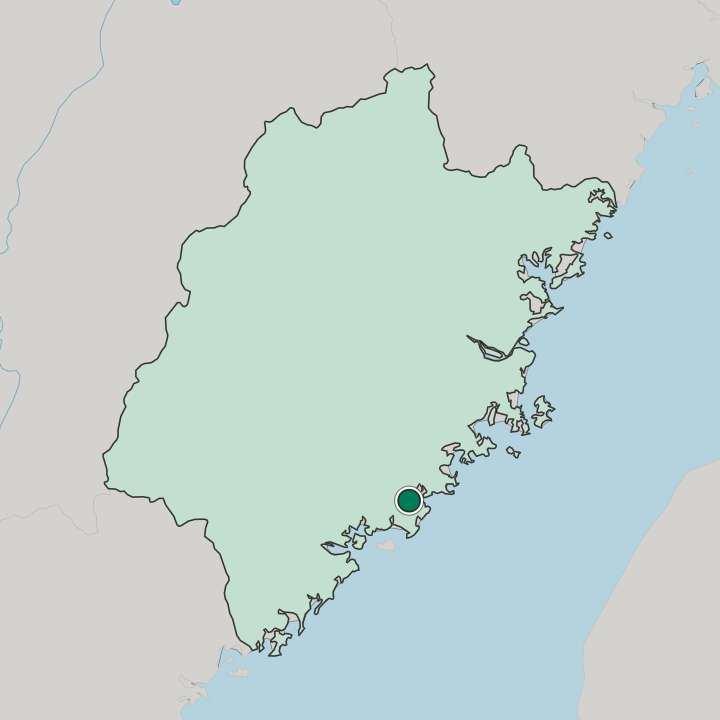
The Jin River draws the northern edge. Jinjiang occupies the bank opposite Quanzhou's urban districts of Fengze and Licheng, with the Taiwan Strait of the East China Sea along its southern side and 721.7 square kilometres of Fujian ground in between. Shishi and Nan'an flank it.
Those two county-level cities of Quanzhou Prefecture stand east and west, which leaves Jinjiang closed in by water on two sides and by neighbours on the others.
What is the climate of Jinjiang?
The Taiwan Strait does the moderating. Jinjiang lies in the subtropical band north of the equator with open water along one whole side, so the sea keeps the extremes off in a way the inland stretches of Fujian never get. Damp comes off that water.
The Stone Buddha Sculptures of Xizi Temple and the cliff inscriptions at Nantian Temple have weathered in it for a long time, and Anping Bridge has taken the same air.
How do you get to Jinjiang?
Quanzhou is the way in. Jinjiang lies across the Jin River from Fengze and Licheng, and the hop between them is short enough that an arrival into the prefecture city leaves a visitor effectively at the county-level city's door. Neighbours flank the road.
Shishi and Nan'an sit either side of Jinjiang, so the route through continues rather than stopping, and the Taiwan Strait closes the far end of it.
Common questions
What is the best area to stay in Jinjiang?
Anhai: Circuits built around the Anhai Longshan Temple and Anping Bridge. The Jin River frontage: Nights facing Fengze and Licheng across the water. Chendai: Visitors here for the Ding Family Ancestral Hall. Cizao: Trips centred on the kiln sites rather than the temples.
More cities in Fujian
Updated September 2026